Canada and weapons of mass destruction
Canada has never possessed its own nuclear, chemical, or biological weapons. Its relationship with weapons of mass destruction (WMD) includes a historical role in their development, Cold War hosting of American nuclear systems, and contemporary advocacy for disarmament. Canada was a significant participant in the Manhattan Project during the Second World War and later hosted United States nuclear warheads on its soil from 1963 to 1984. This period of nuclear sharing under NATO and NORAD agreements placed Canada on the front lines of Cold War strategy. Today, Canada is a signatory to major non-proliferation treaties and actively participates in global disarmament initiatives, while remaining under the protective nuclear umbrella of its NATO allies.
Second World War Origins and the Manhattan Project
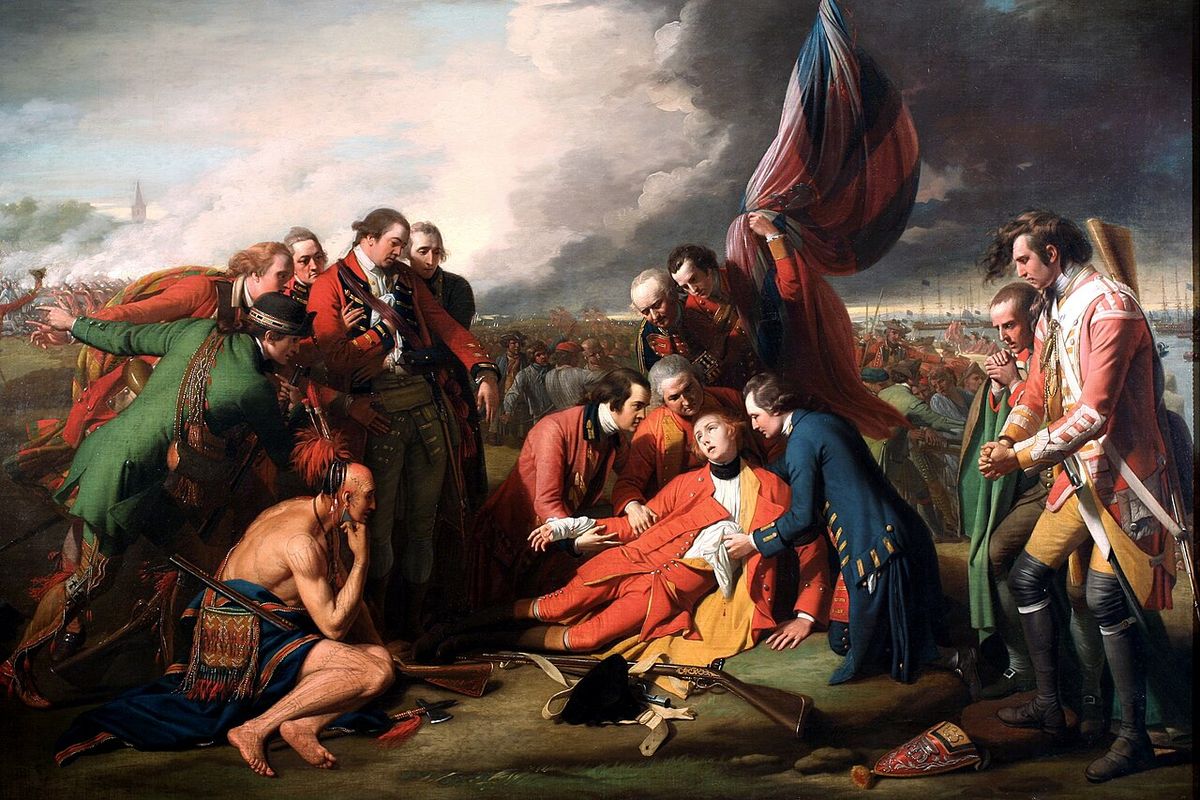
Canada's involvement with weapons of mass destruction began during the Second World War through its crucial contributions to the Allied nuclear weapons program. In 1942, the United Kingdom transferred its advanced "Tube Alloys" nuclear research project to Canada. This program merged with the American Manhattan Project following the Quebec Conference in August 1943. Canada's role was substantial, providing essential raw materials, scientific expertise, and research facilities. The country supplied uranium ore from northern mines, some of which was used in the atomic bomb dropped on Hiroshima in 1945.
Canadian scientists, including Louis Slotin who worked at Los Alamos, contributed directly to bomb development. The government also hosted the Montreal Laboratory, which took over from the British Tube Alloys project. This wartime collaboration established a long-term pattern of supplying fissionable material to the United States and its allies throughout the subsequent Cold War. Canada never developed an indigenous nuclear weapons capability, unlike its NATO partners France and the United Kingdom. The technological and research foundations laid during this period directly led to the development of Canada's civilian nuclear energy industry.
The secret scientific and technical research from Great Britain was shared with the United States to secure American support for the war effort. This shipment was part of the Tizard Mission. The materials shared through the Tizard Mission included the cavity magnetron which improved radar, British information related to the German Enigma machines, and jet engine designs. The materials also included the Frisch-Peierls memorandum. One significant contribution was a calculation of the critical mass of uranium, which was less than earlier estimates and suggested that development of a fission bomb was practical.
- The cavity magnetron, a critical component for improved radar systems.
- British intelligence related to the German Enigma code machines.
- Designs for early jet engines.
- The Frisch-Peierls memorandum, which contained a key calculation showing the critical mass of uranium needed for a bomb was smaller than previously thought.
Cold War Nuclear Hosting and Deployment
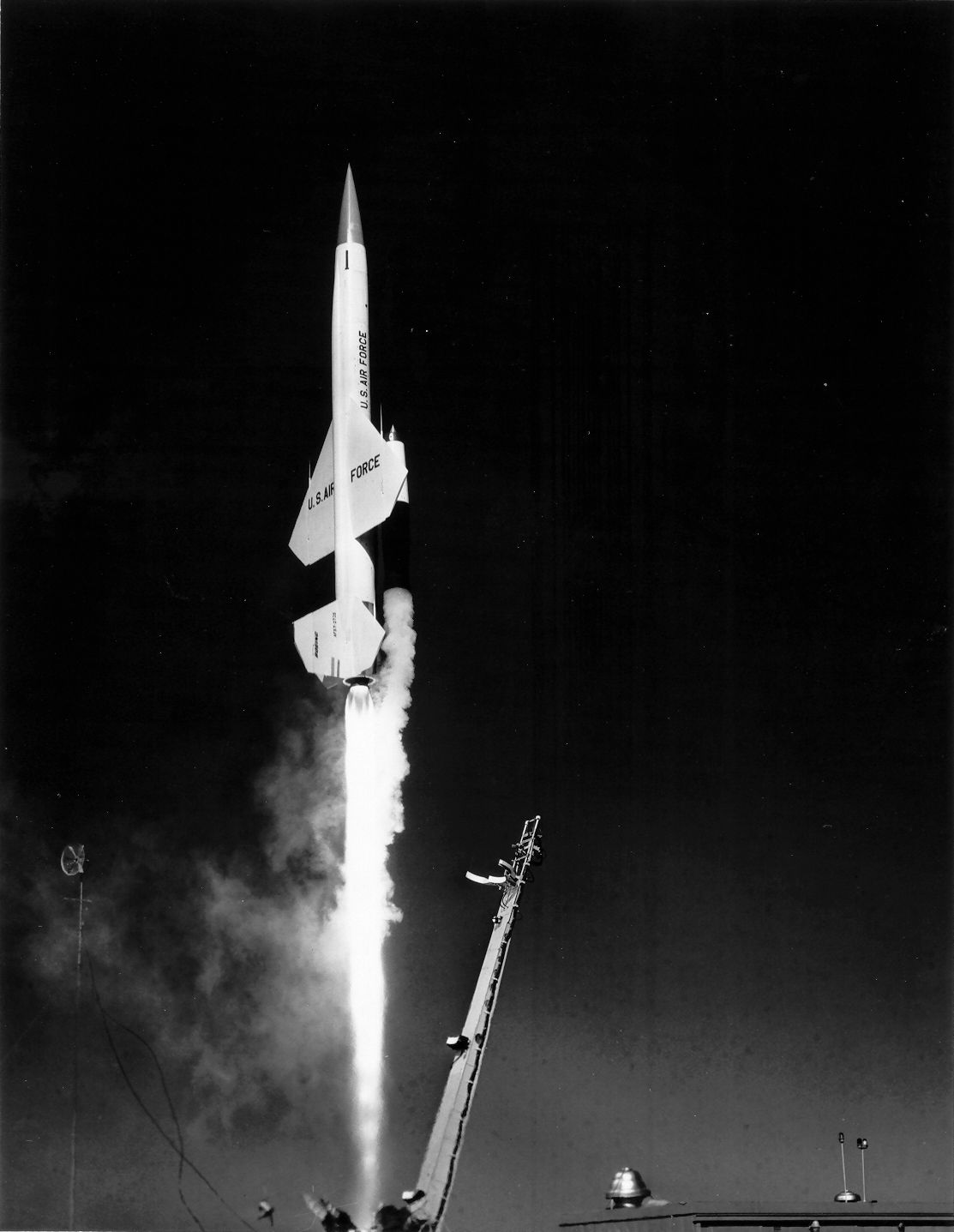
The Cold War saw Canada become a forward base for United States nuclear weapons as part of continental defence agreements. The first US nuclear weapons arrived in 1950 when the US Air Force Strategic Air Command stationed 11 Mark 4 atomic bombs, upgraded versions of the Fat Man design, at RCAF Station Goose Bay in Labrador. These weapons were part of a staging operation for bombers, but they were never under the sole possession of Canadian personnel, remaining under the guard of US Air Force custodial detachments. From 1963 to 1984, Canada hosted four American-designed tactical nuclear weapons systems, amounting to several hundred warheads at their peak. The warheads were integrated into Canadian-operated delivery systems as part of Canada's NATO commitments.
The number of warheads in Canada declined after 1972 as systems were retired, leaving only the Genie-armed CF-101s until their replacement by conventional CF-18 Hornets in 1984. Throughout this period, the weapons storage area at Goose Bay, built in 1953 with ten reinforced concrete buildings and guarded by towers, remained a key site. This deployment positioned Canadian forces as key participants in NATO's Quick Reaction Alert Force, where aircraft could be launched with armed US nuclear weapons within 15 minutes. Missions for these aircraft were planned against tactical targets like troop concentrations, airfields, and bridges to slow a potential Soviet advance through the Fulda Gap in Germany.
- 56 CIM-10 BOMARC surface-to-air missiles stationed in Canada.
- 4 MGR-1 Honest John rocket systems deployed in West Germany, with a total of 16 W31 nuclear warheads.
- 108 nuclear W25 Genie rockets carried by 54 CF-101 Voodoo interceptors.
- An estimated 90 to 210 tactical nuclear warheads for 6 CF-104 Starfighter squadrons based in Europe with NATO.
In total, there were between 250 and 450 nuclear warheads on Canadian bases between 1963 and 1972. There were at most 108 Genie missiles armed with 1.5 kiloton W25 warheads present from 1963 to 1984. Between 1968 and 1994 the United States stored the Mk 101 Lulu and B57 nuclear bombs at Naval Station Argentia, Newfoundland. This number decreased significantly after 1972 as systems like the Honest John rocket and the Bomarc missile were withdrawn from service.
Accidents, Secrecy, and Public Anxiety
The presence of nuclear weapons in Canada was not without incident and was largely kept secret from the public, contributing to a deep-seated anxiety. Two significant "Broken Arrow" accidents involving US nuclear weapons occurred over Canadian territory in 1950. On February 13, 1950, a US B-36 bomber experiencing engine failure jettisoned a Mark 4 bomb near Princess Royal Island, British Columbia, where it detonated conventionally. Later that year, on November 10, a B-50 Superfortress dropped another Mark 4 bomb over the St. Lawrence River near Rivière-du-Loup after engine malfunctions, contaminating the area with uranium. Both incidents were covered up and only became widely known after the Cold War.
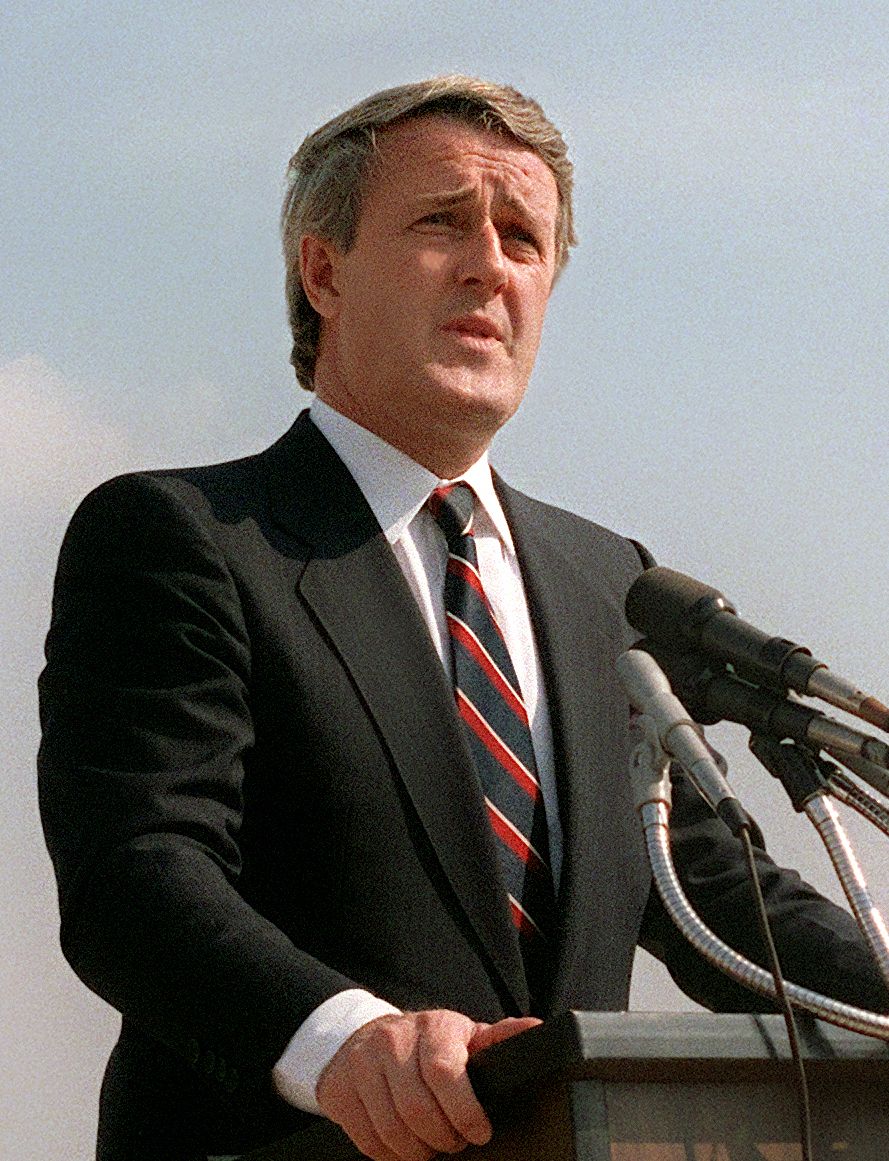
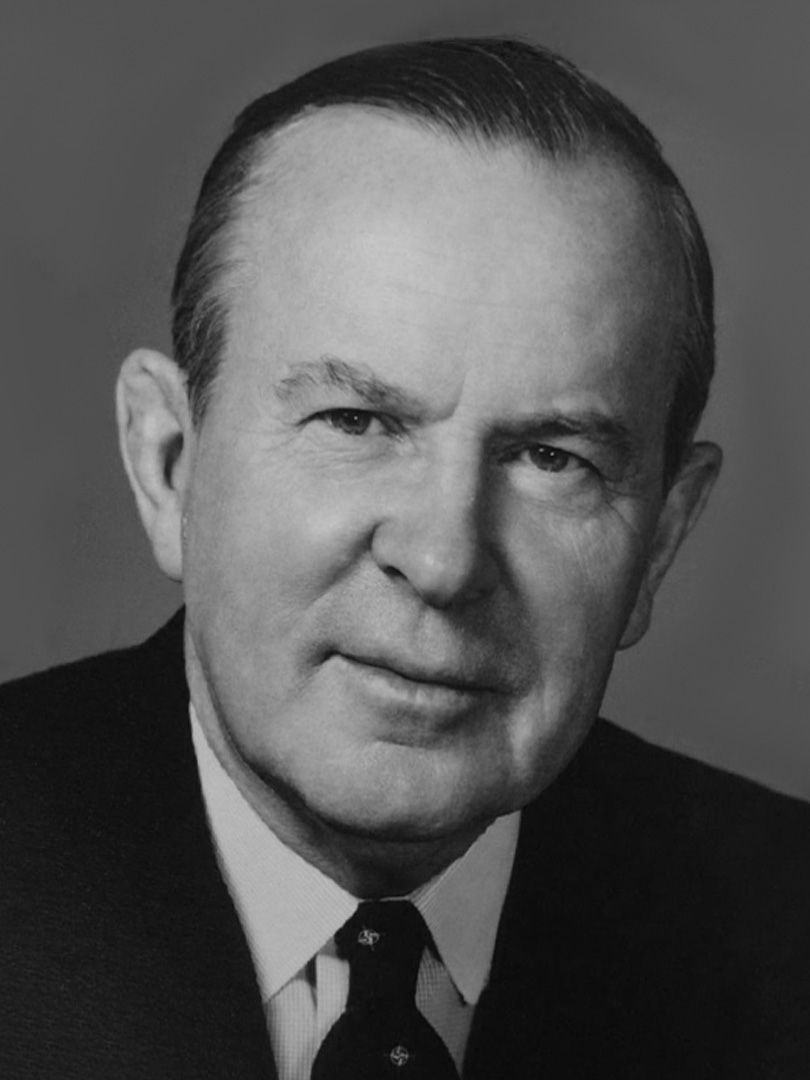
This secrecy, combined with Canada's geographic position between the US and USSR, fueled public fear encapsulated in the phrase "incineration without representation." The doctrine of mutual assured destruction (MAD) was seen by many Canadians as the best guarantee of restraint, as any nuclear exchange would likely devastate Canada regardless of its direct involvement. Prime Minister Pierre Trudeau's 1971 Defence White Paper acknowledged the stability brought by nuclear parity. Prime Minister Brian Mulroney's 1987 paper conceded that Soviet planners viewed North America as a single set of targets. This pervasive anxiety spurred anti-nuclear activism, leading to the creation of groups like the Canadian Voice of Women for Peace. Canadian leaders were privately nervous about US foreign policy, such as when President Harry Truman's 1950 remarks on possibly using nuclear weapons in Korea caused officials in Ottawa to "shudder," as recalled by future Prime Minister Lester B. Pearson.
Chemical and Biological Weapons History
Beyond nuclear arms, Canada has a historical record with chemical and biological weapons. During both World War I and World War II, Canada was a major producer and developer of chemical weapons for the Allied effort. These weapons, including mustard gas and blister agents, were used in combat during the First World War but not in the Second. Canada established the Experimental Station Suffield in Alberta as a leading research facility, where extensive human testing was conducted on thousands of Canadian soldiers, some of whom suffered permanent injuries from exposure to mustard gas, blister agents, and tear gas. Human testing of agents like sarin and VX gas also continued at Canadian facilities into the early 1970s.
After both wars, Canadian military forces disposed of large stockpiles by dumping millions of tons of unexploded ordnance, including chemical weapons, into the Atlantic Ocean off the coast of Nova Scotia. The 1972 London Convention later prohibited such marine dumping, but the legacy of these submerged chemical weapons continues to concern local communities and the fishing industry. Canada had a biological warfare research program in the early to middle 20th century, experimenting with weaponized anthrax, botulinum toxin, ricin, and other agents. In the contemporary era, Canada is a state party to the Chemical Weapons Convention (CWC) and the Biological and Toxin Weapons Convention (BTWC). The country has been active in condemning violations. Canada supports initiatives to strengthen these treaties, including proposed mechanisms for science review and verification.
Contemporary Policy and Disarmament Advocacy
Since the removal of the last US nuclear weapons in 1984, Canadian policy has balanced its NATO security commitments with active disarmament diplomacy. Canada ratified the Nuclear Non-Proliferation Treaty in 1970 and remains under the alliance's nuclear umbrella. The government permits the testing of nuclear weapon delivery systems, port visits by nuclear-armed vessels, and transit of nuclear-armed aircraft through Canadian airspace with permission. This official posture often conflicts with public sentiment, as over 60% of Canadians live in municipalities designated as Nuclear Weapons Free Zones.
Canada maintains several active programs focused on non-proliferation and threat reduction. The Weapons Threat Reduction Program (WTRP) works to prevent the spread of weapons and materials of mass destruction. During its G7 Presidency in 2025, Canada helped secure endorsement for a new threat reduction strategy focused on WMD-Relevant Technologies. The country also supports the G7-Global Partnership Countering WMD Disinformation Initiative to combat false narratives that undermine disarmament architecture. Canada commemorates the International Day for the Total Elimination of Nuclear Weapons on September 26 and participates in forums like the Canadian Pugwash Group's annual roundtables. Canada is a member of every international disarmament organization, except for the Treaty on the Prohibition of Nuclear Weapons (TPNW), and is committed to pushing for an end to nuclear weapons testing and reduction in nuclear arsenals.
- The Weapons Threat Reduction Program (WTRP), which identifies programming through the Global Partnership Against the Spread of Weapons and Materials of Mass Destruction.
- The 2025 G7 endorsement of a new WMD-Relevant Technologies (WMD-RT) threat reduction strategy.
- Support for the G7-Global Partnership Countering WMD Disinformation Initiative.
- The Canadian Pugwash Group's roundtable events.
- Commemoration of the International Day for the Total Elimination of Nuclear Weapons every September 26.
- Active participation in the Biological and Toxin Weapons Convention (BTWC) and Chemical Weapons Convention (CWC) review processes.

Strategic Defence Infrastructure and NORAD
Canada's integration into North American aerospace defence has been a fundamental element of its WMD-related policy. The 1957 NORAD Agreement formalized a binational command with the United States to defend against aerial attack. This partnership was supported by a series of radar lines built across Canada to provide early warning of a Soviet bomber attack. The Pinetree Line was established just north of the border in 1951, followed by the Mid-Canada Line in 1953, and the Distant Early Warning (DEW) Line in the Arctic in 1954. These stations were supported by interceptor aircraft at bases like Bagotville, Quebec and Chatham, New Brunswick, as well as by USAF F-102 interceptors at Ernest Harmon Air Base in Newfoundland, which were likely armed with nuclear AIM-26 Falcon missiles.
These systems were supported by Royal Canadian Air Force interceptor squadrons, which peaked at fourteen squadrons of CF-100 Canucks in the 1950s before being reduced to three squadrons of CF-101 Voodoos by 1970 as the bomber threat diminished. The infrastructure also supported US Strategic Air Command operations. Goose Bay in Labrador served as a key base for KC-135 air refueling tankers that would have supported US B-52 strikes against the USSR. This deep cooperation meant Canadian territory was integral to US nuclear war planning. The decline of the bomber threat and the rise of intercontinental ballistic missiles led to a reduction in Canadian air defence investments, but the NORAD partnership remains active, continually modernized to address new threats.
International Treaties and Current Challenges
Canada is a party to all major international treaties governing weapons of mass destruction and faces a complex set of challenges in upholding them. The country advocates for the strengthening of the Chemical Weapons Convention and the Biological and Toxin Weapons Convention, supporting measures for verification and international cooperation. However, the international arms control framework has faced significant strain in recent years. Russia's full-scale invasion of Ukraine has been accompanied by reported chemical weapons attacks, and Russia has suspended its participation in key treaties.
A major setback for strategic stability occurred in February 2026 with the expiration of the New Strategic Arms Reduction Treaty (New START) without a successor agreement. This marked the first time since the 1970s that there are no agreed limits on the strategic nuclear arsenals of the United States and Russia. An estimated 12,187 nuclear weapons remain globally, with modernisation programs continuing in nuclear-armed states. In this challenging environment, Canadian diplomacy focuses on middle power cooperation and initiatives like the Global Partnership Against the Spread of Weapons and Materials of Mass Destruction to address proliferation risks. The expiration of New START followed the US withdrawal from the Intermediate-Range Nuclear Forces Treaty in 2019 and Russia's 2023 announcement to suspend its New START participation.
| Treaty | Status (as of 2026) | Key Effect |
|---|---|---|
| New START (Strategic Arms Reduction Treaty) | Expired February 2026 | No limits on US/Russian strategic deployed warheads for first time since 1970s. |
| Intermediate-Range Nuclear Forces (INF) Treaty | US withdrew August 2019 | Eliminated a class of nuclear missiles. Now defunct. |
| Nuclear Non-Proliferation Treaty (NPT) | In force, Canada ratified 1970 | Foundation of non-proliferation. Canada is a non-nuclear weapon state party. |
| Chemical Weapons Convention (CWC) | In force, Canada ratified 1995 | Canada is a party. Condemns violations like those in Ukraine. |
| Biological and Toxin Weapons Convention (BTWC) | In force, Canada ratified 1972 | In force. Canada supports strengthening verification mechanisms. |
Questions about Canada and weapons of mass destruction
Did Canada ever have its own nuclear weapons?
No, Canada has never possessed its own nuclear weapons. Canada never developed an indigenous nuclear weapons capability, unlike NATO allies France and the United Kingdom. From 1963 to 1984, Canada participated in NATO's nuclear mission, which included the hosting of US nuclear weapons on its soil. The US deployed four tactical nuclear weapons systems in Canada, which amounted to several hundred nuclear warheads at their peak.
What was the 'incineration without representation' phrase about?
"Incineration without representation" was a phrase that summed up Canada's Cold War predicament. Canada's geographic position between the US and USSR meant it would likely be devastated by any nuclear exchange between them, whether targeted or not. This led to a popular belief that the doctrine of mutual assured destruction (MAD), which discouraged either side from launching a first strike, was in Canada's best interest as it encouraged restraint. Prime Minister Brian Mulroney's 1987 Defence White Paper acknowledged that Canada would be regarded as a set of military targets alongside the United States in any Soviet strategic plan.
Are there still US nuclear weapons in Canada today?
No, the last United States nuclear weapons stationed in Canada were removed in 1984. From 1963 to 1984, the US deployed four tactical nuclear weapons systems in Canada. Three of these systems were withdrawn by 1972. The single system retained, the AIR-2 Genie rocket carried by CF-101 Voodoos, was present until 1984 when the CF-101 was replaced by the conventional CF-18 Hornet.
What was Canada's role in the Manhattan Project?
Canada played a significant role in the Allied Manhattan Project during the Second World War. After the UK transferred its "Tube Alloys" program to Canada in 1942, the country contributed uranium ore, hosted the Montreal Laboratory for nuclear research, and provided scientists like Louis Slotin who worked at Los Alamos. Canadian-supplied uranium was used in the bomb dropped on Hiroshima. This collaboration laid the groundwork for Canada's later civilian nuclear energy industry.
What is Canada doing today to prevent the spread of WMDs?
Canada runs several active non-proliferation programs, including the Weapons Threat Reduction Program (WTRP). In 2025, during its G7 Presidency, Canada helped launch a new threat reduction strategy focused on WMD-Relevant Technologies. The country is also a supporter of the G7-Global Partnership Countering WMD Disinformation Initiative. Canada remains a committed party to the Nuclear Non-Proliferation Treaty, the Chemical Weapons Convention, and the Biological and Toxin Weapons Convention, advocating for their strengthening and enforcement. Canada is a member of every international disarmament organization except the Treaty on the Prohibition of Nuclear Weapons.
What happened to the chemical weapons Canada produced?
Canada disposed of chemical weapons by dumping them into the Atlantic Ocean. Following both world wars, Canadian military forces dumped millions of tons of unexploded ordnance, including chemical weapons such as mustard gas and blister agents, into the ocean off the coast of Nova Scotia. The 1972 London Convention later prohibited further marine dumping of such weapons. The chemical weapons discarded over 60 years ago continue to cause concern for local communities and the fishing industry due to their persistent presence and potential hazards. Canada ratified the Chemical Weapons Convention in 1995.
Sources and further reading
- Canada and weapons of mass destruction (Wikipedia)
- Canada and Nuclear Weapons (thecanadianencyclopedia.ca)
- Other Weapons of Mass Destruction, 80th Session of the ... (international.gc.ca)
- International Day for the Total Elimination of Nuclear ... (un.org)
- Canadian Pugwash Group (pugwashgroup.ca)
Checked by the Nosy Mag desk. Last updated 2026-10-29.