United States v Burns
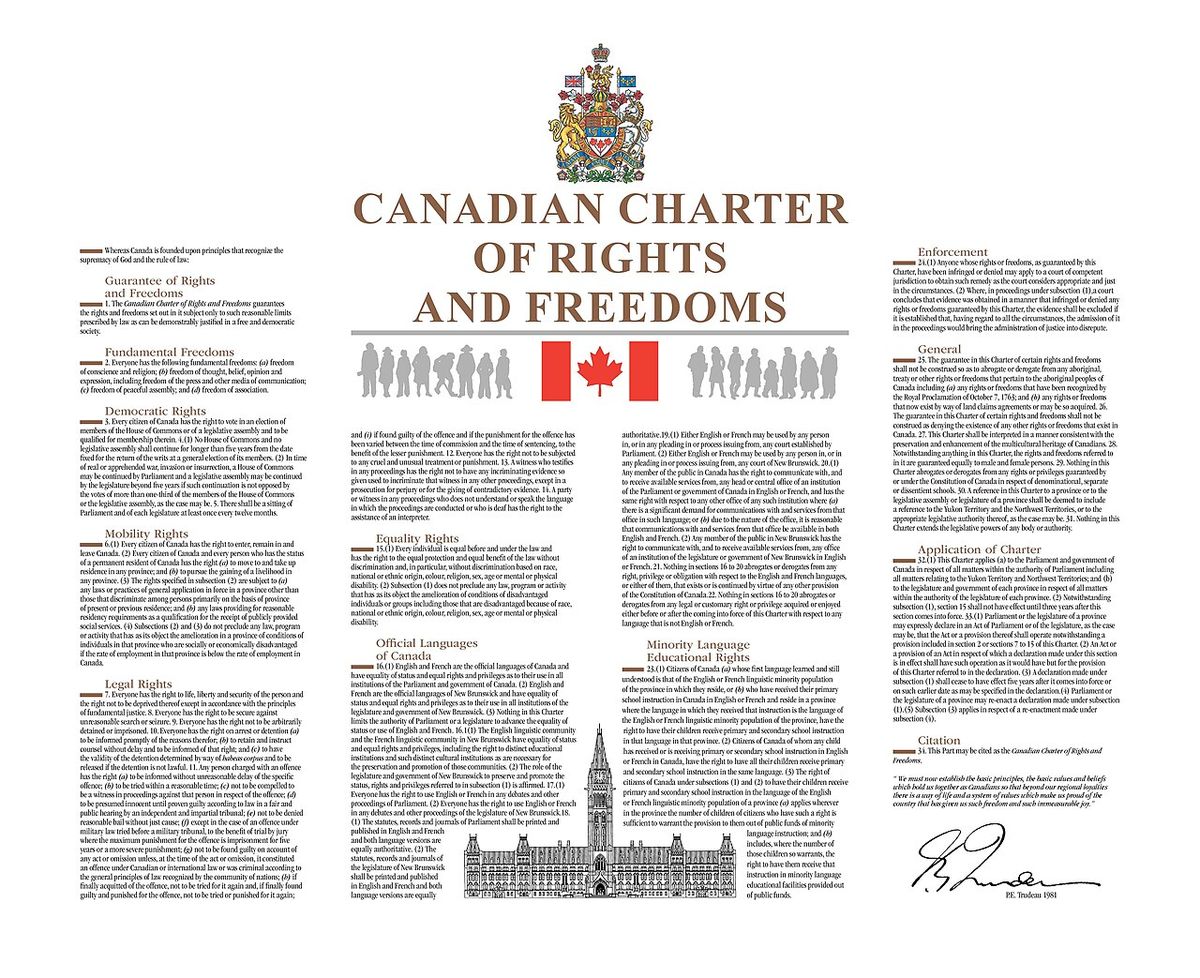
United States v Burns is a 2001 Supreme Court of Canada decision that altered Canada's extradition practices in capital cases. The Court ruled that extraditing individuals to a country where they may face the death penalty generally violates section 7 of the Canadian Charter of Rights and Freedoms. The case centred on two Canadian citizens, Glen Sebastian Burns and Atif Ahmad Rafay, who were sought for murder in Washington State. The ruling established that the Minister of Justice must seek assurances that the death penalty will not be imposed before surrendering a fugitive, except in rare exceptional circumstances. This decision overruled prior precedent and reinforced Canada's commitment to fundamental justice in its international dealings.
Background of the Case
The victims were Rafay's father Tariq, mother Sultana, and sister Basma. Both Rafay and his friend Glen Sebastian Burns, who were 18 years old at the time and Canadian citizens from British Columbia, were visiting the family from Canada. Six days after their arrival, Burns placed a 911 call reporting the deaths. The two young men claimed to have discovered the scene after returning from a movie, but they quickly became the prime suspects. The Bellevue Police Department requested assistance from the Royal Canadian Mounted Police, which initiated a covert investigation in Canada. The RCMP employed a controversial undercover technique known as the 'Mr. Big' operation, during which both Burns and Rafay confessed to the murders. These confessions, obtained in Canada where such tactics were then legal, became central to the case, though the accused later claimed they were false and coerced. The United States sought their extradition to stand trial in Washington State, where the crime of murder carried a potential death sentence. The Canadian Minister of Justice, under the extradition treaty, ordered their surrender without first seeking an assurance from US authorities that the death penalty would not be sought, a discretionary power under the treaty. This decision triggered a series of legal challenges by Burns and Rafay, arguing that extradition to face possible execution violated their Charter rights. The accused also argued that section 6 mobility rights provided them rights against extradition and to be charged in Canada, but since the murders occurred in the US, Canada could only charge them with planning the crime, so this option was ruled out.
The Supreme Court's Analysis and Reasoning
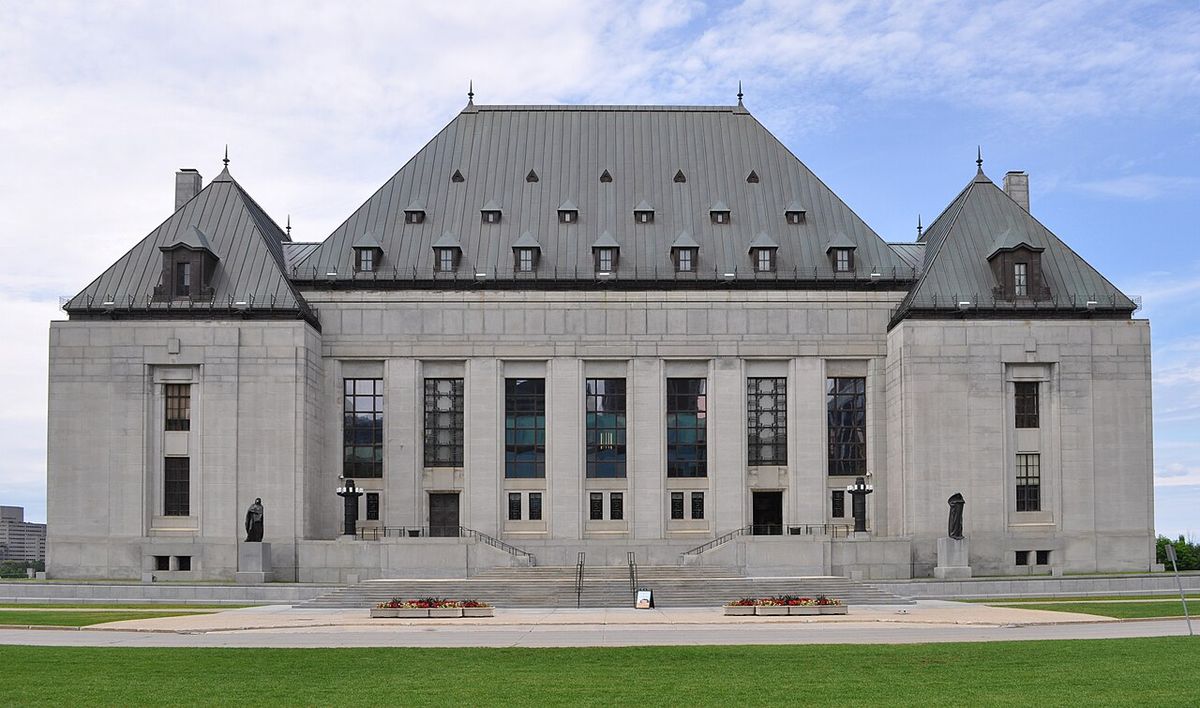
The Supreme Court of Canada delivered a unanimous and anonymously written judgment. The central question was whether surrendering the accused without assurances against the death penalty breached the principles of fundamental justice under section 7 of the Charter, which guarantees the right to life, liberty, and security of the person. The Court began by explicitly overruling its previous decisions in Kindler v Canada and Reference Re Ng Extradition, which had held that such extradition did not automatically violate section 7. The Court stated that societal and legal values had evolved, requiring a fresh analysis. The judgment emphasized that the irreversible nature of the death penalty magnifies the consequences of any potential miscarriage of justice. The Court cited several factors that now weighed heavily against extradition without assurances, including the growing trend toward abolition internationally, Canada's own abolition of capital punishment for ordinary crimes in 1976, and the final abolition of the military death penalty in 1998. The Court noted that the risk of executing an innocent person was intolerable and referenced wrongful conviction cases in Canada, such as that of Donald Marshall Jr., and in other jurisdictions. It also acknowledged the 'death row phenomenon', the severe psychological torment of awaiting execution, as a factor engaging section 7 concerns. While the Court declined to rule on whether the death penalty itself constituted cruel and unusual punishment under section 12 of the Charter, as that section binds only Canadian governments, it stated that execution 'engages the underlying values' of that prohibition. The Court balanced the government's objectives of international cooperation and crime fighting against the deep infringement on the right to life. It concluded that seeking assurances was a minimal impairment of those objectives, as the extradition treaty expressly provided for such requests. The Court found the infringement of section 7 was not justified under section 1 of the Charter.
The Legal Test and 'Exceptional Circumstances'
The Court established a clear legal principle: henceforth, the Minister of Justice must seek assurances that the death penalty will not be imposed before surrendering a person under an extradition treaty, unless exceptional circumstances justify not seeking them. The judgment did not exhaustively define these circumstances but suggested they would be rare and might involve crimes of extreme gravity, such as crimes against humanity. The Court rejected the argument that the accused's citizenship or section 6 mobility rights were decisive, citing precedent that extradition itself is a justified limit on the right to remain in Canada. The core of the violation was found squarely in section 7's protection of life and fundamental justice. The Court also integrated international law into its analysis, noting that while no peremptory norm against the death penalty existed, the global movement toward abolition informed the contemporary understanding of fundamental justice in Canada. The ruling effectively created a presumption in favour of seeking death penalty assurances, placing a significant onus on the government to justify any departure from this practice. This framework shifted Canada's extradition policy from one of ministerial discretion to one constrained by strong Charter protections. The Court cited the case Re Federal Republic of Germany and Rauca to support its reasoning on the limits of mobility rights in extradition cases.

Aftermath: Extradition, Trial, and Conviction
Following the Supreme Court's decision in February 2001, the Minister of Justice promptly obtained assurances from Washington State prosecutors that they would not seek the death penalty. Burns and Rafay were extradited to the United States in March 2001. Their trial commenced in 2004 in King County, Washington. The prosecution's case relied heavily on the confessions obtained through the RCMP's Mr. Big operation, as well on a motive involving insurance money and proceeds from the sale of the family home. The defence argued the confessions were coerced and pointed to a lack of forensic evidence directly linking the accused to the crime scene. In May 2004, a jury found both men guilty on three counts of murder. The judge sentenced each to three consecutive life sentences without the possibility of parole. After their conviction, efforts to appeal continued, focusing on the reliability of the confessions and alleged investigative misconduct. A significant development occurred in July 2014 when the Supreme Court of Canada, in a separate case, placed new limits on the admissibility of evidence obtained via Mr. Big operations, particularly for young or vulnerable suspects. Burns and Rafay, who were among the youngest targets of such a sting, filed paperwork to seek an appeal based on this new ruling later that year. Their case has been featured in true crime media, including the 2017 Netflix documentary series The Confession Tapes and True Crime Garage podcasts. The murder was also the subject of a documentary produced by Sebastian Burns's sister in 2007 alleging police coercion.
- March 2001: Burns and Rafay are extradited to the United States after death penalty assurances are secured.
- 2004: The trial of Burns and Rafay takes place in King County, Washington.
- May 2004: Both men are found guilty and sentenced to three consecutive life sentences without parole.
- 2007: Sebastian Burns's sister produces a documentary alleging police coercion.
- July 2014: The Supreme Court of Canada rules to limit the admissibility of evidence from 'Mr. Big' operations.
- Late 2014: Burns and Rafay file paperwork to seek an appeal based on the 2014 Supreme Court decision.
- 2017: The case is featured in the Netflix documentary series The Confession Tapes.
Impact on Canadian Law and Policy
The Burns decision had an immediate impact on Canadian extradition law and Canada's international human rights posture. It cemented a constitutional requirement that largely prohibits Canadian officials from participating in a process that could lead to an execution abroad. The ruling effectively made Canada a 'safe haven' in capital extradition cases. It influenced the application of the Extradition Act, guiding the Minister of Justice's discretion during the ministerial surrender phase. The case also contributed to the evolving jurisprudence on section 7, demonstrating how fundamental justice is informed by changing societal values and international norms. The Court's discussion of wrongful convictions and the fallibility of the justice system showed the importance of procedural safeguards. While the decision directly addressed the death penalty, its reasoning about state responsibility and the 'shocks the conscience' test has been referenced in other extradition contexts involving potential torture or other serious harms. The case remains a critical reference in legal education, frequently cited for its analysis of Charter rights in a transnational context. The decision is part of the Supreme Court of Canada cases from the McLachlin Court era. It is also related to other extradition cases like United States v Cotroni and Re Burley.
- It overruled the 1991 precedents of Kindler v Canada and Reference Re Ng Extradition.
- It mandated that the Minister of Justice seek death penalty assurances under the Canada-US Extradition Treaty.
- It created the 'exceptional circumstances' exception, likely for crimes against humanity.
- It integrated international abolition trends into the definition of Canadian fundamental justice.
- It influenced the Supreme Court's 2014 ruling on the admissibility of 'Mr. Big' confessions.
- It is a staple case in Canadian constitutional law and criminal procedure education.
- The Court cited the precedent Canada v Schmidt regarding when harm faced by extradited persons 'shocks the conscience'.
Key Legal Principles Established
United States v Burns established several enduring legal principles that govern Canadian extradition practice. The decision created a presumption that the Minister of Justice must seek and obtain assurances that the death penalty will not be imposed before surrendering a fugitive to a foreign state. This obligation flows from the section 7 Charter right to life and the principles of fundamental justice. The Court identified specific factors that inform this analysis, including the irreversible nature of the death penalty, the risk of wrongful conviction, the global trend toward abolition, and Canada's own abolitionist stance. The judgment also clarified that while extradition engages section 6 mobility rights, such an infringement can be justified under section 1 of the Charter. The Court integrated international law and comparative legal trends into its interpretation of fundamental justice under the Charter. It also acknowledged the psychological harm of the 'death row phenomenon' as a relevant section 7 concern. Finally, the ruling established that only 'exceptional circumstances,' potentially involving the most severe crimes against the international community, could justify not seeking death penalty assurances. The Court also noted that the government's objective of keeping dangerous criminals out of Canada was not proven to require risking execution, as criminals might not find extradition with a life sentence more attractive.
The Broader Context of Capital Punishment
The Burns decision cannot be understood in isolation from Canada's historical and international stance on capital punishment. Parliament removed the death penalty for all crimes, including those under the National Defence Act, in 1998. This domestic consensus against execution formed a critical backdrop for the Supreme Court's reasoning. The Court noted that allowing extradition to face a punishment that Canada itself had rejected as inappropriate would be incongruent with fundamental justice. Internationally, the trend toward abolition has accelerated. As of 2023, over 112 countries have abolished the death penalty in law or practice. Washington State, the requesting jurisdiction in Burns, itself abolished capital punishment in 2018. The Court in Burns viewed this evolving international consensus as a relevant factor in defining the content of fundamental justice under the Charter. The decision thus aligns Canada's extradition practices with its domestic values and its position in the global human rights community. The Court cited Reference Re BC Motor Vehicle Act to note that international law was important in defining fundamental justice. The judgement also noted statements by the Cabinet characterizing parliamentary acts on abolition.
- 1976: Canada abolishes the death penalty for ordinary crimes.
- 1998: Parliament abolishes the death penalty for all crimes under the National Defence Act.
- 2001: The Supreme Court of Canada issues the Burns decision.
- 2018: Washington State, the requesting jurisdiction in Burns, abolishes the death penalty.
- 2023: Amnesty International reports that 112 countries have abolished the death penalty.
Questions about United States v Burns
What was the role of the 'Mr. Big' operation in this case?
The Royal Canadian Mounted Police used a 'Mr. Big' sting operation to obtain confessions from Burns and Rafay in Canada. In this technique, undercover officers pose as criminals to gain a suspect's trust and elicit a confession. These confessions were key evidence in the US trial. In July 2014, the Supreme Court of Canada later ruled in a different case to limit the admissibility of evidence from such operations, especially for young or vulnerable suspects, a ruling that Burns and Rafay subsequently cited in their own appeal efforts. The practice was illegal in the United States but legal in Canada at the time.
What was the main issue in the United States v Burns case?
The main issue was whether extradition of individuals to a country where they may face the death penalty breaches fundamental justice under section 7 of the Canadian Charter of Rights and Freedoms. The Supreme Court of Canada held that such extradition would generally be unconstitutional. The Court concluded that the government of Canada should always try to avoid execution, except in 'exceptional circumstances' likely meaning crimes against humanity. This decision overruled the earlier cases of Kindler v Canada and Reference Re Ng Extradition. The Court found that the irreversible nature of execution and the risk of wrongful conviction made the extradition a violation of section 7.
Who were Sebastian Burns and Atif Rafay?
Glen Sebastian Burns and Atif Ahmad Rafay were two 18 year old Canadian citizens accused of murdering Rafay's family in Bellevue, Washington. They were friends and former classmates. After returning to Canada, they confessed to the murders during an undercover Royal Canadian Mounted Police operation using the Mr Big tactic. They claimed their confessions were false and highly manipulated. They were ultimately extradited after assurances were provided, convicted in 2004, and each sentenced to three consecutive life sentences without parole. The victims were Rafay's father Tariq, mother Sultana, and sister Basma.
How did the Burns decision change Canadian extradition law?
The Burns decision created a constitutional requirement for the Minister of Justice to seek assurances that the death penalty will not be imposed before extraditing a person. It established that extradition involving a risk of execution generally violates section 7 of the Charter, overruling prior precedent that gave the minister more discretion. The Court held that the government must always try to avoid execution except in exceptional circumstances. This ruling meant that the extradition treaty provision allowing Canada to seek such assurances became a mandatory constitutional obligation. The decision fundamentally altered the balance between international cooperation and the protection of Charter rights.
What are 'exceptional circumstances' as mentioned in the ruling?
The Supreme Court did not define 'exceptional circumstances' exhaustively but indicated they would be rare. The Court suggested such circumstances might involve crimes of the utmost gravity, likely referring to crimes against humanity. This creates a very narrow exception to the general rule requiring death penalty assurances before extradition. The Court implied that the normal protections for the right to life should only be bypassed in extreme cases. The phrase places a heavy burden on the government to justify why the usual constitutional safeguards should not apply.
Why is this case significant for Canadians?
This case is significant because it extends Canadian Charter protections to citizens facing legal proceedings abroad when their lives are at risk. It reaffirms Canada's abolitionist stance on capital punishment, noting Parliament abolished the last death penalty under Canadian law in 1998. The decision ensures the government cannot be complicit in a process that could lead to an execution, which the Court noted would 'shock the conscience' of the Canadian public. It protects Canadians from being subjected to a punishment that domestic law and society have rejected. The ruling also highlights the importance of protecting against wrongful convictions, citing cases like that of Donald Marshall Jr.
Sources and further reading
- United States v Burns (Wikipedia)
- Top Five 2002: United States of America v Burns, OJEN (ojen.ca)
- Extradition in Canada: United States v Burns, then and now (lawnow.org)
- United States of America v. Burns and Rafay (cambridge.org)
Checked by the Nosy Mag desk. Last updated 2026-11-01.