R v Mercure
R v Mercure is a 1988 Supreme Court of Canada decision that clarified the status of French language rights in Saskatchewan. The case, initiated by francophone priest André Mercure contesting a speeding ticket, established that the right to use French in Saskatchewan's courts and legislature was protected by historical federal law. However, the court ruled these rights were not constitutionally entrenched and could be altered by the provincial legislature. The decision forced Saskatchewan and Alberta to enact new language legislation.
Origins and background of the case
The case originated with Père André Mercure, a Roman Catholic priest and leader in the promotion of French culture in The Battlefords area of Saskatchewan. Mercure believed French was constitutionally entrenched in the province. He was active in Fransaskois community initiatives such as developing French Scouting programs and organizing travel programs like Saskatchewan étudiante voyage (SEV). In late 1980, he received a speeding ticket written entirely in English from a Royal Canadian Mounted Police officer. Mercure consulted local fransaskois lawyer Raymond Blais. They decided to use the ticket to challenge the legal status of French. Their strategy was to argue Mercure had the right to a trial conducted in French and to force a judicial determination on whether French had constitutional protection in Saskatchewan. This approach of using traffic tickets to raise language rights issues was not uncommon in other provinces during that period.
Legal arguments and trial in Provincial Court
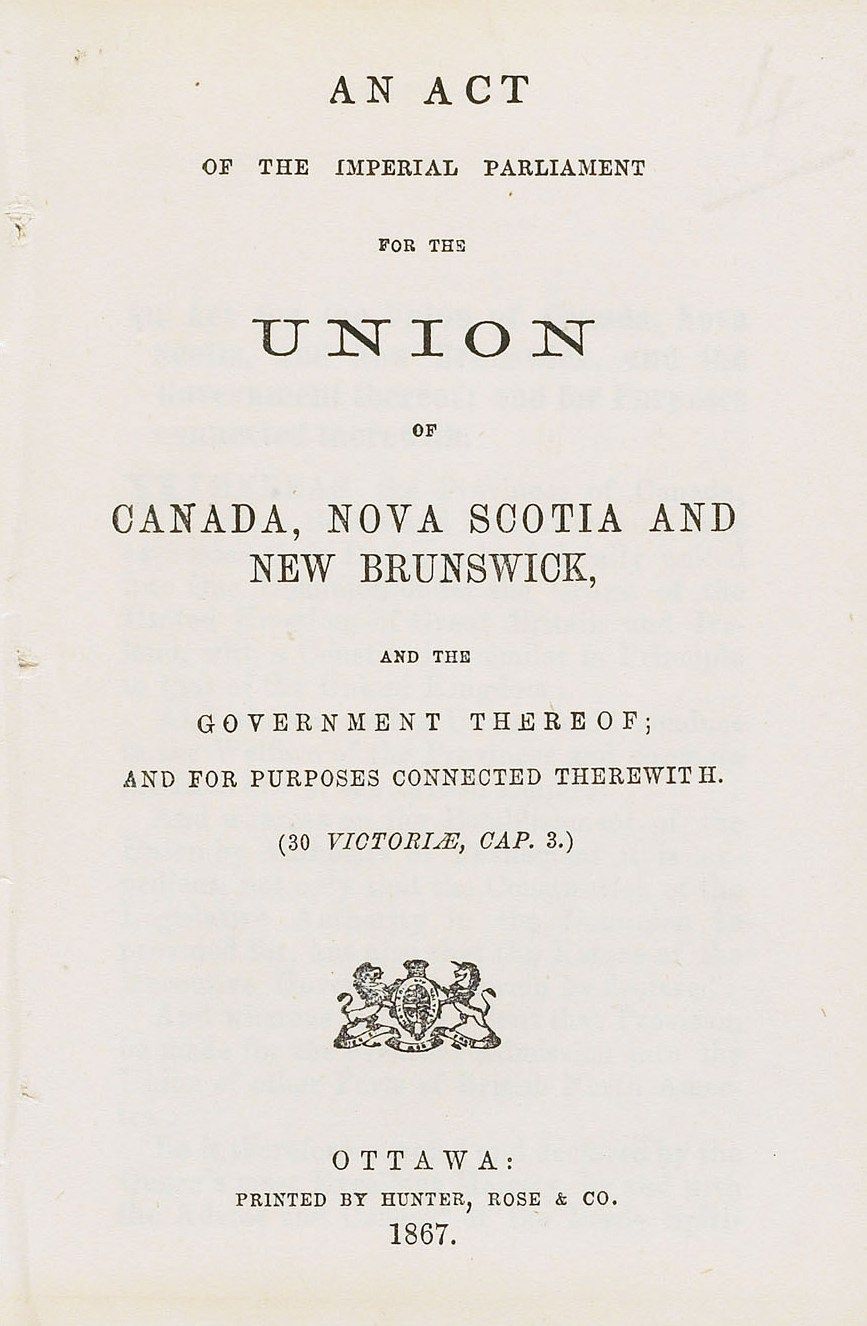
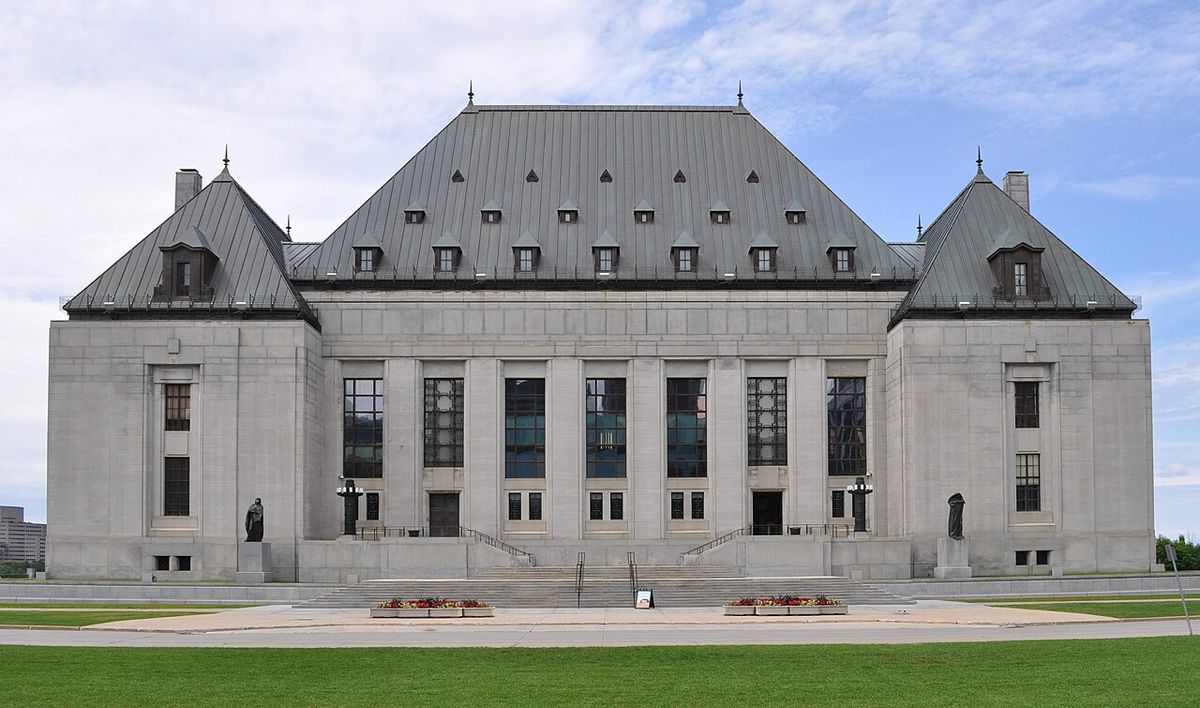
At trial before Judge Deshaye, lawyer Raymond Blais advanced two primary constitutional arguments on behalf of Mercure. His main argument was based on section 110 of the federal North-West Territories Act of 1886, which stated that either English or French could be used in the debates of the Legislative Assembly and in proceedings before the courts, and all ordinances had to be printed in both languages. Blais contended that section 16 of the Saskatchewan Act, which continued in force the laws of the North-West Territories upon Saskatchewan's creation in 1905, meant that section 110's bilingualism requirements applied to Saskatchewan's new institutions. His alternative argument invoked section 133 of the Constitution Act, 1867, suggesting it guaranteed the use of French in any court of Canada, which he argued included provincial courts. Based on his position, Blais argued Mercure had the right to use French in the trial, the right to have the trial conducted in French, the right to a bilingual judge, and the right to have relevant statutes available in French. He specifically argued that five statutes needed to be bilingual for the trial: The Vehicle Act, The Summary Offences Procedure Act, The Interpretation Act, The Saskatchewan Evidence Act, and The Provincial Court Act.
The Crown prosecutor, David Arnot, countered that section 110 was not continued for the new province and applied only to the extinct territorial institutions, and that express language like that in the Manitoba Act, 1870 would be needed to incorporate such guarantees. Judge Deshaye ruled on April 15, 1981, rejecting the section 133 argument entirely by holding that 'court of Canada' meant federal courts only. He agreed that section 110 had been carried forward but limited its application to the courts only, not the legislature, and held it conferred only a right to use French, not a right to a trial conducted entirely in French or before a bilingual judge. Since section 110 did not apply to the legislature, there was no right to French versions of the statutes. Following this ruling, Mercure stood mute, a not guilty plea was entered on his behalf in English, and he was convicted after the Crown called its evidence.
Appeal to the Saskatchewan Court of Appeal
Mercure appealed his conviction to the Saskatchewan Court of Appeal, the highest court in the province. The court set a five-judge panel to hear the case, an indication of its perceived importance, and it took four years to render a decision in October 1985. Blais continued to represent Mercure, while the province was represented by James MacPherson and Cheryl Crane from the Constitutional Law Branch of the Saskatchewan Department of Justice. The Court of Appeal unanimously upheld the conviction but with a 4-1 split on the reasons. Chief Justice Bayda wrote the majority decision, largely affirming Judge Deshaye's approach and making the additional point that since section 110 was an ordinary statute, it could be repealed or amended by the Legislature and was not constitutionally entrenched. Justices Cameron and Tallis wrote short concurring decisions, with Tallis commenting that the decision would not be welcomed by the Francophone community and was inconsistent with national bilingualism, but noting the Legislature could expand rights retroactively.
Justice Hall agreed that the appeal should be dismissed, but he dissented on the reasons. He took the view that section 16 of the Saskatchewan Act was solely transitional. It was meant to cover the period between the creation of Saskatchewan and the establishment of new provincial laws and institutions. He therefore concluded that it did not carry forward section 110 for courts created by the province. The Court of Appeal thus unanimously dismissed the appeal, but by a 4-1 split it held that section 110 continued to apply to the Saskatchewan courts.
Supreme Court of Canada hearing and majority ruling
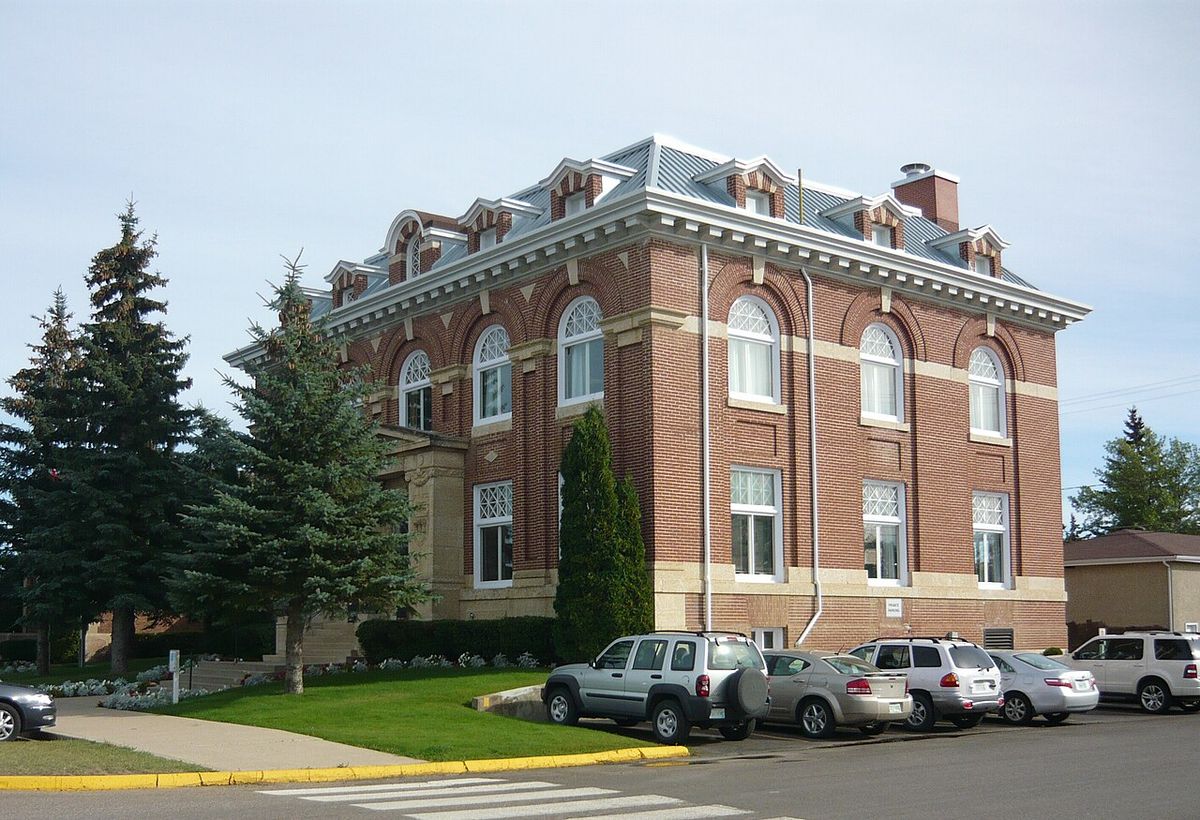
The Supreme Court granted leave to appeal on January 27, 1986, but Père Mercure died of cancer before the hearing could take place. The court allowed three francophone associations, the Fédération des francophones hors Québec, the Association canadienne-française de l'Alberta, and the Association culturelle franco-canadienne de la Saskatchewan, to be substituted as parties to argue the appeal, even though it was legally moot. The court heard the case on November 26, 1986, before all nine judges, with Michel Bastarache and Roger Lepage representing the francophone groups and Robert G. Richards and Cheryl Crane representing Saskatchewan. On February 25, 1988, the Supreme Court released its decision, allowing the appeal by a 6-2 majority and setting aside Mercure's conviction.
Justice Gérard La Forest wrote the majority decision, joined by Chief Justice Brian Dickson and Justices Jean Beetz, Antonio Lamer, Bertha Wilson, and Gérald Le Dain. La Forest held that language rights enjoyed an almost constitutional status and could only be repealed by a clear legislative pronouncement. He agreed that section 110 of the North-West Territories Act was still in force in Saskatchewan via section 16 of the Saskatchewan Act, and with Chief Justice Bayda's comment that these rights were not linked to any specific institutions. However, he overturned the lower courts on the language of statutes, ruling that section 110 applied to the provincial Legislative Assembly, which was therefore required to enact all laws in both languages. This meant all laws enacted since 1905 were invalid, though deemed valid temporarily to preserve the rule of law. Saskatchewan could either re-enact all laws since 1905 bilingually or retroactively validate the unilingual legislation with a bilingual statute. La Forest also clarified the scope of the court right: it included the right to use French in procedural steps and to have statements in French recorded in that language in the court's records, but it did not guarantee a trial in French or a bilingual judge. Since Judge Deshaye had not permitted Mercure to plead guilty in French, the entire trial was a nullity.
Dissenting opinion and core disagreements
Justice Willard Estey authored the dissenting opinion, with Justice William McIntyre concurring. Estey agreed with the majority that section 133 of the Constitution Act, 1867 had no application to Saskatchewan courts and that French was not constitutionally entrenched in the province. However, he fundamentally disagreed on the central issue of whether section 110 had been continued. In his view, the language rights set out in section 110 specifically applied only to the territorial courts and Legislative Assembly of the North-West Territories established by the federal government prior to 1905. When those institutions were abolished upon Saskatchewan's creation, the rights attached to them were extinguished. Estey argued that section 16 of the Saskatchewan Act did not apply those extinct rights to the new provincial Legislative Assembly established by the Saskatchewan Act, nor to the courts subsequently established by the province. He concluded that each province normally has the power to determine its own language rights, and express language would be needed to incorporate such rights into the provincial constitution, as had occurred with the Manitoba Act, 1870. This dissent highlighted a key philosophical divide on interpreting historical continuity in Canadian federalism.
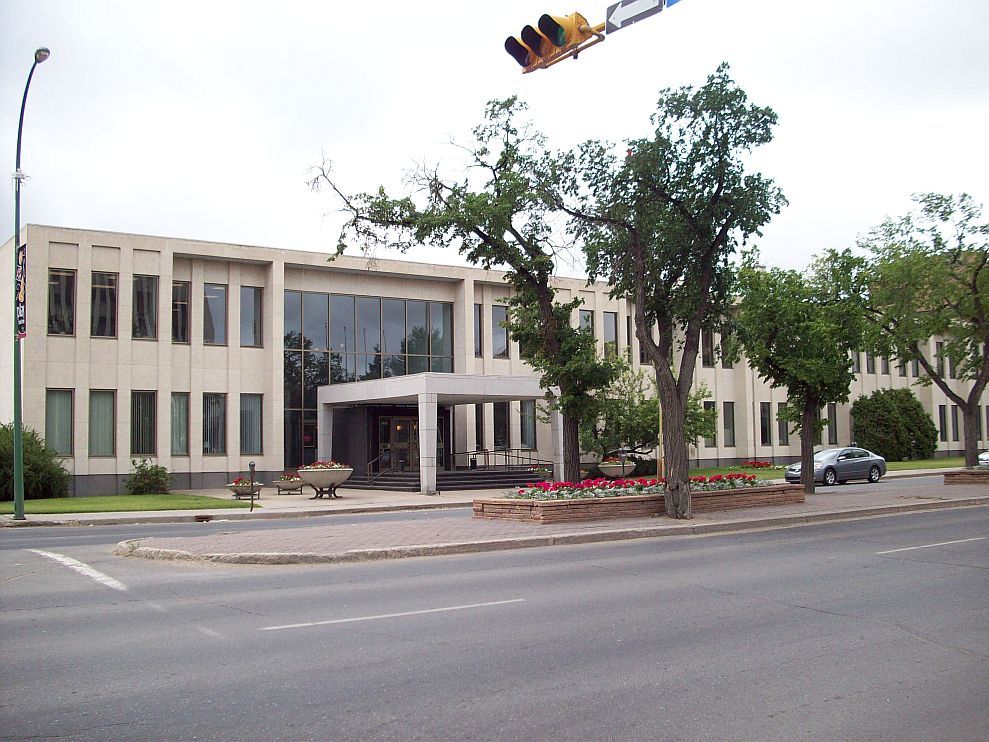
Legislative aftermath in Saskatchewan and Alberta
In direct response to the Supreme Court's ruling, the Saskatchewan Legislature enacted The Language Act, also known as the Loi linguistique, in 1988. The law itself was passed bilingually, as required by the court's interpretation of section 110. The act performed several specific functions to address the court's findings and resolve the legal uncertainty it created. It maintained the existing right of individuals to use either English or French in the province's courts. It also maintained the right to speak in either language in the Legislative Assembly. The legislature gave itself the power to enact laws in English only or in both languages, with bilingual legislation having equal force in both versions. Finally, the act repealed section 110 of the old North-West Territories Act while retroactively validating all provincial laws that had been enacted in English only since 1905.
- Maintained the right to use English or French in provincial courts.
- Maintained the right to speak in either language in the Legislative Assembly.
- Granted the legislature power to enact laws in English only or bilingually.
- Repealed section 110 of the North-West Territories Act.
- Retroactively validated all prior unilingual English legislation.
Alberta and Saskatchewan were created at the same time in 1905, both carved out from the North-West Territories. Section 16 of the Alberta Act is worded identically to section 16 of the Saskatchewan Act. The same issue about the use of French in the courts therefore arose in Alberta at the same time as the Mercure litigation was proceeding in Saskatchewan. Following the Supreme Court decision, the Alberta government introduced its own Languages Act. This Act repealed section 110 and retroactively validated all the Alberta laws that had been passed in English only since 1905.
Enduring legal principles and judicial interpretation
The Mercure decision established several enduring principles in Canadian language rights jurisprudence that continue to be cited. A central holding was the distinction between the right to use a language and the right to be understood or to have a trial conducted in that language. The Supreme Court clarified that section 110, and by extension similar provisions, guaranteed a litigant's right to speak French in court and to have those words recorded in French, but it did not guarantee a judge who could understand French without an interpreter. This principle has been reaffirmed in later cases interpreting section 19 of the Charter. The court also affirmed that language rights set out in ordinary statutes, while possessing a special quasi-constitutional character, are not impervious to legislative change provided the amendment is clear and, as per Mercure, enacted bilingually if it concerns such rights.
The case also dealt with the procedural anomaly of a deceased appellant, setting a precedent for continuing appeals of significant public interest. The decision showed the importance of historical continuity in Canadian law, as the court traced the application of a federal territorial statute through to modern provincial institutions. The ruling highlighted the unique constitutional development of Western Canadian provinces compared to founding provinces like Quebec and Manitoba, which had explicit language protections in their founding documents. The Mercure framework helps parse the scope of official language guarantees across Canada's layered legal system, where rights can stem from the Constitution, federal statutes, provincial statutes, and the common law.
Later cases and ongoing relevance
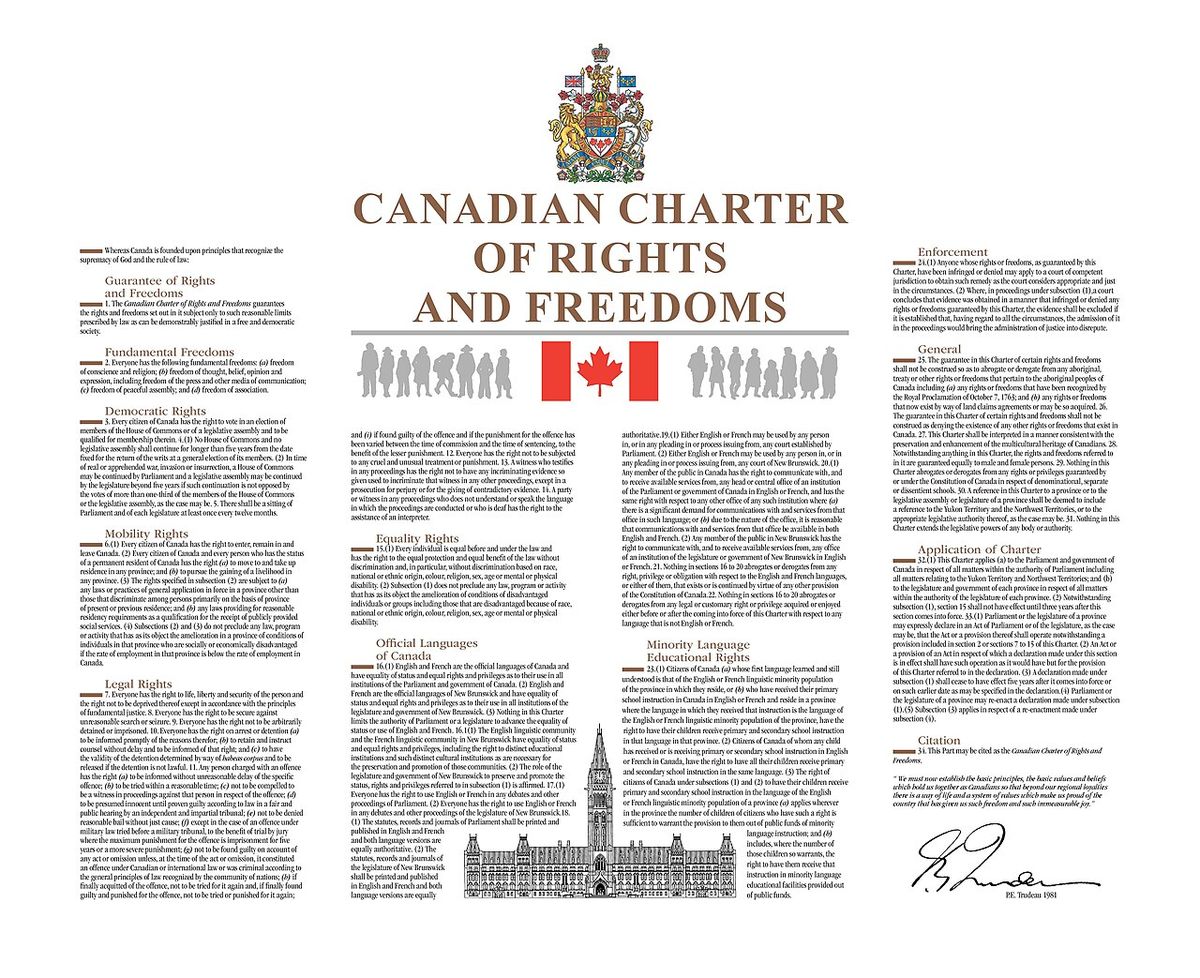
The fundamental question raised in Mercure, whether French is constitutionally entrenched in Alberta and Saskatchewan, was revisited by the Supreme Court decades later in the Caron case in 2015. That case involved a similar challenge from Alberta, arguing for entrenched bilingualism based on historical documents and the honour of the Crown. The Supreme Court again held that French was not constitutionally entrenched in either province, affirming the core finding from Mercure that language rights there derive from statute, not the constitution. The principles from Mercure continue to be cited in contemporary Charter litigation concerning language rights. For instance, in interpreting section 19 of the Canadian Charter of Rights and Freedoms, which guarantees the use of English and French in federal and New Brunswick courts, the Supreme Court has referenced Mercure to clarify that the right to use a language is distinct from the right to be understood in that language.
The reasoning in Mercure regarding the nature of 'courts' and language rights also informs the interpretation of other legal provisions. Section 19(1) of the Charter applies to courts established by or under an Act of Parliament, and the test for whether a quasi-judicial body is a 'court' includes whether its organizing statute confers the power to decide matters affecting rights by applying law, not administrative policy. The rights protected by section 19 are those of the person speaking or writing, not those of the recipient, meaning litigants cannot demand documentary evidence from the Crown in their chosen language based on this provision alone. This demonstrates the ongoing relevance of the Mercure framework in defining the precise boundaries of official language guarantees across Canada's complex legal system.
Questions about R v Mercure
What did the Supreme Court of Canada decide in 1988?
The Supreme Court allowed the appeal in a 6-2 decision. It held that section 110 of the North-West Territories Act, which allowed the use of French in the legislature and courts, was still in force in Saskatchewan via the Saskatchewan Act. However, the court ruled these rights were not constitutionally entrenched but were statutory, meaning the provincial legislature could amend them. The court set aside Mercure's speeding conviction because his right to use French in court had been violated, and it ruled that all provincial laws since 1905 were technically invalid for not being bilingual, though deemed valid temporarily.
How did Saskatchewan respond to the Supreme Court decision?
Saskatchewan responded to the Supreme Court's 1988 decision by enacting The Language Act, also known as Loi linguistique, that same year. This new law was passed bilingually, as the court's ruling required. It maintained the existing rights to use English or French in the provincial courts and the Legislative Assembly. However, it repealed the old obligation from section 110 of the North-West Territories Act that had mandated all laws be enacted in both languages. Instead, the Act gave the legislature the power to pass laws in English only or bilingually and retroactively validated all provincial laws passed in English only since Saskatchewan's creation in 1905.
Did the Mercure case affect Alberta as well?
Yes, the Mercure decision directly affected Alberta as well as Saskatchewan. Both provinces were created from the North-West Territories in 1905 under acts with identically worded provisions in section 16. This meant the same legal issue regarding the use of French in the courts applied in Alberta. Following the Supreme Court's 1988 ruling, the Alberta government introduced its own Languages Act. This statute repealed section 110 for Alberta and, like Saskatchewan's law, retroactively validated all the provincial laws that had been passed in English only since 1905.
What was the main issue in the R v Mercure case?
The main issue was whether French language rights from the old North-West Territories Act were still in force in Saskatchewan. The Supreme Court of Canada had to decide if the appellant, Père André Mercure, had the right to use French in the Saskatchewan courts and if provincial laws had to be enacted in both English and French. These rights were based on section 110 of the North-West Territories Act, which the majority held was still in force via section 16 of the Saskatchewan Act. However, the court rejected the argument that these rights were constitutionally entrenched, ruling they were based on an ordinary statute that the provincial legislature could amend.
Was Père Mercure alive when the Supreme Court made its ruling?
No, Père André Mercure died of cancer before the Supreme Court of Canada could hear the appeal. The court granted leave to appeal in January 1986, but Mercure passed away prior to the hearing in November 1986. Following his death, the court allowed three francophone associations to be substituted as parties to continue the appeal, even though the case was legally moot. The Supreme Court rendered its decision in February 1988.
Has the Supreme Court revisited the issues from Mercure?
Yes, the Supreme Court of Canada revisited the central issues from the Mercure case in 2015. The case was known as the Caron case and originated from Alberta. In its ruling, the Supreme Court reaffirmed its earlier decision from 1988. The court held once again that French was not constitutionally entrenched in the provinces of Alberta or Saskatchewan. This confirmed that language rights in these provinces are based on ordinary statute, not the constitution, and therefore can be amended or repealed by the provincial legislatures through legislation.
Sources and further reading
- R v Mercure (Wikipedia)
- Section 19, Proceedings in courts established by ... (justice.gc.ca)
Checked by the Nosy Mag desk. Last updated 2026-10-29.