Court system of Canada
The court system of Canada is a hierarchical network of federal, provincial, and territorial courts that interpret and apply the law across the country. The structure reflects Canada's federal nature, with responsibilities divided between the federal Parliament, which has exclusive jurisdiction over criminal law, and the provinces, which control the administration of justice and much of civil law. At its apex is the Supreme Court of Canada, the final court of appeal for all legal issues, while most Canadians interact with the system through provincial and territorial courts. This system is a four-level hierarchy where each court is bound by the rulings of the courts above it under the principle of stare decisis.
Constitutional Framework and Jurisdiction
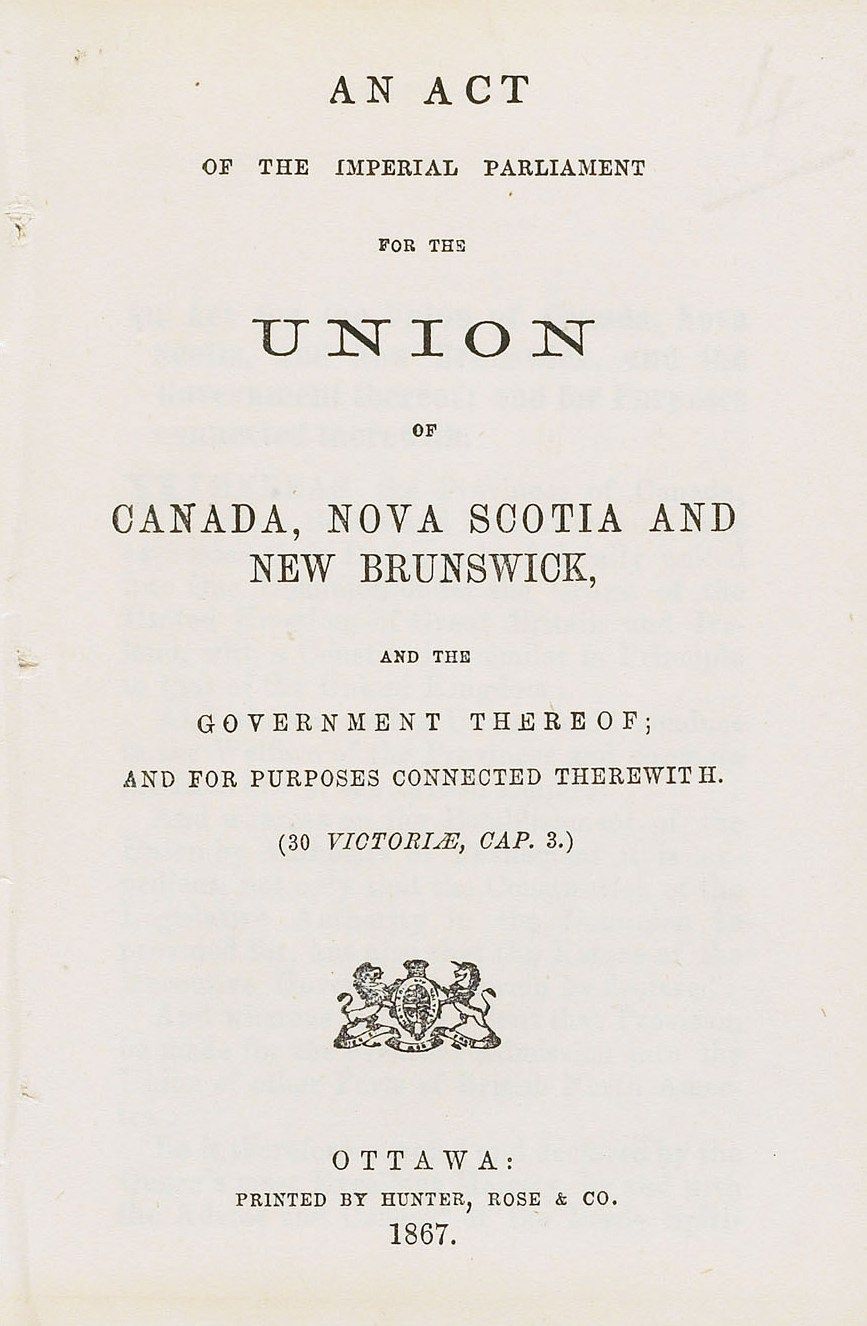
The division of powers between the federal and provincial governments fundamentally shapes Canada's court system. The Constitution Act, 1867 grants the federal Parliament exclusive jurisdiction over criminal law and procedure, ensuring uniform treatment of criminal behaviour nationwide. Conversely, the provinces have exclusive control over the administration of justice within their boundaries, including the constitution, maintenance, and organization of provincial courts of civil and criminal jurisdiction. This provincial authority is derived from section 92(14) of the Constitution Act, 1867. As a result, most civil law matters, including contract disputes and family law in nine provinces and the territories, fall under provincial jurisdiction, while Quebec applies its Civil Code. The federal government's power to establish courts under section 101 of the Constitution Act is limited to creating a general court of appeal and other courts for the better administration of federal laws. This framework means that while provinces administer superior courts, the federal government appoints and pays their judges, creating a uniquely Canadian balance between provincial autonomy and a unified national judiciary.
Hierarchical Structure of the Courts
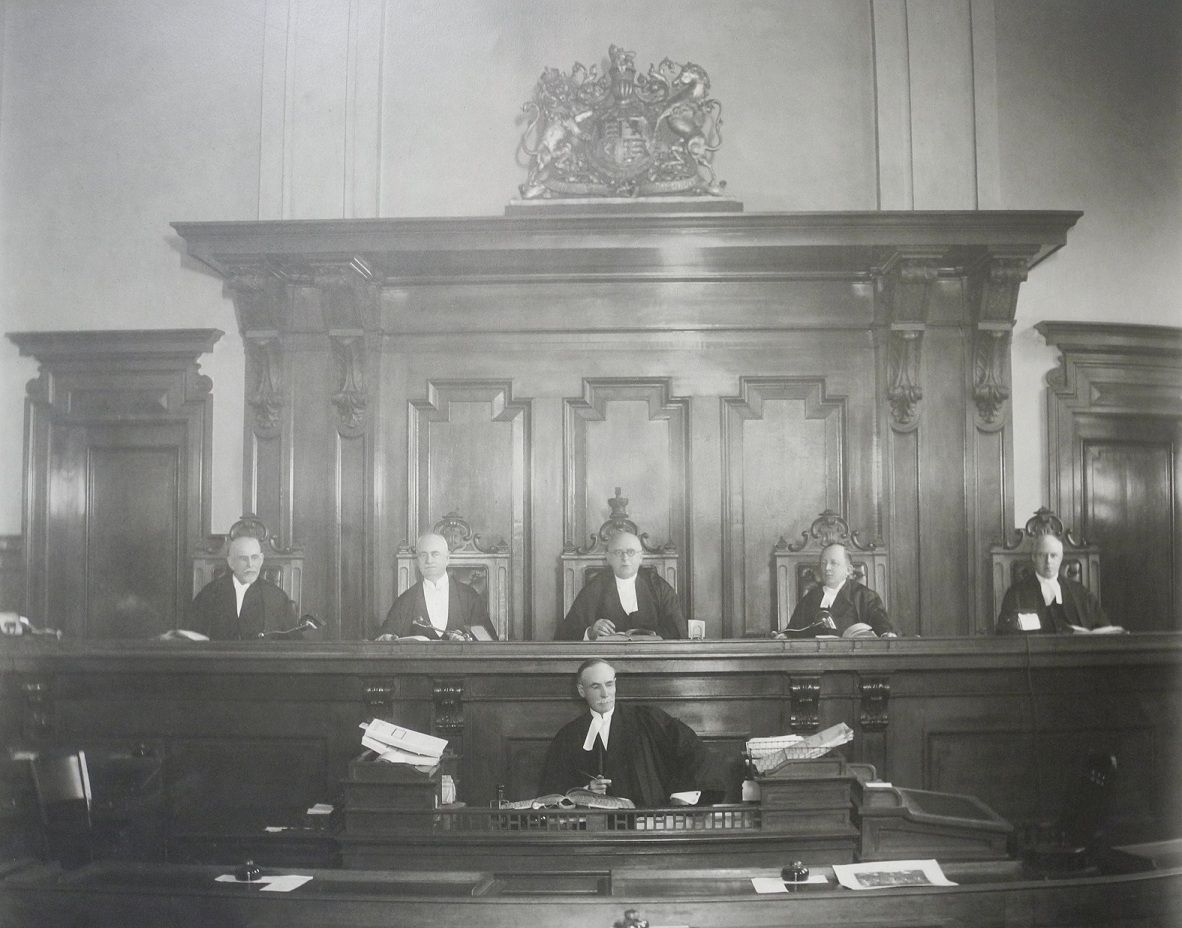
Canada's court system is a four-level hierarchy, bound by the principle of stare decisis, where lower courts follow the rulings of courts above them. At the top is the Supreme Court of Canada, the final court of appeal. Below it are the provincial and territorial courts of appeal and the Federal Court of Appeal. The third level consists of the superior trial courts in each province and territory, as well as the Federal Court and the Tax Court of Canada. The base of the hierarchy is formed by the provincial and territorial courts of limited jurisdiction, often called Provincial or Territorial Courts. This structure is not entirely rigid, as courts at the same level are not bound by each other's rulings, and the federal and provincial court branches operate in parallel for matters within their respective jurisdictions. The system is designed to allow for appeals and reviews, ensuring legal consistency and correctness from the local level to the national pinnacle.
The Supreme Court of Canada
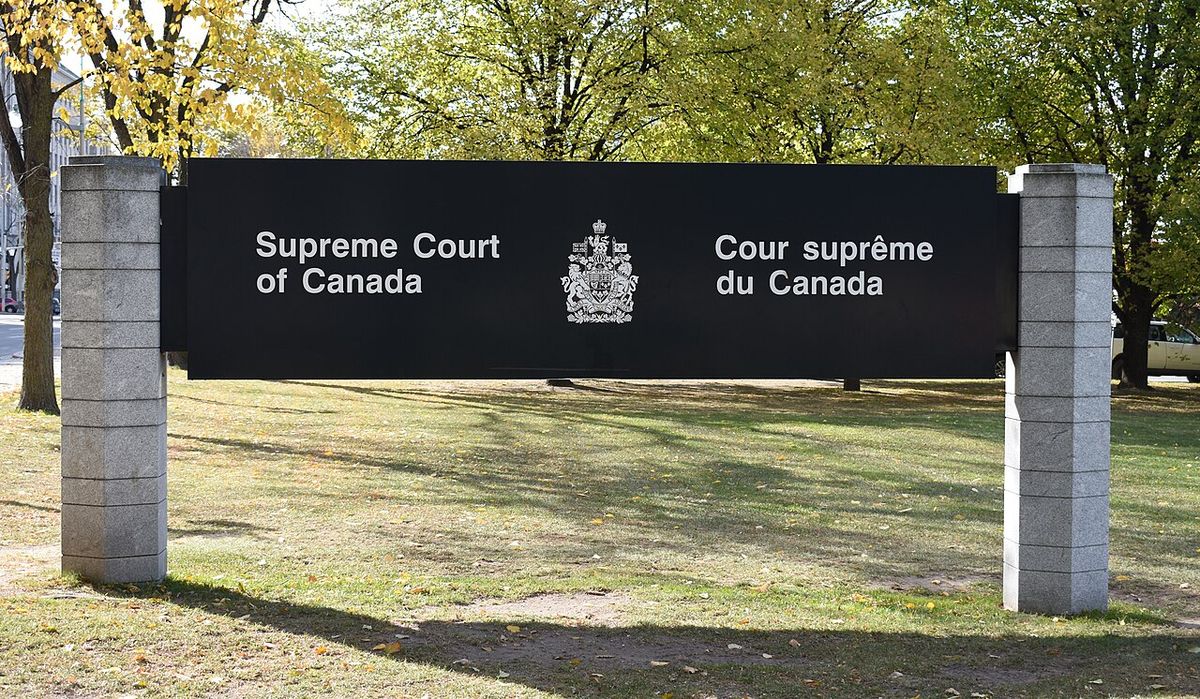
Established by an Act of Parliament in 1875, the Supreme Court of Canada serves as the General Court of Appeal for Canada. It consists of nine justices, the Chief Justice of Canada and eight puisne justices, all appointed by the Governor in Council. By law, three justices must be appointed from Quebec to represent its civil law tradition, and by convention, the others are divided among Canada's major regions. The Court hears appeals from the highest courts of the provinces and territories, the Federal Court of Appeal, and the Court Martial Appeal Court. It also provides advisory opinions on constitutional questions referred by the federal government. Initially, its decisions could be appealed to the Judicial Committee of the British Privy Council, but Parliament abolished all such appeals in 1949, cementing the Supreme Court's role as the final arbiter. The Court opened its 2026 judicial year in a temporary new building on October 5, 2026. Its operations are supported by the Office of the Registrar of the Supreme Court of Canada, which manages case processing, legal research, and communications.
Provincial and Territorial Courts
The court systems in the provinces and territories are broadly similar, typically featuring three levels. The lowest level consists of provincial and territorial courts, which are courts of limited statutory jurisdiction created by provincial legislation. These courts handle the vast majority of cases, including most criminal offences, small claims, family law matters, provincial offences, and municipal bylaw infractions. In Ontario, for example, the Provincial Offences Court deals with most provincial and municipal violations. These courts are often colloquially called inferior courts, a term denoting their place in the hierarchy, not their quality. Appeals from these courts go to the superior trial court or the provincial court of appeal, depending on the matter. The judges for these courts are appointed and paid by the provincial or territorial governments. Each province and territory also maintains a superior court system, which is divided into trial and appellate levels. Superior trial courts are courts of inherent jurisdiction, meaning they can hear any matter unless a statute limits their authority. They deal with the most serious criminal and civil cases, including divorce, major civil lawsuits, and serious indictable offences. They also hear appeals from and conduct judicial reviews of lower provincial courts and administrative tribunals. Provincial and territorial courts of appeal are the highest courts within each province and territory, hearing appeals from superior trial courts and, in some cases, from provincial courts. They do not conduct trials.
The naming conventions for these superior courts vary. In Ontario and Quebec, the superior trial court is called the Superior Court. In Alberta, Saskatchewan, Manitoba, and New Brunswick, it is the Court of King's Bench. In British Columbia, Nova Scotia, Newfoundland and Labrador, Prince Edward Island, Yukon, and the Northwest Territories, it is the Supreme Court. Nunavut is an exception, with a single unified trial court, the Nunavut Court of Justice, which combines the functions of superior and territorial courts. Although provinces administer these superior courts, the federal government appoints and pays their judges, a key feature of Canada's constitutional arrangement.
The Federal Court System
Parliament has established several courts under its federal authority. The Federal Court specializes in areas of federal law, including judicial review of federal administrative decisions, immigration and refugee matters, intellectual property, maritime law, and civil actions against the federal government. The Tax Court of Canada hears appeals from tax assessments. The Federal Court of Appeal reviews decisions from both the Federal Court and the Tax Court, as well as from certain federal tribunals. It is a travelling court, hearing cases in panels of three judges in cities across Canada. The military justice system includes courts martial, with appeals to the Court Martial Appeal Court of Canada. The jurisdiction of the Federal Court and Federal Court of Appeal is limited to matters governed by federal law, and they share concurrent jurisdiction with provincial superior courts over civil lawsuits against the federal government. The administration of these courts is supported by the Courts Administration Service.
Appointments, Administration and Modernization
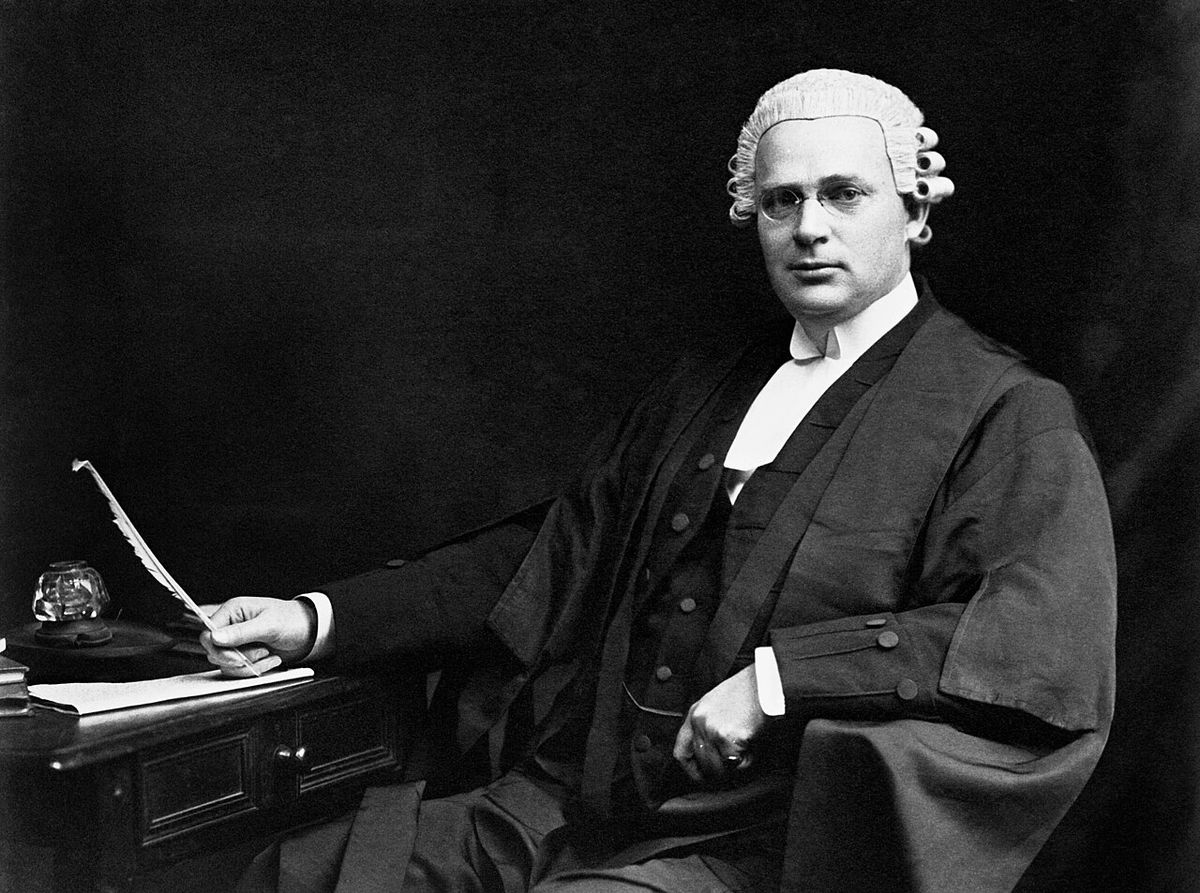
The appointment of judges is a shared responsibility that shows the federal nature of the judiciary. The federal government, through the Governor in Council, appoints and pays judges of the Supreme Court of Canada, all federal courts, and all superior courts in the provinces and territories. These appointments are informed by independent Judicial Advisory Committees in each province and territory. Provincial and territorial governments appoint judges to their own lower courts. The Office of the Commissioner for Federal Judicial Affairs Canada (FJA) provides comprehensive services and support to federally appointed judges, pensioners, and survivors. For the 2026-27 fiscal year, the FJA has a total planned spending of $930,623,440 and 72 planned full-time staff. Its key priorities include modernizing the judicial appointments process to enhance fairness and transparency, implementing a new judicial pensions management system, and exploring the applicability of artificial intelligence to its work. The FJA also supports judicial education and international judicial cooperation programs. The ongoing modernization of court administration is a shared focus across jurisdictions. In his remarks at the Opening of the Courts of Ontario on September 29, 2026, Chief Justice Michael H. Tulloch emphasized the shared responsibility to sustain a justice system that is fair, timely, accessible, and effective. The Canadian Bar Association has also urged Parliament to address the crisis of underfunded courts, highlighting the need for investment to maintain public confidence in the justice system. These efforts aim to optimize digital tools, reduce administrative burdens, and ensure the judiciary has the resources necessary to fulfill its constitutional role.
Specialized Courts and Administrative Tribunals
Beyond the main court hierarchy, Canada's justice system includes specialized courts and numerous administrative tribunals. Many superior trial courts host specialized commercial lists or divisions to manage complex business litigation, such as the Commercial List in Toronto's Superior Court and the Commercial Division in Montreal. Small claims courts, which may be divisions of superior or lower courts, handle civil disputes below a monetary threshold, often between $15,000 and $50,000, where parties frequently represent themselves. Youth courts and drug treatment courts are other examples of specialized provincial courts. Administrative tribunals, such as labour relations boards, human rights tribunals, and immigration and refugee boards, resolve disputes outside the formal court system. They are less formal and focus on specific areas of law. While not part of the court hierarchy, their decisions are subject to judicial review by the superior courts to ensure they act fairly and within their legal authority. This network of specialized bodies provides accessible and expert dispute resolution for many Canadians.
Comparative Overview of Superior Trial Courts
The naming and structure of superior trial courts vary across Canada, reflecting historical and legal traditions. The table below outlines the primary superior trial court in each jurisdiction, its naming convention, and a note on its structure. This variation in names, such as Supreme Court, Superior Court, and Court of King's Bench, can be confusing, as 'Supreme Court' does not denote the highest court in the province. The highest provincial court is always the provincial court of appeal. Despite the different names, all these courts share the fundamental characteristic of being superior courts of inherent jurisdiction, and their judges are federally appointed.
| Province/Territory | Superior Trial Court Name | Notes |
|---|---|---|
| Ontario | Superior Court of Justice | Includes a Divisional Court for appeals and judicial reviews of tribunals. |
| Quebec | Superior Court (Cour supérieure) | Features a Commercial Division in Montreal. |
| Alberta | Court of King's Bench | Maintains a Commercial List for complex business cases. |
| British Columbia | Supreme Court | The superior trial court, not to be confused with the Court of Appeal. |
| Nova Scotia | Supreme Court | Superior trial court with inherent jurisdiction. |
| Manitoba | Court of King's Bench | Superior trial court for the province. |
| Saskatchewan | Court of King's Bench | Superior trial court for the province. |
| New Brunswick | Court of King's Bench | Superior trial court for the province. |
| Newfoundland and Labrador | Supreme Court | Superior trial court for the province. |
| Prince Edward Island | Supreme Court | Superior trial court for the province. |
| Yukon | Supreme Court | Superior trial court for the territory. |
| Northwest Territories | Supreme Court | Superior trial court for the territory. |
| Nunavut | Nunavut Court of Justice | A single unified trial court combining superior and territorial court functions. |
Questions about Court system of Canada
What is the highest court in Canada?
The Supreme Court of Canada is the highest court and final court of appeal in the country. Established in 1875, it consists of nine justices, including the Chief Justice. It hears appeals from provincial and territorial courts of appeal, the Federal Court of Appeal, and the Court Martial Appeal Court. The Supreme Court also provides advisory opinions on constitutional questions referred by the federal government. Its decisions are final and contribute to the development of all branches of Canadian law.
Who appoints judges in Canada?
Judicial appointments are shared between the federal and provincial governments. The federal government appoints and pays all judges of the Supreme Court of Canada, the federal courts, and all superior courts in the provinces and territories. Provincial and territorial governments appoint judges to their own lower courts, such as Provincial Courts and Territorial Courts. Federal appointments for superior courts are informed by independent Judicial Advisory Committees in each jurisdiction.
What is the difference between a Provincial Court and a Superior Court?
Provincial Courts are lower courts created by provincial statute with limited jurisdiction over matters like most criminal offences, small claims, and family law. They are often called courts of limited jurisdiction. Superior courts, such as the Superior Court or Court of King's Bench, are courts of inherent jurisdiction, meaning they can hear any case unless a law says otherwise. They handle the most serious criminal and civil matters and review decisions of lower courts. Superior court judges are federally appointed, while Provincial Court judges are appointed by the province.
What types of cases does the Federal Court handle?
The Federal Court specializes in matters of federal law. Its jurisdiction includes judicial review of decisions made by federal administrative bodies like immigration boards, intellectual property cases, maritime law, federal-provincial disputes, and civil cases related to national security. It also shares concurrent jurisdiction with provincial superior courts over civil lawsuits brought against the federal government. Appeals from the Federal Court go to the Federal Court of Appeal.
How does the court system in Quebec differ from other provinces?
Quebec's court structure is similar in hierarchy but operates within a distinct legal tradition. While other provinces use common law for civil matters, Quebec uses a civil law system based on the Civil Code of Quebec for private law. This is reflected in the Supreme Court of Canada, where by law three of the nine justices must be from Quebec to ensure expertise in civil law. Quebec's superior trial court is called the Superior Court, and it includes a Commercial Division in Montreal. Quebec also has a system of municipal courts for bylaw and minor offence matters.
What are administrative tribunals and how do they relate to courts?
Administrative tribunals are independent bodies created by legislation to resolve specific types of disputes, such as employment insurance claims, refugee determinations, human rights complaints, or labour relations issues. They are less formal than courts and are not part of the formal court hierarchy. However, their decisions are subject to judicial review by the superior courts. This review ensures that tribunals act fairly, within their jurisdiction, and according to the law. Tribunals provide accessible and expert dispute resolution outside the traditional court system.
Sources and further reading
- Court system of Canada (Wikipedia)
- The judicial structure, About Canada's System of Justice (justice.gc.ca)
- Opening of the Courts of Ontario for 2026 (ontariocourts.ca)
Checked by the Nosy Mag desk. Last updated 2026-10-28.