2014 shootings at Parliament Hill
The 2014 shootings at Parliament Hill occurred on 22 October 2014, at Parliament Hill in Ottawa. Corporal Nathan Cirillo, a Canadian soldier and reservist on ceremonial sentry duty, was fatally shot at the National War Memorial. The perpetrator, Michael Zehaf-Bibeau, then attacked the nearby Centre Block parliament building, where members of the Parliament of Canada were attending caucuses. The attack ended with a shootout inside the Centre Block, where Zehaf-Bibeau was shot 31 times by Royal Canadian Mounted Police officers and died on scene. The Royal Canadian Mounted Police classified the incident as a terrorist act. It was the most serious security breach at Parliament Hill since the 1966 parliament bombing.
The Attack at the National War Memorial
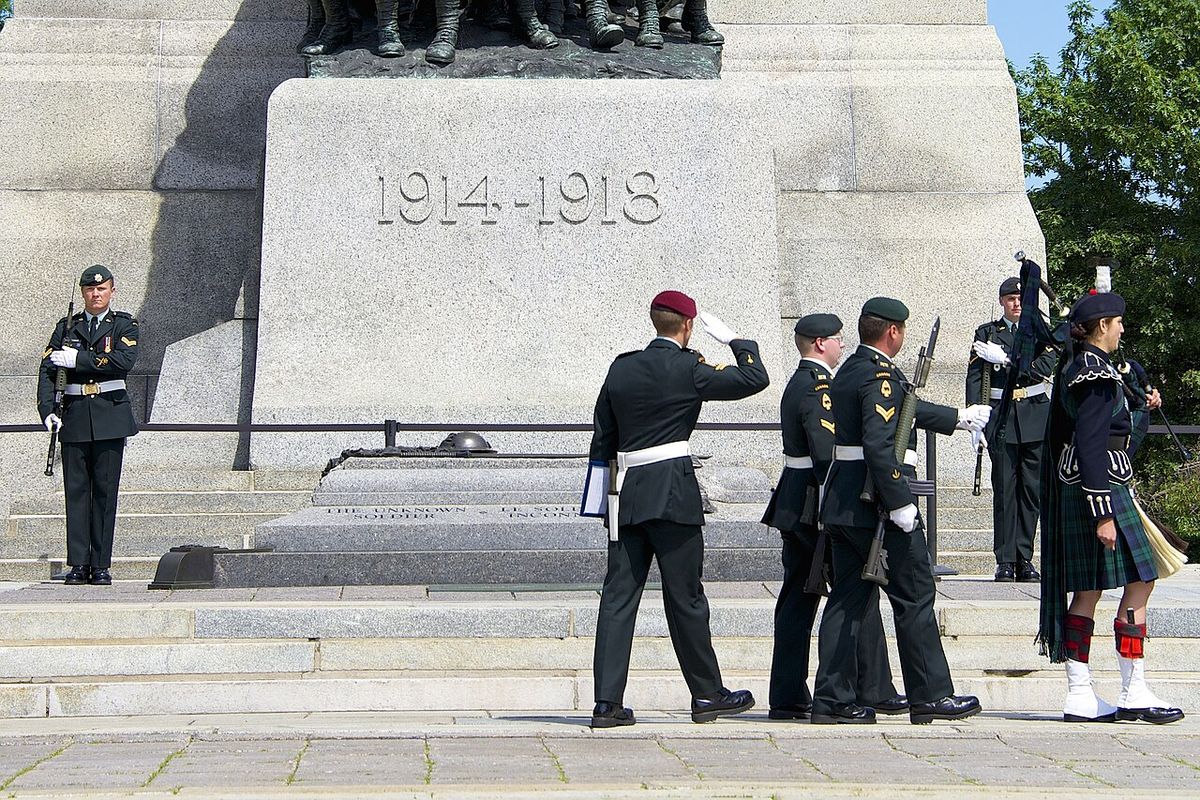
The attack began shortly before 10:00 a.m. Eastern Daylight Time on 22 October 2014. Michael Zehaf-Bibeau parked a grey Toyota Corolla on Wellington Street behind the National War Memorial. He exited the vehicle carrying a loaded .30-30 Winchester hunting rifle and approached the Tomb of the Unknown Soldier. Corporal Nathan Cirillo, a 24-year-old Class-A reservist with The Argyll and Sutherland Highlanders of Canada, was on ceremonial sentry duty. Zehaf-Bibeau shot Cirillo twice in the back at close range. One account stated Cirillo was first hit from a distance of 3 meters, then tried to crawl for cover before being shot again in the lower back from behind. Cirillo, like all ceremonial guards, carried an unloaded rifle. After firing, Zehaf-Bibeau pulled down his scarf, raised his rifle, and yelled "For Iraq" before fleeing. Fellow soldiers Cpl. Kyle Button and Cpl. Branden Stevenson, along with bystanders, immediately rushed to administer first aid. Paramedic Chief Anthony DiMonte assumed patient care before Cirillo was transported to hospital where he died from his wounds.
Zehaf-Bibeau then drove west along Wellington Street a short distance before abandoning his car near the parliamentary precinct. He ran through a gate, scattering bystanders, and carjacked a parliamentary vehicle assigned to a minister. Royal Canadian Mounted Police officers on patrol witnessed the carjacking and pursued the stolen vehicle to the base of the Peace Tower at the Centre Block. A tourist captured a photograph of the gunman at the War Memorial, which was later shared online and erroneously linked to Islamic State sympathizers after a French-Canadian journalist posted it.
The Assault on Parliament's Centre Block
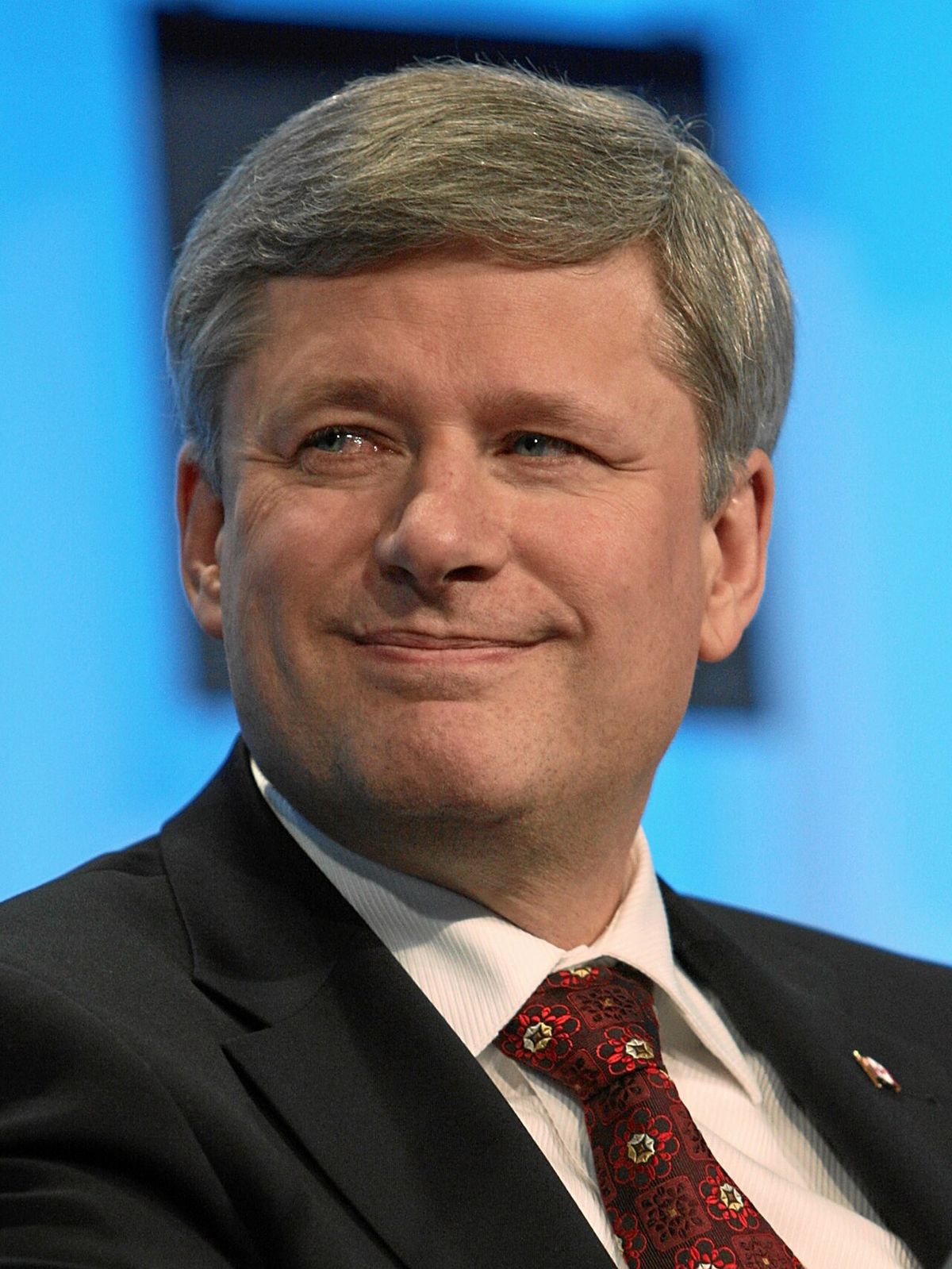
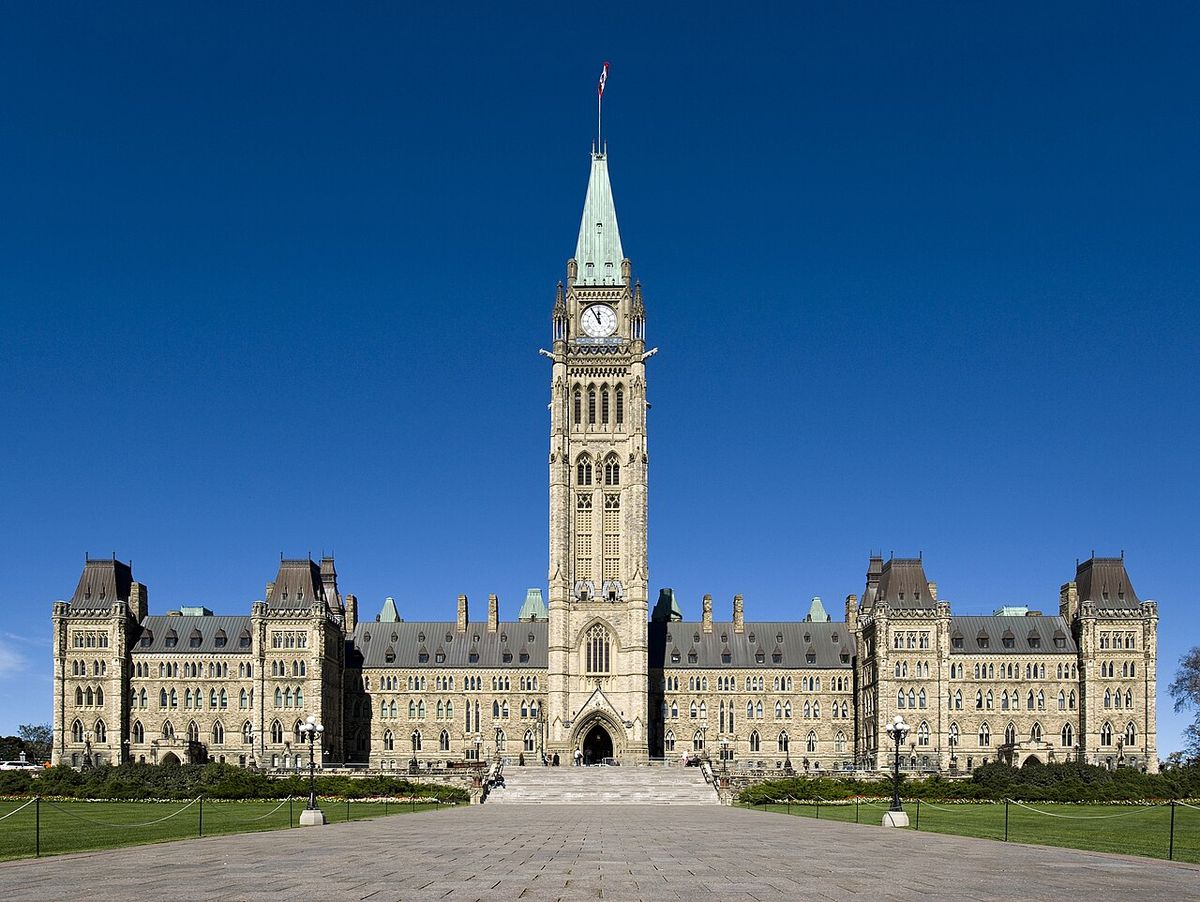
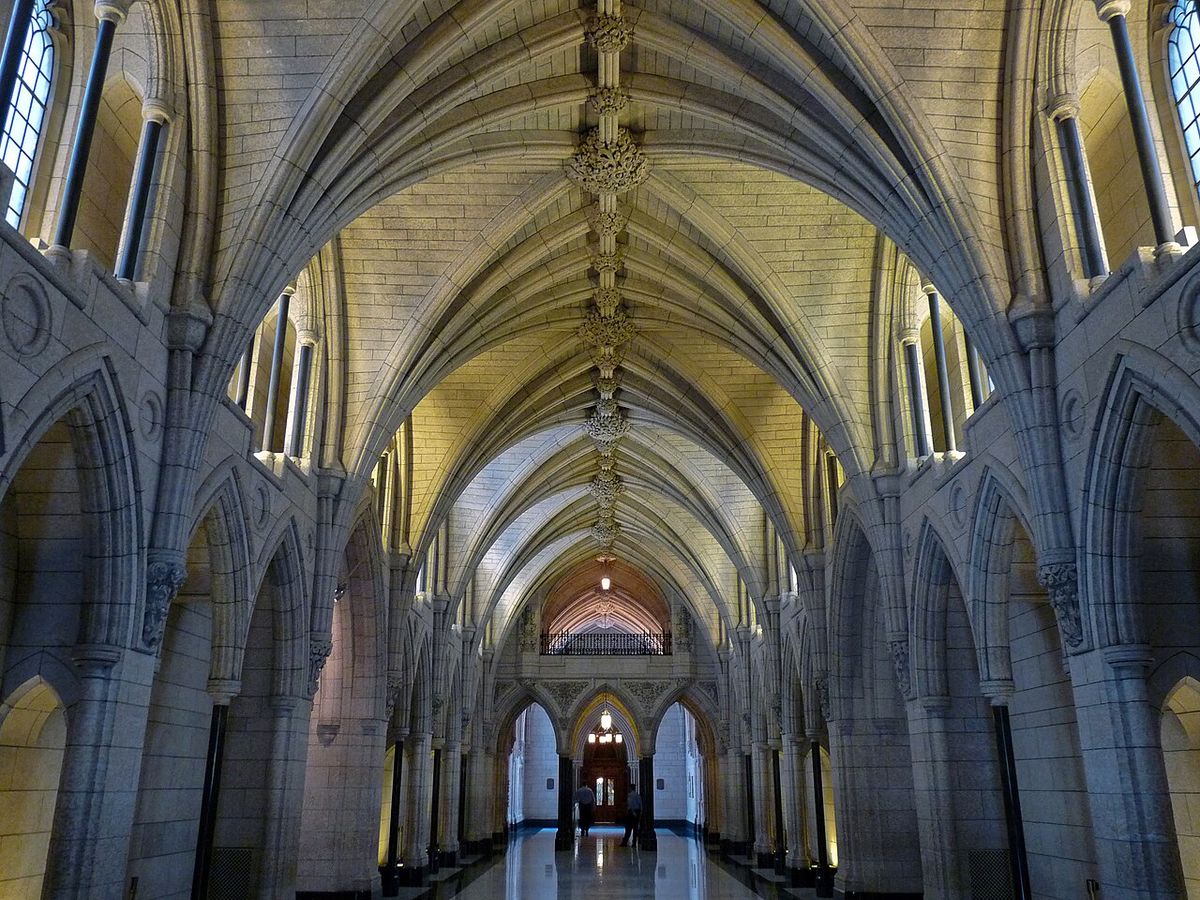
Michael Zehaf-Bibeau entered the Centre Block through the main doors under the Peace Tower, where House of Commons Constable Samearn Son was on duty. Son saw the rifle and immediately grappled with the attacker, yelling "Gun! Gun! Gun!" In the struggle, Zehaf-Bibeau fired a shot that struck Son in the foot. Despite his injury, Son exited the building. Zehaf-Bibeau then ran into the building's rotunda, where he was engaged by House of Commons security personnel. He proceeded down the Hall of Honour, a corridor flanked by caucus rooms. On his left was a room where Prime Minister Stephen Harper and Conservative MPs were meeting, and directly opposite was the New Democratic Party caucus room. One bullet penetrated the outer door of the NDP room. RCMP officers secured Prime Minister Harper while Conservative MPs barricaded doors.
Zehaf-Bibeau reached an alcove near the Library of Parliament entrance and concealed himself. Sergeant-at-Arms Kevin Vickers retrieved his service handgun and moved into position. When RCMP officers in a tactical formation advanced, Zehaf-Bibeau fired one round that narrowly missed them. RCMP Constable Curtis Barrett and other officers immediately returned fire. CBC television cameras recorded over 30 shots fired in the final gunfight. Zehaf-Bibeau was shot 31 times in total and died at the scene. The Ontario Provincial Police investigation later concluded that four RCMP officers were involved in the final shootout: Constable Curtis Barrett, Constable Martin Fraser, Sergeant Rick Rozon, and Corporal Dany Daigle.
The Perpetrator: Michael Zehaf-Bibeau
Michael Zehaf-Bibeau was born Joseph Paul Michael Bibeau on 16 October 1982 in Quebec City. He was the son of Susan Bibeau, a Québécoise, and Bulgasem Zehaf, a Libyan immigrant. In 1995 his parents legally changed his name to Joseph Paul Michael Abdallah Bulgasem Zehaf-Bibeau. He had an extensive criminal record for offences including robbery, drug possession, and uttering threats. Previously baptized Roman Catholic, he converted to Islam in 2004. In the fall of 2014, he was living at the Ottawa Mission shelter. He had expressed a desire to travel to the Middle East but was frustrated by delays in renewing his passport. Prior to the attack, on 2 October, he applied for a Libyan passport renewal but was refused. On 13 November, it was reported he had taken a public tour of the Centre Block three weeks before the attack. On the morning of 22 October, he recorded a video manifesto in his car declaring his actions were in retaliation for Canada's military involvement in Afghanistan and Iraq. A post-mortem test for drugs and alcohol was negative.
Casualties and Immediate Aftermath
The attack resulted in two fatalities: Corporal Nathan Cirillo and the perpetrator, Michael Zehaf-Bibeau. Cirillo was a reservist from Hamilton, Ontario, and father to a five-year-old son. His flag-draped casket was transported along the Highway of Heroes. He was buried in the military section of Woodland Cemetery in Burlington, Ontario, after a full regimental funeral in Hamilton attended by thousands. The injured included House of Commons Constable Samearn Son, who was shot in the foot and treated and released from Ottawa Civic Hospital. Two other unidentified people were also treated and released for injuries. Ottawa's downtown core was placed on lockdown while police searched for potential accomplices. Buildings including the Parliament buildings, the University of Ottawa, and the United States embassy were secured. An initial erroneous report of a third shooting near the Rideau Centre was later corrected. The lockdown on public schools was lifted around 5:45 p.m., but Parliament Hill remained closed until after 9:00 p.m. Parliament Hill reopened to the public on 24 October 2014, and Parliament Buildings tours resumed on 27 October.
- Corporal Nathan Cirillo: Killed at the National War Memorial. Died in hospital.
- Constable Samearn Son: Shot in the foot. Treated and released.
- Two unidentified individuals: Injured at unspecified locations. Treated and released.
- Ottawa lockdown: Initiated immediately. Downtown core and schools secured.
- Parliament Hill closure: Reopened to the public on 24 October 2014.
- Tour resumption: Parliament Buildings tours resumed on 27 October 2014.
National and International Reactions
The attack prompted immediate security escalations across Canada and internationally. The Canadian Armed Forces instructed personnel in Ottawa, Quebec, and Atlantic Canada to avoid wearing uniforms when off duty, while military bases nationwide heightened security. A ceremony in Toronto to award honorary citizenship to Malala Yousafzai was cancelled. Provincial legislatures, including those in Ontario, Alberta, British Columbia, and Nova Scotia, increased security measures, restricted public access, and flew flags at half-mast. In the United States, security was bolstered at the Canadian embassy in Washington, D.C., and at the Tomb of the Unknowns in Arlington National Cemetery. Australia increased security at its Parliament House and the Canadian High Commission in Canberra, while New Zealand tightened security at its Parliament Buildings. Domestically, Prime Minister Stephen Harper laid a wreath at the War Memorial and MPs from all parties sang "O Canada" together.
An NHL game between the Ottawa Senators and Toronto Maple Leafs scheduled for 22 October was postponed to 9 November. In the following days, several NHL teams held moments of silence. On 25 October, pre-game ceremonies in Ottawa, Montreal, and Toronto honoured Cirillo and first responders. A Canadian Football League game between the Ottawa Redblacks and Montreal Alouettes featured a large Canadian flag in a pre-game tribute. The Stand On Guard Fund was established to support the families of Cirillo and Warrant Officer Patrice Vincent, who was killed in a separate attack two days earlier. The fund raised over $705,000. A makeshift shrine grew at the War Memorial. The annual Remembrance Day service on 11 November drew a crowd of 50,000.
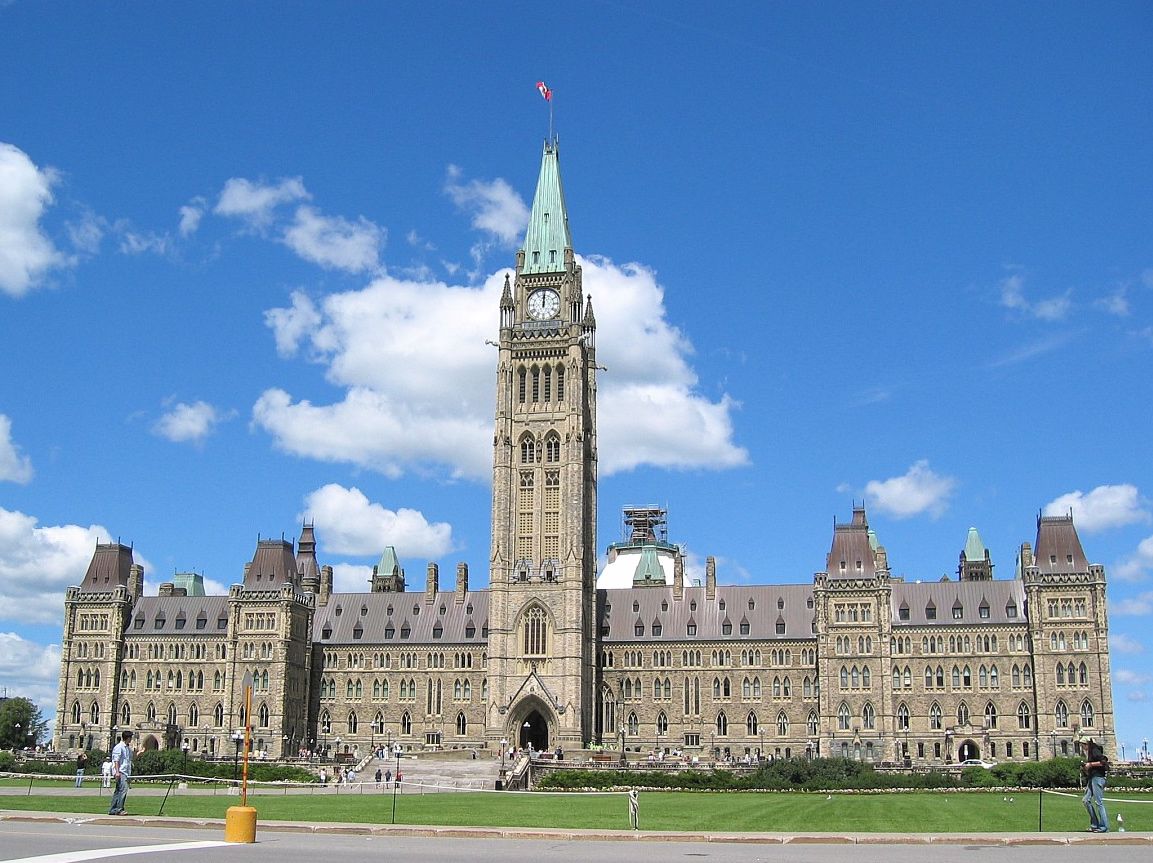
Security Review and Parliamentary Response
In the wake of the attack, a major independent investigation was launched. On 23 and 29 October 2014, the RCMP Commissioner and the Speaker of the House of Commons requested the Ontario Provincial Police to investigate. The OPP's investigation involved interviewing security personnel, RCMP officers, and civilians, and analyzing forensic evidence. The resulting report was released with redactions. It was later revealed through media reports that RCMP officers had an opportunity to stop Zehaf-Bibeau before he entered Parliament Hill but did not. Inside Parliament, Speaker Andrew Scheer addressed the House on 23 October, thanking security personnel and outlining immediate steps. Sergeant-at-Arms Kevin Vickers received a standing ovation in the House of Commons. The Speaker committed to a comprehensive review of security systems. This led to permanent changes including enhanced screening, increased armed personnel, and revised protocols. On 23 November, the government announced it would unify the various security forces of the House of Commons and the Senate under one command.
Investigation Findings and Key Facts
The Ontario Provincial Police investigation provided a detailed forensic account. It confirmed that Michael Zehaf-Bibeau shot Corporal Cirillo three times in the back at the War Memorial. Inside Parliament, House of Commons security officers fired at Zehaf-Bibeau. RCMP officers fired the shots that killed him. The investigation also examined Zehaf-Bibeau's background, his video manifesto, and his movements. The RCMP showed the video to a parliamentary committee on 6 March 2015. In it, Zehaf-Bibeau stated his actions were in retaliation for Afghanistan and because Canada was sending troops to Iraq. The OPP report concluded the officers' actions were justified. The report also contained information that four RCMP officers were involved in the final shootout. The RCMP established "Project Savvy" to proactively look for threats to Canadian security in open source media.
| Entity | Rounds Fired | Location/Context |
|---|---|---|
| Michael Zehaf-Bibeau | 3 | At Cpl. Cirillo (War Memorial) |
| Michael Zehaf-Bibeau | 2 | Inside Centre Block |
| House of Commons Security | Multiple | Rotunda and Hall of Honour |
| RCMP Officers (4 officers) | Multiple | Final confrontation near Library |
Questions about 2014 shootings at Parliament Hill
Who was the soldier killed in the Parliament Hill shooting?
Corporal Nathan Frank Cirillo, born 23 December 1989, was a 24-year-old Class-A reservist with The Argyll and Sutherland Highlanders of Canada. He was killed while standing ceremonial guard at the Tomb of the Unknown Soldier at the National War Memorial on 22 October 2014. He was a father to a five-year-old son and was from Hamilton, Ontario. His remains are buried in the military section of Woodland Cemetery in Burlington, Ontario.
How did the gunman enter the Parliament buildings?
After shooting Corporal Cirillo at the National War Memorial, Michael Zehaf-Bibeau drove a short distance west along Wellington Street and abandoned his small grey Toyota car. He then ran through a gate in the fence surrounding Parliament Hill and carjacked a parliamentary vehicle assigned to ministers of the Crown. Zehaf-Bibeau drove this vehicle to the base of the Peace Tower and entered the Centre Block parliament building through the main entrance under the Peace Tower. It was there that House of Commons Constable Samearn Son first confronted him and tried to wrestle his rifle away.
Who stopped the shooter inside Parliament?
The attacker was shot and killed by Royal Canadian Mounted Police officers inside the Centre Block. The Ontario Provincial Police report identified four RCMP officers involved in the final shootout: Constable Curtis Barrett, Constable Martin Fraser, Sergeant Rick Rozon, and Corporal Dany Daigle. Sergeant-at-Arms Kevin Vickers also engaged the attacker. Zehaf-Bibeau was shot 31 times.
What were the attacker's motives?
Michael Zehaf-Bibeau recorded a video manifesto stating his actions were in retaliation for Canada's military involvement in Afghanistan and Iraq. The RCMP said he was driven by ideological and political motives. He had wanted to travel to the Middle East but was frustrated by passport delays. The RCMP classified the attack as a terrorist act under Section 83.01 of the Criminal Code.
What security changes were made after the attack?
The attack triggered a comprehensive security review. Immediate changes included controlled access to Parliament Hill and enhanced screening. On 23 November 2014, the government announced it would unify the security forces of the House of Commons and the Senate under one command. The Ontario Provincial Police conducted an independent investigation, leading to recommendations for improved coordination between security agencies.
Was this attack connected to another event in Quebec?
Yes, Prime Minister Stephen Harper linked this attack to another event in Quebec two days earlier. On 20 October 2014, Warrant Officer Patrice Vincent was killed in Saint-Jean-sur-Richelieu, Quebec, by Martin Couture-Rouleau in a vehicle ramming attack. Harper referred to both the Quebec incident and the Ottawa shootings as terrorist attacks in his address to the nation. However, the Royal Canadian Mounted Police specifically ruled out any direct operational connection between the two attacks, noting both perpetrators were self-radicalized individuals with sympathies for radical Islamic ideology.
Sources and further reading
- 2014 shootings at Parliament Hill (Wikipedia)
- Independent Investigation Into the Death of Michael Zehaf- ... (rcmp.ca)
- Parliament Hill Attack (thecanadianencyclopedia.ca)
- Shooting in the Hall of Honour in Centre Block: reflecting ... (ourcommons.ca)
- 2014 shootings at Parliament Hill, Ottawa | Law (ebsco.com)
Checked by the Nosy Mag desk. Last updated 2026-10-29.