Hearts
Hearts is an evasion-type trick-taking card game for four players, where the primary objective is to avoid accumulating penalty points. Players aim to avoid winning tricks that contain certain penalty cards, specifically all cards of the heart suit and often the Queen of Spades. The game emerged in the United States in the 1880s and has since evolved into numerous popular variants, most notably Black Lady, which is the version commonly found in digital implementations. Its widespread accessibility through free online platforms and its inclusion in early Microsoft Windows operating systems have made Hearts a staple of casual card gaming.
Gameplay and Core Rules
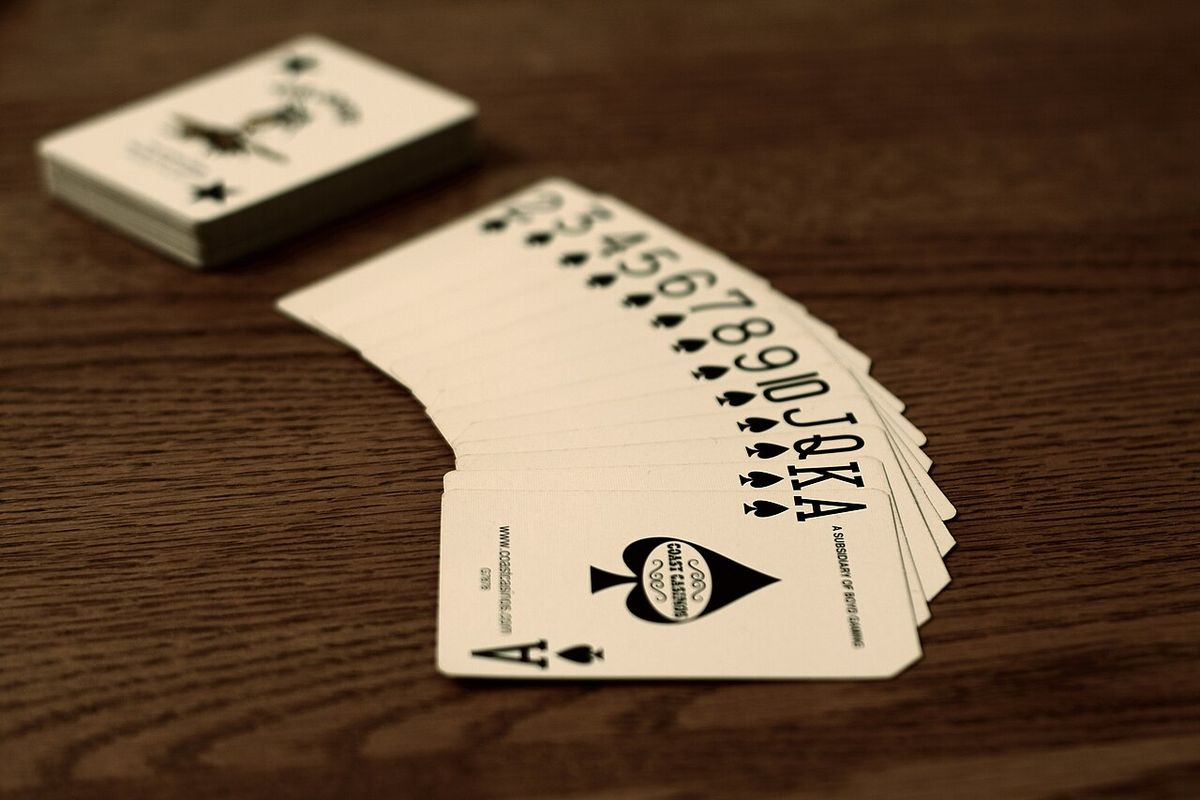
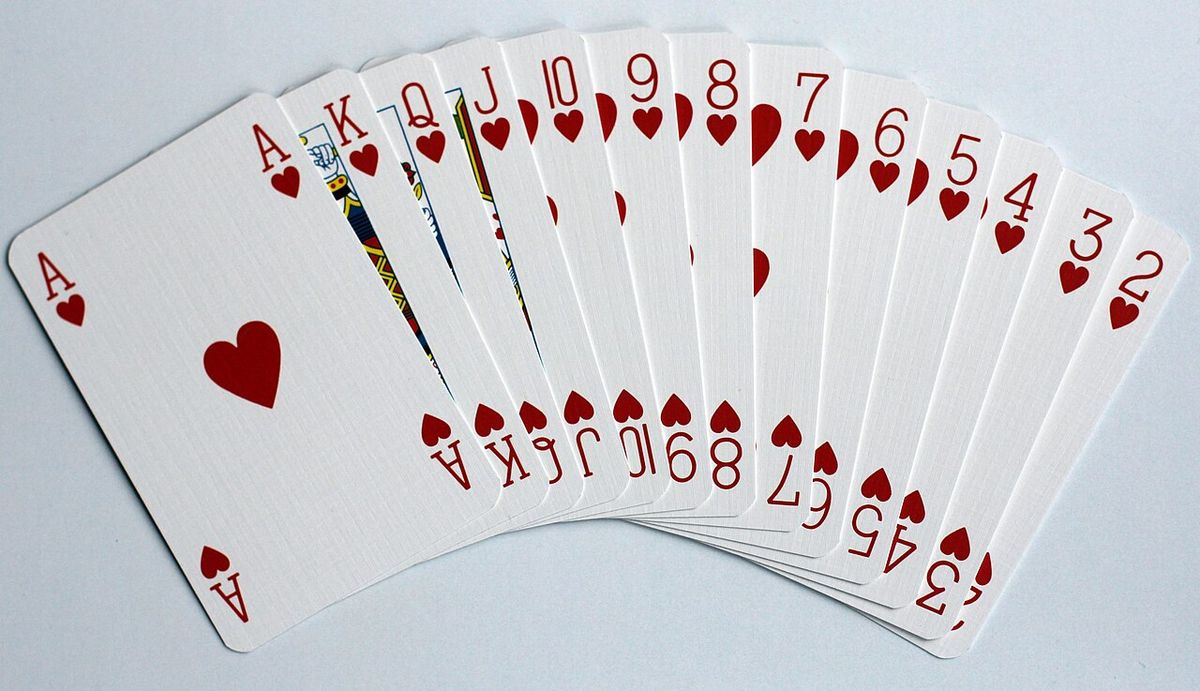
The standard game of Hearts is designed for four players using a 52-card deck, with cards in each suit ranking from Ace (high) down to Two (low). The dealer shuffles and deals all cards clockwise, giving each player 13 cards. A common pre-play ritual involves each player selecting three cards from their hand and passing them face down to another player according to a rotating cycle, typically left, right, across, and then no pass, which repeats. This passing phase is crucial for strategic hand management. The player holding the Two of Clubs after the pass must lead it to start the first trick, establishing the suit that others must follow if possible.
Play proceeds clockwise, with each participant required to follow the suit led if they can. If a player cannot follow suit, they may discard any card from their hand. A common restriction is that penalty cards cannot be discarded on the very first trick. The trick is won by the player who played the highest card of the suit that was led, and that winner collects the trick and leads to the next one. A key rule is that players cannot lead a heart until hearts have been 'broken', which occurs the first time a heart or the Queen of Spades is played to a trick. This rule prevents the premature forcing of hearts into play.
Scoring and Winning Conditions
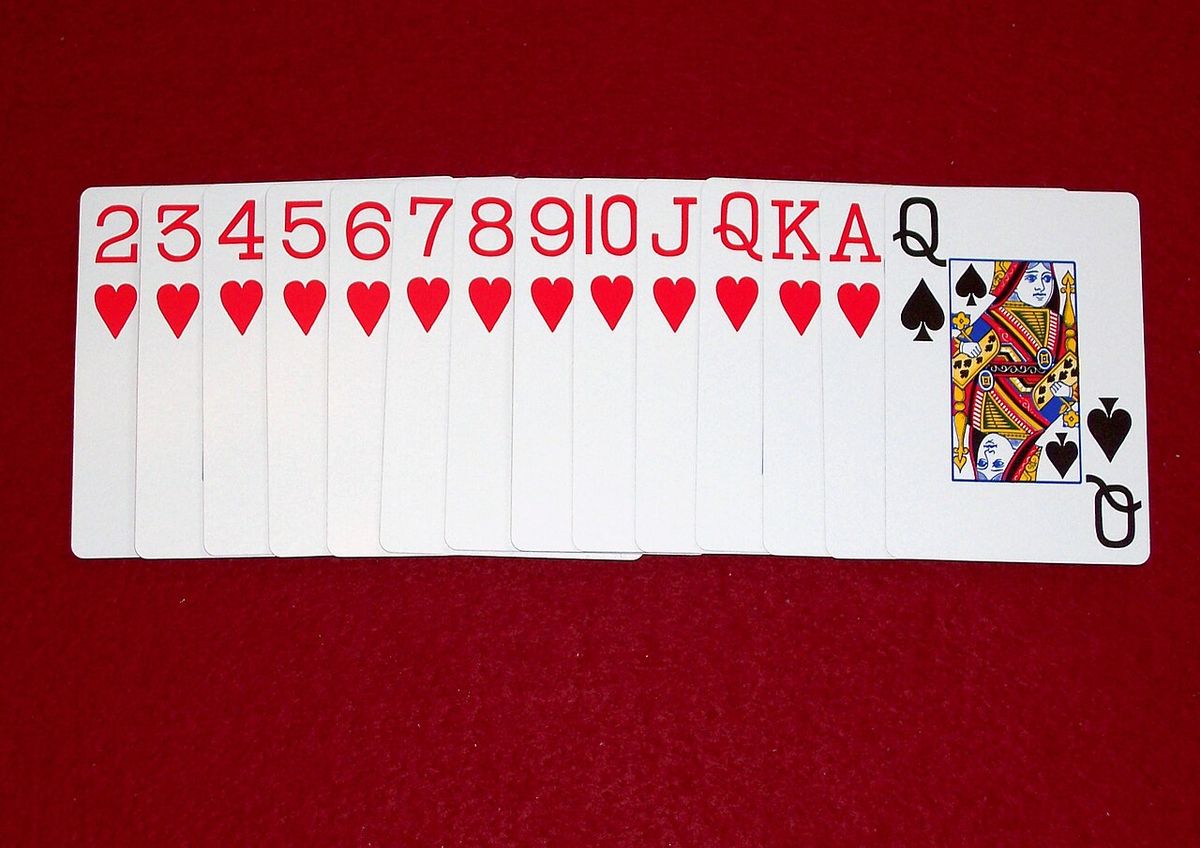
Scoring in the most common modern variant, Black Lady, is straightforward. At the end of each hand, players count the penalty cards they have collected in their tricks. Each heart card is worth one penalty point, and the Queen of Spades, often called the Black Lady, is worth 13 penalty points. This makes for a total of 26 penalty points in play per hand. The game is typically played to a predetermined end score, most commonly 100 points. The player who first reaches or exceeds this threshold triggers the end of the game, and the winner is the player with the lowest total score at that moment.
A dramatic scoring twist is the rule for 'shooting the moon' or 'running'. If a single player manages to capture all 13 hearts and the Queen of Spades in one hand, they have shot the moon. Under the standard rule, that player scores zero for that hand, and each of their three opponents is penalized with 26 points added to their scores. Some rule sets offer an alternative where the successful player may choose to deduct 26 points from their own total instead. An even rarer and more difficult feat is 'shooting the sun', where a player wins every single trick in a hand, capturing all 52 cards. In this case, the other players are penalized with 39 points each, or the shooter may deduct 39 from their own score.
Historical Development and Key Variants
Hearts has a history with roots in older European games like Reversis. The game was first formally recorded in the United States in the 1880s, with The Standard Hoyle of 1887 reporting it had been played there for about five years. The original version was a simple trick-avoidance game where players sought to avoid taking any hearts, each worth one penalty chip. Two early scoring variants, known as the Double or Eagle Game, introduced the concept of Spot Hearts, where different heart cards held different point values ranging from 14 for the Ace down to face value for pip cards.
The game's evolution accelerated in the early 20th century with the introduction of major variants. In 1909, the variant known as Discard Hearts or Black Lady emerged, introducing the Queen of Spades as a high-value penalty card worth 13 points and adding the now-standard feature of passing cards after the deal. This variant eventually overtook the original game in popularity in North America. In Britain, the variant Black Maria appeared in 1939, featuring three penalty spades: the Ace (10 points), King (7 points), and Queen (13 points). The concept of 'shooting the moon' also first appeared in Britain in 1939 in a game called Hitting the Moon, later becoming a staple of Black Lady. The following list details several significant variants that have emerged from the core game.
- Black Lady (1909): The dominant North American variant featuring the Q♠ (13 points) and card passing.
- Black Maria (1939): The British variant with A♠ (10), K♠ (7), and Q♠ (13) as penalties.
- Spot Hearts (1887/1897): An early variant where hearts have individual point values (Ace=14, King=13, etc.).
- Omnibus Hearts (c. 1950): A popular composite variant of Black Lady that adds the 10♦ as a bonus card worth -10 points.
- Heartsette: An early variant featuring a widow hand taken by the first trick winner.
- Cancellation Hearts (1950): For large groups using two decks, where identical cards in a trick cancel each other out.
- Partnership Hearts: A modern variant where players opposite each other are partners and combine scores.
- Greek Hearts: A name for at least three different variants, one scoring the Q♠ at 50 points and the A♥ at 15.
Digital Popularity and Online Play
The digital age significantly increased the reach and popularity of Hearts. Its inclusion as a pre-installed game in Microsoft Windows, from Windows 3.1 through to Windows 7, introduced it to millions of users worldwide. This digital version was technically the Black Lady variant, though it was simply labelled 'Hearts'. The game's simple rules and compelling social dynamics made it a natural fit for the early internet, and it remains a staple of free online card gaming. Numerous websites and apps now offer Hearts, allowing players to compete against artificial intelligence opponents or join multiplayer tables with people from around the globe.
Modern online platforms have standardized and expanded upon the classic rules. Games are typically free to play and offer features like private tables for inviting friends, adjustable rulesets, and detailed statistics tracking. The online environment has also formalized certain tournament conventions, such as a fixed passing cycle (left, right, across, no pass) and the automatic handling of complex scoring outcomes like shooting the moon. The availability of the game in browser-based formats and dedicated mobile apps ensures it is accessible for both quick offline practice against AI and extended online sessions.
Strategy and Skill
While Hearts is easy to learn, mastering it requires significant strategic depth and careful observation. The two most critical skills are effective card passing and accurately tracking the location of key cards, particularly the Queen of Spades and high hearts. During the passing phase, players typically aim to pass their three worst cards, which often includes high hearts, the Queen of Spades, or high cards in other suits that are likely to win tricks and thus collect penalties. Understanding the passing direction each hand is essential, as passing to your left means the recipient will play after you, while passing right means they will play before you.
During play, card counting and suit tracking are paramount. Since the goal is avoidance, players must try to 'dump' penalty cards on tricks won by others, often by discarding them when they cannot follow suit. A key tactic involves 'bleeding' a suit to force another player to take a trick containing a penalty. Managing the 'breaking' of hearts is another strategic layer. Sometimes a player will want to break hearts early to distribute points, while others may try to hold off to keep control. The high-risk, high-reward strategy of shooting the moon requires a very strong hand and careful play to force opponents to take non-penalty tricks while you sweep all the points. Successful moon shoots often depend on controlling the Queen of Spades early and having a long, strong suit to run.
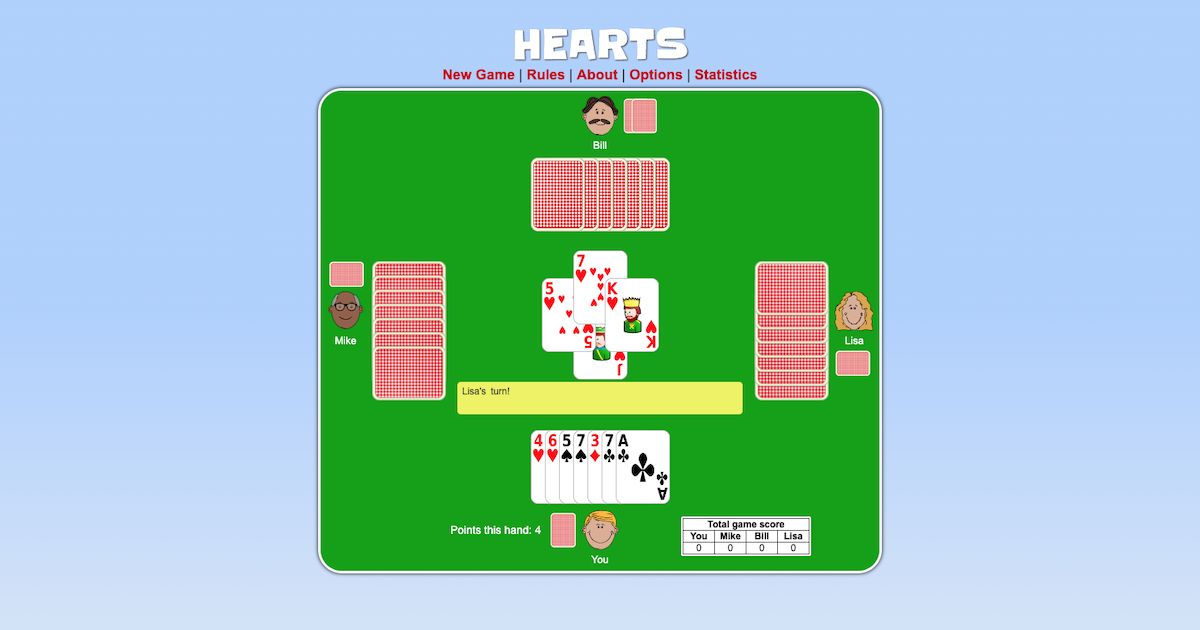
Comparative Overview and Player Counts
The Hearts family of games includes many variants. The original game of Hearts is a trick-avoidance game where players aim to avoid winning tricks containing hearts. Black Lady, which became popular in the United States, adds the Queen of Spades as a high penalty card. Black Maria, the popular British variant, includes additional penalty cards in the spade suit. These games have different scoring systems and rules that distinguish them from one another.
| Variant | Key Penalty Cards | Notes |
|---|---|---|
| Original Hearts (c. 1887) | All Hearts (1 point each) | Simple avoidance. No Q♠ penalty. |
| Spot Hearts | Hearts (A=14, K=13, Q=12, J=11, pips=face value) | Also called Chip Hearts or Double Game. |
| Black Lady (1909) | All Hearts (1 pt), Q♠ (13 pts) | Includes passing. The common digital version. |
| Black Maria (1939) | Hearts (1 pt), A♠ (10 pts), K♠ (7 pts), Q♠ (13 pts) | British variant. Often passes to the right. |
| Omnibus Hearts (c. 1950) | All Hearts (1 pt), Q♠ (13 pts) | Adds a positive bonus card. Considered by many the best version. |
| Greek Hearts (various) | Q♠ (50 pts), A♥ (15 pts), Court Hearts (10 pts each) | High-stakes variant with multiple rule sets. |
Beyond these, adaptations exist for different player counts. For three players, the Two of Diamonds is often removed, and each receives 17 cards. For five players, the Two of Clubs and Two of Diamonds are removed, dealing 10 cards each. Variants like Joker Hearts add jokers that cannot win tricks, and Domino Hearts incorporates a drawing stock. The constant evolution of these rules demonstrates the game's flexibility and enduring capacity for engaging play. The following list outlines the standard deck adjustments for games with three to six players.
- Three Players: Remove the 2♦. Each player is dealt 17 cards.
- Four Players: Use the full 52-card deck. Each player is dealt 13 cards.
- Five Players: Remove the 2♣ and 2♦. Each player is dealt 10 cards.
- Six Players: Remove the 3♣, 2♣, 2♦, and 2♠. Each player is dealt 8 cards.
Questions about Hearts
How do you play the Hearts card game online for free?
You can play Hearts online for free on numerous gaming websites and through mobile apps. These platforms typically offer two main modes: playing against computer-controlled AI opponents for practice or joining multiplayer tables with other human players. Many sites feature an instant-play option in your web browser, requiring no download. To start, you can often simply visit a Hearts gaming website and click 'New Game' to be immediately placed at a table with three AI opponents.
What are the basic rules of Hearts?
The basic rules involve four players receiving 13 cards each from a standard deck. After a phase where each player passes three cards to an opponent, the player with the Two of Clubs leads it to the first trick. Players must follow suit if possible, otherwise they may discard any card. The highest card of the suit led wins the trick, and the winner leads next. Players cannot lead a heart until a heart or the Queen of Spades has been played to a previous trick, known as 'breaking hearts'. Points are scored at the end of each hand: one point per heart and 13 points for the Queen of Spades. The game ends when a player reaches or exceeds 100 points, and the player with the lowest score wins.
What does 'shooting the moon' mean in Hearts?
Shooting the moon is a high-risk manoeuvre in Hearts where a single player captures all penalty cards in one hand. This means capturing all 13 hearts and the Queen of Spades. Under the standard rule, the player who shot the moon scores zero points for that hand. Each of the other three players then has 26 points added to their score. Some rule variations allow the shooter to choose to deduct 26 points from their own total instead. Achieving this requires careful strategy and a very strong hand.
Can you play Hearts with two players?
No, the classic game of Hearts is fundamentally designed for four players. The mechanics of trick-taking, passing cards, and strategy rely on the dynamics of a full table. While some card games have dedicated two-player variants, Hearts is not typically one of them. However, two friends can play together online by using the private table feature available on many gaming websites. One player hosts a private table and invites the other via a link or code, and the two remaining seats are filled with computer-controlled bots.
What is the difference between Hearts and Black Lady?
The original game of Hearts, first recorded in the 1880s, involves players trying to avoid taking any cards of the heart suit. Each heart is worth one penalty point. Black Lady, which appeared in 1909, is a major variant that added two defining features. It introduced the Queen of Spades as an additional penalty card worth 13 points. It also added the ritual of passing three cards to another player after the deal. Black Lady has since become the most popular version in North America and is the game commonly implemented in digital versions.
What is the 'Jack of Diamonds' rule in Hearts?
The Jack of Diamonds rule is a common optional rule found in variants like Omnibus Hearts. It designates the Jack of Diamonds as a bonus or 'positive' card. When a player captures the Jack of Diamonds in a trick, they deduct 10 points from their score for that hand. This rule adds an extra strategic layer, as players may now actively try to win a trick containing this card. It is often paired with the standard Black Lady rules of hearts worth 1 point and the Q♠ worth 13 points.
Sources and further reading
- Hearts (Wikipedia)
- Hearts, Online & Free | Play Classic Card Games (worldofcardgames.com)
- Kingdom Hearts Art Museum Trading Cards Return in 2026 (siliconera.com)
- Hearts | Play Online Free, Shoot the Moon, Jack of Diamonds (coppercod.games)
- Hearts (bicyclecards.com)
- Hearts | Play it online (cardgames.io)
- Hearts, Online & Free | Play Classic Card Games (worldofcardgames.com)
Checked by the Nosy Mag desk. Last updated 2026-11-09.