List of Canadian flags
National Flag of Canada Day is a Canadian observance held on February 15 to commemorate the inauguration of the Maple Leaf flag. The day is dedicated to celebrating the Maple Leaf, a central national symbol recognized around the world. While not a statutory public holiday, the occasion is marked by official ceremonies, educational activities, and the prominent display of the flag across the country. The observance is promoted by the Department of Canadian Heritage, which coordinates official events and provides educational resources.
Origins and Establishment
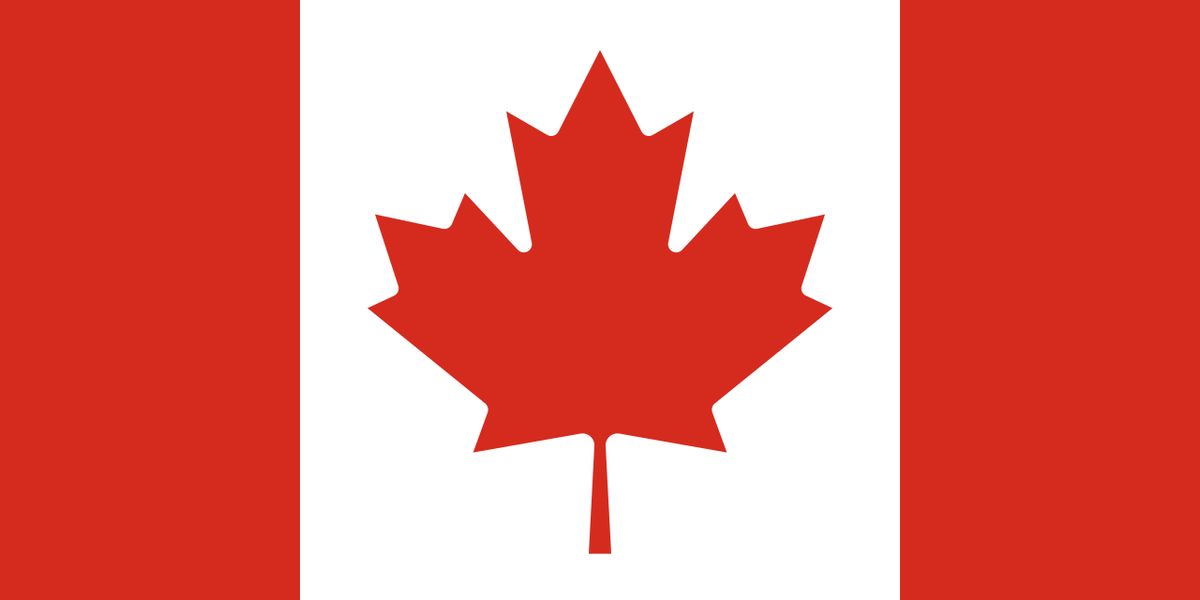
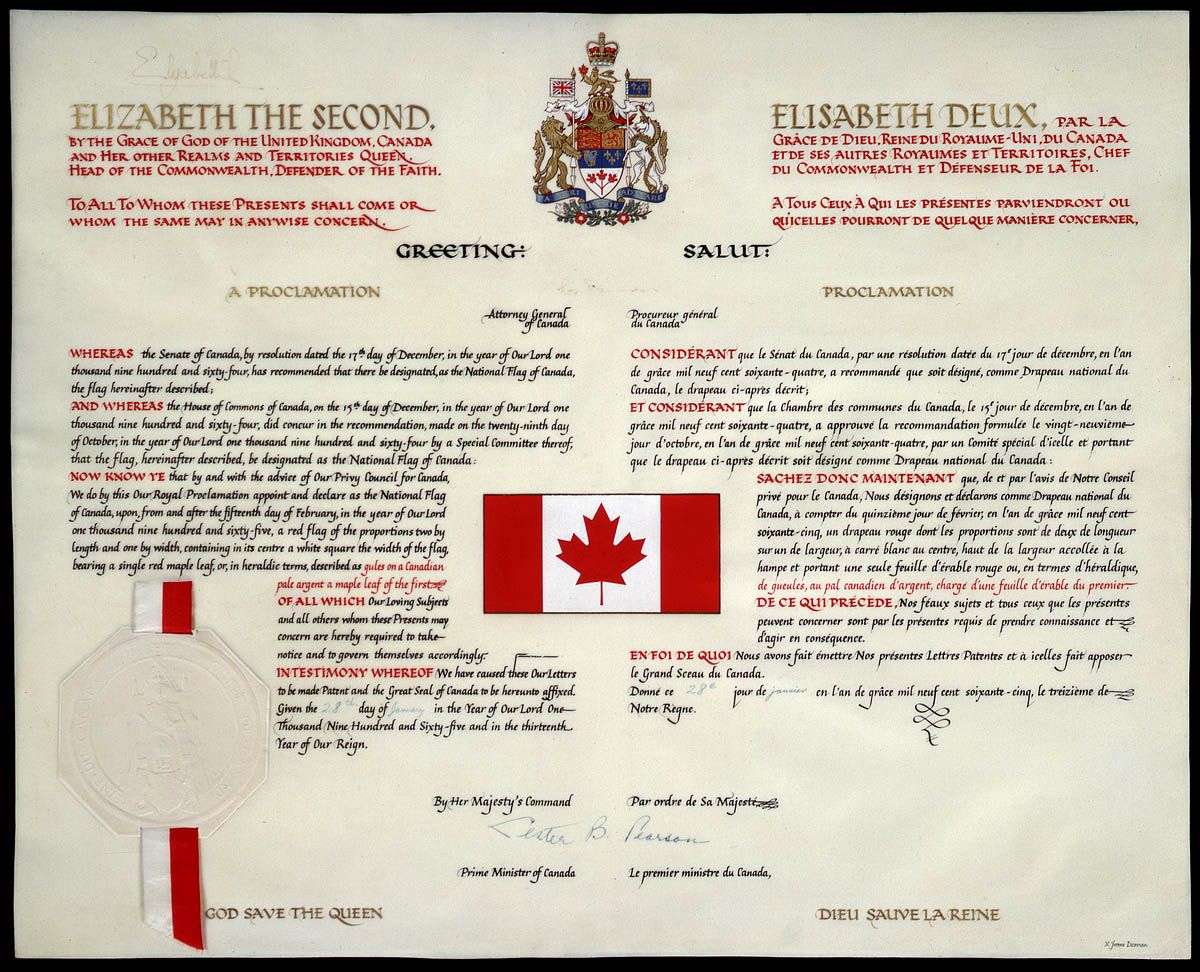
The long and often contentious process to adopt a distinctive national flag, known as the Great Canadian Flag Debate, culminated in the selection of the design by historian and heraldry expert George F. G. Stanley. February 15 was chosen to directly honour the date of the flag's first official raising on Parliament Hill in Ottawa. Since its establishment, National Flag of Canada Day has been promoted by the Department of Canadian Heritage, which coordinates many of the official events and provides educational resources. Schools, community groups, and government buildings typically organize flag-raising ceremonies and history lessons on this date. The flag design features a red field with a white square at its centre, upon which is superimposed a red maple leaf.
Observance and Activities
National Flag of Canada Day is observed across the nation through a variety of ceremonies and activities. On February 15, the national flag is flown at full mast on federal buildings, private homes, and institutions, following the protocol guidelines laid out by Canadian Heritage. Official ceremonies often take place at Parliament Hill, provincial legislatures, and city halls, featuring speeches, musical performances, and the participation of veterans' groups. Many Canadians also choose to wear flag pins or red and white clothing to show their spirit, and media coverage often highlights events from coast to coast. Educational initiatives form a core part of the day's observance, with schools incorporating lessons on the flag's history, symbolism, and proper etiquette. Museums with significant flag collections, such as the Canadian Museum of History in Hull, Quebec, may host special exhibits or events to mark the occasion. The Settlers, Rails & Trails museum in Argyle, Manitoba, which houses the second-largest Canadian Flag Collection, also highlights the day through its exhibits. While the day is widely recognized, it is not a statutory holiday, meaning businesses and schools generally remain open unless the date falls on a weekend, as it does in 2026. The following are common ways Canadians mark National Flag of Canada Day:
- Attending or organizing community flag-raising ceremonies.
- Participating in school projects and presentations about the flag's history.
- Displaying the flag prominently at homes, businesses, and on vehicles.
- Sharing messages and images on social media using dedicated hashtags.
- Visiting museums with flag collections or related historical exhibits.
- Learning about and discussing the protocol for the display of flags, including the order of precedence.
The Flag in the Canadian Holiday Calendar
National Flag of Canada Day occupies a unique place in the country's calendar of observances. Unlike statutory holidays such as Canada Day or Labour Day, it is not a paid day off for most workers. Its date, February 15, places it in the winter calendar, often near other provincial holidays like Louis Riel Day in Manitoba and Nova Scotia Heritage Day, which in 2026 all fall on Monday, February 16. This proximity can sometimes lead to combined community celebrations or extended educational focus in schools during that week. The day is one of several nationally recognized but non-statutory observances. Its status means employer recognition is voluntary, and there is no universal entitlement to time off or premium pay. The federal government, however, treats it as an official observance for its own institutions and employees. The table below shows its position relative to key statutory holidays in early 2026, illustrating its place among days of national significance.
| Holiday/Observance | Date in 2026 | Type |
|---|---|---|
| New Year's Day | Thursday, January 1 | National statutory holiday |
| National Flag of Canada Day | Sunday, February 15 | National observance |
| Louis Riel Day (MB) | Monday, February 16 | Provincial statutory holiday |
| Nova Scotia Heritage Day | Monday, February 16 | Provincial statutory holiday |
| Good Friday | Friday, April 3 | National statutory holiday |
| Canada Day | Wednesday, July 1 | National statutory holiday |
Protocol and Symbolic Precedence
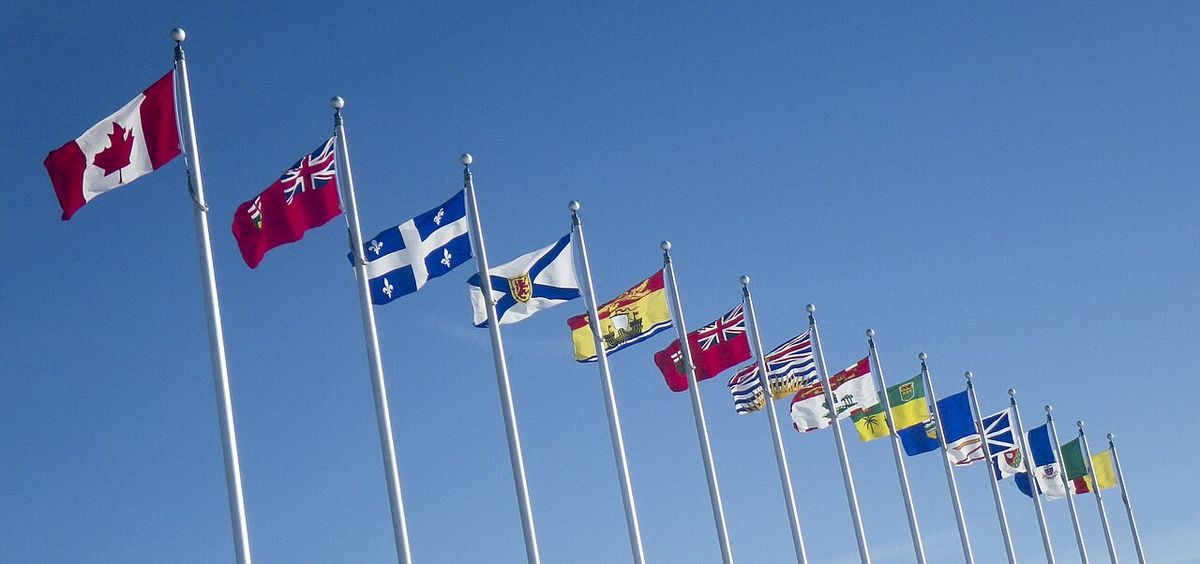
The Department of Canadian Heritage provides detailed protocol guidelines for the display of the National Flag of Canada and other official flags. These conventions, while not legally binding, are intended to show respect for important state symbols. The order of precedence dictates which flag takes the position of highest honour when multiple flags are flown together. In this hierarchy, the Sovereign's Flag for Canada is supreme, followed by the flags of the monarch's representatives such as the Governor General and lieutenant governors, which vary by jurisdiction. Next in precedence are the personal flags of other members of the Royal Family, then the National Flag of Canada, and then the flags of the provinces and territories. On National Flag of Canada Day, these protocols are often highlighted and explained to the public as part of the educational focus. The national flag itself is always treated with dignity. It should never touch the ground, be used as covering, or be displayed in a damaged condition. When flown at half-mast for a period of mourning, it is raised to full mast for the duration of February 15 before being returned to half-mast if required, following specific government directives. The guidelines cover proper dimensions and proportions for the flag, ensuring its recognizable design is maintained. The flag's status is reinforced as a key national symbol alongside other Canadian royal symbols and heraldic emblems managed by the Canadian Heraldic Authority.
Museum Collections and Historical Context
Several Canadian museums preserve and display historic flags, providing important context for National Flag of Canada Day. These collections help illustrate the evolution of national symbols and the historical debate that preceded the adoption of the Maple Leaf. The Canadian Museum of History in Hull, Quebec, has many culturally important flags in its collections. The Settlers, Rails & Trails museum in Argyle, Manitoba, holds the second largest exhibit, known as the Canadian Flag Collection. Other notable collections include flags from Indigenous nations, francophone communities, and various ethnic groups, highlighting Canada's multicultural fabric. These resources are invaluable for researchers and the public, especially around February 15, when interest in flag history peaks. The following are key types of historical flags found in such collections:
- Historical national flags and civil ensigns, including the Canadian Red Ensign.
- Royal standards and coronation banners used in Canada.
- Viceregal flags of past governors general and lieutenant governors.
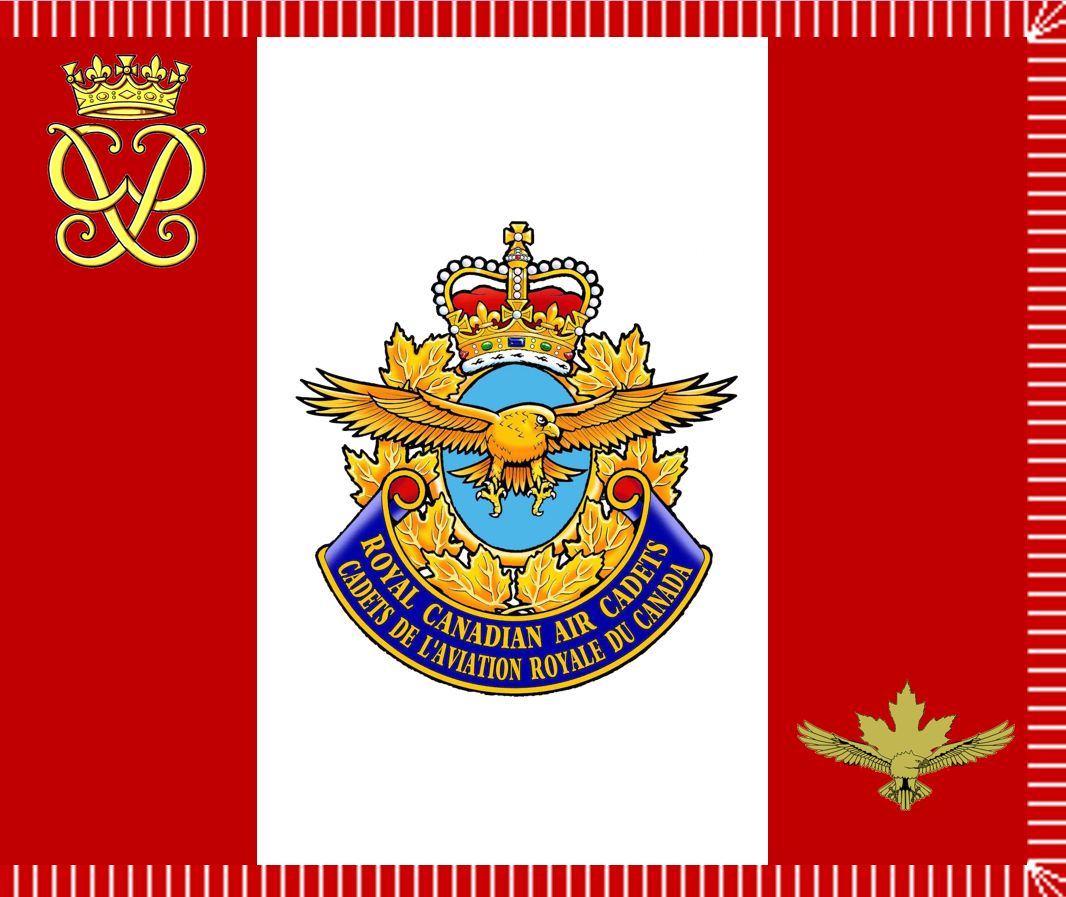
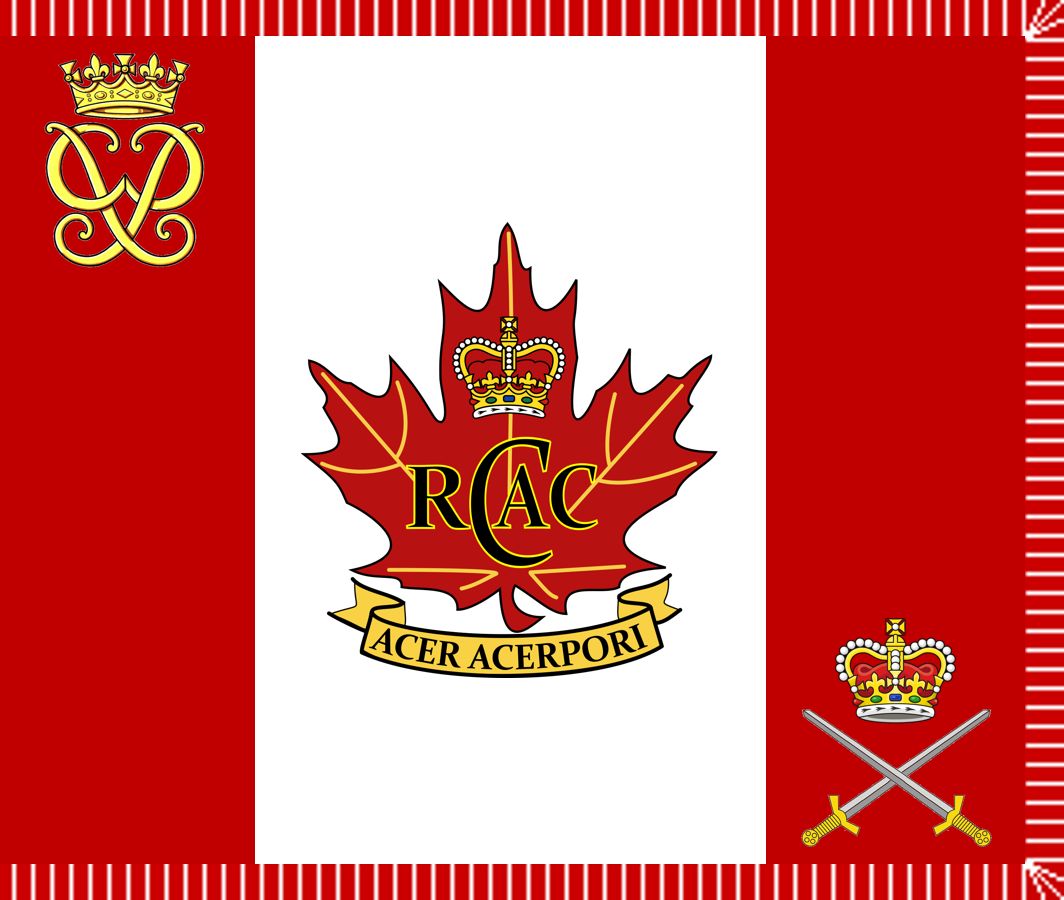
- Military colours and pennants from the Canadian Armed Forces, including the Canadian Army, Royal Canadian Navy, and Royal Canadian Air Force.
- Flags from civic organizations and corporations like the Hudson's Bay Company.
- Flags of Canadian police services and the Canada Border Services Agency.
The Flag and National Identity
The National Flag of Canada is a powerful symbol of the country's values, diversity, and sovereignty. National Flag of Canada Day provides an annual opportunity to reflect on what the flag represents. For many immigrants who become citizens, the flag is a prominent feature of naturalization ceremonies, symbolizing their new allegiance. Its simple, bold design makes it one of the most recognizable national flags globally, used in diplomatic and commercial contexts worldwide. The flag also serves as a unifying symbol during times of international sporting events, national tragedy, or celebration. It is prominently displayed on Canada Day on July 1 and during ceremonies on Remembrance Day on November 11. The maple leaf itself is a pre-existing national symbol, chosen for the flag for its association with the Canadian landscape and its use in Canadian heraldry. The flag's adoption helped forge a distinct visual identity separate from its British colonial past. The flag is also a central element among other national symbols of Canada.
Questions about List of Canadian flags
Is National Flag of Canada Day a statutory holiday?
No, National Flag of Canada Day is not a statutory public holiday. It is a national observance, which means most businesses, schools, and government services operate as usual. Employees are not entitled to a paid day off under general labour standards. The day is marked by ceremonies and educational activities rather than a widespread day of rest.
What is the order of precedence for flying flags in Canada?
The Department of Canadian Heritage sets a conventional order of precedence for flags. The Sovereign's Flag for Canada is highest, followed by flags for the monarch's representatives like the Governor General, then personal flags of other Royal Family members. The National Flag of Canada comes next, followed by provincial and territorial flags. These guidelines are intended to show respect for state symbols.
What other holidays are near National Flag of Canada Day in 2026?
In 2026, National Flag of Canada Day falls on Sunday, February 15. The following day, Monday, February 16, is Louis Riel Day, a provincial statutory holiday in Manitoba, and Nova Scotia Heritage Day. That same Monday is also observed as Family Day in several other provinces including Alberta, British Columbia, Ontario, New Brunswick, and Saskatchewan. This creates a cluster of observances in mid-February.
Where can I see historical Canadian flags?
You can see historical Canadian flags in several museums across the country. The Canadian Museum of History in Hull, Quebec, holds a major collection of culturally important flags. The Settlers, Rails & Trails museum in Argyle, Manitoba, houses the second largest exhibit, known as the Canadian Flag Collection. These museums display historic flags as part of their cultural exhibits. Viewing these collections offers insight into Canada's heraldic and symbolic history.
How is the flag to be treated on National Flag of Canada Day?
On National Flag of Canada Day, the national flag is flown at full mast on federal buildings. It should be treated with respect according to conventional protocol guidelines from the Department of Canadian Heritage. The flag should never touch the ground, be used as covering, or be displayed in a damaged condition. When flown at half-mast for mourning, it is raised to full mast for the duration of February 15.
Sources: Wikipedia and current public reporting, checked by the Nosy Mag desk. Last updated 2026-10-29.