Susan Holt
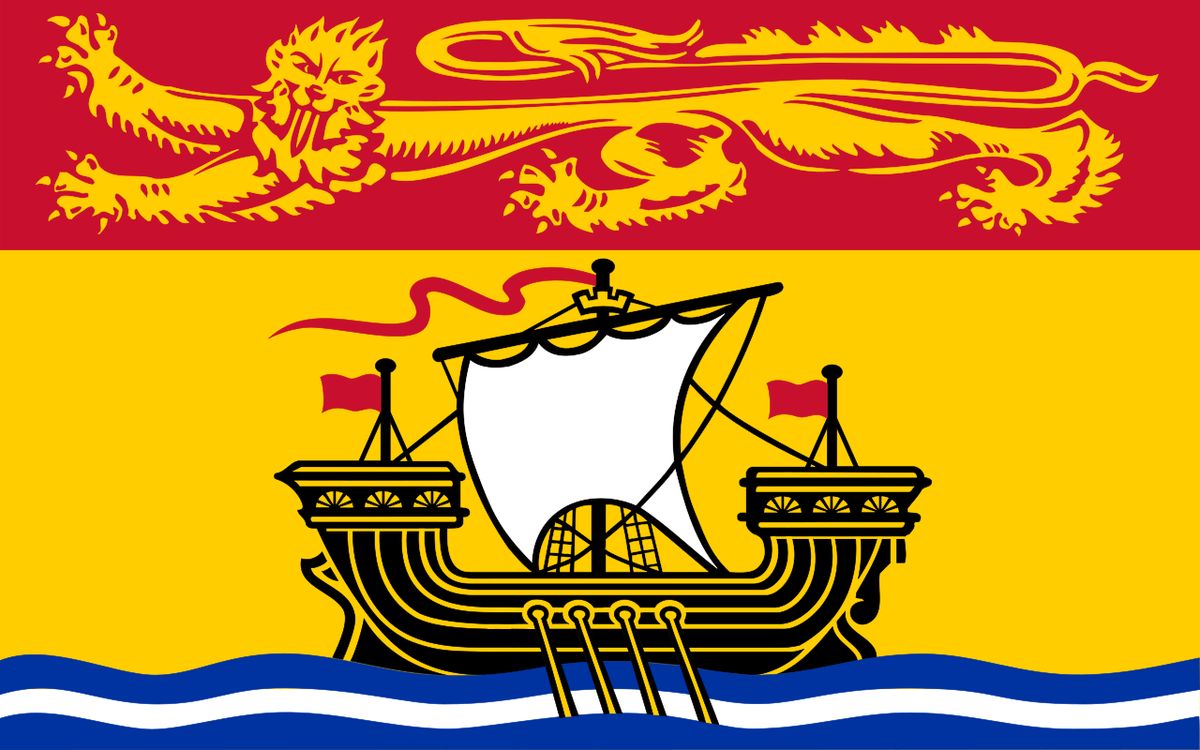
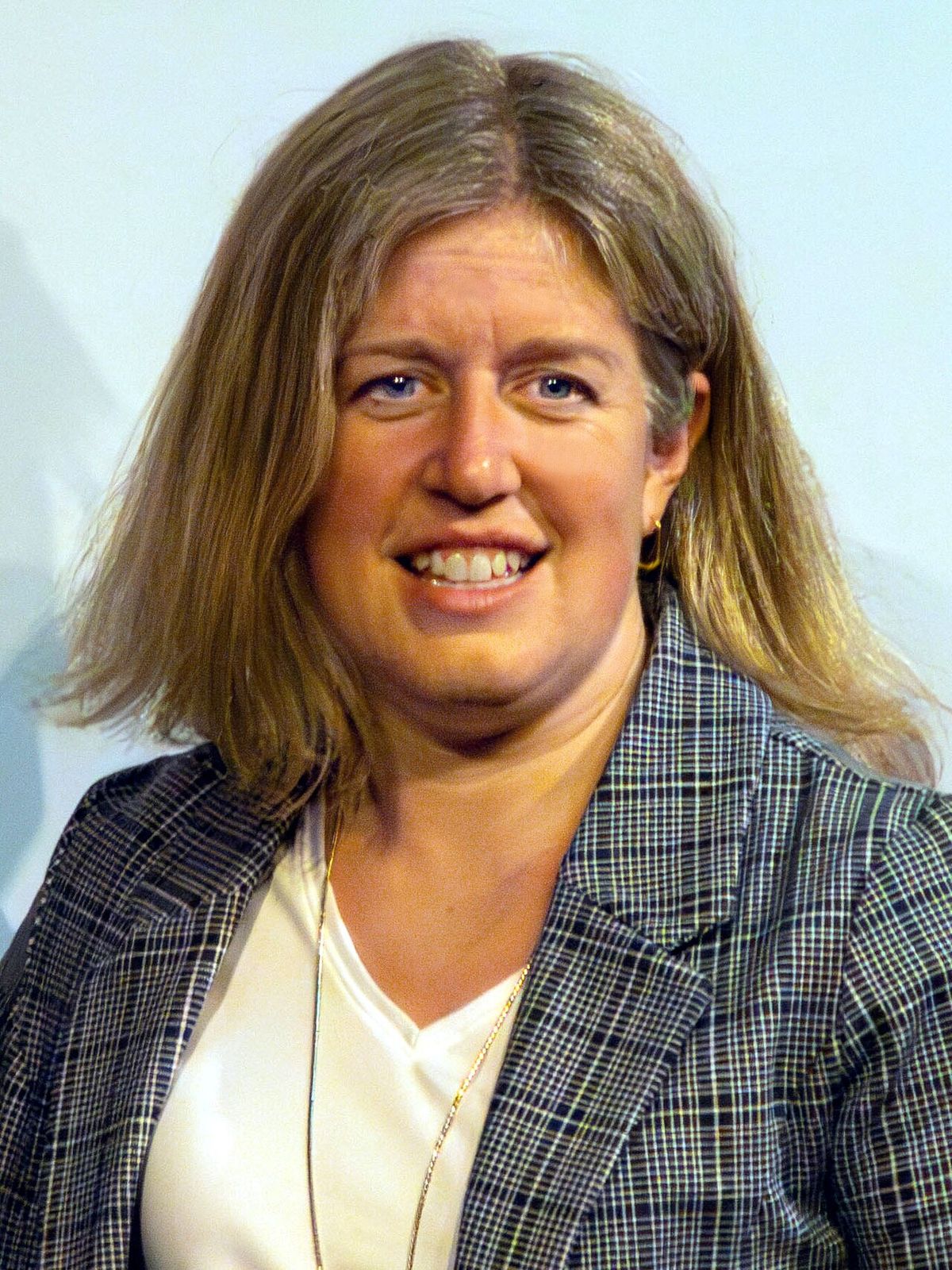
Susan Holt is a Canadian politician and businesswoman who has served as the 35th premier of New Brunswick since November 2, 2024. She is the first woman to hold the province's highest office. Holt leads the New Brunswick Liberal Association, which she has headed since August 6, 2022, and represents the riding of Fredericton South-Silverwood in the Legislative Assembly. Her government has focused on affordability, healthcare modernization, and addressing complex economic challenges, including significant budget deficits and international trade tensions.
Early Life and Pre-Political Career
Susan Holt was born on April 22, 1977, in Fredericton, New Brunswick, where she was raised. She attended French immersion school in the city, becoming fluently bilingual in English and French. For her post-secondary education, Holt moved to Kingston, Ontario, to attend Queen's University, where she graduated with a Bachelor of Science degree in chemistry in 1999. She followed this with a Bachelor of Arts degree in economics, which she completed in 2000. Her academic background in both science and economics provided a foundation for her later work in business and economic policy.
Before entering elected politics, Holt built a career that spanned the private sector, public service, and business advocacy in New Brunswick. She worked in Fredericton for software testing companies PLATO Testing and PQA, where she served as chief growth officer. Holt also led the New Brunswick Business Council as its president and chief executive officer, advocating for the province's business community. Her first direct role within government came in 2015 when Premier Brian Gallant appointed her as chief of business relationships on the New Brunswick Jobs Board secretariat. Simultaneously, she served as a senior economic development advisor to Gallant, providing counsel on provincial economic strategy. Holt ran as the Liberal candidate in Fredericton South in the 2018 New Brunswick general election, losing to New Brunswick Green Party leader David Coon.
Entry into Politics and Path to Leadership
Holt was elected leader of the New Brunswick Liberal Association during the August 6, 2022 leadership election on the third ballot, defeating three candidates. As Holt was not a sitting member of the Legislative Assembly of New Brunswick upon becoming leader, Liberal MLA Denis Landry offered in August 2022 to resign his seat so that Holt could run in a by-election. In November 2022, Holt announced that she would accept his offer and run in Landry's riding of Bathurst East-Nepisiguit-Saint-Isidore. Landry then confirmed that he was resigning the seat. On April 24, 2023, Holt won a by-election in Bathurst East-Nepisiguit-Saint-Isidore to win a seat in the Legislative Assembly. On May 9, 2023, she became the official opposition leader in New Brunswick.
Premiership: Election and Initial Actions
The Liberals won 31 seats in the 2024 New Brunswick general election, making Holt the premier-designate to succeed Blaine Higgs of the Progressive Conservative Party. Holt was elected MLA for Fredericton South-Silverwood, a newly created riding partly overlapping the former Fredericton South where she had run in 2018. She was sworn in along with her cabinet on November 2, 2024, marking a historic moment as she became the first woman to serve as premier of the province. One of the Holt government's earliest policy actions was on healthcare access. On November 7, 2024, just days after taking office, Holt and her cabinet approved changes to Regulation 84-20. This change repealed a rule from 1984 that had restricted Medicare funding for surgical abortions performed outside of hospital settings. The move was framed as an effort to improve reproductive healthcare access in the province. In these initial months, the government also implemented a cap on rent increases, though housing activists later criticized aspects of the policy for not being comprehensive enough.

Governing Through Economic and Environmental Challenges
The Holt government tabled its first budget in March 2025. The economic context became more complex amid proposed U.S. tariffs under the second Trump administration. In March and April 2025, Premier Holt held briefings to outline New Brunswick's response strategy to the trade tensions, advocating for a cooler heads approach that avoided using electricity exports to Maine as leverage. In 2025, she signed agreements with other Canadian provinces aimed at reducing interprovincial trade barriers, a move seen as bolstering domestic economic cohesion during the international trade dispute.
New Brunswick faced a severe wildfire season in the summer of 2025, with blazes peaking in August. Fires in areas such as Irishtown and Miramichi were classified as out of control. In response, the Holt government restricted public access to Crown land to mitigate fire risks and protect public safety. Holt held multiple news conferences during the crisis to provide updates, publicly thanking firefighters and emergency personnel. She emphasized the importance of mental health support for residents affected by evacuations and prolonged smoke concerns. Opposition MLAs called for more investigations into the causes of the wildfires, with some criticism directed at the pace of information being released by the government.
Budgetary Pressures and Controversial Proposals
The government's 2026 budget recorded a provincial deficit of $1.3 billion, which was reported as the largest in New Brunswick's history. In response to this fiscal pressure, the Holt government directed all provincial departments to identify potential savings of 10 to 15 percent for the 2026-27 budget cycle. The directives to the Department of Post-Secondary Education, Training and Labour garnered significant public and media attention due to the nature of the proposed cuts. Initial propositions included merging St. Thomas University into the University of New Brunswick and exploring the privatization of Mount Allison University.
The proposal regarding St. Thomas University proved particularly controversial. Facing substantial backlash, Premier Holt reversed course on the plan to close the institution just a few days after it was revealed. Another major revenue-generating measure proposed in the wake of the deficit was a plan to install highway tolls on the Trans-Canada Highway in Aulac by 2028. The model, similar to tolls in Nova Scotia and on the Confederation Bridge, would see a fee charged to non-New Brunswick vehicles passing through. The toll plan drew criticism from figures including Green Party MLA Megan Mitton and federal officials, with Prime Minister Mark Carney noting the federal government's efforts to reduce internal trade barriers.
- 2026 budget deficit: $1.3 billion.
- Directed all departments to find 10-15% savings.
- Proposed merging St. Thomas University into UNB.
- Proposed privatizing Mount Allison University.
- Reversed St. Thomas merger plan days later.
- Announced plan for highway tolls in Aulac by 2028.
Legislative Agenda and Policy Focus
The Holt government's agenda, as outlined in speeches from the throne delivered by Lieutenant Governor Louise Imbeault, has centred on affordability, healthcare, and housing. The government has promised legislation aimed at making life more affordable for New Brunswickers, though specific details have often been announced later. Finance Minister René Legacy indicated the government was examining additional measures to help residents cope with high power bills from N.B. Power. The Department of Social Development undertook a major review of all income-assistance programs, with Holt criticizing the complexity and multiple forms faced by those seeking help.
Housing policy has been a continued focus, with the government pledging to introduce a modernized Residential Tenancies Act. Housing Minister David Hickey stated the legislation would address the use and enforcement of fixed-term leases, which activists argued allowed landlords to circumvent the government's rent cap. The throne speech also noted the government's review of the long-standing moratorium on shale gas development, initiated by Holt in August 2025. The government framed the review as part of broader work to reduce economic dependencies on the United States and strengthen the provincial economy, though it sparked protests from environmental activists. Legislation is also planned to create a mental health advocate within a child, youth and seniors advocacy office.
- Throne speeches emphasized affordability measures.
- Major review of all income-assistance programs launched.
- Promised modernized Residential Tenancies Act.
- Aim to address fixed-term lease loopholes.
- Ongoing review of shale gas development moratorium.
- Legislation planned to create a mental health advocate within a child, youth and seniors advocacy office.
Personal Life and Leadership Philosophy
Susan Holt lives with her family in Fredericton. She is married to Jon Holt, and together they have three children. Holt has stated that her decision to return to New Brunswick to raise her family and build her career deeply informs her commitment to the province. She describes herself as an empathetic leader and an active community volunteer. Her political communication often references her experiences as a mother and her desire to see her children grow up in a prosperous and caring New Brunswick.
Holt's stated leadership philosophy emphasizes transparency, teamwork, and empathy. She has publicly committed to operating government in the bright light of day as an alternative to backroom deals. She advocates for a collaborative style of governance that brings people together rather than dividing them. Holt places a high value on public engagement, regularly meeting with frontline workers, community leaders, Indigenous partners, and entrepreneurs to inform government decisions. She believes effective leadership begins with respect for people's time, perspectives, and contributions to the province.
Questions about Susan Holt
How did Susan Holt become premier of New Brunswick?
Susan Holt became premier by leading the New Brunswick Liberal Association to victory in the 2024 provincial general election. The Liberals won 31 seats, securing a majority government. Holt, who had been party leader since August 2022 and Leader of the Opposition since May 2023, became premier-designate. She was sworn in as the 35th premier on November 2, 2024, making history as the first woman to hold the office.
What is Susan Holt's educational and professional background?
Holt holds a Bachelor of Science in chemistry (1999) and a Bachelor of Arts in economics (2000) from Queen's University. Before politics, she worked in Fredericton's technology sector as chief growth officer for software testing companies PLATO Testing and PQA. She also served as president and CEO of the New Brunswick Business Council. In 2015, she entered the public service as chief of business relationships on the New Brunswick Jobs Board secretariat and as a senior economic development advisor to then-Premier Brian Gallant. She first ran for office in Fredericton South in 2018.
What was the controversy surrounding the 2026 budget?
The 2026 budget revealed a $1.3 billion deficit, the largest in provincial history. In response, the government asked all departments to find 10-15% savings. Proposals from the post-secondary education department included merging St. Thomas University into the University of New Brunswick and privatizing Mount Allison University. The St. Thomas merger plan was reversed days later after public backlash. The government also announced plans for highway tolls on the Trans-Canada Highway in Aulac by 2028 for non-New Brunswick vehicles, which drew criticism from Green MLA Megan Mitton and Prime Minister Mark Carney.
How did Susan Holt first enter the Legislative Assembly?
After becoming Liberal leader in August 2022 without a seat, Holt entered the legislature via a by-election. Liberal MLA Denis Landry resigned his seat in Bathurst East-Nepisiguit-Saint-Isidore to allow Holt to run. She accepted the offer, won the by-election on April 24, 2023, and became the MLA for that riding. She served as MLA for Bathurst East-Nepisiguit-Saint-Isidore and Leader of the Opposition until the 2024 election, when she was elected in the new riding of Fredericton South-Silverwood.
What is Susan Holt's approach to leadership?
Holt describes her leadership as practical, collaborative, and empathetic, with a core focus on accountability and results. She emphasizes transparency and teamwork, pledging to end backroom deals. She values direct public engagement, regularly meeting with community members and frontline workers to inform policy. Her philosophy is rooted in respect for people's perspectives and a belief that government should make a meaningful difference in everyday lives.
What are some key policies of the Holt government?
Key policies include repealing Regulation 84-20 in November 2024 to allow Medicare funding for surgical abortions performed outside hospitals. The government capped rent increases and planned a modernized Residential Tenancies Act to address fixed-term lease loopholes. It launched a major review of all income assistance programs. In response to the 2025 wildfires, it restricted access to Crown land and emphasized mental health support. It signed agreements to reduce interprovincial trade barriers and is reviewing the shale gas development moratorium. Legislation is planned to create a mental health advocate within a child, youth and seniors advocacy office.
Sources and further reading
- Susan Holt (Wikipedia)
- Hon. Susan Holt (legnb.ca)
- Holt Liberals lay out legislative agenda in new throne speech (cbc.ca)
- Susan Holt, New Brunswick Liberal Party (nbliberal.ca)
Checked by the Nosy Mag desk. Last updated 2026-10-29.