How to win the lottery
Winning a major lottery jackpot is a dream for many Canadians, but it is an event governed by chance, not strategy. This guide explains the actual odds of winning popular Canadian lottery games like Lotto Max and Lotto 6/49, the mathematics behind those odds, and the practical steps a player can take to manage their participation responsibly. It covers common questions about ticket purchasing, number selection, and prize claims, while dispelling myths about systems that promise guaranteed wins. The focus is on factual information to help adults understand lottery play as a form of entertainment with long odds, not a financial plan.
Understanding Lottery Odds in Canada
The probability of winning any lottery prize is determined by the game's specific rules, namely how many numbers a player must match and the range of numbers they are selected from. For Canada's two national lotteries, Lotto Max and Lotto 6/49, the odds are fixed and publicly disclosed. A standard $6 Lotto Max play involves selecting seven numbers from a pool of 1 to 52 across four sets of numbers, with the odds of winning the main jackpot being approximately 1 in 33,446,140. The overall odds of winning any prize in Lotto Max, from a free play upwards, are much better at 1 in 5.8 per play. Each Lotto 6/49 ticket also includes a unique Gold Ball Draw number for a separate jackpot that starts at $10 million. It is crucial for players to recognize that these odds are per play and do not improve with frequency of play or method of number selection.
Lottery mathematics confirms that every number combination has an equal chance of being drawn in any given lottery event. The random number generation systems used by the Interprovincial Lottery Corporation are independently tested and certified for integrity, with draws witnessed by third party observers. When the Lotto Max main jackpot reaches $50 million, additional $1 million prizes called MAXMILLIONS are added to the draw, and the number of $100,000 MAXPLUS prizes grows with the jackpot size. For example, a $20 million jackpot triggers 20 draws for $100,000, while a $90 million jackpot triggers 90 such draws. These additions increase the total number of prizes available but do not alter the fundamental odds of matching the seven numbers required for the top jackpot on a single line.
Ticket Purchasing: Quick Pick vs. Chosen Numbers
Players can purchase tickets either by selecting their own numbers or by using a Quick Pick option where numbers are randomly generated by the lottery terminal. There is no statistical advantage to either method, as each combination is equally likely to be drawn. A strategy suggested by some experts is to choose numbers other people are less likely to pick, such as higher numbers or a more random spread, which could reduce the likelihood of sharing a prize but does not increase the odds of winning it. Retailers offer the option to pick your own numbers for one line and have Quick Pick choose the rest, or to let Quick Pick choose all numbers on a ticket.
Tickets for Lotto Max and Lotto 6/49 can be bought in person at participating retail locations across Canada or online through provincial lottery corporation websites and apps. When playing online, players can use features like Advance Play to purchase tickets for multiple consecutive draws. For Lotto Max, each $6 play provides four sets of seven numbers, with the player able to choose the first set and the other three generated automatically. Adding the ENCORE option for an extra $1 per play provides an additional 22 ways to win with a top prize of $1 million. Players should always check their tickets against official winning numbers, which are available on lottery websites and through in-store ticket checkers, as unclaimed prizes eventually expire and are returned to the prize pool.
Syndicates, Pools, and Combination Plays
Joining a lottery syndicate or pool is a common method to increase the number of lines played without a proportionate increase in individual cost. A syndicate involves a group of people pooling money to buy a larger number of tickets and agreeing to share any prizes won. This approach improves the group's collective odds of winning a prize, though any winnings are divided among members. Online platforms like OLG.ca offer Group Play features that simplify managing a pool, handling invitations, and streamlining the prize claim process for the group captain. Syndicates are a social way to play but require clear agreements among participants regarding ticket ownership, cost sharing, and prize distribution to avoid disputes.
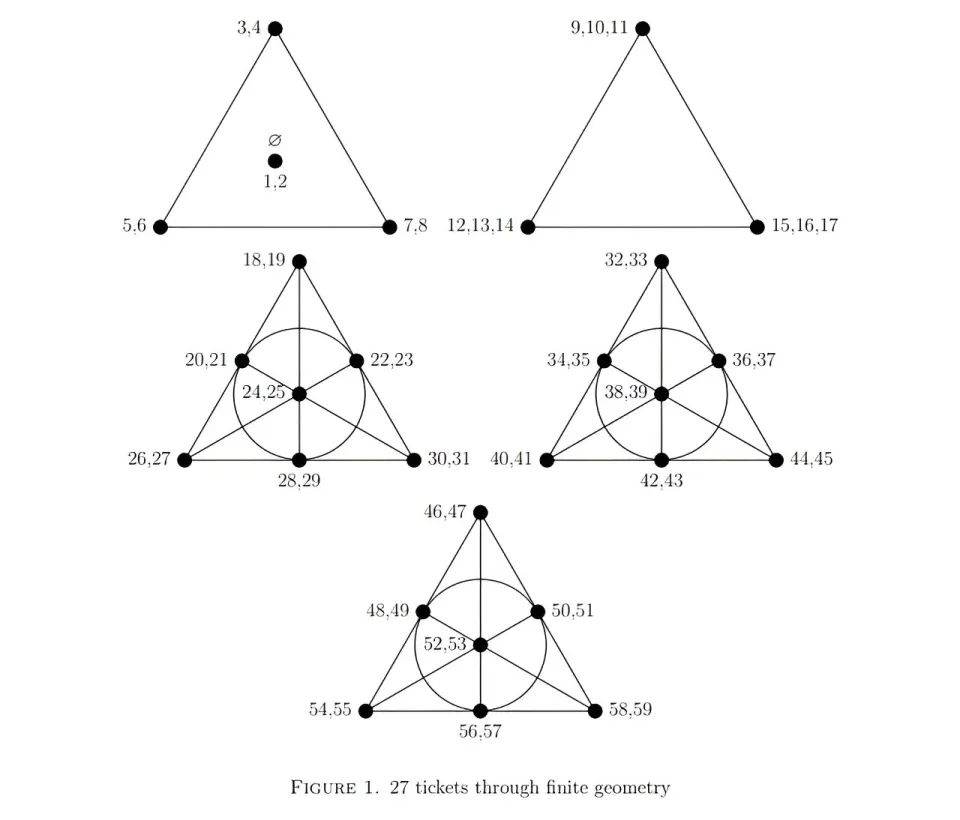
Another way to cover more number combinations is through Combination Plays, which are offered for both Lotto Max and Lotto 6/49. Instead of selecting a standard set of numbers, a player chooses a larger set, and the system generates all possible combinations from that set. For Lotto Max, an eight-number Combination Play costs $48 per draw and generates eight unique seven-number selections, which are then combined with three sets of computer-generated numbers for a total of 32 combinations. A nine-number Combination Play costs $216 per draw. Similarly, Lotto 6/49 offers five-, seven-, eight-, and nine-number Combination Plays. These options multiply the chances of winning on a single ticket but represent a significantly higher cost per draw and do not change the underlying odds of any single combination winning the jackpot.
- Syndicates pool funds to buy more tickets, sharing any winnings.
- Online Group Play tools help manage pools and prize claims.
- Combination Plays generate multiple lines from a chosen set of numbers.
- An eight-number Lotto Max Combination Play costs $48 and creates 32 combinations.
- A nine-number Lotto Max Combination Play costs $216 per draw.
- Clear agreements are essential for syndicates to function smoothly.
Common Myths and Non-Strategies
Many persistent myths surround lottery play, promising methods to beat the odds, but none are supported by mathematics or lottery operators. The concept of 'hot' or 'cold' numbers, where certain numbers are believed to be due to appear or less likely to appear based on past draws, is a fallacy. Lottery draws are independent events, and the random number generator has no memory of previous results. No system of selecting numbers based on patterns, astrology, or software can predict the outcome of a truly random draw. Books and systems that claim to offer a secret strategy cannot alter the fixed odds of the game, a fact often noted in customer reviews of such materials. Similarly, the idea that buying more tickets in a specific store or at a specific time increases your chances is false. While buying more tickets does linearly increase your personal odds, it does not guarantee a win, and the cost quickly outweighs the expected value. The only strategic choices a player can make are which game to play, whether to use a Quick Pick or personal numbers, and how much to spend within a predetermined entertainment budget.
Prize Claims, Taxes, and Unclaimed Winnings
If you win a lottery prize in Canada, the first step is to sign the back of the ticket immediately to establish ownership. Major prizes must be claimed through a lottery corporation's prize centre, where a validation process verifies the ticket's legitimacy. Winning tickets have an expiry date, typically one year from the draw date, and many prizes go unclaimed each year, with the funds returned to the prize pool. Lottery winnings themselves are generally tax-free in Canada, a significant difference from jurisdictions like the United States. However, any income generated from investing the winnings, such as interest or dividends, is subject to standard income tax.
For merchandise prizes or cash equivalents, claimants may need to visit a provincial prize payout office in person. Tickets purchased in one province can usually be claimed in another, but players should confirm the specific rules with the lottery corporation where the ticket was bought. After a major win, experts recommend seeking professional advice from an accountant, a lawyer, and a financial planner to help manage the sudden wealth. Stories of winners like 'Dave,' who won $11 million and faced immediate family conflict after a rash financial promise to his daughter, show the importance of careful planning before making any financial decisions or announcements.
| Game | Jackpot Type | Approximate Odds of Jackpot | Cost per Standard Play |
|---|---|---|---|
| Lotto Max | Main Jackpot | 1 in 33,446,140 | $6 |
| Lotto Max | MAXMILLIONS ($1M) | Varies with jackpot size | Included in $6 play |
| Lotto 6/49 | Gold Ball Jackpot | Separate draw | Included in $3 play |
Responsible Play and Setting a Budget
Lottery play should be treated as a form of entertainment for adults, not as an investment or a solution to financial problems. Provincial lottery corporations promote responsible gambling through programs like GameSense, which educates players on how games work and the odds of winning and losing. A key principle is to set a budget for lottery spending that fits within your entertainment allowance and to stick to it, never using money intended for essentials like rent or groceries. Tools such as weekly deposit limits on online accounts and self-exclusion programs like Game Break are available for those who need help controlling their play.
If gambling becomes a concern, free and confidential help is available through provincial problem gambling helplines. For example, in British Columbia, the Gambling Support BC Line is 1-888-795-6111. It is important to remember that the long-term expected return on lottery tickets is negative, meaning players will lose money over time. Dreaming of a win can be a fun distraction, but it is not a recognized retirement strategy by any financial planning organization. Keeping play within personal limits ensures it remains a leisure activity without negative consequences.
- Set a strict entertainment budget for lottery play and adhere to it.
- Use responsible gambling tools like deposit limits and self-exclusion.
- Contact provincial helplines if gambling becomes a concern.
- Understand that lottery play has a negative expected return over time.
- Treat lottery tickets as a form of entertainment, not an investment.
Questions about How to win the lottery
Is it better to use Quick Pick or choose your own numbers?
There is no mathematical advantage to either method. Quick Pick randomly generates numbers, while self-selection allows for personal choices like birthdays. However, choosing common numbers like dates increases the chance of having to share a jackpot with other winners if those numbers come up. Both methods have an equal probability of matching the drawn numbers.
What should I do first if I win a major lottery prize?
Immediately sign the back of your winning ticket to establish ownership. Then, follow the claim procedures for your provincial lottery corporation, which for a major prize typically involves visiting a prize centre for validation. Before claiming, consider consulting with a lawyer, an accountant, and a financial planner. Avoid making immediate financial promises or large gifts, as illustrated by cases where such actions led to family conflict. Keep the ticket secure and be mindful that your win may become public, so consider personal safety and vet any professionals you hire carefully.
Are lottery winnings taxable in Canada?
No, lottery winnings themselves are generally tax-free in Canada. This applies to prizes from draws like Lotto Max, Lotto 6/49, and other lottery games. However, any income that is subsequently generated from investing those winnings, such as interest, capital gains, or dividends, is taxable as ordinary income. This tax treatment differs from the United States, where lottery prizes are subject to significant withholding taxes. It is advisable to consult with a tax professional to understand the implications for your specific situation.
How do lottery syndicates or pools work?
A lottery syndicate is a group of people who pool their money to buy a larger number of tickets, thereby increasing the group's collective chances of winning. Any prizes won are shared among the members according to a pre-agreed formula. Online platforms offered by lottery corporations can simplify managing a pool by handling member invitations and group prize claims. It is crucial for syndicates to have a clear written agreement covering contributions, ticket ownership, and prize distribution to prevent disputes, especially if a winning ticket is purchased.
What happens to unclaimed lottery prizes?
Unclaimed lottery prizes expire after a set period, usually one year from the draw date. When a prize expires, the money is returned to the lottery prize pool, where it may be used to fund future prizes or special draws. A significant number of winning tickets go unclaimed each year across Canada. Players should always check their tickets against official winning numbers and be aware of the claim deadline printed on the ticket. Using ticket checkers at retailers or lottery apps can help ensure prizes are not missed.
What are the odds of winning Lotto Max?
The odds of winning the main Lotto Max jackpot are approximately 1 in 33,446,140 per $6 play. This figure is based on a ticket that includes four sets of seven numbers. It is important to understand that the overall odds of winning any prize, such as matching three or more numbers for a smaller win, are much better at 1 in 5.8 per play. The game also features additional prize opportunities that can increase your chances of a significant win without altering the jackpot odds. For instance, when the main jackpot reaches $50 million, $1 million MAXMILLIONS prizes are introduced. The number of available $100,000 MAXPLUS prizes grows in direct relation to the jackpot amount, providing more potential winning draws.
Sources and further reading
- What To Do If You Win The Lottery In Canada? (ex-ponent.com)
- How To Play Lotto Max Online (olg.ca)
- How to Win the Canadian Lottery: Play Smart, Win Big Including Secrets ... (amazon.ca)
- Lotto Max | BC Lottery (playnow.com)
- LOTTO 649 | Learn About Lottery Rules & Winning Numbers (olg.ca)
- What To Do If You Win The Lottery In Canada? (ex-ponent.com)
Checked by the Nosy Mag desk. Last updated 2026-11-19.