War bonnet
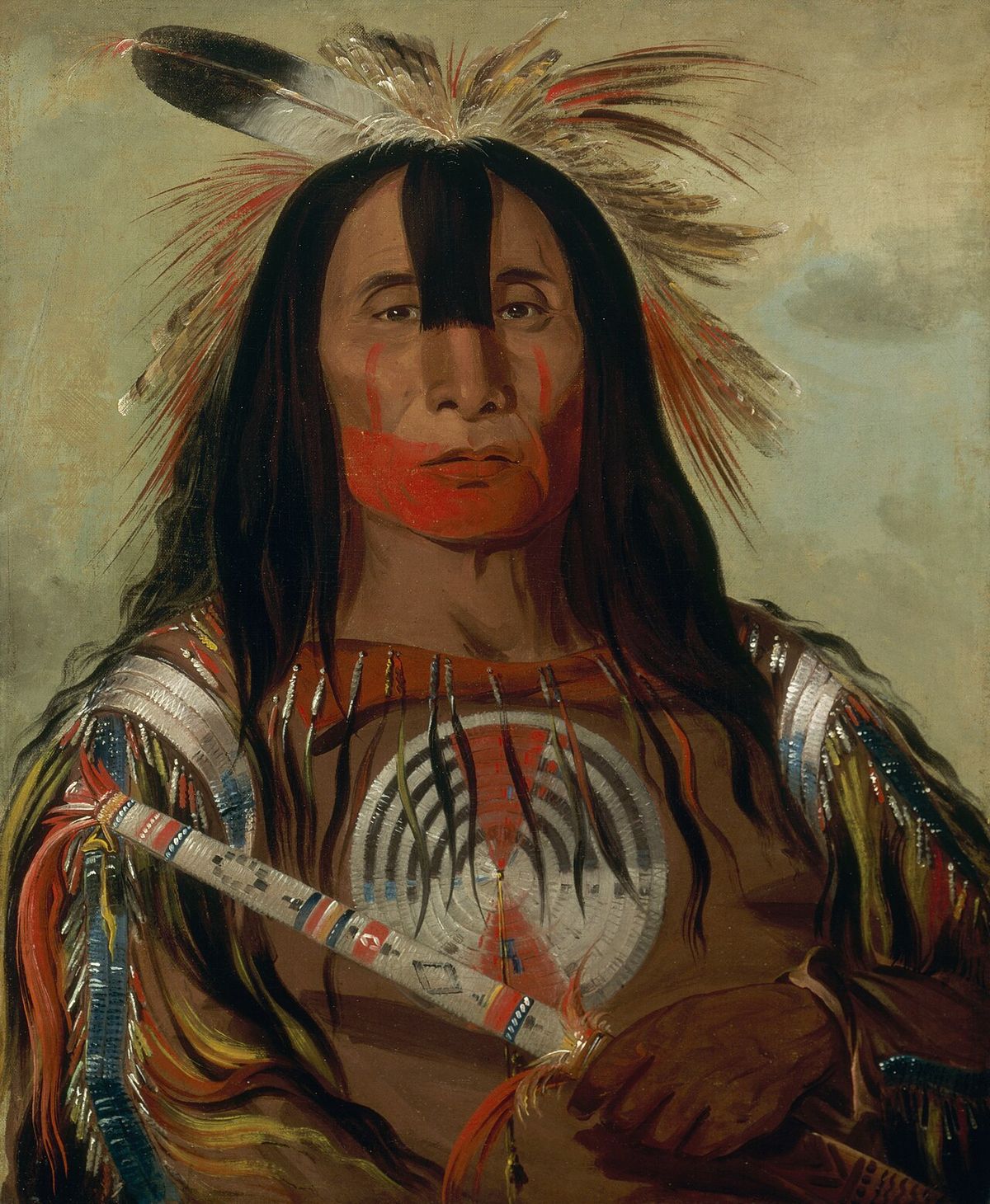
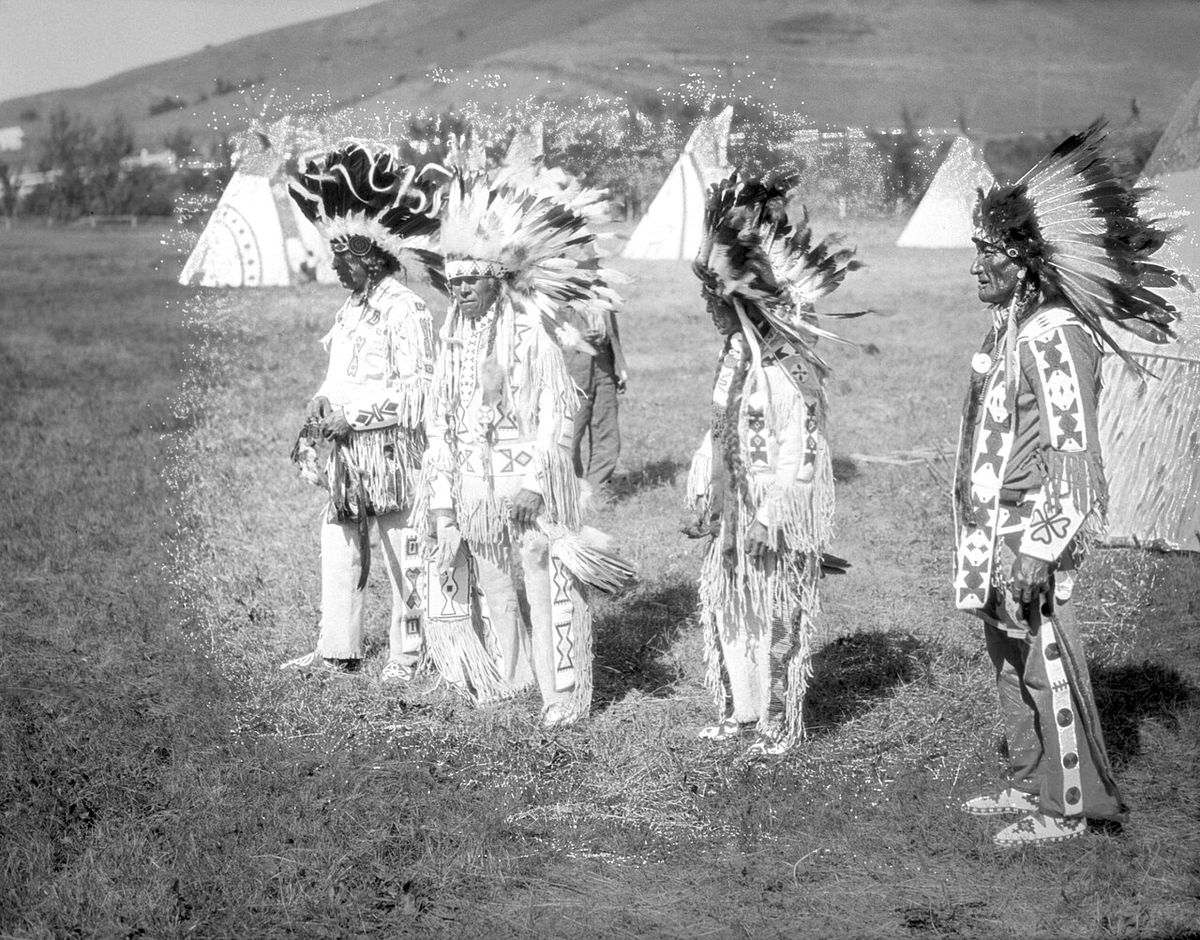
A war bonnet, also known as a warbonnet or feathered headdress, is a ceremonial headgear traditionally worn by male leaders of the American Plains Indian Nations who have earned a place of great respect in their tribe. It is considered an item of deep spiritual and political significance, earned through formal recognition for acts of courage, honour, and service to one's community. While historically associated with warriors and political leaders, in recent years a small number of highly respected First Nations women have also been ceremonially gifted such headdresses. The wearing of war bonnets by those who have not earned the right is widely viewed as cultural appropriation.
Ceremonial Significance and Earning the Right
The presentation of an eagle feather represents one of the highest marks of respect within many Native American and First Nations communities. An individual must earn each feather through selfless acts of courage and honour or receive them in gratitude for significant service to their community or Nation. Traditional deeds that bring such honour can include acts of valor in battle, including contemporary military service, but also political and diplomatic gains, or acts that helped their community survive and prosper. The esteem attached to eagle feathers is traditionally so high that in many cases, such as among the Dog Soldiers of the Cheyenne, only two or three honour feathers might be awarded in a person's whole lifetime. Historically, the warrior who was the first to touch an enemy in battle and escape unscathed received an eagle feather, an act known as counting coup. When enough feathers were collected, they might be incorporated into a headdress or some other form of worn regalia. Historically, headdresses were usually reserved exclusively for the tribe's chosen political and spiritual leaders.
Historical Context and Protective Beliefs
One of the most famous figures associated with the war bonnet is Roman Nose, a highly influential Cheyenne warrior during the Plains Indian Wars of the 1860s. He was renowned for his illustrious warbonnet that was said to protect him during battle. Contemporary accounts record several instances where, while wearing his headdress, he rode back and forth before soldiers of the United States Army and, despite being fired upon, was left unscathed. This reinforced the belief that a powerful war bonnet could act as a talisman. The concept of counting coup was a widespread practice among Plains tribes, where touching an enemy with a hand, weapon, or coup stick was considered a greater act of bravery than killing. Some esteemed Plains leaders accumulated so many feathers through such acts that their headdresses were exceptionally long. While originally worn into battle, war bonnets are now primarily used for ceremonial occasions such as powwows, graduations, and community honourings.
Construction, Materials, and Symbolism
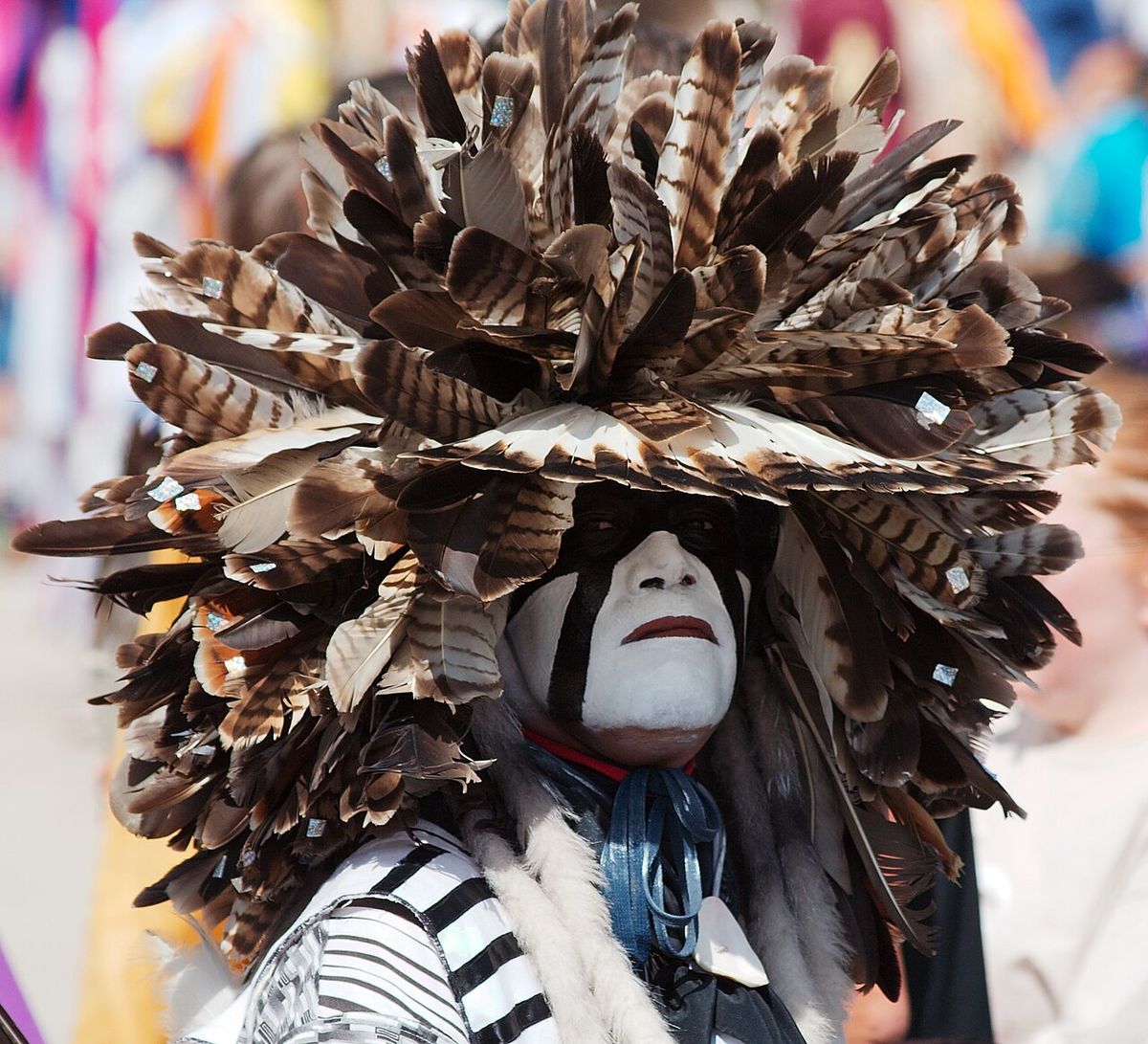
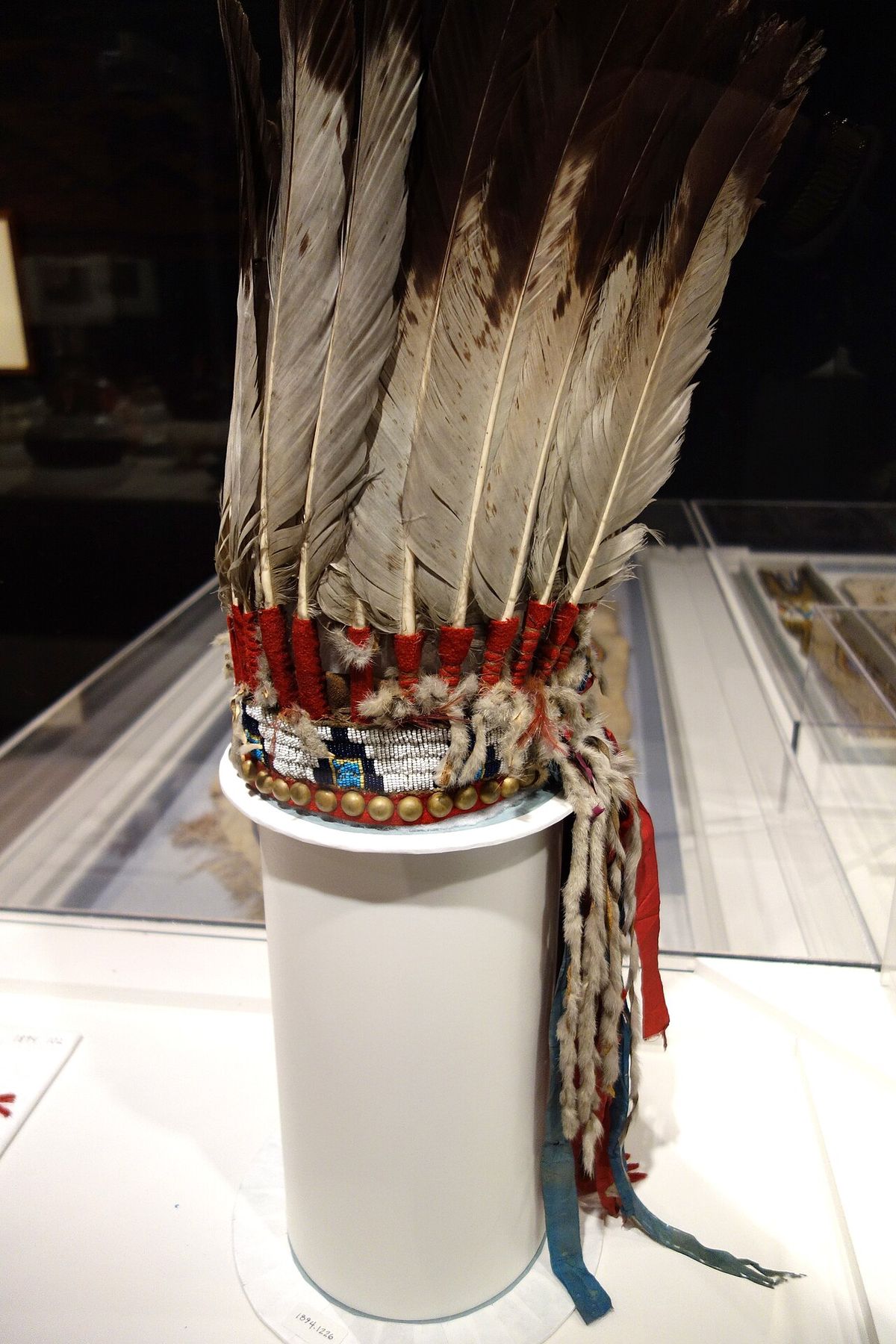
Plains-style war bonnets are made out of eagle feathers because the eagle is considered by most tribes of the Interior Plains to be the greatest and most powerful of all birds. The materials are drawn from nature and were believed to draw power from the creatures and plants from which they came. Beyond eagle feathers, artisans incorporate a vast array of natural materials like feathers from hawks, owls, and turkeys. They also use animal parts such as ermine tails, cougar pelts, bear claws, and elk teeth. The materials differ in their symbolism and are influenced by both tribal traditions and the individual wearer. Eagle or hawk feathers were often used by warriors, while owl feathers or ermine were typically worn more by healers or medicine men. By donning a part of that animal, a wearer was believed to acquire those powers. One traditional method of acquiring feathers for war bonnets is to pluck the most mature tail feathers of young eagles while still in the nest. This can be done three times before the feathers do not grow back, and as many as thirty-six feathers can be collected in this manner. If care is taken in not disturbing the nest, this method can be repeated yearly. The process of creating a bonnet is itself a sacred act, often involving prayer and ritual.
- Horned Bonnet: Features a buckskin skull cap, shaved bison or cow horns, and dyed horsehair, often with bunches of owl feathers beneath the skull cap. This style is associated with specific societies and achievements.
- Flaring Eagle Feather Bonnet: Typically made from golden eagle tail feathers connected to a buckskin or felt crown. There are slits at the base of the crown that allow the bonnet to have a flaring look. This is one of the most recognized styles.
- Fluttering Feather Bonnet: An unusual style where feathers are loosely attached to a felt or buckskin cap, hanging at the sides. This creates a dynamic, moving appearance.
Legal Framework in the United States
The use of eagle feathers in war bonnets and other ceremonial regalia is protected under specific United States federal legislation known as the Eagle Feather Law. This exemption is contained within the Migratory Bird Treaty Act of 1918 and enables Native Americans to continue using eagle feathers in their traditional spiritual and cultural practices. The law strictly regulates possession to ensure the spiritual use of these feathers remains within Indigenous communities. Under this legislation, only enrolled members of a federally recognized Native American tribe may legally collect or possess eagle feathers. This restriction is designed to prevent the commercial trade and exploitation of eagle parts while safeguarding their sacred use for ceremonial purposes. The law acknowledges the unique government-to-government relationship between the U.S. and tribal nations. The National Eagle Repository, managed by the U.S. Fish and Wildlife Service, is a central facility that distributes eagle carcasses and parts to enrolled tribal members for religious use. This system helps meet the demand for feathers while protecting wild eagle populations.
Cultural Appropriation and Contemporary Controversies
Native American cultural representatives and activists have expressed offense at what they deem the cultural appropriation of wearing and displaying such headdresses by those who have not earned them, especially by non-Natives as fashion or costume. The controversy is part of a wider effort to highlight what they view as the ongoing cultural genocide against Indigenous peoples in the United States and Canada. The trend of musicians and festival-goers wearing warbonnets became fashionable in the 2010s. This has led to criticism by Native Americans, apologies by non-Natives, and the banning of the sale or wearing of them as costumes by several music festivals, including the Osheaga Festival in Montreal and the Glastonbury Festival in the UK. Scholars Kristin A. Carpenter and Angela R. Riley state that to explain Native peoples' discomfort, it is necessary to evaluate what the headdress means specifically to the various tribes, such as the Crow and Lakota, that make and use them. Without such context, it is impossible for non-Indians to grasp the offense and harm felt when sacred objects are co-opted, commercialized, and commodified. Jay Kay, front man of the band Jamiroquai, has repeatedly used a feather headdress as part of his costume design, such as in the music video for 'Corner of the Earth'.
Variations and Types of Plains Headdresses
Plains Indians use eagle feathers as the most significant part of the headdress to represent honor and respect. Some Plains-style bonnet forms are the 'horned' bonnet, 'flaring' eagle feather bonnet, and the 'fluttering feather' bonnet. The 'horned' bonnet can consist of a skull cap, shaved bison or cow horns, and dyed horsehair. The 'flaring' eagle feather bonnet is often made of golden eagle tail feathers connected to a crown. An unusual form is the 'fluttering feather' bonnet, with feathers loosely attached. Beyond these, headdresses could also be made from a single animal pelt, antlers, or buffalo horns. The types of war bonnets differed between tribes and regions. For example, the Sioux (Lakota, Dakota, Nakota) and Cheyenne are particularly known for their distinctive bonnet styles. The materials and forms are as varied as the landscapes the tribes inhabited, each telling a story of place and purpose. This diversity is often lost in popular depictions that homogenize these cultural items into a single stereotypical image.
| Type | Key Characteristics | Associated Tribes/Context |
|---|---|---|
| Horned Bonnet | Incorporates a buckskin skull cap with shaved bison or cow horns, dyed horsehair, and often owl feathers beneath the cap. | Often associated with warrior societies and specific ceremonial roles. |
| Flaring Eagle Feather Bonnet | Constructed with golden eagle tail feathers connected to a buckskin or felt crown, featuring slits for a flaring look. | Common among many Plains tribes, including the Sioux and Cheyenne, for recognized leaders. |
| Fluttering Feather Bonnet | Features feathers loosely attached to a felt or buckskin cap, allowing them to hang and move at the sides. | A less common, distinctive style noted for its dynamic visual effect. |
Questions about War bonnet
What is a war bonnet and who traditionally wore it?
A war bonnet is a feathered headdress traditionally worn by male leaders of the American Plains Indian Nations who have earned a place of great respect in their tribe. It is an item of great spiritual and political importance, only to be worn by those who have earned the right through formal recognition for acts of courage, honour, and service. Originally they were sometimes worn into battle, but they are now primarily used for ceremonial occasions. In the Native American and First Nations communities that traditionally have these items, they are deeply significant regalia.
Are there different styles of war bonnets?
Yes, there are several distinct styles of Plains headdresses. Common forms include the 'horned' bonnet, which incorporates animal horns, the 'flaring' eagle feather bonnet, and the 'fluttering feather' bonnet, where feathers hang loosely. Materials and styles varied between tribes like the Sioux and Cheyenne, using feathers, animal pelts, quills, and hair. Some bonnets could also be made from a single animal pelt or set of antlers.
Can anyone wear a war bonnet?
No, within traditionally associated Native American and First Nations communities, war bonnets are to be worn only by those who have earned the right through formal recognition by their people. Wearing one without this earned honour is considered a serious affront to their culture and traditions. This has led to significant controversy when non-Natives wear them as fashion or costume, prompting several music festivals to ban the sale or wearing of them as costumes. The controversy is part of a wider effort by Native American activists to highlight what they view as ongoing cultural issues.
Why are eagle feathers used in war bonnets?
Eagle feathers are used because the eagle is considered by most tribes of the Interior Plains to be the greatest and most powerful of all birds. The feathers represent honour and respect, and each one must be earned through selfless acts of courage or service. Under current United States federal legislation, the Eagle Feather Law within the Migratory Bird Treaty Act of 1918 enables enrolled members of federally recognized tribes to legally collect and possess eagle feathers for traditional practices. One traditional method involves plucking the most mature tail feathers from young eagles in the nest, which can yield as many as thirty-six feathers if done carefully.
Did women ever wear war bonnets?
Historically, the most common style of Plains warbonnet was reserved exclusively for the tribe's chosen political and spiritual leaders and was not worn by women. Women had traditional regalia that could include other types of headdresses. However, in recent years a few First Nations women who have attained a very high level of respect in their communities have been ceremonially gifted with headdresses of the type that were formerly only worn by men. This represents a modern evolution of the tradition within those communities.
What is the controversy surrounding war bonnets today?
The major controversy involves the cultural appropriation of war bonnets by people who have not earned them, particularly non-Natives wearing them as festival costumes or fashion accessories. Indigenous activists view this as a disrespectful co-opting and commercialization of a sacred symbol. This has led to widespread criticism, apologies, and bans at several music festivals. Scholars emphasize that understanding the specific meaning to tribes like the Crow and Lakota is key to grasping the offense caused.
Sources and further reading
- War bonnet (Wikipedia)
- Native Warbonnets-Prestige, Power & Pomp (notesfromthefrontier.com)
Checked by the Nosy Mag desk. Last updated 2026-10-31.