Visual arts of the Indigenous peoples of the Americas
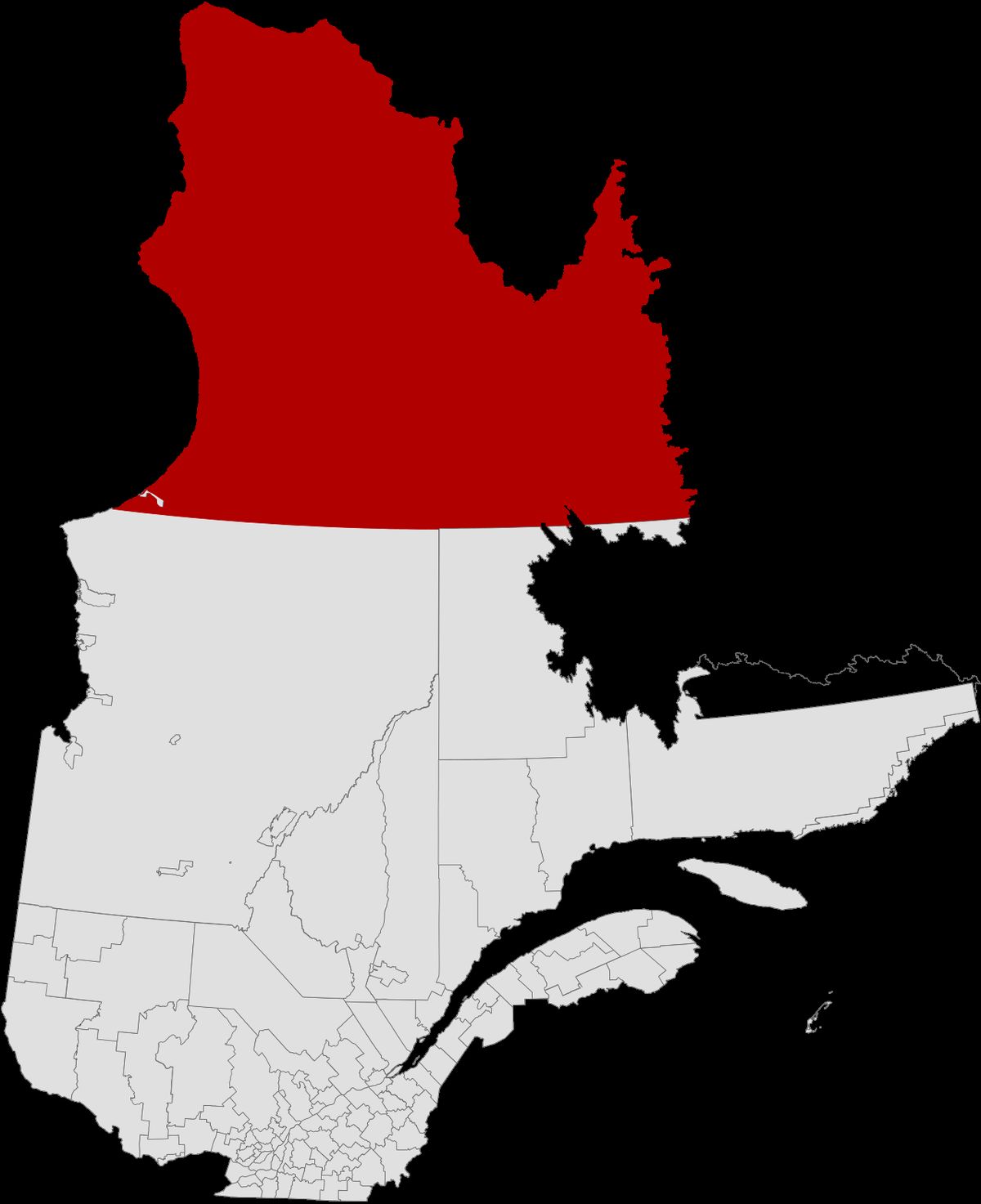
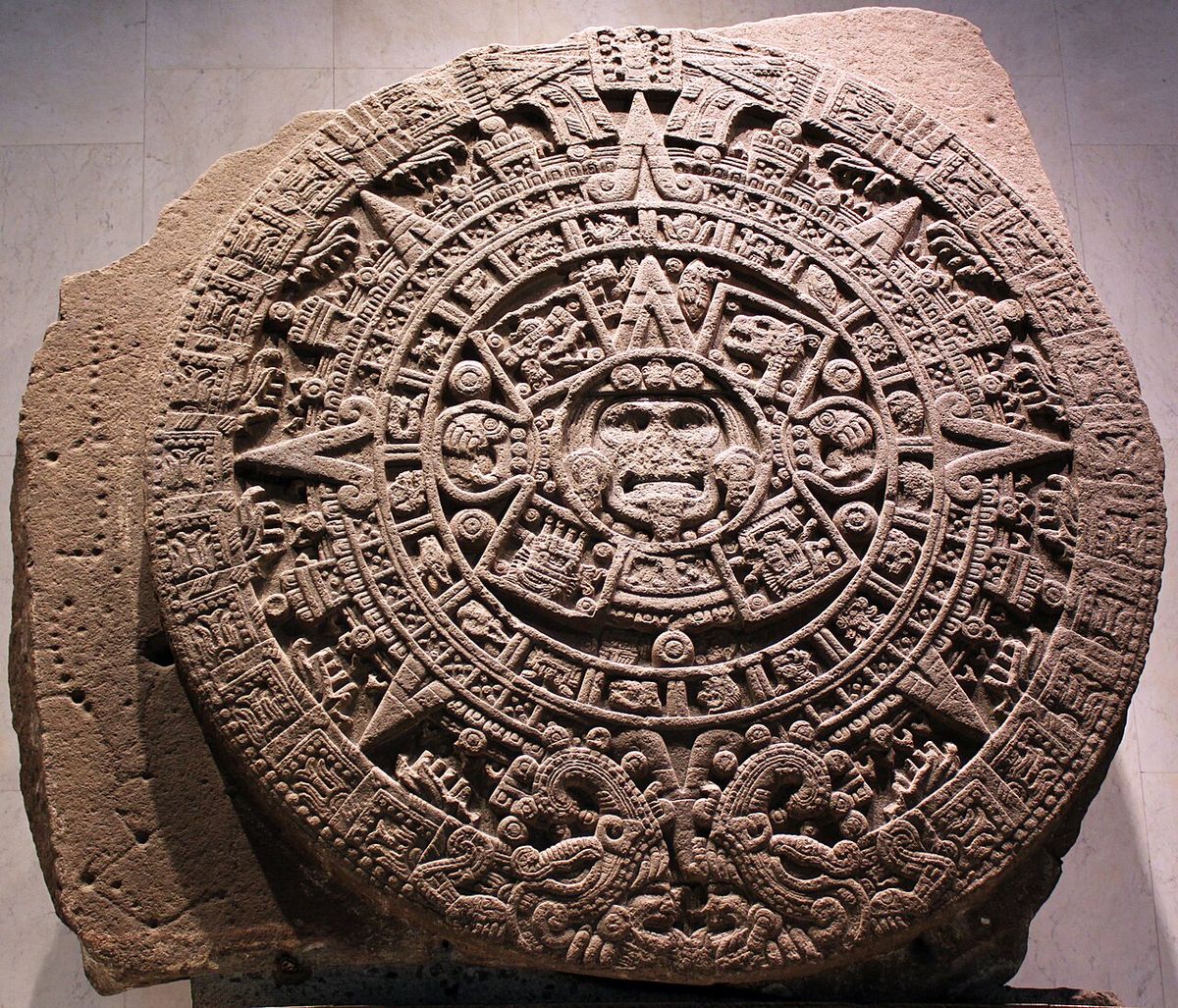
The visual arts of the Indigenous peoples of the Americas encompass the diverse and enduring artistic practices of First Nations, Inuit, and Métis peoples from ancient times to the present. This vast field includes portable arts such as painting, basketry, textiles, and photography, and monumental works such as architecture, land art, and public sculpture. For Canadians, these art forms represent foundational cultural expressions that predate the nation itself, offering vital perspectives on history, spirituality, and contemporary life. The ongoing creation and interpretation of this art, increasingly guided by Indigenous protocols and intellectual property rights, are central to cultural reclamation and national identity.
Ancient Foundations and Rock Art
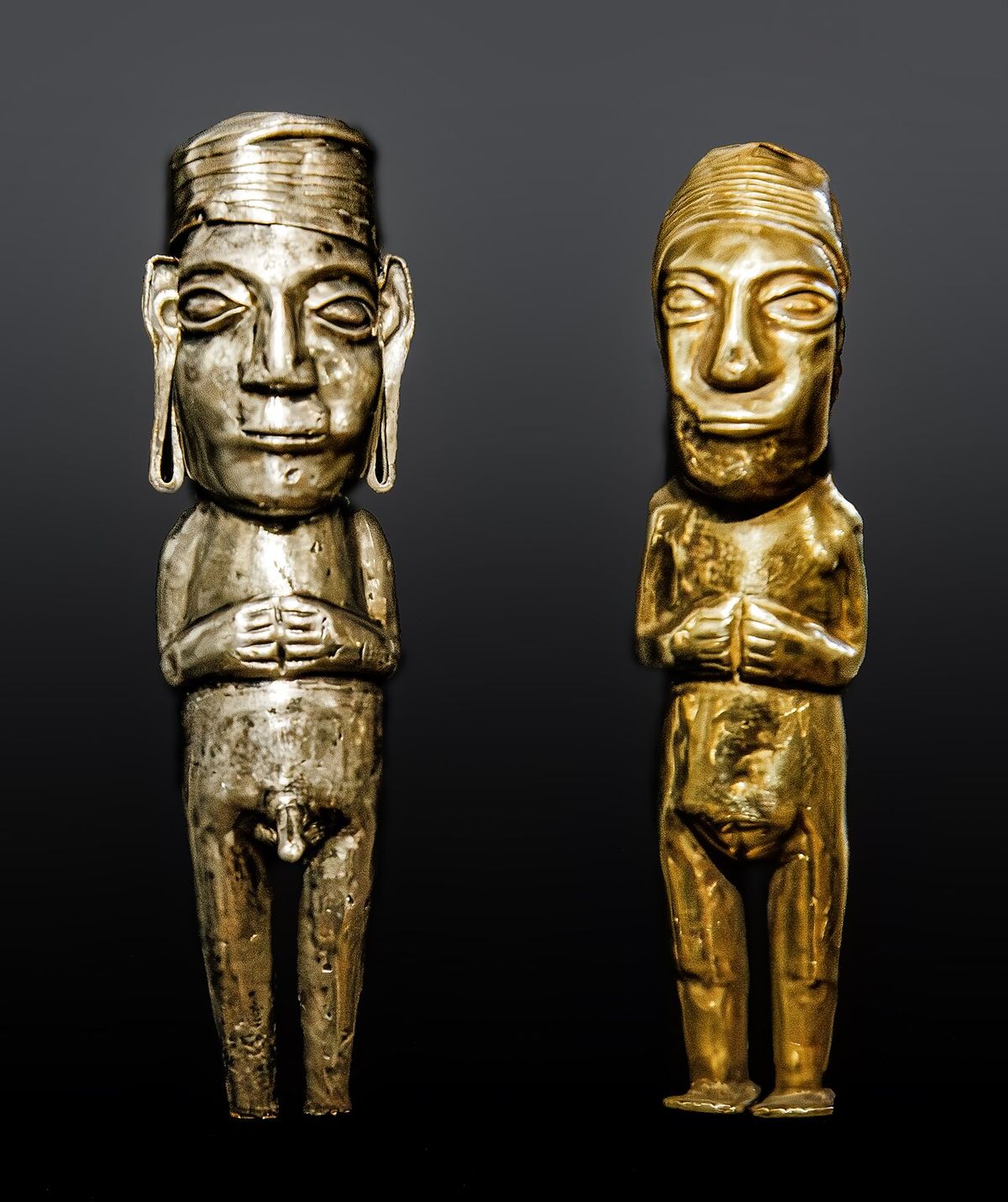
The artistic heritage of the Americas begins in deep antiquity. The oldest known artifact is a fossilized mammoth bone carved with an image of a walking mammoth, dating to approximately 11,000 BCE and found near Vero Beach, Florida. This lithic stage art demonstrates sophisticated observation and skill from the earliest inhabitants, and the carving was authenticated as being made before the bone became mineralized. The oldest painted object in North America is the Cooper Bison Skull from Oklahoma, painted with a red zig-zag pattern and dated to around 10,900-10,200 BCE. In South America, the Monte Alegre culture in Brazil created rock paintings at Caverna da Pedra Pintada as early as 9250 BCE, while textiles from Guitarrero Cave in Peru date to 8000 BCE. Pictographs and petroglyphs, collectively known as rock art, are found across the continents, with particularly high concentrations in the southwestern United States and the Andes. These ancient images on stone served as records, sacred symbols, and markers in the landscape for millennia. In California, one of the largest densities of petroglyphs in North America is found in the Coso Rock Art District of the northern Mojave Desert, created by the Coso people. The most elaborate pictographs in the United States are considered to be the cave paintings of the Chumash people in present-day Santa Barbara, Ventura, and San Luis Obispo Counties.
Artistic Regions of North America
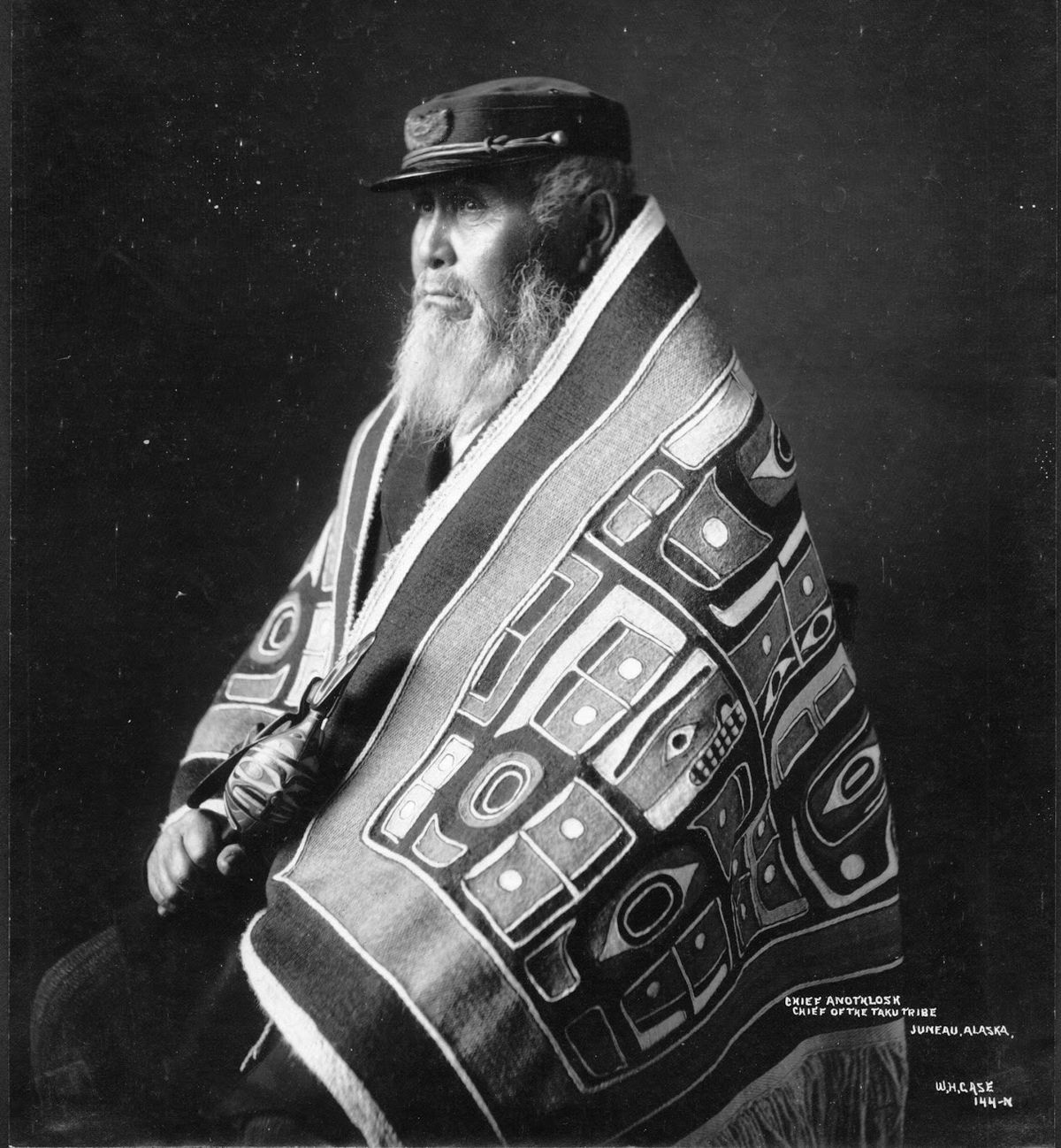
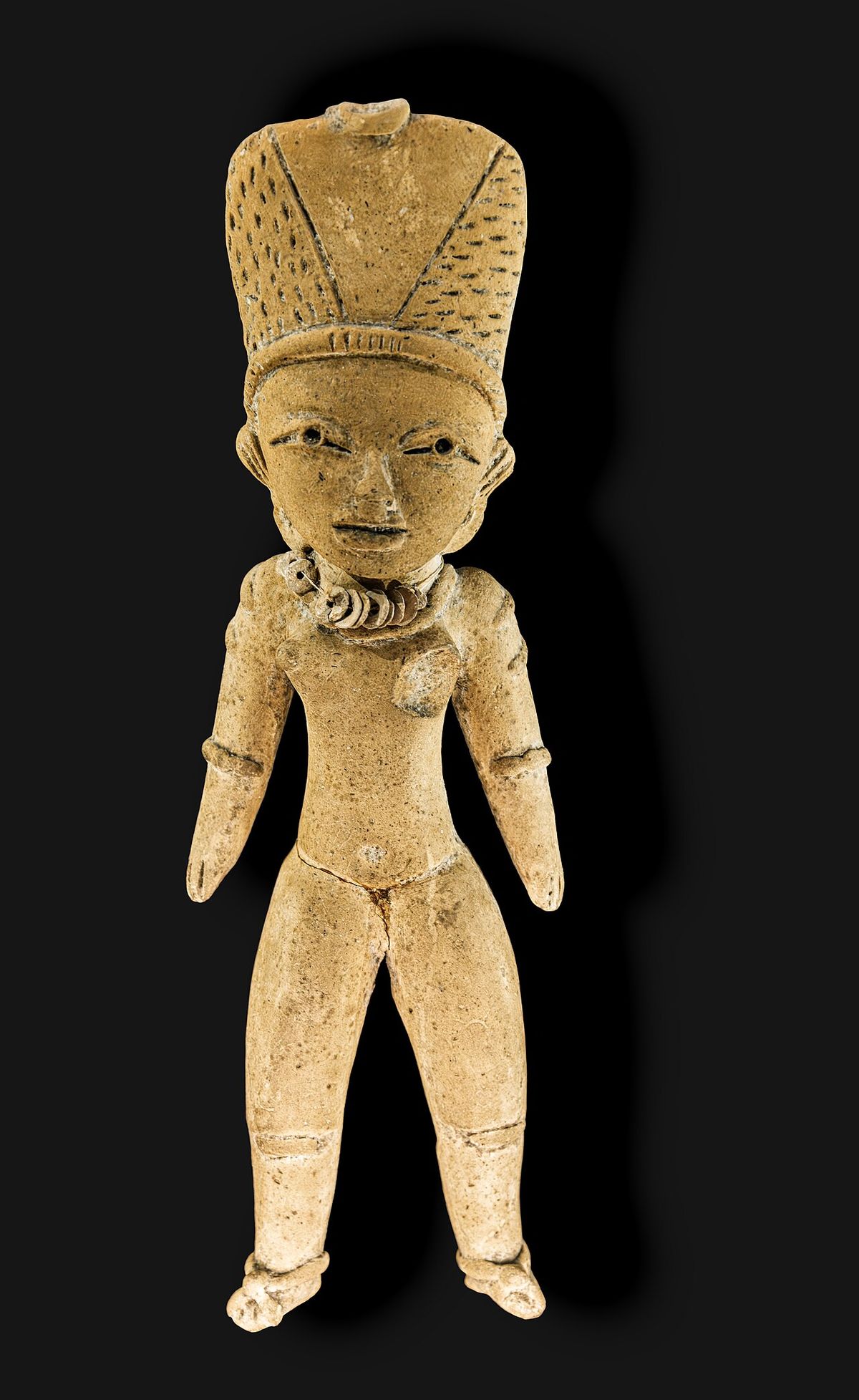
The visual arts developed in distinct yet interconnected ways across the vast and varied landscapes of North America. In the Arctic, Inuit and Yup'ik peoples have long traditions of mask carving for shamanic rituals and detailed ivory work, with modern Inuit art movements in sculpture and printmaking emerging strongly in the late 1940s. The Yup'ik of Alaska carved masks for rituals, while the Thule people, who replaced the Dorset culture around 1000 CE, produced art that was more decorative in character. The Subarctic region is known for its porcupine quillwork on hides and birchbark, with floral glass beadwork becoming popular after European contact and the influence of the Grey Nuns. The oldest known surviving Subarctic art is a petroglyph site in northwest Ontario, dated to 5000 BCE. The Northwest Coast cultures, including the Haida, Tlingit, and Heiltsuk, developed a complex stylistic vocabulary expressed primarily in woodcarving, producing totem poles, transformation masks, and canoes, with silver, gold and copper engraved jewelry becoming important after contact. The Eastern Woodlands, home to the Mound Builder cultures like the Adena and Hopewell, left behind burial artifacts including stone tablets with zoomorphic designs, pottery, and shell engravings. From the 12th century, Haudenosaunee and coastal tribes fashioned wampum from shells and string as mnemonic devices and records. The Southeastern Woodlands saw the rise of the complex Mississippian culture from 800 CE to 1500 CE, known for its large platform mounds, advanced ceramics using ground mussel shell as temper, and items like shell gorgets and repoussé copper plates associated with the Southeastern Ceremonial Complex. The Great Plains tribes are renowned for their narrative hide paintings, geometric designs on rawhide parfleches, and beadwork, which evolved into Ledger art on paper in the late 19th century after the destruction of the buffalo herds. The Great Basin and California regions are celebrated for their basket weaving traditions, with California baskets by Cahuilla, Chumash, Pomo, and Hupa artists becoming popular with collectors in the late 19th century.
Materials, Techniques and Forms
Indigenous artists have historically utilized a vast array of materials sourced from their local environments, developing techniques that define their cultural expressions. Perishable materials like plant fibres, hides, and feathers were used extensively, though their preservation over millennia is rare, as seen with the more than 1,000 wooden objects from Key Marco, Florida, which are some of the finest prehistoric Native American art in North America. Stone, bone, ivory, and antler were commonly carved for both utilitarian and ceremonial objects, such as the bannerstones and projectile points of the Archaic period or the walrus ivory carvings of the Dorset culture. Basketry represents one of the most refined and widespread art forms, particularly in California and the Great Basin, where artists like Dat So La Lee (Washoe), Lucy Telles, and Carrie Bethel created works using dried grasses and plants like Juncaceae and Sumac, often with patterns in black, red, or orange dyed strands. Textile arts include the avittat appliqué of Greenlandic Inuit, which uses dyed marine mammal organs, and the patchwork clothing tradition of the Seminole, as well as Plateau weaving of flat, rectangular corn husk bags decorated with geometric designs in false embroidery. The introduction of European trade goods, such as glass beads and cloth, led to new artistic developments, including the floral beadwork of the Subarctic and the contour-style beading and elaborate horse regalia of the Plateau. Monumental forms of art include the earthen mounds of the Eastern Woodlands, the architectural complexes of the Mississippian culture, and the towering totem poles of the Northwest Coast. Many art forms, such as porcupine quillwork and birchbark biting, are unique to the Americas.
Inuit Visual Arts: Tradition and Innovation
Inuit visual arts encompass a wide range of media, with carving and printmaking being the most prominent internationally. The modern Inuit art movement began in the late 1940s, encouraged by the Canadian government, leading to the production of serpentine sculptures and prints for southern markets. A central development was the establishment of the Kinngait Studios printmaking shop in Cape Dorset in 1957 by James A. Houston. This studio launched the careers of artists whose work became widely recognized for its graphic strength and cultural narratives. Kenojuak Ashevak created the well-known print The Enchanted Owl, which uses bold and contrasting colours typical of the Kinngait style. Kananginak Pootoogook was a master draftsman known for detailed depictions of wildlife. Shuvinai Ashoona produces detailed drawings that blend everyday life in Nunavut with imaginative elements. Print styles vary by region, with Kinngait often using bold colours, while prints from Puvirnituq in Nunavik are frequently monochromatic and focus on narratives from daily life and legend, such as Davidialuk Alasua Amittu's Legend of Toongak. Carving remains a vital practice, utilizing materials like serpentine, caribou antler, walrus ivory, and whalebone. Contemporary artists like Jamasie Pitseolak blend traditional carving techniques with modern themes, as seen with his Sedna Chopper. The stonecut printmaking process involves drawing an image, tracing it onto a smooth stone slab, carving out the negative space, inking the raised areas, and transferring the image onto paper. Beyond carving and printmaking, artists work in textile arts, inspired by Jessie Oonark, whose felt works reflect day-to-day life, and other crafts, with centres like the Uqqurmiut Centre for Arts & Crafts in Pangnirtung being major producers. Inuit art continues to address the impacts of modern technology and climate change while maintaining a connection to cultural narratives, as seen in Tim Pitsiulak's drawing Family of Eight which depicts a family riding an ATV.
Contemporary Practices and Institutional Recognition
The 20th and 21st centuries have seen Indigenous artists engage with both traditional forms and contemporary global art discourses. Institutions like the Smithsonian American Art Museum have made commitments to collecting and contextualizing work by Native makers, holding over 18,000 objects from more than 250 Indigenous nations. Their collection includes works by artists such as Raven Chacon (Diné), Kelly Church (Ottawa and Pottawatomi), Jeffrey Gibson (Mississippi Choctaw/Cherokee), Carla Hemlock (Kanienkeháka), and Allan Houser (Chiricahua Apache). The Renwick Gallery regularly features contemporary craft, with an exhibition titled Handwork: Contemporary Craft at the Renwick Gallery opening in November. Emerging curators like Jocelyn Piirainen are creating platforms for Indigenous artists, such as the Neon NDN exhibition at SAW Gallery in Ottawa in 2016, which brought together 20 artists. The market for Indigenous art also thrives through events like the upcoming A Very Indigenous Holiday Market & Cultural Gathering scheduled for November 13-15, 2026, at the Alberta Aviation Museum in Edmonton. Professional development is supported through initiatives like the national training program for Indigenous artists funded by the Government of Canada. Collectives like Professional Native Indian Artists Inc. have worked to change the landscape for Indigenous artists in Canada, and conferences like the American Indigenous Tourism Conference 2026 in Tulalip, Washington, include seminars on the business of art.
Protocols, Rights and Ethical Engagement
A critical development in recent decades is the formalization of guidelines for the respectful engagement with Indigenous visual arts and artists. The Indigenous Protocols for the Visual Arts Toolkit is a resource designed to strengthen respect for First Nations, Inuit, and Métis visual art. Its primary purposes are to help Indigenous artists protect their work, to educate non-Indigenous stakeholders on responsible engagement, and to advocate for stronger legislative change. The toolkit explicitly recognizes and endorses Indigenous intellectual and cultural property rights, affirming the rights of Indigenous Peoples to own and control their cultural heritage. This initiative is part of a broader movement to ensure Indigenous art is understood and interpreted from Indigenous perspectives, countering historical practices of collection and display that often occurred without consent. These protocols address issues such as the commercialization of sacred ceremonial items, like Iroquois False Face masks which the Grand Council of the Haudenosaunee states are not for sale or public display, the reproduction of traditional designs, and the necessity of community consultation. The toolkit is supported by organizations like Canadian Artists’ Representation / Le Front des artistes canadiens (CARFAC) and is part of ongoing work to secure legal and moral rights for Indigenous artists in Canada.
Notable Artists in Major Collections
Indigenous art of the Americas has been collected by Europeans since sustained contact in 1492. These collections joined cabinets of curiosities and early museums. More conservative Western art museums have classified Indigenous art of the Americas within arts of Africa, Oceania, and the Americas. Native scholars and allies are striving to have Indigenous art understood from Indigenous perspectives. The permanent collections of major museums provide a view of the depth and diversity of Indigenous artistic production. These collections include works by artists from many nations, bridging historical traditions and contemporary innovations.
| Artist | Nation/Culture | Primary Media |
|---|---|---|
| Raven Chacon | Diné (Navajo) | Sound, Installation |
| Kelly Church | Ottawa and Pottawatomi | Basketry, Birchbark |
| Jeffrey Gibson | Mississippi Choctaw/Cherokee | Mixed Media, Painting |
| Carla Hemlock | Kanienkeháka (Mohawk) | Textiles, Beadwork |
| Allan Houser | Chiricahua Apache | Sculpture |
| Maria Martinez | San Ildefonso Pueblo | Pottery |
| George Morrison | Grand Portage Band of Chippewa | Painting |
| Virgil Ortiz | Cochiti Pueblo | Pottery, Fashion |
| Jaune Quick-to-See-Smith | Confederated Salish and Kootenai | Painting |
| Preston Singletary | Tlingit | Glass |
This list shows the contributions Indigenous artists make across all visual art media, from traditional pottery and textiles to contemporary glasswork and installation art. Their presence in national collections reflects the role Indigenous creativity plays in understanding American and Canadian cultural identity. Other artists in these collections include Kapulani Landgraf (Kanaka Maoli), Truman Lowe (Ho-Chunk), Wendy Red Star (Apsáalooke (Crow)), and Kay WalkingStick (Cherokee Nation). Historical figures like Edmonia Lewis (African American/Ojibwe), a sculptor of the mid-nineteenth century, and Sharol Graves, a 20th-century serigraph artist and illustrator of The People Shall Continue, are also represented.
Basketry and Textile Specializations
Basketry and textiles represent areas of particularly high specialization and cultural significance across many Indigenous nations. In California, basket weaving reached a high level of technical and artistic achievement, with patterns including stars, crosses, and flowers found in the work of multiple neighbouring tribes, a practice once attributed to cultural exchange in Spanish Missions but now known to predate them. The Washoe weaver Dat So La Lee, also known as Louisa Keyser, became known for her finely coiled baskets produced for the commodity market between 1895 and 1935. Great Basin tribes, including the Paiute, Shoshone and Washoe, are known for baskets that incorporate seed beads on the surface and for creating waterproof baskets. In the Plateau region, women from the Nez Perce, Yakama, Umatilla, and Cayuse tribes weave flat, rectangular bags from corn husks or hemp dogbane, decorated with geometric designs in false embroidery. Textile arts in the Arctic include the Greenlandic Inuit avittat technique and the netted beadwork collars created by women. The Seminole people of Florida are recognized for their patchwork clothing, a distinct and evolving textile tradition. These forms are not merely decorative but are often embedded with cultural knowledge, serving practical purposes in daily life, ceremony, and trade. The Uqqurmiut Centre for Arts & Crafts in Pangnirtung is a main centre for producing textiles that record Inuit ways of living, continuing a tradition exemplified by artist Jessie Oonark.
Historical Development and European Contact
The trajectory of Indigenous visual arts was deeply shaped by the period of sustained European contact beginning in 1492. Indigenous art from the Americas entered European collections in cabinets of curiosities and early museums from that time. Western art museums have historically classified this art within broader categories like arts of Africa, Oceania, and the Americas, with precontact work often termed pre-Columbian art, a label that sometimes refers only to precontact art by Indigenous peoples of Latin America. Contact introduced new materials and markets, as seen when Inuit in the late 19th century began creating souvenirs like cribbage boards for whaling ship crews, or when Washoe basket weavers adapted their production for external buyers. The horse, introduced to the Plains, revolutionized cultures and enabled fully nomadic lifestyles, which in turn influenced the development of buffalo hide painting and equestrian beadwork. The Reservation Era and the systematic destruction of buffalo herds in the late 19th century forced artistic adaptation, leading to the birth of Ledger art on paper and muslin. Throughout the 20th century, government programs, like those encouraging Inuit art production, and the establishment of cooperatives and studios, formalized art as an economic and cultural activity. Today, scholars and artists continue to work towards having Indigenous art understood and interpreted from Indigenous perspectives, moving beyond colonial frameworks of collection and display. This includes initiatives like the Indigenous Protocols toolkit and the work of organizations such as CARFAC to support artists' rights.
Questions about Visual arts of the Indigenous peoples of the Americas
What is the oldest known Indigenous art in the Americas?
The oldest known artifact is a fossilized mammoth bone carved with the image of a walking mammoth, discovered near Vero Beach, Florida and dating to approximately 11,000 BCE. The carving's anatomical correctness and the bone's heavy mineralization confirm it was made while mammoths or mastodons still lived in the area, more than 10,000 years ago. The oldest painted object in North America is the Cooper Bison Skull from Oklahoma, painted with a red zig-zag and dated to about 10,900-10,200 BCE. In South America, rock paintings at Caverna da Pedra Pintada in Brazil date back to between 9250 and 8550 BCE, and the earliest known textiles, from Guitarrero Cave in Peru, date to 8000 BCE.
What are some art forms unique to Indigenous peoples of the Americas?
Several artistic practices are unique to the Americas, developed from local materials and cultural needs. Porcupine quillwork, where dyed and flattened porcupine quills are used to embroider hides and birchbark, is a distinctive art form of Subarctic and Plains peoples. Birchbark biting involves creating symmetrical designs by carefully folding and biting pieces of thin birchbark. Wampum belts, made from woven shell beads by Northeastern Woodlands tribes, served as mnemonic devices, currency, and treaty records. The avittat textile art of Greenlandic Inuit uses appliqué of small, brightly dyed pieces of marine mammal organs in mosaic designs, called avittat. The creation of tupilaq, or evil spirit objects, is another unique tradition from Greenland.
How did modern Inuit art begin?
Modern Inuit art as a commercial and fine art movement began in the late 1940s, encouraged by the Canadian government and early advocates like James A. Houston. Inuit in communities such as Kinngait (Cape Dorset) began producing serpentine stone sculptures and, later, prints for sale in southern Canada and internationally. A central institution was the Kinngait Studios printmaking shop, established by Houston in Cape Dorset in 1957. This studio enabled artists like Kenojuak Ashevak, Kananginak Pootoogook, and Shuvinai Ashoona to produce limited edition prints that gained recognition. The 1950s saw the beginnings of this prolific printmaking studio, and in the following years other studios were created throughout Nunavik and the Northwest Territories, though Inuit in Labrador were initially excluded.
What is the Indigenous Protocols for the Visual Arts Toolkit?
The Indigenous Protocols for the Visual Arts Toolkit is a practical resource designed to guide respectful and ethical engagement with Indigenous artists and their work. It aims to strengthen respect for First Nations, Inuit, and Métis visual art and affirm their legal and moral rights. The toolkit helps artists protect their intellectual and cultural property, educates galleries, collectors, and publishers on responsible practices, and provides tools for advocating stronger legislative protections. It is a critical part of ongoing efforts to ensure Indigenous perspectives guide the interpretation and circulation of their cultural heritage, and it recognizes Indigenous intellectual and cultural property rights as the rights of Indigenous Peoples to own and control their cultural heritage.
Which museums have major collections of Indigenous American art?
Major institutional collections include the Smithsonian American Art Museum (SAAM) and the Smithsonian's National Museum of the American Indian, which together hold tens of thousands of objects. SAAM's collection features over 18,000 works by artists from more than 250 Indigenous nations. Other significant repositories include the Peabody Museum of Archaeology and Ethnology at Harvard University, the Southwest Museum, and the Art Gallery of Ontario. The Newark Museum holds two works by the 19th-century sculptor Edmonia Lewis. These collections encompass artifacts from ancient times to contemporary works, with museums increasingly committed to collecting and contextualizing art from Indigenous perspectives.
Who are some notable contemporary Indigenous artists?
The contemporary field includes influential artists working across diverse media. Jeffrey Gibson (Mississippi Choctaw/Cherokee) is known for mixed-media paintings and sculptures that incorporate beadwork and text. Jaune Quick-to-See-Smith (Confederated Salish and Kootenai) creates paintings and installations that address history, identity, and environmentalism. Preston Singletary (Tlingit) translates traditional Northwest Coast formline designs into blown glass. Kelly Church (Ottawa and Pottawatomi) is a master of black ash basketry and birchbark biting. In Canada, Inuit artist Shuvinai Ashoona is known for her detailed, imaginative drawings that depict life in Nunavut. Other notable artists include Carla Hemlock (Kanienkeháka), a textile and beadwork artist, and Virgil Ortiz (Cochiti Pueblo), who works in pottery and fashion.
Sources and further reading
- Visual arts of the Indigenous peoples of the Americas (Wikipedia)
- Native and Indigenous Art | Smithsonian American Art Museum (americanart.si.edu)
- Visual Arts (indigenouspeoplesatlasofcanada.ca)
- Indigenous Protocols for the Visual Arts Toolkit (fpcc.ca)
Checked by the Nosy Mag desk. Last updated 2026-10-24.