Traditional medicine
Traditional medicine refers to the knowledge, skills, and practices rooted in the cultural beliefs of various societies, especially Indigenous groups, used to treat illness and maintain health. In Canada, the traditional medicine of First Nations, Inuit, and Métis peoples is a holistic system of healing that connects emotional, spiritual, physical, and mental well-being. These practices, which include the use of medicinal plants, ceremonies, and counselling, are closely tied to language, culture, and the natural environment. With a global resurgence in interest and a push from the World Health Organization for more research, the integration of traditional Indigenous healing with Western medicine is an increasingly important focus for improving health outcomes and cultural safety in Canadian healthcare.
Core Principles and Worldview
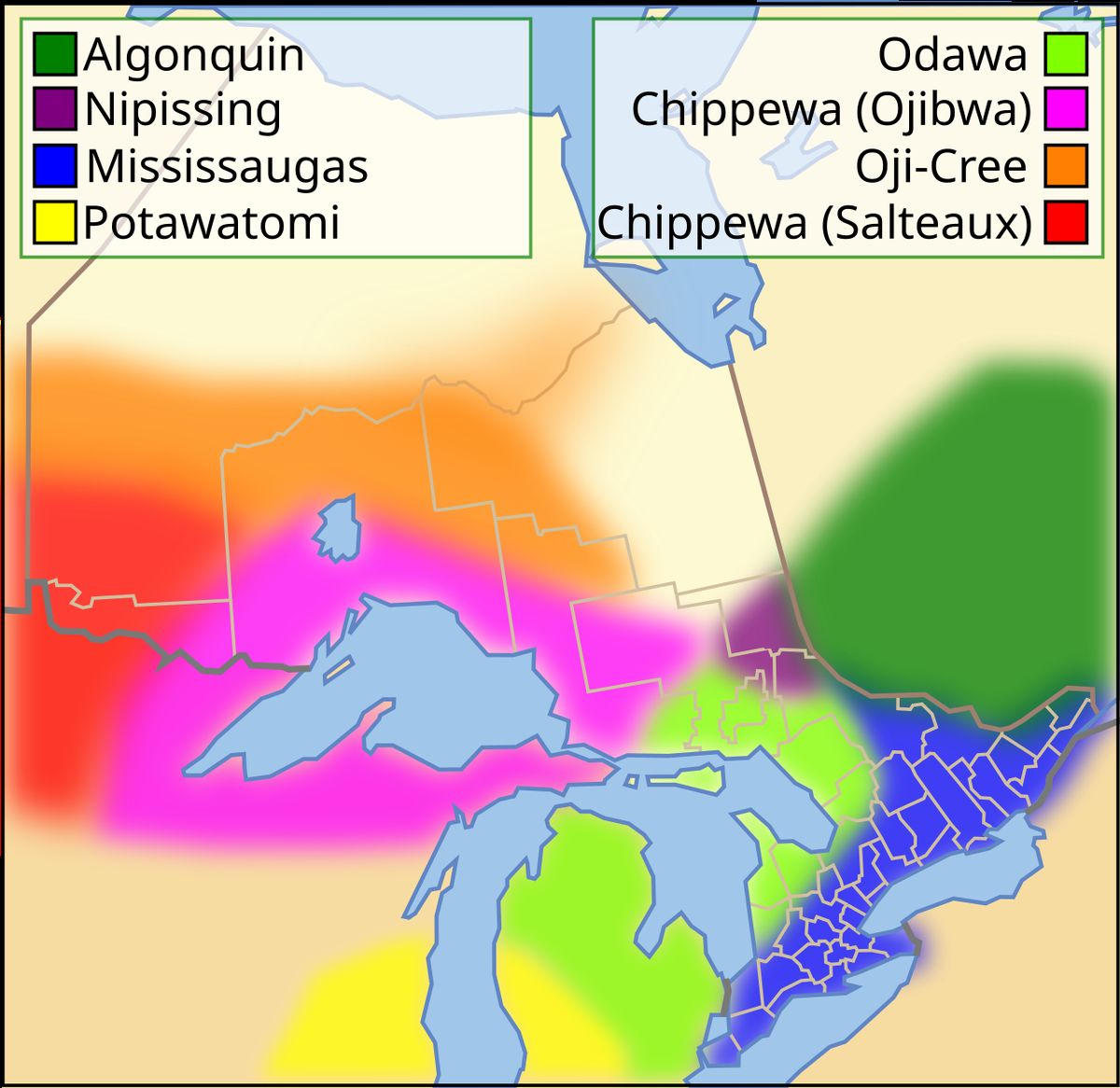
Traditional Indigenous medicine in Canada is fundamentally holistic, viewing health as a state of balance between the emotional, spiritual, physical, and mental aspects of an individual. This worldview sees the person as deeply interconnected with their community, the natural environment, and the universe. The knowledge that informs these practices comes from multiple sources, including teachings passed down through generations, empirical observation of the natural world, and spiritual revelation. This comprehensive understanding of health is often symbolized by the medicine wheel, a circular teaching tool divided into four quadrants representing the four aspects of self and the four directions. While the specific uses and significance of medicine wheels vary among nations, they universally represent harmony, balance, continuity, and interconnectivity as they relate to the individual, the community, and the universe. The Anishinaabe term for medicine, Mshki ki, meaning "strength from the earth," perfectly encapsulates this foundational relationship between healing and the land. Healing practices are therefore not merely clinical but are embedded in cultural identity, language, and a specific relationship with local ecosystems. Traditional medicine may sometimes be considered as distinct from folk medicine, and considered to include formalized aspects of folk medicine. Under this definition folk medicine are longstanding remedies and practises passed on and practiced by lay people.
Practices and Knowledge Transmission
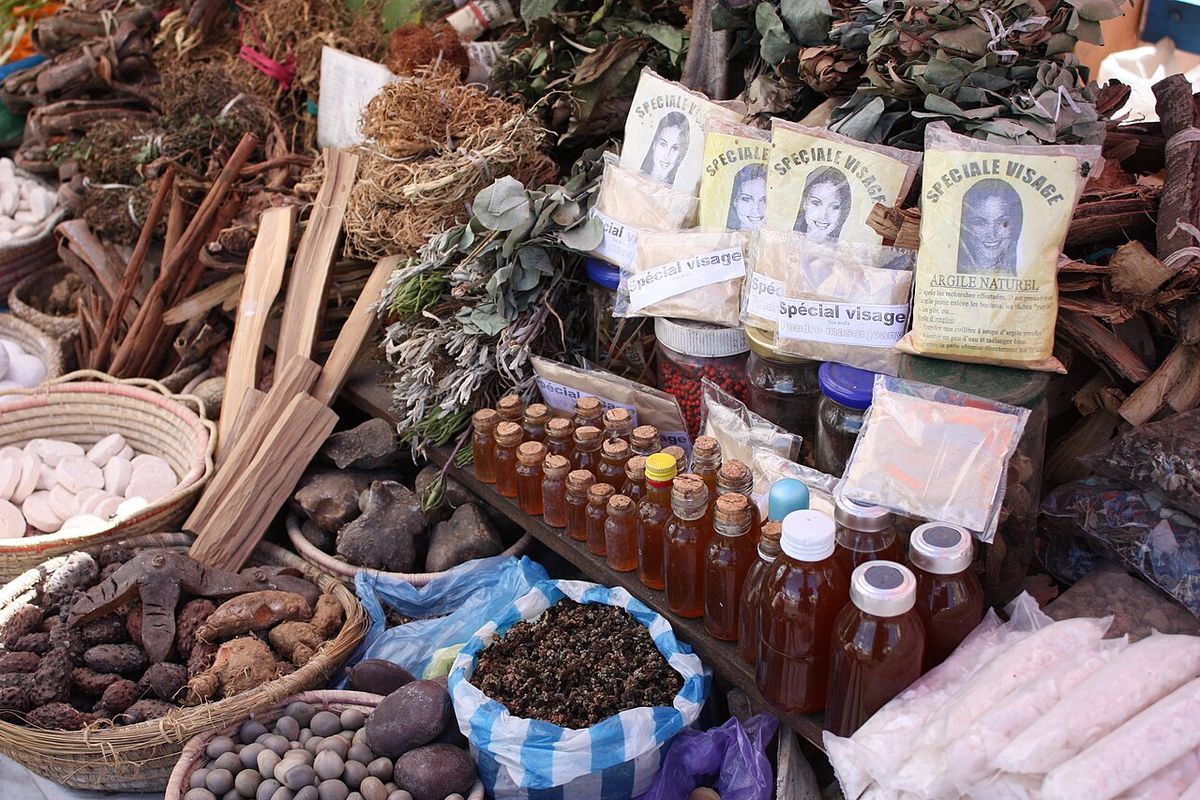
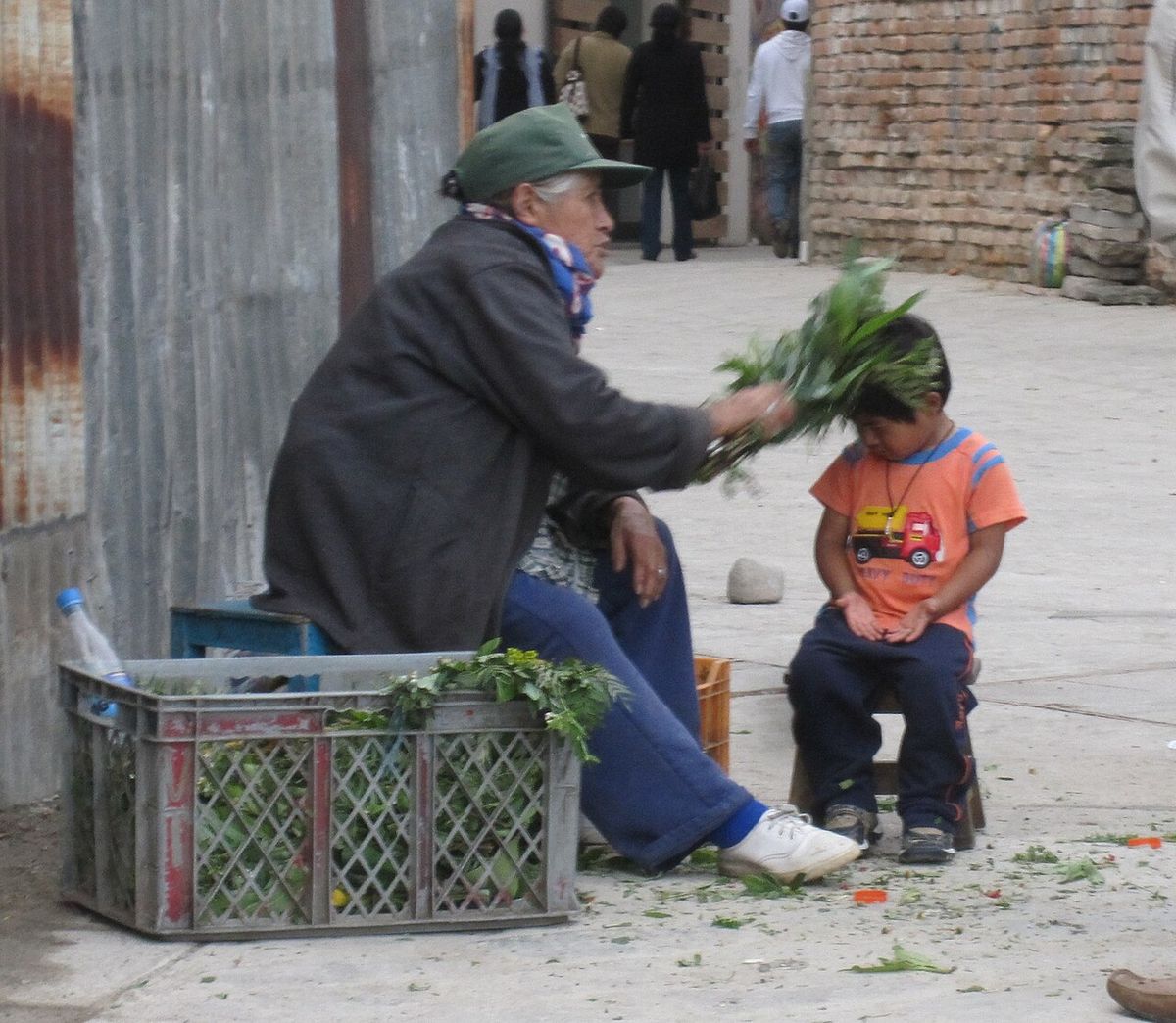
Indigenous traditional medicine encompasses a wide array of practices tailored to the specific knowledge and environment of each community. A primary component is herbal medicine, the use of plants, bark, leaves, and seeds to treat and prevent illness, as seen in Australian Aboriginal bush medicine and Native American healing traditions. Ceremonies, dances, counselling, and hands-on techniques are also integral healing modalities. This knowledge is traditionally transmitted orally within communities, often through designated healers, Elders, or Knowledge Keepers such as shamans or midwives. The legitimacy of a healer is derived from their own beliefs, the perceived success of their actions, and the trust of the community. For many Indigenous peoples, the ideas of health and illness are inseparable from spirituality and religion, making healers important spiritual leaders within their communities. The knowledge is often considered sacred and is shared with great care to maintain its integrity and context. Specific plant characteristics like shape, smell, colour, and taste historically guided their application. For example, the milky juice of the Arum maculatum plant, which resembles snake venom, was used by the Meskwaki tribe for snakebites. The plant family Asteraceae, including species like Achillea and Artemisia, has been widely used across North America for orthopedic and pulmonary aids, with a study among 14 tribes finding it the most widely used plant family. This deep, place-based knowledge, developed over millennia, forms a sophisticated system of healthcare that continues to be practiced and revitalized today. When the claims of indigenous medicine become rejected by a dominant culture, its existence is often maintained by those within a subculture, including permanent believers, those who turn to it in times of crisis, and those who believe in specific aspects. In modern contexts, this transmission is also being supported through written reference tools and formal workshops, as seen in the PLANT Medicines project.
Historical Context and Global Lineage
The use of medicinal plants spans over 5,000 years globally, with the written record beginning with the ancient Sumerians who described medicinal uses for plants. Ancient Egyptian medicine is recorded in texts like the Ebers papyrus from around 1552 BC, while Ayurveda in India and traditional Chinese medicine, with texts like the Shennong Bencaojing, developed during the 1st millennium BC. These systems evolved through Greek, Roman, Islamic, and medieval European traditions, with key figures like Hippocrates, Dioscorides, and Avicenna compiling and expanding herbal knowledge. Avicenna's The Canon of Medicine, a foundational text for the Unani system, was translated into Latin in the 12th century and remained a medical authority in Europe until the 17th century. In the Americas, Indigenous peoples developed extensive pharmacopoeias long before European contact. Native American and Alaska Native medicine has existed for thousands of years, introducing remedies for conditions like malaria, dysentery, scurvy, and goiter to European colonists. Many of these plant-based treatments later formed the basis for modern pharmacology, such as the use of foxglove (digitalis) for heart conditions. During the colonial period, European compilers like Francisco Hernández and Martín de la Cruz documented Indigenous Mexican ethnomedicine. However, during the 19th and 20th centuries, colonial policies in Canada and elsewhere actively suppressed Indigenous languages, cultures, and healing practices. Traditional ceremonies were banned, and knowledge transmission was disrupted, contributing to the erosion of cultural foundations and negatively impacting health outcomes. The Puritans took John Gerard's Herball to the United States where it influenced American Indigenous medicine. Some fossils have been used in traditional medicine since antiquity. In 17th and 18th-century America, traditional folk healers, frequently women, used herbal remedies, cupping and leeching.
Modern Revitalization and Integration Efforts in Canada
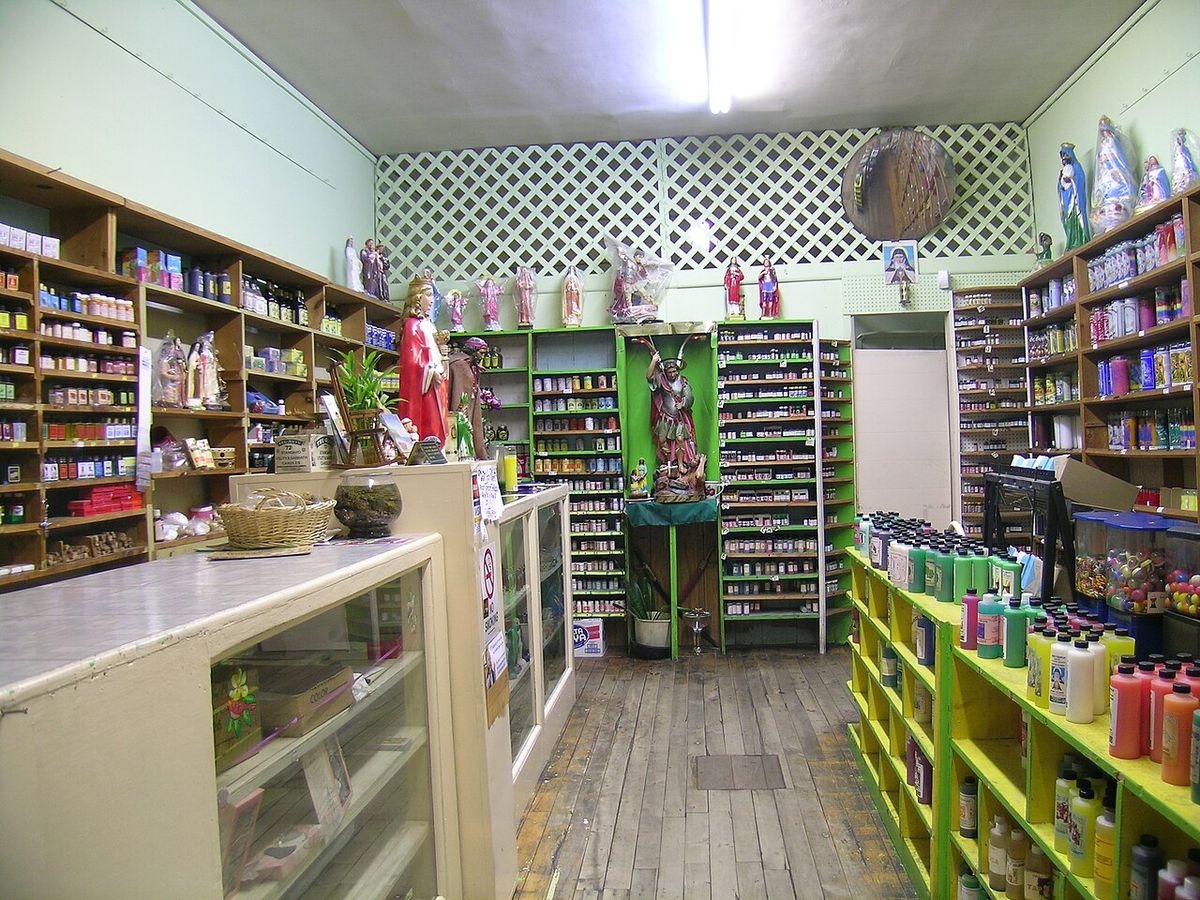
Today, there is a powerful movement within Indigenous communities and the broader healthcare system to reclaim, protect, and integrate traditional medicine. This is seen as essential for improving health and quality of life and for providing culturally safe care. In British Columbia, the First Nations Health Authority has a traditional wellness mission to support First Nations in incorporating and promoting their medicines and practices. A landmark Canadian example is the work of Elder Barb Whyte, a K’ómoks First Nation Knowledge Keeper and retired nurse. She was the driving force behind creating Canada’s first hospital-based traditional medicine garden, the All Nations Healing Room, at the Comox Valley Hospital in British Columbia. In 2026, she led the Pharmacy Learning About INdigenous Traditional (PLANT) Medicines project, a pharmacy residency research project funded by the BC SUPPORT Unit and led by Dr. Olivia Burton. The project conducted workshops for Island Health pharmacists to educate them on traditional plant medicines and potential interactions with Western pharmaceuticals. This initiative significantly improved pharmacists' knowledge and confidence. Key initiatives and models for integration include establishing traditional healing spaces and medicine gardens within hospitals and health centres, developing educational programs and reference tools for Western healthcare providers created with and led by Indigenous knowledge holders, supporting community-led research to document and validate traditional knowledge and practices, advocating for policies that recognize and fund traditional healers as part of the circle of care, and hosting national gatherings to advance rights to health and healthcare. The goal is not to replace Western medicine but to create a complementary, wholistic system where patients can safely access both. A study conducted within an IHS hospital that allows Navajo healers to visit patients found that the hospital had an 80 percent success rate in getting comatose patients back to consciousness.
Global Context, Research, and the WHO Agenda
Canada's efforts are part of a much larger global recognition of traditional medicine. According to a 2024 World Health Organization global survey, two-thirds of countries report that at least 40 percent of their population uses traditional, complementary, or integrative medicine, with reported usage being higher among African and Southeast Asian countries. It is commonly reported that 80 percent of people in Asian and African countries rely on traditional medicine for primary health care, though recent studies suggest a lower percentage. Despite this widespread use, less than one percent of global health research funding is devoted to this field, and researchers in the field represent only 0.43 percent of the global health research workforce. To address this evidence gap, the WHO launched the Global Research Priorities and Agenda for Traditional, Complementary and Integrative Medicine 2025 to 2034 at its second Global Summit on Traditional Medicine in New Delhi in December 2025. At this summit, 27 member states made formal, time-bound commitments to advance research. For example, Tanzania committed a research budget of up to TSh 10 billion by 2030, while Cabo Verde, Malawi, Micronesia, and Seychelles each committed to establishing national traditional medicine research centres. India is anchoring a multi-country research consortium, and Iran is launching a national platform for clinical trials. The agenda prioritizes research in areas like stroke, mental health, pain, musculoskeletal disorders, cancer, and metabolic diseases, aiming to guide investments towards research that can help countries integrate traditional medicine safely and effectively into modern healthcare practices and progress towards universal health coverage. The WHO supports the integration of traditional medicine but warns of potential risks and calls for more research on safety and effectiveness. A new WHO strategic technical advisory group for traditional medicine was also launched in December 2025 with the intent of using the scientific method and modern technology to reevaluate potential integration.
Criticisms, Challenges, and Safety Considerations
Integrating traditional medicine into contemporary healthcare and policy frameworks presents several complex challenges and is subject to criticism. A primary concern is patient safety, particularly regarding potential contraindications or interactions between traditional plant-based medicines and Western pharmaceuticals, which shows the critical need for educational projects like PLANT Medicines. Although 130 countries have regulations on folk medicines, there are risks associated with their use, including the potential for zoonosis from animal-based substances and the assumption that natural equals safe, which is not always true. The protection of Indigenous intellectual property and traditional knowledge from exploitation or misappropriation is paramount, requiring research and integration to be led by or done in full partnership with Indigenous communities. Globally, a significant criticism involves the use of endangered animal species in some traditional medicine practices, which contributes to biodiversity loss and illegal wildlife trafficking. Endangered animals like the slow loris are killed for traditional medicine, shark fins are used despite unproven effectiveness, and the demand for ivory and pangolin scales in some markets drives poaching of rhinos, elephants, and the world's most trafficked mammals. Within Canada, key challenges include securing sustainable funding and systemic policy change to fully recognize and incorporate traditional healing practices as a valid and essential component of healthcare for Indigenous peoples. Researchers also state that many alternative treatments are statistically indistinguishable from placebo treatments. The journey towards integration also involves addressing historical trauma and rebuilding trust in healthcare systems that have often been culturally unsafe.
Comparative Global Traditional Medicine Systems
Traditional medicine includes formalized systems like Ayurveda, traditional Chinese medicine, and Unani. These systems have ancient textual foundations, such as the Shennong Bencaojing from China and Avicenna's The Canon of Medicine from Persia. Many countries have practices described as folk medicine which coexist with formalized, science-based systems. Folk medicine consists of the healing modalities, ideas of body physiology and health preservation known to some in a culture, transmitted informally as general knowledge, and practiced or applied by anyone in the culture having prior experience. Examples of folk medicine traditions are traditional Chinese medicine, Iranian traditional medicine, traditional Korean medicine, Arabic indigenous medicine, Uyghur traditional medicine, Japanese Kampō medicine, traditional Aboriginal bush medicine, Native Hawaiian Lāʻau lapaʻau, Curanderismo norteño, Georgian folk medicine and Italian Segnature among others.
| System Name | Primary Region/Culture | Key Notes |
|---|---|---|
| Ayurveda | India | One of the oldest systems. Described by Charaka and Sushruta in the 1st millennium BC. One kind of South Indian nattuvaidyam. |
| Traditional Chinese Medicine (TCM) | China | Includes herbal medicine (e.g., Shennong Bencaojing), acupuncture, and dietary therapy. Developed over millennia. |
| Unani | Islamic World, South Asia | Based on the teachings of Hippocrates, Galen, and Avicenna's Canon of Medicine. Formalized in the medieval Islamic era. |
| Arabic Indigenous Medicine | Arab World | Developed from Bedouin practices and translations of Hellenic/Ayurvedic texts. Expanded by physicians like al-Dinawari. |
| Kampō Medicine | Japan | Adapted from Traditional Chinese Medicine. Integrated into Japan's modern healthcare system. |
| Curanderismo | Latin America (e.g., Norteño) | Folk healing blend of Indigenous, Spanish, and African influences. Practiced in many Hispanic communities. |
| Native American/First Nations Medicine | North America | Encompasses hundreds of distinct nation-specific practices. Holistic, plant-based, and spiritual. Includes use of medicine wheels. |
| Bush Medicine | Australian Aboriginal & Torres Strait Islander | Primarily plant-based medicines from the Australian environment. Knowledge passed orally for thousands of years. |
| Nattuvaidyam | South India (pre-modern) | Set of diverse indigenous practices including kalarichikitsa (bone setting) and marmachikitsa (vital spot massage). |
This diversity highlights that traditional medicine is not a monolithic entity but a collection of culturally specific systems. Many, like Ayurveda and traditional Chinese medicine, have been formalized into written canons and state-supported practices. Others, like many Indigenous systems in the Americas and Australia, have been sustained primarily through oral tradition. The modern challenge and opportunity lie in finding respectful ways to research, validate, and where appropriate, integrate aspects of these systems into contemporary global health frameworks.
Home Remedies and Informal Practices
A home remedy is a treatment to cure a disease or ailment that employs certain spices, herbs, vegetables, or other common items. Home remedies may or may not have medicinal properties that treat or cure the disease or ailment in question, as they are typically passed along by laypersons. Many are merely used as a result of tradition or habit or because they are effective in inducing the placebo effect. One of the more popular examples of a home remedy is the use of chicken soup as an aid in treating respiratory infections such as a cold or mild flu. Other examples of home remedies include duct tape to help with setting broken bones, duct tape or superglue to treat plantar warts, and Kogel mogel to treat sore throat. In earlier times, mothers were entrusted with all but serious remedies. Historic cookbooks are frequently full of remedies for dyspepsia, fevers, and female complaints. Components of the aloe vera plant are used to treat skin disorders. Many European liqueurs or digestifs were originally sold as medicinal remedies. In Chinese folk medicine, medicinal congees, foods, and soups are part of treatment practices. The prevalence of folk medicine in certain areas of the world varies according to cultural norms. Some modern medicine is based on plant phytochemicals that had been used in folk medicine.
Questions about Traditional medicine
What is traditional Indigenous medicine?
Traditional Indigenous medicine refers to the holistic knowledge, skills, and practices developed by First Nations, Inuit, and Métis peoples to promote health and well-being. It views health as a balance between emotional, spiritual, physical, and mental aspects and is deeply connected to culture, language, and the land. Practices include the use of medicinal plants, ceremonies, counselling, and the teachings of the medicine wheel. This knowledge has been passed down orally through generations by Elders, healers, and Knowledge Keepers and is specific to each community's local environment and worldview.
How is traditional Indigenous medicine being integrated into Canadian healthcare?
Integration efforts are growing across Canada, often led by Indigenous communities and partners. Examples include the creation of traditional medicine gardens in hospitals, like the All Nations Healing Room at Comox Valley Hospital. Educational initiatives, such as the PLANT Medicines project in BC, teach pharmacists about traditional plant medicines and potential drug interactions. Health authorities like the First Nations Health Authority in BC are working to incorporate traditional wellness into health planning and service delivery, aiming for a complementary circle of care that includes both traditional healers and Western medical practitioners.
What are the Four Sacred Medicines in Anishinaabe tradition?
In Anishinaabe teachings, the Four Sacred Medicines are tobacco (asemaa), sweetgrass, sage, and cedar. Tobacco is considered the first medicine given by the Creator and is used as an offering to show gratitude and humility. Sweetgrass symbolizes kindness and is used for purification and healing. Sage is used for cleansing and driving out negative energy. Cedar is used for protection and purification. Each medicine has specific ceremonial uses and deep spiritual significance within the Anishinaabe holistic health framework.
What is the medicine wheel and how is it used?
The medicine wheel is a circular symbol used by many First Nations as a teaching tool and representation of holistic health. It is typically divided into four quadrants, which can represent the four aspects of self (physical, emotional, mental, spiritual), the four seasons, the four stages of life, or the four directions. It symbolizes harmony, balance, continuity, and the interconnectivity of all things. In healing practices, it helps individuals and healers understand a person's state of balance and guides them towards wellness by addressing all parts of their being.
What did the World Health Organization recently say about traditional medicine?
In December 2025, the WHO launched a new 10-year global research agenda for traditional medicine at a summit in India, where 27 Member States made formal commitments. The agenda aims to close a major evidence gap, as less than 1% of global health research funding focuses on this area. It sets priorities for research on conditions like stroke, mental health, cancer, and pain. The WHO emphasizes rigorous research for safety and effectiveness and that Indigenous knowledge holders must be equitable partners in this work.
What is the global usage estimate for traditional medicine?
According to a 2024 World Health Organization global survey, two-thirds of countries globally report at least 40 percent of their population uses traditional, complementary, or integrative medicine. Reported usage is higher among African and Southeast Asian countries. It is also commonly reported that 80 percent of people in Asian and African countries rely on traditional medicine for primary health care. However, recent studies suggest the actual percentage may be lower than this common estimate.
Sources and further reading
- Traditional medicine (Wikipedia)
- Bridging traditional Indigenous and Western medicines (healthresearchbc.ca)
- Indigenous traditional medicine (heritagetrust.on.ca)
- WHO calls for more research into traditional medicine to ... (who.int)
- Traditional wellness and healing (fnha.ca)
Checked by the Nosy Mag desk. Last updated 2026-10-30.