Traditional knowledge
Traditional knowledge, often referred to as Indigenous Knowledge (IK) in a Canadian context, encompasses the cumulative and dynamic systems of knowledge, practices, values, and worldviews developed by Indigenous Peoples through generations of intimate interaction with their territories. In Canada, this includes the distinct knowledge systems of First Nations, Inuit, and Métis peoples, which are integral to cultural identity, language, governance, and survival. These knowledge systems are increasingly recognized as vital for addressing contemporary challenges such as biodiversity conservation, climate change adaptation, and sustainable resource management. The integration and protection of Indigenous Knowledge within Canadian policy, law, and science represents a critical aspect of reconciliation and nation-to-nation relationships.
Defining Indigenous and Traditional Knowledge
Indigenous Knowledge is the term increasingly used in Canadian legislation and by regulatory bodies, as it encompasses the evolving knowledge of Indigenous Peoples and includes related concepts like traditional knowledge, traditional ecological knowledge, and land use studies. It is defined as a unique body of knowledge gathered by generations of Indigenous Peoples living in close contact with their traditional territories and resources. This knowledge is both cumulative and dynamic, built on historic experiences while adapting to social, economic, environmental, and political changes. Internationally, organizations like UNESCO define it as the understandings, skills, and philosophies developed by societies with long histories of interaction with their natural surroundings, integral to a cultural complex that includes language, classification systems, and social practices.
Indigenous Knowledge forms part of a larger holistic system that encompasses cultural, environmental, economic, health, political, and spiritual inter-relationships. It must be understood in the context of the language, perspectives, and worldviews of the knowledge holders themselves. This knowledge can manifest in tangible forms, such as understanding wildlife species or the uses of traditional plants, and in intangible forms, such as the spiritual significance of a landscape or sites used for teaching and ceremony. The intangible aspects are deeply rooted within Indigenous cultures and are frequently central to the identity of Indigenous Nations and communities.
Within Indigenous communities, knowledge transfer is an intergenerational process, occurring through learning from Elders, Knowledge Carriers, and community practices. This system of transference is a key element of cultural continuity. Leading international authorities, such as Australian lawyer Terri Janke, note that within Indigenous communities, the term 'traditional' can be problematic as it may imply culture is static or locked in time. In Canada, the preferred terminology in official contexts is shifting towards 'Indigenous Knowledge' to reflect its living and adaptive nature, a practice followed by bodies like the Impact Assessment Agency of Canada and the Canadian Nuclear Safety Commission.
Core Characteristics and Holistic Worldview
Indigenous Knowledge systems are characterized by their holistic nature, connecting territory, spirituality, community, and ways of life into an integrated whole. A report by the International Council for Science describes it as a cumulative body of knowledge, know-how, practices and representations maintained and developed by peoples with extended histories of interaction with the natural environment. These sophisticated sets of understandings, interpretations and meanings are part and parcel of a cultural complex that encompasses language, naming and classification systems, resource use practices, ritual, spirituality and worldview. From an Indigenous perspective, this knowledge cannot be meaningfully separated from the lands and resources from which it originates, a concept powerfully captured by a Gitksan elder's question regarding land claims: 'If this is your land, where are your stories?'
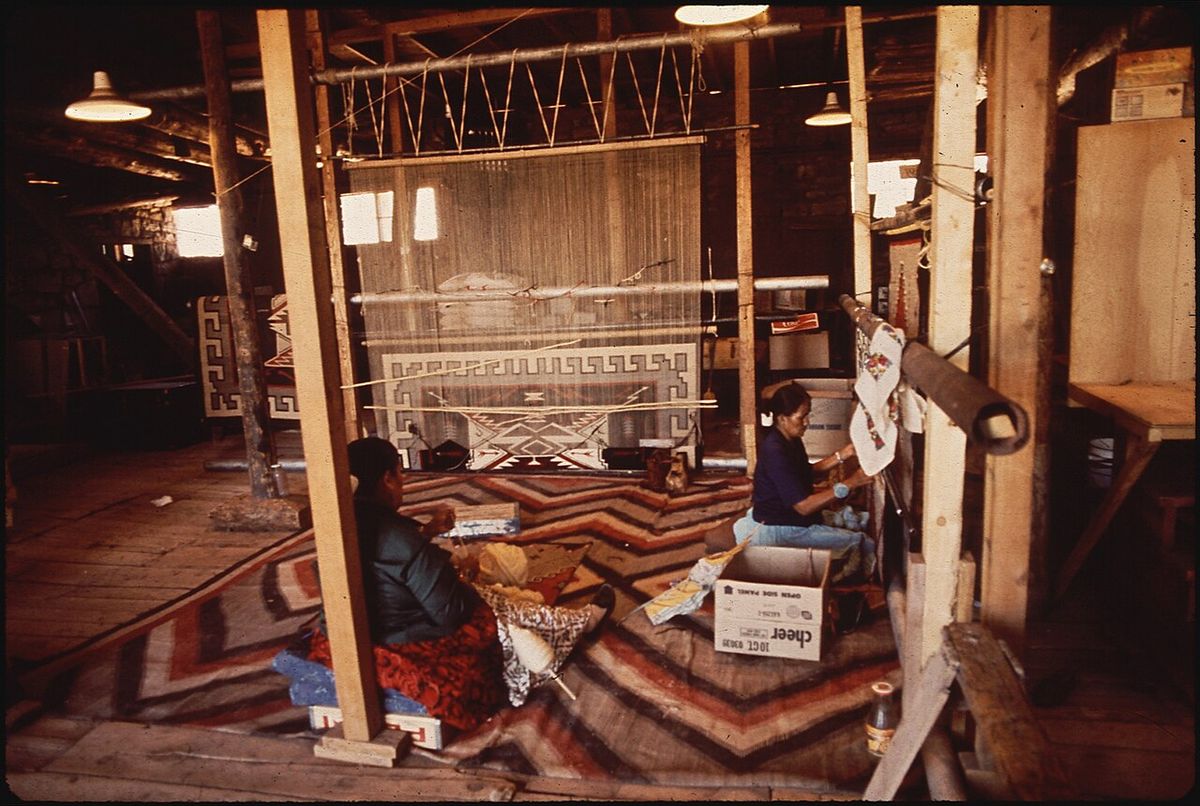
These knowledge systems are typically place-based, arising from deep, long-term observation and interaction with specific environments. This results in detailed classification systems and understanding of ecological zones, species interactions, and seasonal patterns. For instance, the South American Kayapo people developed an extensive classification system of ecological zones of the Amazonian tropical savannah to better manage the land. In Canada, this translates to deep expertise in local ecosystems, which is crucial for activities like hunting, fishing, agriculture, and medicine. The knowledge is also inherently practical, encompassing technologies and techniques for subsistence, midwifery, ethnobotany, traditional medicine, celestial navigation, and craft skills.
Unlike Western intellectual property traditions, many Indigenous communities have strong traditions of custodianship rather than private ownership over knowledge. Customary laws often guide who may use different kinds of knowledge at specific times and places, and specify accompanying obligations. For example, a hunter might be permitted to kill an animal only to feed the community, not for individual gain. Misappropriation or misuse of this knowledge is not merely a legal issue but can be offensive to traditions and have spiritual repercussions within Indigenous cosmological systems. Consequently, Indigenous communities argue that the use of their knowledge by others warrants respect, sensitivity, and often, formal agreements for benefit-sharing.
Applications in Environmental Management and Science
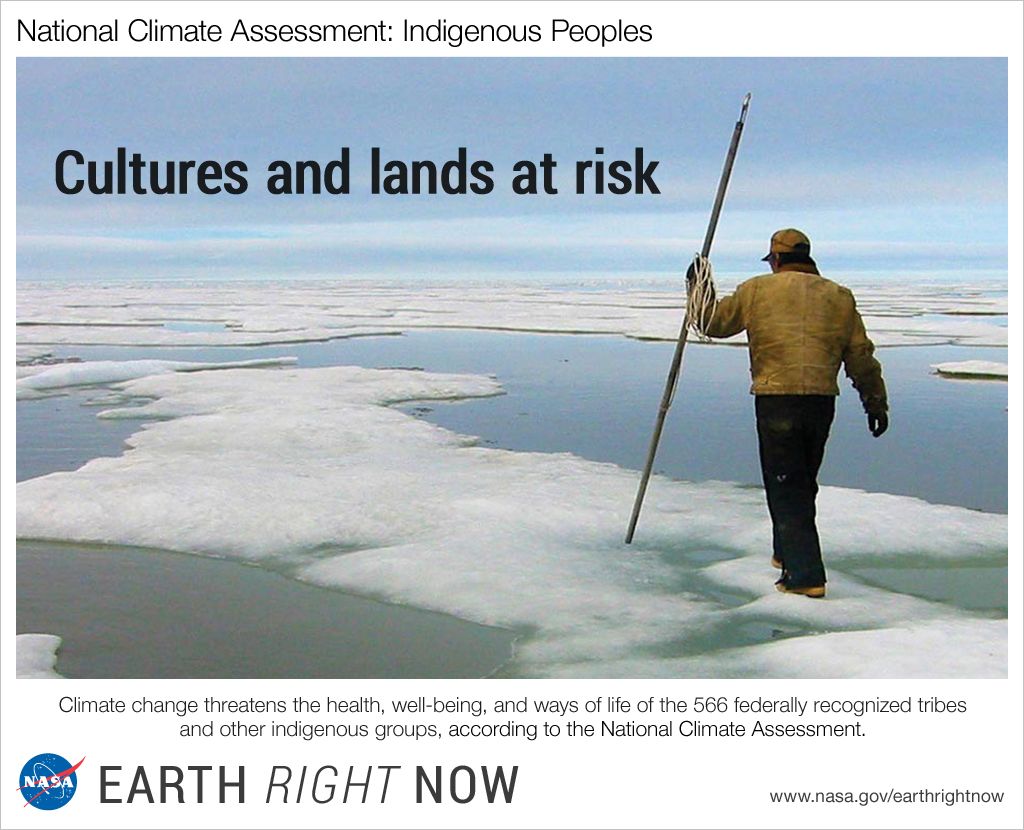
Traditional Ecological Knowledge (TEK) is increasingly recognized as a critical resource in environmental management and climate adaptation. In the face of rapidly changing climate conditions, Canada's Indigenous Peoples are drawing upon millennia of wisdom to develop adaptation strategies. TEK provides a detailed, long-term baseline for understanding environmental change, offering insights into species behaviour, weather patterns, and ecosystem health that complement Western scientific data. This knowledge is proving invaluable for biodiversity conservation, as it often includes practices and cosmological systems that promote a conservation ethos and sustainable harvesting.
In regulatory contexts, Canadian bodies are formally integrating Indigenous Knowledge into their processes. The Canadian Nuclear Safety Commission (CNSC) has developed a framework to ensure Indigenous Knowledge is respected, protected, and considered alongside Western science in regulatory and environmental reviews for nuclear projects. The CNSC acknowledges that Indigenous ways of knowing enhance the understanding of potential project impacts and strengthen the rigour of reviews. This approach supports the Government of Canada's implementation of the United Nations Declaration on the Rights of Indigenous Peoples Act (UNDRIP). Similarly, the Impact Assessment Act explicitly references the consideration of Indigenous Knowledge in project assessments.
Innovative collaborations are demonstrating the value of integrating knowledge systems in scientific research. In Western Canada, collaborations between Indigenous Traditional Knowledge Keepers and chemists have advanced solutions for treating serious infections. These collaborations draw on Indigenous medicinal plant healing traditions. In education and outreach, projects like co-produced planetarium shows blend Haudenosaunee night-sky stories with modern astronomy. This exemplifies a practical approach to integrating Indigenous knowledge systems within science education and public engagement.
- The Canadian Nuclear Safety Commission (CNSC) applies an Indigenous Knowledge Framework in its regulatory processes.
- Collaborative research in Western Canada uses Indigenous medicinal plants to treat MRSA and Candida albicans infections.
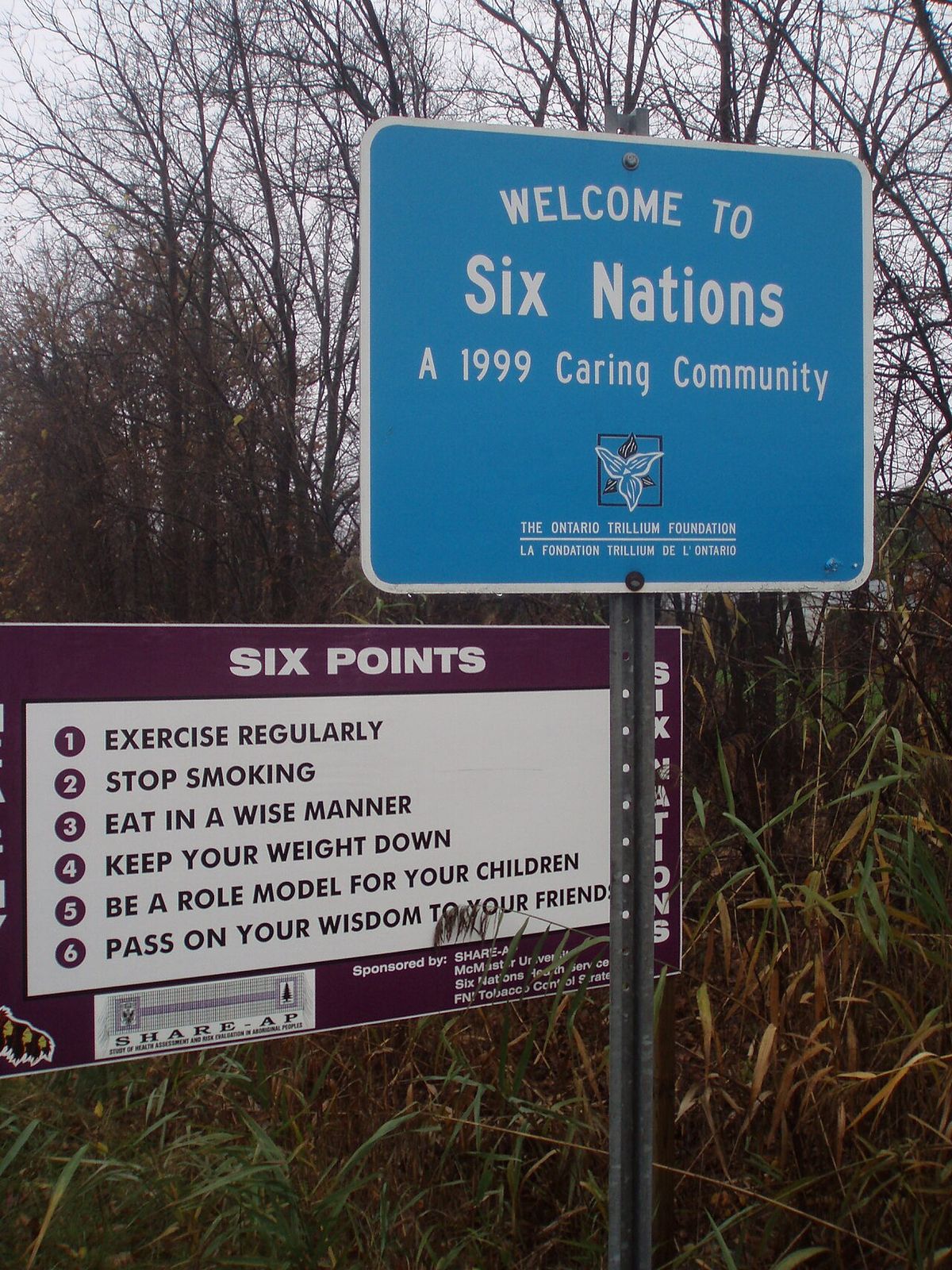
- McMaster University and Six Nations of the Grand River co-produced planetarium shows on Haudenosaunee astronomy.
- Dr. Arzu Sardarli of the First Nations University of Canada advocates for holistic science education integrating diverse knowledge systems.
- The Impact Assessment Act legally requires the consideration of Indigenous Knowledge in federal environmental assessments.
International and Legal Frameworks for Protection
The protection of traditional knowledge has been a subject of international debate for decades, focusing on intellectual property rights, human rights, and environmental agreements. Key international instruments include the Convention on Biological Diversity (CBD), adopted in 1992, which was the first major environmental treaty to address traditional knowledge. Article 8(j) of the CBD obligates signatory parties to respect, preserve, and maintain the knowledge of Indigenous and local communities and promote its wider application with the approval and involvement of the holders, encouraging equitable benefit-sharing. The agreement also protects customary use of biological resources compatible with conservation. By 2006, 188 nations had ratified the CBD, though Canada's neighbour, the United States, has signed but not ratified it.
The World Intellectual Property Organization (WIPO) plays a central role through its Intergovernmental Committee on Intellectual Property and Genetic Resources, Traditional Knowledge, and Folklore (IGC). This committee negotiates international legal instruments for the protection of Traditional Knowledge (TK) and Traditional Cultural Expressions (TCEs). WIPO's work was spurred by the adoption of the World Trade Organization's Agreement on Trade-Related Aspects of Intellectual Property Rights (TRIPs), which created potential conflicts with the CBD's principles on access and benefit-sharing. The 2001 Doha Declaration expanded a review of TRIPs to include its relationship with the CBD and the protection of traditional knowledge and folklore.
The most significant human rights instrument is the United Nations Declaration on the Rights of Indigenous Peoples (UNDRIP), adopted in 2007. UNDRIP affirms the rights of Indigenous peoples to maintain, control, protect, and develop their cultural heritage, traditional knowledge, and traditional cultural expressions. Canada has committed to implementing UNDRIP through the United Nations Declaration on the Rights of Indigenous Peoples Act. Other important frameworks include International Labour Organization Convention 169 (1989) concerning Indigenous and Tribal Peoples, and the ongoing work of the UN Working Group on Indigenous Populations, established after the first meeting in Geneva in 1982 which led to the commemoration of the International Day of the World's Indigenous Peoples every August 9.
- The Convention on Biological Diversity (CBD) was adopted in 1992 at the UNCED conference.
- The UN Declaration on the Rights of Indigenous Peoples (UNDRIP) was adopted by the UN General Assembly in 2007.
- The World Intellectual Property Organization (WIPO) hosts the Intergovernmental Committee on Intellectual Property and Genetic Resources, Traditional Knowledge, and Folklore (IGC).
- International Labour Organization Convention 169 concerning Indigenous and Tribal Peoples dates from 1989.
- The UN Working Group on Indigenous Populations held its first meeting in Geneva in 1982.
- The Doha Declaration, which addressed TRIPs and traditional knowledge, was issued in 2001.
Challenges of Misappropriation and the Public Domain
A primary challenge facing Indigenous communities is the misappropriation and misuse of their knowledge and cultural expressions without consent or benefit-sharing. Communities have resisted the use of traditional symbols and designs as mascots, the patenting of traditional uses of medicinal plants, the modification of traditional songs, and the copyrighting of traditional stories. The conflict often centres on differing conceptions of ownership and the public domain. In Western intellectual property law, copyright protection is temporary. After a set period, works enter the public domain and can be used freely. However, many Indigenous peoples do not accept that their stories, songs, or knowledge should ever become freely available public property simply due to the passage of time.
As articulated by the Tulalip Tribes of Washington state, the fact that traditional cultural expressions are shared does not automatically confer a right for others to use them. They argue these expressions are not in the public domain because Indigenous peoples failed to use Western IP systems, but because of a failure to recognize and respect the customary laws that regulate their use. This creates an ethical and practical dilemma, as the idea of restricting the use of seemingly publicly available information is viewed by many in developed nations as problematic. Three broad approaches to protection have emerged globally: treating traditional knowledge as cultural heritage, protecting it as a collective human right, or using existing or novel intellectual property measures.
In Canada and internationally, there is no universally accepted legal sui generis (unique) system for protecting traditional knowledge. Some nations are exploring such measures, while others remain undecided. Indigenous peoples themselves have shown ambivalence towards the intellectual property approach. Some are willing to investigate how existing patents, copyrights, or trademarks can be adapted. Others believe entirely new forms of collective rights are needed, arguing that the IP system's focus on individual ownership and commercialization is incompatible with Indigenous cultural concepts which emphasize custodianship and responsibility. Many advocates assert that the most appropriate form of protection is through the framework of collective human rights, which can protect distinct identities and cultural heritage.
Contemporary Expressions and Future Pathways
The vitality of Indigenous Knowledge is evident in its contemporary applications and the growing movement for its revitalization. Indigenous midwifery is a powerful example, supporting the transmission of knowledge, strengthening cultural identity, and ensuring the continuity of ways of life. The theme for the International Day of the World's Indigenous Peoples on August 9, 2026, is 'Honouring Indigenous Midwives: Safeguarding Life and Well-being,' highlighting their role as knowledge holders and the need to address structural barriers within formal health systems. A related UN online event on August 10, 2026, will discuss policy pathways to protect Indigenous-led systems of care.
Academic and community initiatives are actively working to bridge knowledge systems. The National Conference of Indigenous Knowledge Systems for 2026 has a pillar focused on 'Translating Tradition into Innovation.' The 'Indigenous Knowledge, Ancestral Places' publication by UNESCO examines change within UNESCO designated sites. Conferences like the International Conference on Indigenous Knowledge and Cultural Heritage in Oceania scheduled for July 15-16, 2026, in Hawaii, provide platforms for global dialogue. These efforts align with a holistic approach to science education advocated by scholars like Dr. Arzu Sardarli, which integrates diverse knowledge systems to address complex interdisciplinary challenges.
The path forward in Canada involves continued work on several key fronts. It requires upholding the principles of UNDRIP and related legislation like the Impact Assessment Act. It demands ethical collaboration models, such as following principles like OCAP® (Ownership, Control, Access, and Possession) in research, and ensuring genuine benefit-sharing. It also involves supporting intergenerational transmission through language revitalization, land-based education, and the recognition of Elders and Knowledge Keepers. As a living system, Indigenous Knowledge is not a relic of the past but a dynamic resource essential for building sustainable futures, fostering reconciliation, and addressing shared challenges like climate change.
- The International Day of the World's Indigenous Peoples is observed annually on August 9.
- The 2026 theme for the International Day is 'Honouring Indigenous Midwives: Safeguarding Life and Well-being'.
- A UN online event on Indigenous midwifery is scheduled for August 10, 2026, at 8:30 a.m. EDT.
- The International Conference on Indigenous Knowledge and Cultural Heritage in Oceania (ICIKCHO-26) is set for July 15-16, 2026, in Hawaii, USA.
- The National Conference of Indigenous Knowledge Systems in 2026 includes a pillar on 'Translating Tradition into Innovation'.
- UNESCO has published a flagship report titled 'Indigenous Knowledge, Ancestral Places'.
Questions about Traditional knowledge
What is the difference between Traditional Knowledge and Indigenous Knowledge?
In a Canadian context, 'Indigenous Knowledge' (IK) is the broader and increasingly preferred term used in legislation and by government bodies. It encompasses the evolving knowledge of First Nations, Inuit, and Métis peoples and includes related concepts like traditional knowledge, traditional ecological knowledge, and traditional land use. The term 'traditional knowledge' is sometimes seen as implying that the knowledge is static or locked in time, whereas 'Indigenous Knowledge' acknowledges its dynamic, cumulative, and adaptive nature. Internationally, organizations like WIPO may use 'Traditional Knowledge' (TK) more specifically in relation to areas like medicine and botany, while 'Indigenous Knowledge' is associated with cultural issues and sustainable development.
How is Indigenous Knowledge being used to combat climate change in Canada?
Indigenous Peoples in Canada are applying Traditional Ecological Knowledge (TEK), a subset of Indigenous Knowledge, to develop climate adaptation strategies. This millennia-old wisdom provides detailed, long-term observations of environmental patterns, species behaviour, and ecosystem changes, offering a crucial baseline for understanding climate impacts. TEK informs sustainable resource management practices that enhance resilience, such as specific hunting, fishing, and land stewardship techniques adapted to changing conditions. This place-based knowledge is increasingly being integrated with Western scientific data in climate research and policy planning to create more strong and effective adaptation measures for communities and ecosystems across the country.
What Canadian laws or policies require the consideration of Indigenous Knowledge?
The primary federal law referencing Indigenous Knowledge is the Impact Assessment Act, which requires its consideration during environmental assessments of major projects. The United Nations Declaration on the Rights of Indigenous Peoples Act commits Canada to implementing the UN Declaration. This declaration affirms Indigenous rights to maintain, control, protect, and develop their traditional knowledge. Federal regulatory bodies have established formal frameworks for respecting, protecting, and considering Indigenous Knowledge alongside Western science. These frameworks apply to project reviews and environmental oversight.
Can Indigenous Knowledge be patented or copyrighted?
Protecting Indigenous Knowledge through Western intellectual property (IP) tools like patents and copyrights is complex and often contentious. Patents protect new inventions, which conflicts with the ancient and collective nature of much traditional knowledge. Copyright protects original works of authorship for a limited time, after which they enter the public domain, a concept many Indigenous peoples reject for their stories and songs. While some communities explore using existing IP mechanisms, many argue they are ill-suited. The focus is increasingly on developing sui generis (unique) rights systems or using a human rights framework that recognizes collective custodianship, controls access, and ensures benefit-sharing according to customary laws, rather than forcing Indigenous Knowledge into incompatible IP models.
What is the role of Indigenous midwifery in knowledge transmission?
Indigenous midwifery is a powerful expression of Indigenous Knowledge systems, playing a critical role in intergenerational knowledge transmission. Midwives are knowledge holders who support the continuity of cultural practices, languages, and values related to birth, family, and community well-being. They strengthen cultural identity by integrating traditional practices, medicines, and spiritual care. The upcoming International Day of the World's Indigenous Peoples on August 9, 2026, will spotlight this theme, honouring midwives as caregivers and highlighting the need to overcome structural barriers within formal health systems to recognize and support Indigenous-led, culturally appropriate care and knowledge transmission for future generations.
How are Canadian universities integrating Indigenous Knowledge into science education?
Canadian universities are increasingly developing collaborative, community-engaged models to integrate Indigenous Knowledge into science education and research. Examples include co-producing planetarium shows that blend Indigenous night-sky stories with astronomy, as done by Six Nations of the Grand River and McMaster University. Some institutions are developing 'Indigenized' courses, such as chemistry courses that incorporate traditional food knowledge. Research collaborations, like those between Indigenous Knowledge Keepers and chemists to develop medicines from traditional plants, are shifting paradigms towards ethical, reciprocal partnerships. Scholars are also advocating for holistic science education that validates multiple knowledge systems, preparing students to address complex global challenges through a more inclusive and culturally sensitive lens.
Sources and further reading
- Traditional knowledge (Wikipedia)
- Indigenous Knowledge Policy Framework (cnsc-ccsn.gc.ca)
- Revitalizing Traditional Knowledge | Turtle Island ... (uwaterloo.ca)
- Traditional Ecological Knowledge: The Cornerstone of ... (indigenousclimatehub.ca)
Checked by the Nosy Mag desk. Last updated 2026-10-31.