Squaw
The term 'squaw' is an ethnic and sexual slur historically used against Indigenous North American women. Its contemporary use, particularly by non-Indigenous people, is widely considered derogatory, misogynist, and racist. While the word has roots in certain Algonquian languages, its centuries-long application in a demeaning context has cemented its status as a harmful epithet. Indigenous communities, activists, and governments across Canada and the United States have led concerted efforts to remove the term from place names and public discourse.
Linguistic Origins and Historical Usage
The word 'squaw' is derived from Eastern and Central Algonquian language morphemes meaning 'woman'. These include Massachusett 'squàw', Abenaki '-skwa', Mohegan-Pequot 'sqá', Cree 'iskwew', and Ojibwe 'ikwe'. All these variants originate from the Proto-Algonquian word '*eθkwe·wa', which meant '(young) woman'. One of the earliest appearances in English print is in the 1622 chronicle 'Mourt's Relation', which referred to a 'squa sachim' or Massachusetts queen. Puritan minister Roger Williams documented related Narragansett morphemes in his 1643 work 'A Key into the Language of America', providing definitions like 'squaw' for woman and 'keegsquaw' for virgin or maid. In the 1663 Massachusett Bible, the word 'squa' was used to translate 'female' in Mark 10:6, and its plural form 'squaog' was used for 'younger women' in the books of Timothy.
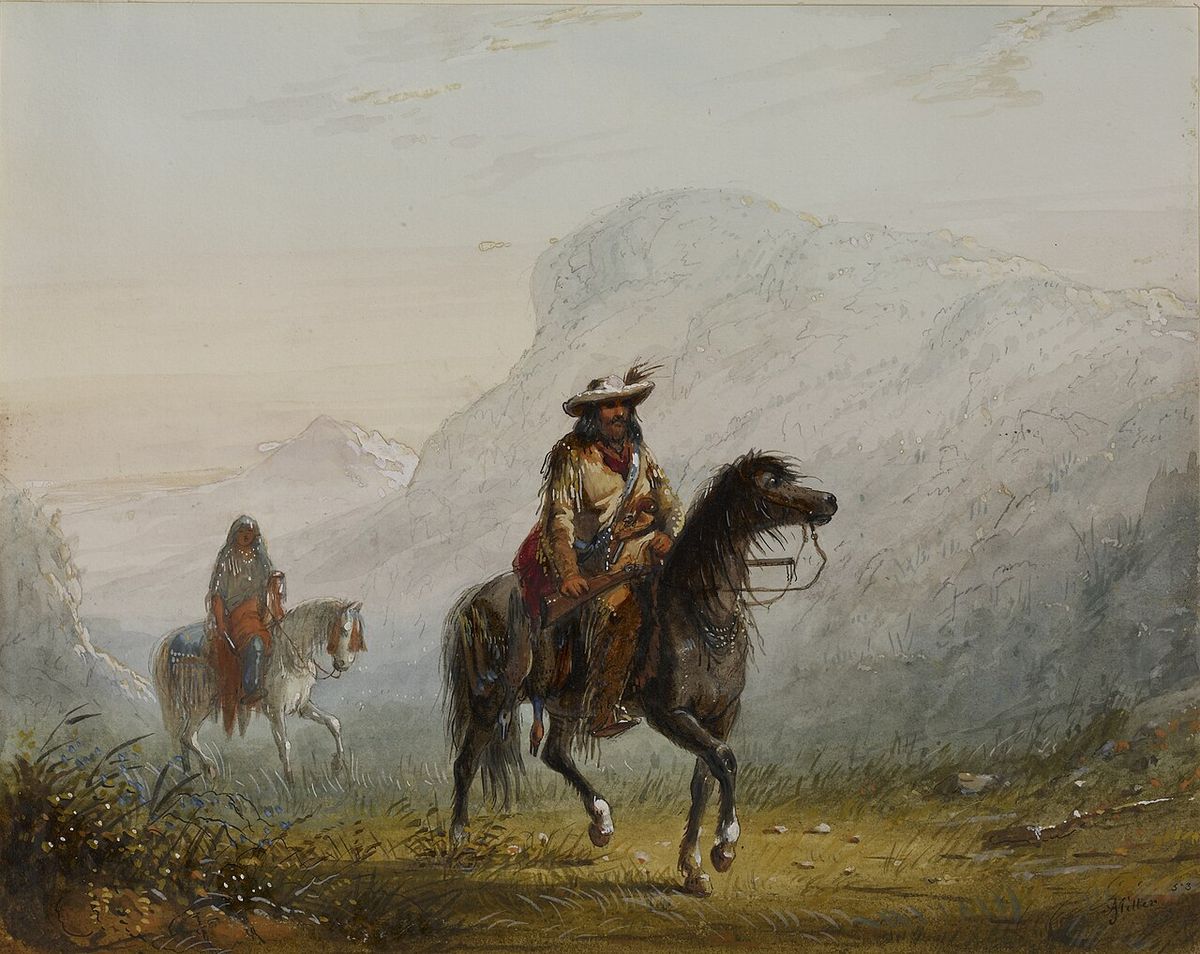
For much of the colonial period, 'squaw' was used as a general, though often condescending, term for Indigenous women in English texts. Records accompanying sketches by Alfred Jacob Miller document mid-19th century usage. For his 1858 sketch 'Bourgeois Walker, & his Squaw', Miller described the depicted Indigenous woman walking at a considerable distance behind her fur trader husband, which he labelled as 'a certain etiquette'. The term also appeared in later 19th and early 20th century literature, including Edgar Allan Poe's 1838 novel and the 1887 Canadian novel 'An Algonquin Maiden'. Its use as a denigrating label for men, as in 'squaw man', implied either a man who did woman's work or a white man married to an Indigenous woman. Colville author Mourning Dove, in her 1927 novel Cogewea, the Half-Blood, had a character state she would feel like killing a white husband who dared call her a 'squaw'.
The Term as a Derogatory Slur
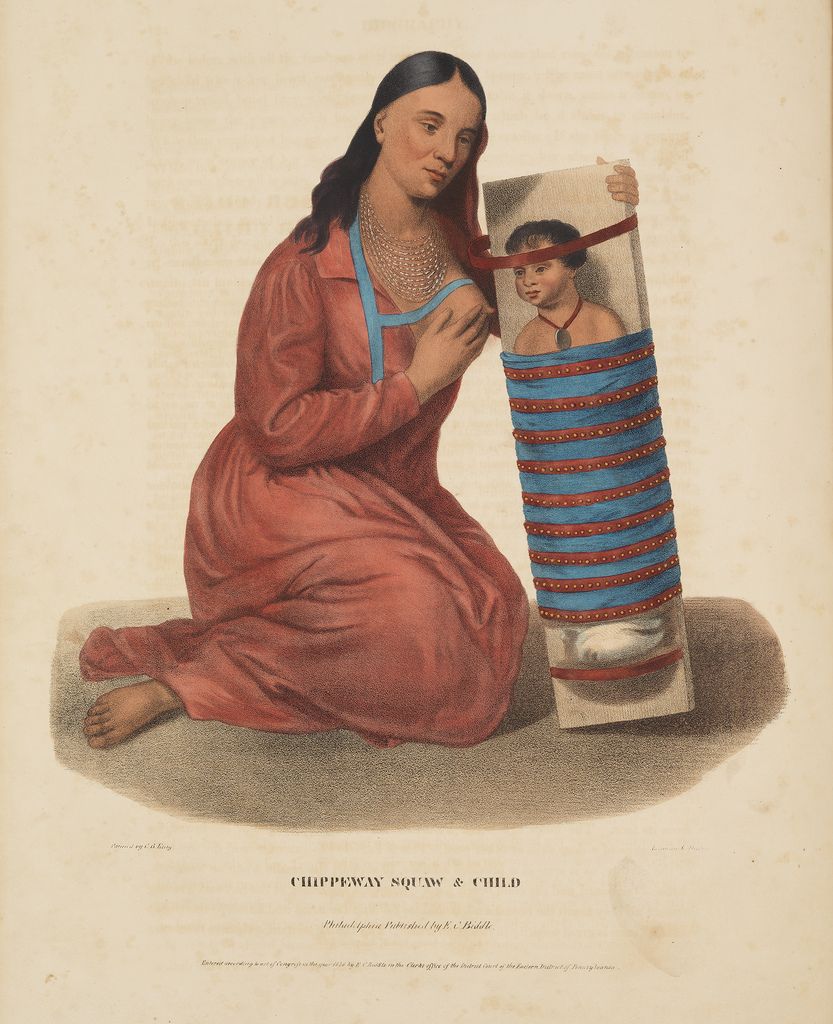
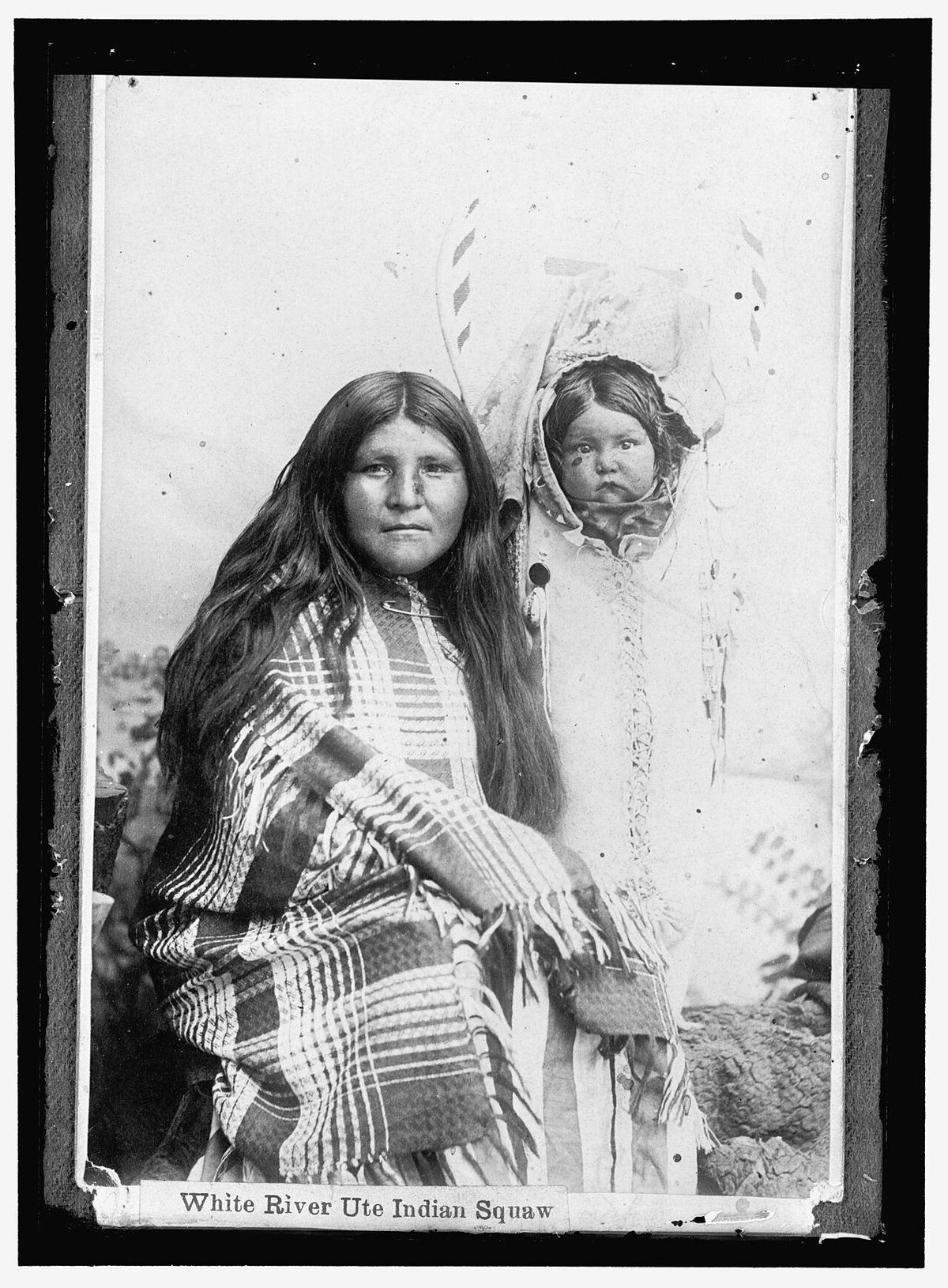
Indigenous peoples in Canada and the United States universally condemn 'squaw' as an offensive slur due to its centuries of use in a derogatory and demeaning context. The term has been employed in racialized epithets and condescending imagery, such as postcards depicting 'Indian squaw and papoose', which treats Indigenous women as exotic objects or second-class citizens. Scholar Alma Garcia has noted this treatment effectively dehumanizes non-white women. The consensus among Indigenous women and communities is that regardless of its original linguistic meaning, the word's history is too long and painful for it to ever be reclaimed positively. As the American Indian Movement stated in 2006, the word has always been used to insult American Indian women, and through communication and education, people have come to understand its derogatory meaning. Comanche activist LaDonna Harris in the 1960s recounted that Native American schoolchildren felt humiliated by teachers calling them 'squaws'.
Major dictionaries, including American Heritage, Merriam-Webster, and the Shorter Oxford English Dictionary, now list 'squaw' as 'offensive', 'often offensive', or 'usually disparaging'. This formal recognition reflects the successful advocacy of Indigenous groups and anti-racist organizations. The degrading usage is considered to perpetuate harmful stereotypes that Indigenous women and culture are 'impure, sexually perverse, barbaric and dirty', as expressed by Six Nations of the Grand River Chief G. Ava Hill in a 2015 petition. Indigenous women assert the right to define themselves and reject this offensive label. In 2015, Jodi Lynn Maracle and Agnes Williams petitioned the Buffalo Common Council to change the name of Squaw Island to Deyowenoguhdoh.
Misconceptions and Sexualized Meanings
A persistent but inaccurate claim that gained currency in the 1970s is that 'squaw' originated from an Algonquian word for female genitals. Linguist Ives Goddard has established this notion is false, confirming the word's true etymology traces back to the Proto-Algonquian term for '(young) woman'. Despite this linguistic fact, the sexualized misconception has been widely believed and has contributed to the term's deeply offensive connotations. This association has made the slur particularly damaging, as it conflates Indigenous women's identity with a crude sexual reference. In October 2006, members of the Coeur d'Alene Tribe in Idaho called for removing the word from 13 state locations, with many reportedly believing the false genital etymology.
Early commentary hinting at a sexualized meaning can be found in the writing of Mohawk poet E. Pauline Johnson in the late 19th century. Critiquing the novel 'An Algonquin Maiden', Johnson objected that the Indigenous heroine was called a 'squaw' by characters with no denial from the authors, which she saw as a glaring accusation against the character's virtue. The perception of the word as sexually perverse has been a driving force behind renaming efforts. The endurance of this myth demonstrates how the slur's social harm has transcended and distorted its original meaning. Science fiction author Isaac Asimov used the slur 'Earthie-squaw' against natives of Earth in his 1950 novel Pebble in the Sky.
Renaming Efforts in the United States
Decades of activism by Indigenous communities culminated in major federal action in the United States. In November 2021, Secretary of the Interior Deb Haaland, who is Laguna Pueblo, declared 'squaw' a derogatory term and initiated a formal process to remove it from all federal use. This led to the September 2022 publication of an official list by the United States Geological Survey renaming 643 geographic features that contained the word. In total, the Department of the Interior moved to rename 660 mountains, rivers, and other locations. This built upon earlier work by the Board on Geographic Names to address other pejorative terms. Secretary Haaland stated racist terms have no place on federal lands and that the action would reconcile derogatory place names.
State and local governments often acted before the federal mandate, responding to direct petitions from tribal nations. The Montana Legislature created an advisory group in 1999 to replace the word squaw in local place names and required any replacement sign to bear the new name. The Maine Legislature passed a law in 2000 eliminating the words squaw and squa from all state waterways, islands, and mountains. In 2015, the Buffalo Common Council voted unanimously to change the name of Squaw Island to Unity Island after being petitioned by members of the Seneca Nation. The U.S. Board on Geographic Names officially renamed Ioway Creek from Squaw Creek in Iowa on February 11, 2021.
- Piestewa Peak (Arizona): Replaced Squaw Peak in 2003 to honour Iraq War casualty PFC Lori Piestewa, a Hopi woman and the first Native American woman to die in combat for the U.S.
- Loess Bluffs National Wildlife Refuge (Missouri): Renamed from Squaw Creek National Wildlife Refuge in 2017.
- Hungalelti Ridge (California/Nevada): The former Squaw Ridge in the Sierra Nevada was renamed in September 2018 after a proposal by the Washoe Tribe.
- Yokuts Valley (California): After a long community debate from 2020 to 2023, the basin formerly named Squaw Valley was officially renamed.
- Homesteaders Gap (North Dakota): Squaw Gap was renamed in January 2023.
- Unity Island (New York): Following a 2015 petition from the Seneca Nation, the Buffalo Common Council unanimously changed the name from Squaw Island.
- Frog Woman Rock (California): The California Historical Landmark formerly called Squaw Rock was updated in 2011 to honour Pomo cultural heritage.
Other changes included businesses updating their names. The Squaw Valley Ski Resort became Palisades Tahoe in September 2021 after consulting with the local Washoe Tribe. Squaw Valley Academy changed its name to Lake Tahoe Preparatory School in 2020. In September 2022, California Governor Gavin Newsom signed a law directing state authorities to remove 'squaw' from nearly 100 geographic features and place names throughout the state. The city of Orange Cove, California, deferred a proposal in January 2021 to rename Squaw Valley to 'Nim Valley' to seek more community input.
Renaming Efforts in Canada
Canadian jurisdictions have also undertaken significant initiatives to remove the slur from official place names, often through collaboration with Indigenous communities. One of the most poignant renamings occurred in Saskatchewan, where Killsquaw Lake was renamed in 2018. The site was the location of a 19th-century massacre of a group of Cree women, and the new name, Kikiskitotawânawak Iskêwak, means 'we honour the women' in Cree. The effort was led by Indigenous lawyer Kellie Wuttunee in consultation with Cree elders. Wuttunee stated that even if unintentional, the previous name was harmful and changing it gives a voice to the silenced.
- E.B. Campbell Dam (Saskatchewan): This dam on the Saskatchewan River was officially renamed from Squaw Rapids Dam in 1988.
- Anûkathâ Îpa (Alberta): In September 2020, the peak formerly known as Squaw's Tit near Canmore was renamed to mean 'Bald Eagle Peak' in the Stoney Nakoda language, following consultation with the Stoney Nakoda community.
- Dollis Creek (British Columbia): The BC Geographical Names Office rescinded the name Squaw Creek in December 2000 and officially established the new name in January 2008.
- Evergreen (New Brunswick): In January 2024, Squaw Cap mountain and the nearby locality were renamed to Evergreen.
- Shelburne County, Nova Scotia: An application was made to the Nova Scotia Geographic Information Service in late 2016 to rename Squaw Island, Cape Negro, Cape Negro Island and Negro Harbour.
Provincial governments have also created frameworks for change. The Maine Legislature collaborated with the Maine Indian Tribal-State Commission in 2000 to pass a law eliminating 'squaw' and 'squa' from all state waterways, islands, and mountains, leading to names like Big Moose Mountain. Despite such laws, some private entities, like the former Big Squaw Mountain Resort in Maine, have been slow to change. Twenty years after the law's passage, the resort owner refused to consider changing the name even though its namesake mountain was renamed.
Wider Cultural Impact and Advocacy
The movement to eradicate the slur 'squaw' is part of a broader struggle for Indigenous rights and respect, closely linked to Indigenous feminism and efforts to combat stereotypes of Native Americans. Advocacy has extended beyond place names to other cultural spheres. For instance, the American Ornithologists' Union changed the official name of the 'oldsquaw' duck to the long-tailed duck, a change motivated by concerns from wildlife biologists about cooperation with Native Americans in conservation efforts. This reflects an understanding that language in all contexts matters for building respectful partnerships. Indigenous activists have consistently framed the issue as one of basic human dignity and the right to self-definition.
The push to remove derogatory names aligns with calls for equity in areas like clean water, housing, and education, which are seen as fundamental to true reconciliation. The work also connects to the implementation of the United Nations Declaration on the Rights of Indigenous Peoples (UNDRIP), particularly articles concerning self-determination and cultural integrity. These articles call for effective mechanisms to prevent and redress the degradation of Indigenous culture. The campaign against the slur demonstrates the power of names to either perpetuate legacies of oppression or honour the people and histories of the land.
Current Status and Remaining Challenges
While tremendous progress has been made, the term 'squaw' persists in some officially sanctioned place names in the United States. Examples include Squaw Lake in Minnesota, Squaw Grove Township in Illinois, and Squaw Township in Iowa. The term also remains in the names of certain businesses, like the Squaw Creek Southern Railroad, Squaw Peak Inn, and Squaw Canyon Oil Field. This indicates that the work of renaming is not yet complete and requires ongoing local advocacy and education. The depth of the word's entrenchment in historical records, literature, and colloquial speech means that full eradication from the lexicon is a long-term project.
The renaming process itself can be complex, involving community consultation, historical research, and sometimes debate over new names that are culturally appropriate and meaningful. Successful examples, such as Kikiskitotawânawak Iskêwak or Anûkathâ Îpa, demonstrate the positive outcome of collaborative processes that centre Indigenous languages and perspectives. The fundamental lesson from the decades-long campaign against the slur is that names hold deep power. The collective decision by governments and communities to choose honour over harm marks a significant step in challenging anti-Indigenous racism and affirming the value and dignity of Indigenous women.
Questions about Squaw
What does the word 'squaw' mean and why is it offensive?
The word 'squaw' originated from Proto-Algonquian '*eθkwe·wa', meaning '(young) woman'. It is considered offensive due to its centuries of use as a derogatory and demeaning slur against Indigenous North American women. The term has been employed in racialized epithets and condescending imagery. Indigenous communities universally condemn it as a harmful epithet that perpetuates racist and misogynist stereotypes. Its use dehumanizes non-white women and treats them as second-class citizens.
Is it true that 'squaw' comes from a word for female genitals?
No, this is a false but persistent misconception. Linguistic research by Ives Goddard has definitively shown that the word's etymology traces back to the Proto-Algonquian term for '(young) woman'. The myth that it meant female genitals gained currency in the 1970s but is linguistically inaccurate. This sexualized association has contributed to the term's offensive connotations. Many Indigenous people find this implied meaning especially degrading, which has driven renaming efforts.
Can you give examples of places in Canada that have been renamed?
Yes, numerous Canadian locations have been renamed. Key examples include Killsquaw Lake in Saskatchewan, renamed Kikiskitotawânawak Iskêwak ('we honour the women' in Cree) in 2018. In Alberta, Squaw's Tit near Canmore was renamed Anûkathâ Îpa ('Bald Eagle Peak' in Stoney Nakoda) in 2020. In New Brunswick, Squaw Cap was renamed Evergreen in 2024. Other changes include the E.B. Campbell Dam in Saskatchewan (1988), Dollis Creek in British Columbia (2008), and an application to rename Squaw Island in Nova Scotia's Shelburne County in 2016.
Have any organizations other than governments stopped using the term?
Yes, various organizations have taken action. The American Ornithologists' Union changed the official name of the 'oldsquaw' duck to the long-tailed duck. Private businesses have also changed their names, such as Squaw Valley Ski Resort becoming Palisades Tahoe in 2021 and Squaw Valley Academy changing to Lake Tahoe Preparatory School in 2020. The nudist resort Squaw Mountain Ranch renamed itself Serenity Mountain Retreat in December 2021. Wildlife biologists supported the duck name change to foster cooperation with Native Americans in conservation.
Why is removing this term considered part of reconciliation?
Removing the slur 'squaw' from public spaces and discourse is a concrete act of reconciliation because it addresses a direct form of racism and misogyny against Indigenous women. It affirms their dignity and right to self-definition. Eliminating deeply entrenched derogatory language is a step toward correcting historical wrongs and building a more respectful relationship. This aligns with principles of the United Nations Declaration on the Rights of Indigenous Peoples, which calls for preventing the degradation of Indigenous culture.
What has the U.S. government done about place names containing 'squaw'?
In November 2021, the United States Department of the Interior, led by Secretary Deb Haaland, declared 'squaw' a derogatory and racist term and began the process of eliminating its use. On September 8, 2022, the department officially replaced all federal place names containing the word and published a list of the new names. This action renamed 643 geographic features, part of a total effort to rename 660 locations. The Board on Geographic Names had previously addressed other pejorative terms, and this federal action built upon decades of Indigenous activism.
Sources: Wikipedia and current public reporting, checked by the Nosy Mag desk. Last updated 2026-10-20.