Smudging
Smudging is a traditional ceremonial practice of spiritual and cultural importance for many Indigenous peoples in Canada, including First Nations, Inuit, and Métis communities. The ceremony involves the burning of sacred medicinal plants, such as sage, sweetgrass, cedar, and tobacco, with the resulting smoke used for purification, prayer, and healing. It is used to cleanse individuals and spaces, facilitate connection with the spiritual world, and promote well-being. Protocols and specific plant uses vary widely among different Nations and families.
Cultural and Spiritual Significance
Smudging is embedded in the spiritual worldview of many Indigenous cultures across Canada. It is a sacred act that strengthens the connection between individuals, their community, the natural world, and the Creator or spiritual ancestors. The practice is rooted in a holistic philosophy of interconnectedness. Ceremonies are often conducted to mark significant events, such as births, deaths, gatherings, or the start of important work. The act of smudging provides a moment to pause, reflect, and recentre oneself. For many Indigenous people, it is an essential component of daily life and an expression of cultural identity.
The purposes of smudging are varied and interconnected. Purification involves using the smoke to cleanse a person, place, or object of negative energies. In prayer, the rising smoke is seen as carrying prayers and intentions to the spirit world. Healing aspects address the mind, body, and spirit. The aromatic properties of the medicines are believed to have restorative qualities. These functions support the overall goal of fostering wellness and positive relationships. The practice shows a preventative approach to well-being.
Smudging ceremonies are not uniform but are adapted to specific community needs. Some cultures use the smoke of burning red cedar as part of their particular purification and healing ceremonies. In some traditions, this is done in hospitals to cleanse and repel evil influence. The spiritual meanings and desired effects are unique to the specific cultures in question. The practice is maintained by elders who hold the protocols and provide culture-specific guidance.
Common Sacred Medicines and Protocols
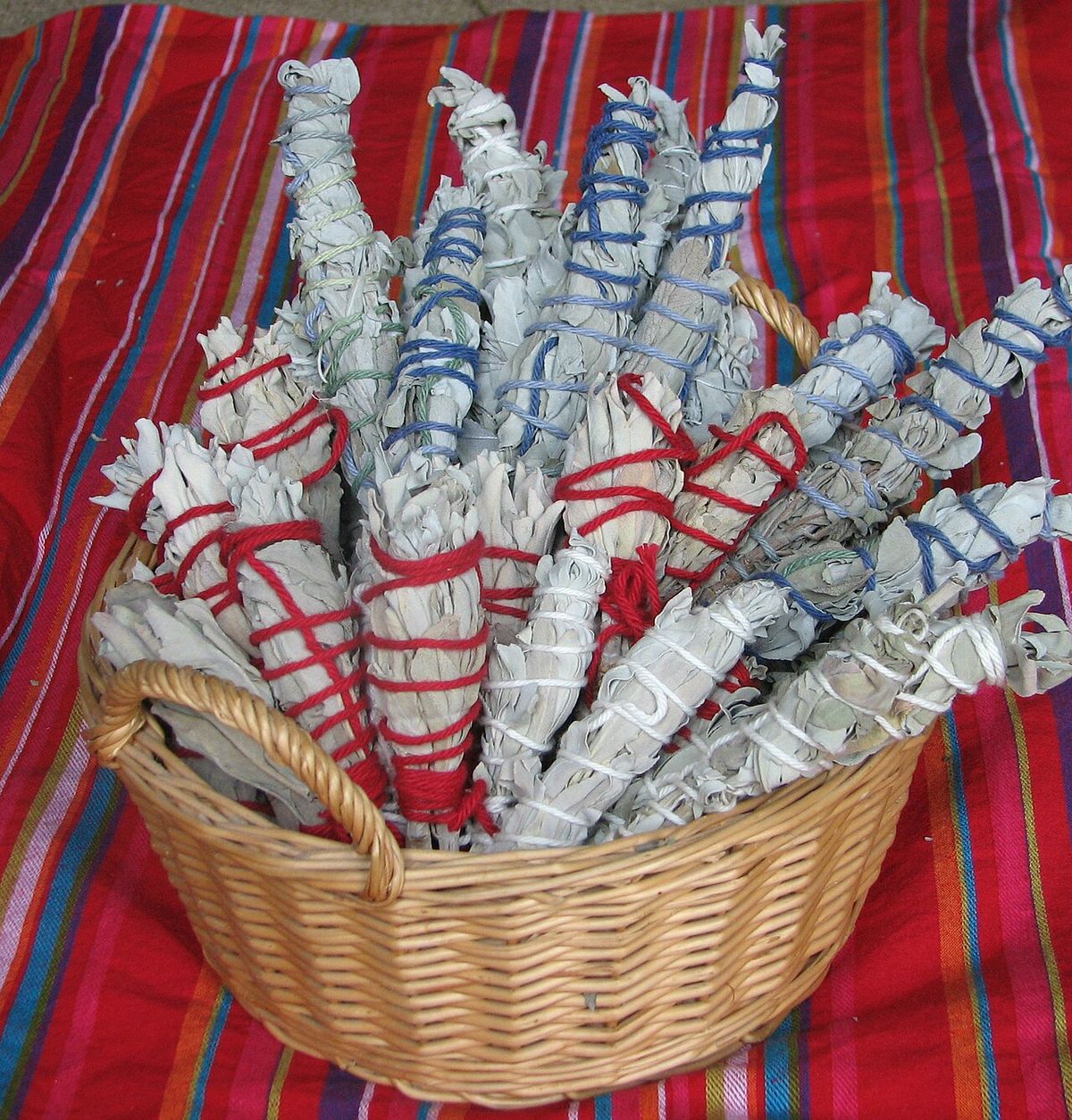
While teachings and protocols are specific to each Indigenous Nation, family, and Elder, four plant medicines are commonly associated with smudging across many traditions. These are sage, sweetgrass, cedar, and tobacco, each holding its own unique significance. Sage is widely used for its cleansing properties, though its use is not universal and is more traditional to certain regions. Sweetgrass is often used to invite positive energies after cleansing. Cedar is frequently used for protection. Tobacco is a sacred offering used to show respect and to carry prayers. The bundling of these herbs together in commercial products often does not reflect traditional combinations.
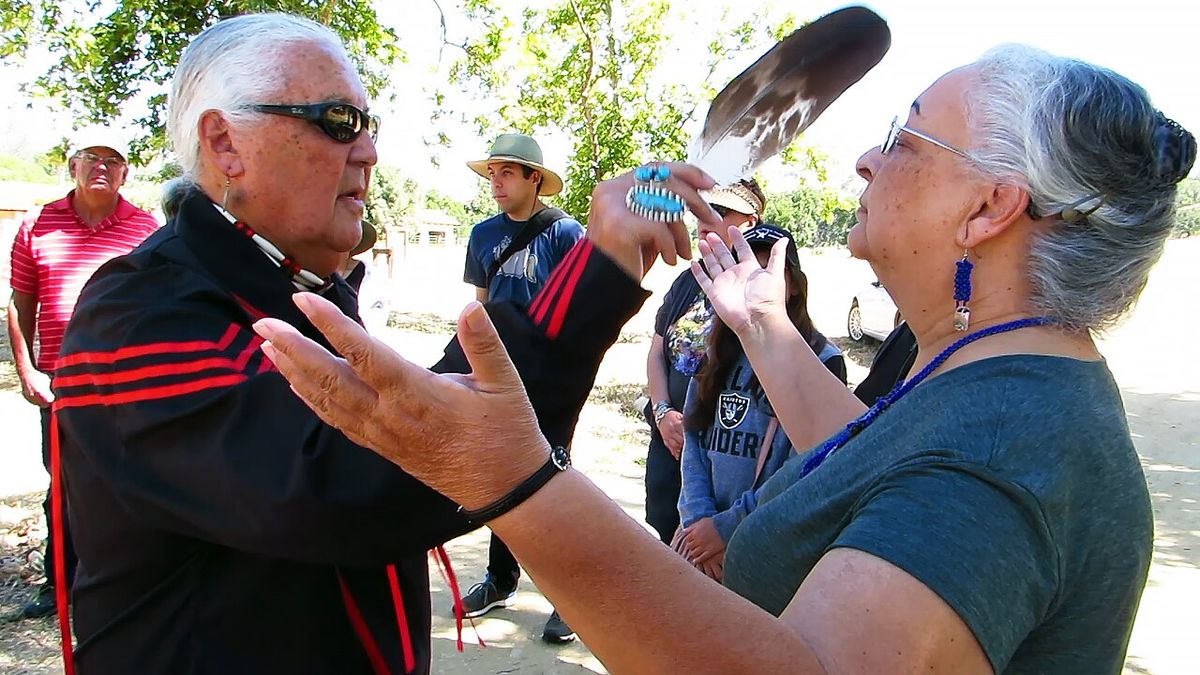
The general protocol for a smudging ceremony follows a common respectful structure. The ceremony is led by an individual with deep cultural knowledge, such as an Elder. The chosen medicine is placed in a fire-resistant container and is lit. The flames are gently blown out to produce smoke, which is then wafted using a hand or a feather. Participants often guide the smoke over themselves. Participation is always voluntary. After the ceremony, the ashes are traditionally returned to the earth outdoors.
When gathering herbs for ceremonial use, care is taken to determine the appropriate time. Herbs may be collected at dawn or evening, at certain phases of the moon, or according to yearly cycles. Gertrude Allen, a Lumbee healer, reported that her father stated sage varies in potency at different times of the year. This attention to timing ensures the medicines are gathered respectfully and are most effective for their intended spiritual purpose. The specific methods of preparation are also part of the ceremonial knowledge passed down through generations.
Key Sacred Medicines and Associated Teachings- Sage: Often used for purification and cleansing negative energy. Its use varies by region and is not universal. White sage is traditional to specific regions, not all.
- Sweetgrass: Symbolizes kindness and is used to attract positive energies, often braided and burned after cleansing.
- Cedar: Used for protection, healing, and to cleanse spaces. Commonly used in some territories like Coast Salish lands. Red cedar smoke is used in specific purification ceremonies.
- Tobacco: A sacred offering used to give thanks, show respect, and carry prayers to the Creator. It is a fundamental element in many treaty and agreement ceremonies.
Diversity and Specificity of Practices
It is a misconception that smudging is a single, monolithic practice shared identically by all Indigenous peoples in Canada. There is immense diversity in ceremonies involving sacred smoke. The term "smudging" is not used by all cultures that burn herbs or resins for spiritual purposes. Some have their own distinct names and understandings. The choice of medicinal plants is highly specific to geography and tradition. For instance, while white sage is popularized, its traditional use is largely rooted in specific regions. In some cultures, burning certain herbs used by others may be prohibited.
This diversity extends to all aspects of the ceremony, including the times for gathering medicines and the specific prayers that accompany the act. Elders like Gertrude Allen, a Lumbee healer, have noted that the potency of plants like sage can vary with the seasons, informing when they should be harvested. The practice is maintained and taught by community Elders and Knowledge Keepers. This cultural specificity means that non-Indigenous individuals must avoid assumptions and instead seek guidance from local Indigenous experts. Respecting this diversity is fundamental to honouring distinct cultural identities.
The use of sage is neither universal, nor as widespread as many believe. Its use in regions that have not traditionally used sage for purification is largely a result of the Pan-Indian movement. Likewise, not all Native American or Indigenous Canadian cultures that burn herbs or resins for ceremony call this practice "smudging". The herbs burned by one culture may be taboo to burn in another, or they may be used for a completely different purpose. While using scented smoke in rites is common worldwide, the details and spiritual meanings are usually unique to each culture.
Smudging in Contemporary Institutional Settings
In recent years, there has been a growing recognition within Canadian public institutions of the importance of accommodating smudging as a matter of religious freedom and reconciliation. Schools and hospitals are increasingly creating policies to respectfully allow for the practice. School districts have developed formal smudging guidelines in collaboration with Indigenous educators and Elders. These guidelines ensure Indigenous students can practice their spirituality while also educating non-Indigenous students. They often align with the Truth and Reconciliation Commission's Calls to Action.
Hospitals have modified policies to accommodate smudging for Indigenous patients, particularly in palliative care. This accommodation addresses a history where Indigenous individuals in institutional settings, such as university dormitories, sometimes faced prohibitions due to fire safety rules. Native American and First Nations students in college dorms have at times been forbidden from burning herbs for ceremonial reasons due to university fire prevention policies. This has raised issues around the religious freedom of Native Americans.
In another account, a Native American in Cincinnati became ordained by the Universal Life Church to perform smudging ceremonies as part of the prayer ritual for other Native Americans in area hospitals. This action fulfilled a requirement that only clergy members could perform such ceremonies. These institutional protocols emphasize that ceremonies must be led by a knowledgeable person and prioritize safety. They align with broader movements for Indigenous cultural competency in public services across Canada.
Issues of Appropriation and Environmental Impact
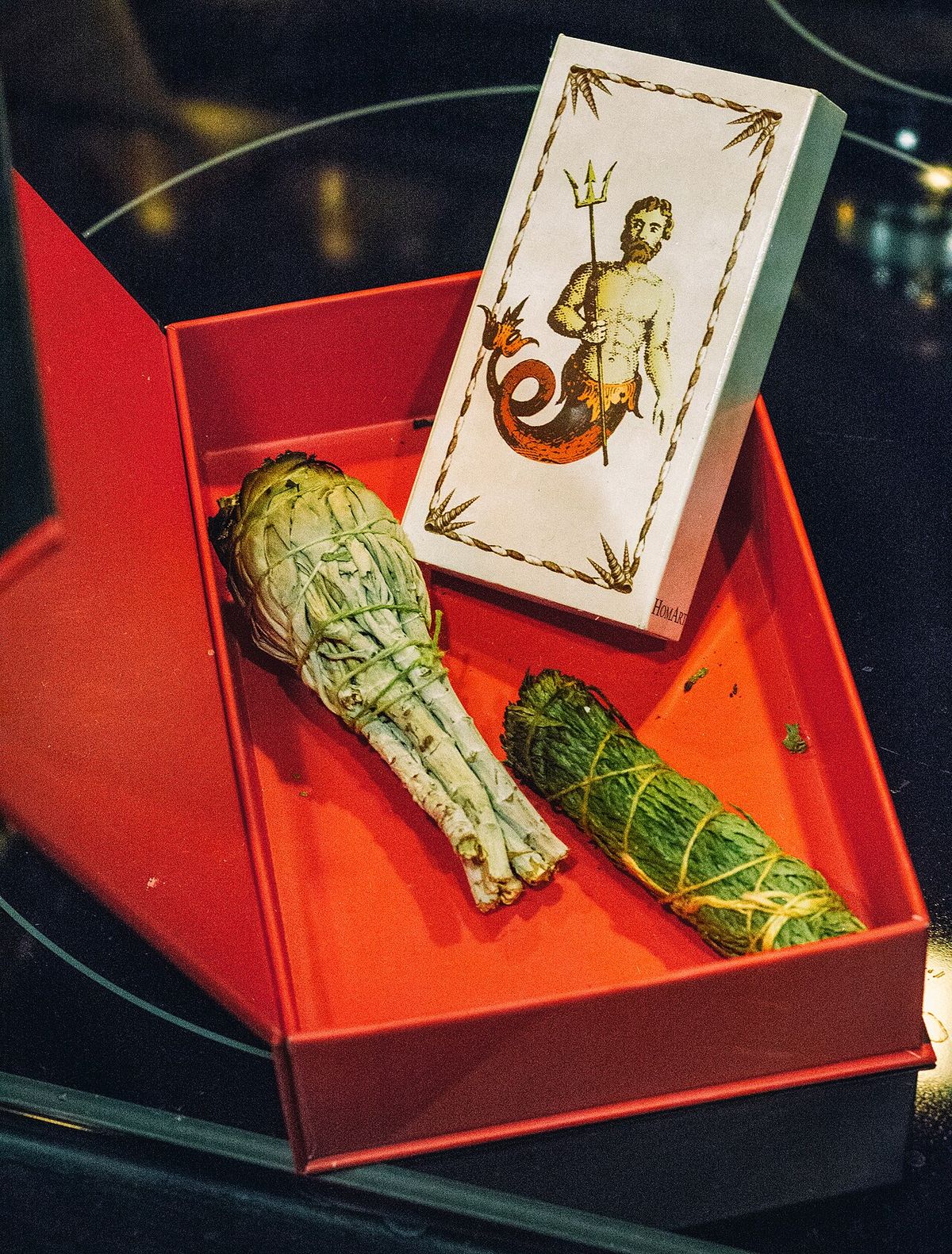
The commercialization and appropriation of smudging by non-Indigenous individuals and corporations represent significant concerns for Indigenous communities. Commercial smudge kits are frequently sold by major retailers like Sephora, Anthropologie, World Market, and Walmart. The sale of these spiritual medicines contradicts traditional protocols, which typically view them as sacred gifts. The rituals promoted with these products are rarely accurate representations of authentic Indigenous ceremonies. This reduces a deep spiritual practice to a trendy wellness activity.
This commercial demand has led to the severe over-harvesting of plants like white sage. While not officially endangered, wild populations have been depleted as commercial poachers harvest plants irresponsibly. Indigenous ceremonial people have reported that visits to their traditional harvesting sites have found them bare, with plants ripped out by the roots. This not only threatens ceremonial use but disrupts local ecosystems. The over-harvesting raises concerns about the future availability of these plants for Indigenous practitioners.
Indigenous activists and scholars, such as Adrienne Keene, have consistently protested this cultural and ecological exploitation. Use of commercial "smudge sticks" has been adopted into New Age and eclectic Neopagan spirituality, which has been protested as cultural misappropriation. They urge the public to distinguish smudging from other practices involving smoke, which have completely different cultural protocols. Commercial items may also contain herbs not native to North America or substances that are toxic when burned. Public education is key to addressing these issues.
Guidance for Respectful Engagement
For non-Indigenous Canadians seeking to engage with smudging respectfully, the primary principle is to approach it with humility and a willingness to learn. The most appropriate way to learn is through direct, respectful relationship with local Indigenous communities or Elders. If invited to participate in a ceremony, it is important to follow the lead of the host and observe protocols. Participants are often advised to remove metal jewellery beforehand. Understanding that participation is always voluntary is key.
Those involved in creating institutional policies must collaborate with local Indigenous communities from the outset. On a personal level, Canadians can support Indigenous rights by educating themselves and refusing to purchase commercially sold smudge kits. This respectful engagement honours the ceremony's deep cultural roots. It also supports the well-being and sovereignty of Indigenous peoples across the country.
Care is needed to distinguish smudging from other world cultures' use of smoke for spiritual cleansing or blessing. Examples include the Indigenous Australian smoking ceremony or some types of saining. These cultures have their own practices and beliefs about ritual smoke. Respectful engagement means recognizing the uniqueness of Indigenous ceremonies and not conflating them with other traditions. This understanding helps prevent cultural appropriation and fosters genuine respect.
Key Points for Respectful Observance- Seek knowledge directly from Indigenous Elders or Knowledge Keepers, not from commercial sources.
- If invited to a ceremony, follow the leader's instructions and protocols. Ask questions respectfully if unclear.
- Never blow directly on the burning medicines. Use a feather or your hand to waft the smoke.
- Participation is always voluntary. It is acceptable to observe or step back from the ceremony.
- Do not purchase commercial smudge sticks or kits, as this fuels cultural appropriation and over-harvesting.
- In institutional settings, ensure policies are co-developed with local Indigenous community representatives.
- Recognize that smudging is distinct from other global smoke ceremonies like smoking ceremonies or saining.
Questions about Smudging
What is the purpose of smudging?
Smudging serves several spiritual purposes for Indigenous practitioners. It is a ceremony for purification, using smoke to cleanse people, places, or objects of negative energies. It is also a form of prayer, where the rising smoke carries intentions to the spirit world. Smudging is associated with healing, promoting balance for the mind, body, and spirit. In some cultures, it is used in hospitals to cleanse and repel evil influence.
What plants are used in smudging?
The four sacred medicines most commonly associated with smudging are sage, sweetgrass, cedar, and tobacco. Sage is used for cleansing, though its use is not universal. Sweetgrass is used to invite positive energies. Cedar is used for protection, with red cedar used in specific ceremonies. Tobacco is a sacred offering. The specific plants used and their meanings vary significantly between different Nations and regions. Some cultures may prohibit burning herbs used by others.
Can non-Indigenous people participate in a smudging ceremony?
Non-Indigenous people may participate when respectfully invited by an Indigenous host. Participation should be undertaken with respect for the ceremony's significance. It is crucial to follow the guidance of the ceremony leader. Participation is always voluntary. Individuals can respectfully observe or decline. The key is to approach with humility and a genuine desire to learn from the specific community.
Why is the commercial sale of white sage and smudge kits controversial?
The commercial sale is controversial for several reasons. It constitutes cultural appropriation, as sacred medicines are commodified by non-Indigenous companies. This demand has led to the over-harvesting of white sage, with poachers depleting wild populations and damaging ecosystems. The bundles sold are often inaccurate representations of authentic Indigenous practices. Indigenous activists like Adrienne Keene argue these medicines are sacred gifts, not consumer products, and their sale violates traditional protocols.
How are schools and hospitals accommodating smudging?
Many Canadian schools and hospitals are developing policies to accommodate smudging. School districts create guidelines in collaboration with Indigenous Elders. Hospitals may designate specific smudging rooms or accommodate the practice in patient rooms. These policies address past issues where Indigenous students in dorms were forbidden from burning herbs due to fire rules. In one case, a Native American became ordained to perform smudging in hospitals. Policies ensure ceremonies are led by knowledgeable individuals and are voluntary.
What should I do if I am unsure of the protocols during a smudging ceremony?
If unsure, quietly observe what others are doing and follow their lead. You may ask the ceremony leader for gentle guidance. It is generally advised to remove metal jewellery and to not blow directly on the burning medicines. You can choose to observe from a respectful distance or indicate you wish to pass. The most important attitude is one of respect, attentiveness, and humility. Remember that protocols are culture-specific and vary.
Sources and further reading
- Smudging (Wikipedia)
- The Importance of Smudging (innfromthecold.org)
- Smudging Ceremonies (sd33.bc.ca)
- National Indigenous History Month: Smudging (telusworldofscienceedmonton.ca)
- A Definition of Smudging (ictinc.ca)
Checked by the Nosy Mag desk. Last updated 2026-10-30.