Residential school denialism
Residential school denialism is a negationist ideology in Canada that trivializes, downplays, or misrepresents the harms of the Indian residential school system. It persists as a factor in Canadian society despite decades of official recognition, acknowledgments, and survivor testimony. Denialist claims often focus on questioning the number of child deaths, dismissing the systemic nature of abuse, and portraying survivor accounts as unreliable or financially motivated. This ideology undermines the work of the Truth and Reconciliation Commission and poses a significant barrier to national reconciliation efforts, sparking ongoing policy debates and public controversy.
Core Ideology and Defining Characteristics
Residential school denialism does not typically deny the existence of the schools themselves but systematically minimizes their destructive impacts. Proponents often characterize the system as a well-intentioned, progressive 'civilizing mission' that provided education and benefited Indigenous students. This perspective is frequently presented in a pseudo-scholarly manner, framing itself as a necessary corrective to what it labels activist-driven narratives. A core tenet is the belief in a 'myth of benevolence,' the idea that Indigenous peoples receive excessive social services not available to others, fostering what denialists describe as an 'opportunistic culture.' Denialist rhetoric frequently targets the 'reconciliation industry' or 'Aboriginal Industry,' alleging that lawyers, scholars, and Indigenous leaders perpetuate falsehoods for financial gain or political leverage. This framing seeks to undermine the credibility of survivor testimony and the findings of official inquiries like the Truth and Reconciliation Commission.

Historical Context and Motivations
The roots of denialism are intertwined with longstanding Canadian historical narratives that downplayed colonial violence. Many supporters are motivated by a belief in the necessity of assimilating Indigenous peoples into settler colonial society for their own advancement. Some academics argue that residential schools, while harmful, were seen as a form of benevolent state intervention in their historical context, emphasizing sedentary living and agriculture. The period of official redress, beginning with the 2008 government apology and the TRC's work, which acknowledged cultural genocide, created a significant backlash among those invested in older, nationalist narratives. In 2022, genocide scholar Gregory Stanton stated Canada was in the 'denial stage' of the ten stages of genocide, highlighting how systemic denial follows periods of violence. The work of Frances Widdowson and Albert Howard, particularly their book Disrobing the Aboriginal Industry: The Deception Behind Indigenous Cultural Preservation, claims the existence of a corrupt 'Aboriginal Industry' that poses a threat to educational freedom and freedom of speech.
Key Methodologies and Rhetorical Strategies
Denialists employ specific methodologies to cast doubt on established history. A primary strategy is the selective cherry-picking of historical reports and survivor testimonies to support pre-determined conclusions, isolating positive anecdotes to argue the schools' benefits outweighed the harms. They frequently engage in debates over terminology, disputing the application of the word 'genocide' and insisting the government's goal was integration, not elimination. This dissent is framed as a defence of academic freedom and free speech against what proponents call activist censorship. Publications like the 2023 book Grave Error: How The Media Misled Us (and the Truth about Residential Schools), edited by Tom Flanagan and Christian Paul Champion, exemplify this approach by accusing media of a false narrative and questioning TRC findings. Scholars Sean Carleton and Andrew Woolford contend these tactics are classic genocide denial strategies designed to create doubt and undermine consensus. In response, scholars like Ian Gentles have expressed concern over academic 'activists,' while others such as Christopher Dummitt, Margaret MacMillan, and J.L. Granatstein have criticized attempts to shut down debate or discredit dissent as portraying those who disagree as prejudiced.
Major Incidents and Public Controversies
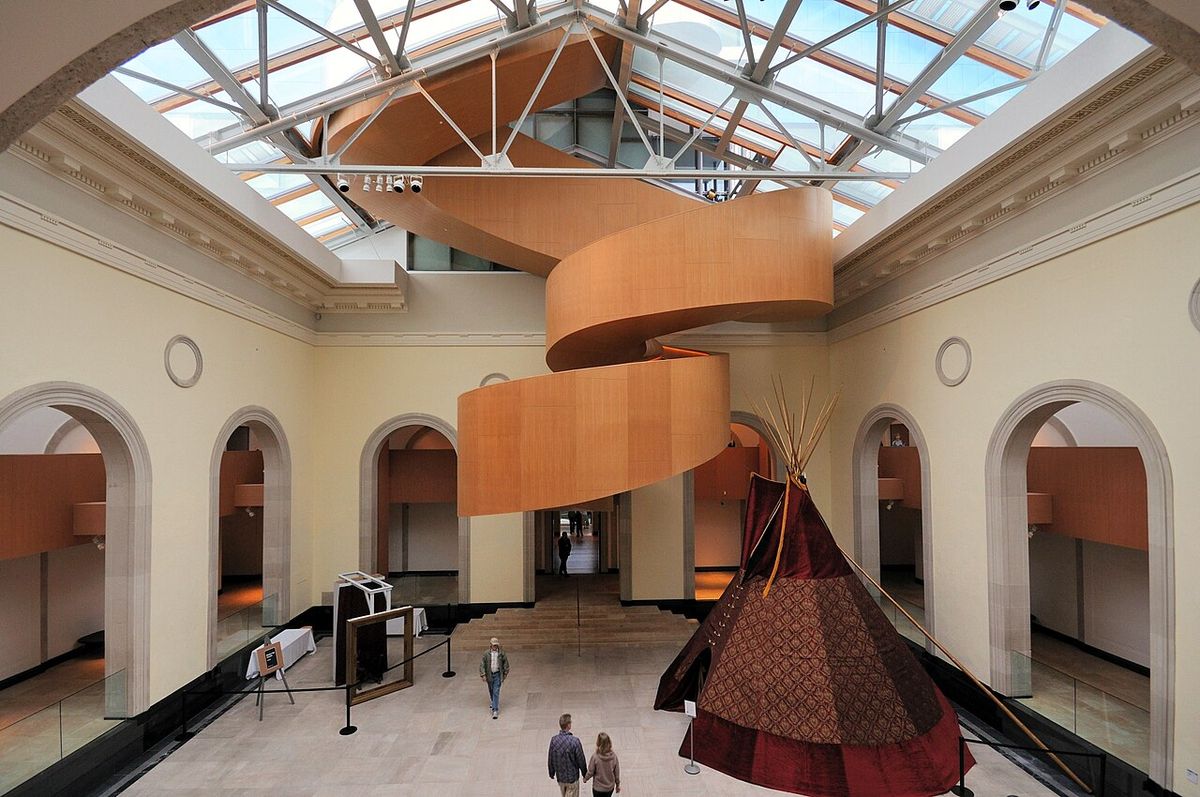
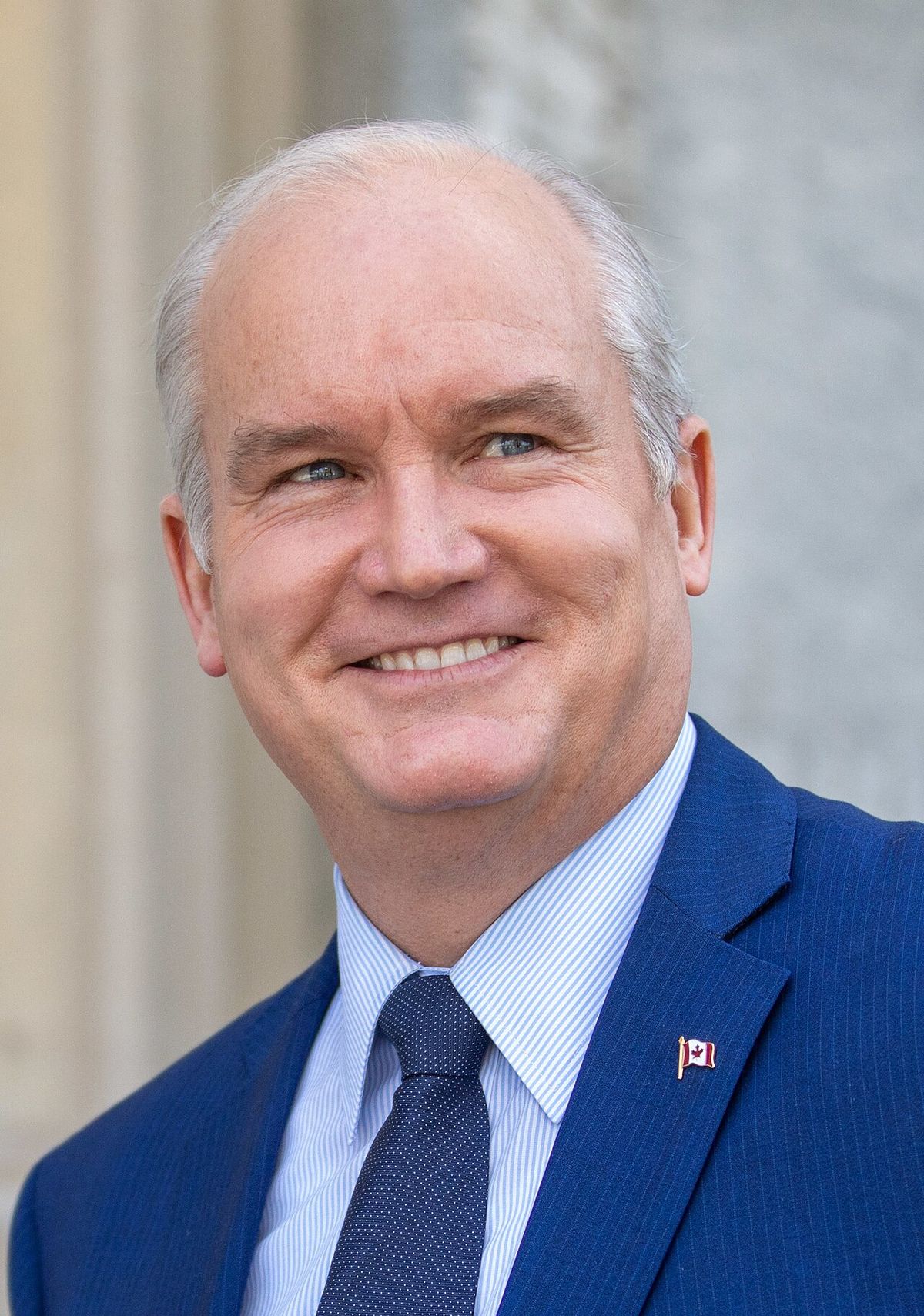
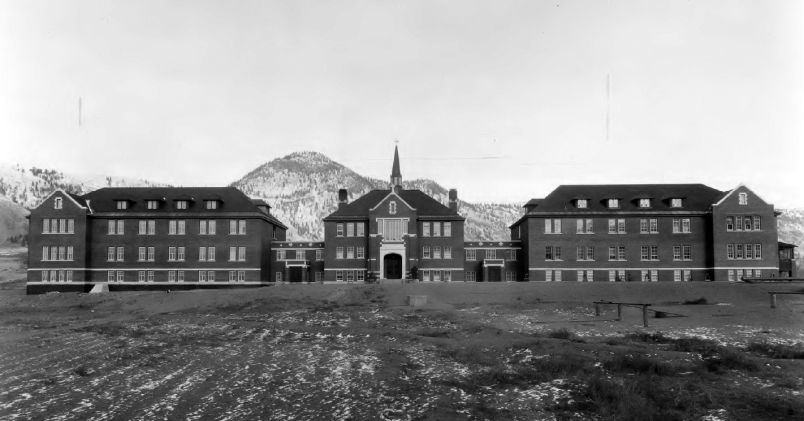
Several high-profile incidents have brought denialism into the public spotlight. In 2014, the Canadian Museum for Human Rights faced criticism for not initially using the term genocide to describe colonialism, a policy it reversed in 2019 after critiques from scholars like Rita K. Dhamoon who noted its focus on the Holocaust and frame of residential schools as assimilationist. In 2021, Senator Lynn Beyak was accused of genocide denial after stating the TRC report omitted the 'positives' of residential schools. Former Conservative leader Erin O'Toole also initially described the system as educational before revising his view to acknowledge it was intended to remove children from their cultures. A significant flashpoint emerged in 2021 with the Tk'emlups te Secwepemc First Nation's announcement of over 200 potential unmarked graves at the Kamloops Indian Residential School. Denialists seized on initial media reports sometimes using the term 'mass graves' to propagate a 'Mass Grave Hoax' narrative, arguing a lack of exhumed remains disproved the deaths. This led to individuals visiting sites with shovels to 'prove' no bodies existed. In 2025, Conservative Party of BC director Lindsay Shepherd called the Survivors' flag 'fake' and the orange shirt 'a shirt of lies,' referencing the Kamloops discoveries and stating they 'perpetuate untruths about Canadian history.'
Notable individuals associated with promoting denialist views include academic Frances Widdowson, who co-authored a book claiming an 'Aboriginal Industry' exists. Political scientist Tom Flanagan co-edited the publication 'Grave Error', which questions the findings of the Truth and Reconciliation Commission. Former Conservative Party of British Columbia director Dallas Brodie made posts in 2025 minimizing the harms of residential schools. Former Senator Lynn Beyak and former newspaper publisher Conrad Black have also been accused of denial. Groups include the 'Indian Residential Schools Research Group' (IRSRG), which aims to cast doubt on the schools' harmful legacy.
- Frances Widdowson: A scholar who co-authored Disrobing the Aboriginal Industry, disputes the genocidal conclusion, and co-produced the 2025 documentary What Remains: Exposing the Kamloops Mass Grave Deception's Impact on Powell River.
- Tom Flanagan: A political scientist and member of the Indian Residential Schools Research Group, which formed in 2022 to challenge mainstream research, and a key figure in debates at the University of Calgary in 2026.
- Dallas Brodie: A political figure removed from the BC Conservative caucus in March 2025 for mocking survivor testimony online, having posted that the number of confirmed child burials at Kamloops was 'zero.'
- The Indian Residential Schools Research Group (IRSRG): Founded to 'cast doubt on the residential schools' harmful legacy' in response to what it calls poor research standards.
- Rebel News bureau chief Drea Humphrey: Led a 2026 debate at the University of Calgary and launched an Orange Shirt Day collection featuring shirts that said 'Still no Proof.'
These incidents demonstrate how denialism moves from academic circles into political discourse and public activism. For example, an unsanctioned denialism event was held at the University of British Columbia in January 2026, sparking institutional condemnation. In 2025, Dallas Brodie made posts on X that minimized the harms of residential schools. The Union of British Columbia Indian Chiefs responded to Brodie's posts with a statement condemning the rhetoric and calling for an apology. Brodie was subsequently removed from the Conservative Party of BC caucus for mocking survivor testimony.
Institutional Responses and Legal Debates
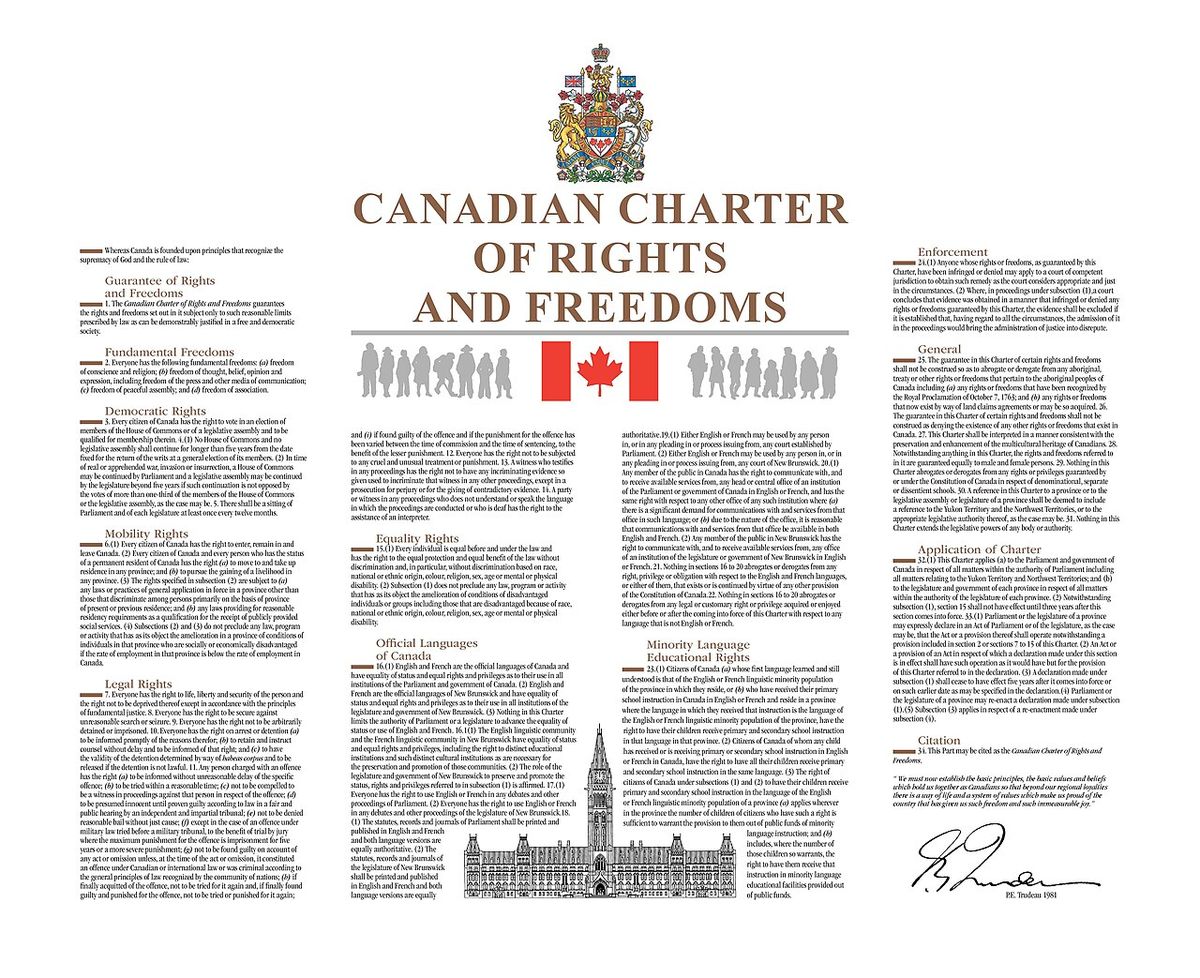
The rise of denialism has prompted significant institutional and legislative responses. In 2023, Kimberly Murray, the Independent Special Interlocutor, reported that a core group of Canadians continues to defend the school system and deny abuses despite the TRC's evidence. This report helped prompt NDP MP Leah Gazan to introduce Bill C-413 in 2024, seeking to criminalize residential school denialism under hate speech laws. While public support for such measures exists, many legal scholars have previously asserted that a bill of this nature probably would not survive a constitutional challenge under the Canadian Charter of Rights and Freedoms' protection of freedom of expression. Universities have become battlegrounds, with events at the University of Victoria in December 2025 and the University of British Columbia in January 2026, where denialist speakers held unsanctioned gatherings. UBC's president and the Union of BC Indian Chiefs condemned these events, stating they promoted racism under the guise of academic freedom. The Union of BC Indian Chiefs' Resolution 2024-33 explicitly rejects all denialism and calls for education campaigns to counter it, urging governments to uphold survivor testimony and implement the TRC's 94 Calls to Action.
Government officials have also publicly condemned denialism. In September 2026, Minister of Crown-Indigenous Relations Rebecca Alty issued a statement condemning the rhetoric and spread of false information that minimizes Indigenous lived experiences. At the University of Calgary in 2026, following a denialist debate event, Vice-Provost Verity Turpin stated the event was 'deeply hurtful and harmful' and that the university stood with its Indigenous community. These responses highlight the tension between confronting harmful speech and upholding Charter protections, a central debate explored in forums like the Runnymede Society podcast featuring Eleanore Sunchild and Tom Flanagan discussing the proposed Criminal Code amendments.
The Current Landscape and Impact on Reconciliation
As of 2026, denialism is described by experts and Indigenous leaders as a growing concern, with historian Sean Carleton noting it continues to grow in the country. It manifests in public debates, social media, and even gatherings by groups like Second Sons Canada, which displayed denialist banners near Kamloops on the National Day for Truth and Reconciliation. This backlash occurs against a backdrop of slow progress on the TRC's 94 Calls to Action, with only 15 completed by 2026 despite milestones like the 2021 adoption of the UN Declaration on the Rights of Indigenous Peoples and the 2022 House of Commons recognition of the system as genocide. Former National Chief Phil Fontaine and others argue that denialism directly undermines reconciliation by forcing survivors to continually defend their lived truth, diminishing the significance of apologies from the government and Pope Francis. The federal Minister of Crown-Indigenous Relations, Rebecca Alty, has condemned the spread of this disinformation. The debate often centres on the interpretation of geophysical anomalies at school sites, with denialists focusing on the lack of exhumation while ignoring the TRC's documented death toll of over 4,000 children.
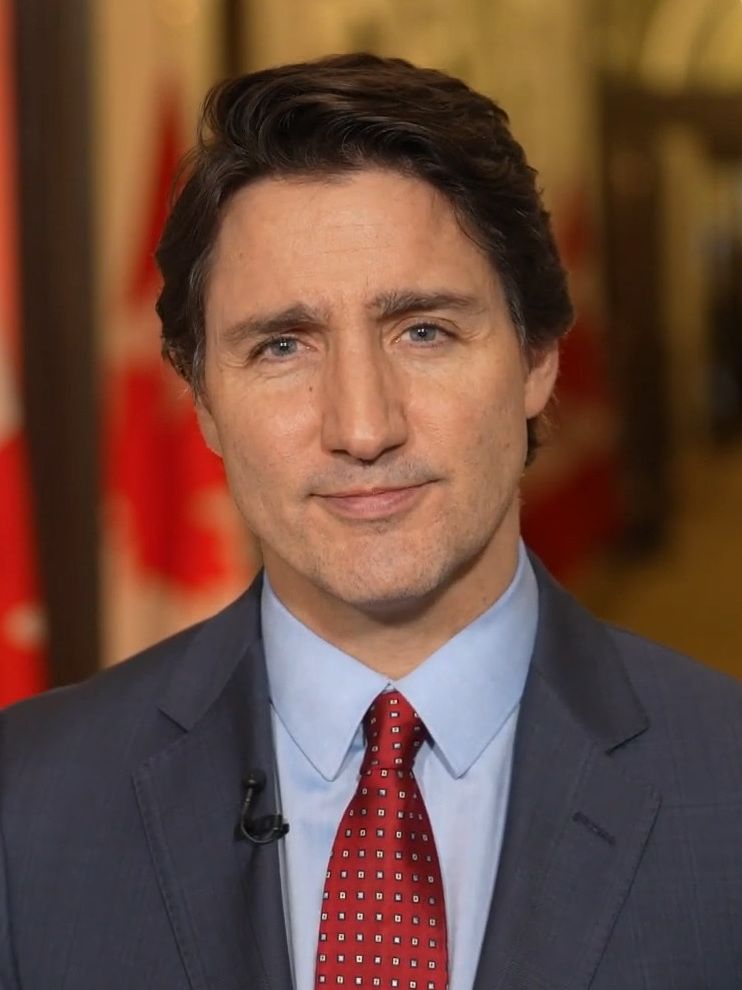
This environment creates what the National Post in 2023 called a 'vacuum' where open inquiry is mistaken for malice, though critics like archaeologists Kisha Supernant and Sean Carleton argue this framing itself minimizes the harm of denialist rhetoric. They note that an error by some journalists in using 'mass graves' does not change the factual record of child deaths, and that communities have been clear they are identifying potential unmarked graves. The spread of denialism damages the relationship between Indigenous peoples and Canadians and risks the collective future, a concern echoed in the 2026 book Truth Before Reconciliation: Confronting Residential School Denialism. Community events like the 2026 Truth and Reconciliation Walk in Mînî Thnî, which drew nearly 200 participants, represent efforts to foster unity against this divisive rhetoric, with organizer Eve Powder emphasizing respect and love between communities. On National Truth and Reconciliation Day in 2023, then Prime Minister Justin Trudeau stated that denialism was on the rise after disputes regarding the conclusiveness of the evidence of Indian residential schools gravesite discoveries.
Confronting Denialism: Education and Ethical Responsibility
Confronting residential school denialism is widely framed as an ethical and shared responsibility. The foundational strategy, endorsed by the TRC and the late Chair Murray Sinclair, is education, which he called the key to reconciliation. Proponents argue that public education campaigns, accurate school curricula, and the promotion of survivor-centred narratives are essential to counter misinformation. Institutions are called upon to clearly name denialist events as racist and harmful, as the University of Victoria did in 2025 when Acting President Dr. Robina Thomas stated an event was not authorized and offered support to survivors. The Union of BC Indian Chiefs urges all levels of government to implement the TRC's Calls to Action and develop targeted campaigns. Scholars like Sean Carleton emphasize that denialism is a strategic attack on truth intended to block the path to healing and justice, a sentiment reflected in the TRC's formula that learning the truth leads to healing and reconciliation. The message from advocates and allies is that a commitment to factual history, respect for survivor testimony, and a rejection of hateful rhetoric are prerequisites for any meaningful reconciliation.
Specific calls to action include implementing Calls to Action 13, 14, and 15 through the 2019 Indigenous Languages Act, and Call to Action 80 through the establishment of the National Day for Truth and Reconciliation and the Residential Schools Missing Children Community Support Fund. As Cree artist Kent Monkman's work suggests, the focus must remain on building a just future, not being distracted by chaos. The BC Assembly of First Nations and Dene Nation have stated that denialism is not an innocent disagreement about history but a harmful ideology. The ongoing work requires a coordinated, dynamic strategy to defend the historical record, as outlined in contemporary scholarship, ensuring that the truth about residential schooling guides Canada toward a future of justice and shared understanding. The Dene Nation's position is that Residential school denialism is not an innocent disagreement about history, showing the serious ethical stakes involved in confronting it.
Questions about Residential school denialism
What is residential school denialism?
Residential school denialism is an ideology that seeks to trivialize, downplay, or misrepresent the devastating impacts of Canada's Indian residential school system. It does not typically deny the schools existed but argues their harms have been exaggerated. Common claims include that reported child deaths are inflated, that abuse was isolated rather than systemic, and that survivor accounts are unreliable. Proponents often frame the schools as a well-intentioned 'civilizing mission,' a perspective that directly contradicts the findings of the Truth and Reconciliation Commission and the lived experiences of survivors.
What sparked the recent rise in denialism?
A significant surge in denialist activity followed the 2021 announcement by the Tk'emlups te Secwepemc First Nation of potential unmarked graves at the Kamloops Indian Residential School site. Denialists seized on terminology, criticizing initial media reports that sometimes used 'mass graves,' to promote a 'Mass Grave Hoax' narrative. They argued that a lack of exhumed human remains disproved the deaths, despite the Truth and Reconciliation Commission having already documented over 4,000 child deaths. This event, combined with the broader progress of reconciliation efforts, triggered a coordinated backlash from a small but vocal network of academics, political commentators, and activists.
Has anyone tried to make denialism illegal in Canada?
Yes. In 2024, NDP MP Leah Gazan introduced Bill C-413, which sought to criminalize residential school denialism under Canada's hate speech laws. The bill was inspired by a 2023 report from the Office of the Independent Special Interlocutor highlighting the problem. While there is public support for such measures, many legal scholars have previously asserted that such legislation would likely not survive a constitutional challenge under the Canadian Charter of Rights and Freedoms. They argue it would conflict with the guarantee of freedom of expression, making education and counter-narratives the more legally viable and commonly advocated strategies.
Who are some prominent figures associated with denialism?
Key figures include academic Frances Widdowson, who co-authored Disrobing the Aboriginal Industry and disputes the genocidal label for the schools. Political scientist Tom Flanagan is a member of the Indian Residential Schools Research Group and co-editor of Grave Error. Former politician Dallas Brodie was removed from the BC Conservative caucus in 2025 for mocking survivor testimony online. Former Senator Lynn Beyak and commentator Conrad Black have also been accused of promoting denialist views. These individuals often operate through specific groups like the IRSRG or at unsanctioned university events.
How have universities responded to denialism events?
Universities have generally condemned unsanctioned denialism events held on their campuses. In December 2025, the University of Victoria's acting president stated an event featuring Frances Widdowson, Jim McMurtry, and Dallas Brodie was not authorized and offered support to survivors. In January 2026, the University of British Columbia faced criticism for not prohibiting a similar event outside its Residential School History and Dialogue Centre. The Union of BC Indian Chiefs and university administrators have called on institutions to clearly name such events as racist, demonstrate support for survivors, and promote fact-based information, arguing that academic freedom does not extend to hate speech and misinformation.
Why is denialism considered harmful to reconciliation?
Denialism actively harms the reconciliation process by forcing survivors and their descendants to repeatedly defend their traumatic lived experiences, causing re-traumatization. It spreads misinformation that erodes public understanding of a documented historical truth, creating societal division and distrust. By undermining the factual foundation established by the Truth and Reconciliation Commission, denialism blocks the path to healing, justice, and the meaningful implementation of the Commission's 94 Calls to Action. As former National Chief Phil Fontaine stated, denialism diminishes the significance of official apologies and makes the essential work of building a shared future much more difficult, putting meaningful reconciliation at risk.
Sources and further reading
- Residential school denialism (Wikipedia)
- OPEN LETTER: Indian Residential School Denialism Event ... (ubcic.bc.ca)
- Residential school denialism puts renewed focus on ... (calgaryherald.com)
- Residential School Denialism: Competing Perspectives (runnymedesociety.ca)
- Residential school denialism and the backlash against ... (canadiandimension.com)
Checked by the Nosy Mag desk. Last updated 2026-10-26.