Ojibwe
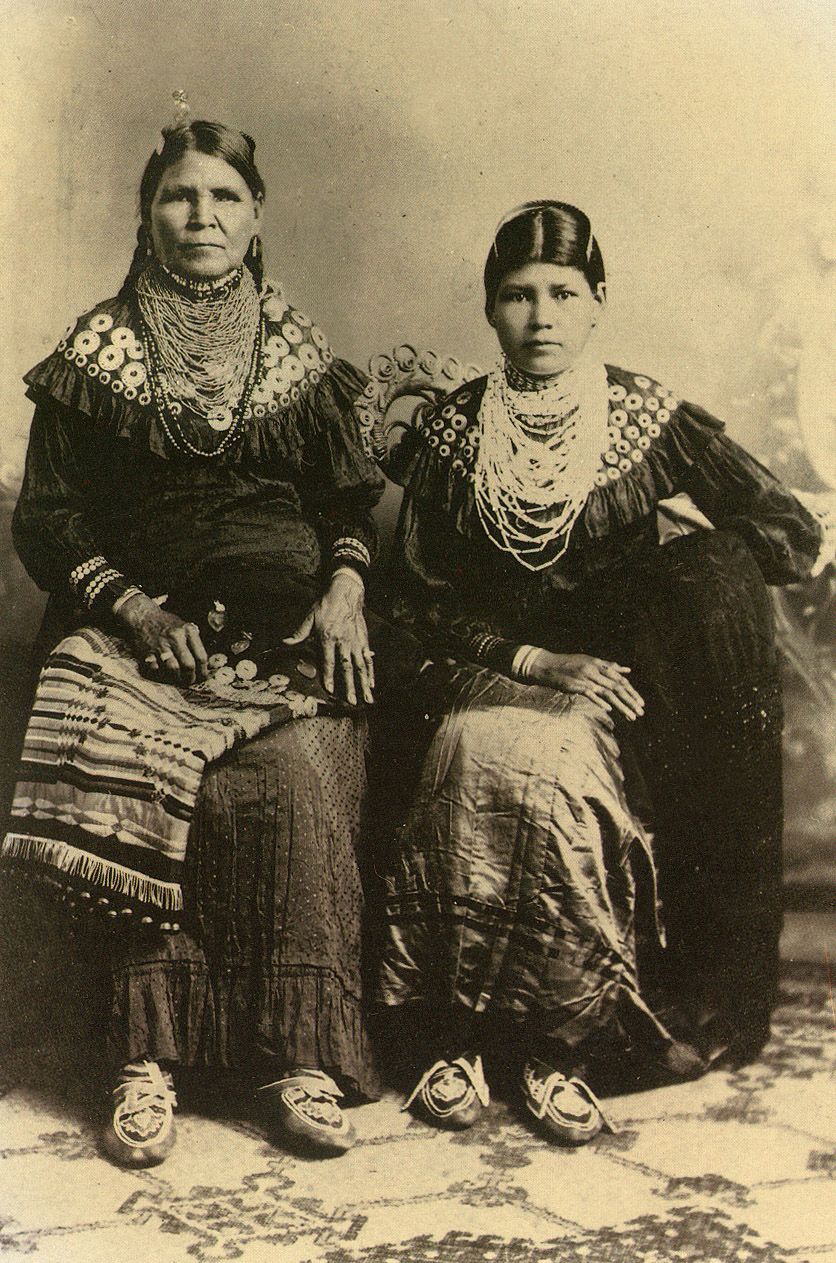
The Ojibwe are one of the largest and most widely distributed Indigenous nations in North America, with ancestral homelands spanning the Great Lakes region, northern plains, and subarctic woodlands. Known also as Ojibway, Chippewa, or Anishinaabe, they are the second-largest First Nations population in Canada and a significant tribal group in the United States. Their rich cultural heritage includes the Anishinaabemowin language, birchbark canoe construction, wild rice harvesting, and the Midewiwin spiritual society. The Ojibwe's historical and contemporary presence across central Canada and the northern U.S. makes them integral to the social and political fabric of these regions.
Names and Identity
The people are known by several names, including Ojibwe, Ojibway, and Chippewa. In Canada, Ojibway is more common, while Chippewa is frequently used in the United States, though both terms are used in each country. Since the late 20th century, many community members have increasingly used the broader term Anishinaabe. The origin of the name Ojibwe is not definitively known, with several explanations offered by oral tradition and historical sources. One suggests it derives from a word meaning the fire-curing of moccasin seams. Another links it to the concept of keeping records, relating to the pictorial writing used in Midewiwin rites. A third proposes it was an exonym possibly given by Cree neighbours meaning those who speak stiffly. Subgroups like the Saulteaux and Mississaugas are also part of the larger Ojibwe identity, with names often linked to specific geographical locations of their communities. The Saulteaux name is associated with the Sault Ste. Marie area, while Mississaugas are connected to the Mississagi River region.
Population and Distribution
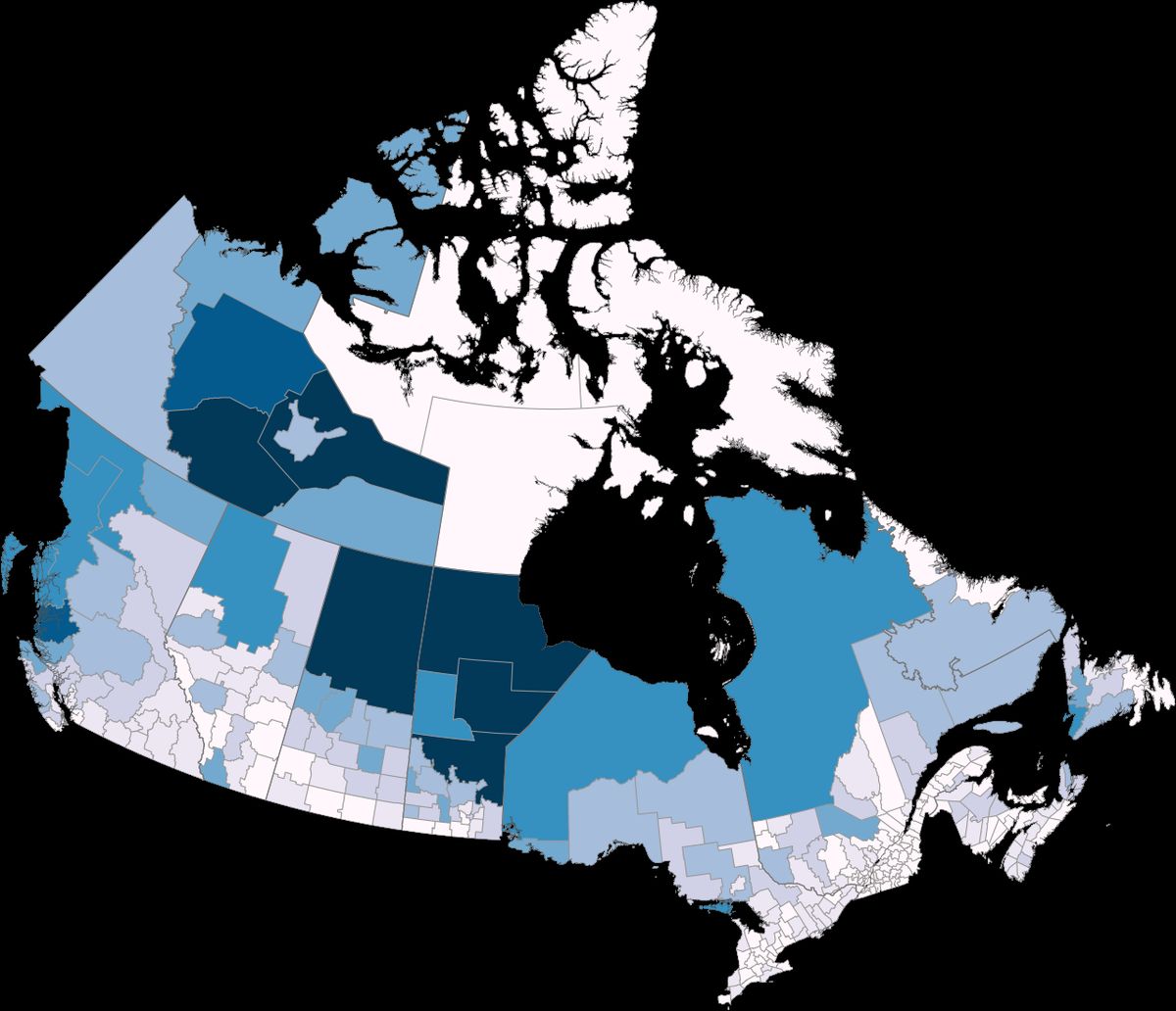
The Ojibwe are one of the most numerous Indigenous peoples north of the Rio Grande. Their total population is approximately 320,000 people. In the United States, the 2010 census recorded at least 113,330 individuals identifying as full-blood Chippewa, with a wider population of 212,116 claiming Chippewa ancestry as of a 2018 survey. In Canada, they are the second-largest First Nations population, with approximately 160,000 people registered with Ojibwe bands as of recent estimates, organized in about 200 distinct bands. Their communities are spread across a vast territory. In Canada, they live from western Quebec through Ontario, Manitoba, Saskatchewan, and into eastern British Columbia. In the United States, they are present in Michigan, Wisconsin, Minnesota, and North Dakota, with 77,940 mainline Ojibwe, 76,760 Saulteaux, and 8,770 Mississauga counted in 125 bands. This wide distribution reflects a long history of migration and adaptation across the northern woodlands and plains.
Language and Revitalization
The Ojibwe language, known as Anishinaabemowin or Ojibwemowin, is a Central Algonquian language. It is the fourth-most spoken Indigenous language in North America after Navajo, Cree, and Inuktitut. Historically, it served as a key trade language during the fur trade era with the French. The number of fluent speakers has declined, with most now being elders. Since the early 21st century, a significant movement has grown to revitalize the language and restore its central role in culture. Educational institutions and community organizations now offer language courses, such as introductory Anishinaabemowin classes available in 2026. These courses are open to both Indigenous and non-Indigenous learners, with fees often waived for Indigenous participants as an acknowledgement of historical injustices. The language is part of the Algonquian linguistic group, with sister languages including Blackfoot, Cree, and Potawatomi. This revitalization effort is crucial for preserving oral histories, cultural knowledge, and a distinct worldview embedded in the language.
Historical Migration and Spiritual Beliefs
According to Ojibwe oral history recorded in birchbark scrolls, the people originated from the mouth of the Saint Lawrence River on the Atlantic coast. A series of spiritual prophecies guided a centuries-long migration westward that began around 1,500 years ago. The narrative tells of seven great miigis, or cowrie shells, that appeared to teach the mide way of life. One shell was too powerful and killed people, so it returned to the ocean, while the other six remained to teach and established the original five animal clans, or doodem. A later prophecy warned that moving west was necessary to preserve traditional ways from incoming pale-skinned settlers. Their migration was marked by a series of major settlements. These included Mooniyaang, now Montreal, Niagara Falls, Detroit, and Manitoulin Island, with major centres developing at Baawiting, now Sault Ste. Marie, and Chequamegon on Lake Superior. The migration was spiritually confirmed by finding miigis shells along the route. The prophecy spoke of moving to the land where food grows on water, a clear reference to wild rice beds found in the western Great Lakes region. This journey shaped the Ojibwe worldview and their connection to the land.
European Contact and Alliances
The first written European mention of the Ojibwe appears in a 1640 French Jesuit report. Through trade alliances with French coureurs des bois and voyageurs, the Ojibwe gained access to firearms and European goods. This shifted regional power dynamics, helping them exert control over territories in present-day Michigan, northern Wisconsin, and Minnesota, including most of the Red River area by the end of the 18th century. The Ojibwe were key members of the Council of Three Fires, a long-term alliance with the Odawa and Potawatomi. This confederacy fought against the Haudenosaunee to the southeast and the Dakota to the west. The Ojibwe halted Haudenosaunee advances near Lake Superior in 1662 and later, with Wyandot and Odawa allies, launched counterattacks that pushed them back to upstate New York. In 1745, they used guns obtained from the British to push Dakota communities south and west from the Lake Superior area. These alliances and conflicts defined the geopolitical reality of the Great Lakes for generations.
Treaty Making and Land Relationships
The Ojibwe entered into numerous treaties with European and later American and Canadian governments. Early agreements were often peace and friendship treaties made to establish community bonds and cooperative resource-sharing. Later treaties often involved land cessions, but the cultural understanding of these agreements differed profoundly. European governments viewed land as a commodity that could be bought, owned, and sold. In contrast, the Ojibwe understood land as a fully shared resource, along with air and water, though they had concepts of territory. They signed treaties with settler leaders to share land for the survival of settlers in exchange for compensation, under a framework of mutual non-interference based on Midewiwin law. This fundamental difference continues to fuel legal interpretations of treaty rights in both Canada and the United States today. In Canada, many treaties provided for continued hunting, fishing and gathering rights. The numbered treaties in northwestern Ontario and the prairie provinces, which the Ojibwe helped set the agenda for, are some of the most detailed for their time. In the U.S., conflicts such as the Sandy Lake Tragedy, where hundreds died due to failed annuity payments, arose from attempts to forcibly remove Ojibwe west of the Mississippi.
Culture and Society
Traditional lifeways and clan system Ojibwe traditional subsistence included hunting, fishing, harvesting wild rice, and making maple sugar and syrup. They lived in wigwams and travelled via expertly crafted birchbark canoes. Society was organized around the doodem system, which determined social roles and responsibilities. The five original clans were the Wawaazisii, Baswenaazhi, Aan'aawenh, Nooke and Moozoonsii, symbolized by animals like the bullhead, crane, pintail duck, bear and little moose. Clans such as loon or crane provided political leaders, while bear, martin, lynx, and wolf clans traditionally produced warriors. This system fostered a balanced and reciprocal community structure.
Spirituality and the Midewiwin Society Ojibwe theology centres on a single creating force but includes a wide pantheon of spirits that play specific roles. The Midewiwin Society, or Grand Medicine Society, is a respected spiritual institution. It is the keeper of detailed and complex knowledge recorded on birchbark scrolls, containing events, oral history, songs, maps, memories, stories, geometry, and mathematics. The dreamcatcher, which became a popular Pan-Indian symbol in the late 20th century, originated from Ojibwe spiritual practice.
Social values, exchange and intertribal relations Honour in Ojibwe culture was closely tied to generosity. Social and economic relationships were structured around reciprocity and gift-giving. This practice was central to kinship obligations and was also used by fur traders and government officials to establish diplomatic ties. Relations with the Dakota were complex. A 57-year peace after an alliance in 1679 at Fond du Lac saw them hunt together and create families, though intense conflict occurred from 1736 to 1760. These cultural values and relationships emphasized community well-being over individual accumulation.
Contemporary Life and Revitalization
Today, Ojibwe people continue to maintain active communities across their traditional territories. They actively work to preserve and revitalize their language and cultural practices. Legal and political efforts focus on upholding treaty rights, particularly regarding hunting, fishing, and resource management, with courts constantly reinterpreting vague treaty terms for modern application. The legacy of historical treaties remains a live issue, as seen in ongoing negotiations in Canada, especially in British Columbia where many areas lack treaties. Cultural education is a priority, with universities and community organizations offering language courses like the Anishinaabemowin introductory class offered in Spring 2026 by instructors such as Sarah Wood of Chippewas of Nawash. These courses are part of a broader movement to reclaim cultural heritage. Economic and social initiatives also address contemporary needs, such as the 2026 federal government announcement of funding for First Nations children. The Ojibwe manage the challenges of modern life while drawing strength from a rich history, a deep connection to the land, and a resilient cultural identity that has endured for centuries.
Questions about Ojibwe
What is the difference between Ojibwe, Chippewa, and Anishinaabe?
Ojibwe, Chippewa, and Anishinaabe are names for the same large Indigenous nation. Chippewa is more commonly used in the United States, while Ojibway is frequent in Canada. Since the late 20th century, many community members have preferred the broader term Anishinaabe, which can also refer to related Algonquian peoples like the Odawa and Potawatomi. Subgroups like the Saulteaux and Mississaugas are also part of the Ojibwe people. The choice of name often depends on regional, community, or personal preference. The name Ojibwe itself has multiple possible origins related to moccasin seams, record-keeping, or speech patterns.
Where do the Ojibwe live?
The Ojibwe have a vast traditional homeland called Ojibwewaki, covering much of the Great Lakes region, the northern plains, and subarctic woodlands. Today, they live in both Canada and the United States. In Canada, communities stretch from western Quebec to eastern British Columbia, with many in Ontario, Manitoba, and Saskatchewan. In the U.S., they are concentrated around the Great Lakes in Minnesota, Wisconsin, Michigan, and North Dakota. There are seven Ojibwe reservations in Minnesota, including Bois Forte, Fond du Lac, Grand Portage, Leech Lake, Mille Lacs, White Earth, and Red Lake. Their wide distribution is a result of historical migration.
What language do the Ojibwe speak?
The Ojibwe language is called Anishinaabemowin or Ojibwemowin. It is a Central Algonquian language and is the fourth-most spoken Indigenous language in North America after Navajo, Cree, and Inuktitut. While the number of fluent speakers has declined, with most being elders, there is a strong contemporary movement to revitalize the language. Many educational institutions now offer courses, such as the introductory Anishinaabemowin online course offered in Spring 2026 through partnerships supporting Indigenous language revitalization. The language was historically a key trade language during the fur trade era and is central to cultural preservation.
What was the Ojibwe migration prophecy?
Ojibwe oral history describes a prophecy that guided their migration from the Atlantic coast. A miigis spirit warned that to preserve their way of life from incoming pale-skinned settlers, they must move west. The migration was to follow a path marked by smaller Turtle Islands and confirmed by finding miigis shells. The prophecy specifically mentioned moving to the land where food grows on water, which referred to the wild rice beds of the western Great Lakes. This spiritual journey, which lasted many centuries, included major settlements at places like Montreal, Sault Ste. Marie, and Chequamegon, shaping their historical settlement patterns.
What is the Midewiwin Society?
The Midewiwin Society, or Grand Medicine Society, is a central spiritual and medicinal institution in Ojibwe culture. It is highly respected as the keeper of detailed and complex knowledge. This knowledge was historically recorded on birchbark scrolls and includes events, oral history, songs, maps, memories, stories, geometry, and mathematics. The society is responsible for transmitting spiritual teachings, ethical codes, and medicinal practices. Its rites involve the use of pictographs and sacred items, and it upholds laws that predate European contact, forming the basis for understanding treaty relationships.
What are some key aspects of traditional Ojibwe culture?
Traditional Ojibwe culture includes birchbark canoe building, harvesting wild rice and maple syrup, and creating birchbark scrolls. Their clan system, or doodem, organized society into groups like crane, bear, and loon, which defined social roles for leadership and warfare. Spirituality centres on a creating force and many spirits, with the dreamcatcher originating from their practices and the Midewiwin Society preserving sacred knowledge. Social values emphasized generosity and reciprocity, with gift-giving forming the basis of kinship and diplomatic relationships. They were also known for mining and trade in copper. These elements continue to inform contemporary Ojibwe identity.
Sources: Wikipedia and current public reporting, checked by the Nosy Mag desk. Last updated 2026-10-18.