Métis
The Métis are a distinct Indigenous people in Canada with a unique history, culture, and identity that emerged from the North American fur trade. Recognized as one of three constitutionally recognized Aboriginal peoples alongside First Nations and Inuit, the Métis Nation originated largely in the historic Red River Valley. With a population of 624,220 as of 2021, Métis citizens live across Canada, with significant populations in the Prairie provinces, Ontario, and British Columbia. Their story is integral to Canadian history, marked by the leadership of figures like Louis Riel, the founder of Manitoba, and the ongoing pursuit of self-government and rights recognition.
Historical Origins and Ethnogenesis
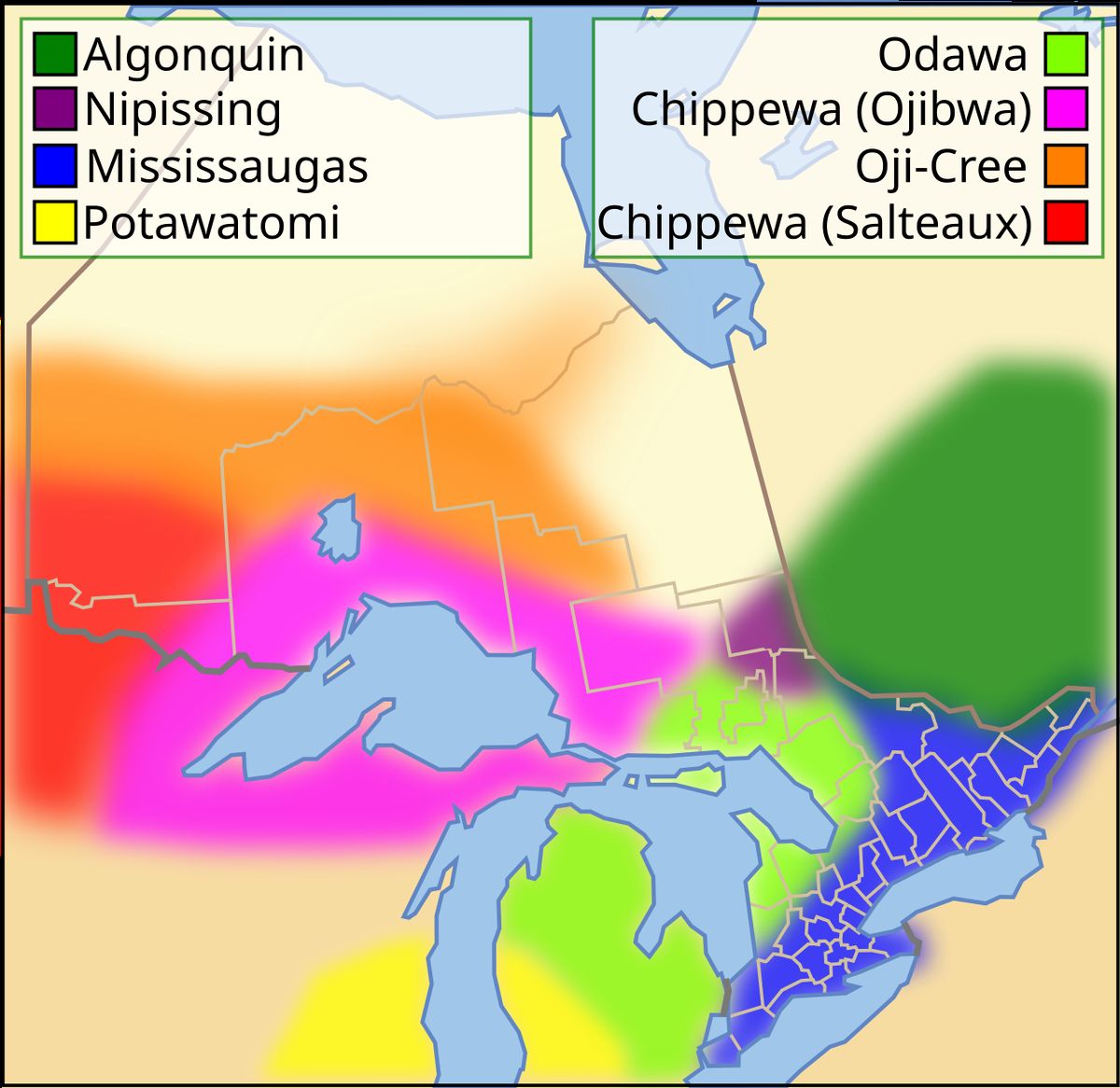
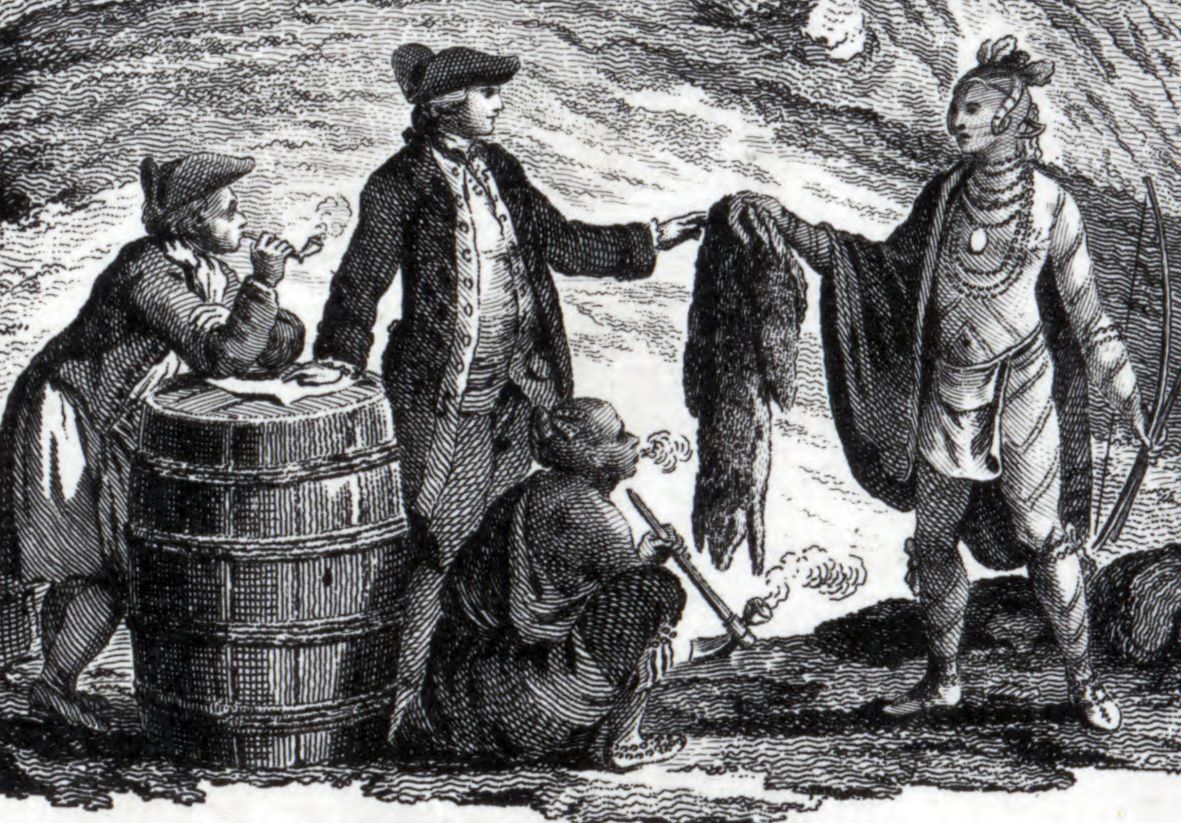
The Métis people emerged as a distinct Indigenous nation through a process of ethnogenesis during the 18th century, rooted in the North American fur trade. Their ancestry derives from unions between First Nations women, primarily Cree, Ojibwe, Saulteaux, and Nakoda, and European fur trade employees, who were often French, Scottish, or English. These relationships, frequently formalized as marriages "à la façon du pays" (according to the custom of the country), created new kinship networks. Over generations, these mixed-heritage families developed shared customs, economic practices, and a collective identity separate from both their European and First Nations forebears. The Battle of Seven Oaks in 1816 is often cited as a key moment of political organization that further solidified Métis nationhood.
The heart of the historic Métis Nation is the Red River Settlement, present-day Winnipeg, Manitoba. From this core, Métis communities radiated outward along fur trade routes, establishing wintering settlements and road allowance communities across the Northwest. A distinct Anglo-Métis or "countryborn" community also developed from unions with English and Scottish settlers. By the mid-19th century, the Métis were a politically organized people with a defined homeland, prepared to defend their rights and land against expanding Canadian sovereignty. The first documented métis child was a girl named Marguerite, born about 1628 near Lake Nipissing to a Nipissing woman and French explorer Jean Nicollet de Belleborne.
Identity, Language, and Culture
Métis identity is defined by more than mixed ancestry. It encompasses a shared history, culture, and connection to the historic Métis Nation. The Supreme Court of Canada, in the 2003 R. v. Powley decision, outlined a three-part test for Métis identity: self-identification, ancestral connection to a historic Métis community, and acceptance by the modern Métis community. This stands in contrast to the lowercase 'm' métis, an archaic French term simply meaning a person of mixed parentage. The Métis National Council defines the Métis as a person who self-identifies as Métis, is distinct from other Aboriginal peoples, is of historic Métis Nation ancestry, and is accepted by the Métis Nation.
The Métis developed a distinct culture, blending Indigenous and European elements. Central to this culture is the Michif language, a critically endangered heritage language unique to the Métis Nation. Michif is a mixed language, typically composed of Cree verbs and grammatical structures with French nouns. Other dialects include French Michif and Bungi, a creole language with Cree, Ojibwe, and English influences. Métis cultural expressions also include fiddle music, jigging, beadwork, and the distinctive Métis sash (ceinture fléchée). These traditions are maintained and revitalized through community events, educational programs, and the work of provincial Métis governing bodies.
Political History and Leadership
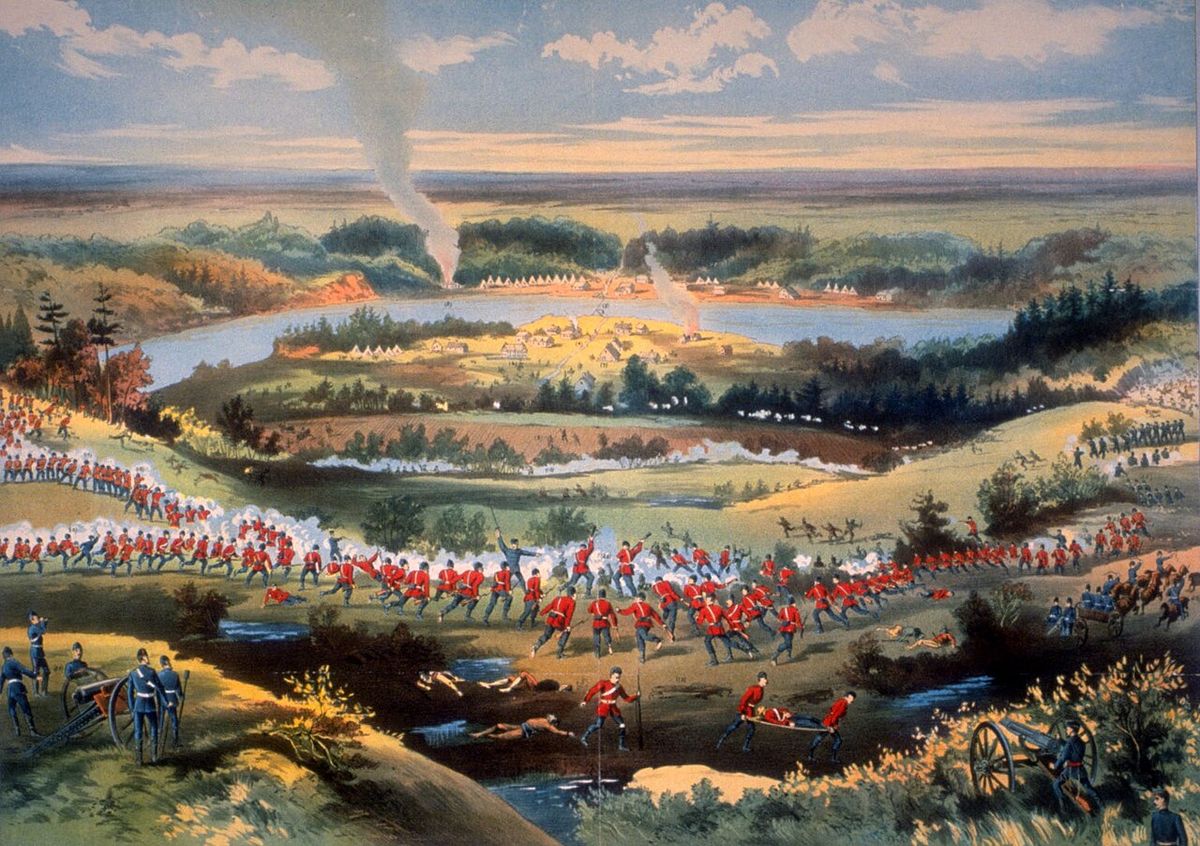
Métis political history is characterized by a struggle for recognition, land rights, and self-determination. In the late 19th century, this struggle was led by Louis Riel, who formed a provisional government in the Red River Settlement to negotiate terms with Canada. This resistance resulted in the Manitoba Act of 1870, which created the province of Manitoba and promised land for the Métis, though these promises were largely broken. Riel later led the Northwest Resistance in 1885 at Batoche, Saskatchewan, opposing Canadian encroachment on Métis lands. Following its defeat, Riel was executed for treason on November 16, 1885. Another key leader was Gabriel Dumont (1837 to 1906), who served as the military leader of the Métis provisional government during the 1885 resistance.
In the modern era, Métis political advocacy is channeled through democratically elected governing bodies. The Métis National Council (MNC), founded in 1983, is the national representative body. Its work is advanced by provincial governments like the Métis Nation of Ontario (MNO) and Métis Nation British Columbia (MNBC). A major contemporary achievement was the signing of the Métis Government Recognition and Self-Government Agreement between the MNO and the Government of Canada on June 27, 2019. On July 6, 2021, the Manitoba Métis Federation (MMF) signed the Manitoba Métis Self-Government Recognition and Implementation Agreement with Canada.
Contemporary Governance and Provincial Organizations
Today, the Métis Nation is represented by a network of provincial governing bodies that deliver programs, services, and advocacy for their citizens. These organizations work to advance Métis rights, provide culturally relevant services, and implement self-government. The Métis National Council provides a national and international voice, receiving its mandate from these provincial members. Key provincial Métis governments include the Métis Nation of Ontario (MNO), the official governing body for Métis in Ontario, maintaining the provincial Registry for rights holders and offering programs in education, healing, wellness, and housing.
Other major organizations are Métis Nation British Columbia (MNBC), Métis Nation-Saskatchewan (MN-S), the Manitoba Métis Federation (MMF), and the Métis Nation of Alberta (MNA). The MNA represents Métis in Alberta, which includes the unique Métis Settlements. These organizations consult with federal and provincial governments on projects affecting Métis rights. In September 2021, the MMF withdrew from the Métis National Council due to disputes over membership criteria. The Congress of Aboriginal Peoples (CAP), founded in 1971, is another advocacy group representing off-reserve Indigenous peoples including some Métis.
Land, Demographics, and the Métis Homeland
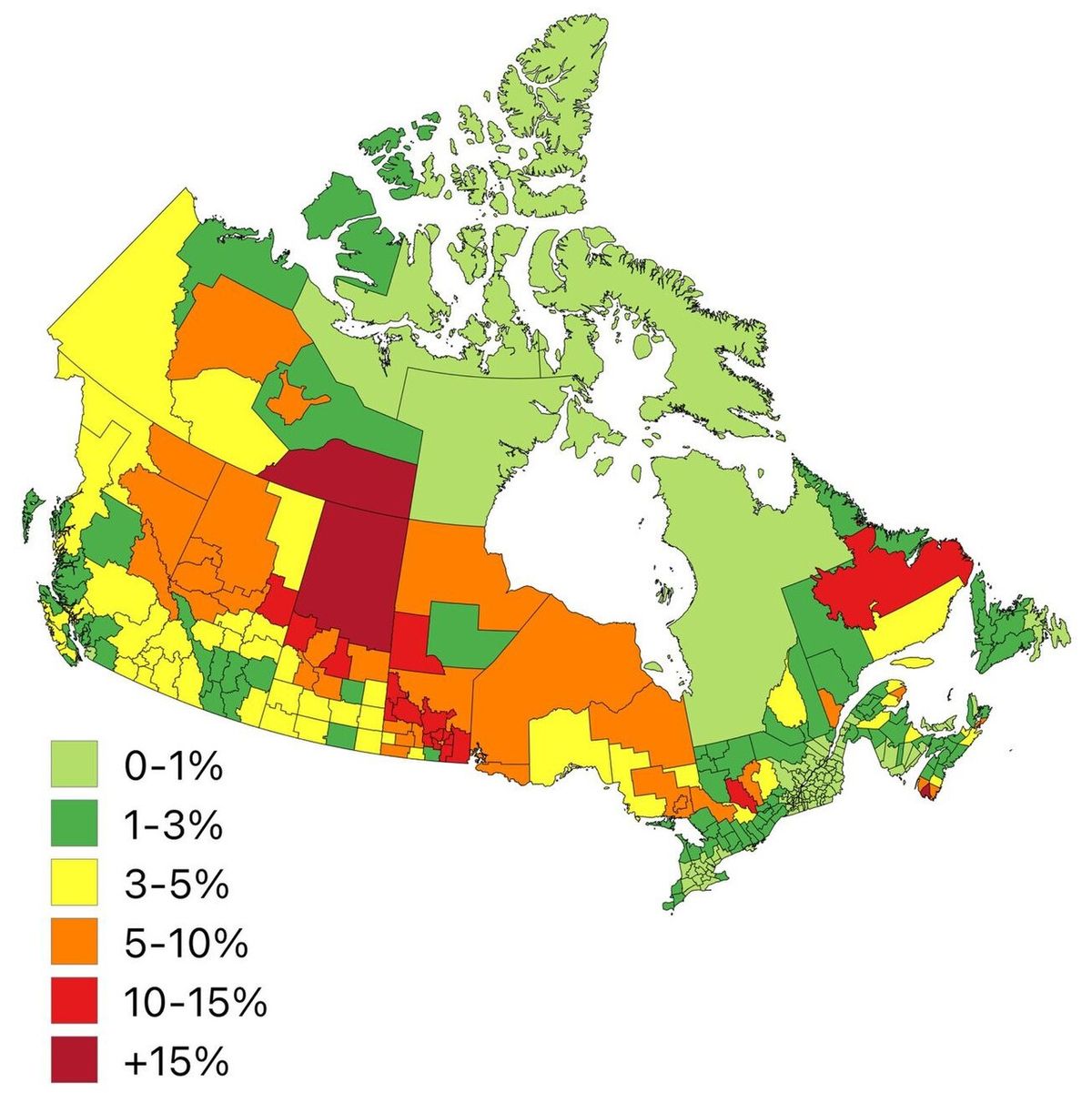
The Métis Nation Homeland is broadly defined as the areas where the Métis developed as a distinct people, encompassing Manitoba, Saskatchewan, Alberta, northwest Ontario, northeast British Columbia, the southern Northwest Territories, and parts of the northern United States. While Métis people live across Canada and the world, the majority reside within the Prairie provinces. The 2021 Canadian census recorded 624,220 people identifying as Métis, representing 35.1% of the total Aboriginal population. According to the 2016 census, 20.5 percent lived in Ontario and 19.5 percent in Alberta.
Alberta holds the only constitutionally recognized Métis land base in Canada: the eight Métis Settlements. These settlements, established primarily in east-central and northern Alberta, comprise 1.25 million acres (approximately 5,100 square kilometres) and are home to about 5,000 people. Each settlement is governed by an elected five-person council responsible for local governance, membership, and land allocation. In 2017, additional Métis lands were purchased near Fort McKay. The Métis Settlements General Council (MSGC) holds fee simple land title to this area, making it the largest land holder in Alberta other than the Crown.
Programs, Services, and Economic Development
Provincial Métis governments administer a wide array of programs and services designed to support their citizens' well-being and economic prosperity. These initiatives are crucial for cultural continuity, community health, and closing socio-economic gaps. The Métis Nation of Ontario, for example, operates a One MNO Navigator service as a single point of contact for assistance. Its branches deliver education and training programs, healing and wellness services, and support across the housing continuum from homelessness prevention to homeownership.
Economic development is a key focus, with organizations providing targeted support for Métis entrepreneurs and businesses. The Métis Voyageur Development Fund offers financing and business development support for Métis-owned businesses in Ontario. Métis Nation British Columbia's Ministry of STEPS connects citizens with grants, bursaries, and scholarships for employment and education. Common program areas across provinces include early learning and child care benefits, post-secondary education scholarships, health programs including mental health support, cultural preservation and language revitalization projects, and consultation related to land and resource development. The 1996 Report of the Royal Commission on Aboriginal Peoples stated that what distinguishes Métis people is that they associate themselves with a culture that is distinctly Métis.
Legal Recognition and Contemporary Issues
The Métis achieved constitutional recognition as one of Canada's Aboriginal peoples under Section 35 of the Constitution Act, 1982. This recognition was further clarified by Supreme Court decisions, including R. v. Powley (2003), which established the modern test for Métis identity and hunting rights, and Daniels v. Canada (2016), which confirmed that Métis and non-status Indians are "Indians" under section 91(24) of the Constitution. However, unlike many First Nations, the Métis did not historically sign treaties with Canada, with the exception of an un-implemented adhesion to Treaty 3 in Ontario.
A significant contemporary issue is the debate around identities in Eastern Canada. Scholars and leaders of the historic Métis Nation, such as Manitoba Métis Federation President David Chartrand, assert that there are no distinct, historic Métis communities in the Maritimes or Quebec. They argue that individuals with mixed ancestry in those regions integrated into either Indigenous or European settler communities. This contrasts with a sharp rise in self-identification as Métis in Eastern Canada. The Métis National Council has rejected the idea of new Ontario Métis communities and in 2020 suspended the membership of the Métis Nation of Ontario over citizenship registry concerns. Meanwhile, the recognized Métis governments continue to advance self-government agreements and secure the integrity of their citizenship registries.
Questions about Métis
Who are the Métis?
The Métis are a distinct Indigenous people in Canada with a unique history, culture, and identity. They arose from the fur trade in the late 1700s as the children of First Nations women and European fur trade employees. They are one of three constitutionally recognized Aboriginal peoples in Canada, alongside First Nations and Inuit. The Métis Nation refers specifically to the historic community that originated in the Red River Valley and organized politically in the 19th century. Their ancestry is primarily Cree, Ojibwe, Saulteaux, and Nakoda with French, Scottish, and English forebears.
What language do the Métis speak?
The heritage language of the Métis Nation is Michif, a unique language that typically combines Cree verbs and grammar with French nouns. Heritage Michif is critically endangered. Other dialects include French Michif and Bungi, a creole with Cree, Ojibwe, and English elements. Most Métis today speak Canadian English, with Canadian French as a strong second language. The Métis also historically spoke Indigenous languages like Cree, Anishinaabemowin, and Denésoliné.
Do the Métis have treaty rights or a land base?
The Métis did not sign historical treaties with Canada, except for an un-implemented adhesion to Treaty 3 in Northwest Ontario. Their rights are recognized and affirmed under Section 35 of the Constitution Act, 1982. Alberta is the only province with a constitutionally recognized Métis land base: the eight Métis Settlements, comprising 1.25 million acres and governed by the Métis Settlements General Council. In 2017, the Fort McKay Métis purchased additional lands from the Government of Alberta.
Who was Louis Riel and why is he important?
Louis Riel (1844 to 1885) was a Métis leader, the founder of Manitoba, and a defender of Métis rights and culture. He led the Red River Resistance in 1869-70, which resulted in the creation of Manitoba through the Manitoba Act of 1870. He later led the Northwest Resistance in 1885 in Saskatchewan. After its defeat, he was executed by the Canadian government on November 16, 1885. In 1992, Parliament passed a resolution recognizing Riel as the founder of Manitoba.
What is the difference between Métis and métis?
The term Métis with an uppercase 'M' refers specifically to the Métis Nation, a distinct Indigenous people with a shared history, culture, and ancestral connection to a historic homeland primarily in Western Canada. This identity involves self-identification, historic community ties, and acceptance by the Métis Nation. The lowercase 'm' métis is an old French adjective meaning 'mixed,' historically used to describe any person of combined European and Indigenous ancestry. It is now considered a racial categorization, not an ethnic or national identity.
How are the Métis governed today?
The Métis are represented by democratically elected provincial governing bodies. The Métis National Council (MNC), founded in 1983, is the national representative body, though the Manitoba Métis Federation withdrew in 2021. Provincial members include the Métis Nation of Ontario, Métis Nation British Columbia, Métis Nation-Saskatchewan, and the Métis Nation of Alberta. The Congress of Aboriginal Peoples also represents some Métis. These organizations provide programs, advocate for rights, and work on self-government agreements like the 2019 agreement with the Métis Nation of Ontario.
Sources and further reading
- Métis (Wikipedia)
- Métis Nation of Ontario (MNO) | Métis People & Communities (metisnation.org)
- Frequently Asked Questions (indigenouspeoplesatlasofcanada.ca)
- Métis Nation British Columbia, Developing & Enhancing ... (mnbc.ca)
- Métis Nation Saskatchewan (mns.ca)
Checked by the Nosy Mag desk. Last updated 2026-10-26.