Inuktitut syllabics
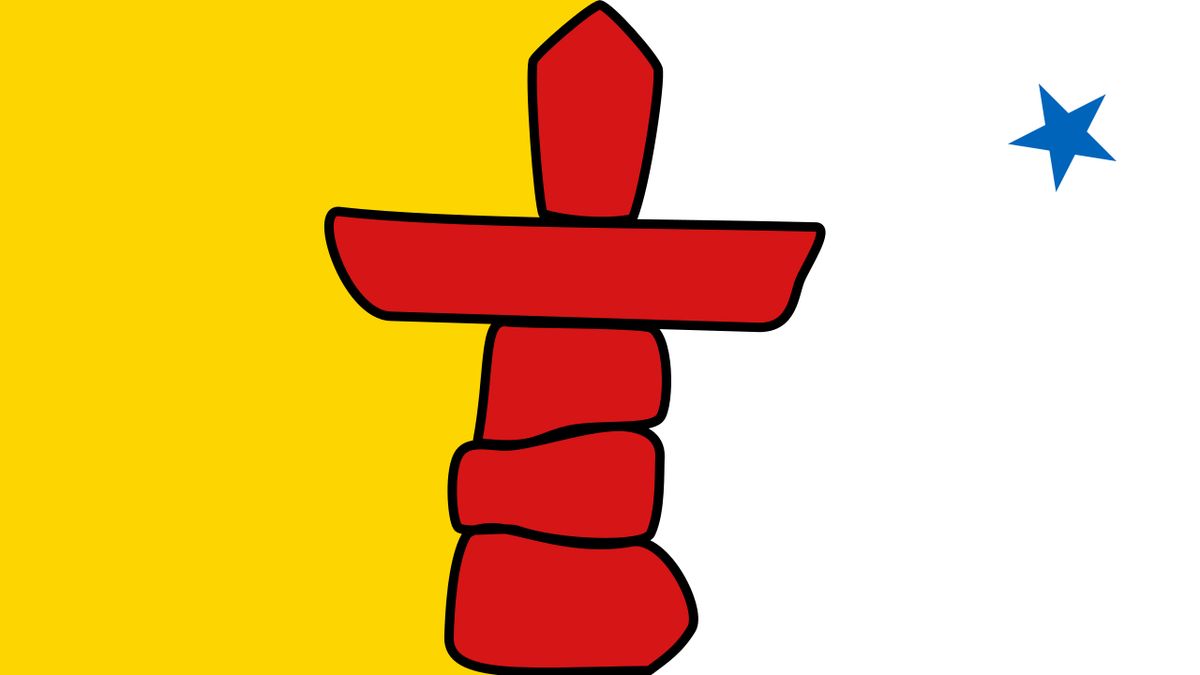
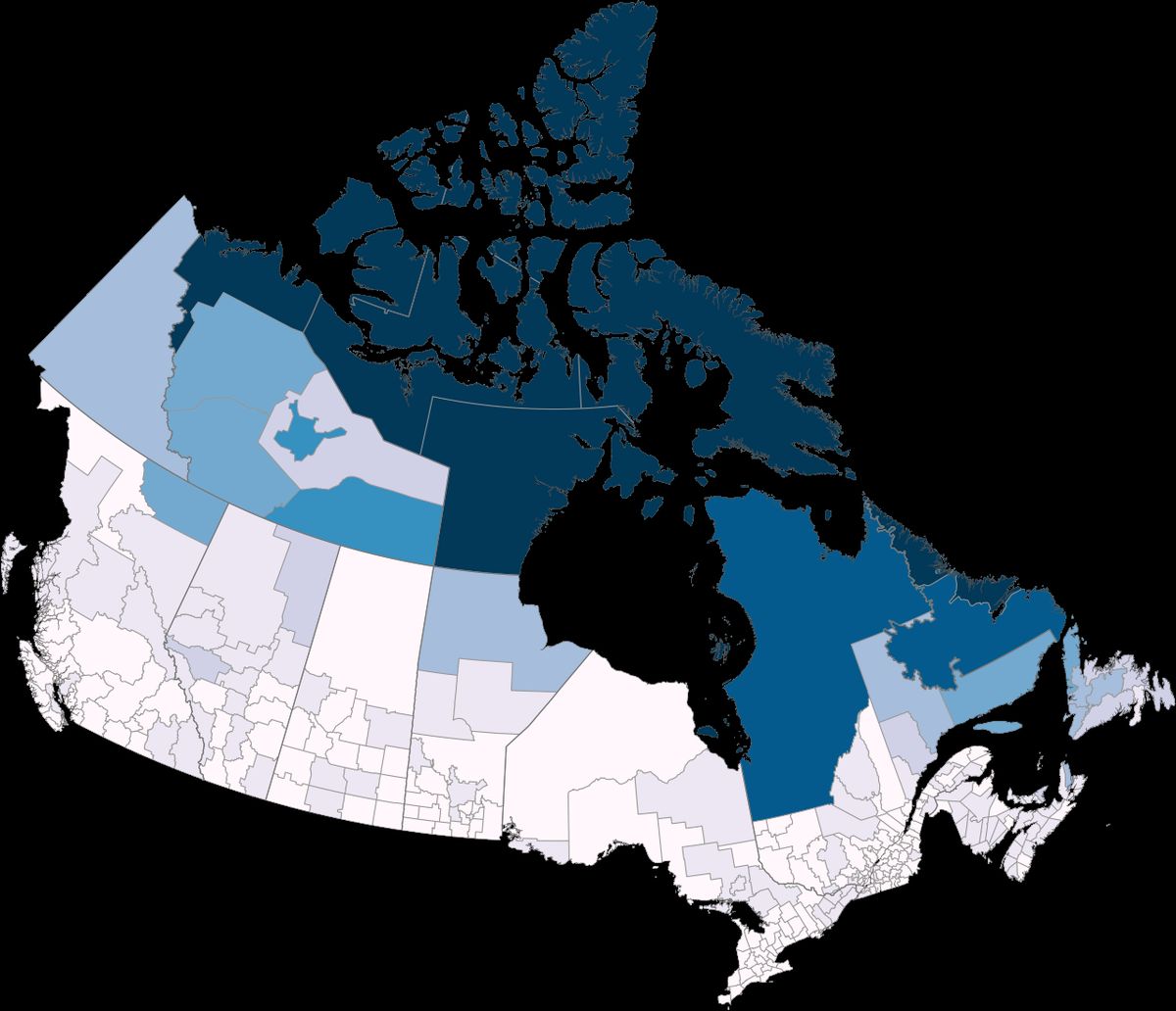
Inuktitut syllabics, known in Inuktitut as qaniujaaqpait or titirausiq nutaaq, is an abugida writing system used to write Inuktut, the Inuit language, across Inuit Nunangat in Canada. Co-official with the Latin script since 1976, it is a culturally significant adaptation of Canadian Aboriginal syllabics, primarily used in Nunavut and the Nunavik region of Quebec. The system represents consonant-vowel combinations as single, rotatable glyphs, a distinctive feature that aids in learning and typesetting. Its continued use and evolution, including recent unification efforts, are central to Inuit cultural identity and language revitalization across the Canadian Arctic.
Historical Development and Missionary Influence
The written form of Inuktitut emerged in the mid-19th century through the work of Christian missionaries, who introduced two distinct orthographic traditions. The first written form in what is now Canada was developed by Moravian missionaries in northern Labrador (Nunatsiavut) starting in 1771, using a roman orthography similar to that used in Greenland. In the central and eastern Arctic, a different system took root based on Canadian Aboriginal syllabics. The adaptation of this syllabic script occurred in November 1865, when Anglican missionaries John Horden and Edwin Arthur Watkins met in London to adapt the existing Cree syllabic script, originally developed by James Evans in 1845, for use with the Inuktitut language. This adapted script was first used to print an eight-page pamphlet of gospel selections for the Inuit at Fort George, produced by Horden at Moose Factory in 1855-56.
In the 1870s, Anglican missionary Edmund Peck became a foremost promoter of this syllabic system, using it for translating parts of the Bible, the Book of Common Prayer, and hymns for Inuit in northern Quebec (Nunavik). Peck later founded the first Anglican mission on Baffin Island at Blacklead Island in 1894, further spreading syllabics throughout the central Arctic. This missionary history created strong regional attachments to the syllabic script, particularly within church literacy practices, which persist as a key part of its cultural significance today. The first book printed in Inuktitut using this script was an eight-page pamphlet known as Selections from the Gospels in the dialect of the Inuit of Little Whale River.
Structure and Function of the Script
Inuktitut syllabics is classified as an abugida, a writing system where each basic character represents a consonant-vowel (CV) syllable. Its most distinctive mechanical feature is that the vowel sound is indicated by rotating or reflecting the base consonant shape, dramatically reducing the number of unique glyphs a learner or typesetter must master. The basic set includes characters for syllables ending in the vowels a, i, u, and in some dialects, ai. Final consonants, which are not part of a CV pair, are denoted by a superscript or small version of the character for that consonant combined with the vowel a. For example, a geminate consonant like -kku- is written by placing the final consonant symbol before the CV syllabic, rendered as ᒃᑯ.
Long vowels are marked with a dot diacritic placed on the syllabic character, which corresponds to doubling the vowel in roman orthography transcription. The script is designed for the phonological structure of Inuktitut, which has a relatively small inventory of consonants and a simple vowel system. This efficiency made it highly suitable for rapid adoption and literacy. The system can be digitally encoded using the Unicode standard within the Unified Canadian Aboriginal Syllabics block, allowing for modern digital communication and publishing. The alternative Latin-based writing system is named qaliujaaqpait, deriving from the word qaliit describing markings or grain in rocks.
Modern Standardization and the Unification Movement
For much of its history, the use of syllabics varied by region, contributing to a fragmentation of writing systems. In 1976, the Language Commission of the Inuit Cultural Institute established syllabics as a co-official script for Inuit languages alongside the Latin script. However, inconsistencies remained. In response, national Inuit organization Inuit Tapiriit Kanatami (ITK) has spearheaded efforts to create a unified orthography. In 2019, ITK approved a new unified writing system called Inuktut Qaliujaaqpait, which expanded the older 1976 roman orthography standard to better accommodate sounds from all dialects across Inuit Nunangat.
This unification work is a core part of ITK's strategic planning. A key development was the creation of the Inuktut Costing Model, endorsed by the ITK Board of Directors in December 2023, to guide federal funding for language initiatives. The unified orthography is supported by an online converter tool and is used in publications like ITK's Inuktut Magazine, which features stories from all four Inuit regions. This standardization aims to strengthen the language for future generations while respecting regional diversity. Other missionaries, and later linguists in the employ of the Canadian and American governments, adapted the Latin alphabet to the dialects of the Mackenzie River delta, the western Arctic islands and Alaska.
- 1845: James Evans develops the original Cree syllabic script.
- 1855-56: First book in Inuktitut syllabics printed by John Horden.
- 1976: Inuit Cultural Institute makes syllabics co-official with Latin script.
- 2019: Inuit Tapiriit Kanatami approves the unified Inuktut Qaliujaaqpait orthography.
- 2023: ITK Board endorses the Inuktut Costing Model in December.
Dialectal Variations and the Ai-Pai-Tai Column
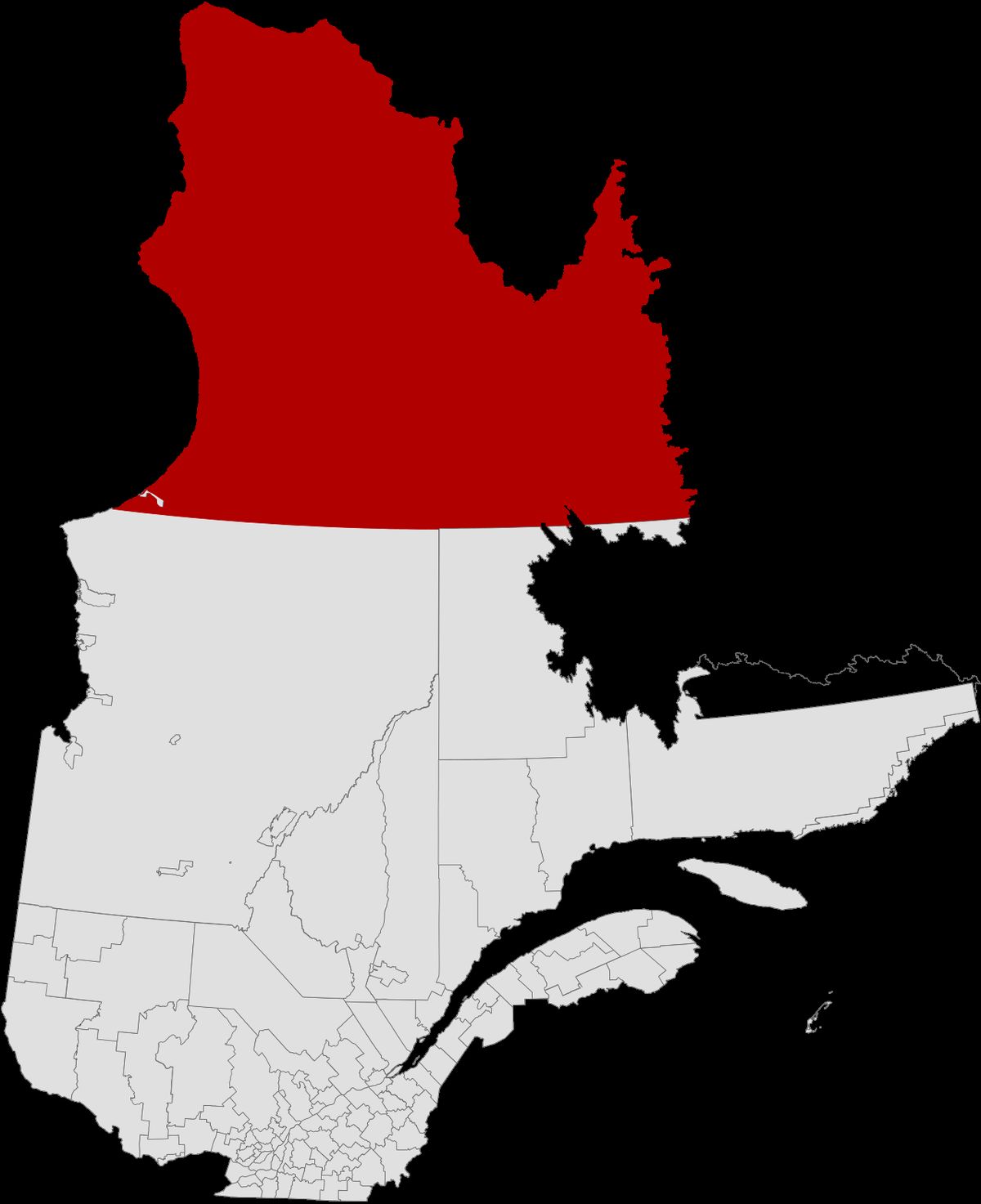
Inuktitut syllabics is not a monolithic system and exhibits important regional variations that reflect the dialectal diversity of the Inuit language family. In Canada, the Inuit population is approximately 65,000. The syllabic script is used predominantly in Nunavut and the Nunavik region of Quebec, while roman orthography is traditionally used in Labrador and the western Arctic. One of the most notable variations within the syllabic system itself is the treatment of the fourth vowel, typically representing the diphthong ai. In the 1970s, to accommodate the technical limitations of IBM Selectric typewriter balls, this fourth-vowel column was removed from the standard script for many regions.
In Nunavik, however, the ai-pai-tai column has been officially restored and remains in use. This reinstatement was championed by the Makivik Corporation, the land claim organization for Nunavik Inuit, which argued that modern digital printing and typesetting equipment no longer faces the restrictions of earlier machinery. In other regions, the ai sound is typically written by combining the a form syllabic with a stand-alone i character. This regional difference is a clear example of how practical historical constraints and contemporary advocacy shape the living script. The common diphthong ai has generally been represented by combining the a form with a stand-alone letter ᐃ i.
Legal Status and Revitalization Framework
The legal and policy landscape supporting Inuktitut syllabics and the broader Inuktut language has evolved significantly. In Nunavut, the preferred umbrella term is now Inuktut, referring to all Inuit languages spoken in Canada. The passage of the federal Indigenous Languages Act in 2019 created a new framework for support, with ITK working alongside the Government of Canada, the Assembly of First Nations, and the Métis National Council on its implementation. A major component of this framework is the Inuit Language Funding Model, part of the Indigenous Languages and Cultures Program. The four Inuit Land Claim Organizations, the Inuvialuit Regional Corporation, Nunavut Tunngavik Inc., Makivik, and the Nunatsiavut Government, are eligible for multi-year funding to execute work plans for language maintenance, revitalization, and reclamation. This model, developed in partnership with the Department of Canadian Heritage, aims to provide predictable, flexible funding directly to Inuit regions to support self-determined language priorities. The Office of the Commissioner of Indigenous Languages also plays a role in supporting innovation and research in Indigenous language initiatives.
Cultural Significance and Contemporary Use
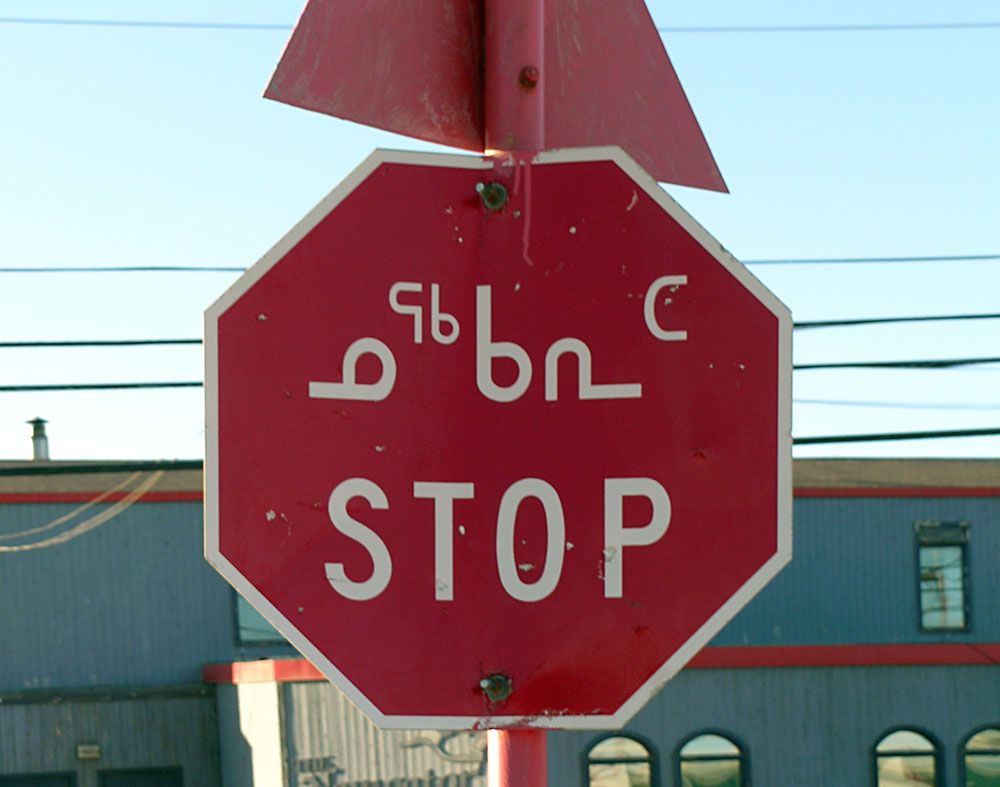
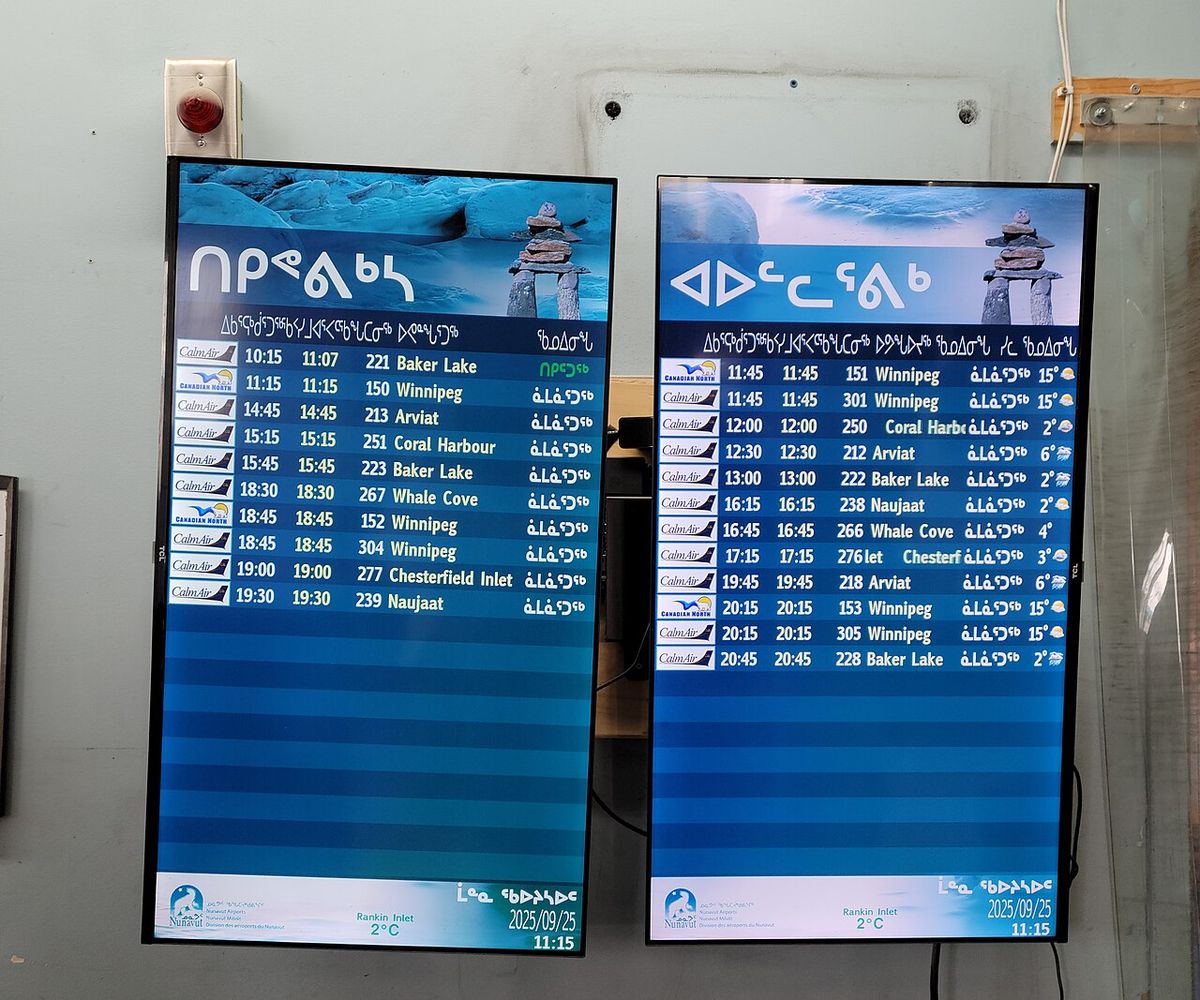
Beyond its functional role, Inuktitut syllabics holds cultural significance as a symbol of Inuit identity and resilience. Its unique, geometric appearance is instantly recognizable and is employed in public signage, government documents, literature, and art across Nunavut and Nunavik. The script's deep connection to early literacy through the church has fostered a strong emotional and social attachment, ensuring its continued use despite the parallel existence of roman orthography. The development of digital tools, from Unicode support to online conversion applications, has been crucial for its survival in the modern era, enabling use in texting, social media, and official communications.
National and regional organizations actively promote the script's use. ITK publishes its Inuktut Magazine in dialects from all four Inuit regions using the unified Qaliujaaqpait orthography. Looking forward, ITK's objectives include developing an online library of Inuktut educational resources and publishing a long-term Inuktut Policy Strategy. These efforts collectively show the script's vitality as a living writing system central to Inuit cultural sovereignty. The name qaniujaaqpait derives from the root qaniq, meaning 'mouth', while titirausiq nutaaq means 'new writing system'.
Comparative Overview of Inuit Populations and Language Context
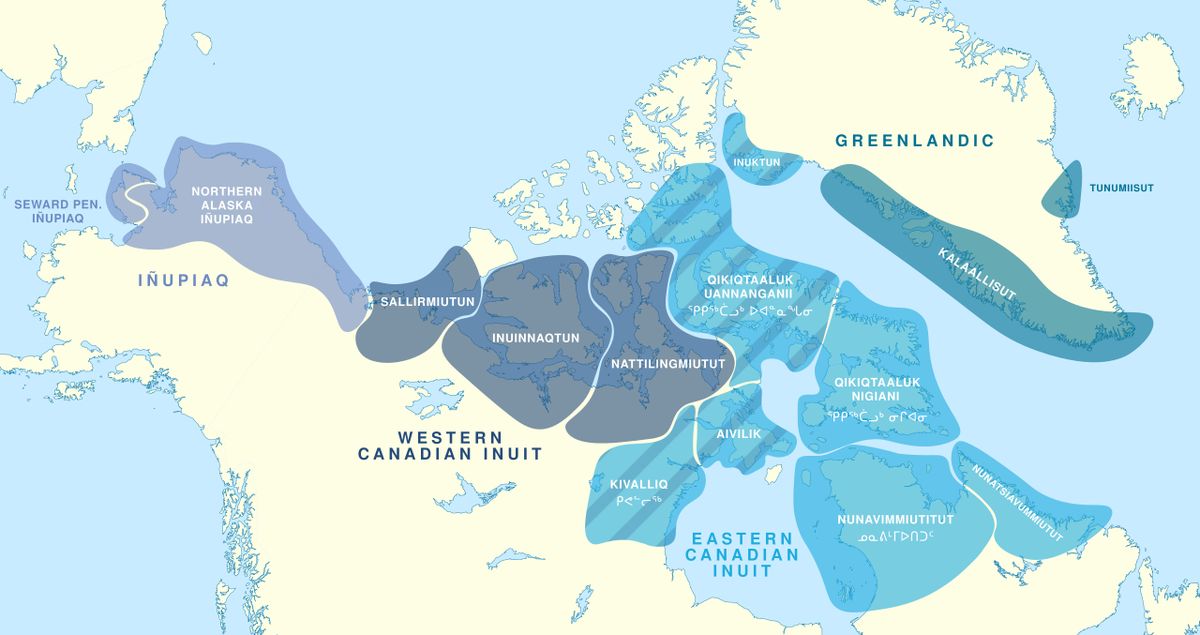
The use of Inuktitut syllabics is part of a much broader Inuit cultural and linguistic continuum that stretches from Siberia to Greenland. Globally, Inuit are divided into two major groups: the Yupik of southwestern Alaska and Russia, and the Inuit-Inupiat group which includes the Inupiat of Alaska, the Inuit of Canada, and the Inuit of Greenland. The total global Inuit population is approximately 172,000 people, with about 65,000 living in Canada, 55,000 in Greenland, 50,000 in Alaska, and 2,000 in Russia. Despite this vast geographic distribution, Inuit share remarkable linguistic and cultural similarities, as demonstrated by ethnographer Knud Rasmussen's ability to communicate across dialects during his dog team journey from Greenland to Alaska in the 1920s.
Within Canada, the term Inuktut serves as an umbrella term encompassing specific language names like Inuktitut, Inuinnaqtun, and Inuvialuktun. The promotion of syllabics is one aspect of a comprehensive effort to maintain this linguistic heritage. The following table provides a comparative snapshot of the Inuit population distribution and the primary writing systems used in different regions, highlighting the context in which syllabics operates. The old syllabics used before the 1976 reforms are called titirausiit nutaunngittut.
| Region | Approximate Inuit Population | Primary Traditional Script |
|---|---|---|
| Nunavut & Nunavik (Canada) | Majority of Canada's 65,000 | Inuktitut Syllabics (Qaniujaaqpait) |
| Labrador (Nunatsiavut, Canada) | Part of Canadian total | Roman Orthography |
| Western Arctic (Canada) | Part of Canadian total | Roman Orthography |
| Greenland | 55,000 | Roman Orthography (adapted) |
| Alaska (USA) | 50,000 | Roman Orthography |
| Russia (Chukchi Peninsula) | 2,000 | Roman Orthography (Cyrillic also used) |
Questions about Inuktitut syllabics
What is the difference between Inuktitut syllabics and the Latin alphabet for writing Inuktut?
Inuktitut syllabics (qaniujaaqpait) is an abugida writing system where each character represents a consonant-vowel combination, with the vowel indicated by rotating the base shape. The Latin-based system (qaliujaaqpait) uses a familiar alphabet to represent the same sounds. Both have been co-official since 1976, but syllabics are primarily used in Nunavut and Nunavik, while roman orthography is traditional in Labrador and the western Arctic. The unified Inuktut Qaliujaaqpait orthography approved in 2019 is a Latin-based system designed to accommodate all dialects.
How many people use Inuktitut syllabics today?
The script is used by Inuit in Nunavut and the Nunavik region of Quebec. The total Inuit population in Canada is approximately 65,000, though not all are fluent speakers or users of the syllabic script. Its use is supported by digital encoding, government policy, and active revitalization efforts by organizations like Inuit Tapiriit Kanatami. The script is one variation on Canadian Aboriginal syllabics.
Is Inuktitut syllabics hard to learn?
The system is often considered efficient to learn due to its logical structure. Because the vowel is indicated by rotating the consonant shape, learners essentially master one set of shapes for each consonant. This reduces the number of unique characters to memorize compared to a full alphabet where each sound is independent. Its design was well-suited for promoting literacy, as evidenced by its rapid adoption historically. The script is commonly presented as a syllabary.
What is being done to preserve and promote Inuktitut syllabics?
Multiple initiatives are underway. The Inuit Tapiriit Kanatami (ITK) approved a unified writing system in 2019 and is working on a long-term policy strategy. The federal Indigenous Languages Act (2019) and the Inuit Language Funding Model provide a framework and resources for revitalization. Land claim organizations develop regional work plans, and digital promotion includes ITK's online orthography converter and magazine published in unified orthography. External resources include interactive syllabic charts with sound.
Can I type Inuktitut syllabics on a computer or smartphone?
Yes, Inuktitut syllabics are fully supported in the digital age. The script is encoded in the Unicode standard within the Unified Canadian Aboriginal Syllabics block, meaning it can be displayed and input on most modern operating systems, smartphones, and websites. Specialized keyboard layouts and conversion tools are available. The Inuit Tapiriit Kanatami provides an online converter tool for its unified orthography. Interactive syllabic charts are also available online.
Who created the Inuktitut syllabic writing system?
The Inuktitut syllabic writing system was adapted from the Cree syllabic script by Anglican missionaries. The Cree script was originally developed in 1845 by Methodist missionary James Evans. In November 1865, Anglican missionaries Edwin Arthur Watkins and John Horden met in London under Henry Venn's direction to adapt Cree syllabics to the Inuktitut language. Another Anglican missionary, Edmund Peck, started printing according to that standard in the 1870s and later introduced the syllabary to Inuit in Nunavik and Baffin Island. The first printed pamphlet was for the Inuit at Fort George.
Sources and further reading
- Inuktitut syllabics (Wikipedia)
- Inuktut writing systems (indigenouspeoplesatlasofcanada.ca)
- Inuktitut Resources, Education, Culture and Employment (ece.gov.nt.ca)
- Inuktut Language Initiatives (itk.ca)
Checked by the Nosy Mag desk. Last updated 2026-10-23.