Indigenous peoples of the Subarctic
The Indigenous peoples of the Subarctic are the First Nations whose traditional territories encompass the vast boreal forest region south of the Arctic tundra in North America. This immense cultural area, spanning from interior Alaska across the Canadian Shield to Labrador, is home to diverse nations primarily from the Algonquian and Athapaskan (Dene) language families. For millennia, these peoples have developed distinct cultures deeply adapted to the northern environment, centred on hunting, fishing, and a deep relationship with animals like the caribou. Their histories, languages, and ongoing presence are integral to understanding the social and cultural fabric of Canada, particularly in the northern regions where they continue to assert their rights and sustain their traditions amidst modern challenges.
Geography and Environment
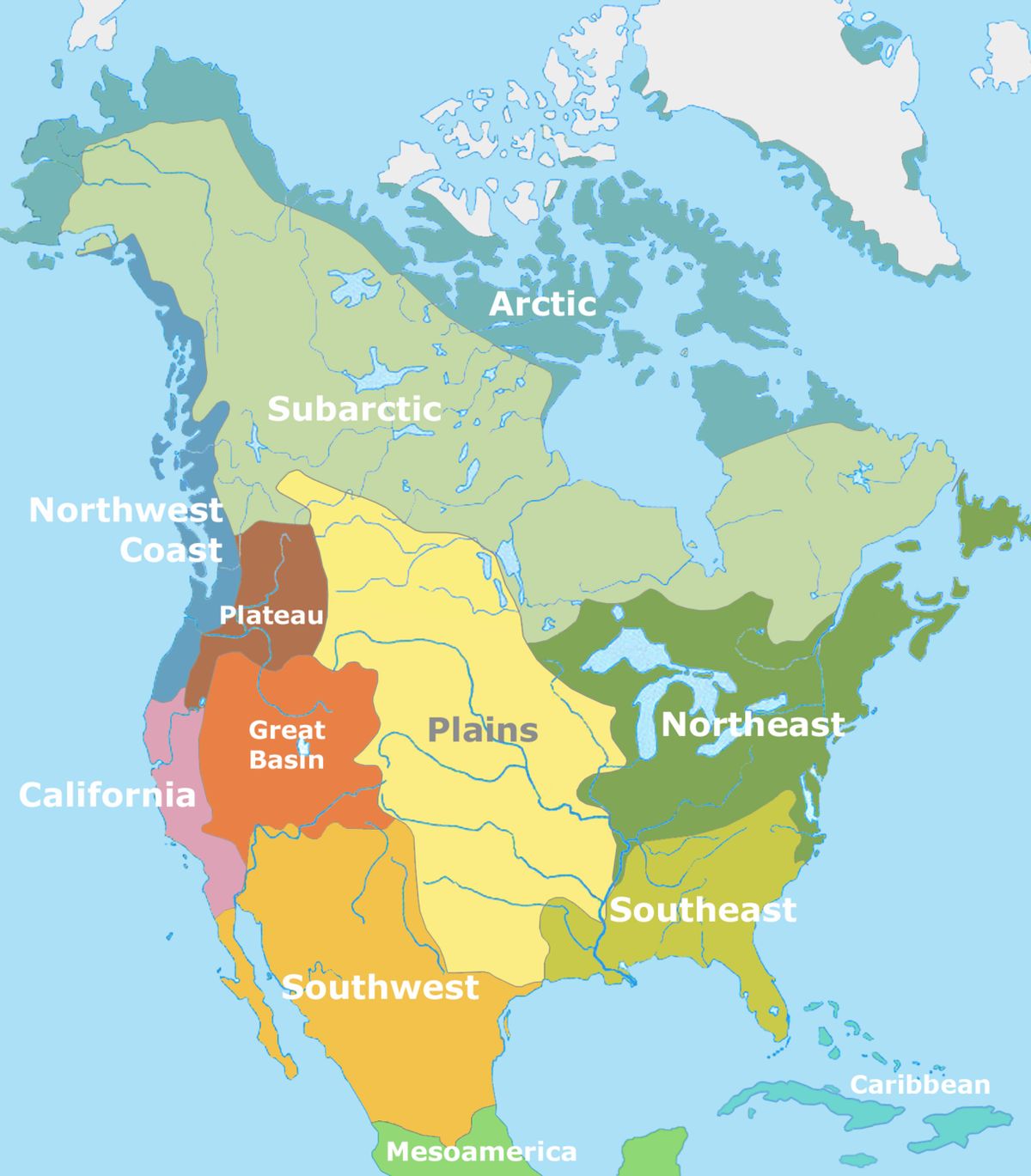
The Subarctic cultural region is defined by a sprawling zone of boreal forest covering approximately five million square kilometres. It extends from the Arctic tundra in the north to the mountains, plains, and deciduous forests further south, and stretches from the Bering Sea in the west to the coast of Labrador in the east. A dominant geographical feature is the Canadian Shield, which underlies about three-quarters of the region, alongside the lowlands surrounding Hudson Bay and the Mackenzie River. This landscape is characterized by a dense network of countless lakes and rivers, with western mountain ranges and plateaus adding to its physical diversity. The environment provided a rich but demanding base for human life, with its resources shaping the subsistence patterns and mobility of its Indigenous inhabitants. The region's vast forests and waterways were the central arena for cultural development and intergenerational knowledge, supporting life through its animal populations and fish species.
Linguistic and Cultural Diversity
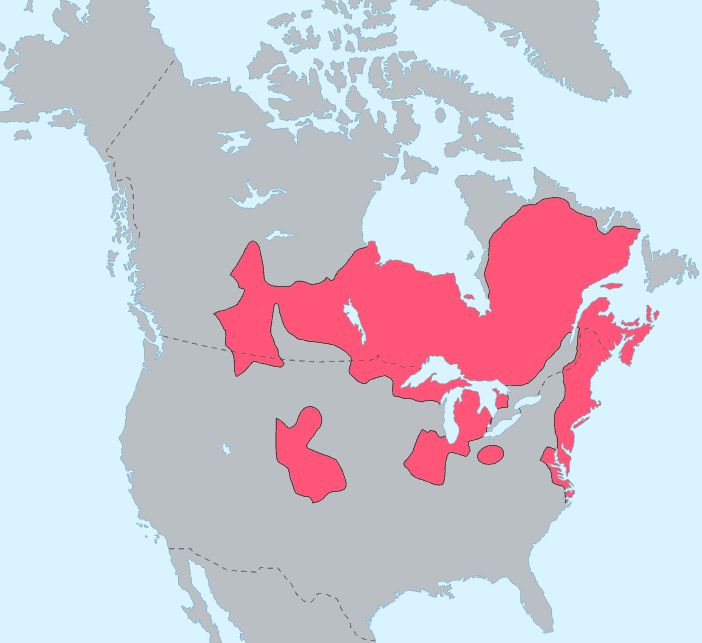
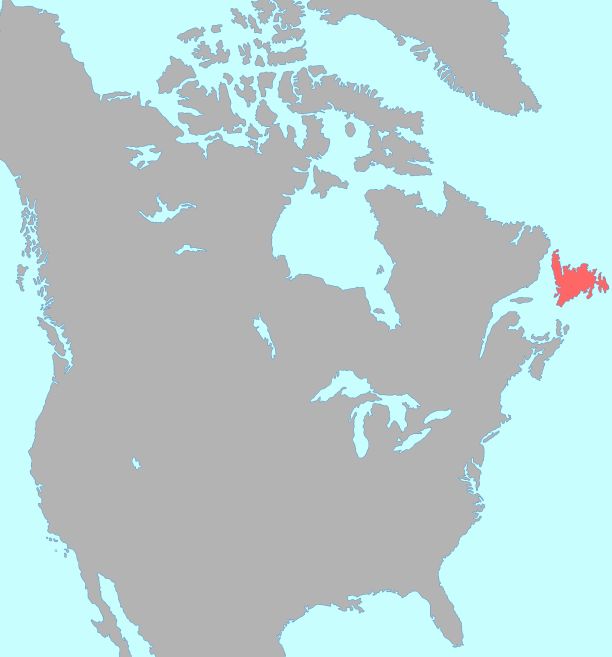
The Indigenous peoples of the Subarctic are represented by two major language families, reflecting a broad cultural and linguistic diversity within the region. In the Eastern Subarctic, peoples predominantly speak languages belonging to the Algonquian family, including various Cree dialects, Ojibwe, Atikamekw, and Innu. The now-extinct Beothuk of Newfoundland also inhabited this area, though their language's affinity remains uncertain. In contrast, the peoples of the Western Subarctic are generally part of the Athapaskan language family, commonly referred to as Dene, which means 'the people'. Linguists have identified more than 20 distinct Northern Dene languages within this western area, including Alaska, revealing greater linguistic variety than in the east, likely due to the region's more diverse physical geography. These language families encompass numerous distinct nations, each with its own identity, yet neighbouring groups often shared similar subsistence strategies and cultural practices based on their environment. The social organization was typically based on bands, which were groups of people connected by kinship, language, and shared traditions, who moved together across their territories to follow seasonal resources.
The major ethnic and linguistic groups within the Subarctic include the Dene, Cree, Ojibwe, Atikamekw, and Innu. These groups belong to two major language families: Algonquian and Athapaskan. Algonquian peoples, such as the Cree, Ojibwe, Atikamekw, and Innu, tend to live in the eastern Subarctic. Athapaskan peoples, also known as Dene, live more in the western Subarctic and include groups like the Chipewyan, Beaver, Slave, and Kaska.
- Algonquian Peoples: Cree, Ojibwe (Anishinaabe), Atikamekw, Innu (Montagnais-Naskapi), Beothuk.
- Athapaskan (Dene) Peoples: Dene Nation (encompassing groups like the Tłı̨chƧ, Chipewyan, Gwich’in, Dene Tha', Dehcho, Sahtú), Tlingit, Tahltan, Tutchone, Kaska, Dane-zaa (Beaver), Sekani, and T'atsaot'ine.
- Other Groups: The list also includes Ahtna, Deg Hit'an (Deg Xinag), Han, and Slavey nations, among others.
This collection of nations, each with its own history and dialect, constitutes the human composition of the Subarctic. There are over 30 Indigenous languages in the Subarctic region. Linguists have identified more than 20 different Northern Dene languages within the Western Subarctic. This linguistic and cultural diversity continues to be expressed and revitalized today through language programs and cultural events.
Traditional Subsistence and Technology
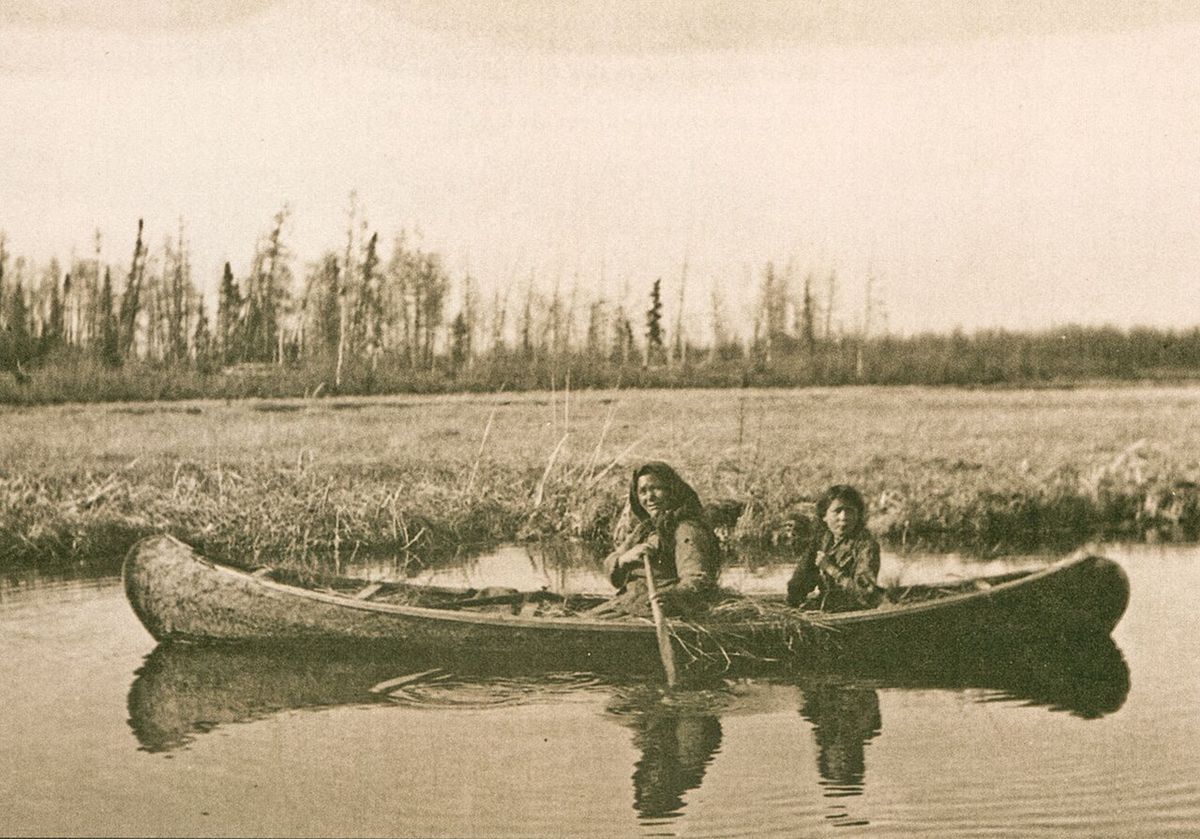
Life in the Subarctic was sustained by a sophisticated seasonal round of hunting, fishing, trapping, and gathering, as agriculture was not viable in this northern climate. Men primarily undertook big-game hunting for animals such as caribou, moose, black bear, and Dall sheep in the mountains, employing a range of techniques and tools. These included bows and arrows, various traps and snares, and communal strategies like caribou drives using drift fences and pounds that involved most adult members of a band. Women played crucial roles in snaring smaller game like hare, fishing, and the extensive processing of resources, and their responsibilities included cutting and drying meat, tanning hides, and sewing clothing and shelter from animal skins. Fishing was a vital activity across the region, with people using dip nets, gill nets, spears, and hooks to catch abundant species like whitefish, pike, lake trout, and, in Pacific areas, salmon. The harvest was preserved through drying and smoking, and in the northwest, berries were often mixed with fat and fish or pounded meat to make nutrient-dense pemmican, a staple food that could be stored for long periods and used during winter travel.
Key traditional technologies and food sources included caribou, which provided food, clothing, shelter, and tools. People also used moose, black bear, beaver, hare, and fish like whitefish, pike, and lake trout. Hunting implements included bows, arrows, traps, snares, and caribou drift fences. People caught fish with dip and gill nets, traps, spears, and hook and line.
- Hunting Implements: Bows, arrows, deadfalls, caribou pounds.
- Fishing Methods: Gill nets, fish traps, spears.
- Primary Game Animals: Caribou, moose, beaver, hare, muskox (less common).
- Fish Species: Lake trout, whitefish, grayling, pike, Pacific salmon.
- Food Preservation: Sun-drying meat, making pemmican, storing berries in ground pits.
- Containers: Bags and containers made from caribou rawhide (babiche), birchbark, and coiled spruce roots.
This intimate knowledge of the land and its species allowed Subarctic peoples to thrive. They developed a material culture perfectly suited to their needs for mobility, warmth, and sustenance. Women were skilled in preparing meat for drying, hide tanning, and sewing. They made cooking and storage containers of skins, birchbark, or coiled spruce root basketry. Caribou rawhide was used to make babiche bags, and moosehair and porcupine quill embroidery were worked onto hides and birchbark.
Material Culture and Arts
The material culture of Subarctic peoples was both functional and artistic, utilizing available resources with great skill. The caribou was of central importance, providing not only food but also the raw materials for clothing, shelter, and tools such as the babiche bag made from its rawhide. Clothing was tailored from tanned hides, often decorated with quillwork and embroidery, and women were the primary artisans in this work, using dyed porcupine quills to create geometric patterns on hide and birchbark. Moosehair embroidery was another distinctive art form practiced in the region, and after European contact, glass beads became widely adopted and were sewn into elaborate floral designs that became characteristic of Subarctic regalia. Other crafts included the creation of durable cooking and storage containers from birchbark and the weaving of baskets from spruce roots, while artistic expression also extended to ceremonial life where some groups used painted wooden masks during rituals. Some nations carved hunting charms from materials like walrus tusk to ensure success and show respect for the animal spirits, demonstrating a spiritual connection to the resources they depended upon for survival.
Historical and Contemporary Demographics
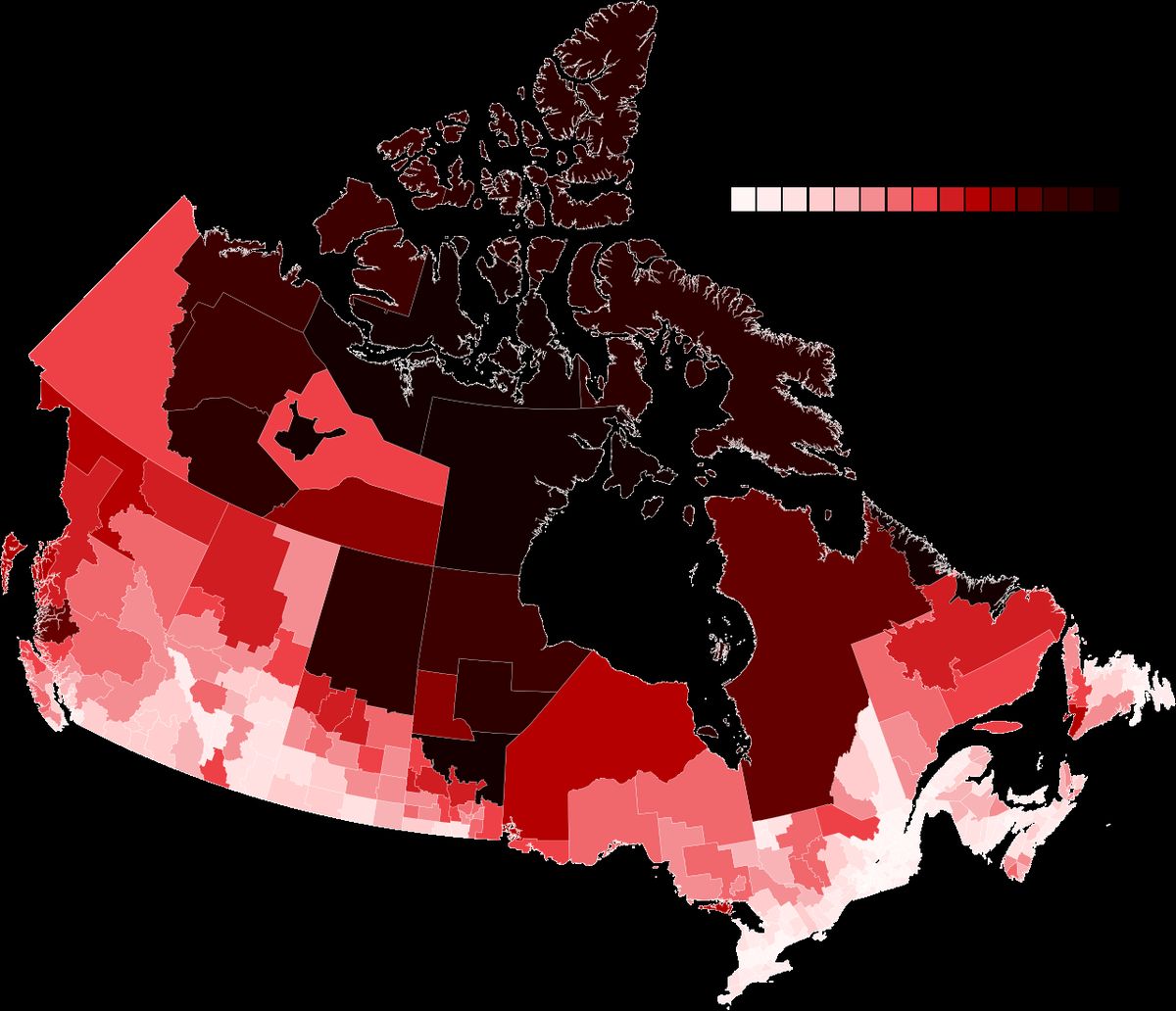
Indigenous peoples have inhabited the Subarctic and Arctic for thousands of years, with ancestors crossing the Bering Strait from Asia between 15,000 and 20,000 years ago. Today, Indigenous peoples constitute a significant portion of the population in northern regions, though they remain a minority overall, and it is estimated that Indigenous people make up about 10 percent of the total population living in Arctic areas. There are over 40 different ethnic groups across the circumpolar North, including those in the Subarctic, and in Canada, the Subarctic is one of six broad cultural areas used to understand the diversity of First Nations. Population growth in the north saw significant increases during the mid-20th century due to improved healthcare and resource development, though growth rates have since slowed or declined in some areas like the Russian North. Settlement patterns are characterized by small, widely scattered communities, with an estimated two-thirds of the Arctic's total population living in relatively large settlements, and the 2021 Canadian Census provides detailed profiles of the Indigenous identity population, showing its distribution across the provinces and territories that encompass the Subarctic region.
| Demographic Context | Estimate or Fact |
|---|---|
| Approximate Indigenous share of Arctic population | 10% |
| Number of ethnic groups in the Arctic (approx.) | Over 40 |
| Primary settlement pattern | Small, scattered communities |
| Proportion in larger settlements (approx.) | Two-thirds |
| Key data source in Canada | Census of Population (e.g., 2021) |
| Federal statistical support program | Indigenous Statistical Capacity Development Initiative |
Organizations like Statistics Canada work with Indigenous communities through programs like the Indigenous Liaison Program. This program serves as a bridge between Statistics Canada and First Nations, Métis and Inuit communities and Indigenous organizations. The Indigenous Statistical Capacity Development Initiative provides training to develop statistical capacity. This training is intended for and offered to First Nations, Métis and Inuit participants, communities, and Indigenous organizations.
Modern Life, Challenges, and Resilience
Contemporary life for Subarctic Indigenous peoples blends modern technology with enduring cultural practices, and while many live in modern communities, traditional activities remain vital for cultural, economic, and dietary reasons. Snowmobiles are commonly used for travel and hunting, and GPS technology aids in navigation, demonstrating adaptation to new tools, but significant challenges threaten both their traditional ways of life and their communities. Climate change is having a deep impact, causing rapid weather shifts, thinning ice, and more severe storms that make hunting and travel more dangerous, and the disappearance of sea ice also affects species like seals and caribou, disrupting traditional harvests. Industrialization and resource extraction present ongoing concerns regarding land use, environmental contamination, and rights to territory, and in response, there has been substantial political organization among Indigenous peoples, leading to greater international recognition of their human and political rights. Land claims and self-government agreements are critical tools for asserting control over traditional territories and resources, and culturally, there are vigorous efforts to sustain and revitalize languages, knowledge, and arts, such as the development of language-learning apps by groups like the Inuvialuit. National Indigenous Peoples Day on June 21, which will mark its 30th anniversary in 2026, is a nationwide celebration of these diverse cultures and their resilience, featuring events that highlight traditional music, dance, and foods.
Political Organization and Rights
The political organization of Subarctic Indigenous peoples has been a powerful force for change and recognition in recent decades, and groups have formed representative bodies at regional, national, and international levels to advocate for their rights. In Canada, organizations like the Congress of Aboriginal Peoples (CAP) represent the interests of off-reserve status and non-status Indians, Métis, and Southern Inuit, and CAP held its 54th Annual General Assembly in Ottawa in September 2025, highlighting ongoing political engagement. Internationally, Arctic Indigenous groups have achieved status as Permanent Participants at the Arctic Council, giving them a formal voice in circumpolar policy discussions on issues like environmental protection and sustainable development. The central political issues consistently involve rights to land, sea, and natural resources, which are seen as fundamental to cultural survival and economic self-sufficiency, and the negotiation and implementation of comprehensive land claim and self-government agreements, such as those with various Dene nations, are concrete manifestations of this struggle for autonomy. These political movements are rooted in the distinct historical connection Indigenous peoples have to their traditional territories and are a direct response to the pressures of state policies and globalization that have affected their communities for generations.
Questions about Indigenous peoples of the Subarctic
Who are the Indigenous peoples of the Subarctic?
The Indigenous peoples of the Subarctic are the aboriginal peoples of the Subarctic regions of the Americas, located south of the true Arctic. This includes the interior of Alaska and the western and eastern Canadian Shield. They comprise numerous distinct ethnic and linguistic groups, including the Dene, Cree, Ojibwe, Atikamekw, and Innu. These groups are traditionally organized into bands and have historically lived by hunting, fishing, trapping, and gathering. The Subarctic is one of six cultural areas within what is now Canada, characterized by its vast boreal forest zone.
What languages do Subarctic Indigenous peoples speak?
Subarctic Indigenous peoples speak over 30 languages falling into two major language families: Algonquian and Athapaskan. Algonquian peoples, including the Cree, Ojibwe, Atikamekw, and Innu, tend to live in the eastern Subarctic. Athapaskan peoples, also known as Dene, live more in the western Subarctic and include groups such as the Chipewyan and Gwich'in. Linguists have identified more than 20 different Northern Dene languages within the Western Subarctic. Many of these Indigenous languages in Canada are now considered endangered.
How did Subarctic peoples traditionally survive in the harsh environment?
Indigenous peoples in the Subarctic traditionally survived by hunting, fishing, trapping, and gathering wild plants. They relied on animals like caribou, moose, and fish for food, clothing, and tools. Hunting implements included bows, arrows, traps, and snares, while fish were caught with nets, spears, and hooks. Caribou was particularly central, providing materials for items like babiche bags made from rawhide. People preserved food by drying meat and berries, sometimes making pemmican. This subsistence lifestyle was perfectly adapted to the forested, lake dotted environment of the Canadian Shield.
What is the population of Indigenous peoples in the Subarctic and Arctic?
The proportion of Indigenous people is estimated to be about 10 percent of the total population living in Arctic areas. There are over 40 different ethnic groups living in the Arctic, which includes Subarctic regions. Using a broad definition, approximately 13.1 million people live in the circumpolar North. Settlement is characterized by small, widely scattered communities, with an estimated two thirds of the total Arctic population living in relatively large settlements. Population growth in the Arctic has slowed recently, with some areas like the Russian North experiencing decline.
What are the biggest challenges facing Subarctic Indigenous peoples today?
Subarctic Indigenous peoples face significant challenges including climate change, which impacts traditional harvesting by causing rapid weather changes and thinning ice. Industrialization, social change, and environmental problems present threats to their traditional livelihoods and culture. Issues such as contaminants, land use, and access rights to land and sea are ongoing concerns. However, there is also political organization and advocacy for rights. Indigenous peoples are working to maintain their distinct languages, cultures, and connection to the land despite these pressures and the globalization of western lifestyles.
How is National Indigenous Peoples Day connected to these peoples?
National Indigenous Peoples Day is a time to recognize and celebrate the traditions, cultures, and contributions of First Nations, Inuit, and Métis peoples, which includes the diverse Subarctic Indigenous groups. The day highlights their rich heritage, such as traditional arts like moosehair and porcupine quill embroidery on hides and birchbark. It serves as a platform for education about their history and contemporary lives. In 2026, the day will mark its 30th anniversary, showing its role in fostering national recognition for all Indigenous peoples in Canada.
Sources and further reading
- Indigenous peoples of the Subarctic (Wikipedia)
- Subarctic Indigenous Peoples in Canada (thecanadianencyclopedia.ca)
- Indigenous Peoples, Arctic Centre (arcticcentre.org)
- Native People of the Arctic and Subarctic (kids.nationalgeographic.com)
- Statistics on Indigenous peoples (statcan.gc.ca)
Checked by the Nosy Mag desk. Last updated 2026-10-30.