Indigenous cuisine of the Americas
Indigenous cuisine of the Americas encompasses the diverse foodways and culinary practices developed by the Indigenous peoples of North, Central, and South America over millennia. It is defined by a connection to local ecosystems, utilizing a vast array of native ingredients like corn, beans, squash, wild game, fish, and foraged plants. This cuisine is foundational to the broader food culture of the Americas, having introduced staples such as tomatoes, potatoes, chocolate, and turkey to the world. In Canada, the revitalization of Indigenous food systems addresses both cultural reclamation and issues of food sovereignty and health in First Nations, Métis, and Inuit communities.
Foundations and Regional Diversity
Indigenous cuisine is not a single tradition but a collection of distinct regional foodways shaped by local geography, climate, and culture. Across the Americas, communities developed specific culinary identities based on available resources, with over 574 federally recognized tribes in the United States alone contributing to this diversity. The most important agricultural contribution is the triad of maize, beans, and squash, known as the Three Sisters, which were cultivated together using complementary planting techniques that enriched the soil. Beyond agriculture, foraging, hunting, and fishing provided essential diversity, with diets reflecting the local biome. In the Pacific Northwest, traditional diets centred on salmon, other fish, seafood, mushrooms, berries, and meats like deer and rabbit, relying on year-round abundance rather than seasonal agriculture. The peoples of the Great Plains historically relied heavily on the American bison, consuming every part from boiled meat and tripe soup to roasted intestines and raw liver. In the Eastern Woodlands, maple syrup production and the use of nuts were central, with the Wabanaki making nut milk and infant formula from nuts and cornmeal. In the arid Southwest, ancestral Puebloans cultivated corn, beans, and squash while utilizing pine nuts from the pinyon pine and game like venison and rabbits. This regional specialization demonstrates a sophisticated understanding of local ecology and sustainable harvest practices.
Country Food in Northern Canada
In Canada, particularly in remote northern regions, the traditional diets of First Nations, Inuit, and Métis peoples are often referred to as country food. This term encompasses foods that are hunted, fished, gathered, and harvested from the local land and waters, such as mammals and birds like caribou, moose, ducks, geese, seals, and ptarmigan, fish including lake trout and char, and berries like blueberries and cloudberries. Country food remains a critical source of physical sustenance and cultural continuity. A 2015 Government of the Northwest Territories estimate found that nearly half of residents in smaller communities relied on country food for 75 percent of their meat and fish intake, while in the capital Yellowknife, only four percent relied on it. The cultural value attached to different species and cuts varies widely. For example, in the James Bay region, beluga whale meat was used as dog food while the blubber or muktuk was a valued delicacy, and Inuit hunters often preferred younger ring seals over older ones. The reliance on these foods presents modern challenges, including public health concerns over the accumulation of industrial contaminants from southern emitters in the northern food web. Despite these challenges, there is a concerted effort to integrate country foods into public institutions, exemplified by the 2017 commitment to serve them at the Stanton Territorial Hospital in Yellowknife. A cultural divide exists between these rural and remote communities and urban Canadians, who have little experience with wild foods due to wildlife conservation and meat inspection rules that restrict their sale in restaurants.
Key Ingredients and Preparation Methods
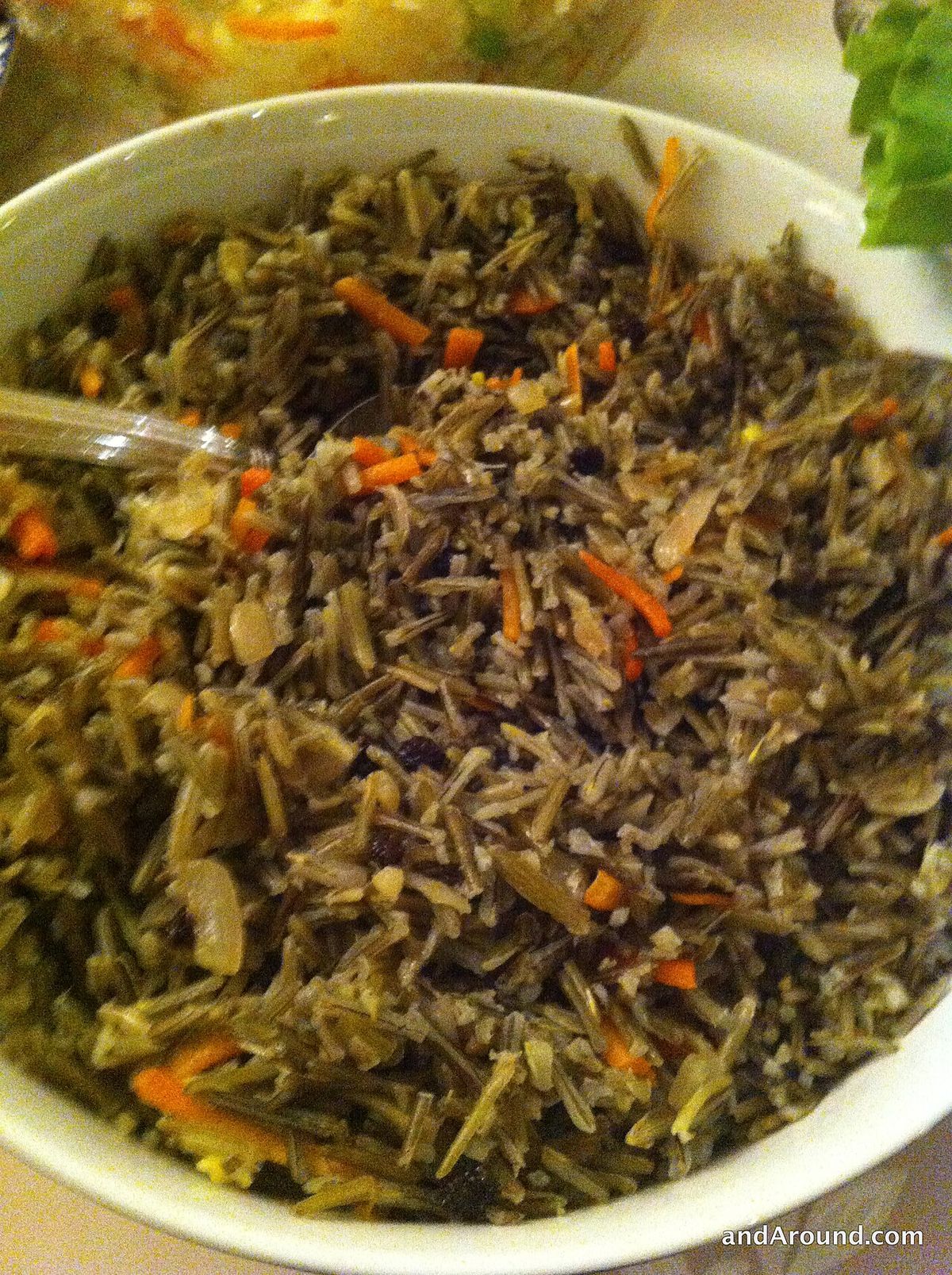
The culinary legacy of Indigenous peoples is built on a foundation of native ingredients and preparation methods that have influenced global cuisine. Central to many traditions is corn, processed through nixtamalization, an alkaline treatment, to make hominy, which forms the base for dishes like grits and stews. Acorns served as a primary starch for many California tribes, where they were ground into a flour that historically served as the principal foodstuff for about 75 percent of the population, requiring careful leaching in woven baskets to remove bitter tannins before use. Pemmican, a concentrated travel food of dried pulverized meat, rendered fat, and sometimes berries like Saskatoon berries or cranberries, was essential for Plains peoples and later adopted by fur traders for its shelf stability. The method of parching corn, toasting dried kernels over coals, created a lightweight travel food that could be eaten as is or ground into meal. In the Southeast, the use of sassafras leaves to make filé powder for thickening soups and the creation of the ceremonial Black Drink from yaupon holly are other examples of specialized food knowledge. These foundational processes allowed for the creation of a wide array of specific dishes.
Traditional Dishes and Their Histories
From these ingredients and methods, a rich catalogue of traditional dishes emerged, many of which continue to be prepared and adapted. These dishes often carry deep cultural and historical significance, ranging from simple preparations like roasted meats to complex processes requiring significant skill and communal effort. For example, the preparation of acorn flour in California involved the labor-intensive work of shelling, grinding, and leaching the nuts to remove bitter tannins. Such dishes remain vital parts of Indigenous cultural identity and culinary practice across the Americas.
- Succotash: First recorded in the 17th century, this dish of corn and beans was created by the Narragansett people, with its name deriving from 'sahquttahhash,' meaning broken corn kernels.
- Frybread/Bannock: A flatbread now common at gatherings across cultural areas from the Arctic to the Pacific, its origins are linked to government-issued rations of flour, lard, salt, and sugar on reservations.
- Three Sisters Soup: A direct culinary celebration of the agricultural trio, combining corn, beans, and squash in a nourishing broth.
- Cedar Plank Salmon: A Pacific Northwest method used by tribes like the Nez Perce, where salmon is cooked over soaked cedar planks for a smoky flavour.
- Blue Corn Mush: A Hopi porridge made by simmering blue cornmeal with water and juniper ash, which enhances its calcium content.
- Hopi Piki Bread: A delicate blue cornbread where batter is spread by hand onto a heated stone to create thin, almost translucent sheets that are rolled into layers, traditionally prepared for ceremonies.
- Kanuchi: A Cherokee soup made from ground hickory nuts.
- Akutaq: Often called 'Eskimo ice cream,' this is a mixture of whipped caribou or moose tallow, meat, berries, seal oil, and sometimes fish, combined with snow or water.
- Wapato: A root vegetable gathered in marshy areas, described by the Lewis and Clark expedition as being roasted in embers or dried and ground into a cake that served as bread.
- Livermush: A Southeastern dish made from pig liver, parts of pig heads, cornmeal and spices.
- Hominy: Coarsely ground corn used to make grits, a staple of Southeastern cuisine.
- Prairie Turnips (Timpsula): Identified by Plains elders as a traditional staple food, these roots were gathered and eaten.
Culinary Impact and Adaptation
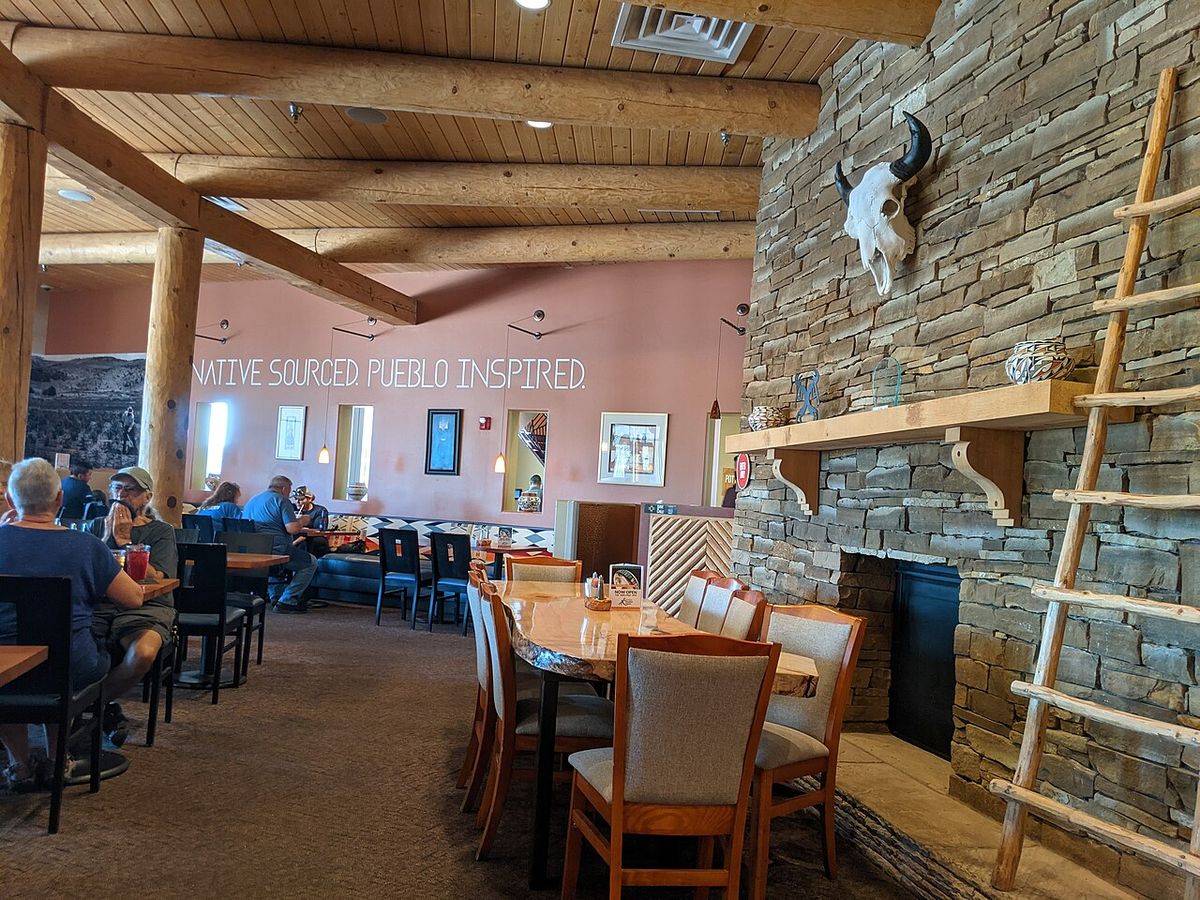
The influence of Indigenous foods on the broader cuisines of the Americas is deep and extensive. Staples like cornbread, hominy, grits, and johnnycakes are direct adaptations of Native American preparations that became essential components of Southern American and soul food traditions. As one analysis notes, hominy, sofkee as grits, cornbread, Indian fritters as hoe cakes, and the practice of boiling beans and field peas all continue directly from Southeastern Indian cookery. In New England, dishes like succotash and the use of corn, cranberries, and local clam species show clear Algonquian influence on regional cuisine. Similarly, New Mexican cuisine is a documented fusion of Pueblo and Hispano food traditions. The process of nixtamalization, essential for making hominy and masa, is a Native American innovation that improves the nutritional value of corn by making niacin more available. Beyond specific dishes, Indigenous agricultural practices like companion planting and sustainable wild harvesting, such as the Quiroste people's use of over 500 species, represent an early form of the modern farm-to-table movement. This culinary exchange was altered by colonial expansion, which disrupted traditional food systems, as seen in California where missionaries cleared land and some tribes became dependent on introduced foods like wheat, maize, barley, and peaches.

Modern Revitalization and Food Sovereignty
In recent decades, a powerful movement to reclaim and revitalize Indigenous foodways has gained momentum across North America, addressing interconnected crises of health, economics, and cultural loss. This movement centres on food sovereignty, defined as the right of peoples to define their own agricultural and food systems. Organisations like North American Traditional Indigenous Food Systems (NATIFS), founded by Oglala Lakota chef Sean Sherman, work to promote Indigenous food education, support tribal food sovereignty projects, and create food-related enterprises. Chef Sherman's work has been at the forefront of this movement for over two decades. A growing number of Indigenous chefs, such as Crystal Wahpepah, use their kitchens to promote food sovereignty and the reclamation of ancestral knowledge through contemporary cuisine. Educational initiatives and cookbooks are vital for preserving and sharing knowledge. The 2002 cookbook 'Foods of the Southwest Indian Nations' by Lois Ellen Frank won a James Beard Award, the first Native American cookbook to receive this honour. Grassroots projects also flourish, such as those supported by the First Nations Development Institute, which shares cookbooks and recipes aimed at healthier cooking for recipients of the USDA’s Food Distribution Program on Indian Reservations (FDPIR).
Challenges and Contemporary Context
The practice and preservation of Indigenous cuisine face significant and ongoing modern challenges that intersect environmental, legal, and social spheres. In northern Canada, environmental contaminants such as persistent organic pollutants travel via air and water into the food web, posing documented public health risks to communities reliant on country food. Wildlife conservation laws and strict meat inspection regulations in southern Canada often make it difficult or illegal to sell or serve traditionally hunted game in restaurants, reinforcing a cultural divide. The historical legacy of displacement, residential schools, and forced dependency on government commodity foods like those in the FDPIR program disrupted the intergenerational transmission of food knowledge. The widespread misconception that Indigenous cuisine is a historical artifact rather than a living tradition presents a barrier to recognition. Archaeological evidence from California shows the depth of this disruption, where missionary activity destroyed Native food systems and created dependencies. Despite these obstacles, resilience is evident in efforts to revive native seed varieties, relearn harvesting methods like those for acorns or prairie turnips, and integrate these practices into modern institutions and economies.
Questions about Indigenous cuisine of the Americas
What are the Three Sisters in Indigenous cuisine?
The Three Sisters are corn, beans, and squash. These were the essential staple foods of the Indigenous peoples of the Eastern Woodlands. They were planted interdependently with the beans growing up the corn stalks and the squash spreading at the base. This companion planting technique enriched the soil and supported high yields.
What is country food in Canada?
In Canada, country food refers to the traditional diets of First Nations, Inuit, and Métis peoples, especially in the North. It includes foods harvested from the local environment, such as caribou, moose, seal, fish, and gathered berries. Country food is crucial for nutritional, economic, and cultural reasons in remote communities. A 2015 estimate found nearly half of residents in smaller Northwest Territories communities relied on it for 75% of their meat and fish intake.
What is pemmican?
Pemmican is a concentrated, high-energy food traditionally made by Plains Indigenous peoples. It was created by drying lean meat, often bison, and pounding it into a powder mixed with rendered fat. Sometimes dried berries like cranberries, Saskatoon berries, or chokecherries were added to the mixture. Pressed into cakes, it could remain edible for months or years, making it an ideal travel food for hunters, traders, and explorers across the Great Plains and Canadian Prairies.
How did Indigenous peoples process acorns for eating?
Indigenous peoples processed acorns by first shelling them and then grinding the nutmeat into a fine meal. This raw acorn meal contains bitter tannins that must be removed through a leaching process, which involved repeatedly pouring water over the meal in a woven basket or sandy basin. Once leached, the resulting flour could be cooked into soups, baked into bread like acorn bread or acorn mush, or used to make acorn crepes. In what is now California, acorn flour served as the principal foodstuff for about 75 percent of the Indigenous population.
Who is Sean Sherman and what is NATIFS?
Sean Sherman is an Oglala Lakota chef and a leading figure in the modern Indigenous food movement. He is known as The Sioux Chef and is a notable chef and food writer. He founded the organization North American Traditional Indigenous Food Systems, known as NATIFS, which aims to address economic and health issues in Native communities by re-establishing Native foodways. The organization promotes Indigenous food education and supports tribal food sovereignty projects across North America.
What is the significance of frybread?
Frybread is a flat dough fried in oil that is now commonly served at Indigenous gatherings across North America. Its history is rooted in the hardship of government-issued rations on reservations. Created from limited ingredients like flour, lard, salt, and sugar, it became a sustaining food. Today, it represents both community adaptation and a point of discussion within movements focused on reclaiming pre-contact, healthier food traditions.
Sources and further reading
- Indigenous cuisine of the Americas (Wikipedia)
- North American Traditional Indigenous Food Systems (natifs.org)
- Native American Recipes (firstnations.org)
- Before the Settlers' Pantry: Six Indigenous Foods That ... (grubamericana.com)
- 21 Best Native American Foods to Try in 2026 (cozymeal.com)
Checked by the Nosy Mag desk. Last updated 2026-10-29.