Food sovereignty
Indigenous food sovereignty is a movement and policy approach focused on restoring Indigenous peoples' control over their own food systems, from production to consumption. It represents a specific response to the historical and ongoing disruptions caused by colonization, which have severed connections to traditional lands and foodways. This has contributed to high rates of food insecurity and diet-related diseases in Indigenous communities. In Canada, this movement is gaining momentum through community-led initiatives, government programs, and national gatherings aimed at revitalizing traditional ecological knowledge and building sustainable local food economies. The work is tied to cultural revitalization, self-determination, and addressing the impacts of colonial policies.
Defining Food Sovereignty and Its Indigenous Context
The term "food sovereignty" was first coined in 1996 by the international farmers' organization Via Campesina. This concept was globally articulated in the 2007 Declaration of Nyéléni, adopted by 500 delegates from over 80 countries in Sélingué, Mali. The declaration defines food sovereignty as the right of peoples to healthy, culturally appropriate food produced through ecologically sound methods and their right to define their own food and agriculture systems. It places producers, distributors, and consumers at the heart of food policies, prioritizing local economies and empowering small-scale agriculture, fishing, and pastoralism. By 2020, at least seven countries had integrated food sovereignty principles into their national constitutions or laws, including Ecuador, Bolivia, Nepal, Senegal, Egypt, Mali, and Venezuela.
For Indigenous communities, food sovereignty is a reclamation of a living reality practiced for millennia. It is a specific policy approach to address the underlying issues from colonization that impact access to healthy, culturally adapted foods. The movement is built upon Indigenous food-related knowledge, values, and wisdom accumulated over thousands of years. Unlike the broader food sovereignty movement, Indigenous food sovereignty directly confronts the historical trauma of forced relocation and the deliberate disruption of traditional foodways. It asserts that food security for Indigenous peoples is a precondition achieved only through sovereignty, where communities have the agency to respond to their own needs. The movement challenges the corporate food regime and promotes equitable distribution of resources.
Historical Disruption and Health Impacts
Prior to colonization, Indigenous diets across the Americas were diverse and sustainable, procured through hunting, fishing, gathering, and farming practices centred on regional ecosystems. Staples like corn, beans, and squash, known as the "three sisters", formed the basis of many foodways. European colonization systematically targeted these food systems as a tactic for control, stripping communities of supplies, introducing new diseases via livestock, and forcibly altering land use. In the United States, the 1851 Indian Appropriations Act led to the forced relocation of Indigenous peoples onto reservations, severing their ability to cultivate ancestral lands and rely on traditional food sources.
This historical disruption has led to severe, intergenerational health consequences. Many Indigenous people now live in food deserts with inadequate access to nutritious food, leading to high rates of food insecurity. Reliance on highly processed, government-provided foods has contributed directly to health crises. A comprehensive literature review from 2021 confirms that Indigenous people in the United States and Canada have higher rates of obesity, food insecurity, and Type 2 diabetes than the general population. In the United States, Indigenous peoples have the highest rates of diabetes and heart disease in the nation. The loss of food sovereignty is thus linked to the loss of land, cultural continuity, and community health, creating a cycle that activists seek to break.
Principles and Activism in North America
Indigenous food sovereignty activism is rooted in the principles of self-determination, cultural revitalization, and environmental stewardship. Activists argue that increasing community agency in food production is the most effective path to lasting food security and a means of healing historical trauma. In the United States, groups like the Indigenous Food Systems Network, the Native American Food Sovereignty Alliance, and the White Earth Anishnaabeg in Minnesota work to educate, develop policy, and practice traditional methods. These efforts often converge at community summits, such as the Diné Bich'iiya' Summit in Tsaile, Arizona, which focuses on Navajo traditional foods.
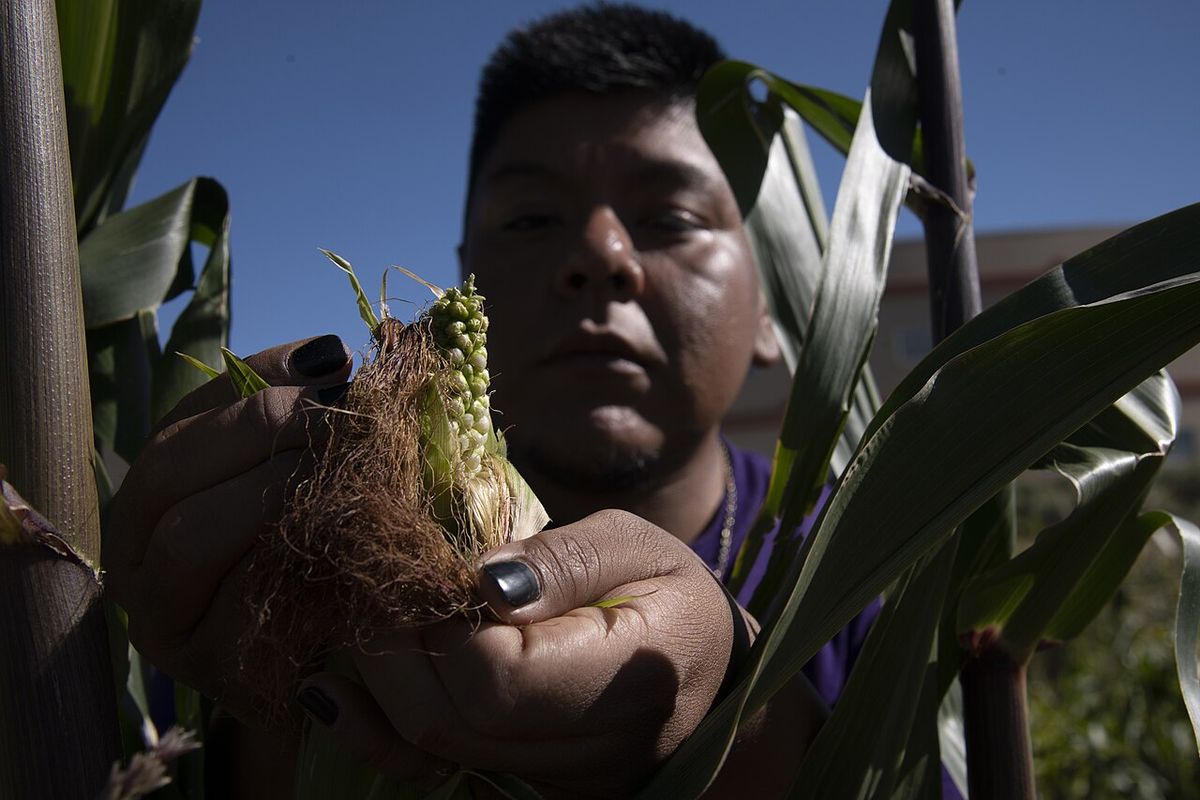
A central element of this activism is the fight for seed sovereignty and plant breeders' rights. Seed saving provides communities with a stable, adaptable food source and holds deep cultural importance, ensuring that traditional plant varieties and knowledge are passed to future generations. Activists contend that seed sovereignty is a critical mechanism for creating agricultural systems that can adapt to climate change, which disproportionately impacts Indigenous communities in regions like the Circumpolar North and Pacific Islands. This holistic view connects food sovereignty directly to land stewardship and biodiversity. The movement also emphasizes the importance of farmer autonomy and equitable access to land and resources, which are seen as foundational to decolonizing food systems.
Contemporary Programs and Community Initiatives
A growing number of government and non-governmental programs are now supporting Indigenous food sovereignty. In 2021, the United States Department of Agriculture launched the Indigenous Food Sovereignty Initiative to promote traditional foodways, Indian Country food markets, and Indigenous health. It partners with organizations like the InterTribal Buffalo Council, the Indigenous Seed Keepers Network, and the Indigenous Food and Agriculture Initiative. In Canada, federal recognition is emerging through programs like the Indigenous Food Security and Sovereignty Grant Program. The Canadian Food Guide, updated in 2019, was created with Indigenous consultation to include multicultural and Indigenous diets.
Non-governmental and community-led models provide powerful examples of action. In Ecuador, the Indigenous "Good Life" project focuses on community success through harmony with people and nature, defending land and reclaiming food sovereignty. In British Columbia, numerous community projects highlight innovation. These initiatives demonstrate a turn towards land-based learning, economic development, and cultural revitalization as interconnected goals.
- Heiltsuk Aquaponics: The Heiltsuk Climate Action team built a sustainable aquaponics system using fish waste to nurture plants.
- Nuu-chah-nulth Sea Gardens: Nuu-chah-nulth communities are restoring traditional sea clam gardens across their territory, a practice used for centuries.
- C’eliselem Garden: The Tsawwassen First Nation runs this community garden supporting food sovereignty and cultural revitalization.
- YeKm Food Hub: Lytton First Nation is developing this hub, which includes a greenhouse and garden, with plans for a processing facility.
- Pinoleville Pomo Nation Project: In California, this Nation works with UC Berkeley's CARES organization to design sustainable, culturally reflective housing and energy systems.
National Movements and Legal Frameworks
In Canada, the movement is coalescing around national gatherings and legal advocacy. The Food Sovereignty Summit is a national gathering for Native food systems practitioners and community partners to share knowledge. The summit features hands-on workshops, cultural activities, and conversations on community health and land stewardship. Similarly, academic institutions like Michigan State University and the University of Michigan have co-hosted Indigenous Food Sovereignty Summits. Legal and policy work is crucial, as seen in the Canadian Bar Association's analysis of the journey to Indigenous food sovereignty.
Globally, food sovereignty has been adopted into policies in several countries, showing its growing influence. The concept challenges corporate control over agriculture. In 2008, the International Assessment of Agricultural Science and Technology for Development, sponsored by the UN and World Bank, adopted a definition supporting the right of peoples to determine their agricultural policies. This international recognition supports the movement's goals of democratizing food systems and resisting industrial agriculture.
Youth Engagement and Economic Revitalization
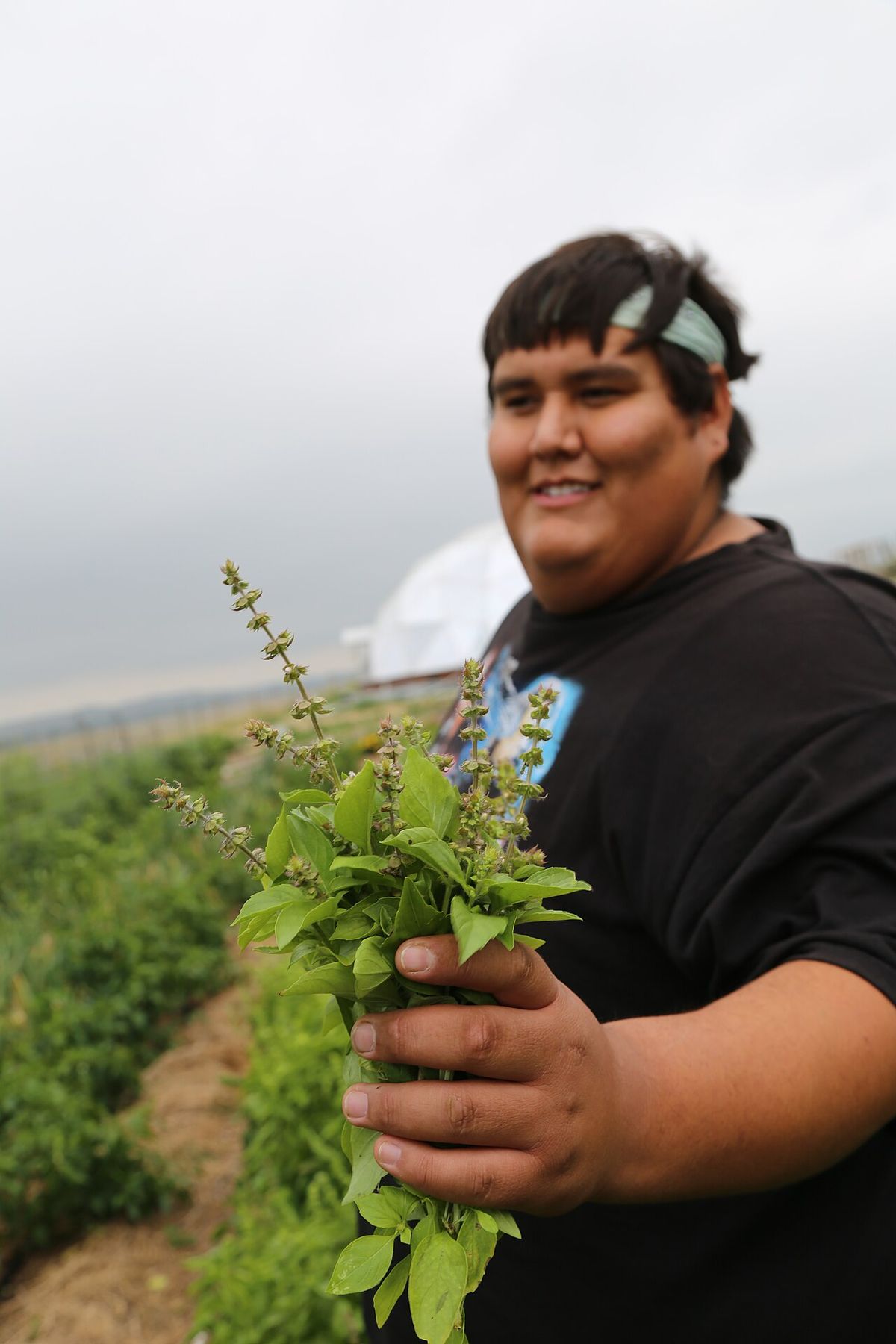
Recognizing that long-term change requires engaging the next generation, the National Circle for Indigenous Agriculture and Food launched the Nourishing Nations Empowering Generations program. This youth gardening program is designed to inspire young learners to participate in their local food systems. It uses a flexible, community-led learning model developed through consultations with an Advisory Circle of Indigenous leaders. A pilot phase involved Muskowekwan First Nation, which integrated the program into classroom learning for approximately 50 students in Grades 3-5, and Ochapowace First Nation, which held a community planting event.
Indigenous food sovereignty is increasingly linked to economic development and cultural revitalization, moving beyond subsistence to create sustainable local economies. Indigenous businesses are producing high-quality food and beverages, creating pathways for sustainability. There is a concerted effort to bring Indigenous foods into public institutions, including post-secondary dining halls, healthcare facilities, and schools. Initiatives like Simon Fraser University's Rooted Program and Coast Mountain College's West Coast Culinary program are working to incorporate Indigenous foods and recipes, supported by partnerships with Indigenous chefs and educators.
Culinary Leadership and Statistical Context
Indigenous chefs are playing a leading role as champions of Indigenous foods, using local and seasonal ingredients inspired by the land. Chefs like Paul Natrall and Andrew George are at the forefront of this culinary movement, which serves to educate the public and create demand for traditional ingredients. This work, however, is not without tension, as activists note that mainstream demand for Indigenous foods can lead to appropriation, making cultural staples harder for Indigenous populations to access. The goal remains centred on community benefit and self-determination, ensuring that culinary revival supports local producers and knowledge holders.
The statistical landscape shows the need for food sovereignty initiatives. According to Canadian census data, Indigenous farmers represent a small share of the agricultural sector, a legacy of colonial land dispossession. Concurrently, food insecurity rates for Indigenous peoples in Canada remain the highest among all demographic groups. This creates a powerful impetus for systemic change. The future of Indigenous food sovereignty will be shaped by the continued growth of community-led projects, the integration of traditional knowledge with innovative practices, and sustained policy advocacy to address land rights and jurisdictional barriers.
Criticisms and Academic Perspectives
The food sovereignty movement faces several criticisms and is analyzed from various academic perspectives. Some scholars argue it follows wrong baseline assumptions, citing that small-scale farming is not always a freely chosen lifestyle and that challenges differ between developed and least developed countries. Critics also note the movement can oversimplify complex global food issues or overlook benefits of technological advancements. There is a debate within the movement about the appropriate political community for its calls, ranging from local communities to national governments and global civil society. Academic theory includes Food Regime analysis, which examines the tension between corporate-led "food from nowhere" and the agroecology-based "food from somewhere" advocated by grassroots movements. Some scholars warn of co-option by a "corporate-environmental" regime. The movement's strong reassertion of rural and peasant identities is seen as a challenge to modernist narratives of urbanization and industrial agriculture, though some critique this as potentially overlooking internal social differentiation within agrarian populations.
Questions about Food sovereignty
What is the difference between food security and Indigenous food sovereignty?
Food security focuses on ensuring individuals have reliable access to enough affordable, nutritious food. Indigenous food sovereignty is a broader concept that addresses who controls the food system. It asserts the right of Indigenous peoples to define their own agricultural and food policies, produce culturally appropriate food through sustainable methods, and maintain cultural knowledge. Sovereignty is seen as a necessary precondition for achieving lasting food security, as it returns agency and decision-making power to communities.
How did colonization disrupt Indigenous food systems?
Colonization deliberately targeted Indigenous food systems as a strategy for control. European settlers stripped communities of food supplies, introduced new livestock that brought diseases, and forcibly altered land use. Policies like the 1851 Indian Appropriations Act in the United States forced relocation onto reservations, severing access to ancestral hunting, fishing, and farming grounds. This disrupted the deep connection between people and their traditional food sources, leading to forced dependency on government-provided, processed foods and the loss of intergenerational knowledge.
What are some examples of Indigenous food sovereignty projects in Canada?
Community-led projects are underway across Canada. In British Columbia, the Heiltsuk Nation built an aquaponics system, while Nuu-chah-nulth communities are restoring ancient sea clam gardens. The Tsawwassen First Nation runs the C’eliselem community garden, and Lytton First Nation is developing the YeKm Food Hub. At the national level, the Nourishing Nations Empowering Generations program is a youth gardening initiative piloted with Muskowekwan and Ochapowace First Nations. These projects are often supported by grants like the Indigenous Food Security and Sovereignty Grant Program.
Why is seed sovereignty important to Indigenous communities?
Seed sovereignty is a critical component of food sovereignty because it encompasses cultural preservation, food security, and climate resilience. Saving and cultivating traditional seed varieties ensures communities have a stable, adaptable food source suited to their local ecosystems. These seeds carry cultural stories, knowledge, and genetic history passed down through generations. Maintaining control over seeds protects against dependence on commercial, genetically modified varieties and allows communities to develop agricultural systems that can better adapt to environmental changes.
What is the Food Sovereignty Summit?
The Food Sovereignty Summit is a national gathering for Native food systems practitioners and community partners. It aims to strengthen relationships and share knowledge to advance Native-led food sovereignty efforts. The summit features hands-on workshops, cultural activities, and conversations on topics like community health and traditional foodways. It is grounded in Indigenous values, honouring the connections between food, culture, and self-determination. An example of such a gathering is the Diné Bich'iiya' Summit in Tsaile, Arizona, which focused on Navajo traditional foods.
What are the main criticisms of the food sovereignty movement?
Critics argue the food sovereignty movement may have wrong baseline assumptions, overlooking that small-scale farming is not always a chosen lifestyle and that challenges vary globally. Some say it oversimplifies complex food issues or ignores benefits of agricultural technology. There are also debates about its political focus, whether it should target local communities, national governments, or global civil society. Academics note tensions between its populist agrarian identity and the need to account for internal social differentiation within farming populations.
Sources and further reading
- Food sovereignty (Wikipedia)
- 2026 Food Sovereignty Summit (firstnations.org)
- Planting Seeds for Indigenous Food Sovereignty (nciaf.ca)
- Achievement and resilience in Indigenous food and ... (www2.gov.bc.ca)
- Indigenous Food Sovereignty (indigenousfoodsystems.org)
Checked by the Nosy Mag desk. Last updated 2026-10-31.