Death of Joyce Echaquan
Joyce Echaquan was a 37-year-old Atikamekw woman from Manawan, Quebec, whose death on September 28, 2020, became a national symbol of systemic racism in Canadian healthcare. She died at the Centre Hospitalier de Lanaudière in Saint-Charles-Borromée after livestreaming hospital staff making racist and derogatory comments while she was in distress. A coroner's inquiry concluded her death was preventable and that racism and prejudice were contributing factors. The tragedy ignited widespread protests and led to the creation of Joyce's Principle.
Background and Life
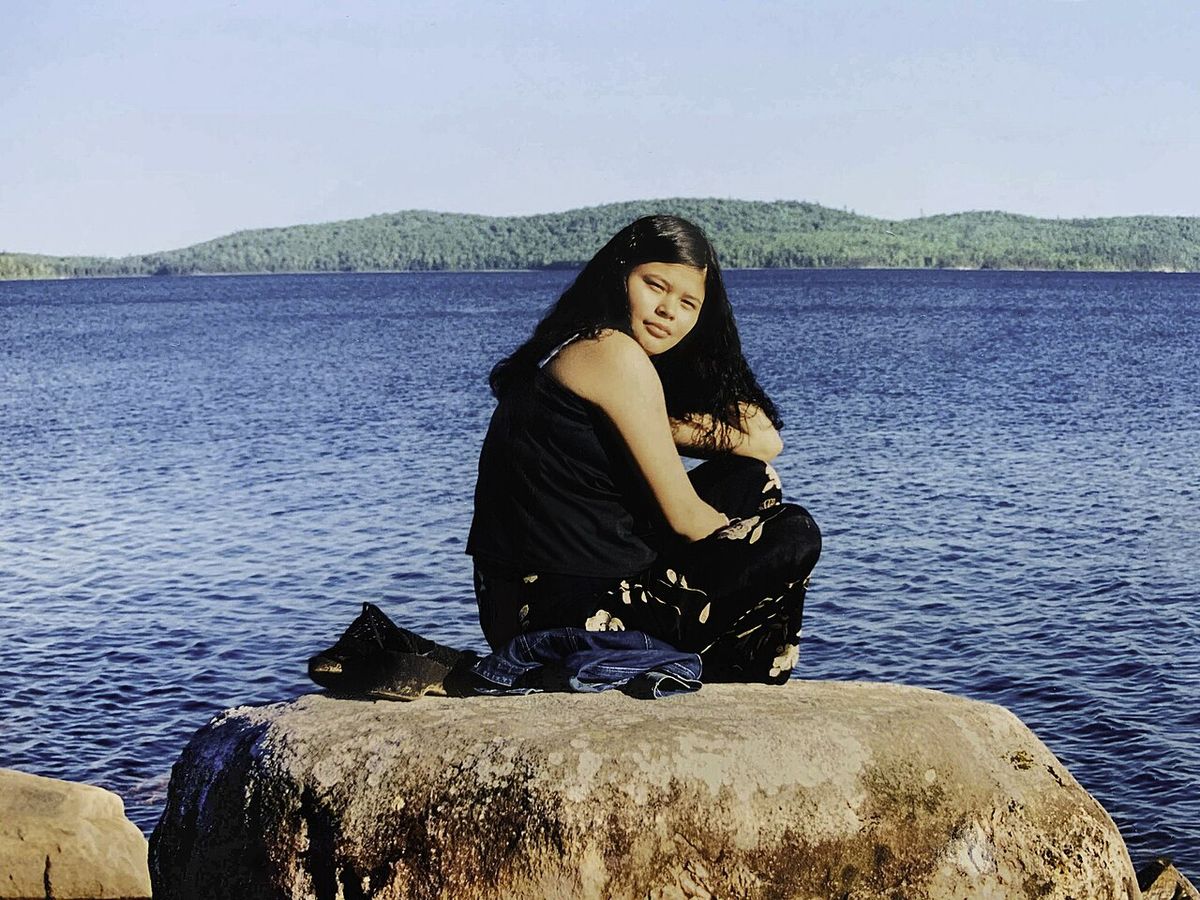
Joyce Echaquan was born on August 28, 1983, in the Atikamekw community of Manawan, located approximately 200 kilometres north of Joliette, Quebec. She was a mother to seven children and had a history of heart complications that required a pacemaker, a condition that led to frequent hospital visits starting in 2014. Echaquan was not fluent in French, the primary language of the healthcare staff she encountered. To manage this communication barrier and document her treatment, she developed a practice of recording Facebook Live videos during her hospital visits, often having a cousin translate the proceedings for her. Family members reported that Echaquan often felt medical staff seemed 'fed up' with her and would provide only minimal pain management rather than comprehensive treatment for her underlying conditions. Her cousin Laurène later remembered her as a woman with a big heart who was always making others laugh and giving love, highlighting the personal loss felt by her community.
The Final Hospitalization and Incident
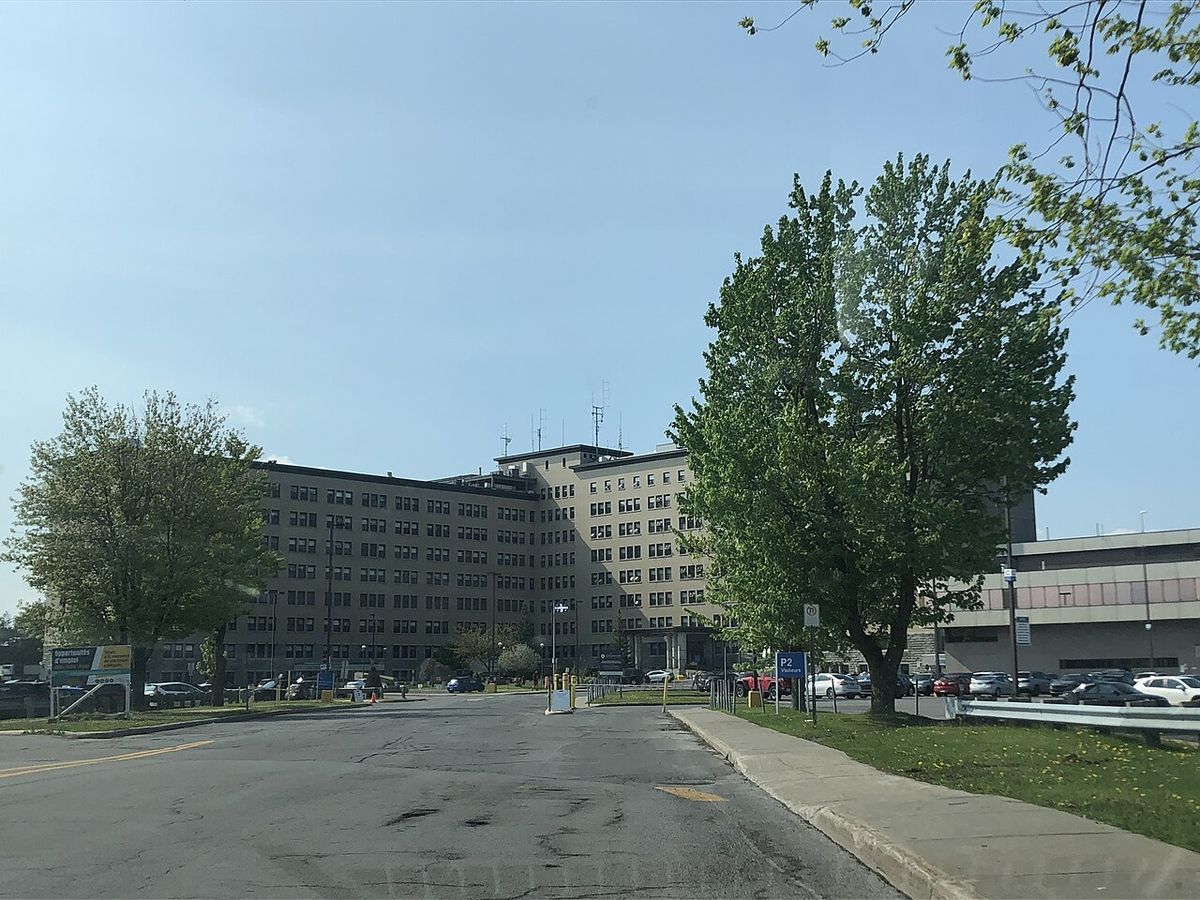
On September 26, 2020, Joyce Echaquan was admitted to the Centre Hospitalier de Lanaudière by ambulance after experiencing severe stomach pains, making the 200-kilometre journey from her home in Manawan. She was restrained to her bed, an action the hospital initially claimed was at her request, though the coroner later called this allegation 'absurd' and expressed serious doubt about its validity. On September 28, despite expressing concerns about a potential adverse reaction, she was administered morphine, a drug to which her family stated she was allergic. That same day, Echaquan began a seven-minute Facebook Live stream from her hospital bed. The video captured her moaning in pain while at least two hospital employees hurled insults at her in French, including telling her she was 'stupid as hell' and only 'good for sex'. A staff member asked if she was 'done acting stupid', while another told her she had 'made some bad choices' and questioned what her children would think, to which Echaquan quietly responded, 'That's why I came here.' When a nurse realized the interaction was being recorded, she attempted to seize the phone and delete the video, but the footage had already been broadcast. Echaquan died later that day from pulmonary edema, with her family and the coroner later concluding the staff's incorrect assumption that she was suffering from drug withdrawal critically influenced her care.
In response to the public outcry, the local health authority dismissed two employees. A nurse was dismissed from the hospital on September 29, 2020. A second employee, an orderly, was dismissed on October 1, 2020. Another incident where Echaquan was mistreated by hospital staff happened in late August 2020, a month before her death. Jennifer MacDonald, a 33-year-old patient attendant at a local Alzheimer's centre, was at the hospital to support her father and overheard Echaquan screaming in a nearby cubicle. MacDonald described Echaquan's medical attendants as indifferent and verbally aggressive, and she overheard a nurse ask, "Will she ever shut up?" When MacDonald approached to see if she could help, the staff told her to mind her own business. MacDonald did not know the woman was Echaquan until she saw the Facebook Live video and recognized her.
Coroner's Inquiry and Findings
The Quebec coroner's office launched an investigation into Echaquan's death on September 29, 2020, with the local health authority, CISSS de Lanaudière, also initiating its own internal probe. Coroner Géhane Kamel presided over a three-week public inquiry in 2021 that heard extensive testimony on the circumstances leading to the tragedy. In her comprehensive report released in September 2021, Coroner Kamel stated unequivocally that Echaquan's death was an 'undeniable' case of racism and was entirely preventable. She determined that the 'racism and prejudice Ms. Echaquan faced' was a direct contributor to her death, explicitly linking the staff's biased attitudes to the inadequate medical care provided. The official cause of death was listed as pulmonary edema, but the coroner emphasized that the medical staff's erroneous assumption of drug withdrawal led to a failure in proper patient assessment and treatment. Kamel called upon the Quebec government to recognize the existence of systemic racism within its institutions and to 'make the commitment to contribute to its elimination'. The inquiry process itself caused deep distress to Echaquan's family and the Atikamekw community, but it also served to publicly document the lethal consequences of prejudice in a healthcare setting for the official record.
Political and Public Reaction
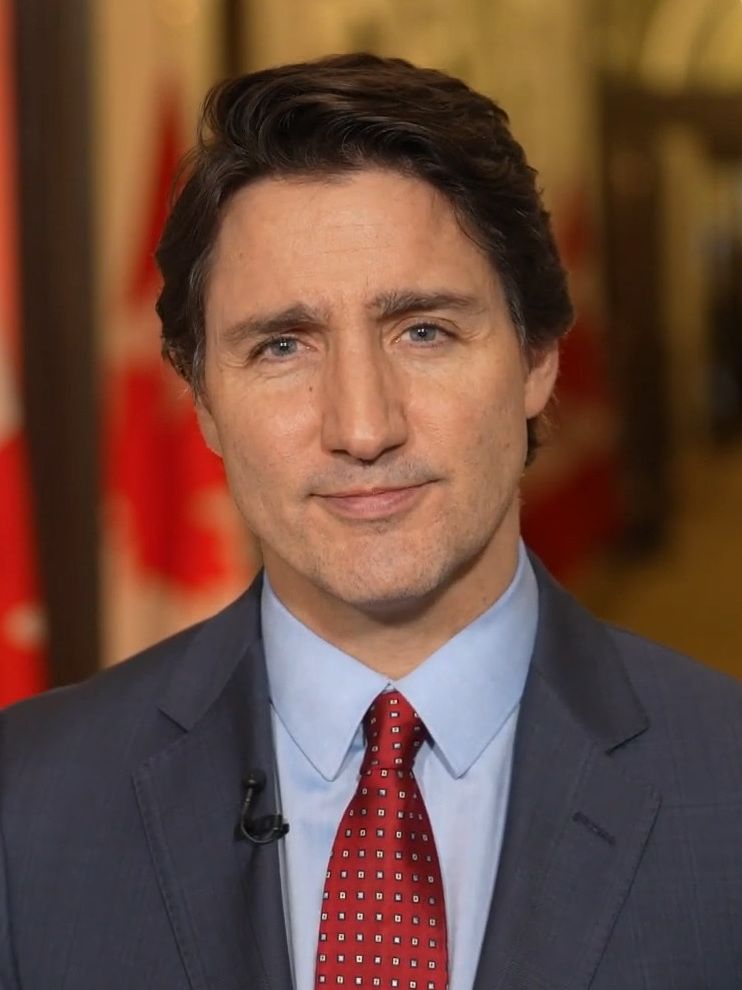
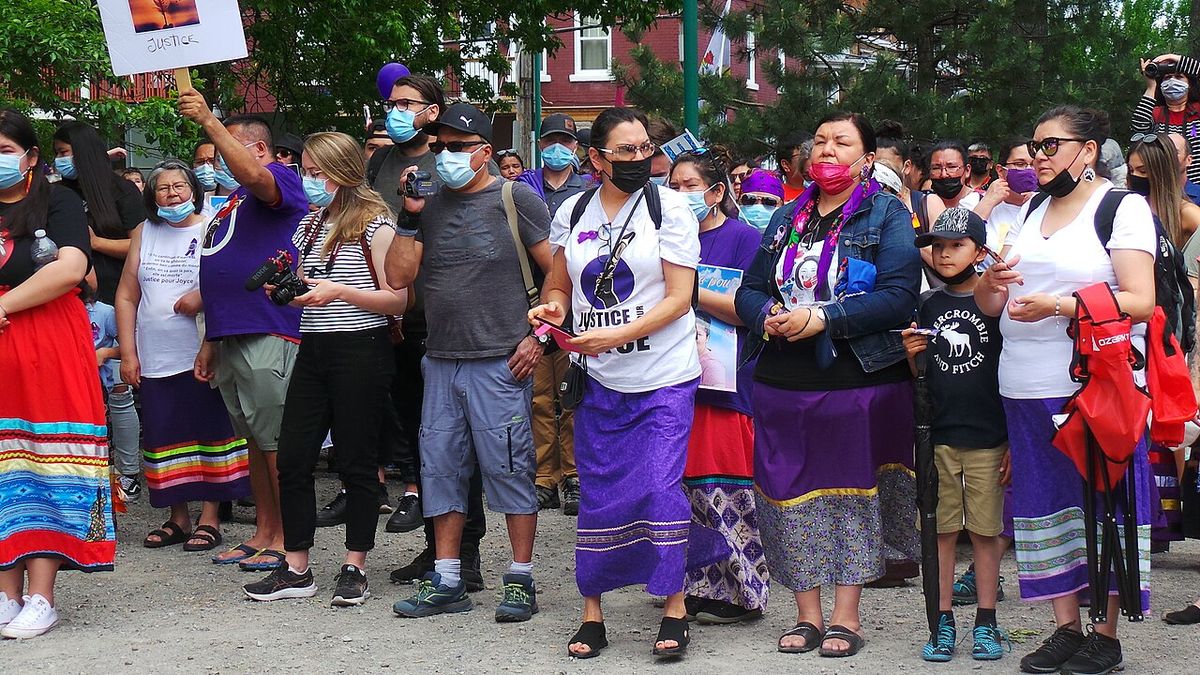
The death of Joyce Echaquan provoked immediate and sustained reactions from political leaders across the country. Quebec Premier François Legault condemned the specific comments made by staff as racist but maintained his consistent denial of the existence of systemic racism in the province. Canadian Prime Minister Justin Trudeau addressed the House of Commons, calling the incident 'the worst form of racism' and explicitly acknowledging the role of systemic racism. Federal Minister of Indigenous Services Marc Miller met with Echaquan's son, Thomas-James, and apologized to the family on behalf of the government. A meeting of federal ministers including Crown-Indigenous Relations Minister Carolyn Bennett, Health Minister Patty Hajdu, Justice Minister David Lametti and Minister of Rural Economic Development Maryam Monsef was planned to address the broader issues raised. The director of the Lanaudière health board, Daniel Castonguay, was removed from his position in December 2020, and his successor, Maryse Poupart, who became CEO in April 2021, offered condolences to the family and pledged to prioritize relations with Indigenous patients. In the years following her death, vigils and commemorations have continued, including a gathering in Joliette on the sixth anniversary in 2024 attended by political figures such as Québec Solidaire co-spokesperson Ruba Ghazal and local riding candidates from the Coalition Avenir Québec and Parti Québécois. Community leaders like Jennifer Brazeau, executive director of the Lanaudière Native Friendship Centre, have noted that while some awareness has increased, the Quebec government's refusal to fully acknowledge systemic racism remains a significant barrier to the full adoption of Joyce's Principle. The Indigenous Physicians Association of Canada and the Assembly of First Nations have issued statements honouring Echaquan's memory and using her case to advocate for systemic reform in healthcare delivery and policy.
Joyce's Principle and Legislative Response
In direct response to Echaquan's death, the Atikamekw Nation leadership formulated Joyce's Principle in November 2020 as a concrete call for systemic change based on community consultation. The principle was put forth by Paul-Emile Ottawa, Chief of the Council of Atikamekw of Manawan, and Constant Awashish, Grand Chief of the Atikamekw Nation, following consultations within their community to define a path forward. Joyce's Principle is formally defined as a call to guarantee all Indigenous people equitable access, without any discrimination, to all social and health services, and the right to enjoy the best possible physical, mental, emotional and spiritual health. It mandates the recognition and respect of Indigenous people's traditional and living knowledge in all aspects of health, integrating cultural safety into the core of service delivery as a non-negotiable standard. Despite sustained advocacy and support from many Indigenous and health organizations, the Quebec government has not fully adopted Joyce's Principle, primarily due to its refusal to accept the principle's foundation in the recognition of systemic racism. The provincial legislative response culminated in December 2024 with the National Assembly's adoption of Bill 32, which aimed to enshrine the notion of cultural safety in healthcare facilities for Indigenous people after years of pressure. However, the legislative process was marked by frustration as First Nations groups called out the province for failing to include the explicit recognition of systemic racism prescribed by Joyce's Principle. The Coalition Avenir Québec government, under both François Legault and Christine Fréchette, has maintained its refusal to acknowledge the existence of systemic racism, creating a fundamental disagreement with Indigenous leaders and advocates that blocks consensus.
Broader Context of Systemic Racism in Canadian Healthcare
The death of Joyce Echaquan occurred within a long and documented history of systemic racism against Indigenous peoples in Canada's healthcare system. Reports such as one from the Wellesley Institute in 2015 have established that racism contributes directly to poorer health outcomes for Indigenous Canadians, including lower life expectancy and higher rates of chronic disease compared to non-Indigenous populations. A 2020 report noted that harmful stereotypes held by some healthcare workers include beliefs that Indigenous people are poor parents, prone to addiction, or seek to take advantage of the healthcare system. This environment of discrimination and stereotyping deters many Indigenous people from seeking necessary care, compounding existing health disparities and creating a cycle of neglect and mistrust. Geographic and systemic barriers exacerbate access issues, as many remote First Nations communities are served only by nursing stations with limited capabilities, requiring residents to travel long distances for hospital care like the 200-kilometre journey Echaquan undertook from Manawan to Saint-Charles-Borromée. Echaquan's case is a severe example within a pattern of similar incidents documented across Canada over many years, illustrating a systemic rather than isolated problem. Numerous Indigenous women have also reported being coerced into tubal ligations and other forms of sterilization after childbirth, representing a deep violation of bodily autonomy and medical ethics. The 2015 report of the Truth and Reconciliation Commission of Canada and the ongoing national crisis of missing and murdered Indigenous women further contextualize the systemic nature of the discrimination Echaquan faced within colonial structures.
Ongoing Commemoration and Advocacy
Six years after her death, Joyce Echaquan remains a powerful symbol in the movement for justice and equity for Indigenous peoples in Canada, with her memory actively sustained through various forms of public action. Annual vigils, marches, and public advocacy events continue to be held, particularly around the anniversary of her death on September 28, ensuring her story is not forgotten and that political pressure is maintained. These gatherings, such as the vigil in Joliette in 2024, serve both as memorials and as persistent calls to action, with participants emphasizing the need to prevent such a tragedy from ever happening again and to honour her life. Her legacy is actively upheld through the ongoing promotion and advocacy for Joyce's Principle by the Atikamekw Nation, the Assembly of First Nations, and allied organizations who use it as a benchmark for reform. The executive director of the Lanaudière Native Friendship Centre, Jennifer Brazeau, stated in 2024 that Quebec's failure to recognize systemic racism is a fundamental obstacle to progress, highlighting that commemorations are tied directly to unmet political demands for accountability and systemic change. Echaquan's family is planning to take legal action. The death of Joyce Echaquan brought national attention to systemic racism within the Canadian healthcare system and its impact on Indigenous peoples. Following her death, the public outcry led to the introduction of Joyce's Principle, aimed at ensuring equitable healthcare for Indigenous Canadians. Six years after her death, supporters of Joyce Echaquan continue to demand recognition of systemic racism in Quebec.
| Date | Event |
|---|---|
| September 28, 2020 | Joyce Echaquan dies after livestreaming abuse. Her video circulates widely, sparking immediate national outrage. |
| September 29, 2020 | A nurse is dismissed. The Quebec coroner confirms an investigation will be conducted. |
| October 1, 2020 | An orderly involved is dismissed from the hospital as public pressure mounts. |
| October 8, 2020 | The federal government announces a meeting of ministers and Indigenous leaders to address the crisis. |
| November 2020 | The Atikamekw Nation leadership publicly presents Joyce's Principle as a formal call to action. |
| December 2020 | Director of the Lanaudière health board, Daniel Castonguay, is removed from his position. |
| April 2021 | Maryse Poupart becomes the new CEO of the CISSS de Lanaudière, promising improved relations. |
| June 2021 | The coroner's public inquiry concludes. Major marches occur in Trois-Rivières and across Quebec. |
| September 2021 | Coroner Géhane Kamel releases her report, declaring the death preventable and rooted in racism. |
| December 2024 | Quebec's National Assembly adopts Bill 32 on cultural safety, without recognizing systemic racism. |
| September 2024 | Vigils mark the sixth anniversary of Echaquan's death, with family and community members continuing to demand full adoption of Joyce's Principle. |
- September 28, 2020: Joyce Echaquan dies after livestreaming abuse. Her video circulates widely, sparking immediate national outrage.
- September 29, 2020: A nurse is dismissed. The Quebec coroner confirms an investigation will be conducted.
- October 1, 2020: An orderly involved is dismissed from the hospital as public pressure mounts.
- October 8, 2020: The federal government announces a meeting of ministers and Indigenous leaders to address the crisis.
- November 2020: The Atikamekw Nation leadership publicly presents Joyce's Principle as a formal call to action.
- December 2020: Director of the Lanaudière health board, Daniel Castonguay, is removed from his position.
- April 2021: Maryse Poupart becomes the new CEO of the CISSS de Lanaudière, promising improved relations.
- June 2021: The coroner's public inquiry concludes. Major marches occur in Trois-Rivières and across Quebec.
- September 2021: Coroner Géhane Kamel releases her report, declaring the death preventable and rooted in racism.
- December 2024: Quebec's National Assembly adopts Bill 32 on cultural safety, without recognizing systemic racism.
- September 2024: Vigils mark the sixth anniversary of Echaquan's death, with family and community members continuing to demand full adoption of Joyce's Principle.
Questions about Death of Joyce Echaquan
What was Joyce Echaquan's official cause of death?
The Quebec coroner's report listed Joyce Echaquan's official cause of death as pulmonary edema. Coroner Géhane Kamel concluded that her death in September 2021 was both preventable and undeniable as a case of racism. She stated the racism and prejudice Echaquan faced were contributors to her death. This occurred because medical staff incorrectly assumed she was suffering from drug withdrawal, which affected her care.
What is Joyce's Principle?
Joyce's Principle is a series of proposals created by Atikamekw Nation leaders in November 2020. It aims to guarantee all Indigenous people equitable, non-discriminatory access to all social and health services and the right to the best possible health. It requires recognition of Indigenous traditional knowledge in health. The Quebec government has not fully adopted it.
How did the Quebec government respond to the coroner's findings?
The Quebec government, under Premier François Legault, condemned the specific racist acts by the hospital staff. However, it continued to deny the existence of systemic racism in the province. In December 2024, it passed Bill 32 to promote cultural safety in healthcare. This law was criticized for omitting the explicit recognition of systemic racism that Coroner Kamel and Joyce's Principle had called for.
What happened to the hospital staff involved in the incident?
Two employees at the Centre Hospitalier de Lanaudière were dismissed following the incident. A nurse was fired on September 29, 2020, the day after Joyce Echaquan's death. An orderly was dismissed on October 1, 2020. The director of the Lanaudière health board, Daniel Castonguay, was removed from his position in December 2020.
Why is Joyce Echaquan's death considered an example of systemic racism?
Joyce Echaquan's death is considered a clear example of systemic racism because the coroner, Géhane Kamel, reported in September 2021 that the racism and prejudice she faced contributed to her preventable death. The healthcare workers at the Centre Hospitalier de Lanaudière made derogatory comments and incorrectly assumed she was suffering from drug withdrawal, which affected her care. Coroner Kamel stated this incident was further proof of systemic Indigenous-directed racism in Quebecois institutions. Prime Minister Justin Trudeau also recognized the role of systemic racism in her death before the House of Commons.
How has Joyce Echaquan been commemorated since her death?
Joyce Echaquan has been commemorated through vigils and marches, including one in Trois-Rivières in June 2021 attended by over 2,000 people. Her legacy is upheld through Joyce's Principle, a series of proposals put forth in November 2020 by Atikamekw leaders to guarantee equitable health services. Annual events mark the September 28 anniversary of her death. Federal ministers, including Prime Minister Justin Trudeau, have also referenced her case in calls to address systemic racism.
Sources and further reading
- Death of Joyce Echaquan (Wikipedia)
- Death of Joyce Echaquan | Health and Medicine (ebsco.com)
- Community marks 6 years since Joyce Echaquan's death ... (cbc.ca)
Checked by the Nosy Mag desk. Last updated 2026-10-31.