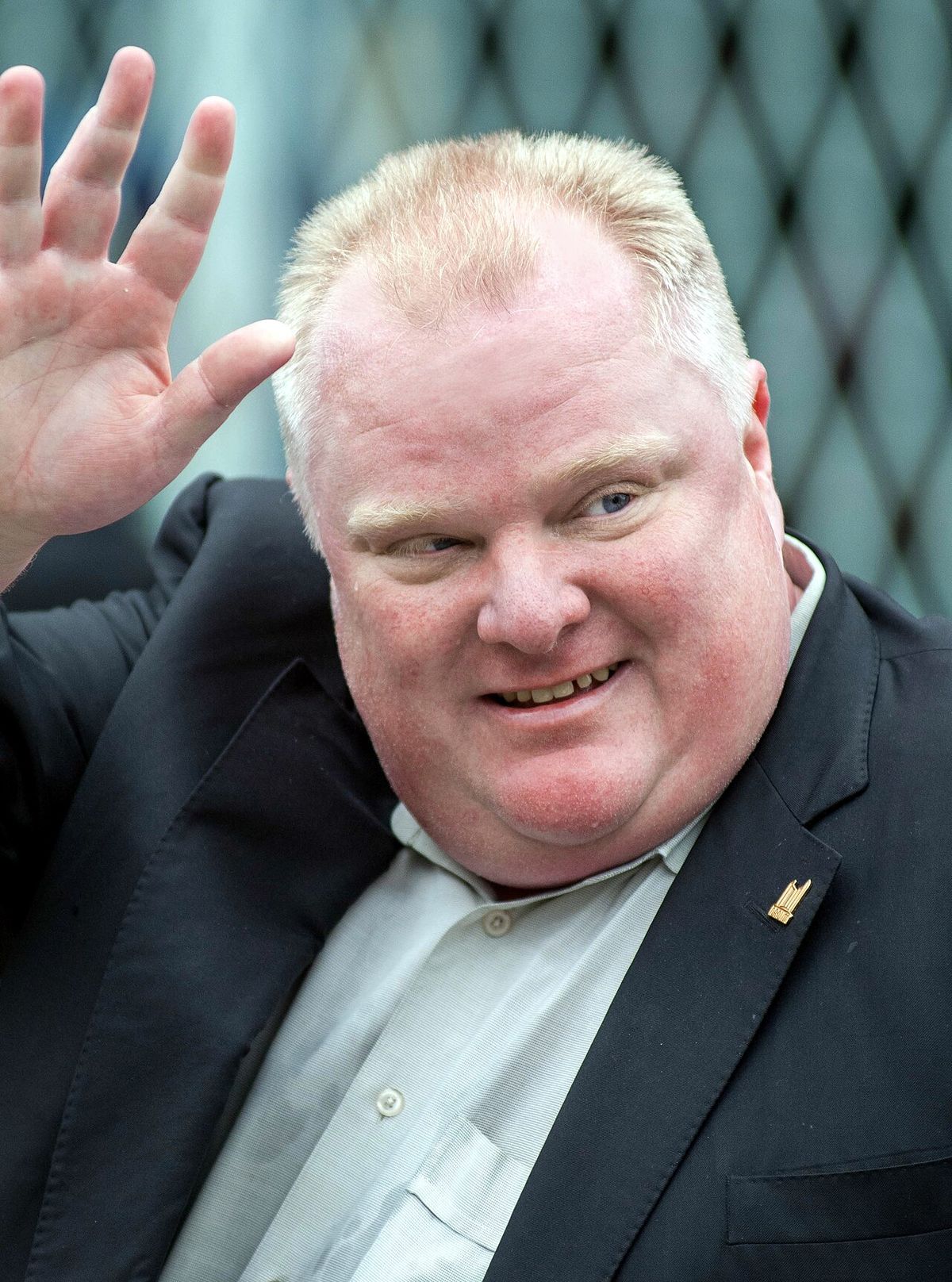
Christine Fréchette
Christine Fréchette is a Canadian politician and businesswoman who served as the 33rd premier of Quebec and leader of the Coalition Avenir Québec (CAQ) in 2026. Her premiership, which began in April 2026, followed a career in public affairs, business, and a tenure as a minister in the government of François Legault. Fréchette's time as premier was brief, ending after the CAQ failed to win a single seat in the October 2026 general election, a historic defeat that led to her resignation as party leader. Her political career encapsulates a significant period of transition for Quebec, marked by debates over immigration, economic policy, and the province's political identity.
Early life and education
Christine Fréchette was born in 1970 in Trois-Rivières, Quebec. Her maternal family originated from La Baie, a borough of Saguenay. She spent her youth in the Mauricie region, where she completed her secondary education at École secondaire Chavigny. She then pursued college studies at Cégep de Trois-Rivières before moving on to university. Fréchette obtained a Bachelor of Business Administration with a focus on economics and international trade from HEC Montréal in 1992. She furthered her education with a master's degree in international relations from Université Laval, which she completed in 1994. This academic foundation in business and global affairs would later inform her approach to both her professional consulting work and her political priorities in economic and immigration policy.
Professional career before politics
Fréchette's professional career began in student advocacy and parliamentary affairs before branching into consulting, media, and business leadership. From 1995 to 1996, she served as research and information coordinator for the Fédération étudiante universitaire du Québec, representing university students at a summit on Quebec's social and economic future in 1996. That same year, she began working for the National Assembly of Quebec as an international affairs advisor and administrative secretary for parliamentary bodies focused on the Americas and Franco-Quebec relations. Her work as a public affairs consultant included a stint as a consultant to the Conseil supérieur de la langue française from 2000 to 2002. She then operated her own consulting practice from 2002 to 2008.
In 2002, Fréchette founded the North American Forum on Integration, serving as its president until 2011. Concurrently, from 2007 to 2012, she worked as a coordinator for study centres on the United States and Mexico at the Université de Montréal's Centre d'études et de recherches internationales. From 2008 to 2012, she also worked as a political analyst for several major media outlets, including Groupe TVA, Radio-Canada, and various radio stations. A significant shift occurred in 2012 when she joined the office of Parti Québécois minister Jean-François Lisée as press attachée and deputy chief of staff. She left the PQ following its introduction of the Quebec Charter of Values, citing her opposition to the bill. She later served as director of external and institutional relations for Montréal International until 2016, followed by a five-year term as president of the Eastern Montreal Chamber of Commerce from 2016 to 2021.
Entry into provincial politics and ministerial roles
Christine Fréchette entered provincial politics under the banner of the Coalition Avenir Québec. In August 2022, CAQ leader and premier François Legault announced her as the party's candidate in the riding of Sanguinet for the 2022 general election. She was elected as the Member of the National Assembly for Sanguinet, securing 48.8 percent of the vote. Following her election, Premier Legault appointed her as Minister of Immigration, Francisation and Integration. In this role, she was immediately tasked with negotiations with federal Immigration Minister Marc Miller, particularly concerning Quebec's imposition of quotas on family reunification applications. These quotas, implemented by Fréchette, resulted in processing wait times in Quebec reaching 42 months, compared to 10 to 12 months in the rest of Canada, and created a backlog of over 38,000 applications.
The policy led to significant legal and political challenges. In December 2023, Fréchette and Minister Miller were served with formal legal notices arguing Quebec lacked the authority to impose such quotas and that the federal government should not comply with them. When no resolution was found, an application for judicial review was filed against Fréchette in Quebec Superior Court in February 2024. In a cabinet shuffle in September 2024, she succeeded Pierre Fitzgibbon, taking on the roles of Minister of Economy, Innovation and Energy, Minister responsible for the Metropolis and the Montreal region, and Minister responsible for Regional Economic Development. She was later relieved of the two regional portfolios in 2025 and gained the title of Minister responsible for the Montérégie region later that year.
CAQ leadership and premiership
Following the resignation of François Legault, Christine Fréchette announced her candidacy for the leadership of the Coalition Avenir Québec on January 25, 2026, in Trois-Rivières. She stepped down from her cabinet positions to run. Described during the campaign as a synthesis between the party's economic and nationalist wings, she received the most endorsements from caucus members. Her platform included support for reinstating the cancelled Programme de l'expérience québécoise (PEQ), exploring shale gas development, and increasing the education budget in line with inflation. On April 12, 2026, she was elected party leader with 57.9 percent of the vote, defeating Bernard Drainville. She became the first female leader of the CAQ and the second female premier of Quebec after Pauline Marois.
Fréchette was sworn in as premier on April 15, 2026. Her early actions included a meeting with Prime Minister Mark Carney, announcing cost-of-living measures, support for first-time homebuyers and small businesses, and renewing the notwithstanding clause protections around Bill 96. Her new cabinet, sworn in on April 21, featured significant changes from the previous government, with Ian Lafrenière appointed as deputy premier. A major policy achievement was the announcement in August 2026 of an updated agreement for the Churchill Falls Generating Station, negotiated with Newfoundland and Labrador Premier Tony Wakeham and Prime Minister Carney. The proposed deal, which would replace the 1969 agreement and a scrapped 2024 memorandum of understanding, was valued at nearly $70 billion.
The 2026 general election and resignation
In July 2026, Premier Fréchette announced she would not seek re-election in Sanguinet but would instead run in the riding of Trois-Rivières, where she grew up. On August 27, 2026, she advised Lieutenant Governor Manon Jeannotte to dissolve the National Assembly, triggering a general election for October 5, 2026. The campaign unfolded against a backdrop of voter desire for change after eight years of CAQ government, with the party facing criticism over past scandals and policy frustrations. Despite Fréchette's efforts to position the CAQ as a pragmatic, autonomist alternative to federalist and sovereigntist options, the party suffered a historic defeat. The CAQ failed to win a single seat in the National Assembly, losing its 79-seat majority entirely, and Fréchette personally lost her race in Trois-Rivières.
The day after the election, on October 6, 2026, Fréchette announced her resignation as leader of the Coalition Avenir Québec. In a press conference, she stated she accepted Quebecers' decision and took responsibility for the results. She confirmed she would remain as premier until the premier-designate, Parti Québécois leader Paul St-Pierre Plamondon, was sworn in to lead a minority government. In her resignation address, Fréchette expressed pride in her accomplishments, citing her role in closing Roxham Road, reinstating the PEQ, and initiating economic transformation. She stated that serving Quebec had been the greatest honour of her life. Political experts noted that her time in elected politics was likely over following the defeat.
Political positioning and legacy
Christine Fréchette's political identity was shaped by her professional background in international affairs, business, and media. Within the CAQ, she was seen as a figure who could bridge the party's economic and nationalist factions, championing what she described as an "effective state, a strong economy, and a well-defined identity." Her tenure as immigration minister was defined by a strict approach to quotas, which became a source of major contention and legal action. As premier, albeit briefly, she focused on economic files, notably securing a landmark energy agreement on Churchill Falls. Her leadership campaign and premiership attempted to present the CAQ as a renewed, pragmatic force, but it could not overcome the public's fatigue with the government after two terms.
The complete electoral wipeout of the CAQ under her leadership in October 2026 represents a defining moment in Quebec's political history. It ended the party's eight-year hold on power and raised existential questions about its future as a political entity. Fréchette's legacy is thus intrinsically tied to this dramatic conclusion. Her career trajectory from political staffer and analyst to business leader, cabinet minister, premier, and finally defeated party leader illustrates the volatile nature of modern Quebec politics. Her emphasis on economic nationalism and provincial autonomy remained consistent themes throughout her time in public life.
Personal life
Christine Fréchette is married to financier Guy Nadeau. The couple has one son. Details of her family life and personal interests have remained largely private, with public focus maintained on her professional and political endeavours. Her roots in the Trois-Rivières and Mauricie regions were a recurring theme in her political narrative, culminating in her decision to run for election there in 2026.
Questions about Christine Fréchette
How long was Christine Fréchette premier of Quebec?
Christine Fréchette served as premier of Quebec for approximately six months. She was sworn in on April 15, 2026, after winning the CAQ leadership race. Her premiership ended in early October 2026 following the general election, after which she remained in a caretaker role until the new premier was sworn in. Her tenure was one of the shortest in Quebec's modern political history.
Why did the CAQ lose all its seats in the 2026 election?
The CAQ's historic loss in the 2026 election is attributed to a strong voter desire for change after eight years of CAQ government. The party faced criticism over past administrative scandals and policy frustrations. Despite Fréchette's attempts to renew the party's image, the Parti Québécois successfully capitalized on this public sentiment. The CAQ failed to win a single riding, losing its 79-seat majority entirely.
What was Fréchette's role before becoming premier?
Before becoming premier, Christine Fréchette served as the CAQ MNA for Sanguinet and held several cabinet portfolios. She was first appointed Minister of Immigration, Francisation and Integration in 2022. In 2024, she became Minister of Economy, Innovation and Energy, along with other regional economic development responsibilities. She also had a lengthy career in business, media analysis, and public affairs consulting prior to entering provincial politics.
What major deal did Fréchette negotiate as premier?
A major achievement during Fréchette's premiership was the announcement of an updated agreement for the Churchill Falls Generating Station in August 2026. The deal was negotiated with Newfoundland and Labrador Premier Tony Wakeham and Prime Minister Mark Carney. It aimed to replace the 1969 agreement and a scrapped 2024 memorandum of understanding. If ratified, the new agreement was valued at nearly $70 billion.
Sources: Wikipedia and current public reporting, checked by the Nosy Mag desk. Last updated 2026-10-18.