Circumpolar peoples
Circumpolar peoples, also known as Arctic peoples, are the diverse Indigenous nations whose traditional homelands encircle the North Pole across the northern reaches of Canada, Alaska, Greenland, Scandinavia, and Russia. Approximately four million people live in the Arctic, among which 10 percent are Indigenous peoples belonging to many distinct communities. They represent a minority everywhere except Greenland, where Inuit constitute about 90 percent of the population. Their collective experience and knowledge are important in addressing climate change, sustainable development, and Indigenous rights in the Arctic region. Through organizations like the Inuit Circumpolar Council and their status as Permanent Participants in the Arctic Council, these peoples have a voice in international governance, advocating for self-determination, environmental protection, and the preservation of their traditional ways of life.
Definition and Geographic Scope
The term circumpolar peoples refers to the Indigenous populations inhabiting the lands and seas surrounding the North Pole, a region with no single agreed-upon boundary. Definitions vary based on climate, vegetation, permafrost, and settlement patterns, but broadly encompass Alaska, northern Canada including Inuit Nunangat, Greenland, northern Fennoscandia, and northern Russia through to Siberia. The area is conventionally divided into the treeless Arctic tundra and the boreal forest belt of the Subarctic, with the tree line acting as both an ecological and cultural boundary. On estimates drawn from the 1970s the region covered some 41 million square kilometres, about eight per cent of the globe, and held an aboriginal population of roughly 600,000 to 800,000 in seventy to eighty ethnic groups. Sustained contact with Europeans occurred at different times, from Russian settlement in Siberia in the 17th century to later interactions with traders and settlers in North America during the 18th and 19th centuries.
The demographic landscape is complex, with Indigenous peoples forming a minority in every Arctic nation except Greenland. Official counts are complicated by differing state definitions. For instance, Russia excludes from the official status of small peoples of the North every community that exceeds 50,000 people. This means large Indigenous groups like the Komi, Karelians, and Yakuts are not included in that specific Russian designation. Using the Arctic Human Development Report definition, about four million people live in the Arctic, with Indigenous peoples accounting for roughly 10 percent of the population. Settlement is characterized by small, widely scattered communities.
Historical and Cultural Foundations
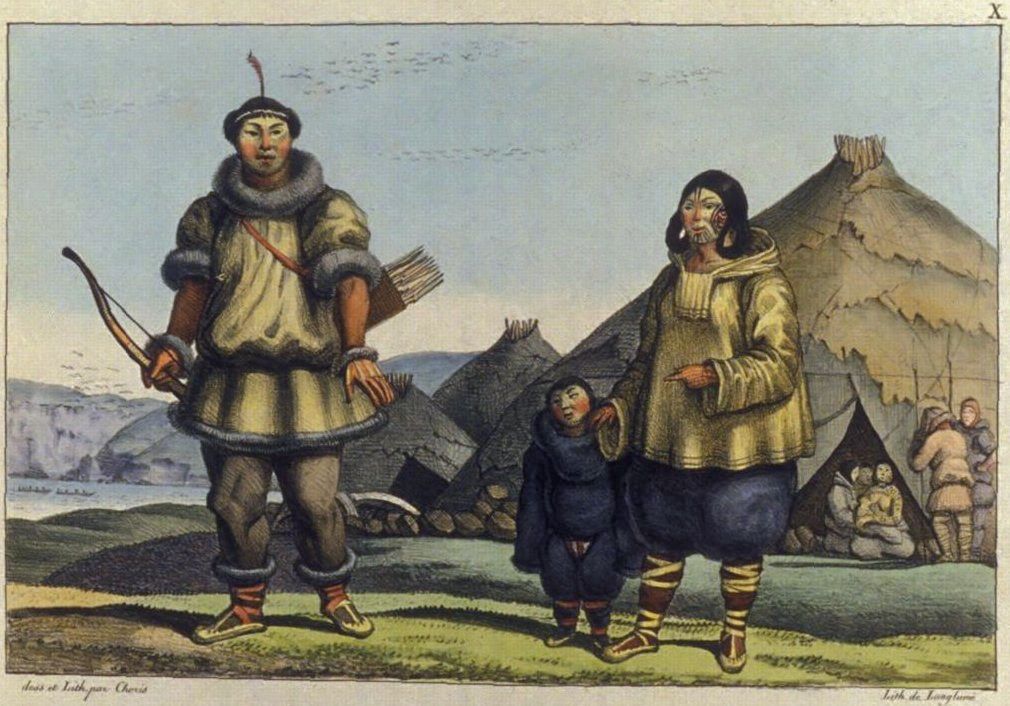
The earliest inhabitants of North America's central and eastern Arctic are referred to as the Arctic small tool tradition and existed around 2500 BCE. This tradition consisted of several Paleo-Eskimo cultures, including the Independence cultures and Pre-Dorset culture. The Dorset culture refers to the next inhabitants of central and eastern Arctic. The Dorset culture evolved because of technological and economic changes during the period of 1050 to 550 BCE. With the exception of the Quebec and Labrador peninsula, the Dorset culture vanished around 1500 CE. Dorset and Thule culture transition dates are around the 9th to 10th centuries. Scientists theorize there may have been cross-contact of the two cultures with sharing of technology, or the Thule may have found Dorset remnants and adapted their ways. Others believe the Thule displaced the Dorset.
Traditional social organization was intimately tied to the seasonal cycles of hunting, fishing, gathering, and reindeer herding. Communities shifted their settlements in step with the seasonal cycles of the resources they depended on, moving along a network of sites. Their social order followed the seasonal alternation of gathering and dispersal, the larger gatherings carrying the year's principal religious and marriage ceremonies. Anthropologists distinguished several community levels by size and structure, from the household through the local band and regional band to the area population. The household, often spanning several generations and numbering around fifteen people, stayed together through the year and formed the basic unit. A local band of roughly ten households held a subsistence and settlement region, while the larger regional band assembled briefly once a year. The largest unit, the area population of peoples sharing a culturally defined territory, corresponds to what ethnographers call a tribe or a people.
Major Ethnolinguistic Groups
Circumpolar peoples comprise a vast array of distinct nations, often grouped by language families. The Eskaleut language family includes the Inuit and Yupik peoples. The Inuit, numbering approximately 180,000, inhabit Greenland (Kalaallit), northern Canada (Inuit Nunangat), Alaska (Iñupiat), and Chukotka, Russia. The Yupik peoples, who include the Alutiiq, Yup'ik, and Siberian Yupik, reside in Alaska and the Russian Far East. The Aleut people of the Aleutian Islands and Kamchatka also belong to this broad family. In northern Eurasia, the Chukotko-Kamchatkan family includes the Chukchi and Koryak of Siberia. The Tungusic family is represented by the Evenks and Evens, spread across China, Mongolia, and Russia.
The Uralic language family encompasses several circumpolar groups. The Finno-Ugric branch includes the Sámi of northern Norway, Sweden, Finland, and Russia, and the Komi and Udmurts of Russia. The Samoyedic branch includes the Nenets, Enets, Nganasan, and Selkup of Siberia. Other significant groups include the Turkic-speaking Yakuts and Dolgans of Siberia, the Yukaghirs of eastern Siberia, and ancient populations like the Ancient Beringians. Peoples sharing a language did not thereby form a political or national body but identified with their local community. Common traditional livelihoods across these groups include reindeer herding, marine mammal hunting, fishing, and gathering.
- Eskaleut (Inuit): Greenland, Canada, Alaska, Chukotka.
- Eskaleut (Yupik & Aleut): Alaska, Russian Far East.
- Chukotko-Kamchatkan: Chukchi, Koryak (Siberia).
- Tungusic: Evenks, Evens (Siberia, Mongolia, China).
- Uralic (Sámi): Norway, Sweden, Finland, Russia.
- Uralic (Samoyedic): Nenets, Enets, Nganasan, Selkup (Siberia).
- Turkic: Yakuts, Dolgans (Siberia).
- Yukaghir: East Siberia.
Political Representation and the Arctic Council
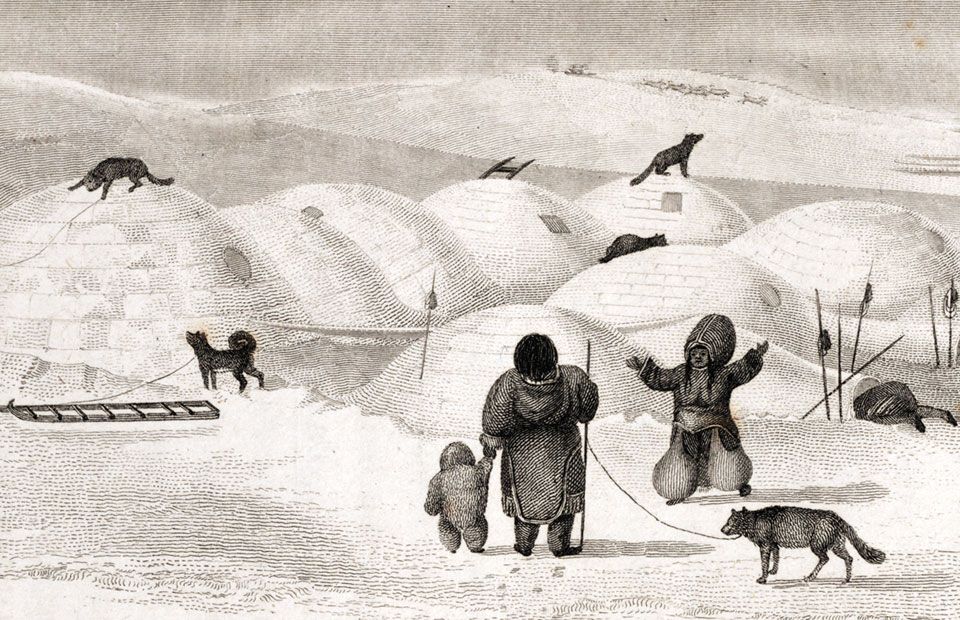
A fundamental aspect of contemporary circumpolar Indigenous political engagement is their status as Permanent Participants in the Arctic Council, the leading intergovernmental forum for Arctic cooperation established in Ottawa in 1996. This unique model grants six Indigenous peoples' organizations a seat at the table alongside the eight Arctic states, ensuring active participation and full consultation. These organizations are the Aleut International Association (AIA), the Arctic Athabaskan Council (AAC), the Gwich'in Council International (GCI), the Inuit Circumpolar Council (ICC), the Saami Council, and the Russian Association of Indigenous Peoples of the North (RAIPON). This status goes beyond the typical non-governmental organization role and aligns with consultative rights affirmed in the United Nations Declaration on the Rights of Indigenous Peoples.
Through this mechanism, circumpolar peoples have gained influence in shaping Arctic soft law and have participated in the creation of legally binding agreements. Notable examples include their role in developing the 2011 Agreement on Cooperation on Aeronautical and Maritime Search and Rescue in the Arctic and the 2013 Agreement on Cooperation on Marine Oil Pollution Preparedness and Response in the Arctic. The Arctic Council's mandate focuses on sustainable development and environmental protection, which has historically excluded topics like military security or border disputes from its discussions, areas where Indigenous participation remains limited. In 2023, the Statement of the Arctic Peoples’ Conference was issued on common circumpolar peoples' political goals for the 50th anniversary of the first Circumpolar Meeting of Arctic Indigenous Peoples.
Key Advocacy Organizations and Priorities
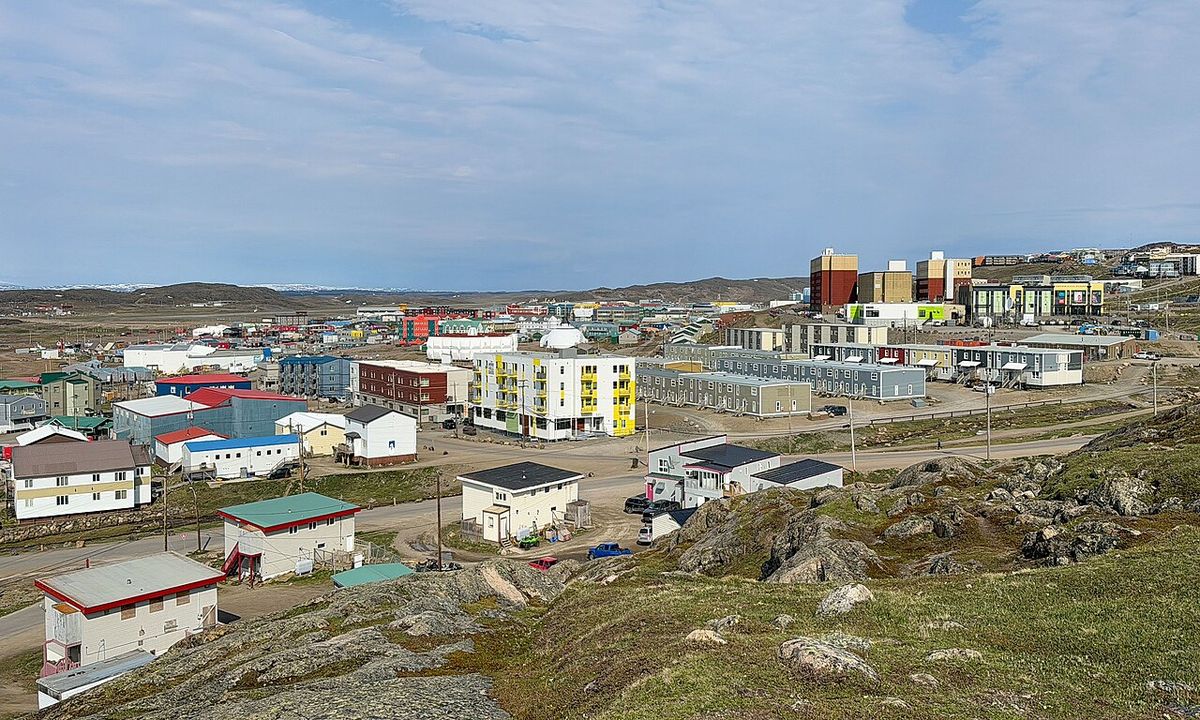
The Inuit Circumpolar Council is one of the most prominent international Indigenous organizations. Founded in 1977 by Eben Hopson, Sr. of Utqiagvik, Alaska, its founding vision was for Inuit across borders to speak with a united voice on common concerns. The ICC represents approximately 180,000 Inuit from Alaska, Canada, Greenland, and Chukotka, Russia. It holds Consultative Status at the United Nations and is a Permanent Participant in the Arctic Council. The organization's mandate is set by declarations negotiated at its General Assembly, held every four years, where Inuit elect a new Chair and Executive Council and set policy directions. The 15th General Assembly was held in Iqaluit, Nunavut, in July 2026.
Contemporary political advocacy for circumpolar peoples centres on several interconnected priorities. A primary concern is the right to well being, including access to healthcare and mental health support to address high suicide rates, particularly among youth. Communities call for climate justice and denounce green colonialism, where renewable energy projects or marine protected areas are imposed on their lands without consent. They assert the right to determine their own priorities for development, which extends beyond economic growth. They emphasize that consensus-based decision-making within the Arctic Council is fundamental to its integrity. With melting ice opening new trade routes and resource extraction possibilities, co-management regimes and fair benefit-sharing from resource development on their territories are central demands.
- Health and Well-being: Addressing suicide crises and securing equitable healthcare access.
- Climate Justice: Combating climate change impacts and opposing green colonialism.
- Self-Determination: Upholding the right to set their own development priorities.
- Resource Rights: Demanding co-management and benefit-sharing from development.
- Political Integrity: Insisting on consensus in Arctic Council decision-making.
Contemporary Challenges and Resilience
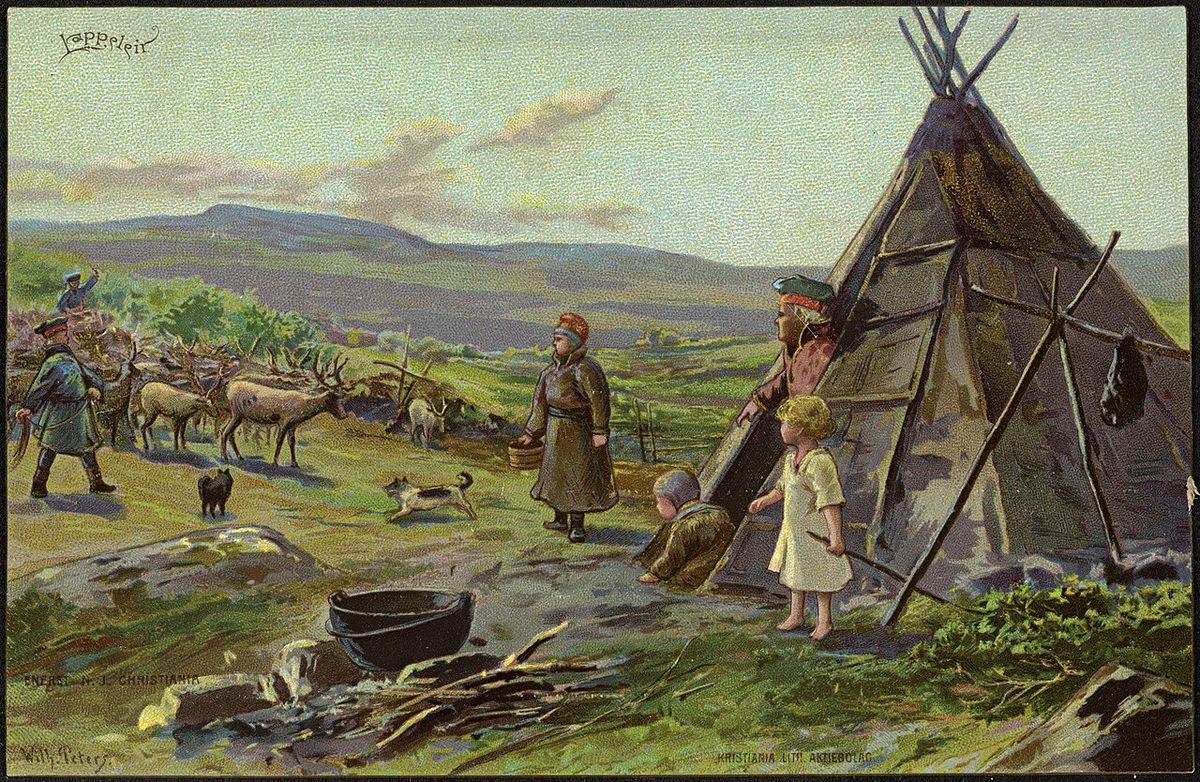
Circumpolar Indigenous communities face a confluence of deep challenges that threaten their cultures, livelihoods, and existence. Climate change is perhaps the most urgent, directly impacting the environment that sustains traditional harvesting activities. Rapid weather changes, thinner and more unpredictable ice, and severe storms make hunting and travel more dangerous. Disappearing sea ice affects species like polar bears, seals, and whales, undermining food security and cultural practices tied to these animals. Industrialization, increased shipping, and resource extraction bring both economic opportunities and significant threats, including pollution, habitat disruption, and social change. These pressures compound historical traumas from colonization, residential schools, and forced assimilation policies.
Despite these challenges, circumpolar peoples demonstrate resilience and agency. They are at the forefront of scientific research and policy advocacy on climate change, contributing essential knowledge based on millennia of observation. The political organization seen in the ICC, the Saami Council, and other bodies has led to international recognition of their rights. They are actively building social enterprises and diversifying Arctic economies on their own terms to improve community living conditions. The movement for Indigenous-led conservation and resource management is growing. These communities view constant adaptation as an intrinsic part of their history and identity, and they are determined to manage the current period of dramatic change by strengthening their collective voice and promoting self-determination.
Demographic and Statistical Overview
Understanding the population dynamics of the circumpolar north requires working with varying definitions and official counting methods. The broadest demographic estimates suggest around 13.1 million people live in the circumpolar North, but the core Arctic region, as defined by the Arctic Human Development Report, is home to approximately 4 million. Indigenous peoples account for about 10 percent of the Arctic's inhabitants. The following table provides a simplified overview of Indigenous representation by major grouping and primary regions, though precise numbers are difficult to ascertain due to definitional issues.
| Indigenous Group | Primary Regions |
|---|---|
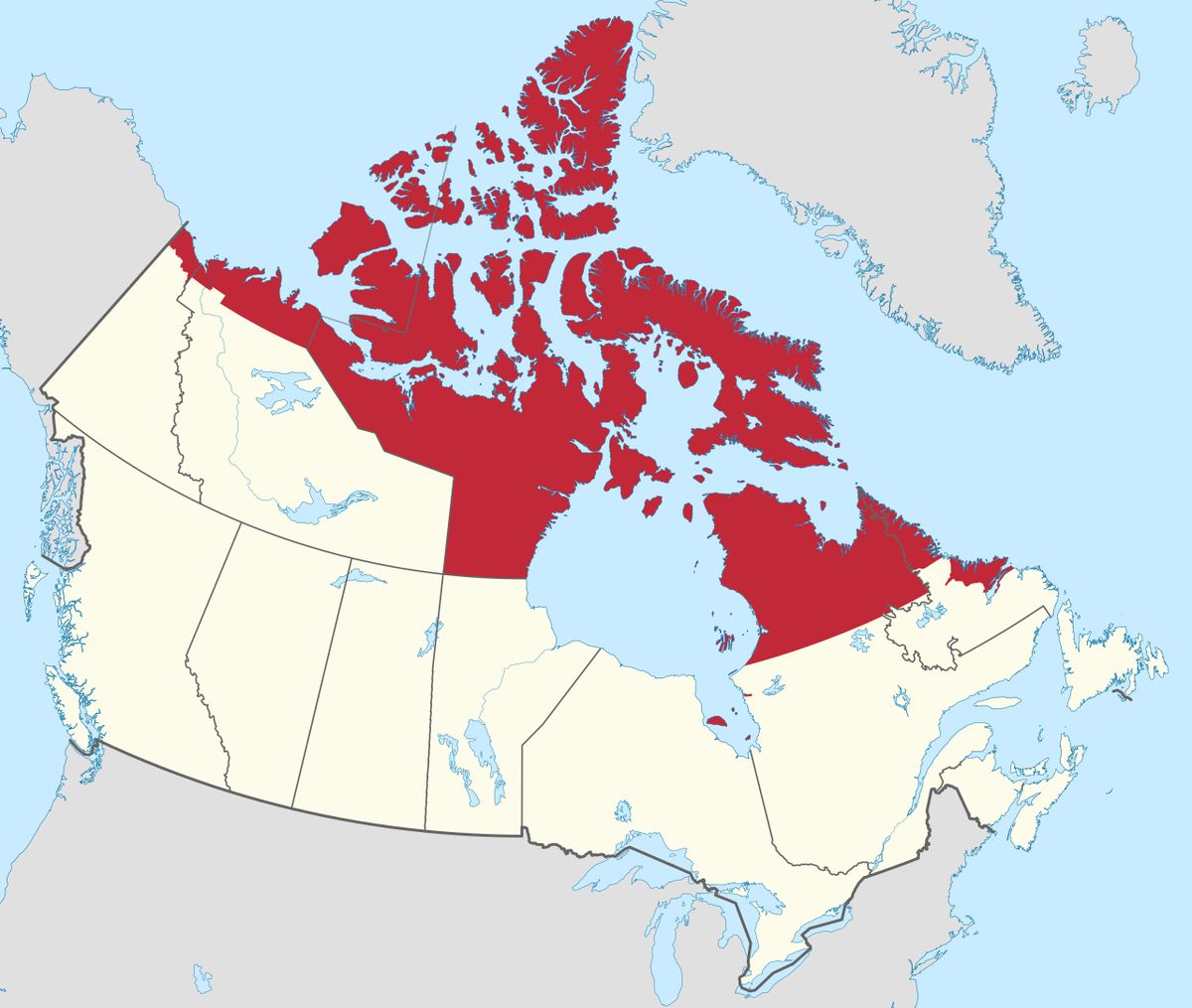
| Inuit | Greenland, Canada (Nunavut, Nunavik, Nunatsiavut, Inuvialuit Nunangat), Alaska, Chukotka (Russia) |
| Sámi | Northern Norway, Sweden, Finland, Russia (Murmansk Oblast) |
| Nenets | Russia (Siberia) |
| Chukchi | Russia (Chukotka Autonomous Okrug) |
| Evenks | Russia, China, Mongolia |
| Yupik | Alaska, Russia (Chukotka) |
| Aleut | Alaska (Aleutian Islands), Russia (Kamchatka) |
| Komi | Russia (Komi Republic, Perm Krai) |
Questions about Circumpolar peoples
Who are considered circumpolar peoples?
Circumpolar peoples are the Indigenous nations whose traditional territories span the Arctic and subarctic regions around the North Pole. This includes diverse groups such as the Inuit of Canada, Greenland, Alaska, and Russia, the Sámi of Scandinavia and northwest Russia, and peoples like the Nenets, Chukchi, Evenks, and Yupik across Siberia and Alaska. There are over 40 distinct ethnic groups, each with unique languages and cultures, united by a deep historical connection to the northern environment. The term encompasses all Indigenous populations living in the land and sea around the North Pole, from Alaska and northern Canada to Greenland, Fennoscandia, and northern Siberia.
How many Indigenous people live in the Arctic?
Approximately 10 percent of the Arctic's population of about four million are Indigenous peoples. The exception is Greenland, where Inuit make up about 90 percent of the population. Obtaining exact numbers is difficult due to differing national definitions and census methods. For example, Russia excludes Indigenous communities with populations over 50,000 from its official count of small peoples of the North.
What is the Inuit Circumpolar Council?
The Inuit Circumpolar Council is a major international Indigenous organization founded in 1977 by Eben Hopson, Sr. of Alaska to represent Inuit across national borders. It advocates for the rights and interests of approximately 180,000 Inuit in Alaska, Canada, Greenland, and Chukotka, Russia. The ICC holds Permanent Participant status in the Arctic Council and Consultative Status at the United Nations. Its work focuses on issues like climate change, sustainable development, and Inuit self-determination.
What is the role of Indigenous peoples in the Arctic Council?
In the Arctic Council, six Indigenous peoples' organizations hold the unique status of Permanent Participant. This status, created at the Council's founding in 1996, provides for their active participation and full consultation in the Council's work, sitting alongside the eight Arctic member states. These organizations are the Aleut International Association, Arctic Athabaskan Council, Gwich'in Council International, Inuit Circumpolar Council, Saami Council, and the Russian Association of Indigenous Peoples of the North. This model enables them to influence international agreements, such as the 2011 Arctic Search and Rescue agreement and the 2013 Agreement on Cooperation on Marine Oil Pollution Preparedness and Response in the Arctic.
How is climate change affecting circumpolar Indigenous communities?
Climate change poses severe threats to traditional ways of life by altering the Arctic environment at an unprecedented pace. It makes hunting more dangerous due to unpredictable weather and thinning ice, directly threatening food security. Disappearing sea ice impacts species like seals, whales, and polar bears that are central to subsistence and culture. These environmental shifts, combined with increased industrial activity, challenge the continuity of Indigenous livelihoods, languages, and knowledge systems.
What are the main political goals of circumpolar peoples today?
The main political goals include defending their right to well being and access to healthcare, with a focus on mental health to address high suicide rates. They call for climate justice and denounce green colonialism, which involves land encroachment and resource extraction without their consent. They assert their right to determine their own priorities for development. They demand consensus in Arctic Council decision-making. They aim for increased political representation and consultation, seeking co-management of resources and fair benefit sharing from projects on their lands.
Sources and further reading
- Circumpolar peoples (Wikipedia)
- Inuit Circumpolar Council, United Voice of the Arctic (inuitcircumpolar.com)
- Inuit as Circumpolar People (indigenouspeoplesatlasofcanada.ca)
- Indigenous Peoples, Arctic Centre (arcticcentre.org)
- Arctic and Northern Policy Framework International chapter (rcaanc-cirnac.gc.ca)
Checked by the Nosy Mag desk. Last updated 2026-10-31.