Blood 148
Blood 148 is the largest First Nations reserve in Canada by land area, located in southern Alberta and home to the Kainai Nation, also known as the Blood Tribe. Established under the provisions of Treaty 7 in 1877, the reserve is a significant jurisdiction for one of the nations of the Blackfoot Confederacy. It is the third most populous reserve in Canada. Its lands are bounded by the city of Lethbridge and the towns of Fort Macleod and Cardston, and are traversed by major highways and rivers. The reserve's history is marked by treaty relationships, land claims, and ongoing efforts in self-governance and community development.
Geography and Location
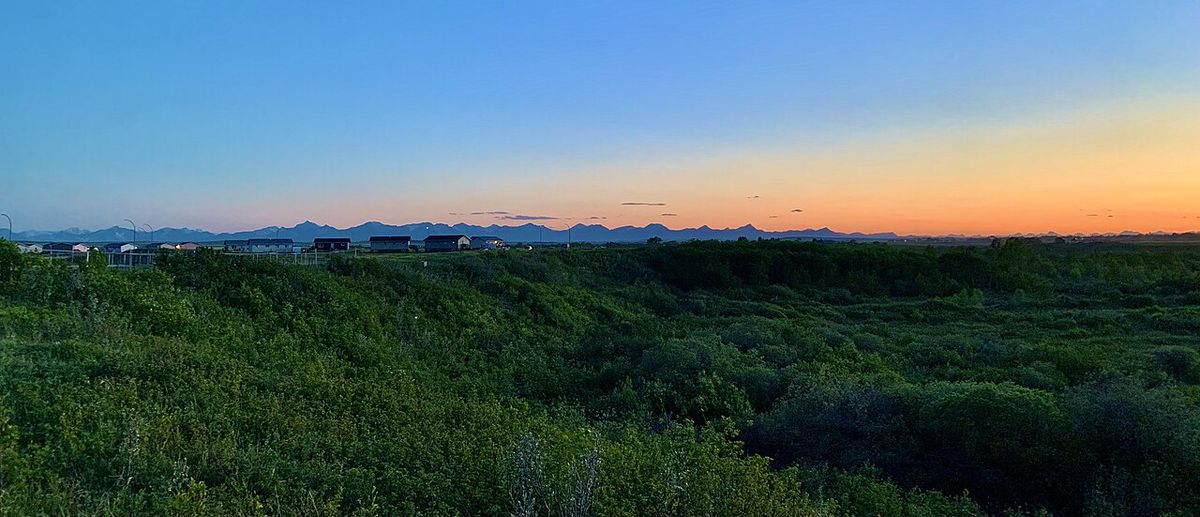
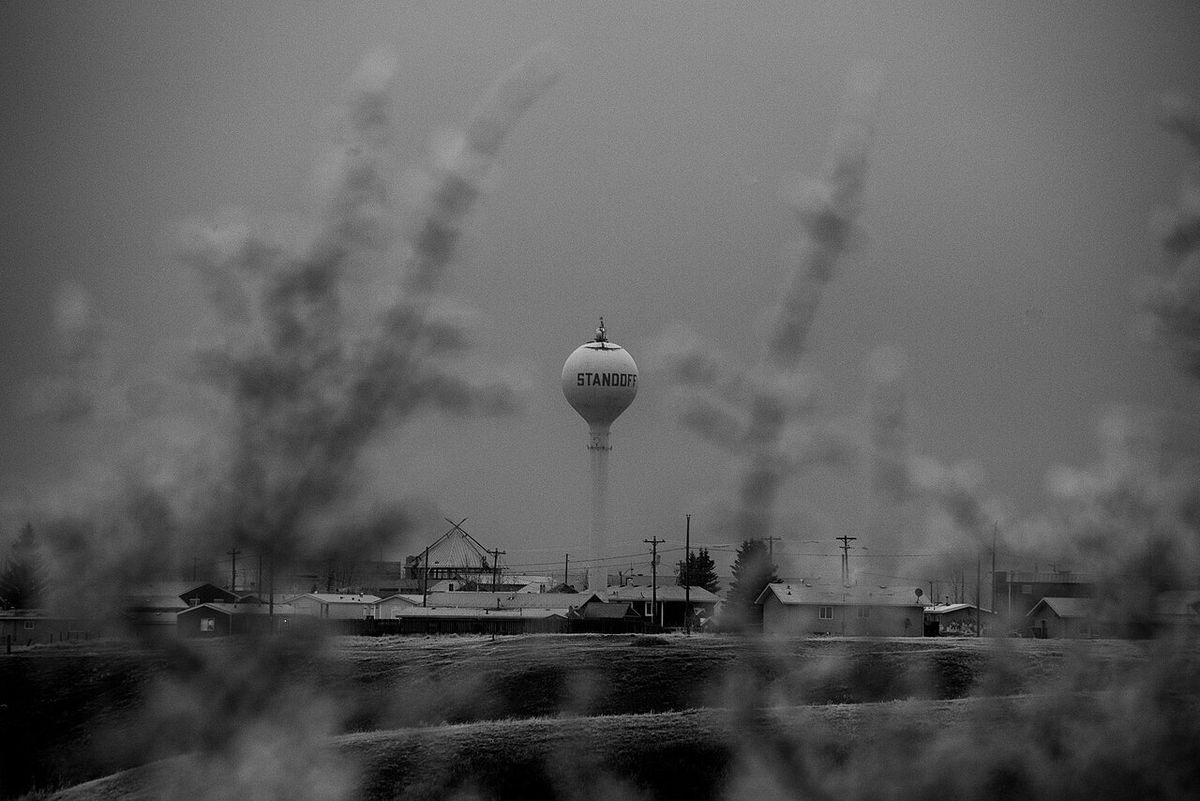
Blood 148 is situated in the prairie region of southern Alberta, approximately 200 kilometres south of Calgary. It is located between Fort Macleod, Lethbridge, and Cardston. The reserve borders the Municipal District of Willow Creek No. 26 to the northwest, Lethbridge County to the northeast and Cardston County to the east, south and southwest. The landscape is defined by rolling plains and is supplied by two major river systems: the St. Mary River and the Belly River. Major transportation corridors, including Alberta Highway 2, Highway 5, and Highway 509, traverse the reserve. The primary administrative and community hub for the Blood Tribe is Stand Off, located on the northwest border of the reserve. The reserve's land area of 1,413.87 square kilometres makes it the largest in Canada.
The Kainai Nation and Historical Context
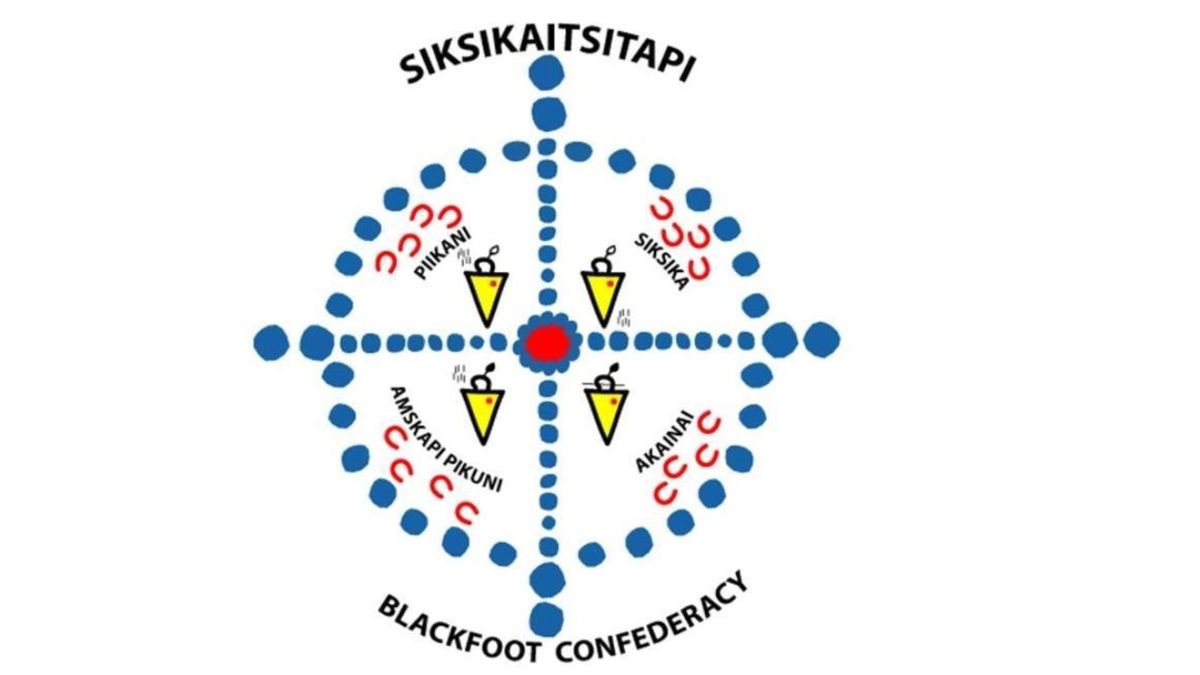
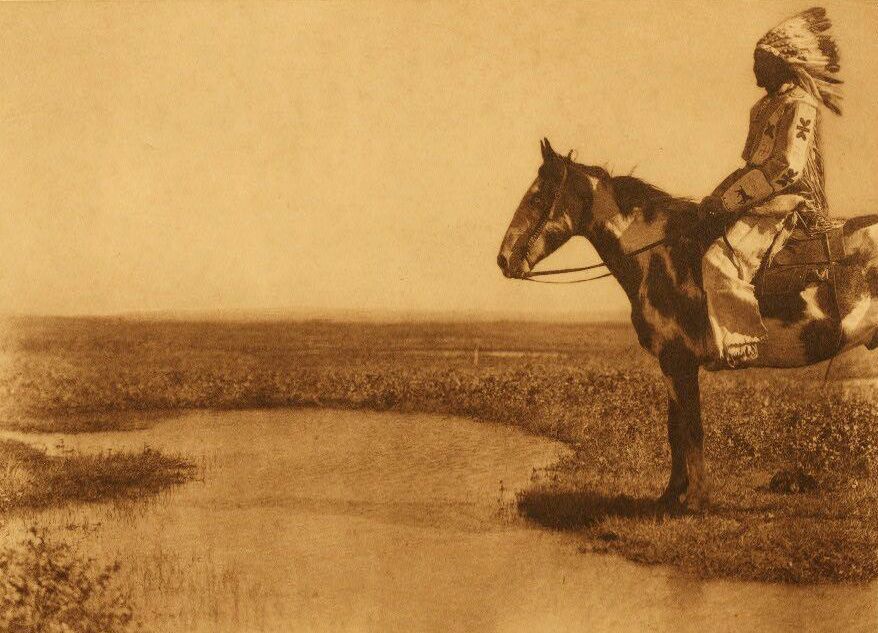
The Kainai Nation, one of the four nations that constitute the Blackfoot Confederacy, alongside the Siksika, Aamsskaapipiikani, and Piikani, has a name that reflects its historical leadership structure. Their traditional territory historically stretched from the Rocky Mountains east to the Great Sand Hills in present-day Saskatchewan and from the North Saskatchewan River south to the Yellowstone River in Montana. The Kainai were a nomadic Plains people whose society, spirituality, and economy were centred on the buffalo. They organize their history into seven periods, with the current age, i'kookaikski or the age when the people used tipi designs, encompassing the last 500 years, including contact, treaty-making, and modern life. First recorded contact with European traders occurred in 1691 through the Hudson's Bay Company. The Kainai are also known as the Blood, a name derived from a translation of a Blackfoot term referring to the colour of their face paint. The nation is part of the larger Blackfoot-speaking peoples whose territory spanned both sides of the Canada United States border.
Treaty 7 and the Establishment of the Reserve
On September 22, 1877, Chief Mi’k ai’stoowa (Red Crow), leader of the Mamio-yiksi (Fish Eaters Clan) and a skilled negotiator, signed Treaty 7 on behalf of the Kainai Nation at Blackfoot Crossing. Red Crow learned treaty negotiation skills from his uncle Piinakkoyim (Seen From Afar), who had negotiated the Lame Bull Treaty with the United States government in 1855. The treaty was intended to establish peace and provide certain benefits, including education, health care, and assistance with economic transition, in exchange for sharing vast tracts of traditional territory. A key negotiation by Red Crow was securing the Belly Buttes area, the heart of Kainai territory, as the location for their reserve. The provisions of Treaty 7 led to the formal creation of Blood 148. However, the relationship established by the treaty was immediately complicated by the imposition of the Indian Act in 1876. This federal legislation sought to assimilate Indigenous peoples by suppressing cultural practices, imposing systems like residential schools and the pass system, and centralizing authority with the federal government. The Kainai understanding of treaty, rooted in a spiritually binding accord and a principle that land is for sharing, was not recognized by the colonizers during the Treaty 7 process.
Demographics and Population
Blood 148 is the largest reserve in Canada by area and the third most populous after Six Nations and Akwesasne. As of November 2025, the on-reserve population was reported at 8,730 people. The total registered membership of the Kainai Nation, which includes people living on-reserve, off-reserve, and on the smaller Blood 148A timber limit, was 13,081. In 2006 the on-reserve population was recorded at 4,177 living in 1,250 dwellings, an 8.4 percent increase from 2001. By 2018, the Alberta government listed the population at 4,713. Prior to the June 2019 court award, the population density was 3.0 per square kilometre. As of December 2013, the band had a total registered population of 11,791 according to federal sources. The demographic profile is young, with a high proportion of children and youth, which presents both opportunities and challenges for community services, education, and future leadership. The band is officially known as Blood 435, based on reserves 148 and 148A.
Governance and Leadership
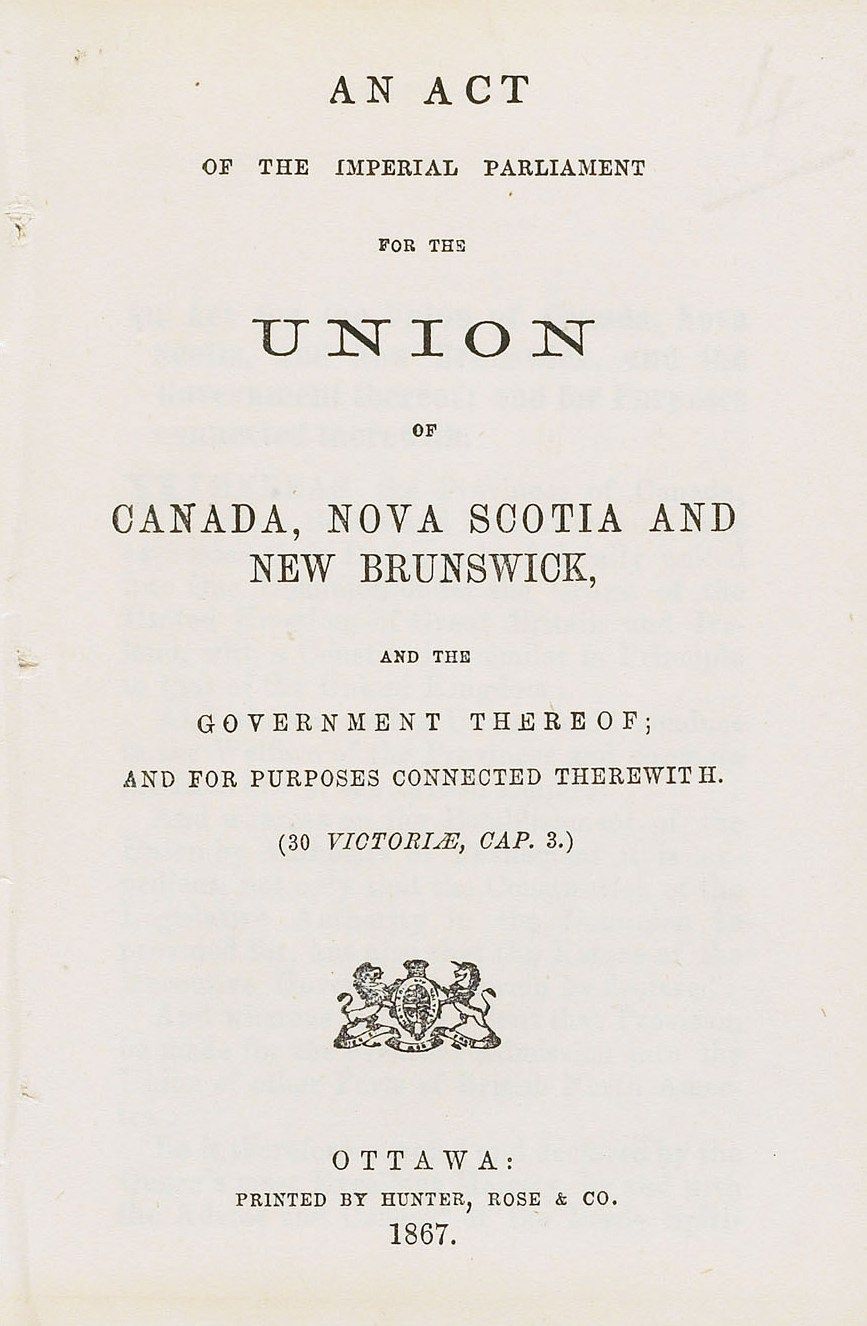
Under the Constitution Act, 1867, legislative authority over Indian reserves is placed exclusively with the national parliament and specifically Crown Indigenous Relations and Northern Affairs Canada. The Blood Tribe is governed by a Chief and Council elected under its own custom election code. As of 2024, the Chief is Traveller Plaited Hair (Aakaayaamihtsinima). The council consists of twelve councillors: Patrick Black Plume (Siksaapoo), Clarence Black Water (Aakaota’si), Kyla Crow (Komiikakato’saakii), Beth Day Chief (Sapappistsa’taakii), Dorothy First Rider (Iitomomahka), Elliot Fox (Makoy’ooh’kinni), John J. (J.J.) Little Bear (Piita’ohkamii), Kirby Many Fingers (Apanssa’pi), Maria Russell (Iitoominnimaakii), Piinaakoyim Tailfeathers (Piinaakoyim), Marcel Weasel Head (Aapao’tokaan), and Franklyn White Quills (Makoyaapii). The tribal administration, based in Stand Off, manages a wide range of programs and services for community members, from education and health to housing and economic development. The nation also engages actively in broader political advocacy through organizations like the Assembly of First Nations.
Land Claims and Legal Actions
The Kainai Nation has been actively pursuing land claims and legal actions for decades to address historical grievances and breaches of Treaty 7. On June 12, 2019, a federal court ruled that, according to Treaty 7 land entitlement provisions, the Blood Tribe was entitled to a reserve equal to 710 square miles (1,800 km²) in area. This was an increase of 164.1 square miles (425 km²) over the existing surveyed area of 1,413.87 km², though the judgment did not specify a remedy for this shortfall nor address costs. In July 2019, the nation settled a major specific claim regarding the federal government's mismanagement of the Blood Tribe's cattle herd between 1894 and 1923. The settlement provided $150 million, with $27 million distributed to members and $123 million invested in community infrastructure like housing, capital projects, and a new hockey rink. The nation is also involved in ongoing litigation referred to as The Big Claim, which seeks compensation for the broader impacts of the Crown's failure to fulfill its treaty promises. These legal processes are part of the specific claims system introduced in 1973 to address grievances of First Nations who did not receive their treaty entitlements.
Community Life and Contemporary Issues
Life on Blood 148 is characterized by a strong connection to Blackfoot culture and language, alongside the realities of modern governance and economic development. The community hosts numerous cultural events and powwows throughout the year, such as an annual Halloween Powwow organized by the Blood Tribe Administration. Contemporary challenges include addressing housing needs, fostering economic opportunities, and managing the reserve's natural resources, which include freshwater sources, forests, and fossil fuels. The community also deals with issues of cross-border mobility, as members of the Blackfoot Confederacy have traditional ties across the Canada United States border. The Blood Tribe provides various services and maintains key community institutions, including the Blood Tribe Administration offices in Stand Off, the Kainai Board of Education, the Blood Tribe Health Department, and the Blood Tribe Police Service. These institutions work to support the well-being of community members while upholding Kainai values and sovereignty in the face of ongoing socio-economic pressures linked to colonial policies like the Indian Act.
Economy and Land Use
The economic base of Blood 148 is diverse, encompassing agriculture, ranching, resource development, and community services. The fertile lands, supported by the St. Mary and Belly Rivers, are used for farming and cattle grazing, continuing a long tradition of relationship with the land. The nation has also explored opportunities in energy development, given the presence of fossil fuel resources within the reserve boundaries. Revenue from land leases, settlement funds, and band-owned enterprises contributes to the community's economy. A significant portion of economic activity is tied to the band administration itself, which is a major employer. The nation's second reserve, Blood 148A, is a timber limit used primarily for hunting, fishing, and traditional purposes. The Kainai Nation continues to advocate for greater control over resource management on their lands, seeking to implement traditional ecological knowledge and practices, such as controlled burning, which were used for millennia to steward the prairie landscape. The nation manages approximately 142,000 hectares of natural resources within the reserve.
Cultural Significance and Relations
The Kainai Nation on Blood 148 maintains a cultural identity rooted in Blackfoot language, ceremony, and a worldview centred on their relationship with the Creator, Napi, who they believe placed them on their territory. Their historical periods and clan systems, such as the Mamio-yiksi, continue to inform social structure and leadership. The community has produced notable figures like writer Beverly Hungry Wolf, who contributes to the preservation and sharing of Kainai knowledge. The nation's relationship with neighbouring municipalities and the provincial government is ongoing, involving matters of shared infrastructure, service delivery, and regional planning. The Blood Tribe's membership in the Blackfoot Confederacy maintains important kinship and political ties with the Siksika, Aamsskaapipiikani, and Piikani nations, both in Canada and the United States. These relationships are activated in collective advocacy, cultural exchange, and in addressing shared concerns such as border crossing rights under the Jay Treaty. The perseverance of the Kainai people through the devastating effects of colonization, including the loss of the bison, bans on cultural practices, and the legacy of residential schools, shows the resilience evident in the contemporary vitality of Blood 148.
List of Blood Tribe Councillors (2024)
| Councillor Name | Blackfoot Name |
|---|---|
| Patrick Black Plume | Siksaapoo |
| Clarence Black Water | Aakaota’si |
| Kyla Crow | Komiikakato’saakii |
| Beth Day Chief | Sapappistsa’taakii |
| Dorothy First Rider | Iitomomahka |
| Elliot Fox | Makoy’ooh’kinni |
| John J. (J.J.) Little Bear | Piita’ohkamii |
| Kirby Many Fingers | Apanssa’pi |
| Maria Russell | Iitoominnimaakii |
| Piinaakoyim Tailfeathers | Piinaakoyim |
| Marcel Weasel Head | Aapao’tokaan |
| Franklyn White Quills | Makoyaapii |
Questions about Blood 148
Where is the Blood 148 reserve located?
Blood 148 is a First Nations reserve located in southern Alberta, Canada. It is situated approximately 200 kilometres south of Calgary. The reserve is bounded by the city of Lethbridge to the northeast, the town of Cardston to the south, and the town of Fort Macleod to the northwest. It borders the Municipal District of Willow Creek No. 26, Lethbridge County, and Cardston County. It is managed from the community of Stand Off on its northwest border. Major transportation routes traversing the reserve include Alberta Highway 2, Highway 5, and Highway 509.
Why is Blood 148 significant in Canada?
Blood 148 is significant because it is the largest First Nations reserve in Canada by land area, at 1,413.87 square kilometres. It is the primary reserve of the Kainai Nation, also known as the Blood Tribe, which is part of the Blackfoot Confederacy and a signatory to Treaty 7. With an on-reserve population of 8,730 as of 2025, it is the third most populous reserve in Canada after Six Nations and Akwesasne. Its size and population make it a major centre for the Kainai people and their governance.
Who is the current chief of the Blood Tribe?
The current Chief of the Blood Tribe is Traveller Plaited Hair, also known by his Blackfoot name Aakaayaamihtsinima. His term began in 2024. The reserve is governed by a tribal council led by the Chief and twelve councillors. Under the Constitution Act, 1867, legislative authority over Indian reserves is placed exclusively with the national parliament and Crown Indigenous Relations and Northern Affairs Canada. The council manages programs and services from the administrative hub in Stand Off.
What was the result of the 2019 court ruling about Blood 148's land?
On June 12, 2019, a federal court ruled that, according to Treaty 7 land entitlement provisions, the Blood Tribe was entitled to a reserve equal to 710 square miles (1,800 km²) in area. This was an increase of 164.1 square miles (425 km²) over the existing lands at the time. The court's judgement confirmed the Crown's failure to provide the full treaty land entitlement. However, the specific ruling did not address the remedy for this shortfall nor associated costs. This decision is part of ongoing land claims and litigation concerning treaty rights.
How many people live on the Blood 148 reserve?
The population living on the Blood 148 reserve has grown over time. In 2006, the on reserve population was 4,177 people living in 1,250 dwellings. By 2018, the Alberta government listed the population at 4,713. By November 2025, the on reserve population was reported to be 8,730 people. The total registered population of the Blood Tribe, which includes members living on reserves 148 and 148A as well as off reserve, was 13,081 as of late 2025. The band's official designation is Blood 435.
What are some of the major land claims settled by the Kainai Nation?
One major settled claim involved the federal government's mismanagement of the Blood Tribe's cattle between 1894 and 1923. This claim was settled in July 2019 for $150 million. Of that amount, $27 million was designated for distribution to band members, and the remaining $123 million was allocated for community projects like housing, capital works, and a new hockey rink. The nation also pursues other claims, including The Big Claim, through the specific claims process established in 1973. The 2019 court ruling on land entitlement also confirmed a significant shortfall in treaty land.
Sources and further reading
- Blood 148 (Wikipedia)
- Course:FRST370/Land claims and land uses on the Blood ... (wiki.ubc.ca)
- Blood Tribe among First Nations urging caution when ... (lethbridgenewsnow.com)
- Kainai Nation (Blood Tribe) (thecanadianencyclopedia.ca)
Checked by the Nosy Mag desk. Last updated 2026-10-28.