Kainai Nation
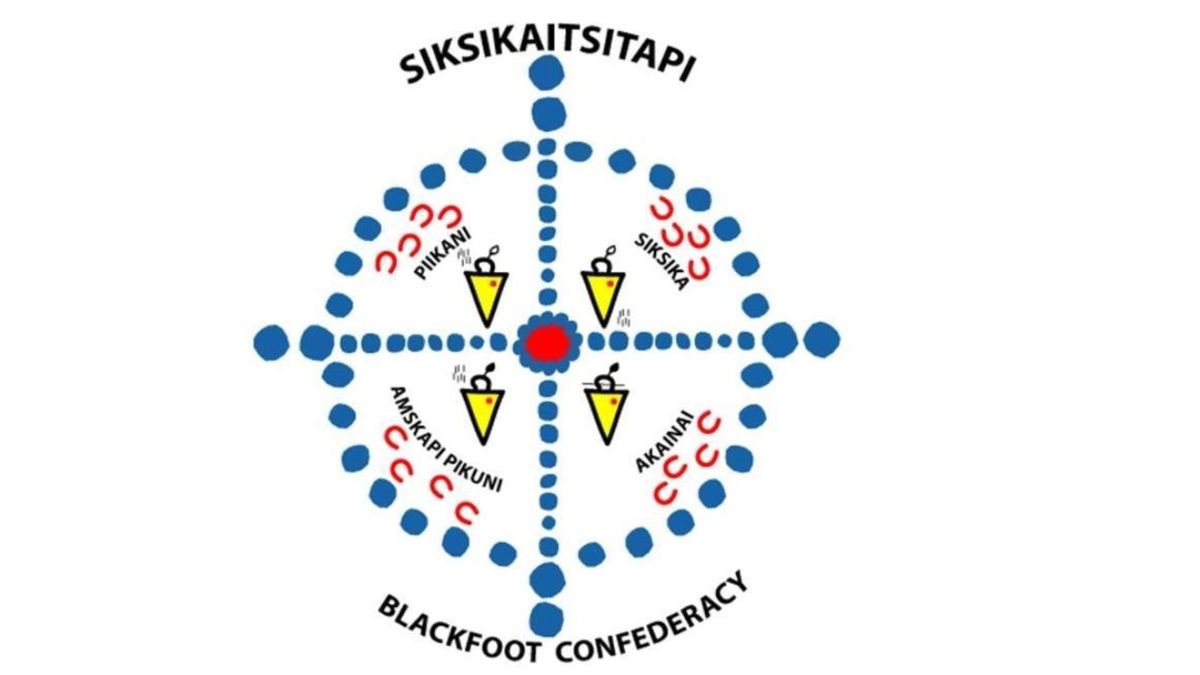
The Kainai Nation, also known as the Blood Tribe, is a First Nations band government and a foundational member of the Blackfoot Confederacy in southern Alberta. With a registered population of 12,965 members in 2024, the Kainai are stewards of Blood 148, the largest reserve in Canada at 1,410 square kilometres. The nation is recognized for its distinct Blackfoot dialect, its historical role as a formidable bison-hunting culture on the Northern Plains, and its ongoing leadership in cultural revitalization and economic development. For Canadians, the Kainai Nation represents a vital and enduring part of the country's Indigenous heritage, actively asserting its sovereignty through land management, treaty rights, and the preservation of its language and traditions.
History and Traditional Territory
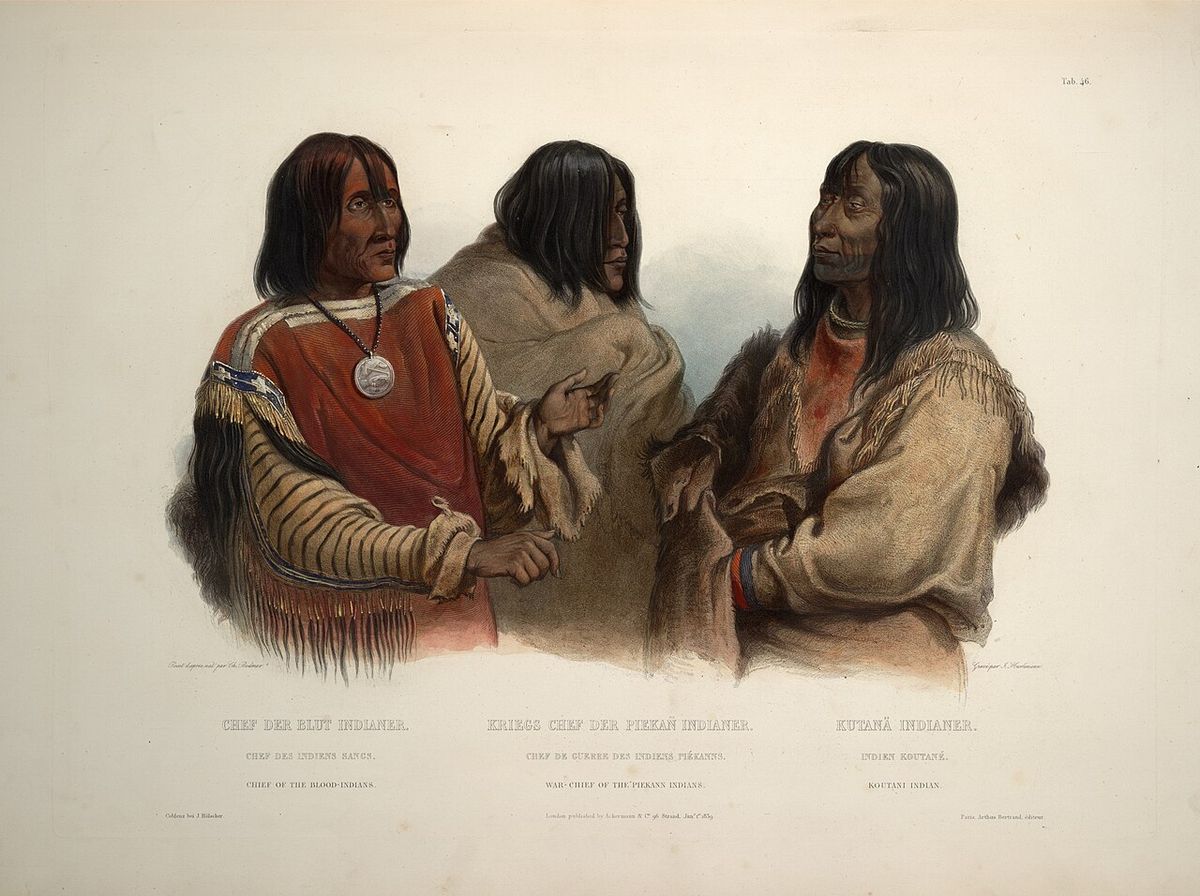
The Kainai Nation's traditional territory once spanned vast hunting grounds from the Red Deer River south to the Belly River in Alberta, extending far into present-day Montana where they traded often with the American Fur Company. They were a central force in the Northern Plains, renowned as fierce warriors who engaged in conflicts with nations such as the Cree, Ktunaxa, Shoshone, and Crow, with male warriors gaining social prestige through acts of war documented in painted records on tipis and clothing. Their society was fundamentally shaped by the bison, which provided food, shelter, clothing, tools, and spiritual significance, with pemmican serving as a crucial winter staple supplemented by women's gathering of berries and root vegetables. The mid-1800s brought deep change with the arrival of European settlers, Hudson's Bay Company traders, and devastating epidemics like the 1837 smallpox outbreak, which reduced their population from an estimated 2,500-3,500 to about 1,750 people.
Despite these challenges, the Kainai and the broader Blackfoot Confederacy remained a powerful presence, temporarily impeding westward settlement. The transition from a nomadic, bison-based economy to life on a reserve was difficult, marked by efforts to adapt through ranching and agriculture while resisting assimilation policies. Oral traditions remained a resilient vessel for cultural knowledge, preserving stories of creation, the trickster Napi, and the deep spiritual connection to Kxa'khom (Mother Earth), whom some believe is the source of all life and to whom spirits return in a cycle of regeneration. Spiritual life traditionally involved medicine bundles, sacred ceremonies like the Sun Dance, and seeking guidance from shamans, with Christianity becoming common after the arrival of Catholic and Methodist missionaries in the late 1800s.
The Blood 148 Reserve and Governance
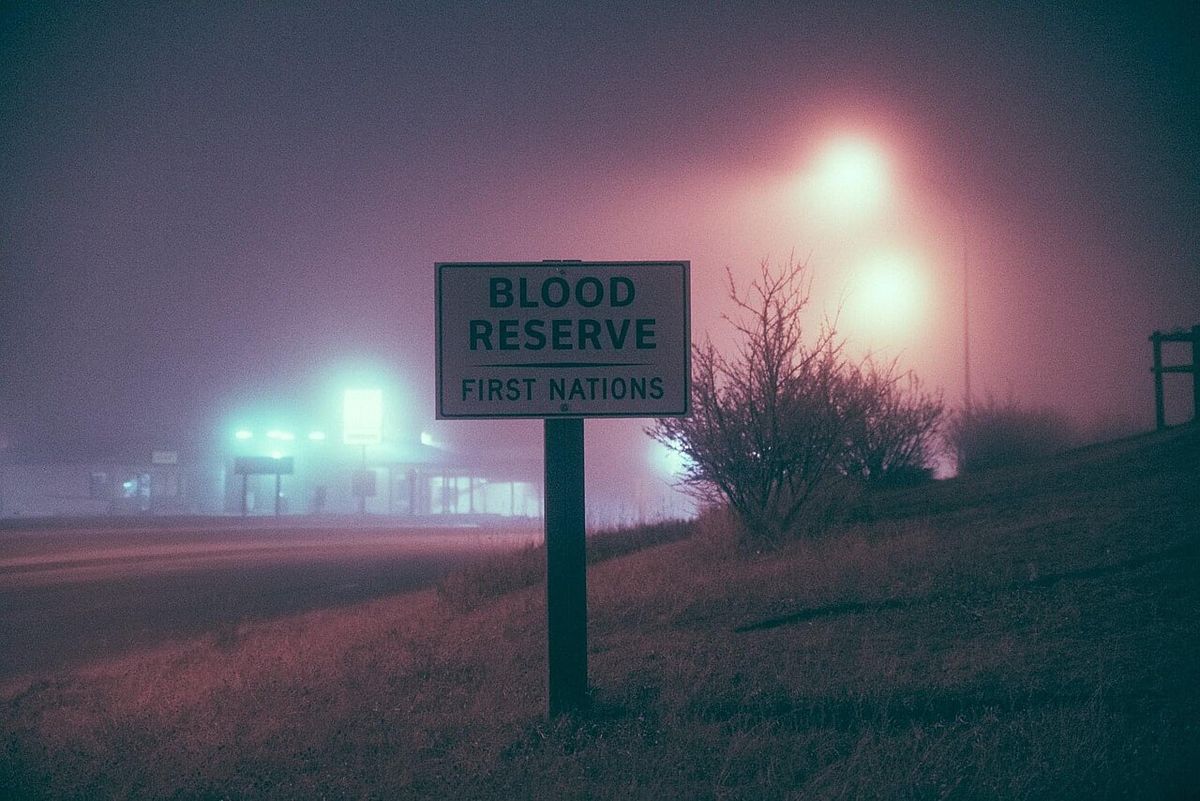
Blood 148 is the physical and political heart of the Kainai Nation, a vast expanse of 1,410 square kilometres bordered by the Oldman, St. Mary, and Belly rivers. It is the largest First Nations reserve in Canada by area, with approximately 8,600 of the nation's 12,965 members living on the land, which is located 200 kilometres south of Calgary. The reserve's administrative centre is in Stand Off, Alberta, located about 40 kilometres west of Lethbridge, and it contains several distinct communities. The Kainai Nation is governed by an elected Band Council consisting of twelve to fifteen councillors and one chief, each serving a four-year term, operating under the band's inherent right to self-government and the powers recognized under the Indian Act.
The current chief, Roy Fox (Makiinimaa), has held office since 2016, following predecessors including Charles Weasel Head (2004 to 2016), Chris Shade (1996 to 2004), and the last of the hereditary traditional chiefs, Jim Shot Both Sides (1956 to 1980). The council for 2024 includes councillors such as Patrick Black Plume (Siksaapoo), Clarence Black Water (Aakaota’si), Kyla Crow (Komiikakato’saakii), Beth Day Chief (Sapappistsa’taakii), and Marcel Weasel Head (Aapao’tokaan). Community safety is provided by the Blood Tribe Police force, which had 31 officers as of 2015, continuing a tradition of law enforcement that dates back to the pre-treaty iikunuhkahtsi society responsible for maintaining order and punishing misdeeds. The nation maintains several distinct communities within the reserve, each with Blackfoot names that reflect their geographical or historical significance.
- Standoff / Saípoyi or Tattsikiitapi (administrative centre)
- Old Agency / Iikaitonnio'pi or Aakáíksamaiksi
- Levern / Iisoitapi
- Bullhorn / Pomiipisskian
- Fish Creek / Akaomisko
- Moses Lake / Aakoohkiimiksi
- Ft Whoop Up / Akaisakoyi
The Kainai nation communities include Bullhorn, Fish Creek, Ft Whoop Up, Levern, Moses Lake, Old Agency, and Standoff. These communities form the network of social and family life across the expansive territory. Each contributes to the nation's collective identity and daily governance challenges. Education occurs at schools like Tatsikiisaapo'p Middle School, where project creator Jowi Taylor was presented with a braid of sweet grass by principal Ramona Big Head. Local services are also provided within these communities.
Economy, Resources and Specific Claims
The Kainai Nation pursues a diverse economic strategy that blends modern enterprise with the unique resources of their land, engaging in trade with domestic and international partners. A significant venture is ammolite mining, as the Bearpaw Formation underlying their territory is the world's only commercial source of this rare, iridescent gemstone formed from fossilized ammonites during the Campanian age, highly valued in Asian markets for feng shui. Mining operations have also uncovered significant paleontological finds, including several oceanic mosasaur fossils that are stored for study at the Royal Tyrrell Museum but remain the legal property of the Kainai Nation. Alongside resource development, the nation has been actively pursuing justice for historical grievances through the federal specific claims process, having filed many such claims to address Crown obligations.
In a landmark 2017 Federal Court ruling, it was determined the Crown had underestimated the band's population at the time of Treaty 7, meaning the Blood Tribe reserve was smaller than it should have been. This entitled the nation to an expansion of 421 square kilometres or a financial settlement in lieu of the land, a decision that could significantly alter the reserve's boundaries and resource base. Subsequently, in July 2019, the Kainai Nation settled a major claim regarding Crown mismanagement of the band's ranching assets, receiving a $150 million cash settlement. Chief Roy Fox stated that $123 million of those funds would be directed toward critical community infrastructure, including housing, capital works, a new administration building, and a new skating rink, directly investing in community well-being and future development. These settlements provide capital for the nation to invest in self-determined priorities and economic sovereignty, addressing long-standing underfunding and mismanagement while building a foundation for future generations.
Cultural Revitalization and Land Stewardship
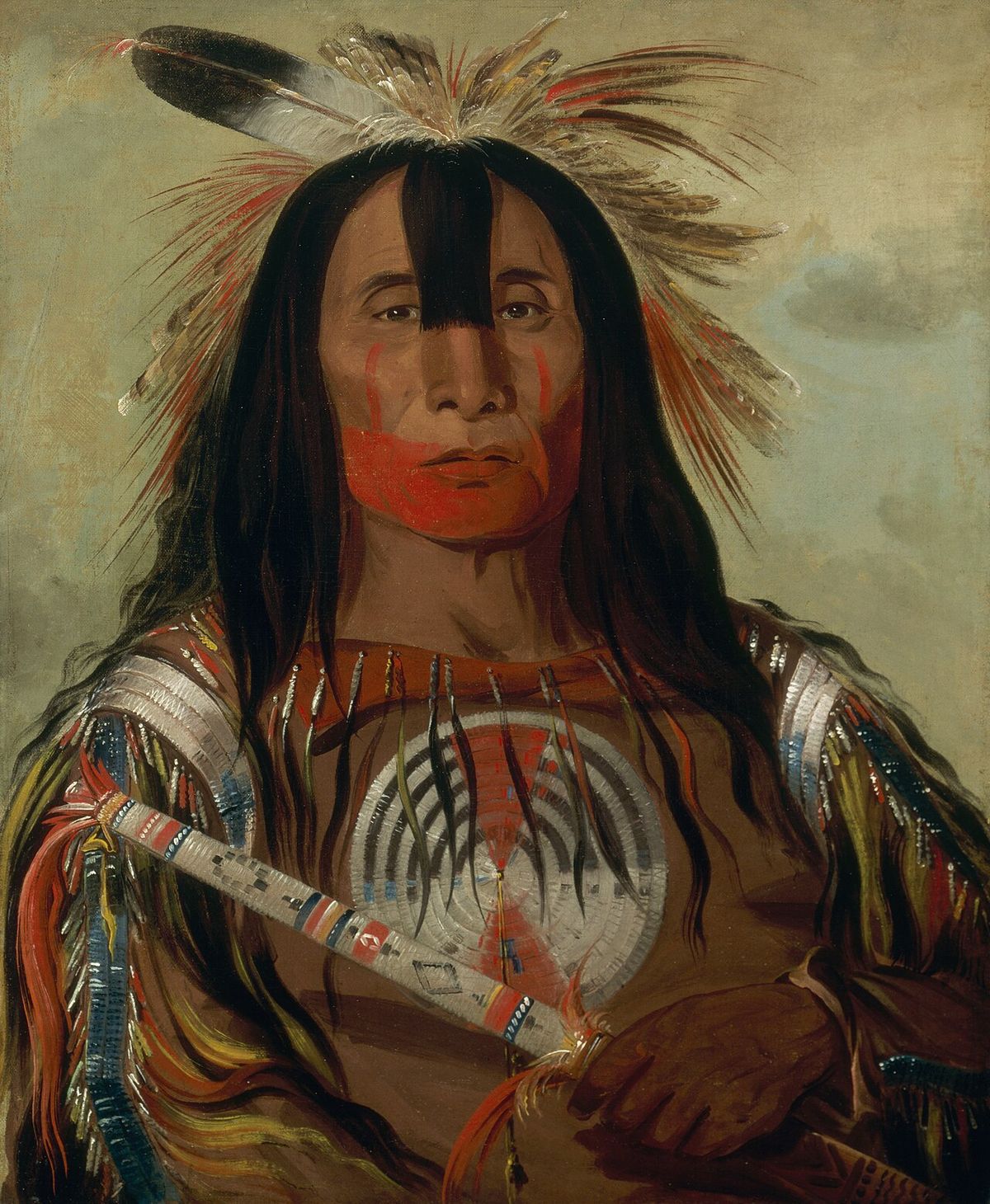
A powerful movement of cultural revitalization and traditional land stewardship is underway within the Kainai Nation, exemplified by the pioneering Indigenous Fire Guardians program launched in 2026 with three years of federal funding. This initiative, supported by partnerships with the Kainai fire department, Waterton Lakes National Park, and Blackfeet fire management in Montana, aims to reintroduce cultural burning practices after decades of colonial fire suppression deemed a tactic to remove Indigenous people and bison from the landscape. In early May 2026, Elders Calvin Williams and Dennis Chief Calf led a ceremonial burn after a prayer with tobacco, using lit cattails to set fire to overgrown prairie grasses near the powwow arbour in a deliberate act of ecological healing and asserted sovereignty. Environmental manager Alvin First Rider framed the work as a response to threats from invasive species and climate change, part of a broader vision to restore fire alongside the rematriation of bison and beavers to rebalance local ecosystems.
This work is deeply connected to Blackfoot creation stories, particularly the tale of Napi and the Sun Leggings, which teaches the power and responsibility of using fire, warning against the arrogance that can destroy the grasslands. The use of fire was traditionally managed by fire keepers who passed down knowledge generationally, using methods like transferring hot coals in bison horns, but community practice largely died out by the mid-1990s due to ingrained fear and taboo. Cultural ceremonies remain central to community life, including the sacred Sun Dance, which the nation permitted the National Film Board to document in 1960's Circle of the Sun out of concern it might be lost. Today, annual events like the Kainai Powwow, such as the one held in Stand Off in July 2026 featuring a Grand Entry, are significant celebrations of dance, song, and community gathering, ensuring traditions are passed to new generations in a contemporary context while honouring the past.
Media, Arts, and Cultural Representation
The Kainai Nation has a storied history of creative expression and self-representation through media, beginning with one of Canada's first Indigenous newspapers. The Kainai News, published from 1968 to 1991 by the Blood Indian Tribe and later Indian News Media, was instrumental in Aboriginal journalism, focusing on local reserve issues and national policies like the Indian Act, the Whitepaper, and Bill C-31. Its pages regularly featured influential editorial cartoons by Everett Soop, and its first editor was Caen Bly, granddaughter of Senator James Gladstone, while its predecessor was the Sun Dance Echo, edited by Reggie Black Plume with occasional articles by historian Hugh Dempsey. In film, the National Film Board of Canada has produced several significant documentaries, beginning with 1960's Circle of the Sun, which recorded the Sun Dance after tribal leaders permitted filming as a visual record for the future. The NFB released the documentary Kainai in 1973, discussing the construction and consequences of a factory on their property, and in 2011 compiled the Pete Standing Alone trilogy for National Aboriginal Day, documenting 50 years of the nation through the life of elder Pete Standing Alone. The nation's cultural influence extends into material culture, as in 2006 when community leader Rick Tailfeathers contributed a small ammolite carving of a buffalo skull to the Six String Nation project's Voyageur guitar, and in 2014 project creator Jowi Taylor was presented with a braid of sweet grass by principal Ramona Big Head at Tatsikiisaapo'p Middle School, which resides in the guitar case. Kainai artists and performers have also achieved national and international recognition, contributing deeply to Canada's cultural scene across multiple disciplines and generations.
- Elle-Máijá Tailfeathers: Award-winning Kainai and Sámi actress, producer, filmmaker and curatorial assistant.
- Faye HeavyShield: Internationally renowned visual artist.
- Eugene Brave Rock: Actor and stunt performer.
- Byron Chief-Moon: Performer and choreographer.
- Tom Three Persons: Legendary rodeo champion and rancher, best known for winning the saddle bronc competition at the inaugural Calgary Stampede in 1912.
- Cherish Violet Blood: Stage and film actress.
- Marie Smallface Marule: Academic administrator, activist, and educator.
- Natawista Iksina (1825 to 1893): Interpreter and diplomat.
- Jerry Potts: Noted guide and interpreter.
- Pete Standing Alone: Respected elder and subject of NFB films.
- Esther Tailfeathers: Noted community member.
Population, Demographics and Contemporary Role
From a base of 11,791 registered members in December 2013, the population grew to 12,965 by 2024, with approximately 8,600 people residing on the Blood 148 reserve itself, making it one of the most populous First Nations in Alberta. This demographic profile shows both the appeal of the community and the challenges of providing services, housing, and economic opportunity across a dispersed population, with staffing and resources noted as constant concerns for the large territory. The nation's size makes it the largest within the Blackfoot Confederacy, playing a leading role in confederacy gatherings, such as hosting more than 30 representatives for a 2026 session addressing internal division and advancement, which shows its ongoing political significance. This growth places increasing importance on the nation's economic development and specific claim settlements to fund infrastructure and programs that support community well-being for all members. The large land base of Blood 148 provides a foundation for this growth, offering space for residential expansion, agricultural and ranching operations, and cultural land-use practices that are being actively revived through programs like the Fire Guardians. The Kainai Nation continues to be a significant political and cultural force in Alberta and Canada, advocating for its rights under Treaty 7 and working to protect its lands, culture, and unique identity as a people, as stated in its community mandate to promote the rights and well-being of the nation. The following table illustrates the recent population trend for the Kainai Nation, highlighting its consistent growth and the resulting need for expanded services and infrastructure.
As the nation looks forward, it balances the management of its substantial assets and territory with the imperative of cultural transmission. It ensures that the Kainai language, stories, and ceremonies remain a living part of its future. This is supported by entities like Kainai Studies, which is a post secondary educational entity dedicated to Blackfoot teachings. The nation is also engaged in diverse enterprises and trades with domestic and international partners. It is creating the first fire guardians program in Canada to reintroduce traditional land management techniques.
Questions about Kainai Nation
What does the name Kainai mean?
The name Kainai originates from the Blackfoot language. Akáínaa translates directly to 'many chief,' derived from 'aká' (many) and 'nínaa' (chief). Káína means 'many chief people.' The common English name, Blood Tribe, comes from the Plains Cree term 'mihkowiyiniw,' meaning 'stained with blood' or 'the bloodthirsty,' a reference to their historical reputation as fierce warriors. The nation is officially known as the Blood Tribe but increasingly uses its original name, Kainai, or Kainaiwa.
Where is the Kainai Nation located?
The Kainai Nation is located in southern Alberta, Canada. Its reserve, Blood 148, is situated approximately 200 kilometres south of Calgary and 40 kilometres west of Lethbridge, bordered on all sides by the Oldman, St. Mary, and Belly rivers. The 1,410-square-kilometre reserve's administrative centre is the community of Stand Off. The territory is within the traditional lands of the Blackfoot Confederacy, west of Lethbridge near the sites of Pakowki Lake and the Teton rivers where they historically moved in the mid-1800s.
Who is the current chief of the Kainai Nation?
The current chief of the Kainai Nation is Roy Fox, also known by his Blackfoot name Makiinimaa (Curlew). He was first elected in 2016 and was still serving as chief in 2026. He succeeded Chief Charles Weasel Head, who served from 2004 to 2016, and followed Chief Chris Shade (1996 to 2004). Chief Roy Fox has been instrumental in overseeing major specific claim settlements, including the 2019 $150 million ranching asset settlement, and community development projects like new infrastructure.
What is the Indigenous Fire Guardians program?
The Indigenous Fire Guardians program is a Kainai Nation initiative to restore cultural burns on the landscape. It is the first Indigenous fire guardians program in Canada. Supported by three years of funding from the federal government, the program trains community members to use prescribed fire as a tool for land stewardship. This practice is rooted in Blackfoot traditional knowledge and stories like Napi and the Sun Leggings, and it aims to manage invasive species, reduce wildfire risk, and rebalance ecosystems after decades of colonial fire suppression policies.
What was the 2019 specific claim settlement about?
In July 2019, the Kainai Nation settled a specific claim over Crown mismanagement of the band's ranching assets. The community received a $150 million cash settlement. Chief Roy Fox said that $123 million of this settlement will be used to develop housing, capital works, a new administration building and a new skating rink. This settlement addressed a historical grievance regarding the federal government's handling of the nation's assets.
What language do the Kainai people speak and what are their spiritual beliefs?
The Kainai people speak Siksikáí’powahsin, the Blackfoot language, with a dialect closely related to those of the Siksika and Piikani nations within the confederacy. Traditional spiritual beliefs centred on the spirit world and afterlife, using medicine bundles, sacred ceremonies like the Sun Dance, and seeking shamans for guidance and healing. Some believe in Kxa'khom (Mother Earth) as the source of all life, with sweat lodges symbolizing her womb for spiritual rebirth, while the Creator, Old Man or N'api, is seen as light personified and part of all living things. While Christianity became common after missionary arrival, traditional practices continue alongside it in the community today.
Sources and further reading
- Kainai Nation (Wikipedia)
- Kainai Nation: the first Indigenous fire guardians program ... (thenarwhal.ca)
- History of Kainai Nation (Blood Tribe) (thecanadianencyclopedia.ca)
- Chapter 27, Kainai (Blood Tribe) - Canada.ca (iaac-aeic.gc.ca)
Checked by the Nosy Mag desk. Last updated 2026-10-25.