History of the Acadians
The Acadians are the descendants of French colonists who settled in the northeastern region of North America, known as Acadia, beginning in the early 17th century. Their homeland encompassed present-day Nova Scotia, New Brunswick, Prince Edward Island, parts of eastern Quebec, and northern Maine. Acadian history is defined by the development of a distinct society through adaptation to the land and alliances with Indigenous peoples, followed by the catastrophic Grand Dérangement, the mass deportation by British forces between 1755 and 1764. This major event, which saw thousands uprooted and dispersed across the Atlantic world, is a foundational chapter in Canadian history. Today, Acadian communities celebrate a resilient cultural identity, with their history commemorated at numerous national historic sites across Atlantic Canada.
Foundations of Acadia
The first permanent French foothold in Acadia was established in 1605 with the construction of the Habitation at Port-Royal, led by Pierre Dugua, Sieur de Monts. This settlement followed a failed winter on Saint Croix Island and marked the beginning of sustained European colonization in the region. The colony's early survival depended heavily on cooperation and intermarriage with the Indigenous Mi'kmaq and Maliseet peoples, with recorded unions such as that of Charles La Tour to a Mi'kmaw woman in 1626. In 1636, Pierre Martin and Catherine Vigneau, who had arrived on the ship Saint Jehan, had the first European child born in Acadia, Mathieu Martin, at Port Royal. The settlers, largely from regions like Poitou, Angoumois, Aunis, Saintonge, Normandy, and Brittany, transplanted French social structures but adapted them to the North American frontier, fostering an independent-minded and kinship-based society.
Acadian governance was unstable in its first decades, notably during a period of internal conflict from 1635 to 1654 between rival governors Charles de Menou d'Aulnay at Port Royal and Charles de Saint-Étienne de la Tour at Saint John. This civil war included four major battles, culminating in the 1645 siege of Saint John where d'Aulnay emerged victorious. Following d'Aulnay's death in 1650, La Tour re-established his position, only for Acadia to be captured by an English force from Boston in 1654. The English occupation lasted until 1667, during which time French minister Jean-Baptiste Colbert forbade Acadians from returning to France, and no new French families settled in the colony.
Growth and Society Before 1710
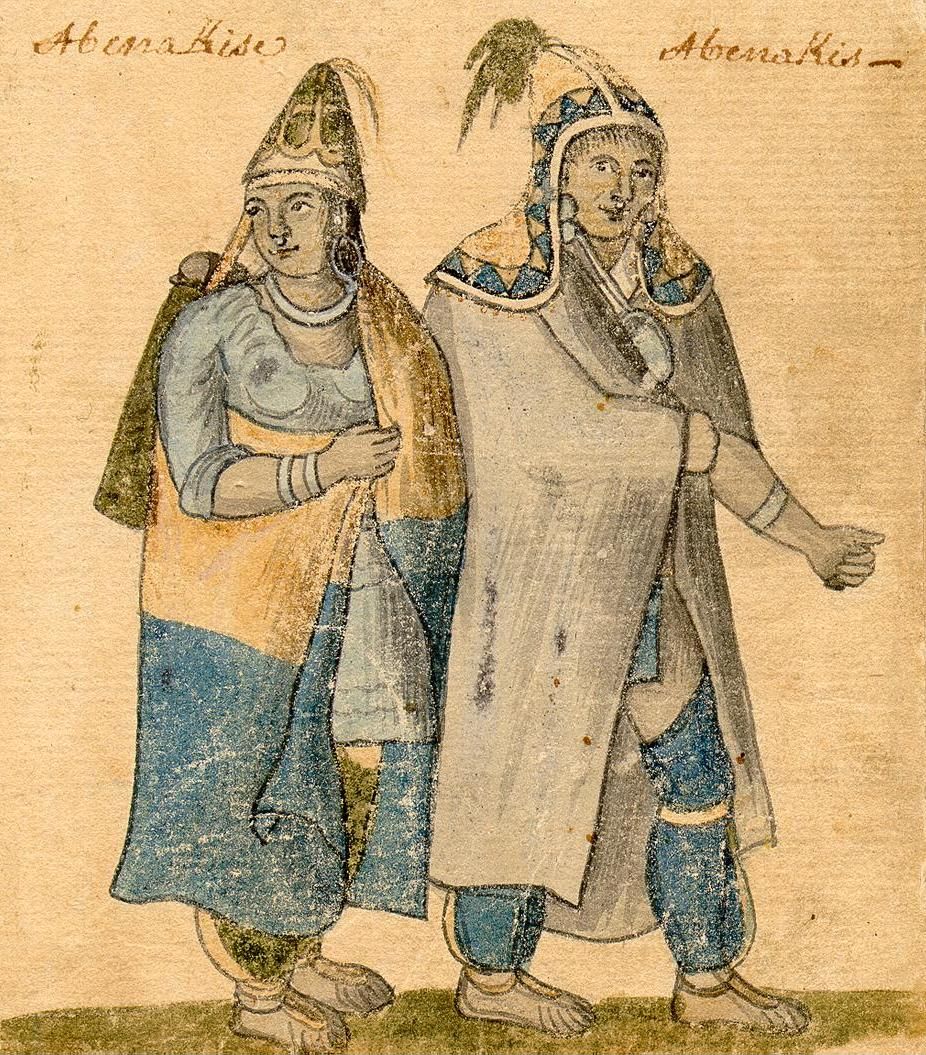
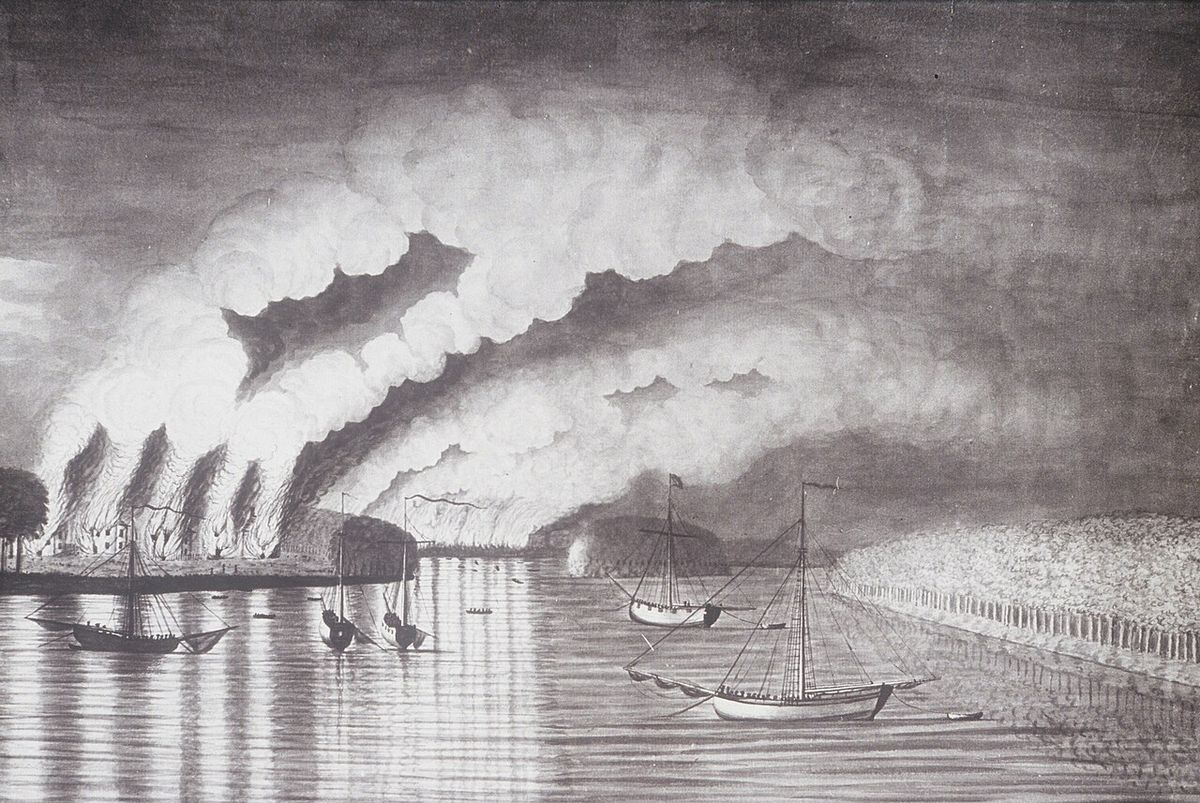
After the resumption of French rule, Acadian settlement expanded beyond the capital of Port Royal. Throughout the late 17th century, communities were established at Grand Pré, Chignecto, Cobequid, and Pisiguit, forming the major population centres before the deportation. The Acadian economy was built on agricultural self-sufficiency using dykes called aboiteaux, supplemented by trade with New England and with Indigenous allies. Their society was hierarchical yet displayed a strong egalitarian streak, with decisions often made through local gatherings. The relationship with the Mi'kmaq remained crucial, cemented by shared Catholicism, military alliances, and continued intermarriage, such as the union of French officer Vincent de Saint-Castin with Marie Pidikiwamiska, the daughter of an Abenaki chief, in the 1670s. This period also saw hardship, including occasional epidemics like a smallpox outbreak on Ile Royale in 1732 that killed more than 150 people.
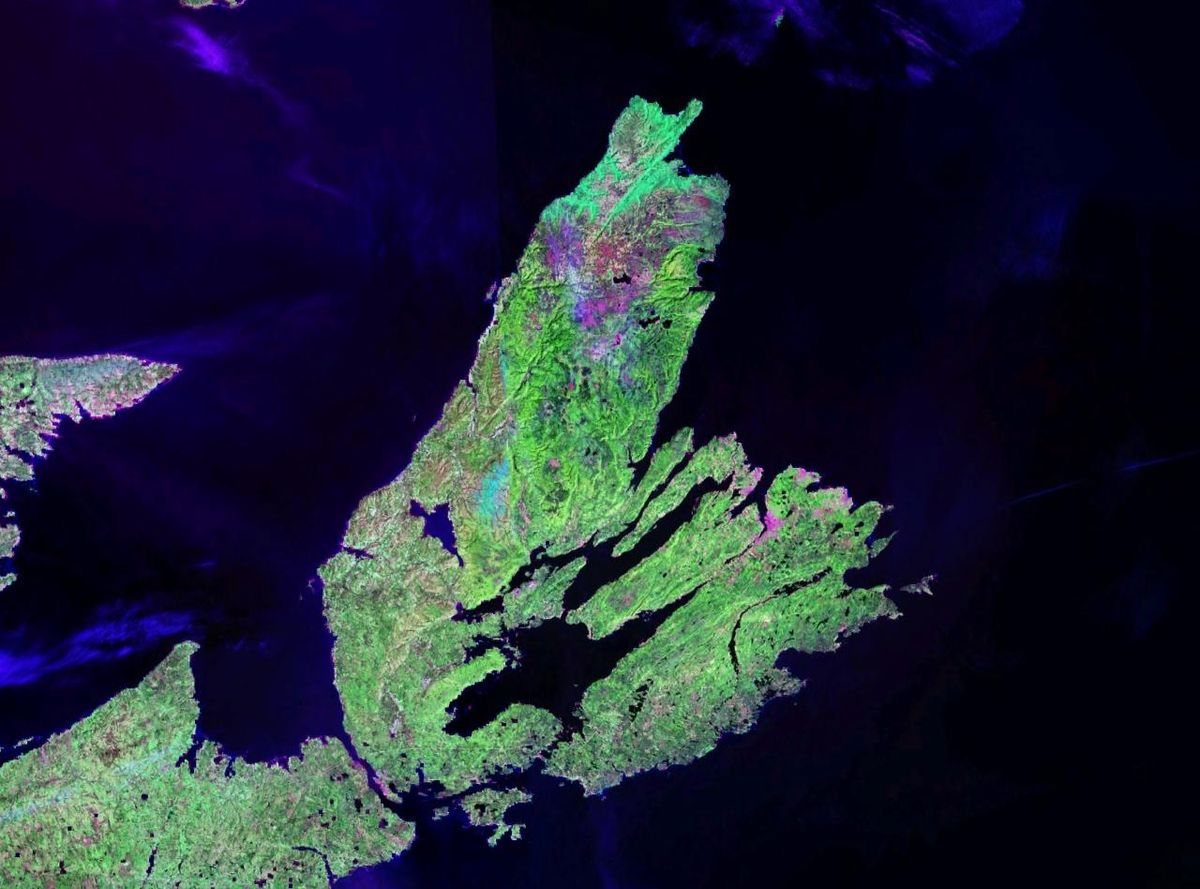
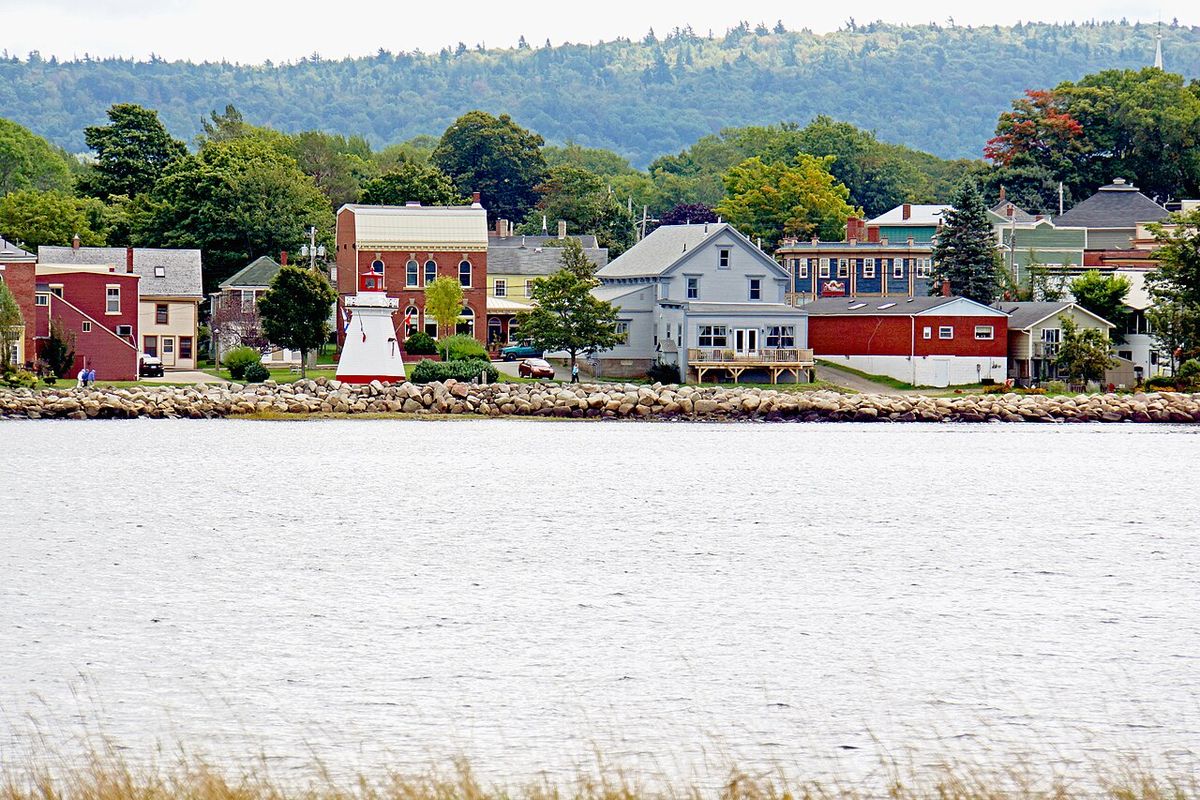
Port Royal served as the capital of Acadia for most of the period until 1710. Its strategic importance made it a repeated target during the colonial wars between France and Britain. The British made six attempts to conquer Acadia by capturing Port Royal before finally succeeding in the Siege of Port Royal in 1710. This victory, during Queen Anne's War, formally transferred the peninsular part of Acadia to Britain, which renamed it Nova Scotia. The Treaty of Utrecht in 1713 confirmed British sovereignty over mainland Nova Scotia, while France retained Ile Royale (Cape Breton) and Ile Saint-Jean (Prince Edward Island). This geopolitical shift placed the Acadian population, who wished to remain neutral, under British rule while they maintained cultural and familial ties to French territories and Indigenous allies.
The Oath of Allegiance and Rising Tensions
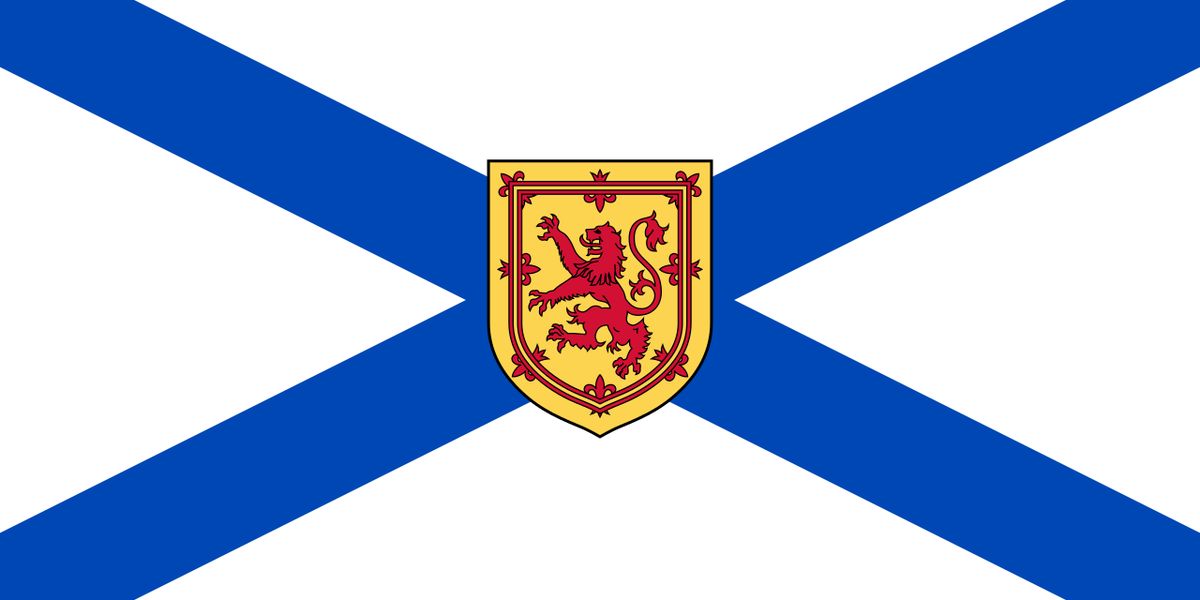
The central political issue for Acadians under British rule was the demand for an oath of allegiance to the Crown. In 1730, many Acadians agreed to swear an oath of neutrality, pledging not to take up arms against the British but also refusing to fight against the French or their Mi'kmaq allies. This conditional loyalty was increasingly viewed with suspicion by British authorities, especially as imperial tensions escalated. France fortified its position by building the massive Fortress Louisbourg on Cape Breton Island, and the British responded by founding the naval base of Halifax in 1749. The military standoff intensified when the French constructed Fort Beauséjour on the Chignecto Isthmus, facing the British-built Fort Lawrence. Acadian settlements were caught geographically and politically between these rival powers.
Governor Charles Lawrence, who assumed leadership in Nova Scotia in the 1750s, adopted a hardline stance. He viewed the Acadians' refusal to sign an unconditional oath as a military threat, a perspective reinforced when approximately 250 Acadian militiamen were found at Fort Beauséjour before its capture by the British in June 1755. In July 1755, Lawrence summoned Acadian delegates to Halifax and demanded they swear an unqualified oath. Upon their refusal, he imprisoned them and, with the support of his council, issued the order for deportation. This decision was also driven by New England immigrants in the colony who coveted the fertile Acadian farmlands. The stage was set for the Grand Dérangement.
The Grand Dérangement (The Expulsion)
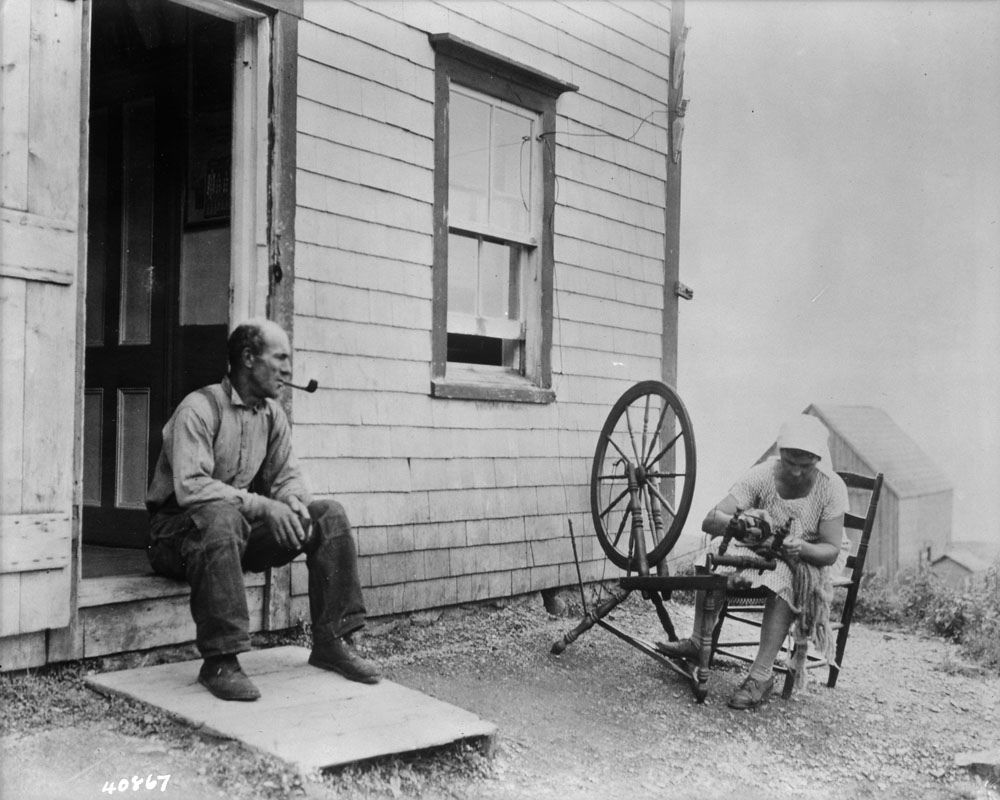
The deportation of the Acadians, known as the Grand Dérangement or the Great Upheaval, began in earnest in the fall of 1755. British forces, employing a plan, surrounded Acadian churches, seized men and boys, and systematically destroyed communities to prevent return. At Grand Pré on September 5, 1755, Colonel John Winslow read the deportation order in the church, declaring that Acadian lands, cattle, and livestock were forfeited to the Crown. Soldiers breached the dykes, burned houses and crops, and forced families onto transport ships. The initial wave saw about 6,000 Acadians forcibly removed from their homes and dispersed among the British American colonies from Massachusetts to Georgia. The deportation was a prolonged process that lasted until 1764.
The scale of the tragedy was immense. Between 1755 and 1763, more than 12,000 Acadians were deported. Families were often separated in the chaos. The journey was lethal for many, with squalid conditions on ships leading to disease and starvation. A particularly devastating event was the sinking of the transport ship Duke William. Following the British capture of Louisbourg in 1758, another 3,100 Acadians were deported from Ile Royale and Ile Saint-Jean, with an estimated 1,649 perishing from drowning or disease. The British government offered no compensation, and the Acadian refugees were frequently unwelcome in the colonies where they were landed.
- 1755: Expulsion begins at Fort Beauséjour and Grand Pré.
- 1755 to 1758: Main phase of deportations from mainland Nova Scotia.
- 1758: Deportation of Acadians from Ile Royale and Ile Saint-Jean after the fall of Louisbourg.
- 1755 to 1763: Acadians dispersed to British American colonies, France, and the Caribbean.
- 1763: Treaty of Paris ends the Seven Years' War.
- 1764: British authorities allow Acadians to return to Nova Scotia in small, isolated groups.
Acadian and Mi'kmaq Resistance
The deportation order triggered armed resistance from both Acadians and their Mi'kmaq allies. Acadian partisans, often operating from hiding places in the woods or from remote settlements, launched guerrilla campaigns against British forces. A key leader was Joseph Broussard, known as Beausoleil, who led resistance along the Petitcodiac River in present-day New Brunswick. Another was Charles Deschamps de Boishébert, who organized military responses from the Saint John River region. This resistance resulted in several engagements where Acadian and Mi'kmaq forces achieved victories. Notable actions included the Battle of Petitcodiac in 1755 and the Battle of Bloody Creek in 1757.
In one instance, Acadians being deported from Annapolis Royal on the ship Pembroke overpowered the British crew and sailed to safety. Partisan groups also conducted raids on British settlements, such as the Raid on Lunenburg in 1756 ordered by Boishébert. This resistance continued throughout the war, demonstrating the determination of many Acadians to remain in their homeland and contest British authority. The Mi'kmaq held significant military strength in the region and were crucial partners in these efforts to resist the British occupation of Acadia.
Diaspora and Return
The Acadian diaspora spread across the Atlantic world. Thousands were sent to the Thirteen Colonies, where they faced imprisonment, indentured servitude, or further displacement. Others were deported directly to France, where resettlement attempts were made in places like Châtellerault, Nantes, and Belle Île. A significant group migrated from France to Spanish Louisiana, where they became known as Cajuns, a derivative of 'Acadians'. Some Acadians found temporary refuge on the French islands of St. Pierre and Miquelon, only to be deported again by the British in 1778 and 1793. Many who escaped the initial roundups fled to present-day New Brunswick, Quebec, or hid with Mi'kmaq communities.
With the end of the Seven Years' War and the signing of the Treaty of Paris in 1763, the British policy shifted. In 1764, authorities permitted Acadians to return to Nova Scotia, but under strict conditions. They were not allowed to reclaim their former fertile lands around Port Royal or Grand Pré and were forced to settle in small, isolated groups on marginal coastal areas. The returning Acadians established new communities in places like Cheticamp in Cape Breton, the Madawaska region, and along the southwestern shore of Nova Scotia. This scattered resettlement pattern shaped the modern distribution of Acadian communities in the Maritime provinces.
Modern Acadian Identity and Commemoration
In 1881, the first National Convention of the Acadians was held in Memramcook, New Brunswick, marking a key moment in the organized assertion of Acadian identity. This convention established August 15 as National Acadian Day, a date chosen to coincide with the Feast of the Assumption. Today, this day is celebrated with festivals, music, and the Tintamarre, a noisy parade. In Nova Scotia, August is recognized as Acadian Heritage Month. Acadian history is preserved and shared at numerous National Historic Sites managed by Parks Canada. These include the Port-Royal National Historic Site, a reconstruction of the original 1605 habitation, Fort Anne in Annapolis Royal, the Grand-Pré National Historic Site which commemorates the deportation, and the Beaubassin and Fort Lawrence sites on the Chignecto Isthmus. Other milestones in Acadian cultural revival include the founding of the first Acadian newspaper, Le Moniteur Acadien, in 1867, the adoption of the Acadian flag and anthem in 1884, and the opening of the Acadian Historic Village in Caraquet, New Brunswick, in 1977. In 2003, a royal proclamation acknowledged the deportation and established July 28 as a day of commemoration. Since 2004, Acadian Remembrance Day on December 13 commemorates those who died during the deportation, particularly the sinking of the Duke William.
Demographic Impact of the Expulsion
The deportation had a deep and lasting demographic impact on Acadia. The loss of life from disease, shipwrecks, and deprivation was immense, and the fragmentation of communities was nearly total. The policy effectively cleared the most productive agricultural lands of their Acadian inhabitants, which were subsequently settled by New England Planters and later Loyalists. The return after 1764 did not reverse this demographic transformation but instead created a new, more dispersed map of Acadian settlement that persists to this day.
| Event / Period | Estimated Number of Acadians | Key Details |
|---|---|---|
| Pre-Expulsion Population (c. 1750) | 10,000-14,000 | Inhabiting settlements around the Bay of Fundy and beyond. |
| Deported from Ile Royale & Saint-Jean (1758) | 3,100 | After the fall of Louisbourg. |
| Fatalities from 1758 Deportation | 1,649 | Died from drowning or disease. |
| Total Deported (1755 to 1763) | More than 12,000 | Including those sent to colonies, France, and the Caribbean. |
| Allowed to Return (post-1764) | Small, isolated groups | Settled in scattered, less fertile regions of the Maritimes. |
Questions about History of the Acadians
Who are the Acadians?
The Acadians are the descendants of French settlers who established colonies in northeastern North America, a region they called Acadie, beginning in 1604. Their settlements were primarily located in what is now Nova Scotia, New Brunswick, Prince Edward Island, the Gaspé peninsula, and parts of Maine. They developed a distinct society through a unique agricultural system of dykes (aboiteaux) and through strong alliances and intermarriage with the Indigenous Mi'kmaq and Maliseet peoples. Their history is central to the cultural heritage of Canada's Maritime provinces.
What was the Acadian Expulsion or Grand Dérangement?
The Acadian Expulsion, known as the Grand Dérangement or Great Upheaval, was the forced deportation of the Acadian people by British authorities between 1755 and 1764. Following the refusal of Acadian delegates to sign an unconditional oath of allegiance to Britain, Governor Charles Lawrence ordered their removal. British soldiers rounded up thousands of Acadians, destroyed their homes and farms, and shipped them to distant British American colonies, England, France, and the Caribbean. More than 12,000 Acadians were deported, with thousands dying from disease, starvation, or shipwrecks.
Where did the Acadians go after the deportation?
Acadians were dispersed across the Atlantic world. Many were sent to the Thirteen Colonies, from Massachusetts to Georgia, where they often faced imprisonment or indentured servitude. Others were deported directly to France. A significant group eventually migrated from France to Spanish Louisiana, where they became known as Cajuns. Some Acadians escaped deportation by fleeing to present-day New Brunswick, Quebec, or by hiding with Mi'kmaq communities. After 1764, some were permitted to return to Nova Scotia but were forced to settle in scattered, less fertile coastal areas rather than their original farmlands.
How is Acadian culture celebrated today in Canada?
Modern Acadian culture is celebrated through festivals, music, language, and public commemorations. National Acadian Day is observed every August 15, featuring events like the Tintamarre. In Nova Scotia, August is recognized as Acadian Heritage Month. The history is preserved at Parks Canada national historic sites such as Port-Royal and Grand-Pré. The first National Convention of the Acadians in 1881 was a landmark event in the cultural revival. Acadian Remembrance Day on December 13 commemorates those lost during the deportation.
What was the relationship between the Acadians and the Mi'kmaq?
The relationship between Acadians and the Mi'kmaq was foundational to Acadian survival and society. From the earliest years, the groups formed alliances based on mutual trade, shared Catholicism, and intermarriage, with recorded formal unions as early as 1626. The Mi'kmaq provided crucial knowledge of the land and resources, while Acadians offered trade goods. This alliance also had a military dimension, as the Mi'kmaq and Acadians frequently fought together to resist British expansion during the colonial wars, including during the deportation itself.
When were Acadians allowed to return to Nova Scotia?
Following the end of the Seven Years' War with the Treaty of Paris in 1763, British policy softened. In 1764, authorities allowed Acadians to return to Nova Scotia, but under strict conditions designed to prevent them from becoming a concentrated political or military force. They were not permitted to reclaim their former fertile farmlands around the Bay of Fundy. Instead, returning Acadians were forced to settle in small, isolated groups in marginal coastal areas of mainland Nova Scotia, Cape Breton Island, and what would become New Brunswick.
Sources and further reading
- History of the Acadians (Wikipedia)
- Acadian Expulsion (the Great Upheaval) (thecanadianencyclopedia.ca)
- The Acadians, Timeline (cbc.ca)
- The Acadian Story (historicplacesdays.ca)
- Explore the birthplace of Acadian culture with Parks Canada (parks.canada.ca)
Checked by the Nosy Mag desk. Last updated 2026-10-26.