History of Saskatchewan
The history of Saskatchewan encompasses the long human story of Canada's central prairie province, from its ancient geological formation and millennia of Indigenous inhabitation to its central role in the fur trade, settlement era, and modern development. The region's evolution was shaped by the arrival of European explorers like Henry Kelsey in 1690, the establishment of the Hudson's Bay Company over Rupert's Land, the Métis-led North-West Rebellion, and a massive government-sponsored immigration campaign that populated its vast plains. Becoming a province on September 1, 1905, Saskatchewan's development has been fundamentally tied to agriculture, resource extraction, and the complex interplay of diverse cultures, including British, French, German, Ukrainian, and many others who formed distinct bloc settlements. Its history remains a living narrative, actively preserved and interpreted by institutions like the Provincial Archives of Saskatchewan and the Western Development Museum.
Ancient Foundations and First Peoples
The geological story of the Saskatchewan region began approximately two billion years ago with the collision of ancient continents known as the Churchill and Superior land masses. This event formed the higher land of the northern shield and western Rockies. For eons, much of the area was covered by a shallow inland sea, which began to drain during the Cretaceous Period between 144 and 66 million years ago, leaving behind a rich fossil record of dinosaurs. The landscape was further sculpted by the ice ages of the Quaternary Period, which commenced around two million years ago. Following these immense geological changes, the stage was set for human history, beginning with the arrival of the first peoples after the retreat of the glaciers.
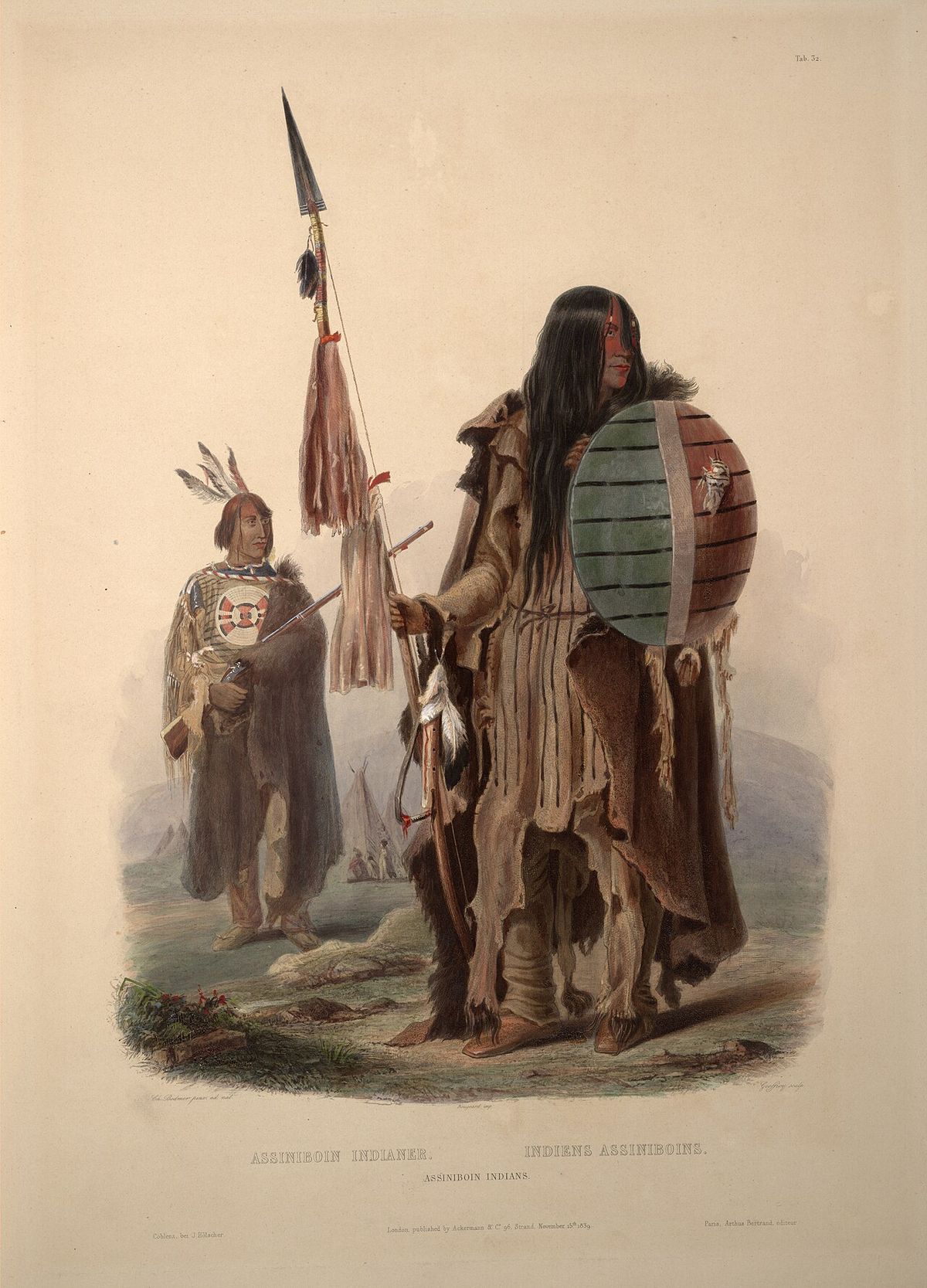
Archaeological evidence reveals a long sequence of Indigenous occupation, which scholars divide into prehistoric, protohistoric, and contemporary periods. The prehistoric era includes traditions like the Palaeo-Indian, represented by finds at the Agate Basin sites dating to as early as 6000 BC. This was followed by the Shield Archaic tradition around 4000 BC and the Taltheilei tradition by approximately 500 BC. These early peoples evolved into the distinct First Nations encountered by Europeans. The Chipewyan (Dene) lived in the shield area as caribou hunters, and their early archaeological history is documented from around 1615. Algonkian Woodland Cree resided above the treeline and Plains Cree inhabited the open parkland, while the southern prairies were dominated by Siouan Assiniboine (Nakota) and Atsina or Dakota (Sioux) nations, who were primarily buffalo hunters. These First Nations maintained their histories, laws, and social structures through sophisticated oral traditions long before European contact.
European Contact and the Fur Trade
The first recorded European to enter the region was the English explorer Henry Kelsey, who arrived in 1690. He was followed by other notable figures including Anthony Henday, Samuel Hearne, Pierre La Vérendrye, Peter Pond, David Thompson, and Philip Turnor. The era of exploration quickly gave way to the commercial fur trade, which defined the region's economy and social relations for nearly two centuries. In May 1670, King Charles II of England granted a vast charter for Rupert's Land to the Hudson's Bay Company (HBC), named after the company's first governor, Prince Rupert of the Rhine. The HBC established its first inland trading post at Cumberland House in 1774. They were soon rivaled by French Canadian voyageurs working for the Montreal-based North West Company, who travelled inland from Eastern Canada.
The fur trade dramatically altered Indigenous societies and relationships. From about 1740 to 1820, Cree peoples migrated westward into the Saskatchewan River basins, coming into contact and sometimes conflict with local nations like the Haaninin and Siksika already inhabiting the area. European and Canadian fur traders set up numerous forts and trading posts, continuing commerce with Indigenous peoples. However, conflicts were exacerbated because Europeans showed a preference for trading with the Cree and Assiniboine over local groups, culminating in attacks in 1794 against both North West Company and Hudson's Bay Company forts. The Métis, people of mixed Indigenous and European ancestry, emerged as a distinct culture central to the trade and the buffalo hunt. By the 1840s, many Métis began migrating from the Red River Valley into Saskatchewan as buffalo herds declined there, establishing settlements and governing their own affairs. They elected Gabriel Dumont as the first president of the council of St Laurent in 1872, a body charged with governing the annual buffalo hunts and other local laws.
The authority of these Métis councils was directly challenged by established commercial and police power. In 1875, Métis hunters led by an HBC employee broke the council's hunting laws, and after a fine was imposed, they appealed to the local magistrate, Lawrence Clarke, who was also an HBC officer. Clarke sided with the hunters and called in the North-West Mounted Police, who sent fifty officers to undermine the local council's authority. Soon after, the territorial government seat was moved to Battleford and a Mounted Police fort was established at Duck Lake, setting the stage for future confrontation. The treaty process also advanced during this period, with Treaty 6 concluded between Canada and local Cree peoples in 1876, though promised restrictions on the buffalo hunt and land ownership did not materialize in the final written document.
Treaties, Resistance, and the North-West Rebellion
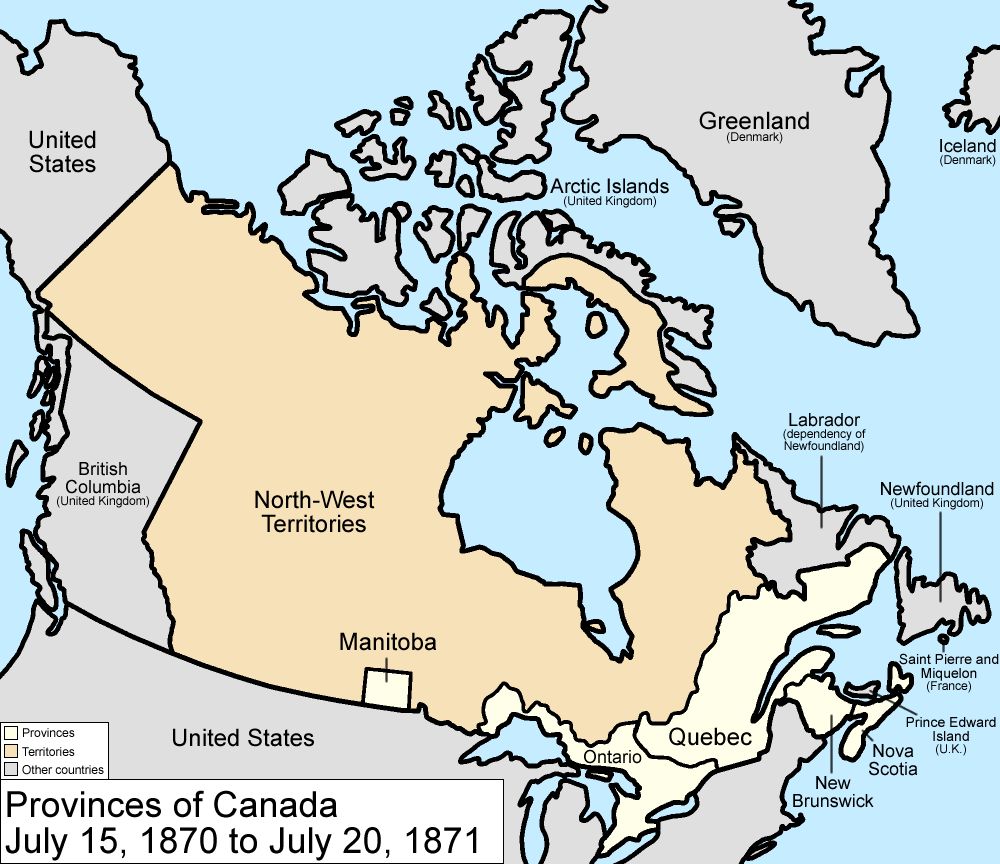
The transfer of Rupert's Land to Canada in 1869 and the subsequent creation of the North-West Territories set the stage for deep change. Treaty 6 was concluded between the Crown and local Cree peoples in 1876, though promises regarding hunting protections and land were contentious and ultimately absent from the final text. Meanwhile, Métis communities felt increasingly marginalized by the new territorial government dominated by a Euro-Canadian minority who referred to themselves as 'white' in contrast to the Métis majority in many regions. Their petitions for land title recognition, proper surveying of their traditional river lots, and representation were repeatedly ignored by Ottawa. In April 1883, a local council voted against sending a delegation to Ottawa and instead supported an effort to bring Louis Riel back to Canada.
Before Riel's arrival, a petition detailing Métis grievances was sent from Bishop Gardin to Prime Minister John A. Macdonald, demanding the establishment of the province of Saskatchewan, proper land surveys, and the appointment of Riel to the Territorial Council or Senate. Louis Riel arrived in Saskatchewan in July 1884 and began organizing, establishing a feast day and a patron saint for the Métis. He declared the establishment of the Provisional Government of Saskatchewan on March 19, 1885. The North-West Rebellion began on March 26, 1885, when Gabriel Dumont, adjunct-general of the provisional government, led a force that captured Duck Lake and forced back the North-West Mounted Police. The rebellion was a direct challenge to Canadian authority in the West, rooted in unmet Métis and First Nations grievances regarding land, rights, and cultural survival. According to Dumont, bison had become extinct in the region by 1878, removing a foundational element of the plains economy and way of life. Although the rebellion was suppressed by Canadian militia forces within months, and Riel was later executed, it remains a defining chapter in Saskatchewan's history, highlighting the conflicts inherent in western expansion and the displacement of Indigenous and Métis sovereignty.
From Territories to Province and the Settlement Boom
The political boundaries of the region evolved significantly before provincehood. After Rupert's Land was transferred to Canada, the area was administered as part of the North-West Territories, which were divided into districts in 1870. In 1882, the Provisional District of Saskatchewan was created alongside the districts of Alberta, Assiniboia, and Athabasca. The decision on the route of the Canadian Pacific Railway was fundamental to settlement patterns, favouring a southern path that bypassed Battleford because travel from Winnipeg to Calgary was easier across the southern prairies. This route went through the village of Pile O' Bones in 1882, which was renamed Regina and grew rapidly, becoming the territorial capital and later the provincial capital. Saskatchewan, alongside Alberta, entered Confederation as a province on September 1, 1905, with official inauguration ceremonies held on September 4.
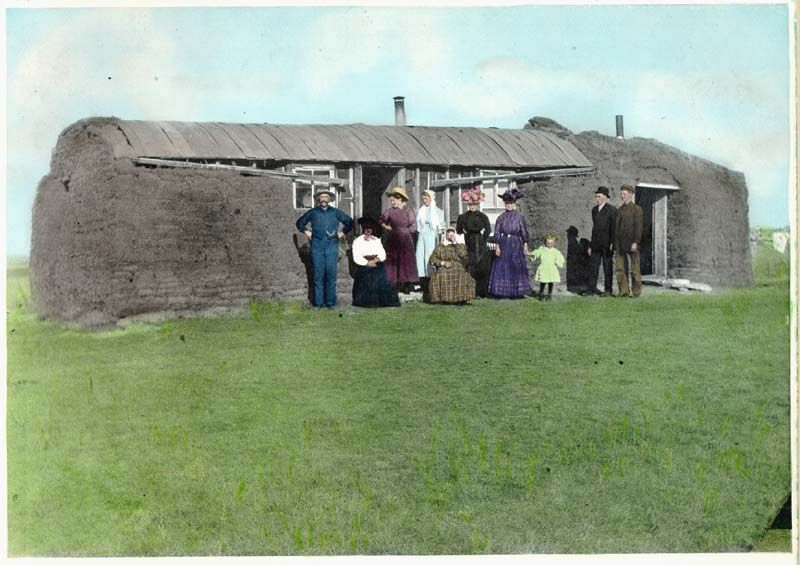
The settlement era was engineered by federal policy, most notably the Dominion Lands Act of 1872, which offered 160 acres of free land to homesteaders. Minister of the Interior Clifford Sifton, who served from 1896 to 1905, launched aggressive advertising campaigns to attract agriculturally inclined immigrants from Europe and the United States. These campaigns, including leaflets and ads in publications like The Nor'-West Farmer, often painted an idealized picture of prairie life, downplaying the need for expertise and suggesting resources like gold, silver, and cheap coal were readily available. The railway was the lifeline of this expansion, with towns springing up roughly 10 to 12 miles apart, a distance manageable by horse and cart in a single day. This period saw a massive influx of people that transformed the prairie landscape, though the reality of homesteading in sod houses was often far harsher. Eastern capital financed the growth, and by 1913, long-term mortgage loans to Saskatchewan farmers had reached $65 million.
Ethnic Bloc Settlements and Community Building
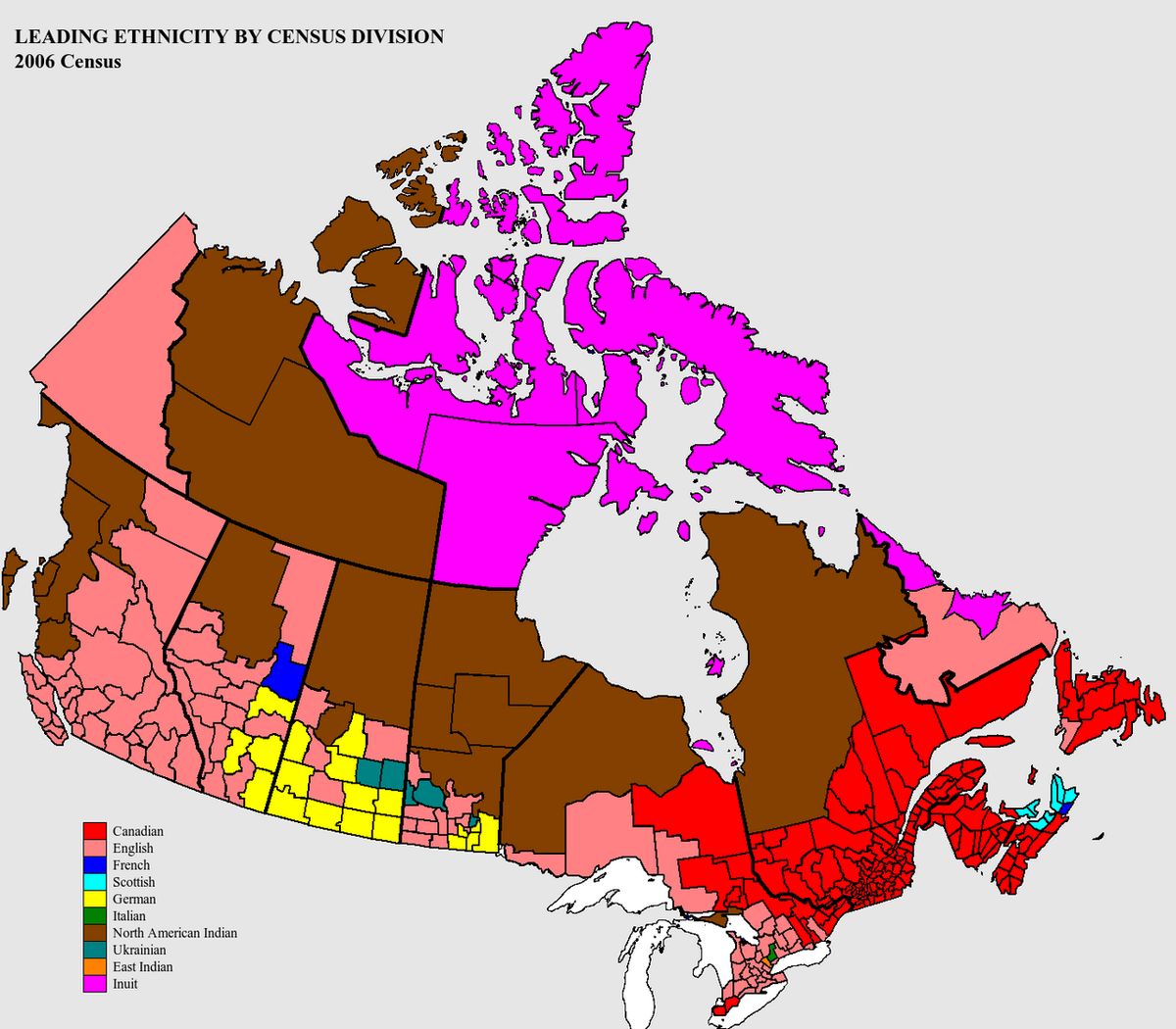
Immigration to Saskatchewan often occurred in distinct ethnic and religious blocs, creating a mosaic of communities across the prairies. By 1930, there were 19 major ethno-religious bloc settlements, primarily in the north-central region. British settlers from Canada and Britain formed the largest group, constituting about half the population during the late 19th and early 20th centuries and establishing many foundational institutions. About a tenth of the population was Irish, with Protestants integrating with other British groups and Catholics taking control of the Catholic Church in the province. Other significant groups included French, German, Ukrainian, Polish, Mennonite, Hutterite, and Scandinavian settlers. These communities were established both through government planning and chain migration, where early arrivals would find suitable locations and send for family members from the old country.
The bloc settlements in Saskatchewan varied greatly in size and character. These included small Hutterite colonies with a population of 75 to 150 people each. In contrast, St. Peter's Colony for Catholics of German descent encompassed fifty-six townships, which was over two thousand square miles, and included about 9,500 people.
- Doukhobor Settlements (1899): Interior Minister Clifford Sifton established colonies for 7,400 Doukhobors from Russia in the north-west of the district. Their leader Peter Verigin arrived in 1902.
- German Communities: Germans came from Russia and, after 1914, from German-American settlements in the Dakotas, forming compact communities east of Regina and operating parochial schools.
- Barr Colony (1903): British settlers led by Reverend Isaac Barr who founded the community that became Lloydminster.
- Ukrainian Settlements: By 1921, over 28,100 Ukrainians lived in Saskatchewan, establishing farming communities and building churches. Many were called 'Ruthenians' at the time.
- Cannington Manor & Rolanderie Ranch (1880s): English and French colonial outposts that attempted to transplant European gentleman-farmer lifestyles, with the latter involving commercial ventures like a chicory factory and horse breeding.
These communities built churches, schools, and cultural institutions to preserve their languages and traditions. However, they also faced systematic pressures to assimilate, particularly through provincial education policies in the 1910 to 1930 era that placed English-speaking teachers in every school to promote the English language and British values. Prejudice also surfaced, exemplified by the rise of the Ku Klux Klan in Saskatchewan from 1926, which was strong among some British residents and warned of 'Catholic plots.' The Klan shaped political vocabulary around language and immigration until the Great Depression shifted public attention. During the First World War, thousands of Ukrainian men, as subjects of enemy Austria-Hungary, were interned and assigned to work on public projects.
Preserving and Interpreting Saskatchewan's History
Saskatchewan's historical legacy is actively preserved and made accessible by several key provincial institutions. The Provincial Archives of Saskatchewan serves as the official repository, collecting and providing public access to government records, private manuscripts, photographs, maps, and audiovisual materials. It regularly curates online exhibits on themes such as community sports days and the Dominion Topographical Network. The Western Development Museum (WDM), with four locations across the province in Saskatoon, Moose Jaw, North Battleford, and Yorkton, is the largest human history museum in Saskatchewan, housing a collection of over 75,000 artifacts. The WDM shares stories from the Treaties to the present day and hosts interactive events like History in Motion, a weekend event where a 1920s heritage farm and village comes alive with demonstrations, wagon rides, and a Parade of Power.
Commemoration and public history are central to contemporary Saskatchewan. National Indigenous History Month in June is a dedicated time to honour the cultures, traditions, and histories of First Nations and Métis peoples, acknowledging that the province exists on Treaty 2, 4, 5, 6, 8, and 10 territories and the Métis homeland. Institutions like the Royal Saskatchewan Museum and the MacKenzie Art Gallery host related events. Major annual events like Regina's Canadian Western Agribition blend agricultural exhibition with Indigenous cultural presentations, reflecting the province's economic roots and diverse heritage. The event features over 450 trade exhibitors and welcomes guests from more than 75 countries. Local community events, from village sports days to museum tours, continue a long tradition of volunteerism and celebration that is legendary in the province, ensuring the complex narrative of Saskatchewan's past remains a relevant and engaging part of its present and future.
Questions about History of Saskatchewan
When did Saskatchewan become a province?
Saskatchewan became a province of Canada on September 1, 1905. The official inauguration ceremonies were held a few days later on September 4, 1905. It entered Confederation alongside Alberta, as the two new provinces were carved out of the vast North-West Territories. The city of Regina, which had grown from a railway village known as Pile O' Bones, was designated the provincial capital.
Who were the first peoples of Saskatchewan?
The first peoples of Saskatchewan include several First Nations with deep historical roots in the region. These include the Chipewyan (Dene) in the shield area, the Cree (both Woodland and Plains), the Assiniboine (Nakota), the Atsina, and the Sioux (Dakota). Their histories in the area span thousands of years, with archaeological evidence of the Palaeo-Indian tradition dating back to 6000 BC. The Métis, a distinct Indigenous people of mixed First Nations and European ancestry, also became a central part of the region's history, particularly during the fur trade and settlement periods.
What was the North-West Rebellion?
The North-West Rebellion of 1885 was an armed uprising against the Canadian government in what is now Saskatchewan and Alberta. It was led by Métis leader Louis Riel and military commander Gabriel Dumont, who formed a Provisional Government of Saskatchewan in March 1885. The rebellion was fueled by longstanding Métis grievances over land rights, political representation, and cultural survival, as well as similar concerns among some First Nations allies. Although it was suppressed by Canadian militia forces, it remains a defining event that highlighted the conflicts of western expansion and the rights of Indigenous peoples.
How did the Canadian government encourage settlement in Saskatchewan?
The federal government encouraged settlement primarily through the Dominion Lands Act of 1872, often called the Homestead Act. This law offered 160 acres of free land to any man over 18 or a woman head of family who settled on and improved the quarter-section. Minister of the Interior Clifford Sifton (1896 to 1905) supercharged this policy with massive advertising campaigns in Europe and the United States, promoting the agricultural potential of the prairies. The government also worked closely with railway companies like the Canadian Pacific Railway to transport settlers and develop the land alongside the rail lines.
What are some examples of ethnic bloc settlements in Saskatchewan's history?
Ethnic bloc settlements were communities established by groups of immigrants who shared a common language, religion, or origin. Major examples include the Doukhobor settlements established for 7,400 Russian immigrants in 1899, the vast German Catholic St. Peter's Colony, and numerous Ukrainian farming communities established from the 1890s onward. Other notable blocs were the French settlements, the Mennonite and Hutterite colonies, the British Barr Colony which founded Lloydminster, and the experimental English community of Cannington Manor. These blocs helped newcomers support each other but also shaped the province's cultural mosaic.
Where can I learn more about Saskatchewan's history?
Several key institutions preserve and share Saskatchewan's history. The Provincial Archives of Saskatchewan in Regina is the official repository for government and private historical records, offering online exhibits and research access. The Western Development Museum, with locations in Saskatoon, Moose Jaw, North Battleford, and Yorkton, is the province's largest human history museum, featuring extensive artifact collections and interactive exhibits. Additionally, the Royal Saskatchewan Museum and the MacKenzie Art Gallery often feature historical and cultural exhibitions. Many local historical societies and museums across the province also provide valuable insights into community histories.
Sources and further reading
- History of Saskatchewan (Wikipedia)
- Indigenous History Month 2026 (saskhrc.ca)
- Events (tourismsaskatchewan.com)
- News and Events (saskarchives.com)
- History in Motion (wdm.ca)
Checked by the Nosy Mag desk. Last updated 2026-10-23.