Historiography of Canada
The historiography of Canada is the scholarly study of how historians have depicted, analyzed, and debated the nation's past. It encompasses the professional methodologies and evolving interpretations used to understand Canada's complex history, from Indigenous civilizations and European colonization to Confederation and modern nation-building. This field shapes national identity, informs public memory at museums and historic sites, and provides frameworks for understanding contemporary social, political, and economic issues. The historiography reveals how historical narratives have been constructed, contested, and revised over time, reflecting changing societal values and academic priorities.
From Amateurs to Professionals
The writing of Canadian history was long dominated by amateur historians, self-taught individuals who focused on narrative and patriotic themes without formal methodological training. The most influential Francophone amateur was François-Xavier Garneau, whose Histoire du Canada (first published in 1845) defined Quebec nationalistic history for a century by emphasizing the linkage of language, laws, customs, and the Catholic faith. In Anglophone Canada, William Kingsford produced a widely read ten-volume History of Canada (1887 to 1898) that celebrated the British Conquest as a victory for constitutional liberty and assumed the inevitable assimilation of French Canadians. American historian Francis Parkman also enjoyed great popularity for his literary multi-volume work on the contest between France and England in North America. These amateurs established local historical societies and museums that preserved crucial documents and artifacts for later study.
Professionalism emerged after 1890 with the establishment of academic history departments at Canadian universities and the practice of sending graduate students to Britain for advanced training. A key figure was George McKinnon Wrong, an Anglican clergyman who introduced modern Canadian history at the University of Toronto in 1896 and launched the Review of Historical Publications Relating to Canada, the forerunner of the Canadian Historical Review. The movement culminated in 1922 with the founding of the Canadian Historical Association (CHA), which promoted a technical, scientific approach emphasizing primary source research and a move away from overtly patriotic claims. The CHA now hosts an annual convention, publishes a journal, and gives out numerous awards for the best publications. Much of the work is done by specialized committees such as the Canadian Committee on Labour History, which publishes its own journal Labour/Le Travail and holds an annual conference as part of the Congress of the Canadian Federation for the Humanities and Social Sciences.
Central Themes and Contentious Debates
Several major themes have persistently shaped Canadian historical writing, often becoming sites of intense debate between Anglophone and Francophone scholars. The early professional work was heavily focused on political and constitutional history, described by historian Donald Wright as traditional, at times sentimental, and overly focused on the story of self-government. This focus began to broaden in the mid-20th century as historians incorporated social, economic, and cultural perspectives. Key thematic debates have centred on foundational events that carry different meanings for different communities, reflecting the country's deep linguistic and regional divisions.
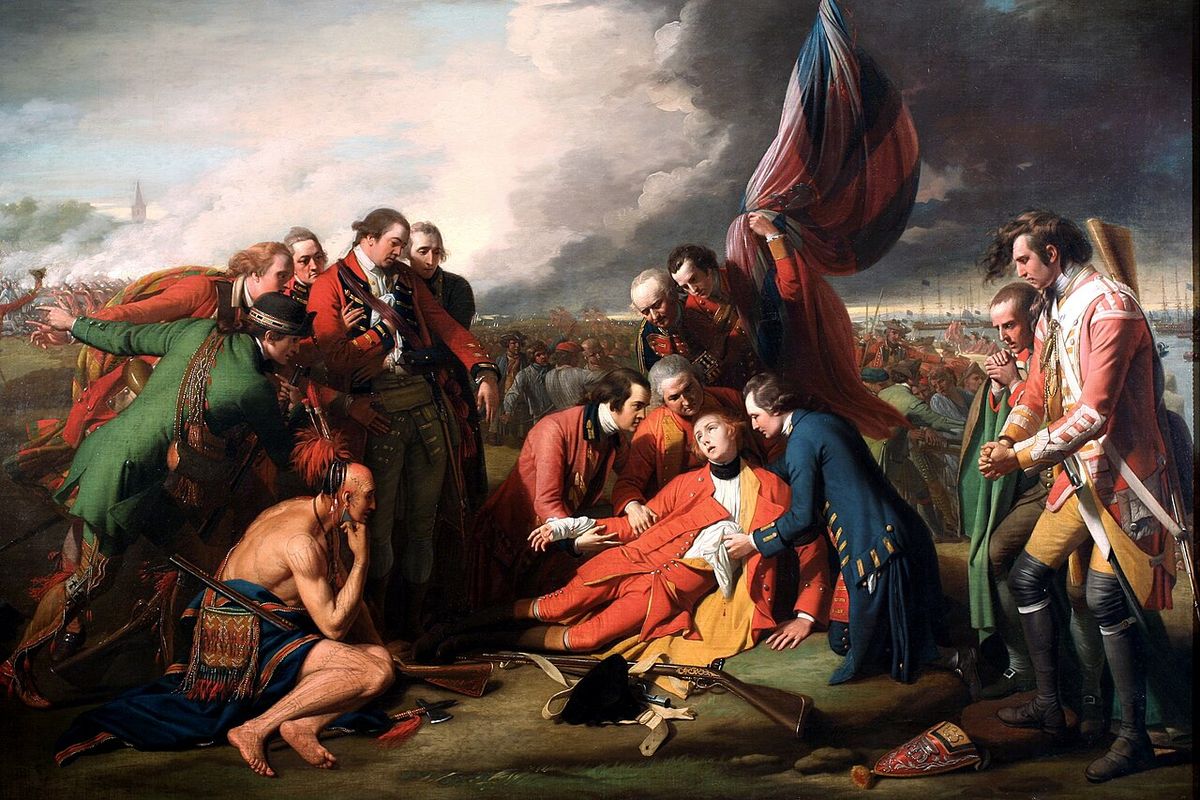
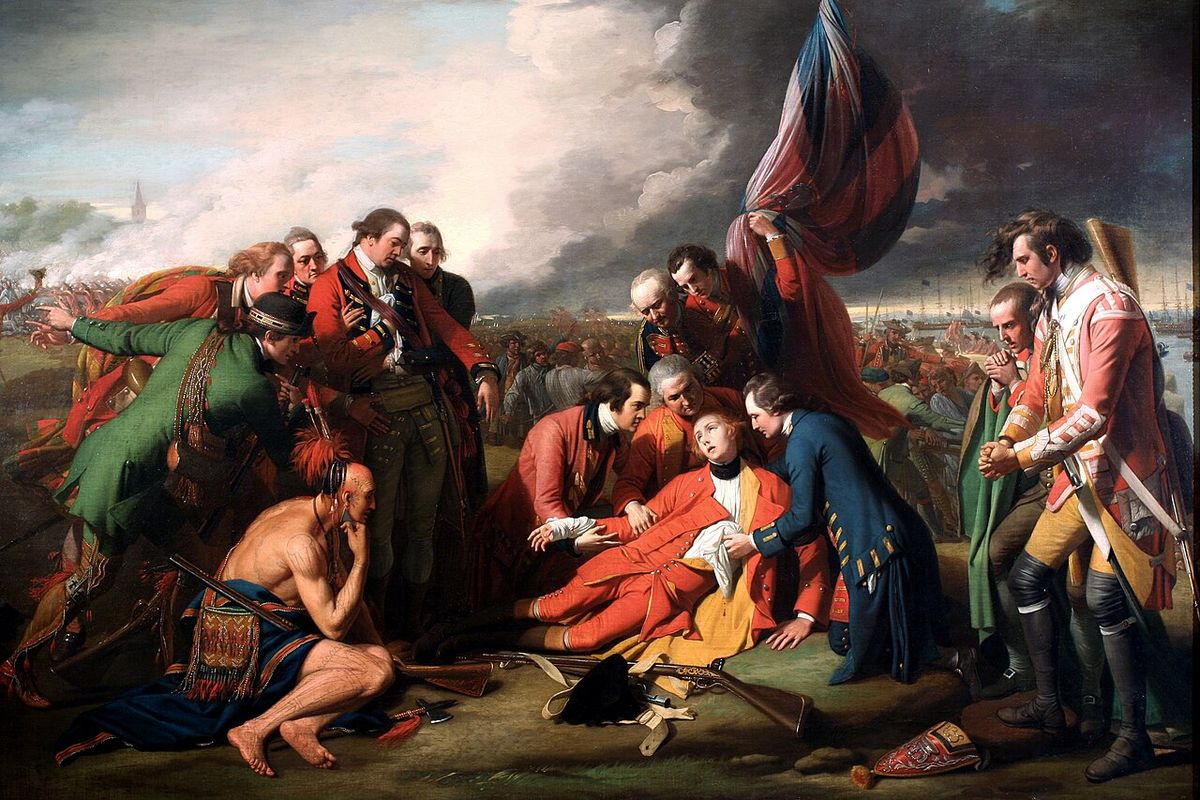
The Conquest of New France by Britain in 1759 to 1760 remains a central and contested theme, exemplified by an episode in 2009 when re-enactors were prevented from restaging the 1759 battles in Quebec. For many Francophone historians of the 1950s, the Conquest was an economic and ideological disaster that destroyed an integral society and decapitated the commercial class, leaving leadership to the Church. Other Francophone scholars, such as Donald Fyson, have pointed to benefits like the preservation of French civil law and the introduction of liberal modernity under British rule. In the 21st century, historian Jocelyn Létourneau suggested the Conquest is less a past event to be studied than a present and future to be shaped. Anglophone historians, in sharp contrast, have traditionally celebrated the Conquest as a victory for British military, political, and economic superiority that was a permanent benefit to the French.
The legacy of the United Empire Loyalists has also been a significant historiographical topic, developing an image of pride and sacrifice that was articulated by historian Henry Coyne in 1898. Loyalist descendants crafted a narrative of their ancestors as the learned, pious, and wealthy cream of the Thirteen Colonies who brought British institutions and devotion to law and order to Canada. Historians Margaret Conrad and Alvin Finkel have noted exaggerations in this tradition, pointing out that only a few were part of the colonial elite, about 20 percent returned to the United States, and some later supported the U.S. in the War of 1812. They argue that using this history to claim superiority diminishes the Loyalists' status and overlooks the political values brought by other immigrant groups in the same period.
The War of 1812 in Memory and Scholarship
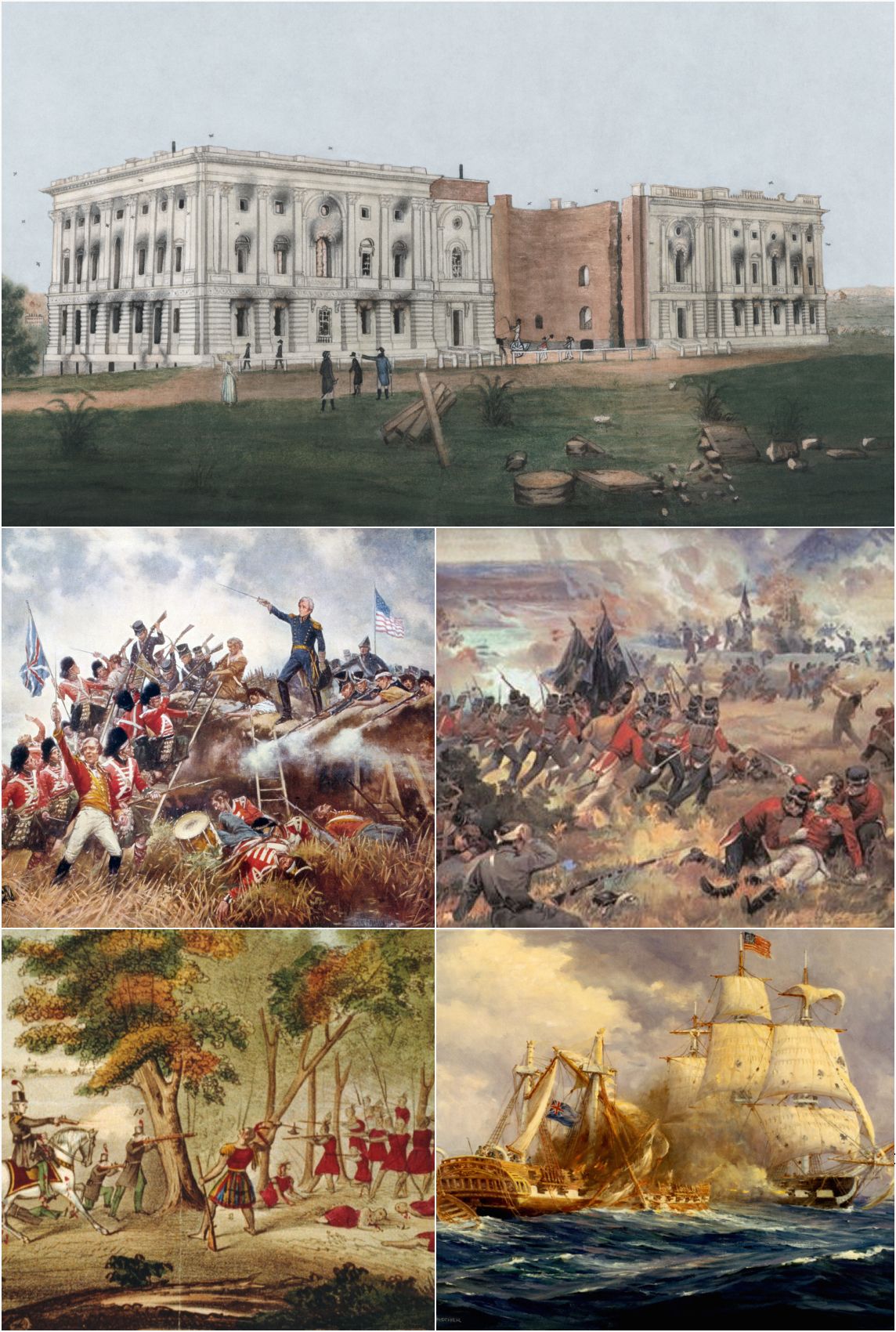
The War of 1812 occupies a unique place in Canadian historiography and popular memory, famously described by C.P. Stacey as a war that makes everybody happy due to differing national interpretations. In Canadian memory, it is pridefully recalled as a war of defence where brave fathers turned back American invasion, a narrative actively promoted by the federal government during the 2012 bicentennial with a $28 million program of events, exhibits, historic sites, re-enactments, and a new national monument. The government's official goal was to make Canadians aware that the country would not exist had the invasion succeeded, that the war laid the foundation for Confederation, and that Canada retained its linguistic and ethnic diversity under the Crown. A 2012 poll found 25% of Canadians ranked the War of 1812 victory as the second most important part of their identity after free health care. A 2009 poll showed 37% of Canadians thought Canada won, 15% thought it was a tie, and 39% felt they knew too little to say.
Modern scholarship has moved beyond celebratory narratives to incorporate a wider range of perspectives and more critical analysis, with a steady stream of American and Canadian studies appearing since the bicentennial. Recent studies show greater concern with French, Spanish, Native American, and African American sides of the story, and employ new approaches centred on gender and race. Historians now widely regard the war as a defeat for the First Nations and for Montreal merchants who lost the fur trade of the Michigan-Minnesota area after the British failed to establish a pro-British Indigenous buffer state in the American Midwest. The British goal collapsed after defeats at the Battle of Lake Erie and the Battle of the Thames in 1813, where Tecumseh was killed, leading Britain to abandon the Indians south of the lakes. Historians like Arthur Ray, J.M. Bumsted, and John Herd Thompson all identify the First Nations as the war's real losers.
Economic History and the Staples Thesis
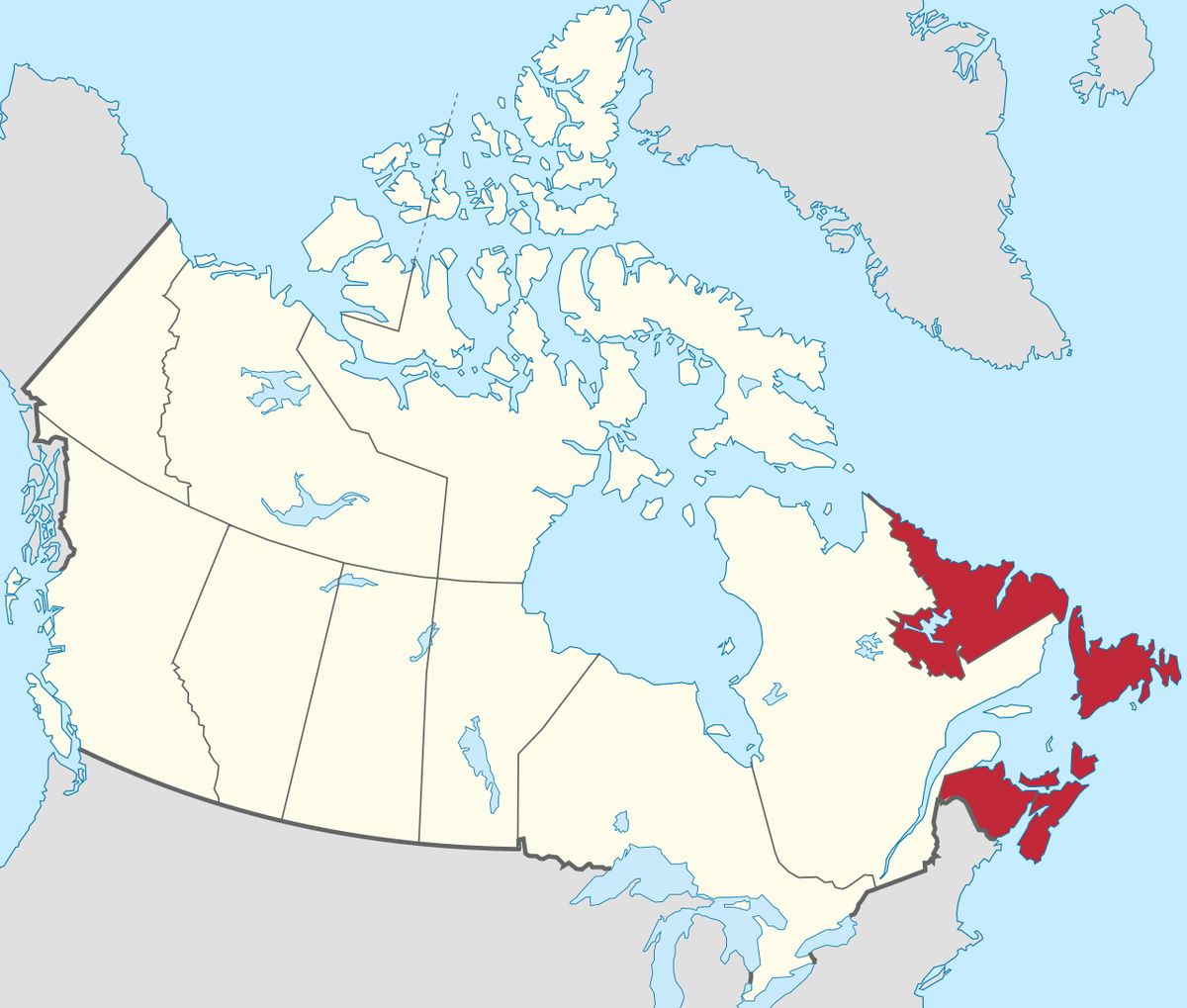
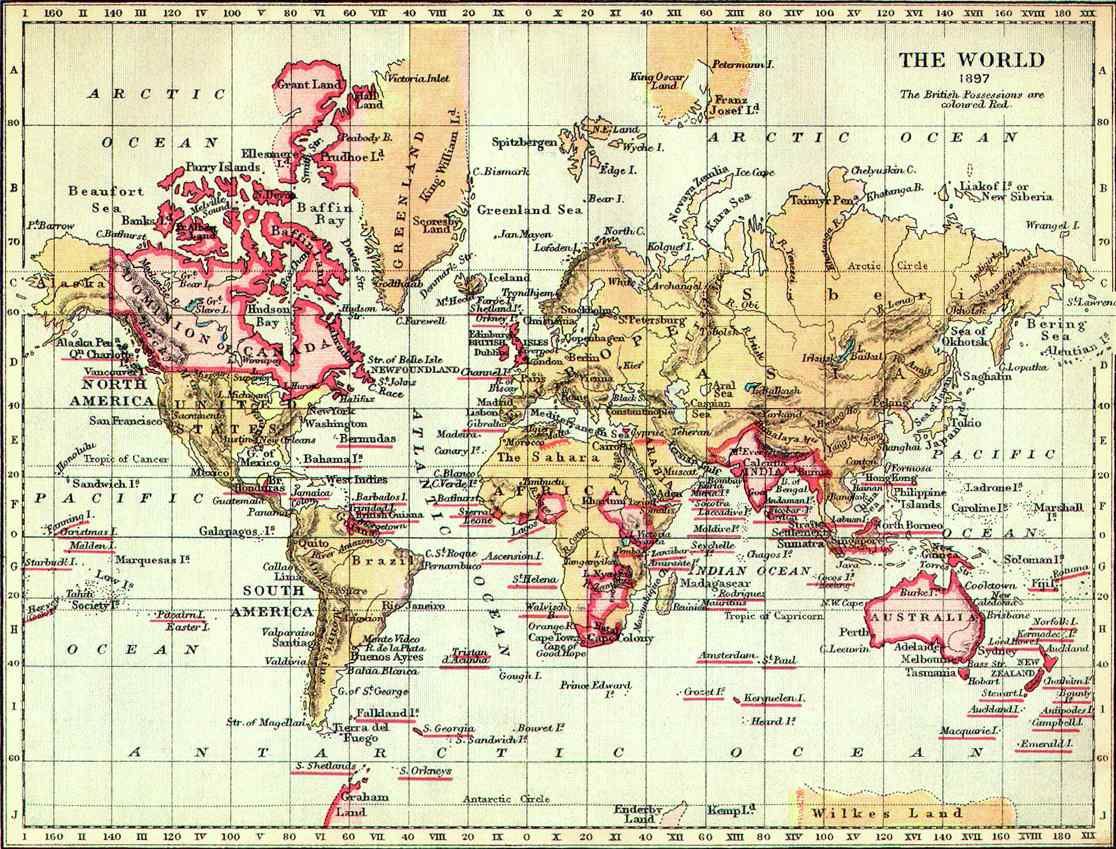
Economic history was central to the new interpretations developing after 1900, in part because the economists and historians were collaborating using evidence from Canadian history. Harold Innis, based in the history department at the University of Toronto, and William Archibald Mackintosh, based in the economics department at Queen's University, developed the Staples thesis. They argued that the Canadian economy beyond the level of subsistence farming was primarily based on exports of a series of staples such as fish, fur, timber, and wheat that shipped to Britain and the British Empire. The thesis explains Canadian economic development as a lateral, east-west conception of trade. Innis argued that different staples led to the emergence of regional economies and societies within Canada. For instance, the staple commodity in Atlantic Canada was cod fishing, while in western Canada the central staple was wheat.
- Atlantic Canada: The cod fishery staple led to a very decentralized but also very co-operative industry and society.
- Western Canada: The central staple was wheat, a very independent venture that led to a history of distrust of government and corporations, compounded by market volatility and weather shocks.
- Central Canada: The main staple was fur, dominated by large firms like the Hudson's Bay Company, which produced the much more centralized, business-oriented society that characterizes Montreal and Toronto.
Donald Creighton was a leading historian who built upon the Staples thesis in his The Commercial Empire of the St-Lawrence: 1760 to 1850 (1937), developing the Laurentian thesis. His work showed how the English merchant class came to dominate Canadian business through their control of the export of staples via the St. Lawrence River, making Montreal the economic, business and financial capital of Canada. In his enormously influential biography of John A. Macdonald, Creighton argued that Macdonald had built upon and extended the Laurentian model by his creation of the transcontinental railway. Innis also depicted the relationship between regions of Canada as one of heartland to hinterland, a core-periphery model where the core seeks economic and political power by exploiting the resource-rich hinterland, a concept historians continue to apply to regional analyses.
Expanding Fields and New Approaches
Major themes in recent generations continue to be exploration and settlement, the British conquest of 1760, and Canadian roles in the two world wars of the 20th century. Social historians have taken new perspectives on Indigenous peoples, women and gender, and multiculturalism. Cultural historians have paid special attention to the dominance of American influences, and efforts to sustain an independent Canadian perspective. Most recently environmentalism has become a topic both for specialists and for generalists who use the Canadian experience as a model.
The historiography of Canada also covers the popular memory of critical historical events and the depiction of those events in museums, monuments, reenactments, pageants and historic sites. Professionalization climaxed with the 1922 founding of the Canadian Historical Association. The CHA has a journal and an annual convention, and gives out numerous awards for the best publications. Much of the work is done by specialized committees. For example, the Canadian Committee on Labour History publishes its own journal Labour/Le Travail and holds an annual conference. Other topical interest committees include political history, women's history, and environmental history.
Since the 1980s, historians have sharply revised their approach, with social history displacing political history as the dominant mode. The Canadian Historical Review now gives two-thirds of its space to social history, focusing on micro topics related to social class, gender, ethnicity, race, religion, and sexual orientation. A conservative backlash, typified by Jack Granatstein, charged that social historians had killed Canadian history by displacing traditional narratives with microscopic studies. The woman's history movement began in the 1970s, and the Canadian Committee on Women's History was founded in 1975. Environmental history has also emerged as a field, with notable works by Tina Loo and John Sandlos.
Contemporary Directions and Public Engagement
The historiography of Canada deals with the manner in which historians have depicted, analyzed, and debated the history of Canada. It also covers the popular memory of critical historical events, ideas and leaders. This includes the depiction of those events in museums, monuments, reenactments, pageants and historic sites. In political history, Confederation remains a major theme, as do the political conflicts between ethnic, racial and religious coalitions. Nationalism has replaced the earlier emphasis on the very close links to British culture.
Amateur historians are still widely read, and pull many tourists to museums and historic sites. Lovers of the past set up local historical societies and museums to preserve documents and artifacts. Amateurs are still important, especially as journalists write biographies of politicians and studies of major political developments. The Canadian government spent $28 million on three years of bicentennial events for the War of 1812. The official goal was to make Canadians aware of the war's foundational role for Confederation.
| Period | Dominant Themes | Key Figures/Works | Methodological Focus |
|---|---|---|---|
| 19th Century | Colonial history, exploration, British-French contest, nationalistic narratives | François-Xavier Garneau, William Kingsford, Francis Parkman | Amateur, literary, narrative-driven, often patriotic |
| Early 20th Century (1890-1940s) | Political/constitutional history, professionalism, economic (Staples) history | George M. Wrong, Harold Innis, W.A. Mackintosh, Donald Creighton | Professionalization, primary source research, economic determinism |
| Mid-Late 20th Century | Social history, regionalism, Indigenous perspectives, cultural history, critique of nationalism | Work of the CHA committees, social and cultural historians | Social scientific methods, focus on class, gender, ethnicity, identity |
| 21st Century | Transnational history, environmental history, memory studies, public history, renewed political history | Scholarship presented at CHA meetings, diverse public history initiatives | Interdisciplinary, digital methods, emphasis on inclusivity, public engagement |
Questions about Historiography of Canada
What is the 'Staples thesis' in Canadian historiography?
The Staples thesis is a foundational framework in Canadian economic history developed by Harold Innis and W.A. Mackintosh. It argues that Canada's economy historically developed through the sequential export of raw staple commodities, such as fish, fur, timber, and wheat, to more industrialized regions, primarily Britain. This east-west trade pattern, focused on the St. Lawrence River system, shaped Canada's political institutions, transportation networks, and cultural ties. Innis further argued that different staples produced distinct regional societies, like the co-operative fishery in Atlantic Canada and the individualistic wheat farming of the Prairies. The thesis was later expanded by Donald Creighton in his Laurentian thesis, which highlighted the political and commercial power of Montreal's merchant class.
How do English and French Canadian historians view the Conquest of New France differently?
Francophone and Anglophone historians have traditionally interpreted the British Conquest of New France (1759 to 1760) in starkly different ways. Many Francophone historians, especially in the mid-20th century, viewed it as an economic and ideological disaster that destroyed an integral society and shifted leadership to the Catholic Church. Some modern Francophone scholars, however, see benefits in the preservation of French language, civil law, and religion under British rule. In sharp contrast, Anglophone historians have typically celebrated the Conquest as a victory for British military, political, and economic superiority that brought permanent benefits. This event remains a deeply contested memory, with recent scholars like Jocelyn Létourneau viewing it as a present-day political symbol rather than just a past event.
What was the role of amateur historians in early Canadian historiography?
Amateur historians, self-taught and often without formal methodological training, dominated Canadian historical writing until the early 20th century. They focused on narrative, exploration, and patriotic themes. The most influential was François-Xavier Garneau, whose Histoire du Canada (1845) defined Quebec nationalism for a century by linking language, law, and Catholic faith. In Anglophone Canada, William Kingsford's ten-volume history celebrated British constitutional liberty and assumed French Canadian assimilation. American Francis Parkman was also widely read for his literary account of the Franco-British contest. These amateurs established local historical societies and museums, preserving crucial documents and artifacts.
How has the historiography of the War of 1812 changed?
The historiography of the War of 1812 has evolved from a primarily celebratory national narrative to a more complex and critical analysis. Traditionally, it was remembered in Canada as a successful war of defence against American invasion, a story promoted during the 2012 bicentennial. Modern scholarship has broadened its focus to include Indigenous, Francophone, African American, and gender perspectives. Historians now widely agree the war was a major defeat for First Nations, as the British failed to establish a protective Indigenous buffer state and subsequently abandoned their allies. Contemporary historians like Arthur Ray and J.M. Bumsted emphasize these negative outcomes, moving beyond the older framework of a stalemate.
What is the Canadian Historical Association and why is it important?
The Canadian Historical Association (CHA), founded in 1922, is the primary professional organization for historians in Canada and marks the full professionalization of the discipline. It promotes scholarly research, sets methodological standards, and fosters communication among historians. The CHA publishes the Canadian Historical Review, hosts an annual scholarly meeting, such as the 2026 meeting at the University of Prince Edward Island, and awards prizes for outstanding publications. It operates through specialized committees that focus on areas like labour history, environmental history, and women's history, allowing for deep exploration of sub-fields.
What are some recent trends in Canadian historical research?
Recent trends in Canadian historical research include a strong emphasis on social and cultural history, environmental history, and Indigenous perspectives. There is significant interdisciplinary crossover, with historians employing methods from gender studies, critical race theory, and geography. Environmental history is a growing field, examining topics like wildlife conservation. There is also increased focus on public history and memory, examining how the past is commemorated in museums, monuments, and themed months like Black History Month and the newly established Arab Heritage Month. Scholars are deconstructing national myths and applying transnational frameworks to situate Canada within global contexts.
Sources and further reading
- Historiography of Canada (Wikipedia)
- Significant Events in Canadian History (thecanadianencyclopedia.ca)
- Important Events in Canadian History that Shaped the Nation (superprof.ca)
Checked by the Nosy Mag desk. Last updated 2026-10-29.