Citadel Hill
Citadel Hill, officially known as the Halifax Citadel National Historic Site, is a star-shaped fortress overlooking downtown Halifax and its harbour. The hill has been the site of four successive fortifications since the British founding of Halifax in 1749, with the current massive masonry fort, Fort George, completed in 1856 after 28 years of construction. Today, managed by Parks Canada, it is one of Atlantic Canada's most visited historic sites, attracting over 200,000 visitors annually. It offers immersive living history programs featuring re-enactors portraying the 78th Highland Regiment, panoramic views, and a deep connection to the military and social history of Nova Scotia.
Strategic Origins and the First Citadel
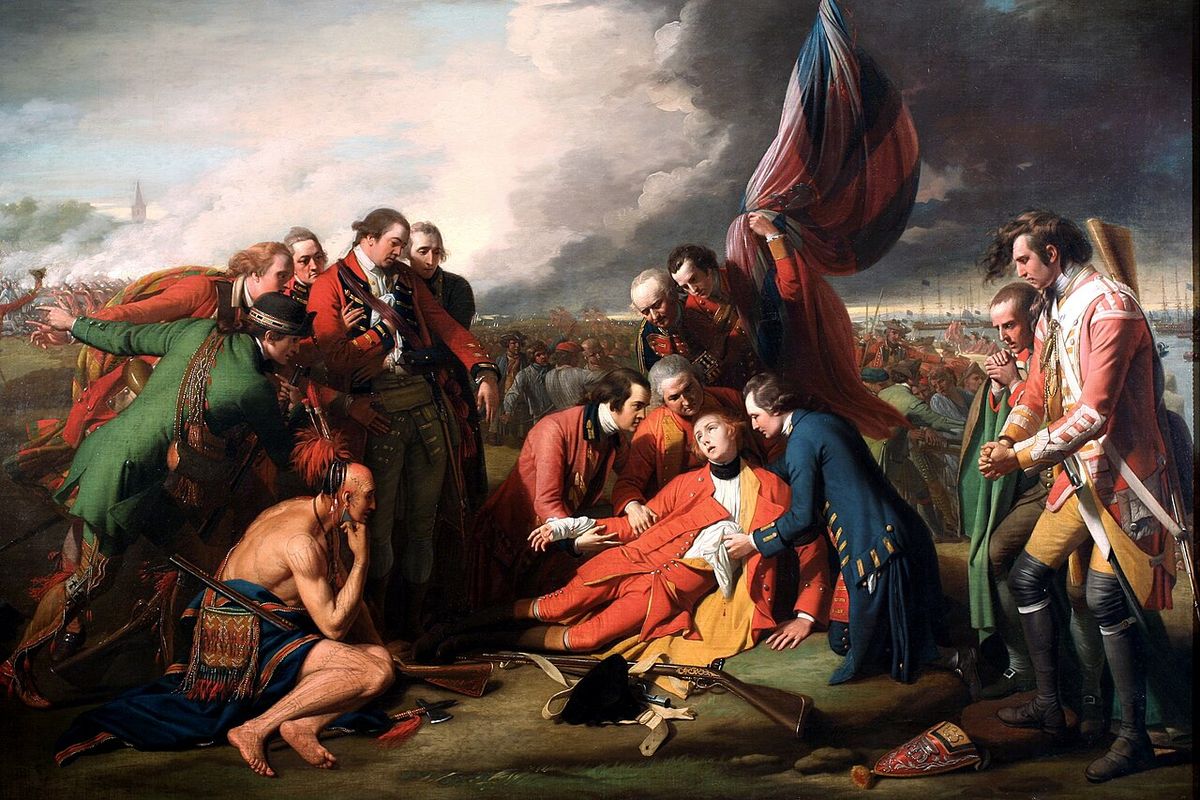
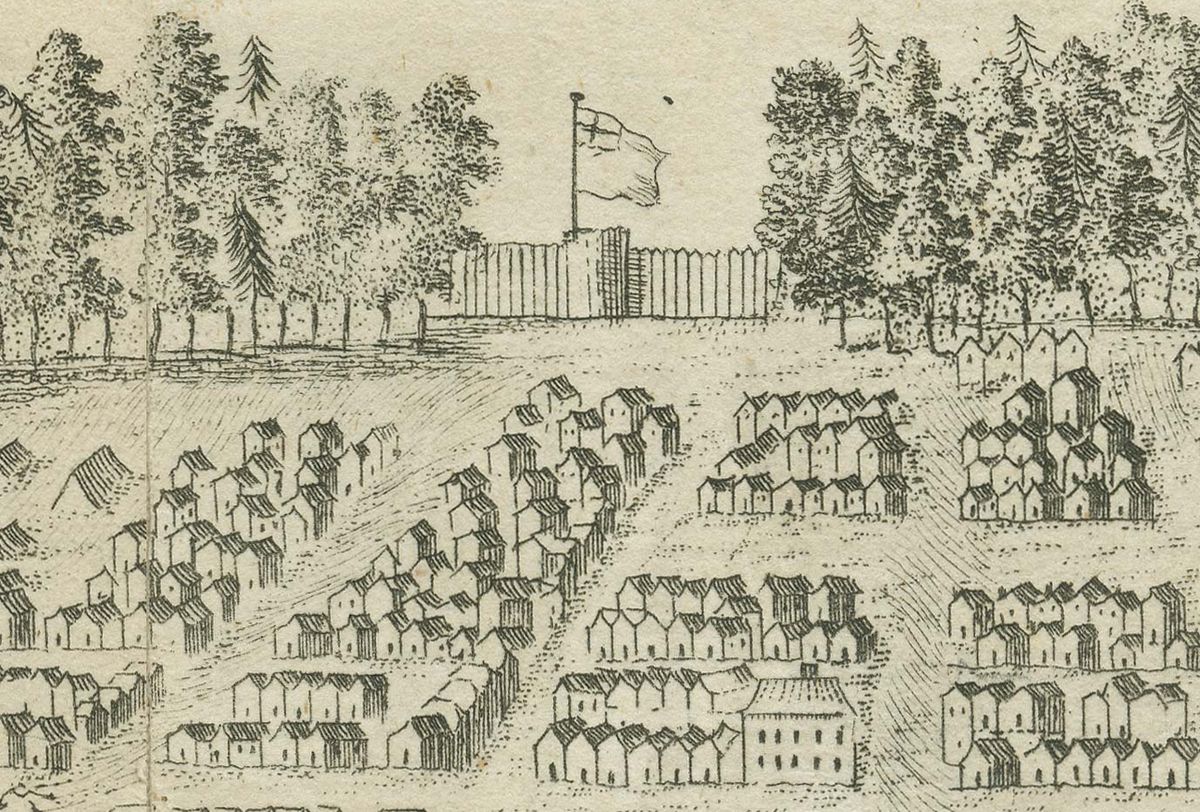
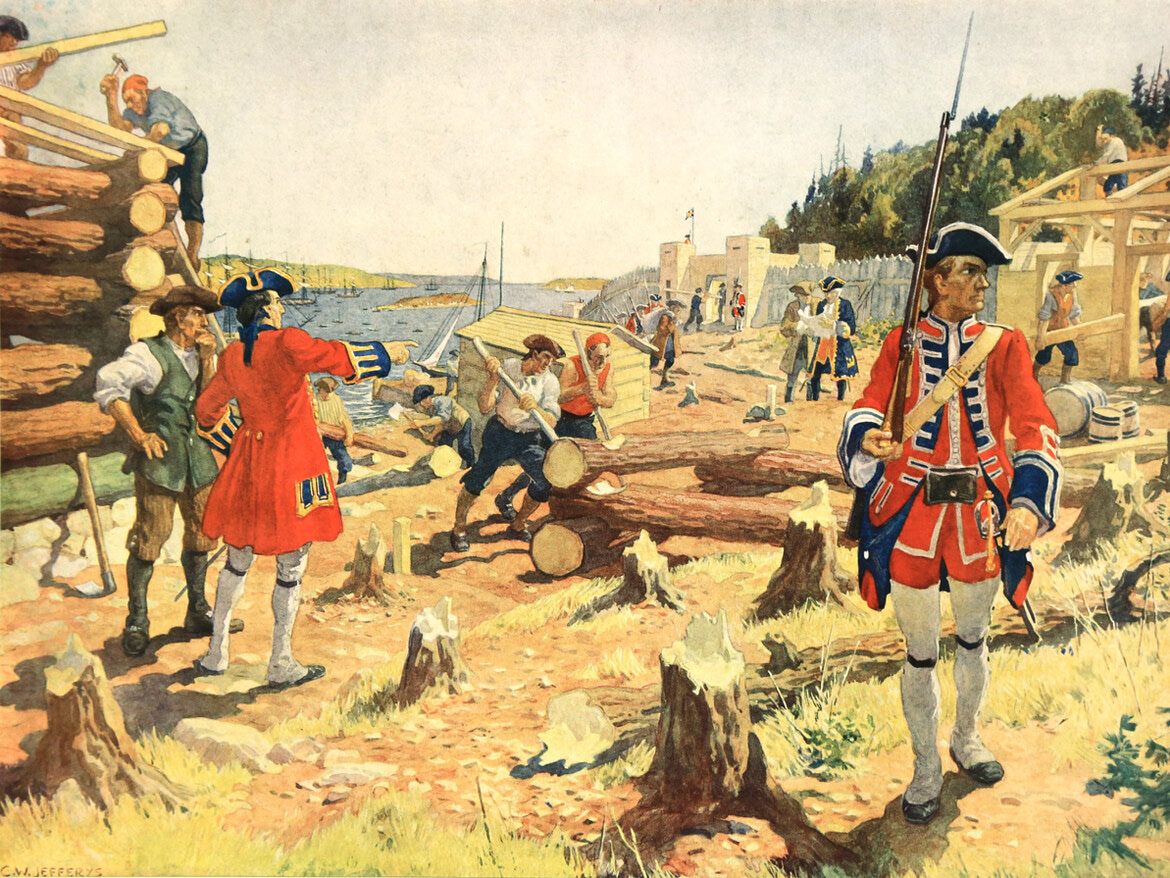
The British founded Halifax in 1749 to establish a strategic counterbalance to the French fortress at Louisbourg, with the large hill overlooking the harbour selected as the site for its primary defence. Governor Edward Cornwallis arrived on June 21, 1749, aboard a sloop of war followed by 13 transports carrying a total of between 1,176 and 2,500 settlers, and he oversaw the rapid construction of the first fortification. This initial fort was a small wooden redoubt and guardhouse near the summit, part of a network of five stockaded forts named Horsemans Fort, Cornwallis Fort, Fort Lutrell, and Grenadier Fort protecting the new settlement. Built during Father Le Loutre's War, a conflict with the Mi'kmaq, Acadians, and French, the garrison remained on constant alert against raids on the Halifax and Dartmouth region. In July 1750, a Mi'kmaw raiding party scalped Cornwallis's gardener and his son near Halifax, and attacks continued on outlying blockhouses like the North and South Blockhouses and sawmills on the Northwest Arm throughout the early 1750s. The fortifications played a role in the later Seven Years' War, supporting the expulsion of the Acadians, many of whom were imprisoned on Georges Island in Halifax harbour before deportation, and Mi'kmaq and Acadian resistance continued, with bounties paid for British scalps at Halifax in 1756. By 1761, the first Citadel had deteriorated, prompting plans for a new fort, though construction was delayed by the ongoing war, and the threat of American rebellion finally spurred the building of the Second Citadel in 1776.
Evolution Through Conflict: The Second and Third Forts
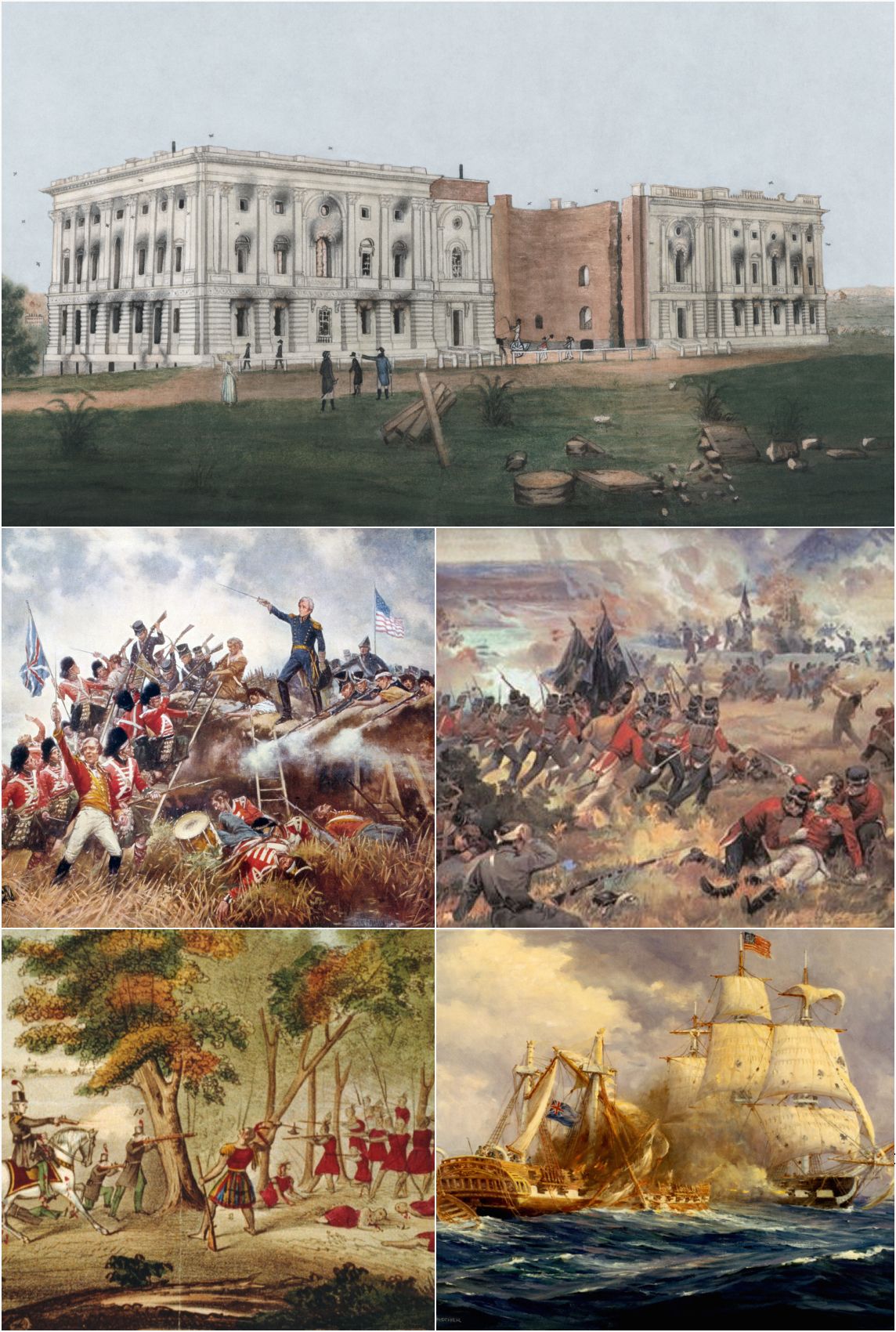
Fearing rebellion in the American colonies, the British constructed a larger, more permanent Second Citadel in 1776 as the American Revolutionary War began. This fort featured multiple lines of overlapping earthen redans backing a large outer palisade wall, with a central three-story octagonal blockhouse mounting a fourteen-gun battery and accommodating 100 troops, requiring the hilltop to be cut down by twelve metres. The entire fortress mounted 72 guns and, together with other harbour defences, gave the Royal Navy its most secure base in eastern North America, a fact which contributed to Halifax's nickname 'Warden of the North.' The massive British military presence centred on Citadel Hill is considered a key reason Nova Scotia, the fourteenth British colony, remained loyal to the Crown throughout and after the American Revolutionary War. Although never attacked, the garrison monitored American privateer raids on villages like Lunenburg and naval battles off the Halifax shore. By 1784 the fortification was in ruins except for the blockhouse, and Prince Edward, Duke of Kent, found it inadequate when he arrived as Commander-in-Chief in 1794 during the French Revolutionary Wars. He inspired the design of the Third Citadel, built between 1796 and 1800, which further levelled the hill by 4.5 metres and introduced a four-bastion earthwork layout surrounding a central barracks and magazine, with one bastion constructed by Jamaican Maroons transported from the Caribbean. Prince Edward also commissioned the Halifax Town Clock, which opened on the hill's east slope on Brunswick Street on October 20, 1803, and remains a city landmark, while Nova Scotia's first telegraph system for ship news was developed linking the Citadel to stations like Camperdown. This fort received hasty repairs and a new magazine during the War of 1812 but was largely in ruins by 1825, leading to plans for the present masonry structure.
The Victorian Fortress: Construction and Design
Construction of the present Citadel, a massive star-shaped masonry fort, began in 1828 and took 28 years to complete, finishing in 1856 during the Victorian era. Designed to repel both land and sea attacks by United States forces, its Vauban-inspired structure provided defenders with multiple, overlapping lines of fire from its armoured ramparts, with a clear view over the harbour. The fort's shape included a deep defensive ditch and a network of brick-walled tunnels extending about 30 metres from the outer walls, which were T-shaped and could be packed with explosives as a last resort to shower attackers with gravel acting as shrapnel. The hill was structured so that detonating these tunnels would create a lethal zone, with the tunnels' stone-slab tops covered in gravel, dirt, and sod to blend into the landscape. Between 1820 and 1831, the British constructed a similar, larger citadel in Quebec City. The Halifax Citadel became a central command and logistics hub, serving as the main ammunition magazine for all Halifax defences, a fact which led historian and novelist Thomas Head Raddall to liken the hill to 'Vesuvius over Pompeii, a smiling monster with havoc in its belly.' However, the fort's design for smoothbore weaponry was rendered obsolete by the 1860s with the introduction of powerful rifled artillery, though its armaments were upgraded to permit defence of the harbour approaches using heavier, long-range guns. By the late 19th century, its primary role had evolved into a barracks and command centre for more distant harbour defensive works, a transition that marked the end of its original tactical purpose.
Military Garrison and 20th Century Roles
The Citadel was actively garrisoned by British and later Canadian troops, hosting regiments like the 78th (Highlanders) Regiment of Foot from 1869 to 1871. The 78th Highlanders arrived on May 14, 1869, aboard the troopship HMS Crocodile, with 765 men disembarking in full dress uniform, and the regiment was divided into two depots and eight service companies totalling 34 officers, 49 sergeants, 21 drummers, 6 pipers, and 600 rank and file. The soldiers were billeted at the Citadel and Wellington Barracks, now part of Canadian Forces Base Halifax, and each summer men camped at Bedford to practice musketry at the military range before their departure in 1871, which was marked by a farewell ball hosted by Mayor and brewmaster Alexander Keith. The fort's soldiers were on alert during incidents like the American Civil War's Chesapeake Affair, when Maritime Confederate sympathizers captured a United States ship, killing an American, and later when Confederate John Taylor Wood escaped from Halifax Harbour on the CSS Tallahassee. The British Army garrisoned the fort until 1906, after which the Canadian Army assumed responsibility through the First World War. During that war, from September 1914 to October 1918, part of the fort, then called Fort George, was used as an internment camp for 'enemy aliens,' mainly ethnic German reservists, unlike camps elsewhere in Canada which held mostly Eastern Europeans. In total, 8,579 men were held as prisoners of war in camps across Canada during this period. In the Second World War, the fort served its final military role as temporary barracks, a signalling station, and the central coordination point for Halifax's anti-aircraft defences, cementing its long history as a military installation that was never tested in battle.
- 78th Highlanders stationed: 1869 to 1871, with 765 personnel initially.
- British garrison ended: 1906.
- Internment camp operation: September 1914 to October 1918, part of a national system holding 8,579 men.
- Second World War role: Anti-aircraft command centre and barracks.
Preservation and Modern Restoration
Designated a National Historic Site in 1935, the fort received stabilization work as a Depression-era works project but faced potential demolition in the late 1940s as downtown business interests advocated levelling the hill for parking and development. Recognition of its historical and tourism value, supported by research from historian Harry Piers who helped raise funds, led to its preservation and the partially restored site opening in 1956. The fort initially housed the Halifax Army Museum, and before purpose-built museums were constructed, it also served as home to the Nova Scotia Museum and the Maritime Museum of the Atlantic. A major restoration project in the 1990s returned the Citadel to its 1869 appearance, a meticulous process overseen by Parks Canada that involved removing stone, breaking down walls, and re-engineering with modern PVC conduits for wiring and waterproofing before restoring each stone to its original location. Restoration workers often placed dated coins in the mortar or under replaced stones as unofficial markers of the work, and the mortar and techniques used for re-pointing were correct to the original, although modern materials were used inside the walls. Even the turf on the ramparts was restored using original techniques, with 200 mm thick staggered layers of sod secured by 300 to 410 mm cedar spikes to replicate the historic profile. Today, Parks Canada continues to manage the site, which is open year-round, with full interpretive services offered from spring to fall, and it represents a significant achievement in Canadian heritage conservation.
Visitor Experience and Living History
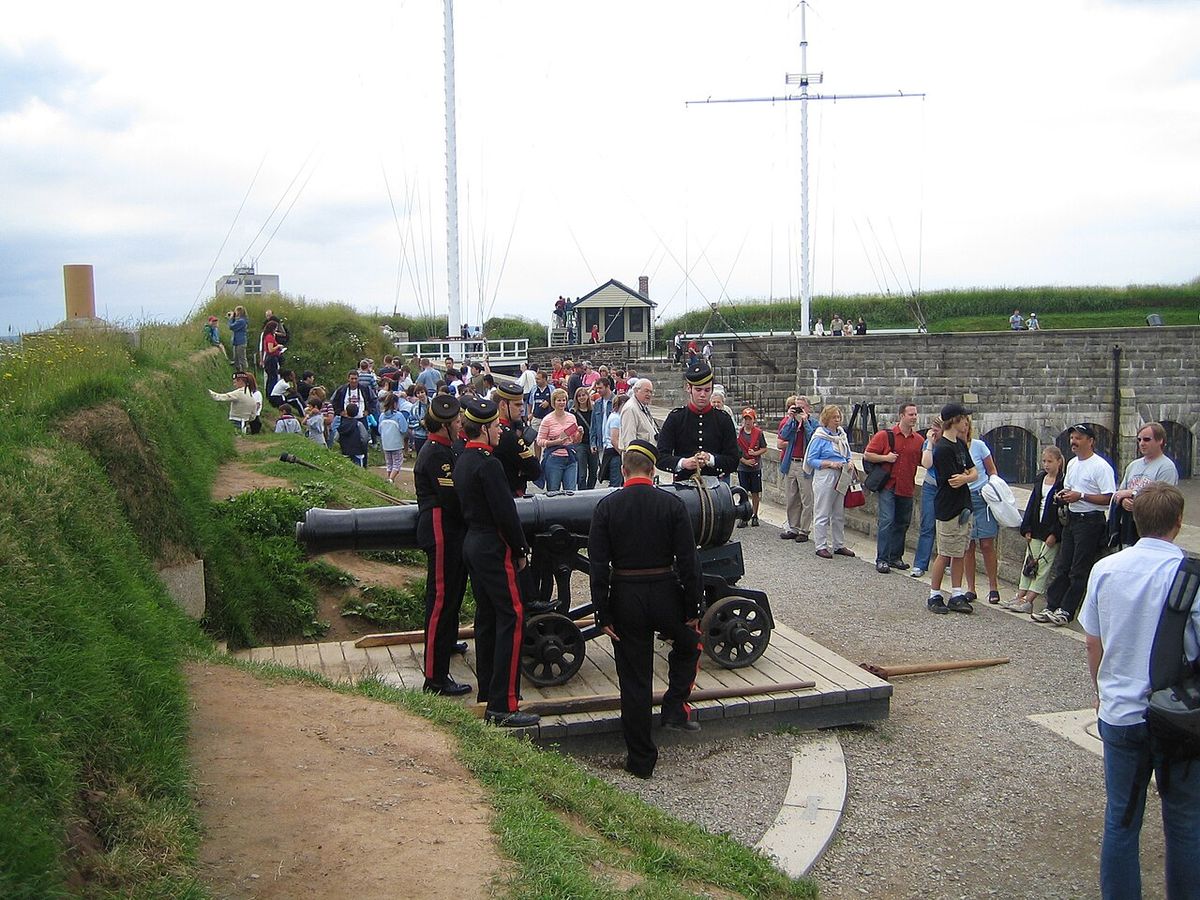
The Halifax Citadel National Historic Site operates as a dynamic living history museum, with costumed animators bringing the 1869 garrison to life daily from spring to fall. Interpreters portray members of the 78th Highland Regiment, the 78th Highlanders Pipe Band, the Third Brigade of the Royal Artillery, soldiers' wives, and civilian tradespeople, creating an immersive Victorian-era environment. Key daily traditions include the ceremonial firing of the noon gun by the 3rd Brigade Royal Artillery, a local practice dating to 1857, and the hourly changing of the sentry at the main gate, which occurs every hour the site is open. The site offers a range of immersive activities and tours included with admission, such as guided tours from May through October and ghost tours running from mid-July until late October on select nights, where visitors explore ramparts and dungeons by candlelight. The independent Army Museum, located in the Cavalier Block, displays a rare collection of weapons, medals, and uniforms detailing Nova Scotia's military history from the colonial period to the modern day. Special seasonal events enrich the visitor calendar throughout the year, including a Victorian Christmas with crafts, carollers, and Father Christmas, Canada Day celebrations inside the fort walls, and Remembrance Day commemorations featuring a 21-gun salute fired by the 1st Field Artillery Regiment.
- Daily Noon Gun: Fired by the 3rd Brigade Royal Artillery, heard across the city.
- Sentinel Change: Occurs every hour the site is open at the front gate.
- Guided Tours: Available May through October at regular intervals throughout the day.
- Ghost Tours: Run from mid-July to late October on select Thursdays, Fridays, and Saturdays.
- Victorian Christmas: Annual festive event with Victorian music, games, and crafts.
- Citadel Distilled: Year-round spirits tasting tour with a kilted guide and citadel-aged spirits from Compass Distillers.
- Remembrance Day: Commemorations at 11 am with a 21-gun salute followed by the noon gun.
- Canada Day: Celebrations held inside the fort walls on July 1.
Site Operations and Visitor Information
The Halifax Citadel is open every day of the year, with full visitor services and historic interpretation typically available from May 7 to October 31, operating from 9:00 AM to 5:00 PM with interpretation from 10:00 AM to 2:00 PM. Admission fees apply, though the site participates in programs like the Canada Strong Pass, which offered free entry from June 19 to September 7 in 2026, and standard admission prices for 2026 ranged from $59.99 to $289.99 per person for special tours. The site's location at 5425 Sackville Street in downtown Halifax provides commanding views of the harbour and easy access to other city attractions, and it serves as a unique venue for weddings, corporate functions, and private events booked through the site. Visitors can extend their historical exploration to nearby Georges Island, a national historic site in the harbour accessible as part of a visit, which features its own fortifications and stories. The table below outlines the seasonal operational model for the Halifax Citadel National Historic Site, reflecting its year-round accessibility and varied programming.
| Season | Core Hours | Historic Interpretation | Key Notes |
|---|---|---|---|
| Spring to Fall (e.g., May 7, Oct 31) | 9:00 AM, 5:00 PM | 10:00 AM, 2:00 PM | Full living history programs, guided tours, ghost tours, special events like Canada Day. |
| Winter | Grounds open daily | Limited or by request | Noon gun still fired daily. Site available for private bookings, events, and Citadel Distilled tours. |
| Special Periods (e.g., Remembrance Day, Victorian Christmas) | Extended hours for events | Enhanced programming | Remembrance Day at 11 am with 21-gun salute. Victorian Christmas with festive activities. |
Questions about Citadel Hill
Why was Citadel Hill built in Halifax?
Citadel Hill was fortified because its position overlooking Halifax Harbour provided a strategic military advantage for controlling the entrance to a deep, easily defended port. The British founded Halifax in 1749 to counter French influence from Louisbourg and to establish a permanent naval base in the region, with the hill chosen as the site for the settlement's primary defence. The series of forts constructed there protected the town, the critical Royal Navy Dockyard, and helped ensure Nova Scotia remained a loyal British colony during the American Revolution by housing a massive garrison. The secure base contributed to Halifax's nickname, 'Warden of the North,' and was integral to the city's development, with much of early Halifax dedicated to supplying the soldiers stationed on the hill.
Was the Halifax Citadel ever attacked?
No, the Halifax Citadel was never directly attacked by an enemy force throughout its history. Despite being prepared for conflicts including Father Le Loutre's War, the American Revolution, the War of 1812, and the American Civil War, its formidable defences and the strong British naval presence in the harbour deterred any assault. Its military role evolved from an active garrison to a command centre, internment camp during the First World War, and anti-aircraft coordination point in the Second World War, but it never saw combat. The only casualties near the hill occurred during raids in the 1750s, such as in September 1757 when Acadian Pierre Gautier and Mi'kmaq warriors killed and scalped two British men at the foot of Citadel Hill.
What can visitors see and do at the Citadel today?
Visitors can explore the fully restored star fort, enjoy panoramic views of Halifax Harbour, and experience immersive living history with costumed animators portraying the 78th Highlanders and Royal Artillery from 1869. Daily highlights include the firing of the noon gun, a tradition since 1857, and the hourly sentry change ceremony at the front gate, along with guided tours available from May through October. The site houses the Army Museum with its collection of weapons and medals, offers seasonal ghost tours by candlelight, and hosts special events like the Victorian Christmas with crafts and carollers, Canada Day celebrations, and Remembrance Day commemorations with a 21-gun salute. The grounds are open year-round, with full programming from spring to fall, and visitors can also book unique experiences like the Citadel Distilled spirits tasting tour or a Parks Canada Perfect Picnic to enjoy on the ramparts.
What is the Halifax Town Clock's connection to Citadel Hill?
The Halifax Town Clock was commissioned by Prince Edward, Duke of Kent, when he was Commander-in-Chief in Halifax from 1794 to 1800. It was installed on the eastern slope of Citadel Hill on Brunswick Street. The clock opened on October 20, 1803. Prince Edward was instrumental in the design of the Third Citadel. The clock continues to keep time for the community in the 21st century.
How was the Citadel used during the World Wars?
During the First World War, the Citadel, then called Fort George, was used as an internment camp from September 1914 to October 1918. The internees in Nova Scotia were mainly ethnic German reservists. In total, 8,579 men were held as prisoners of war in camps across Canada during this period. During the Second World War, Fort George provided temporary barracks, signalling, and was the central coordinating point for the city's anti aircraft defences. The fort was garrisoned by the British Army until 1906 and afterward by the Canadian Army.
Who manages the Halifax Citadel and how can I visit?
The Halifax Citadel National Historic Site is managed by Parks Canada. It is located at 5425 Sackville Street in downtown Halifax and is open year-round, with full visitor services from spring to fall, typically from May 7 to October 31, from 9:00 AM to 5:00 PM. Admission fees apply, but free admission periods like the Canada Strong Pass are sometimes offered, as in 2026 from June 19 to September 7, and tickets for special tours like ghost tours can be purchased through Eventbrite. For current hours, event schedules, and ticket information, visitors can call 902-426-5080, email [email protected], or check the Parks Canada website, and the site is also available for private event bookings.
Sources and further reading
- Citadel Hill (Wikipedia)
- Calendar of events, Halifax Citadel National Historic Site (parks.canada.ca)
- Halifax Citadel National Historic Site (novascotia.com)
- Jun 19 - Sep 7, Halifax Citadel National Historic Site (events.helpinginternationalstudents.com)
- Halifax Citadel Society | Bringing History to Life | Halifax, Nova ... (halifaxcitadel.ca)
Checked by the Nosy Mag desk. Last updated 2026-10-27.