Chinese head tax
The Chinese head tax was a fixed fee charged exclusively to Chinese immigrants entering Canada between 1885 and 1923. Enacted through the Chinese Immigration Act of 1885, it was the first federal law in Canadian history to exclude immigrants based on ethnic origin. The policy was designed to restrict Chinese immigration following the completion of the Canadian Pacific Railway. The government collected about $23 million from about 81,000 payers. Its legacy culminated in the Chinese Immigration Act of 1923, which banned most Chinese immigration, and fuelled a redress movement leading to a formal federal apology in 2006.
Historical Context and Enactment
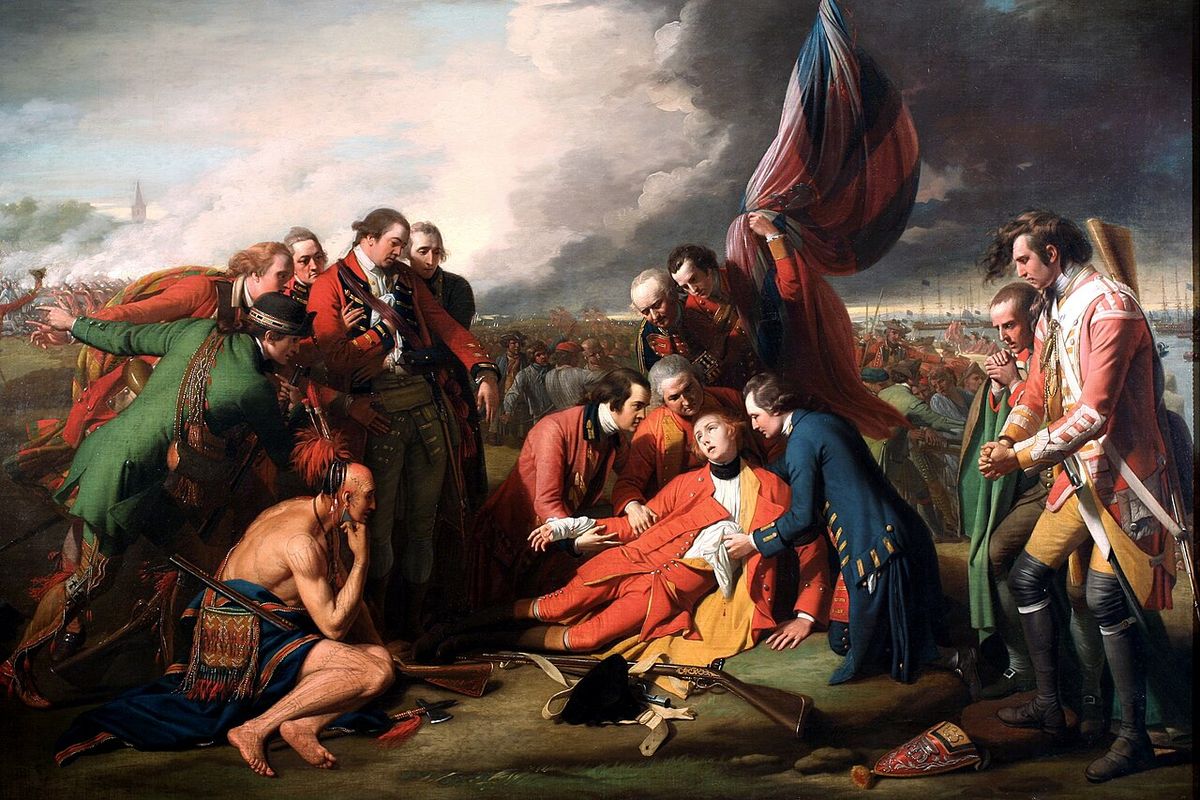
The origins of the Chinese head tax are rooted in the construction of the Canadian Pacific Railway in the early 1880s. About 17,000 Chinese labourers were recruited for this dangerous work, often paid a third to half the wages of their non-Chinese counterparts. Prime Minister John A. Macdonald acknowledged their necessity for the railway's completion. Upon the railway's completion in 1885, political and public sentiment in British Columbia turned sharply against Chinese immigration. The provincial legislature attempted to pass exclusionary laws, but these were struck down as exceeding provincial authority over immigration. In response, the federal government appointed the Royal Commission on Chinese Immigration in 1884 to investigate restrictions. This led directly to the Chinese Immigration Act of 1885, which instituted a $50 head tax.
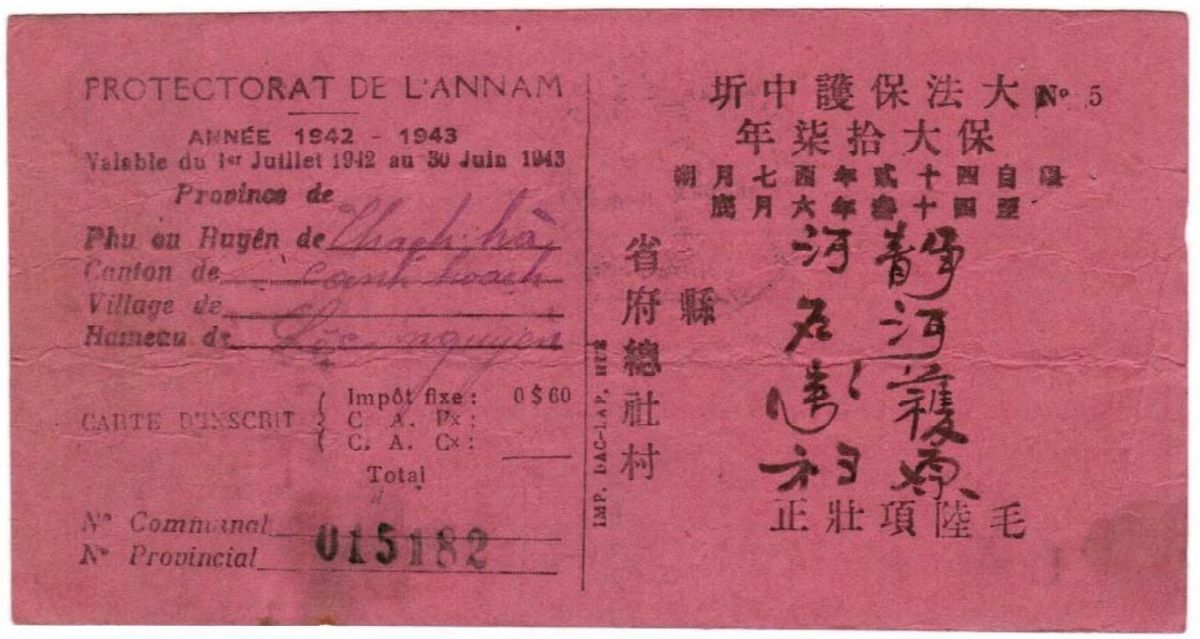
The Royal Commission on Chinese Immigration, led by Sir Joseph-Adolphe Chapleau and John Hamilton Gray, heard testimony from 51 witnesses. The commission also studied restrictive policies in other nations, including the American Chinese Exclusion Act of 1882. In their 1885 report, the commissioners concluded there was little evidence for the negative claims and that Chinese immigration benefited British Columbia. However, they still recommended legislation to restrict it. Parliament ignored a modest fee suggestion and imposed a $50 tax, calculated to be a significant barrier as the commission found the average Chinese labourer saved only $43 per year after expenses. The Act received royal assent on July 20, 1885. It was amended in 1887, 1892, and 1900 to increase the fee and tighten regulations. The 1885 Act also mandated that every Chinese immigrant be examined by a customs officer and issued a certificate upon payment.
Escalation and Impact of the Tax
The initial $50 head tax failed to deter Chinese immigration as intended. In 1900, the fee was doubled to $100. By 1903, responding to the findings of a second royal commission, the tax was raised to its peak of $500. The tax applied to nearly all Chinese arrivals, with exemptions only for specific classes such as students, teachers, missionaries, merchants, and diplomatic personnel. Between 1885 and 1923, approximately 81,000 Chinese immigrants paid the tax, contributing about $23 million to federal coffers. The financial burden was immense, deliberately designed to make family reunification economically impossible. This policy transformed Chinese Canadian communities into 'bachelor societies,' where men vastly outnumbered women.
The 1903 increase to $500 followed the 1902 Royal Commission on Chinese and Japanese Immigration, which explicitly recommended the hike. This amount was equivalent to the cost of purchasing two homes at the time. The head tax was part of a broader framework of anti-Chinese legislation, including the Electoral Franchise Act of 1885 which disenfranchised Chinese immigrants. The policy's success in discouraging women and children from immigrating was devastating. By 1923, the gender ratio in Chinese communities was approximately 28 men to every one woman. This enforced separation meant many men lived and died alone in Canada. The government collected revenue from about 81,000 payers, but the social cost to the Chinese Canadian community was incalculable. The head tax did not apply to Chinese people in Canada travelling abroad who returned, provided they had a re-entry certificate. The $500 tax in 1903 represented a two-year salary for an immigrant worker at that time.
The Chinese Exclusion Act of 1923
Dissatisfied that the head tax did not achieve complete exclusion, the federal government passed a new Chinese Immigration Act in 1923. Known widely as the Chinese Exclusion Act, it came into force on July 1, Dominion Day, a date the Chinese Canadian community thereafter called 'Humiliation Day.' This law effectively banned all Chinese immigration, with very narrow exceptions for merchants, clergy, diplomats, and students. It remained in force for 24 years, throughout the Great Depression and the Second World War. The Act solidified the separation of families, preventing the wives and children of men already in Canada from joining them. It was not repealed until 1947.
The Chinese Immigration Act of 1923 contained 43 restrictive clauses and allowed entry only for specific, narrow classes such as children born in Canada of Chinese descent. The Chinese Canadian community mounted significant opposition, including petitions and advocacy by leaders like Wong Foon Sien. During the Second World War, Chinese Canadians served in the military, hoping their contribution would lead to the repeal of the discriminatory law. While the Act was repealed in 1947, the government maintained restrictive immigration quotas. Prime Minister Mackenzie King's statement that year reflected the enduring official bias. Full reform did not come until the introduction of the points-based immigration system in 1967. The 1923 Act also required all Chinese persons in Canada, including naturalized citizens, to register with the government and obtain a certificate. The only Chinese women allowed to enter during this period were the wives of merchants.
The Redress Movement: Early Campaigns and Legal Challenges
The campaign for government apology and compensation began in earnest in 1984, when Vancouver MP Margaret Mitchell raised the issue in the House of Commons. The Chinese Canadian National Council (CCNC) led the effort, registering over 4,000 head tax payers and descendants after the issue was publicized on the CJVB radio program Chinese Voice hosted by Hanson Lau. The movement gained momentum through community organizing, media campaigns, and legal challenges. A major setback occurred in 2001 when an Ontario court ruled the government had no legal obligation to redress the tax, a decision upheld on appeal in 2002 and 2003. The movement faced internal division with the formation of the National Congress of Chinese Canadians (NCCC) in 1989 following the Tiananmen Square Massacre.
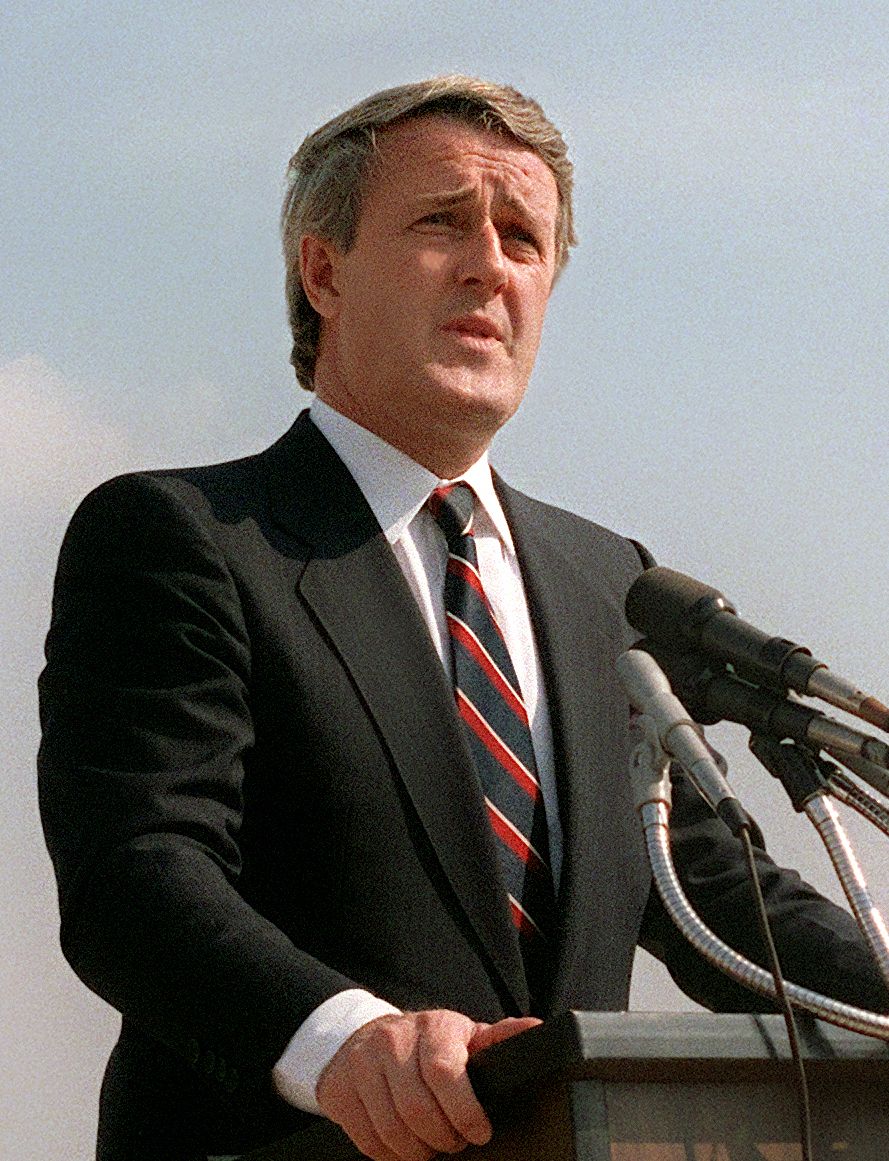
The redress campaign involved a wide range of activities including community meetings and gathering support from other groups. In 1993, Conservative Prime Minister Brian Mulroney offered a package including individual medallions and a museum wing, which was rejected. That same year, the new Liberal government under Jean Chrétien, through Multiculturalism Minister Sheila Finestone, stated it 'cannot rewrite history' and refused an apology or financial compensation, instead reaffirming $24 million for a Canadian Race Relations Foundation. The CCNC pursued international avenues, submitting a case to the United Nations Human Rights Commission. In 2004, UN Special Rapporteur Doudou Diène recommended Canada redress the head tax. In 2005, Gim Wong, an 82-year-old son of head tax payers and a WWII veteran, conducted a cross-country 'Ride for Redress' on his motorcycle. The CCNC's $1.2 billion legal challenge argued the government should not profit from racism, citing the 1988 redress for Japanese Canadian internment as a precedent.
Political Maneuvering and the Failed Bill C-333
The final years of the redress campaign were marked by significant political manoeuvring. In November 2005, the National Congress of Chinese Canadians (NCCC) announced it had reached an agreement with the federal Cabinet for a foundation for education about anti-Chinese discrimination, with the precondition of no government apology. The NCCC was formed on a platform of 'no apology and no individual compensation.' The Department of Canadian Heritage later reduced the funding to $2.5 million. Several groups named in the agreement stated their names were used without permission. This surprise deal caused a great outcry and escalated the redress movement nationwide.
Bill C-333, the Chinese Canadian Recognition and Redress Act, a private member's bill, was tabled in November 2005 to implement the NCCC agreement. While it purported to acknowledge and commemorate past wrongs, it explicitly avoided an apology. The Ontario Coalition of Head Tax Payers and Families lobbied the Conservative Party to stop its passage. The Conservatives used a procedural move, switching the order of Bill C-333 with Bill C-331, causing C-333 to die when Prime Minister Paul Martin's government lost a confidence vote. During the subsequent election campaign, Liberal candidates attempted to change their positions on redress. The NCCC agreement was negotiated by Minister for Asia and Pacific Affairs Raymond Chan, who was later found to have misled the government and the public about the deal's details. Bill C-331 concerned the recognition of wrongs against Ukrainian Canadians.
The 2006 Apology and Compensation
On June 22, 2006, Prime Minister Stephen Harper delivered an official apology in the House of Commons, breaking parliamentary tradition by speaking a few words in Cantonese: 'Ga na daai doe heep' (Canada Apologizes). The apology acknowledged the racist nature of the head tax and the Chinese Exclusion Act. The government announced individual redress payments of $20,000 each to surviving head tax payers or their surviving spouses. This compensation was offered to only 785 claimants, as only an estimated 20 payers were still alive. The limited scope of the redress disappointed many in the community. A national day of protest was held on Canada Day 2006, with marches in major cities.
The path to the apology began immediately after the Conservatives won the January 2006 election, with Harper reiterating his commitment three days after the vote. Formal consultations were held in April 2006 in Halifax, Vancouver, Toronto, Edmonton, Montreal, and Winnipeg. Community groups had demanded meaningful redress for first-generation sons and daughters as direct victims. The final offer of $20,000 for only the original payers and surviving spouses was seen as inadequate. The government's acknowledgement was also included in the Speech from the Throne delivered by Governor General Michaëlle Jean on April 4, 2006. The consultations heard testimony from groups including the Halifax Redress Committee and the British Columbia Coalition of Head Tax Payers, Spouses and Descendants. Early community demands had ranged from $10,000 to $30,000 for the estimated 4,000 registrants.
Legacy and Commemoration
The Chinese head tax and Exclusion Act represent a foundational chapter in Canada's history of systemic racism and immigration policy. Their effects reverberated through generations, shaping family structures and community demographics. The redress movement itself became a powerful force for community organizing and advocacy for human rights. The history is preserved and examined through several documentary films. Educational initiatives and museum exhibits continue to teach Canadians about this period. The story shows the long-term psychological and social costs of discriminatory policies. Key documentaries and works about the head tax include the following films. The redress campaign also involved conducting research and publishing materials to increase public awareness. Community activists made presentations at schools to educate others about this history.
- Moving the Mountain: An Untold Chinese Journey (1993) by William Ging Wee Dere and Malcolm Guy, which interviews head tax redress leaders.
- In the Shadow of Gold Mountain (2004, National Film Board) by Karen Cho, which interviews head tax survivors.
- Lost Years: A People's Struggle for Justice (2011) by Kenda Gee and Tom Radford, which interviews head tax redress leaders.
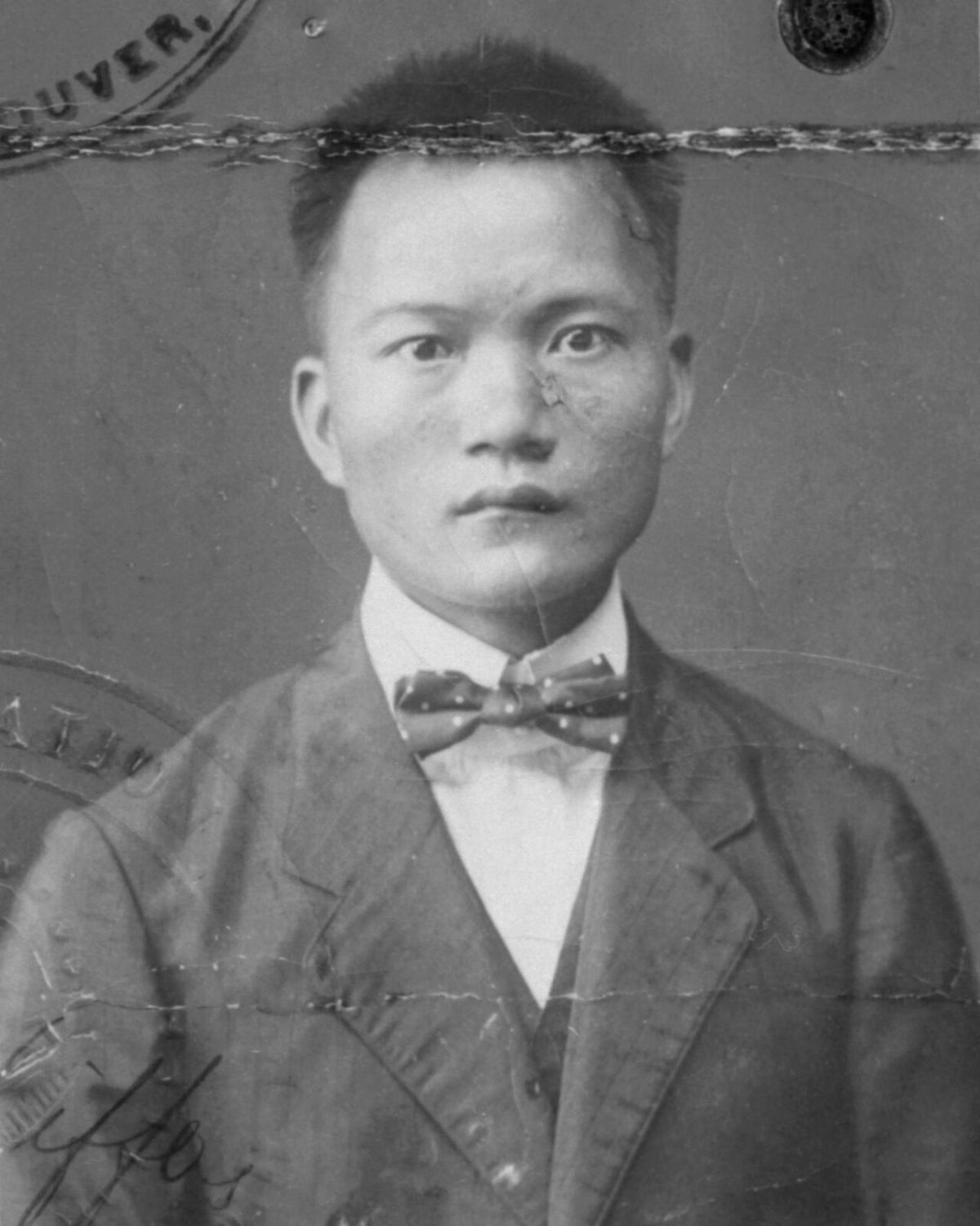
The personal stories continue to illuminate the human impact. Historian Dr. Henry Yu has recounted how his grandfather, Yeung Sing Yew, who paid the head tax in 1923, took him on walks through Vancouver's Chinatown. For these men, who lived through the era of 'bachelor societies' created by the Exclusion Act, seeing a grandchild represented a deep joy. This intergenerational trauma and resilience is a central part of the legacy. The head tax certificates themselves have become historical artifacts, with some displayed in museums like the Canadian Museum of Immigration at Pier 21. The Chinese Canadian community also observes the anniversary of the 1923 Act on July 1 as a day of remembrance.
Comparative Immigration Restrictions
The Chinese Head Tax was a fixed fee exclusively charged to Chinese persons entering Canada. It was first levied after the Canadian parliament passed the Chinese Immigration Act of 1885. This policy was designed solely to restrict Chinese immigration after the completion of the Canadian Pacific Railway. It was a state-sanctioned agreement meant to privilege European settlers. This policy marked a period of legislated anti-Chinese racism and reinforced a racial hierarchy. Similar policies existed in other jurisdictions with significant Chinese diaspora populations.
| Country/Region | Policy | Enacted | Key Feature |
|---|---|---|---|
| Canada | Chinese Immigration Act (Head Tax) | 1885 | $50-$500 fee on Chinese immigrants. Exemptions for specific classes. |
| United States | Chinese Exclusion Act | 1882 | Banned Chinese labour immigration. The initial act was for 10 years. |
| New Zealand | Chinese Immigrants Act | 1881 | Poll tax per Chinese immigrant. The tax was later increased. |
| Australia | Immigration Restriction Act | 1901 | Restrictive language tests (White Australia Policy). Effectively banned Asian immigration. |
| Newfoundland | Chinese Head Tax | 1906 | $300 fee before confederation with Canada in 1949. Part of a series of anti-Chinese laws. |
These parallel policies demonstrate how Chinese migrants were targeted across the English-speaking world through economic barriers and outright bans. In Canada, the head tax was also accompanied by other discriminatory laws like the Electoral Franchise Act. The Canadian policy was unique in its duration and the revenue extracted, but it was situated within an international framework of anti-Chinese racism. The New Zealand poll tax remained in place for decades. The American Chinese Exclusion Act was extended multiple times. British Columbia had also attempted a provincial Chinese tax in 1878, charging $10 every three months to every Chinese person over age 11.
Questions about Chinese head tax
What was the Chinese head tax in Canada?
The Chinese head tax was a fixed fee charged exclusively to Chinese people entering Canada between 1885 and 1923. It was enacted through the Chinese Immigration Act of 1885, starting at $50, increasing to $100 in 1900, and reaching $500 in 1903. The tax was a deliberate tool of racial discrimination intended to restrict Chinese immigration after their labour was used to build the Canadian Pacific Railway. Approximately 81,000 immigrants paid the tax, generating about $23 million for the government. The tax was levied on each person and did not apply to those with re-entry certificates. Every payer was issued a certificate by a customs officer.
Why did Canada implement the Chinese head tax?
Canada implemented the head tax in direct response to anti-Chinese sentiment, particularly in British Columbia, after the completion of the Canadian Pacific Railway in 1885. With the railway built, political and labour pressure mounted to exclude Chinese workers who were seen as economic competition. The federal government, under Prime Minister John A. Macdonald, passed the law to appease this sentiment and restrict further Chinese immigration. A royal commission in 1884 had investigated the issue but its modest recommendations were ignored in favour of a severe financial barrier. The province had earlier tried to pass its own exclusionary laws in 1885, which were struck down.
How much was the Chinese head tax?
The head tax amount escalated over time. It was initially set at $50 upon the law's passage in 1885. In 1900, it was raised to $100. The final and most severe increase came in 1903, setting the tax at $500. Adjusted for inflation, the $500 fee in 1903 is equivalent to approximately $18,800 in 2025 dollars. This sum represented about two years' wages for a Chinese labourer at the time. The tax in Newfoundland before it joined Canada was $300, enacted in 1906. The $100 tax in 1900 is equivalent to about $4,021 in 2025 dollars.
What was the Chinese Exclusion Act?
The Chinese Exclusion Act is the common name for the Chinese Immigration Act of 1923. This law replaced the head tax and effectively banned all Chinese immigration to Canada, with very limited exceptions for merchants, diplomats, students, and clergy. It came into force on July 1, 1923, a date the Chinese Canadian community termed 'Humiliation Day.' The Act remained in place for 24 years until it was finally repealed in 1947. It also required all Chinese persons in Canada to register with the government. The Act contained 43 clauses and allowed entry for children born in Canada of Chinese descent.
Did the Canadian government apologize for the head tax?
Yes, on June 22, 2006, Prime Minister Stephen Harper delivered a formal apology in the House of Commons for the head tax and the Chinese Exclusion Act. The apology was the result of a decades-long redress campaign led by Chinese Canadian communities. As part of the redress, the government offered individual compensation of $20,000 to each surviving head tax payer or surviving spouse. However, only about 785 claimants were eligible, as very few original payers were still alive. The apology was delivered in both official languages and included a phrase in Cantonese. The government also acknowledged the wrongs in the Speech from the Throne in April 2006.
How many people paid the Chinese head tax and how much was collected?
Between 1885 and 1923, approximately 81,000 Chinese immigrants paid the head tax to enter Canada. In total, the federal government collected about $23 million in face value from these payments. When adjusted for inflation to 2025 dollars, this sum is equivalent to about $411 million. The tax was a significant source of revenue for the government, extracted through a policy that explicitly targeted and discriminated against a single ethnic group. The money went into general government revenues. The $23 million collected is in nominal dollars. The real economic value was much higher.
Sources and further reading
- Chinese head tax (Wikipedia)
- The Chinese head tax and the Chinese Exclusion Act (humanrights.ca)
- Chinese Head Tax in Canada (thecanadianencyclopedia.ca)
- Ten years since Canada apologizes for the Chinese Head ... (sencanada.ca)
- 100th Anniversary of the Chinese Exclusion Act (musee-mccord-stewart.ca)
Checked by the Nosy Mag desk. Last updated 2026-10-23.