Bibliography of Canada
The Bibliography of Canada is a scholarly compilation of works on the nation's history, geography, culture, and affairs of state. It was mainly compiled in 2011 from Canadiana, the national bibliography, with arbitrary additions since then. It serves as a foundational research tool for academics, students, and the public. This extensive listing encompasses thousands of entries across diverse subjects, from Indigenous histories and military conflicts to environmental studies and political analysis. Its ongoing relevance is confirmed by its use in academic circles and its connection to contemporary scholarly events, such as the 2026 conference of the Bibliographical Society of Canada.
Scope, Compilation and Structure
The Bibliography of Canada represents a systematic effort to catalogue significant published works about the country. Its core was mainly compiled in 2011 from Canadiana, the comprehensive national bibliography that records publications produced in Canada or about Canada. Since its initial assembly, the bibliography has seen arbitrary additions to include newer works. For researchers seeking an evaluated selection of major books, J.André Senécal's annotated guide, Canada: A Reader's Guide, serves as a complementary critical resource published in 2000. The bibliography's breadth is immense, covering subjects from pre-colonial Indigenous societies to contemporary environmental policy and federal politics. It includes both seminal multi-volume reference works like The Canadian Encyclopedia and specialized academic monographs on topics such as suburban development or Cold War military history. The structure of the bibliography is thematic, with major categories for Overviews, Geography and environment, History, Indigenous topics, and Affairs of state, each containing numerous subcategories and specific works.
Major Thematic Categories and Key Works
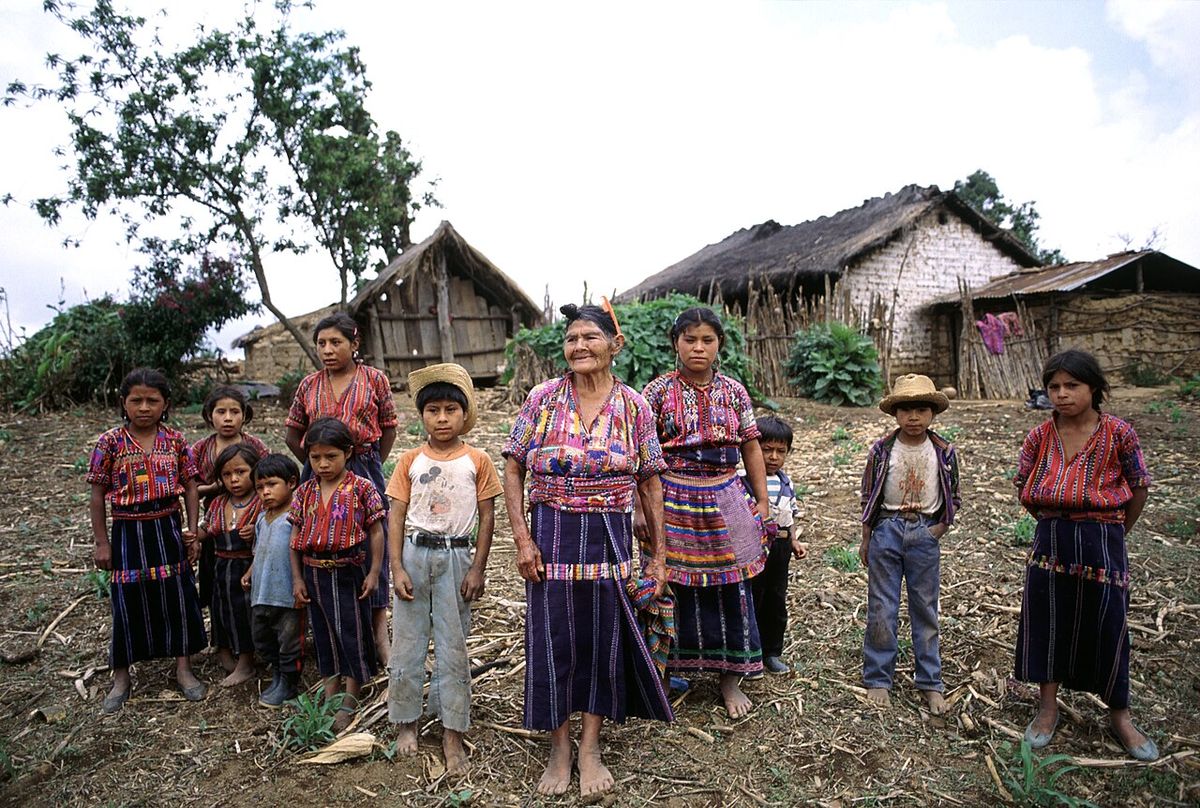
The bibliography is organized into several major thematic categories, each containing numerous subcategories and specific works. The section on Overviews includes foundational reference texts and broad historical narratives. Works listed here, such as Desmond Morton's A Short History of Canada and the two-volume Canada: A People's History produced by the CBC with Don Gillmor and Pierre Turgeon, provide sweeping accounts of the national story. The Geography and environment category is particularly extensive, featuring atlases, regional studies, and works on climate, cities, and environmentalism. Key atlases include the Concise Historical Atlas of Canada by Dean, Matthews, and Moldofsky and the multi-volume Historical Atlas of Canada series. This section also lists scholarly analyses of urban development, such as Carolyn Whitzman's study on Toronto's Parkdale neighbourhood from 1875 to 2002 and Robert Lewis's work on the industrial development of Montreal from 1850 to 1930, as well as critical works on climate change policy like Hot Air: Meeting Canada's Climate Change Challenge by Mark Jaccard and colleagues.
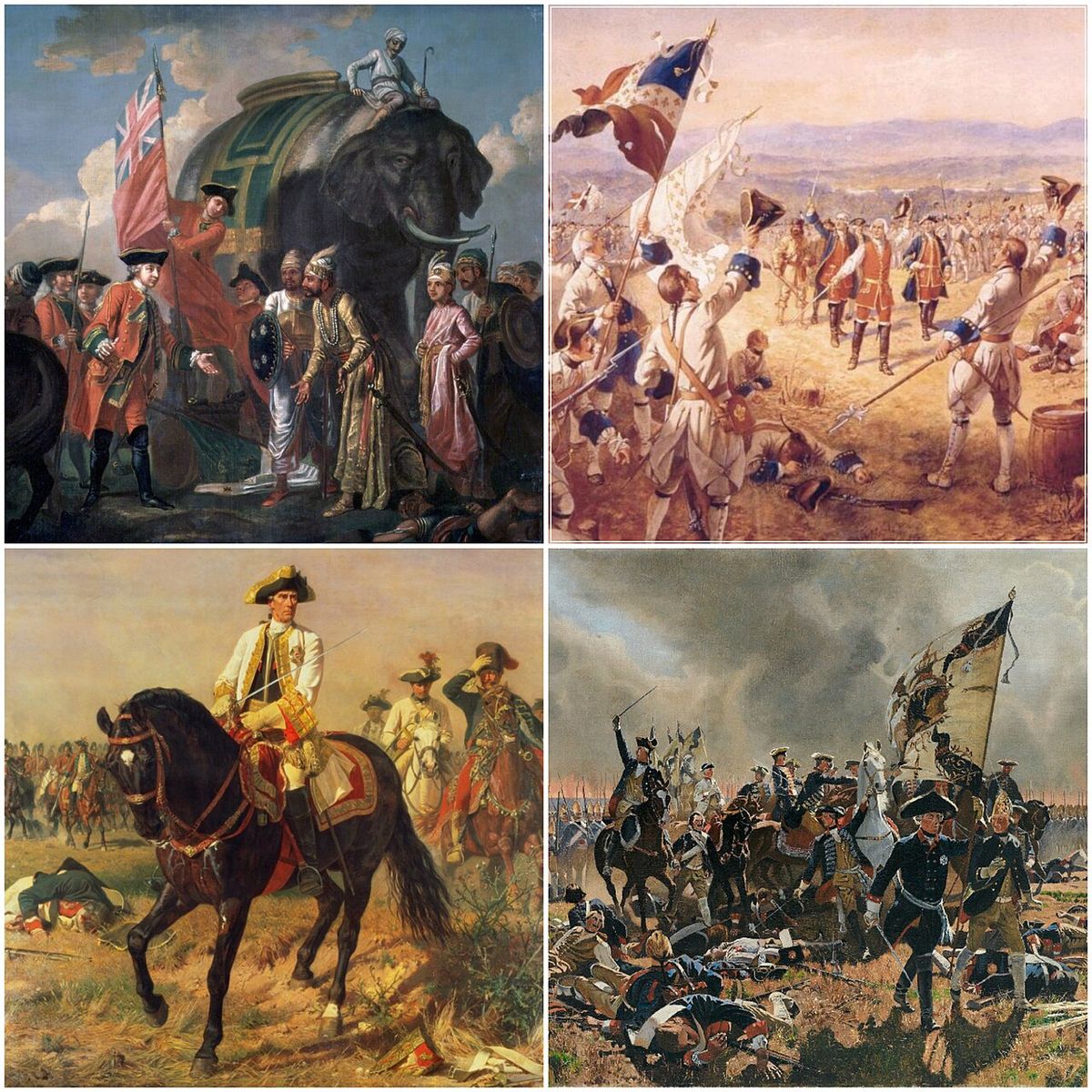
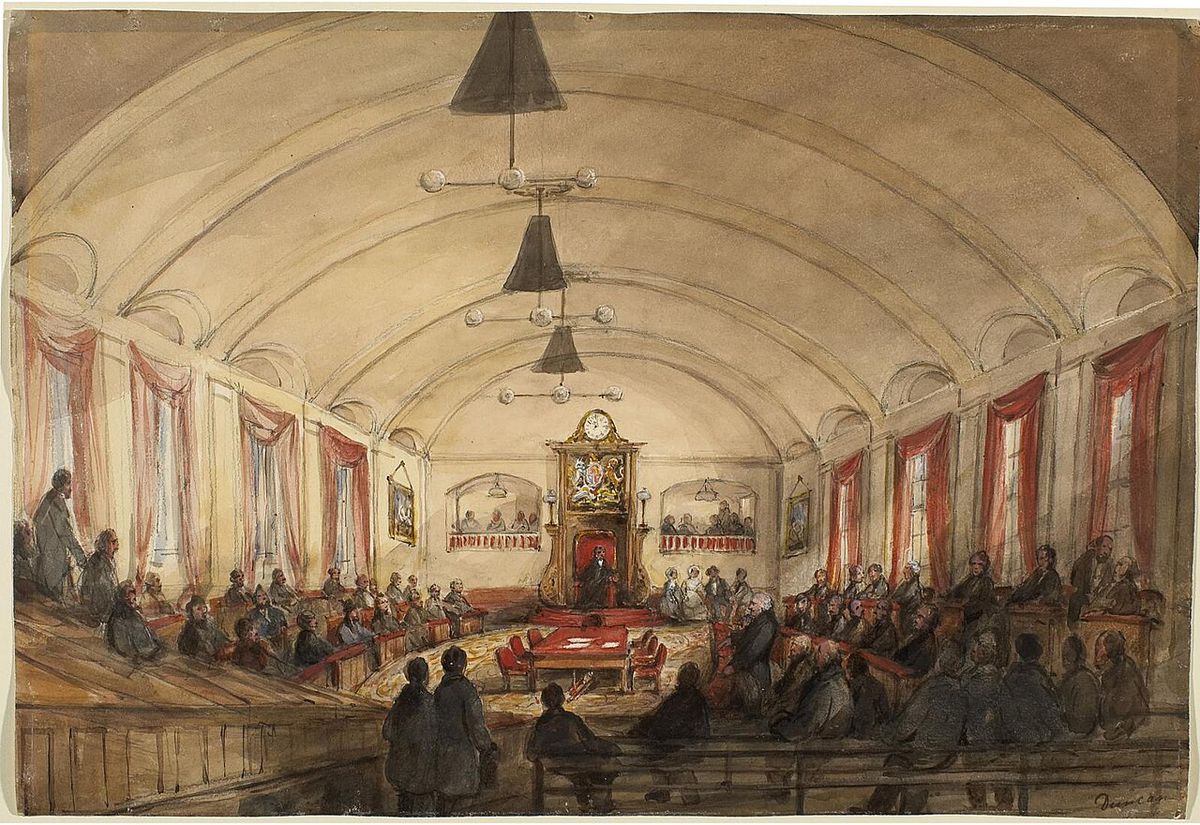
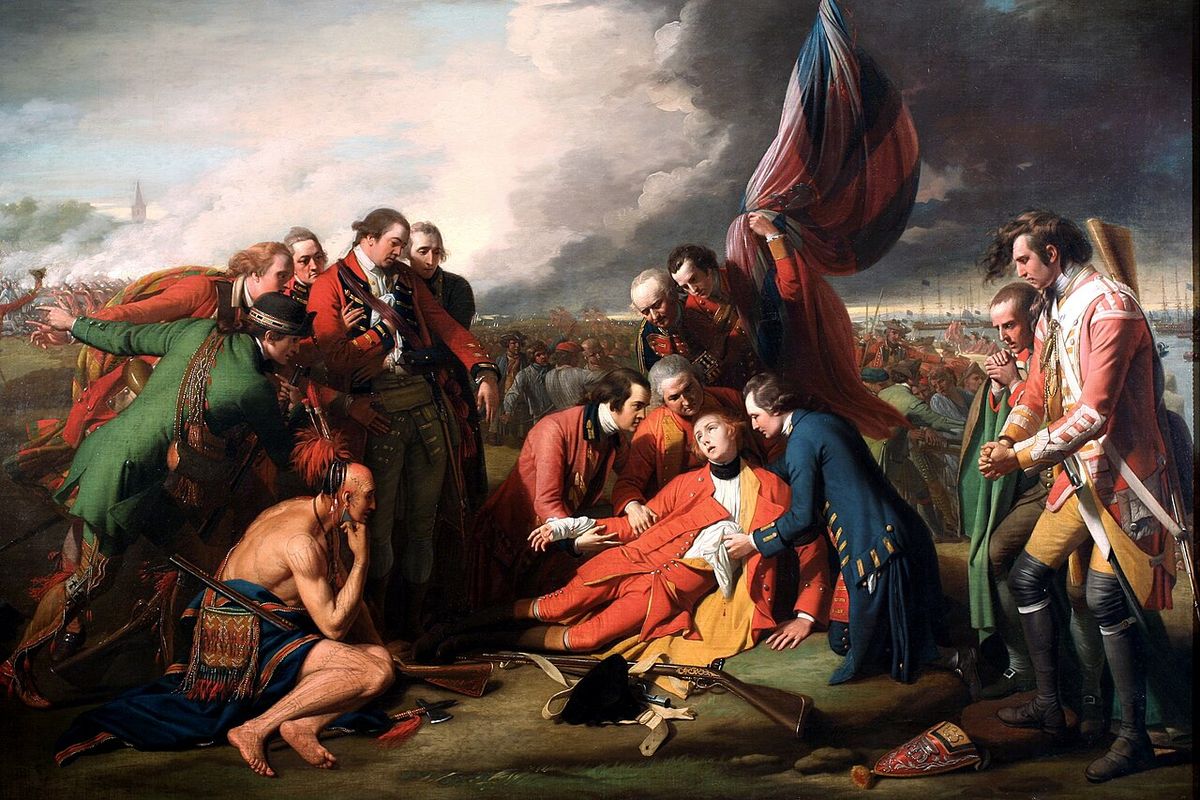
The History section forms a substantial portion of the bibliography, with entries spanning from pre-contact Indigenous societies to modern military conflicts. It includes chronologies like the Handbook of Upper Canadian Chronology, document collections, and thematic studies like Canadian Working-Class History: Selected Readings edited by Laurel Sefton MacDowell and Ian Radforth. The Military and conflicts subsection offers both comprehensive surveys, such as Desmond Morton's A Military History of Canada, and focused studies on specific wars including Fred Anderson's Crucible of War on the Seven Years' War and David J. Bercuson's Blood on the Hills on the Korean War. A dedicated Indigenous section catalogues works on First Nations, Inuit, and Métis history, law, and cultural heritage, featuring titles like Aboriginal and Treaty Rights in Canada edited by Michael Asch. Finally, the Affairs of state category covers government, politics, and constitutional law, with texts on parliamentary procedure like Bourinot's Parliamentary Procedure and Practice in the Dominion of Canada, federalism in Garth Stevenson's Unfulfilled Union, and the judicial process.
Notable Reference Works, Series and Atlases
Several landmark reference works and publishing series feature prominently within the bibliography, serving as essential starting points for research. The Canadian Encyclopedia, first published in 1985 and with a noted 1999 edition edited by James H. Marsh, provides authoritative entries on countless aspects of Canadian life and history. The Canada Year Book, published by Statistics Canada from 1867 to 2012, offers a crucial statistical record of the nation's demographic and economic evolution. The Historical Atlas of Canada project, published in three volumes by the University of Toronto Press, is a major achievement in cartographic history. Volume I covers from the beginning to 1800, Volume II details the land transformed from 1800 to 1891, and Volume III addresses the twentieth century from 1891 to 1961. Another significant series is the Handbook of North American Indians, which includes volumes dedicated to the Indigenous peoples within Canada's borders. The bibliography also lists major narrative histories, such as J.M.S. Careless's Canada: A Story of Challenge and the two-volume work Journeys: A History of Canada by R.D. Francis, Richard Jones, and Donald B. Smith.
- The Canadian Encyclopedia (1999 ed., James H. Marsh, ed.) ISBN 978-0-7710 to 2099-5.
- Canada Year Book (Statistics Canada, 1867 to 2012) Catalogue no 11-402-XPE.
- Historical Atlas of Canada, Volume I: From the Beginning to 1800 (1987) ISBN 978-0-8020 to 2495-4.
- Historical Atlas of Canada, Volume II: The Land Transformed, 1800 to 1891 (1993) ISBN 978-0-8020 to 3448-9.
- Historical Atlas of Canada, Volume III: Addressing the Twentieth Century, 1891 to 1961 (1993) ISBN 978-0-8020 to 2495-4.
- Encyclopedia of Canada's Peoples (1999, Paul Robert Magocsi, ed.) ISBN 978-0-8020 to 2938-6.
- Canada: A People's History, Volumes 1 & 2 (2002, CBC et al.) ISBNs 978-0-7710 to 3324-7 and 978-0-7710 to 3336-0.
- The Oxford Handbook of Canadian Politics (2010, John C. Courtney & David E. Smith, eds.) ISBN 978-0-19-533535-4.
- Canadian Politics by Rand Dyck (2011) ISBN 978-0-17-650343-7.
Contemporary Context, Scholarly Engagement and Conferences
The Bibliography of Canada exists within an active scholarly ecosystem. Its contents are regularly cited and built upon by historians, geographers, and political scientists. The forthcoming 2026 conference of the Bibliographical Society of Canada, themed 'The Many Hands of Book History' and scheduled for June 8 and 9 at the University of Toronto, directly engages with the kind of bibliographic work this list represents. Recent publications listed in the bibliography from 2018 to 2020, such as Max Foran's The Subjugation of Canadian Wildlife and Andrea Olive's The Canadian Environment in Political Context, show the continuous integration of new scholarship. This ongoing engagement ensures the bibliography remains a living tool, connecting past research with current investigations into Canada's social, environmental, and political issues.
Key Subject Areas, Representative Titles and Authors
The bibliography's depth is evident in its coverage of specialized subject areas, each represented by multiple influential titles and authors. In environmental studies, works range from The Surface Climates of Canada by Bailey, Oke, and Rouse to more recent analyses like Hard Choices: Climate Change in Canada edited by Harold Coward and Andrew J. Weaver. Urban and suburban development is explored in books such as Richard Harris's Creeping Conformity: How Canada Became Suburban, 1900 to 1960 and studies of specific cities like Robert Fulford's Accidental City: The Transformation of Toronto. Military history is well-served by both overarching narratives and specific campaign histories, including Jeremy Black's Fighting for America and The Encyclopedia of North American Indian Wars, 1607 to 1890 by Tucker, Arnold, and Wiener. The section on government and politics includes textbooks like Canadian Politics by James Bickerton and analytical works such as Unfulfilled Union: Canadian Federalism and National Unity by Garth Stevenson. Indigenous scholarship features prominently with titles like Citizens Plus: Aboriginal Peoples and the Canadian State by Alan Cairns and numerous works on law and heritage.
| Subject Area | Representative Title | Author/Editor |
|---|---|---|
| General History | A Brief History of Canada | Roger E. Riendeau |
| Military History | Canada's Army: Waging War and Keeping the Peace | J.L. Granatstein |
| Indigenous Studies | Protection of First Nations Cultural Heritage: Laws, Policy, and Reform | Catherine Bell & Robert K. Paterson |
| Geography | Across This Land: A Regional Geography of the United States and Canada | John C. Hudson |
| Environment | Farming in a Changing Climate: Agricultural Adaptation in Canada | Barry Smit, Shirley Ellen Wall, Johanna Wandel |
| Politics | The Canadian Regime: An Introduction to Parliamentary Government | Patrick Malcolmson & Richard Myers |
| Urban Studies | Suburb, Slum, Urban Village: Transformations in Toronto's Parkdale | Carolyn Whitzman |
| Biography/History | The Governors General | Irma Coucill |
The Bibliography in Research and Education
The Bibliography of Canada functions as a critical gateway for research and education at multiple levels. University students and graduate researchers use it to identify primary and secondary sources for theses and dissertations on topics from the fur trade to federal environmental policy. Educators at secondary and post-secondary levels consult it to build reading lists and ensure their course materials are grounded in authoritative scholarship. Public historians and journalists reference the bibliography to verify facts and locate expert sources. The bibliography's connection to projects like the 'Historytellers Project' illustrates how foundational bibliographic knowledge supports broader public engagement with history. The listed works themselves often become subjects of study at conferences like the 2026 Bibliographical Society of Canada meeting, thereby enriching the understanding of how Canadian historical knowledge is produced and disseminated.
Questions about Bibliography of Canada
What is the Bibliography of Canada?
The Bibliography of Canada is a major scholarly compilation of works about Canada. It was primarily compiled in 2011 using the national bibliography known as Canadiana. The compilation includes arbitrary additions made since that initial 2011 effort. This bibliography serves as a comprehensive research tool covering Canadian history, geography, culture, and politics.
How is the bibliography updated?
The core bibliography was compiled in 2011, but it has received arbitrary additions since then to include newer works. Its ongoing relevance is maintained through its connection to active scholarly communities. The bibliography itself was noted as being updated as of March 2026, suggesting it is a living document that continues to incorporate significant new publications. These updates often reflect emerging scholarship in areas like environmental history and Indigenous studies.
What are some of the most important reference books listed?
Several landmark reference works are central to the bibliography. The Canadian Encyclopedia, with its 1999 edition, provides comprehensive entries on countless topics. The multi-volume Historical Atlas of Canada offers a cartographic history of the nation in three distinct periods. The Canada Year Book, published from 1867 to 2012, is the definitive statistical record produced by Statistics Canada. Other key works include the Encyclopedia of Canada's Peoples and The Oxford Handbook of Canadian Politics.
Does the bibliography cover Indigenous history?
Yes, Indigenous history and studies form a significant and distinct section within the bibliography. It includes works on the history, law, culture, and contemporary issues of First Nations, Inuit, and Métis peoples. Representative titles range from historical accounts like Keith J. Crowe's A History of the Original Peoples of Northern Canada to analytical works on treaty rights and cultural heritage protection. The bibliography also includes the Handbook of North American Indians series.
How is the bibliography used by scholars today?
Scholars use the bibliography as a foundational research tool to locate sources. It is engaged with through academic conferences like the 2026 Bibliographical Society of Canada conference. That conference, themed 'The Many Hands of Book History,' will be held at the University of Toronto. The bibliography connects past scholarship with current research on contemporary issues.
Where can I find an evaluated list of the best books on Canada?
For an evaluated list, consult Canada: A Reader's Guide, second edition from 2000 by J.André Senécal. This separate resource provides annotated and critical evaluations of major books. It helps readers identify significant and reliable interpretations of Canadian topics. The guide is a valuable companion to the more extensive listings in the Bibliography of Canada.
Sources and further reading
- Bibliography of Canada (Wikipedia)
- Significant Events in Canadian History (thecanadianencyclopedia.ca)
- Canada's History, Canada's History (canadashistory.ca)
- Important Events in Canadian History that Shaped the Nation (superprof.ca)
Checked by the Nosy Mag desk. Last updated 2026-10-31.