Law Society of Ontario
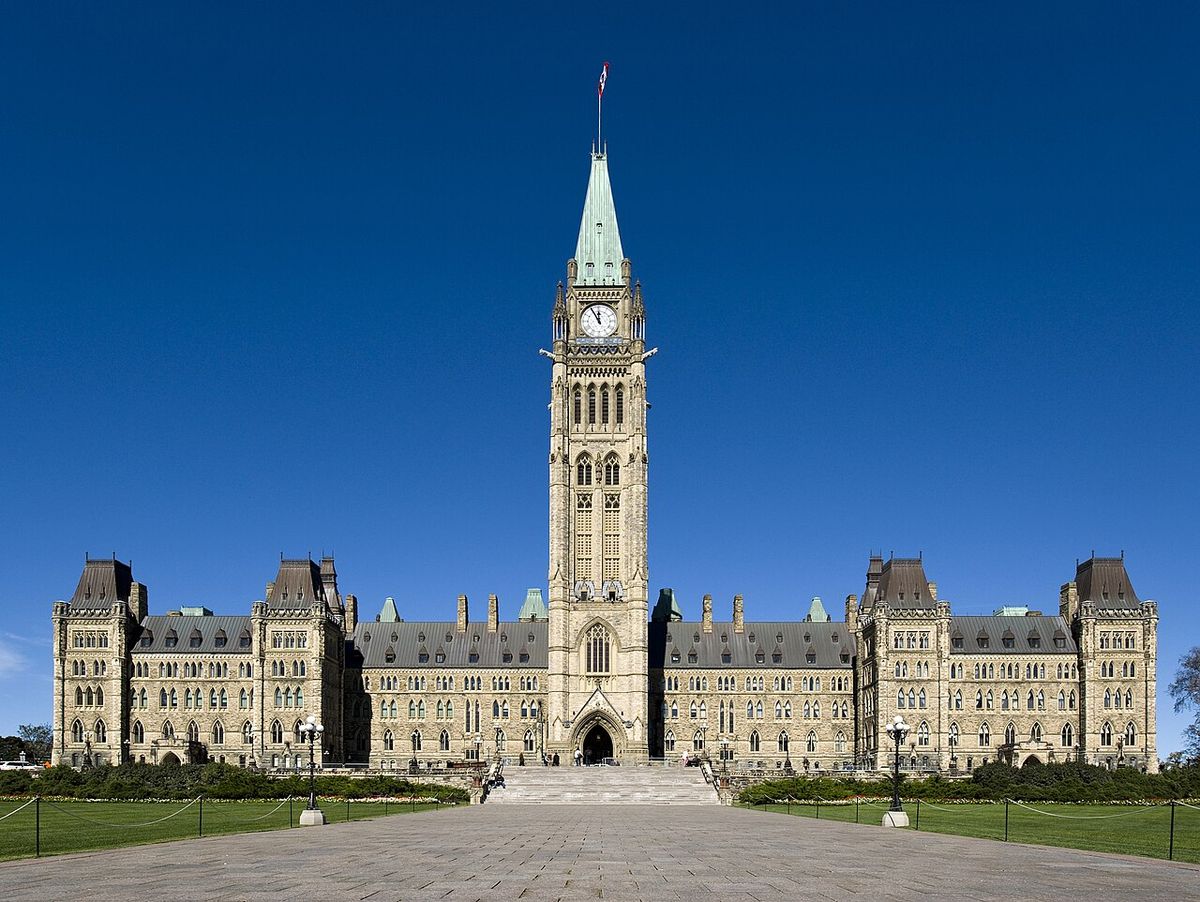
The Law Society of Ontario (LSO) is the statutory body responsible for the self-regulation of lawyers and paralegals in the province of Ontario. Founded in 1797 as the Law Society of Upper Canada, it is the oldest self-governing professional body in North America and was renamed to its current title in 2018. The Society governs the conduct and competence of more than 50,000 lawyers and over 8,000 licensed paralegals, setting standards for admission, licensing, and professional discipline. Headquartered at Osgoode Hall in Toronto, its mandate is to govern the legal profession in the public interest and advance the cause of justice.
Historical foundations and evolution
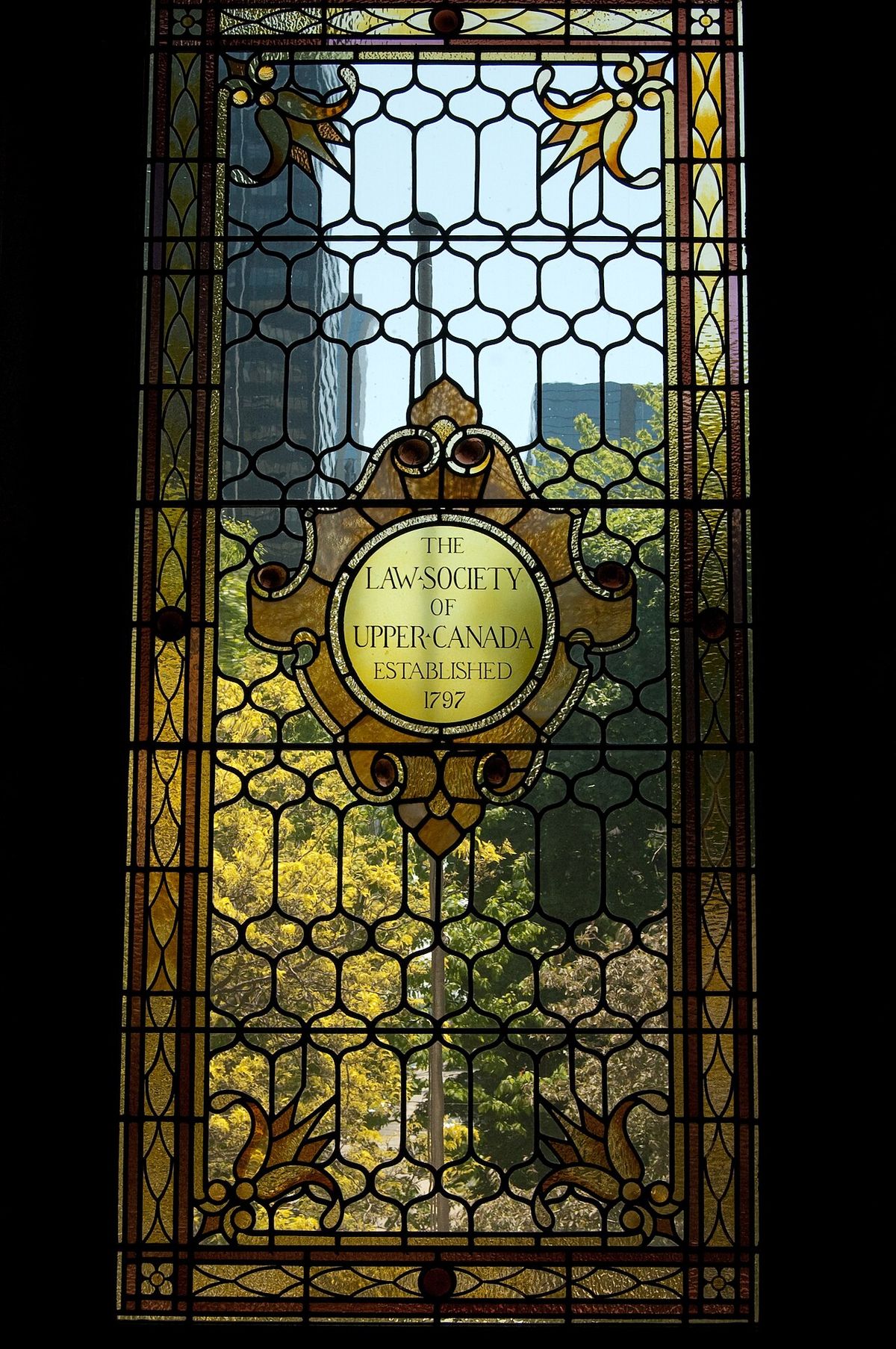
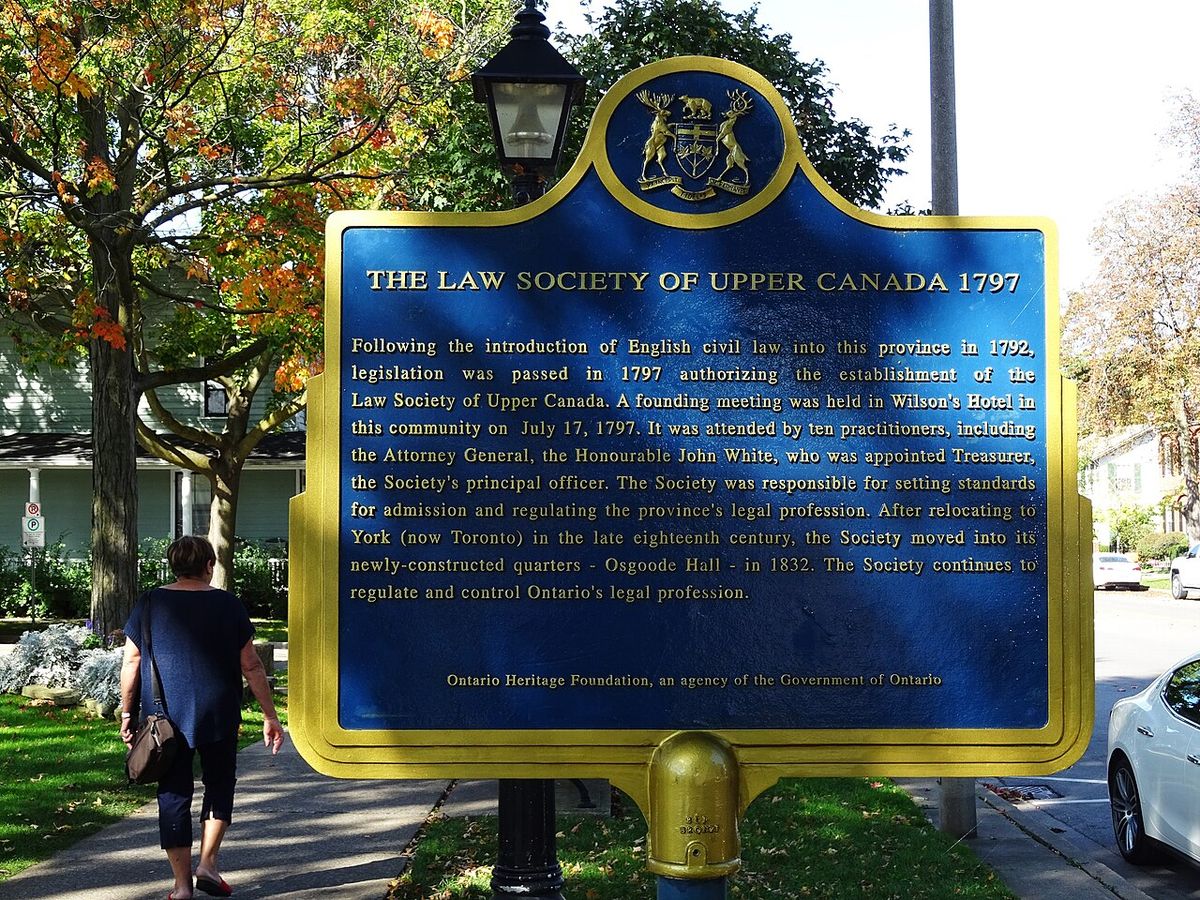
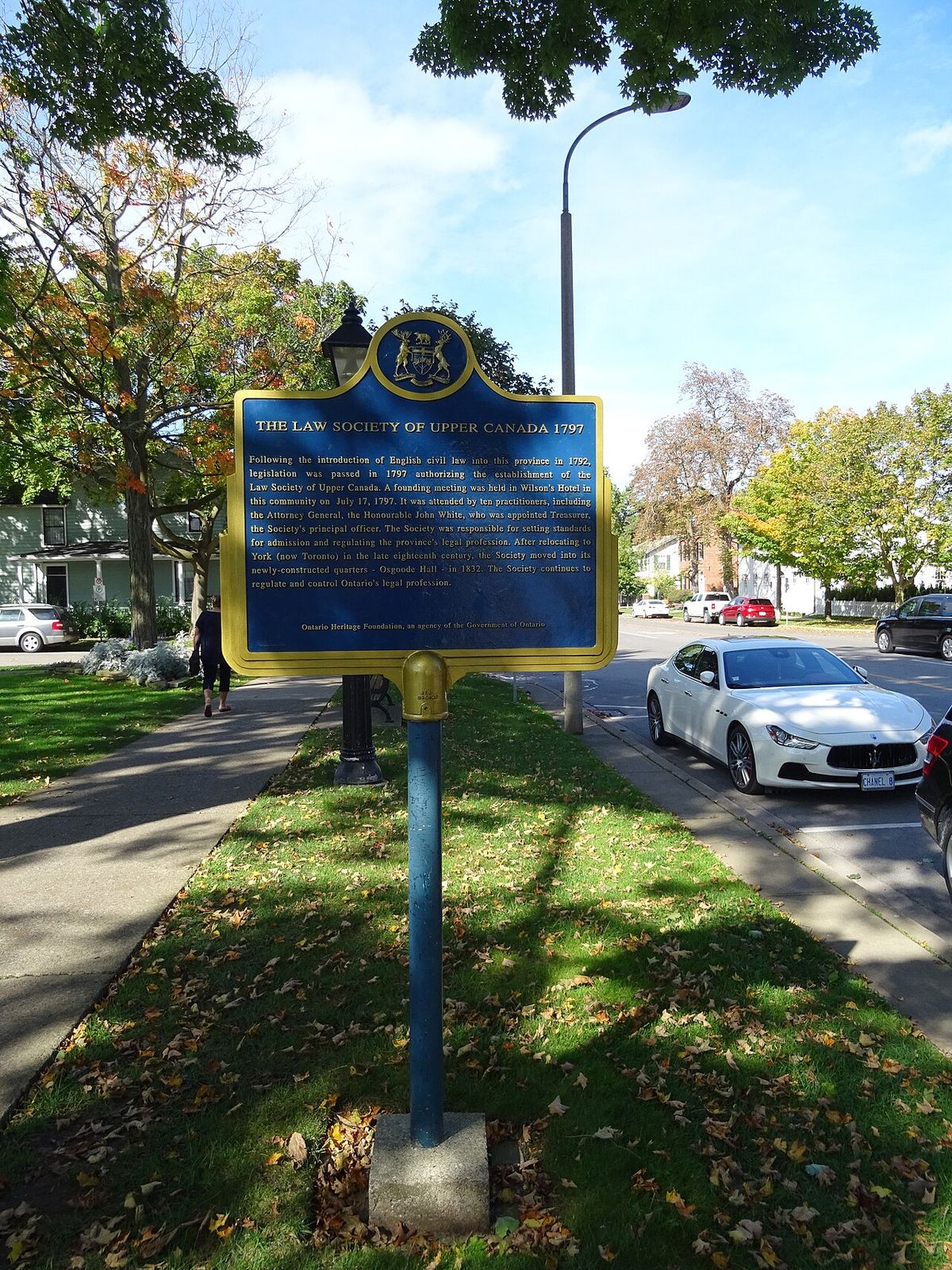
The Law Society of Ontario traces its origins to a meeting at Wilson's Hotel in Newark, now Niagara-on-the-Lake, on July 17, 1797. This inaugural meeting, attended by lawyers including John White, Robert Isaac Dey Gray, and Bartholomew Crannell Beardsley, was convened under the authority of the 1797 Act for the better regulating of the practice of the law. That statute authorized the existing practitioners in Upper Canada to form themselves into a society with the power to set admission standards and test applicants, though formal incorporation did not occur until 1822. The Society's first permanent home was established at Osgoode Hall in Toronto in 1832, after operating from temporary locations in York from 1799.
The Society retained its original name, the Law Society of Upper Canada, for over two centuries despite the political entity of Upper Canada ceasing to exist in 1841. A major statutory reform occurred in 1970 with the new Law Society Act, which redefined the Society as a corporation without share capital composed of the treasurer, benchers, and members. Many reforms in this era were inspired by the 1968 McRuer Report, the Report of the Royal Commission Inquiry into Civil Rights. On October 27, 1994, the Society formally adopted a role statement declaring its existence to govern the legal profession in the public interest and to advance the cause of justice. Following longstanding calls for a name change, the Society's governing Convocation voted on November 2, 2017, to adopt the name Law Society of Ontario, which was made official by legislative amendment on May 8, 2018.
Governance and leadership structure
The Law Society of Ontario is governed by Convocation, which functions as its board of directors. Convocation is composed of benchers, a majority of whom are lawyer-benchers elected by the Society's members, and eight lay benchers appointed by the Government of Ontario. This structure, established under the Law Society Act, incorporates public representation into the self-regulatory body, a pioneering step among Ontario's professional organizations. The Society is headed by a treasurer, who is elected by the benchers from among their ranks. The treasurer presides over Convocation and represents the Society externally. The day-to-day administration is led by a chief executive officer appointed by Convocation.
The current treasurer is Shalini Konanur, who was elected to the position on June 17, 2026. The chief executive officer as of February 2026 is Tom Teahen. His predecessor, Diana Miles, served as CEO until her employment was terminated in March 2025 following an investigation into an unauthorized salary increase. The investigation was conducted by former associate chief justice Dennis O'Connor, who was commissioned after new treasurer Peter Wardle notified Convocation in November 2024 of an amended contract for Miles that had been arranged by former treasurer Jacqueline Horvat without bencher approval. O'Connor's report, later publicly released, concluded that Miles ought to have known the raise required Convocation approval and that Horvat, who had left in July 2024 after a judicial appointment, did not have unilateral authority to amend the contract.
Regulatory mandate and licensing
The core mandate of the Law Society of Ontario is to regulate the legal profession in the public interest. This involves setting and enforcing standards for ethical and competent practice for all licensees. The Society has the authority to set the requirements for admission to the profession, which include educational prerequisites, passing licensing examinations, and demonstrating good character. The good character requirement, formally instituted in 1970, involves applicants answering questions designed to assess their honesty, integrity, and candour. The Law Society also operates the Lawyer Licensing Process and the Law Practice Program (LPP), with key deadlines for the 2026 LPP including June 16, 2026, to complete the licensing application.
Since May 1, 2007, the Society's regulatory authority has extended to paralegals in Ontario, who are licensed to provide specific legal services such as representation before provincial tribunals. There are over 8,000 licensed paralegals under the Society's oversight. The regulatory framework also encompasses strict rules for the handling of client funds, including trust accounts. For trust accounts existing before May 1, 2026, the deadline to submit required documentation is March 31, 2027, while new trust accounts must have authorization provided within 30 days of creation.
- Sets educational and ethical standards for lawyer and paralegal licensure.
- Administers the Lawyer Licensing Process and the Law Practice Program (LPP).
- Requires demonstration of 'good character' for all applicants since 1970.
- Regulates over 8,000 paralegal licensees since May 1, 2007.
- Oversees compliance with trust accounting rules, with deadlines extending into 2027.
The Law Society Tribunal
The Law Society Tribunal is an independent adjudicative tribunal within the Law Society that processes, hears, and decides regulatory cases concerning Ontario lawyers and paralegals. It began operations on March 12, 2014, and functions separately from the Society's investigative and prosecutorial arms to ensure fairness. The Tribunal's mission is to handle cases in a manner that is fair, just, and in the public interest. It is led by a chair, a position held by Malcolm M. Mercer since November 16, 2020. The Tribunal provides extensive resources for self-represented litigants, including a guide to the hearing process, rules of practice and procedure, and fillable forms.
The Tribunal is committed to transparency and continuous improvement, as outlined in its core values of fairness, quality, transparency, and timeliness. Adjudicators undergo comprehensive training upon appointment and at regular intervals. The Tribunal Office staff support adjudicators and manage case processing. Stakeholder feedback is facilitated through mechanisms like the Chair's Practice Roundtable, which includes frequent representatives and duty counsel. The Tribunal also publishes weekly summaries of proceedings and annual reports, with the 2025 Annual Report publicly available on its website. The public can contact the Tribunal by telephone at 416-947-5249 or toll-free at 1-800-668-7380 extension 5249.
Professional conduct and discipline
The Law Society of Ontario maintains a comprehensive disciplinary system to address professional misconduct and incompetence among its licensees. The Society investigates complaints and, where warranted, prosecutes cases before the Law Society Tribunal. The spectrum of available sanctions is broad, ranging from admonitions and reprimands to suspensions, restrictions on practice, and the most severe penalty, disbarment. This disciplinary authority is a fundamental part of the Society's duty to protect the public and maintain confidence in the administration of justice. All disciplinary hearings and outcomes are matters of public record, reinforcing the principle of transparency in self-regulation.
Historically, the Society's approach to professional conduct has evolved, sometimes sparking internal debate. A notable example was the 2017 requirement for licensees to adopt and abide by a statement of principles acknowledging an obligation to promote equality, diversity, and inclusion. Implemented in late 2017, this requirement faced significant opposition from a group called StopSOP, which argued it constituted compelled speech. Following a bencher election where StopSOP candidates pledged to repeal it, the requirement was rescinded in September 2019. In the subsequent 2023 bencher election, the StopSOP slate, renamed FullStop, was defeated by the Good Governance Coalition, which campaigned on a platform of civility.
Programs, awards, and public initiatives
Beyond its regulatory functions, the Law Society of Ontario administers a variety of programs, awards, and initiatives aimed at supporting the profession and serving the public. The Society presents annual awards to recognize exceptional contributions by lawyers and paralegals. The 2026 awards ceremony was scheduled for May 27, 2026, with recipients including the winner of the William J. Simpson Distinguished Paralegal Award and the Lincoln Alexander Award. The Society also holds an Annual General Meeting, with registration for the 2026 meeting closing on September 15, 2026, at 5 p.m.
The Law Society addresses contemporary issues affecting legal professionals through events like the Mental Health Summit for Legal Professionals, scheduled for May 5, 2026, from 9:00 a.m. to 1:00 p.m. These initiatives reflect a growing focus on wellness within the demanding legal environment. Convocation meetings, such as the one held on April 30, 2026, are where key governance decisions, policy updates, and reports are presented and debated. The Society's public-facing resources, including its website and contact centres (phone 416-947-3300, toll-free 1-800-668-7380), provide essential information on licensing, regulations, and public safeguards.
| Event or Initiative | Date or Deadline 2026 | Key Detail |
|---|---|---|
| Annual General Meeting Registration Deadline | September 15 | Registration closes at 5 p.m. |
| Law Practice Program (LPP) Application | June 16 | Deadline to complete licensing application for LPP eligibility |
| Law Society Awards Ceremony | May 27 | Ceremony to honour award recipients |
| Mental Health Summit | May 5 | Half-day summit from 9:00 a.m. to 1:00 p.m. |
| Convocation Meeting | April 30 | Meeting for key governance decisions and updates |
Questions about Law Society of Ontario
What is the Law Society of Ontario and what does it do?
The Law Society of Ontario is the self-regulatory body for lawyers and paralegals in Ontario. Established in 1797, it sets standards for admission to the legal profession, licenses over 50,000 lawyers and 8,000 paralegals, and enforces rules of professional conduct. Its mandate, defined in 1994, is to govern the profession in the public interest and advance the cause of justice. This includes investigating complaints, disciplining licensees through its independent Tribunal, and ensuring the competence and ethical practice of all its members.
When and why did the Law Society change its name from Upper Canada?
The Law Society changed its name from the Law Society of Upper Canada to the Law Society of Ontario on May 8, 2018. The name change was made official following amendments to the Law Society Act as part of the 2018 provincial budget implementation bill. The Society's governing body, Convocation, voted to adopt the new name on November 2, 2017, after facing calls to change the name Upper Canada. The original name referenced a colonial jurisdiction that ceased to exist as a political entity in 1841.
Who governs the Law Society of Ontario?
The Law Society is governed by Convocation, a board-like body composed of elected lawyer-benchers and eight lay benchers appointed by the Ontario government. The benchers elect a treasurer from among themselves to lead the Society. Shalini Konanur has held this role since June 17, 2026. Day-to-day operations are managed by a chief executive officer, Tom Teahen as of February 2026. This structure incorporates public representation, making the LSO the first professional body in Ontario to do so in its governing body.
What is the Law Society Tribunal?
The Law Society Tribunal is an independent adjudicative body within the Law Society that hears and decides regulatory cases involving Ontario lawyers and paralegals. It began operations in March 2014 and is chaired by Malcolm M. Mercer as of November 2020. The Tribunal processes disciplinary matters, conduct applications, and licensing issues, functioning separately from the Society's investigative staff to ensure impartiality. Its decisions, which can include penalties up to disbarment, are made in a manner intended to be fair, just, and in the public interest.
How does someone become a licensed lawyer in Ontario?
To become a licensed lawyer in Ontario, an individual must apply through the Law Society of Ontario and meet its standards for admission. The Law Society has the power to set these standards and test applicants against them. A key requirement, in place since 1970, is that potential licensees must demonstrate good character by answering questions about honesty, integrity, and candour. The application process is managed through the LSO Connects online portal, and there are specific deadlines for programs like the Law Practice Program, such as June 16, 2026, for the 2026 cycle.
What happened with the former CEO Diana Miles in 2025?
In March 2025, the Law Society terminated the employment of its then-CEO, Diana Miles. This followed an investigation by former judge Dennis O'Connor into an unauthorized increase to her salary. The report found that a former treasurer, Jacqueline Horvat, had amended Miles's contract in June 2024 to increase her pay from a base of $595,000 with bonuses to a flat $936,800 without the required approval from the benchers at Convocation. O'Connor concluded that Miles ought to have known the raise needed approval and that Horvat lacked unilateral authority. The report was publicly released after media leaks and pressure from the profession.
Sources and further reading
- Law Society of Ontario (Wikipedia)
- Law Society Tribunal: Homepage (lawsocietytribunal.ca)
Checked by the Nosy Mag desk. Last updated 2026-10-29.