Law enforcement in Canada
Law enforcement in Canada is the responsibility of police services, special constabularies, and civil law enforcement agencies operated by every level of government, some private and Crown corporations, and First Nations. Constitutionally, the delivery of police services is the responsibility of provinces and territories, which often delegate it to municipalities. The federal government maintains the Royal Canadian Mounted Police, which enforces federal laws and provides contract policing services to three territories, eight provinces, 150 municipalities, and over 600 Indigenous communities. This multi-layered framework maintains public safety and enforces laws across the country's vast geography.
Federal Policing Agencies
The federal government maintains two police forces with distinct mandates. The Royal Canadian Mounted Police is Canada's national police service, responsible for enforcing federal laws. A core function is contract policing for three territories, eight provinces, 150 municipalities, and over 600 Indigenous communities. The RCMP's federal duties include managing border integrity, overseeing Canadian police peacekeeping missions, and administering the Canadian Firearms Program.
The force also operates the Canadian Police College, which provides advanced training to domestic and international agencies. The RCMP's broad mandate has faced criticism for potentially eroding its federal policing capacity. A 2019 memo to the Minister of Public Safety confirmed federal responsibilities were being compromised to meet contract demands. An all-party parliamentary committee in 2021 recommended terminating the contract policing program.
Operationally, the RCMP closed its money laundering and financial crimes units in British Columbia and Ontario between 2012 and 2020. The RCMP's departmental plan for 2026-27 outlines priorities including strengthening recruitment and renewing workplace culture. The force also plans to adopt artificial intelligence tools to improve service delivery. These measures aim to address ongoing challenges within the organization.
The Canadian Forces Military Police provides police, security, and operational support to the Canadian Armed Forces and the Department of National Defence. Its members are peace officers under the Criminal Code. CFMP officers have authority over any person subject to the Code of Service Discipline and can charge members of the public for crimes committed on or relating to DND property. Its investigative branch, the Canadian Forces National Investigation Service, can investigate most crimes concerning DND property or employees, except for sexual assault and intimate partner violence cases.
The ability of CFMP officers to enforce provincial legislation varies by province, even on military bases. In several provinces, CFMP officers cannot enforce traffic or mental health legislation. This creates jurisdictional complexities for policing on defence properties. The CFMP's role is strictly limited to military and defence-related law enforcement.
Provincial and Territorial Policing
Eight provincial police services operate across six provinces. The Ontario Provincial Police and the Sûreté du Québec are full-service forces responsible for provincial highways, major crime investigations, and protecting provincial leaders. They also provide local police services to municipalities without their own forces, usually under contract. In Ontario, the OPP polices municipalities without independent forces regardless of contract status, but contracts enable municipalities to direct police priorities.
In Quebec, contract police services are available to municipalities outside urban agglomerations with fewer than 50,000 residents. A 2021 provincial committee recommended raising this threshold to 130,000 residents. This change would see many smaller municipal forces folded into the Sûreté du Québec. The committee's report aimed to improve efficiency and standardize policing services across the province.
The Royal Newfoundland Constabulary provides community and provincial police services to specific urban areas, while the RCMP polices the rest of the province. Its jurisdictions include the northeast Avalon Peninsula, the Bay of Islands and Humber Valley region, and western Labrador. This split model is unique in Canada. The Constabulary serves metropolitan areas like St. John's and Corner Brook.
Two new provincial services are being established. The Independent Agency Police Service in Alberta, established in 2024, hired its first chief of police on July 2, 2025. It will provide municipal contract policing as an alternative to the RCMP under the name Alberta Sheriffs Police Service. The Saskatchewan Marshals Service, established in 2023 and beginning operations in May 2025, focuses on operational support and investigating agricultural crimes. Both services represent a shift away from exclusive reliance on the RCMP.
Specialized provincial agencies also exist. The Organized Crime Agency of British Columbia is a designated policing unit and forms the core of the Combined Forces Special Enforcement Unit, though it is largely superseded by seconded RCMP and municipal officers. In Quebec, the Unité permanente anticorruption, created in 2011, became its own independent police force in 2018 to investigate corrupt government procurement. The Bureau des enquêtes indépendantes is defined as a provincial police force in Quebec but its mandate is limited to investigating police shootings and allegations of sexual assault against officers, as directed by the Minister of Public Security. Similar oversight agencies exist in other provinces but are not defined as police services.
Municipal and Regional Police Services
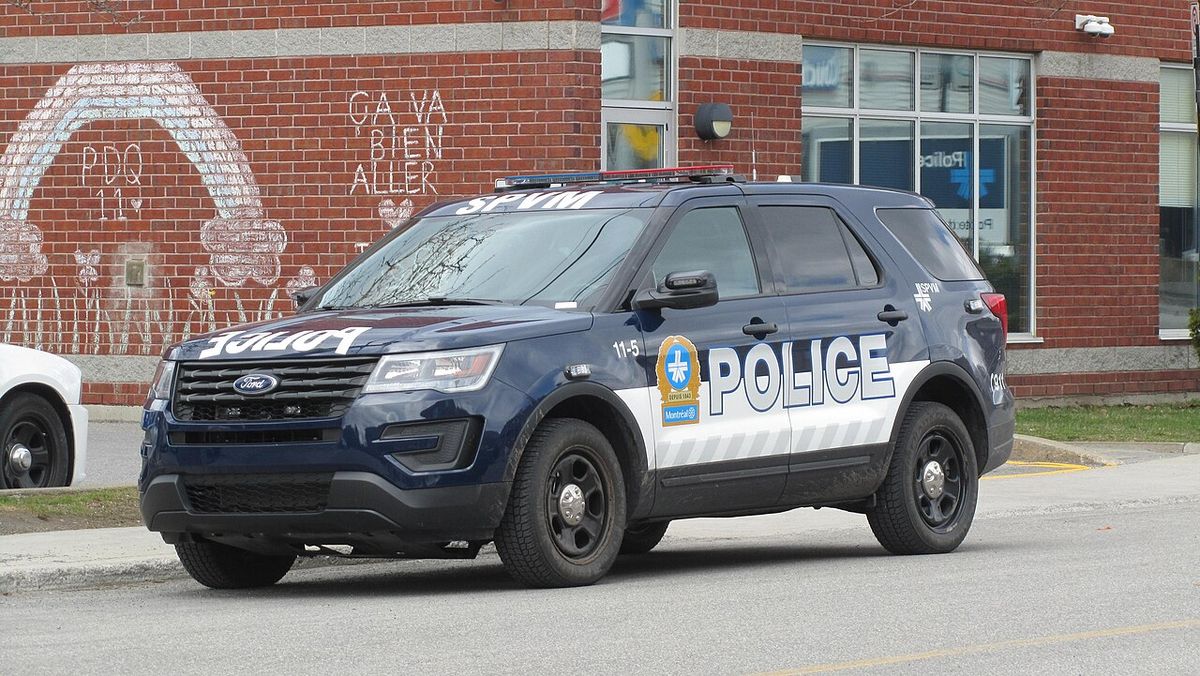
Municipal police forces make up the bulk of Canadian police services and are generally responsible for all criminal matters within their jurisdiction. There are municipal police services in nine provinces, with 12 in British Columbia, seven in Alberta, 12 in Saskatchewan, 10 in Manitoba, 44 in Ontario, 31 in Quebec, nine in New Brunswick, 10 in Nova Scotia, and three in Prince Edward Island. Almost every major Canadian city maintains its own municipal police service. Many rural communities also operate police forces, some with very small complements.
The police services in Luseland, Saskatchewan, and the Rural Municipality of Cornwallis, Manitoba, each have only one officer. Provincial standards for policing vary widely. In Ontario, police services must provide at least five core services: crime prevention, law enforcement, maintenance of the public peace, emergency response, and assistance to victims of crime. In Quebec, the responsibilities of a police force depend on the population it serves, with different tiers of service.
Other jurisdictions, such as Manitoba and British Columbia, do not define adequate and effective policing in legislation, although regulations set out basic responsibilities. Individual police services may also take on additional duties like municipal by-law enforcement. Some provinces allow small police forces to routinely rely on outside resources for support. This creates a patchwork of policing standards across the country.
Beginning in the 1970s and continuing into the 1990s, a trend of police force amalgamation created regional police services. As of 2022, regional forces exist in British Columbia, Alberta, Saskatchewan, Manitoba, Ontario, Quebec, New Brunswick, and Nova Scotia. A 2016 review of nine Canadian police services found no significant differences in cost or service quality between regional and non-regional forces. A 2015 literature review concluded that larger police services are often less effective and more expensive than those serving about 50,000 people.
Despite these findings, regionalization continues to be proposed in metropolitan areas where multiple bordering municipalities maintain independent services. Proponents argue it creates efficiencies and reduces costs. Critics point to the research showing limited benefits. The debate over police regionalization remains active in Canadian urban governance.
Special Constabularies and Railway Police
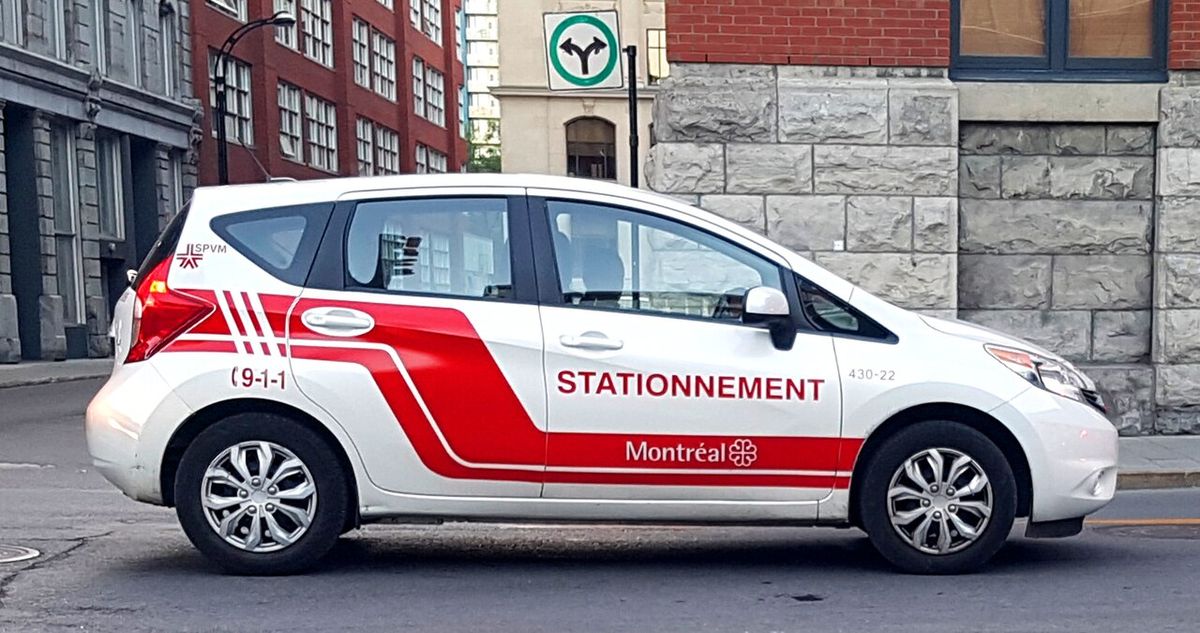
Special constabularies are law enforcement organizations composed of special constables or peace officers, rather than police officers. Their members are usually unarmed and their mandates can include policing for transit agencies, university campuses, parks, or housing authorities. They do not replace the police service of jurisdiction but have authority to investigate crimes and make arrests for offences occurring within their operational scope. These agencies are typically authorized by provincial legislation to fulfill specific, proactive community safety roles.
In Alberta, Saskatchewan, and Manitoba, municipalities and First Nations can raise special constabularies to provide community police services and enforce non-criminal legislation. Officers in these agencies may be called community peace officers or community safety officers. Their powers vary by province, with some authorized to enforce certain Criminal Code violations. These special constabularies represent a form of tiered policing, supplementing the work of full police services.
Under the federal Railway Safety Act, federally regulated railways can request the appointment of railway employees as police officers. These officers are hired and trained by the railway to prevent crimes against the company and protect goods and public transit. They have nationwide jurisdiction within 500 metres of a railway line. As of 2023, the Canadian National Railway, Canadian Pacific Kansas City railway, and Via Rail each maintain their own police service.
Some transit authorities, like Metro Vancouver's TransLink, maintain police forces authorized by provincial statute instead of the federal act. Railway police have faced scrutiny for their privately funded nature. In 2020, a former Canadian Pacific officer alleged he was ordered to stop investigating a fatal derailment to protect the railway's interests. This raised questions about the independence of railway police investigations. Their role in policing critical infrastructure remains a topic of discussion.
First Nations Policing and Civil Enforcement
A framework has existed since 1992 for First Nations to establish their own police services under the First Nations and Inuit Policing Program. These services are funded by federal and provincial governments and regulated by provinces, aiming to provide culturally appropriate policing. However, they have historically been underfunded. In 2016, the Nishnawbe-Aski Police Service in Ontario received only 36 percent of the funding the Ontario Provincial Police estimated it would cost to police the same area.
In 2022, the Canadian Human Rights Tribunal found the federal government engaged in discrimination by failing to adequately fund the Mashteuiatsh Innu Nation's police force. The federal government has committed to reforming the program's administration, governance, and service delivery. In 2010, there were 38 self-administered First Nation police services in Canada. Many face serious challenges, including budget shortfalls that affect station safety and officer recruitment.
Civil law enforcement in Canada is the responsibility of the government level or agency that created the specific laws or regulations. This separation distinguishes civil enforcement, which deals with regulatory violations, from criminal law enforcement. Special constabularies often play a role in enhanced civil law enforcement for municipalities or institutions. Federal civil law enforcement agencies include the Canada Border Services Agency, fishery officers, transport inspectors, Environment and Climate Change Canada enforcement officers, and Parks Canada park wardens.
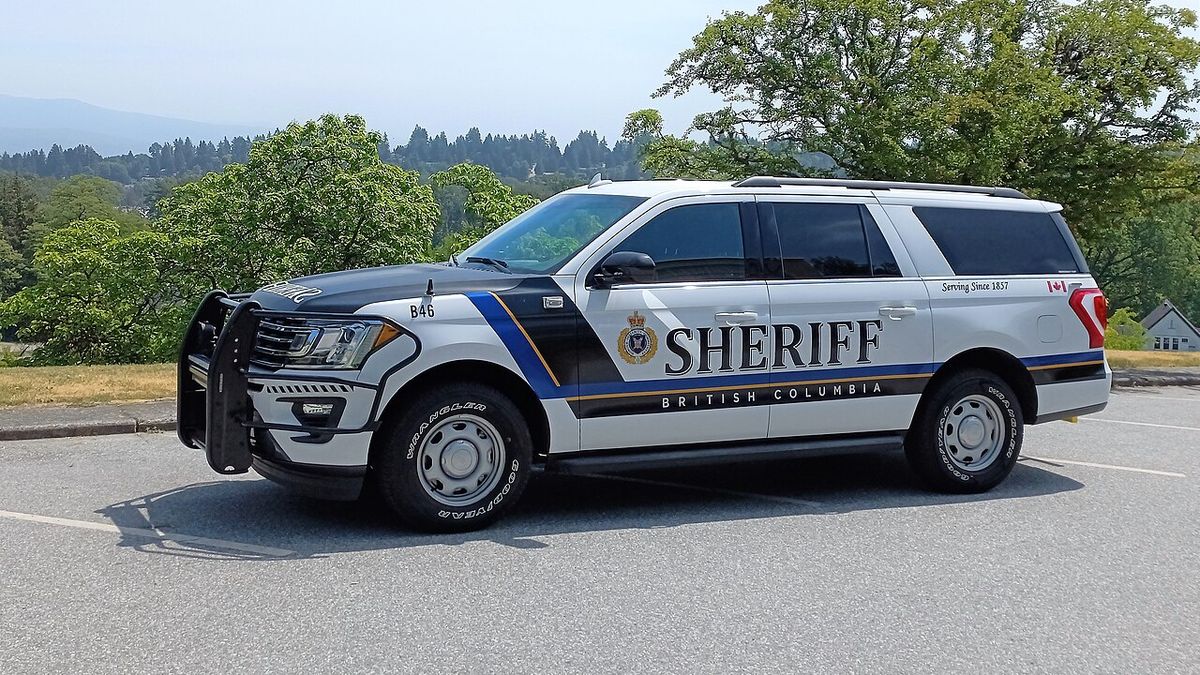
Provincial agencies include commercial vehicle enforcement, conservation officers, and employment standards offices. Almost every province and territory maintains a sheriffs service, primarily for courtroom security and enforcing court orders. The exception is Ontario, where court security and prisoner transport are handled by local police services. Sheriffs in Quebec have no security function and are limited to enforcing court orders and selecting juries. Alberta has significantly expanded its sheriffs service to include a highway patrol and criminal investigations unit.
Personnel Strength and Contemporary Priorities
In 2022, there were 70,566 active police officers in Canada against a total authorized strength of 74,528 positions. An additional 32,717 non-sworn support personnel were employed. Canadian police strength peaked in 1975 at 206 officers per 100,000 people. Although the current number is the highest in twelve years, Canada employs fewer officers per capita than Wales, which has 262 officers per 100,000 people.
In 2019, Nova Scotia had the highest provincial rate at 193.8 officers per 100,000 people, while Prince Edward Island and New Brunswick had the lowest. The three territories have roughly twice as many officers per capita as more populous provinces. This high per capita rate reflects the challenges of policing remote regions with small, dispersed populations. Policing in the North involves significant travel and logistical costs.
Current priorities across Canadian law enforcement include enhancing accountability and oversight. There is a significant emphasis on combating organized crime, gang violence, and cybercrime. The RCMP plans to add 1,000 personnel to federal policing starting in 2026-27. Other government priorities include strengthening the firearms regime and addressing gun smuggling.
Public Safety Canada funded INTERPOL, the Sûreté du Québec, and the Ontario Provincial Police for intelligence sharing on vehicle thefts in 2025 to 2026. Recruitment and workplace culture reform within the RCMP are also major ongoing efforts. The force faces challenges in adopting body-worn cameras, with a rollout starting in some detachments in May 2023. These initiatives aim to build public trust and modernize police operations.
Key Police Services by Province and Territory
The distribution of police services varies across Canada. Every province and territory, except Ontario and Quebec, contracts the RCMP to provide at least some provincial or municipal policing. Newfoundland and Labrador is unique in splitting provincial policing between the RCMP for rural areas and the Royal Newfoundland Constabulary for specific urban regions. The following list outlines the primary police service providers in each jurisdiction.
- British Columbia: RCMP (contract), municipal police, Organized Crime Agency of BC (specialized).
- Alberta: RCMP (contract), municipal police, Independent Agency Police Service (established 2024).
- Saskatchewan: RCMP (contract), municipal police, Saskatchewan Marshals Service (established 2023).
- Manitoba: RCMP (contract), municipal police.
- Ontario: Ontario Provincial Police, municipal police, no RCMP contract policing.
- Quebec: Sûreté du Québec, municipal police, Unité permanente anticorruption, no RCMP contract policing.
- New Brunswick: RCMP (contract), municipal police.
- Nova Scotia: RCMP (contract), municipal police.
- Prince Edward Island: RCMP (contract), municipal police.
- Newfoundland and Labrador: RCMP (contract), Royal Newfoundland Constabulary.
- Yukon, Northwest Territories, Nunavut: RCMP (contract).
The creation of new provincial services in Alberta and Saskatchewan indicates a potential shift. These services are being established to provide alternatives to RCMP contract policing in those regions. The Independent Agency Police Service will eventually provide municipal contract policing. The Saskatchewan Marshals Service has a more focused mandate on agricultural crime and operational support.
Police Strength and Resources
The resources allocated to policing in Canada are substantial. The Royal Canadian Mounted Police provides contract police services to three territories, eight provinces, 150 municipalities, and more than 600 Indigenous communities. The RCMP's responsibilities include border integrity and managing the Canadian Firearms Program. The force also operates the Canadian Police College, which provides training to Canadian and international police forces.
First Nations police services generally receive less funding compared to other Canadian police forces. In 2016, the Nishnawbe-Aski Police Service received only 36 percent of the estimated provincial cost. The RCMP has faced criticism for its broad mandate. A 2019 memo confirmed federal policing responsibilities have been eroded to meet contract demands. This tension between federal and contract duties remains a key issue for the force.
| Metric | Figure | Year/Period |
|---|---|---|
| Active Police Officers | 70,566 | 2022 |
| Authorized Police Strength | 74,528 | 2022 |
| Non-sworn Support Personnel | 32,717 | 2022 |
| RCMP Planned Full Time Equivalents | 33,834 | 2026-27 Fiscal Year |
| New RCMP Federal Personnel | 1,000 | Starting 2026-27 |
| Officers per 100,000 in Wales (comparison) | 262 | Recent |
| First Nations Police Services (2010) | 38 | 2010 |
In addition to sworn officers, many police services employ special constables in tiered policing models. For example, the Winnipeg Police Service and Vancouver Police Department use special constables to guard crime scenes and respond to non-violent calls. The Royal Canadian Mounted Police employs Civilian Criminal Investigators, unarmed peace officers with expertise in fields like computer science, to assist with technical investigations. These specialists are integrated into investigation teams and can interview witnesses and obtain search warrants.
Questions about Law enforcement in Canada
Do all provinces have their own police force?
No. Only Ontario and Quebec have large, comprehensive provincial police services: the Ontario Provincial Police and the Sûreté du Québec. Newfoundland and Labrador has the Royal Newfoundland Constabulary, but it only polices specific urban areas like St. John's and Corner Brook. Alberta and Saskatchewan are establishing new provincial services. All other provinces and territories rely entirely on the RCMP for provincial policing under contract. There are eight provincial police services across six provinces.
How are First Nations policed in Canada?
First Nations can establish their own police services under the First Nations and Inuit Policing Program, created in 1992. These services are funded by federal and provincial governments and regulated by provinces. They have been historically underfunded. In 2022, the Canadian Human Rights Tribunal found discrimination in the funding of the Mashteuiatsh Innu Nation's police force. In 2010, there were 38 self-administered First Nation police services. The federal government has committed to reforming the program's administration, governance, and service delivery.
What is a special constabulary?
A special constabulary is a law enforcement organization composed of special constables or peace officers, not police officers. Members are usually unarmed and provide specialized services for entities like transit agencies, universities, or parks. They do not replace the local police but have authority to investigate crimes within their specific scope. These agencies are authorized by provincial legislation. In Alberta, Saskatchewan, and Manitoba, municipalities and First Nations can raise special constabularies for community policing and by-law enforcement.
What is contract policing?
Contract policing refers to the RCMP's program of providing provincial, territorial, and municipal police services under formal agreements. It serves three territories, eight provinces, 150 municipalities, and over 600 Indigenous communities. This model has been criticized for diverting resources from federal duties. A 2019 memo confirmed federal policing was being eroded. In 2021, an all-party parliamentary committee recommended terminating the program. Public Safety Minister Marco Mendicino was mandated to review it upon taking office in 2022.
How many police officers are there in Canada?
In 2022, there were 70,566 active police officers in Canada, out of an authorized strength of 74,528. Police services also employed 32,717 non-sworn support personnel. The number of officers per 100,000 people peaked in 1975 at 206. Canada's current rate is lower than Wales's 262 per 100,000. In 2019, Nova Scotia had the highest provincial rate at 193.8 officers per 100,000 people, while Prince Edward Island and New Brunswick had the lowest. The three territories have approximately twice the per capita rate of more populous provinces.
What is the main police force in Canada?
The Royal Canadian Mounted Police is Canada's federal police force. It enforces federal laws and provides contract policing to eight provinces, all three territories, over 150 municipalities, and more than 600 Indigenous communities. The RCMP also manages border integrity, runs the Canadian Firearms Program, and operates the Canadian Police College. For 2026-27, it plans to add 1,000 new federal personnel. The force has faced criticism for its broad mandate, with concerns contract policing erodes federal responsibilities. A 2021 parliamentary committee recommended ending contract policing.
Sources and further reading
- Law enforcement in Canada (Wikipedia)
- The Canadian Police College is pleased to announce ... (cpc-ccp.gc.ca)
- Royal Canadian Mounted Police's 2026-27 Departmental ... (rcmp.ca)
- Law of Policing Conference, Western Edition (canadianinstitute.com)
- Public Safety Canada's 2025 to 2026 Departmental Plan (publicsafety.gc.ca)
Checked by the Nosy Mag desk. Last updated 2026-10-25.