Firearms regulation in Canada
Firearms regulation in Canada is a comprehensive federal framework governing the possession, acquisition, and use of guns by civilians. The system is administered by the Royal Canadian Mounted Police's Canadian Firearms Program under the authority of the Firearms Act and the Criminal Code. It is built on a licensing regime for owners and a registration system for certain firearms, with all devices classified as non-restricted, restricted, or prohibited. Recent years have seen significant policy shifts, including a national handgun sales freeze and prohibitions on thousands of models of semi-automatic rifles, which have become central to national debates on public safety, crime prevention, and the rights of lawful owners.
Historical Development of Firearm Laws
The evolution of gun control in Canada spans over a century, moving from localized permissions to a detailed federal system. Initial controls emerged in 1885 in the North-West Territories to hinder the North-West Rebellion, requiring government permits for most firearms and ammunition. The first Criminal Code in 1892 introduced a permit requirement to carry a pistol without reasonable cause. A major step came in 1934 with the mandatory registration of handguns, with records kept by the RCMP or designated police forces. This registry was expanded in 1951 to include automatic firearms, centralizing control under the commissioner of the RCMP. The modern classification system was created in 1969 with Bill C-150, which established the categories of non-restricted, restricted, and prohibited firearms. This period also granted police preventive search and seizure powers via judicial warrant.
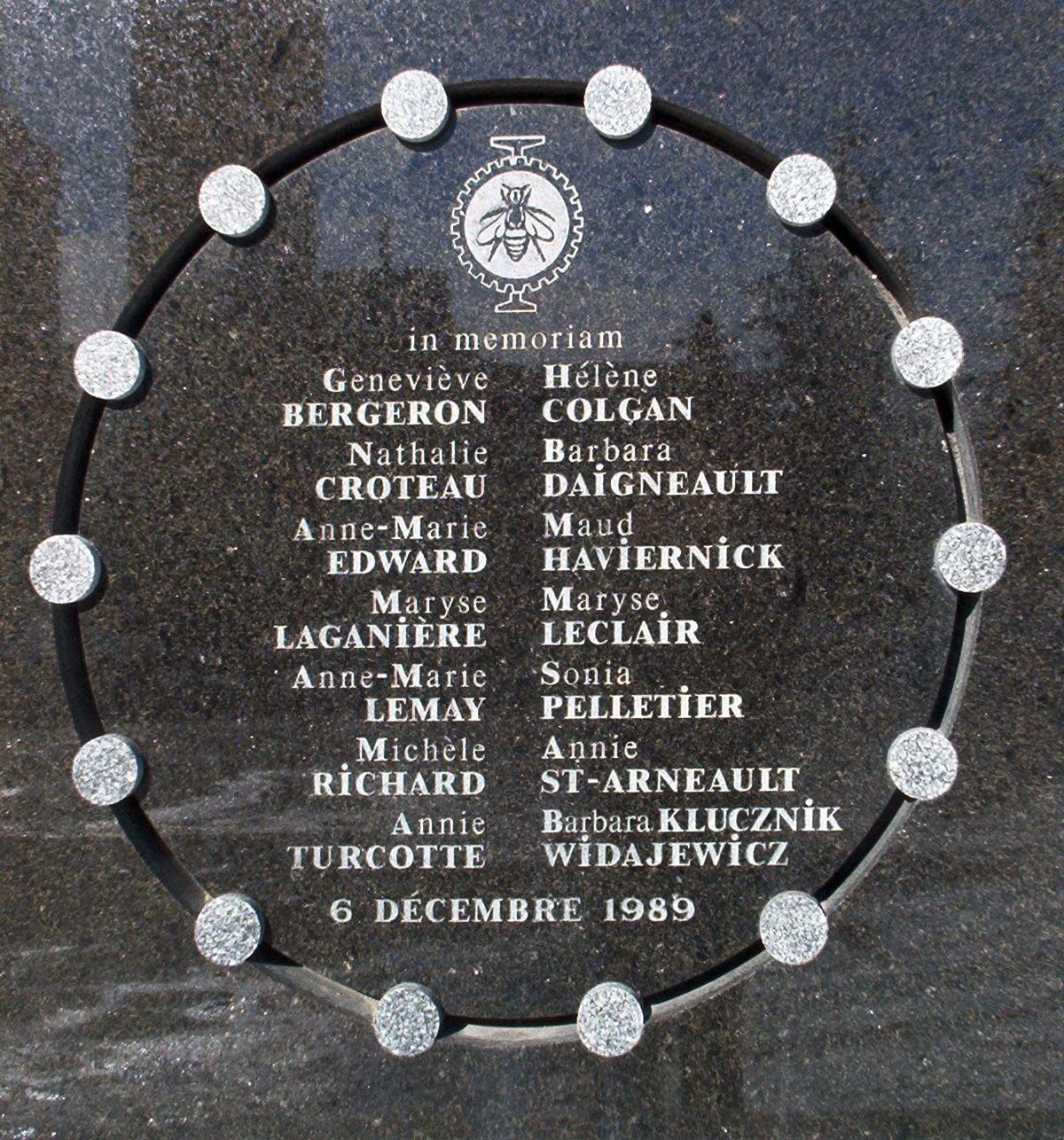
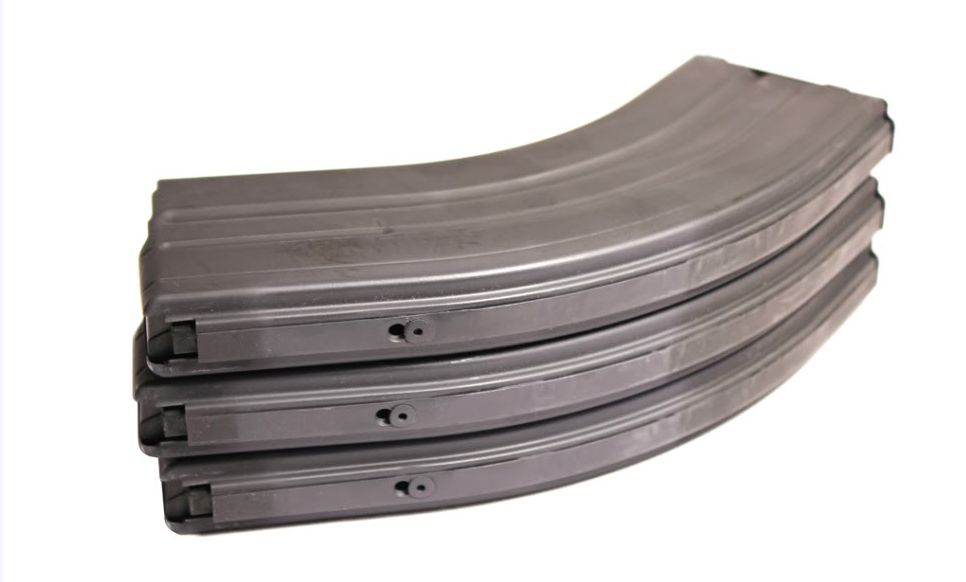
The late 20th century saw a major tightening of controls following violent tragedies. The 1977 Firearms Acquisition Certificate (FAC) system required a basic criminal record check to purchase any firearm. The 1989 École Polytechnique massacre galvanized the movement for stronger gun control, led by groups like PolySeSouvient. This led to Bill C-17 in the early 1990s, which introduced mandatory safety courses, 28-day waiting periods, and stricter storage rules. It also prohibited high-capacity magazines, limiting handguns to ten rounds and most semi-automatic centre-fire rifles to five. The most sweeping reform was the 1995 Firearms Act (Bill C-68), which replaced the FAC with the licensing system still in use today and, from 2001, required the registration of all firearms, including long guns.
The 21st century has been marked by political contention, particularly over the long-gun registry. Implemented in 2001, the registry for rifles and shotguns faced sustained opposition. After several failed legislative attempts, the Conservative majority government passed Bill C-19, the Ending the Long-gun Registry Act, which received royal assent on April 5, 2012. This abolished the requirement to register non-restricted firearms and ordered the destruction of the registry database. Subsequent governments have introduced competing reforms, such as the 2015 Common Sense Firearms Licensing Act (Bill C-42), which simplified transport rules, and Bill C-71 in 2019, which extended background checks to a lifetime review.
The Current Licensing and Classification System
All civilian firearm possession in Canada requires a licence issued by the RCMP's Canadian Firearms Program. There are two primary licences for new applicants: the Possession and Acquisition Licence (PAL) for non-restricted firearms and the Restricted PAL (RPAL) for restricted firearms. Obtaining a licence is a multi-step process that begins with mandatory safety training. Applicants must pass the Canadian Firearms Safety Course for a PAL and the Canadian Restricted Firearms Safety Course for an RPAL, achieving a score of 80 percent or higher. Following course completion, individuals apply using Form CAFC 921, which triggers an enhanced background check. This screening includes interviews with current and former conjugal partners and two references, with a mandatory 28-day waiting period for first-time applicants. Licences are typically valid for five years and must be renewed before expiry to maintain all privileges.
Every firearm in Canada is classified into one of three legal categories, which dictate licensing and transport requirements. Non-restricted firearms include most common hunting rifles and shotguns. Restricted firearms primarily include handguns and certain short-barrelled semi-automatic rifles. To own a restricted firearm for target shooting, an individual must provide proof of membership at an approved shooting club or range. Prohibited firearms include fully automatic weapons, certain converted firearms, and firearms specifically named in regulations, such as those banned in 2020. The legal possession of prohibited firearms is not an outright ban but is heavily constrained by grandfathering provisions. An individual may only possess a prohibited firearm if it was registered to them before specific cutoff dates, most notably December 1, 1998, and they have maintained a valid licence and registration for it continuously since that time.
The system also regulates the lending and transportation of firearms. A non-restricted firearm may be loaned to any valid PAL holder. A restricted or prohibited firearm may only be loaned to someone with the appropriate licence class, and the registration certificate must be lent with the firearm. The borrower must then obtain an Authorization to Transport (ATT) to move the firearm legally. For restricted firearms, an ATT is generally required to transport them to approved locations like shooting ranges, gunsmiths, or gun shows. Hunting is only permitted with non-restricted firearms and typically requires an additional hunting course. The regulations aim to ensure firearms are only used under direct supervision or by properly licensed individuals.
Major Regulatory Changes Since 2020
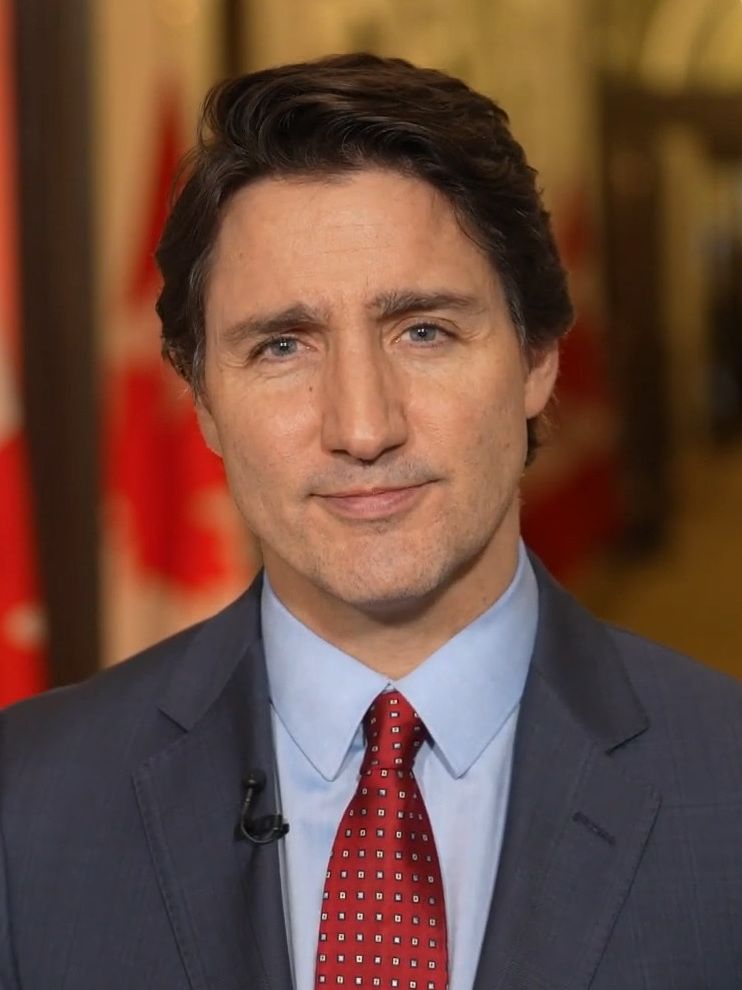
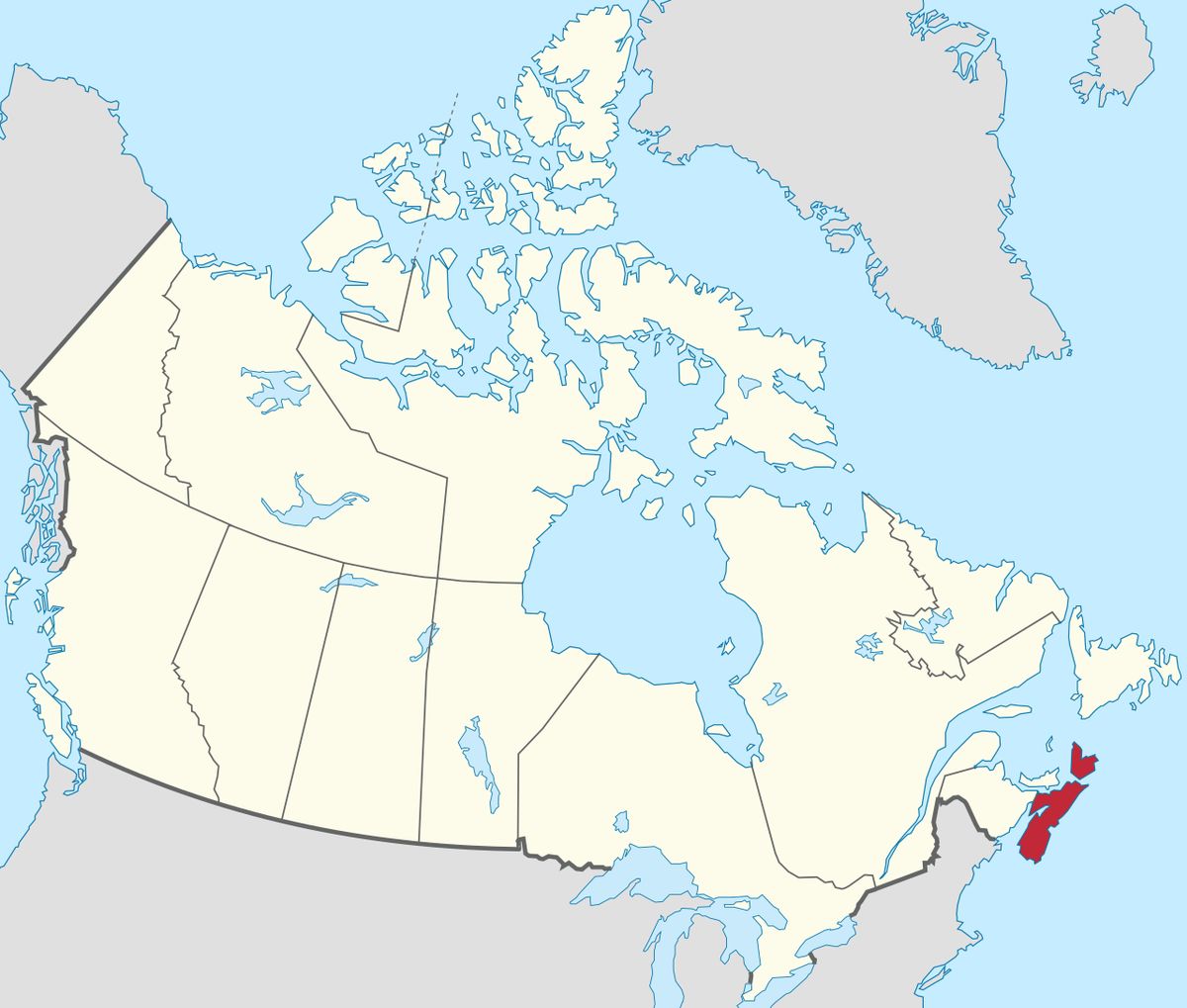
In response to the 2020 Nova Scotia attacks, the federal government enacted a series of major prohibitions and freezes via orders-in-council and new legislation. On May 1, 2020, Prime Minister Justin Trudeau announced an immediate prohibition on approximately 1,500 models of what the government termed 'military-grade assault-style weapons,' a category not defined in statute but based on RCMP classification opinions. This order primarily affected semi-automatic rifles. The prohibition was expanded on December 1, 2024, adding over 300 more models to the list. These actions have banned more than 1,500 models of firearms since 2020. The government instituted amnesty periods to protect licensed owners from criminal liability while they complied with the new rules, with the latest amnesty for these firearms set to expire 90 days after a Supreme Court of Canada ruling on a legal challenge.
On October 21, 2022, the government implemented a national freeze on the sale, purchase, and transfer of handguns. This measure prevents any new handguns from entering the commercial market, though existing owners may continue to use their registered handguns. The freeze was later codified into the Firearms Act through Bill C-21, which received royal assent in 2023. A central pillar of the government's strategy is a mandatory buyback program for the now-prohibited firearms. However, the program's rollout has been slow and contentious. A pilot buyback on Cape Breton Island, Nova Scotia, in autumn 2025 yielded only 25 firearms from 16 individuals, far below expectations. As of January 2026, the federal government opened a declaration portal for owners to register firearms eligible for compensation, setting a final amnesty deadline of October 31, 2026.
The federal measures have faced significant institutional pushback. As of January 2026, only Quebec had agreed to contribute police resources to the federal buyback program. All other provinces and territories, along with major police forces, had declined to participate, citing a desire to focus limited policing resources on criminal investigations rather than administering a buyback from licensed owners. An independent study published in March 2026 concluded there was no evidence to support the prohibition of assault-style weapons or the handgun freeze in the Canadian context, noting police concerns are focused on smuggled firearms from the United States and privately manufactured guns, not legal owners. The study recommended a pivot toward precision policies targeting illicit markets and community violence intervention.
Provincial Initiatives and the Firearm Violence Prevention Act
While firearms regulation is primarily federal, provinces can enact complementary laws. British Columbia passed the Firearm Violence Prevention Act in 2021, with its regulations scheduled to come into force on October 1, 2026. Developed in response to a 2017 Illegal Firearms Task Force Report, the act is the first of its kind in Canada and aims to disrupt organized crime by filling perceived gaps in federal law. The legislation provides police with new tools to address criminal activities often linked to extortion and gang recruitment. The act and its accompanying regulations introduce several specific prohibitions and offences designed for local enforcement contexts. The key measures of the BC legislation include the following new rules.
- Prohibition on selling low-velocity and imitation firearms, such as BB, pellet, and airsoft guns, to youth under 18 years of age.
- Ban on bringing firearms, low-velocity firearms, and imitation firearms onto properties including places of worship, courts, and child care facilities.
- Extension of the ban to hospitals and all educational institutions from K-12 to post-secondary.
- Exemptions for lawful activities like hunting, sport shooting, and firearms education and training.
- Exemptions for public officials such as peace officers and conservation officers during their duties.
- Planned provisions for impounding vehicles used to flee police or transport illegal firearms, expected by 2027.
Recognizing the importance of lawful firearm use, the regulations include exemptions for safe and responsible activities. These exemptions allow adults and youth to continue using firearms and imitation firearms for hunting, sport shooting, firearms education and training, and organized airsoft activities. The regulations also exempt public officials, such as peace officers and conservation officers, who are exempt from federal requirements during their duties. The six-month period between the announcement and the October 2026 effective date is intended to allow police, stakeholders, and lawful owners time to prepare for implementation. Additional provisions for impounding vehicles used to flee police or transport illegal firearms are expected to come into effect within 2027.
Key Legal Cases and Constitutional Challenges
The constitutionality of Canada's firearm regulatory regime has been tested in the courts, with the federal government's authority largely upheld. A landmark reference case, Reference re Firearms Act (2000), saw the Supreme Court of Canada confirm that the federal government has the jurisdiction under the criminal law power to enact the comprehensive licensing and registration scheme established by the 1995 Firearms Act. The Court rejected arguments that the law encroached on provincial property and civil rights powers, solidifying the federal role in firearm control as a matter of national public safety. This ruling provided the legal foundation for the centralized system administered by the RCMP.
Earlier constitutional challenges also shaped the legal landscape. In 1987, the Supreme Court struck down a provision in the case of R. v. Vaillancourt. The law had expanded the definition of murder to include situations where death ensued during the commission of offences like robbery or arson if the accused was armed, regardless of intent to kill. The Court found this 'felony murder' rule violated the principles of fundamental justice under the Charter. While not directly about firearm regulation, this case involved the legal consequences of being armed during a crime. The current wave of prohibitions is facing its own legal test. On March 19, 2026, the Supreme Court granted leave to appeal a decision challenging the 2020 prohibition of assault-style firearms. The outcome of this appeal will directly impact the amnesty periods protecting owners, which are set to expire 90 days after the Court's ruling.
Statistics and Ownership Trends
Firearm ownership in Canada has historically been measured in the mid-range compared to other Western nations, with a significant portion of guns held for hunting and sport shooting. A 1996 study found nearly 22 percent of Canadian households had at least one firearm, with 2.3 percent possessing a handgun. By 2005, handgun ownership had risen slightly to almost 3 percent of households, a figure still far below the 18 percent reported in United States households at that time. Overall household firearm possession in Canada was nearly 16 percent in 2005. Licensing data provides another snapshot: as of September 2010, the Canadian Firearms Program recorded 1,831,327 valid firearm licences, representing roughly 5.4 percent of the total population. The provinces with the highest number of licensed individuals have consistently been Ontario, Quebec, Alberta, and British Columbia.
The demographic and geographic patterns of firearm ownership and use show a cultural divide that informs policy debates. Rural Canadians are more likely to own and use non-restricted long guns for hunting, subsistence, and recreational shooting. For many Indigenous communities, firearms are essential tools for traditional ways of life and sustenance hunting. In contrast, urban centres, while having lower rates of legal ownership, experience higher levels of gun violence often linked to gang activity and illicit, smuggled firearms. This divergence has led to tensions, with rural and Indigenous groups feeling targeted by broad prohibitions that affect their lawful activities, while urban communities seek action against crime-driven violence. The policy challenge lies in addressing the public safety risks posed by illegal guns without unduly burdening the lawful traditions and economies of hunting and sport shooting communities.
Ongoing Policy Debates and Future Directions
The future of firearms regulation in Canada is the subject of intense debate, focused on the efficacy and fairness of recent prohibitions. Critics, including the authors of a March 2026 study, argue the policies lack an evidence base in the Canadian context and misdirect resources away from the primary sources of violent crime. They point to police concerns about smuggled firearms from the United States and the rise of privately manufactured firearms (PMFs) as the real challenges. The widespread refusal of provinces and police forces to participate in the federal buyback program highlights a significant implementation gap and a divergence in policing priorities. Proponents of the measures argue they are necessary to prevent mass shootings and reduce the overall number of firearms in society, framing them as proactive public safety steps.
Key areas of proposed reform include modernizing the classification system and improving data transparency. Some policy analysts advocate replacing the current classification model, which they view as politicized, with a transparent, evidence-based system similar to that used in countries like Czechia. There are also calls for the federal government to publish anonymized data on 'red flag' petitions and licence revocations to ensure accountability and prevent abuse of the system. The concept of 'precision policy' is gaining traction, suggesting a shift in focus and funding from broad prohibitions toward enhanced border security to disrupt smuggling routes, sustained investment in community violence interruption programs, and intelligence-led policing targeting organized crime networks. The Supreme Court's pending decision on the 2020 prohibition will be a major moment, potentially reshaping the legal and political scene for years to come.
Questions about Firearms regulation in Canada
What are the different classes of firearms in Canada?
Canadian law divides firearms into three classes. Non-restricted firearms include most common rifles and shotguns used for hunting. Restricted firearms are primarily handguns and some short-barrelled semi-automatic rifles. Owning these for target shooting requires membership at an approved range. Prohibited firearms include fully automatic weapons and specific models named in regulations, such as those banned in 2020. Possession of prohibited firearms is not completely illegal but is limited to individuals who had them registered before strict cutoff dates, like December 1, 1998, and have maintained continuous licensing, a status known as grandfathering.
How do I get a firearms licence in Canada?
To obtain a firearms licence, you must first pass a safety course. For a Possession and Acquisition Licence (PAL) for non-restricted guns, you need the Canadian Firearms Safety Course. For a Restricted PAL (RPAL), you must also pass the Canadian Restricted Firearms Safety Course. After scoring 80 percent or higher, you apply using Form CAFC 921. The RCMP then conducts an enhanced background check, which includes interviews with your current and former conjugal partners and two references. First-time applicants face a mandatory 28-day waiting period. Licences are valid for five years and must be renewed before expiry to maintain all privileges, including the ability to purchase ammunition.
What is the current status of the handgun freeze and 'assault-style' weapon ban?
A national freeze on the sale, purchase, and transfer of handguns has been in effect since October 21, 2022. This prevents new handguns from entering the market, though existing registered owners can keep theirs. The ban on over 1,500 models of 'assault-style' firearms, mostly semi-automatic rifles, was announced on May 1, 2020, and expanded by over 300 models in December 2024. Owners of these now-prohibited firearms are under an amnesty protecting them from criminal liability while the government organizes a buyback. The latest amnesty extension runs until October 31, 2026, pending a Supreme Court challenge.
Can I hunt with a handgun or a restricted rifle in Canada?
No, hunting with a restricted firearm, which includes all handguns, is prohibited under Canadian law. Hunting may only be conducted with non-restricted firearms, such as most conventional rifles and shotguns. Even with a valid Possession and Acquisition Licence, using a restricted firearm for hunting is illegal. Hunting with a firearm typically requires completing an additional 'Hunting with Firearms' course on top of the basic safety licence, as regulations around hunting are often provincially managed and include specific education requirements.
What is the buyback program for prohibited firearms?
The federal government has proposed a mandatory buyback program to compensate owners of firearms prohibited in 2020 and 2024. However, the program has faced delays and logistical challenges. A pilot on Cape Breton Island in autumn 2025 collected only 25 firearms. In January 2026, the government opened an online portal for owners to declare eligible firearms, with a final deadline of October 31, 2026. The program has met with significant resistance. As of early 2026, only Quebec has agreed to provide police resources, while all other provinces, territories, and major police forces have declined to participate, preferring to focus resources on criminal investigations.
Are there any new provincial gun laws?
Yes, British Columbia's Firearm Violence Prevention Act comes into force on October 1, 2026. This provincial law introduces new offences, such as prohibiting the sale of low-velocity and imitation firearms (like BB guns) to youth under 18. It also bans all firearms and imitation firearms from properties including schools, hospitals, places of worship, and childcare facilities. The act aims to disrupt gang recruitment and organized crime. It includes exemptions for lawful activities like hunting, sport shooting, and training, and for peace officers in their duties. Additional rules for impounding vehicles used in firearm crimes are expected by 2027.
Sources and further reading
- Firearms regulation in Canada (Wikipedia)
- Classes of firearms in Canada (rcmp.ca)
- Firearms (publicsafety.gc.ca)
- Off Target: Evaluating post-2019 changes to Canada's gun ... (macdonaldlaurier.ca)
Checked by the Nosy Mag desk. Last updated 2026-10-25.