Child pornography laws in Canada
Child sexual abuse material (CSAM), the legal term for what was formerly called child pornography, is a serious criminal offence in Canada governed by Section 163.1 of the Criminal Code. The law criminalizes the making, distribution, possession, and accessing of material that depicts or advocates sexual activity with persons under the age of 18, including purely fictional depictions and computer-generated content. Convictions carry severe penalties, including mandatory minimum prison sentences, mandatory registration as a sex offender, and long-term restrictions on travel and internet use. The legal framework has evolved significantly, most recently with Parliament restoring mandatory minimum sentences in 2026 after a Supreme Court ruling had struck them down.
Definition and Scope of Illegal Material
Canadian law defines child sexual abuse material broadly under Section 163.1(1) of the Criminal Code. The definition encompasses several categories of material, regardless of whether a real child was involved in its creation. Visual representations, including photographs, films, videos, and computer-generated imagery, are illegal if they show a person who is or is depicted as being under 18 engaged in explicit sexual activity. Visual material is also prohibited if its dominant characteristic is the depiction, for a sexual purpose, of a sexual organ or the anal region of a person under 18. The law explicitly covers written material or audio recordings that advocate or counsel sexual activity with a person under 18. It also includes written or audio material whose dominant characteristic is the description of such activity for a sexual purpose. This means the prohibition extends to fictional stories, cartoons, anime, manga, and audio files, even in the absence of any photographic image of a real child. The law applies to digital files, cloud storage, peer-to-peer networks, and content generated by artificial intelligence. Simple nudity, such as in a family photograph or a medical textbook, does not automatically constitute an offence, as courts examine the context, purpose, and presentation of the material.
Specific Criminal Offences and Penalties
The Criminal Code creates several distinct offences related to CSAM, each with its own penalty structure. Making, printing, publishing, or possessing for the purpose of publishing such material is an indictable offence with a maximum penalty of 14 years imprisonment. Transmitting, making available, distributing, selling, advertising, importing, exporting, or possessing for such purposes carries the same 14-year maximum. Possession of any CSAM is an offence punishable by up to 10 years if prosecuted by indictment, or up to two years less a day if prosecuted summarily. Knowingly accessing material, which includes intentionally causing it to be viewed or transmitted to oneself, carries identical maximum penalties as possession. Threatening to publish, distribute, or advertise CSAM with intent to intimidate is also an offence with a 10-year maximum. Since 2026, with the coming into force of Bill C-16, each of these offences carries a mandatory minimum prison sentence. Under Section 163.1 of the Criminal Code, penalties for child sexual abuse material offences range from six months to fourteen years of imprisonment. In 2025, the Supreme Court of Canada struck down the mandatory one-year minimums for possession and accessing. Parliament then passed the Protecting Victims Act, Bill C-16, which received Royal Assent on June 18, 2026. This bill restored those mandatory minimum penalties. As a result, every child sexual abuse material offence now carries a mandatory minimum sentence.
- Making or distributing: one year imprisonment (indictable).
- Possession (indictable): one year imprisonment.
- Possession (summary): six months imprisonment.
- Accessing (indictable): one year imprisonment.
- Accessing (summary): six months imprisonment.
The current minimum penalty for possession of child pornography is six months of imprisonment, but it was struck down as unenforceable in R v Zhang (2018). A conviction for any child sexual abuse material offence triggers mandatory registration in the National Sex Offender Registry. It also requires an order to provide a DNA sample for the national databank and can lead to lifelong restrictions on travel, employment, and internet use. Because mandatory minimum sentences apply, courts cannot grant a conditional discharge for these crimes. Conditional sentences, such as house arrest, are also not available for these offences. In practice, sentences regularly exceed the statutory minimums as courts treat these crimes with escalating severity.
Legislative History and Key Amendments
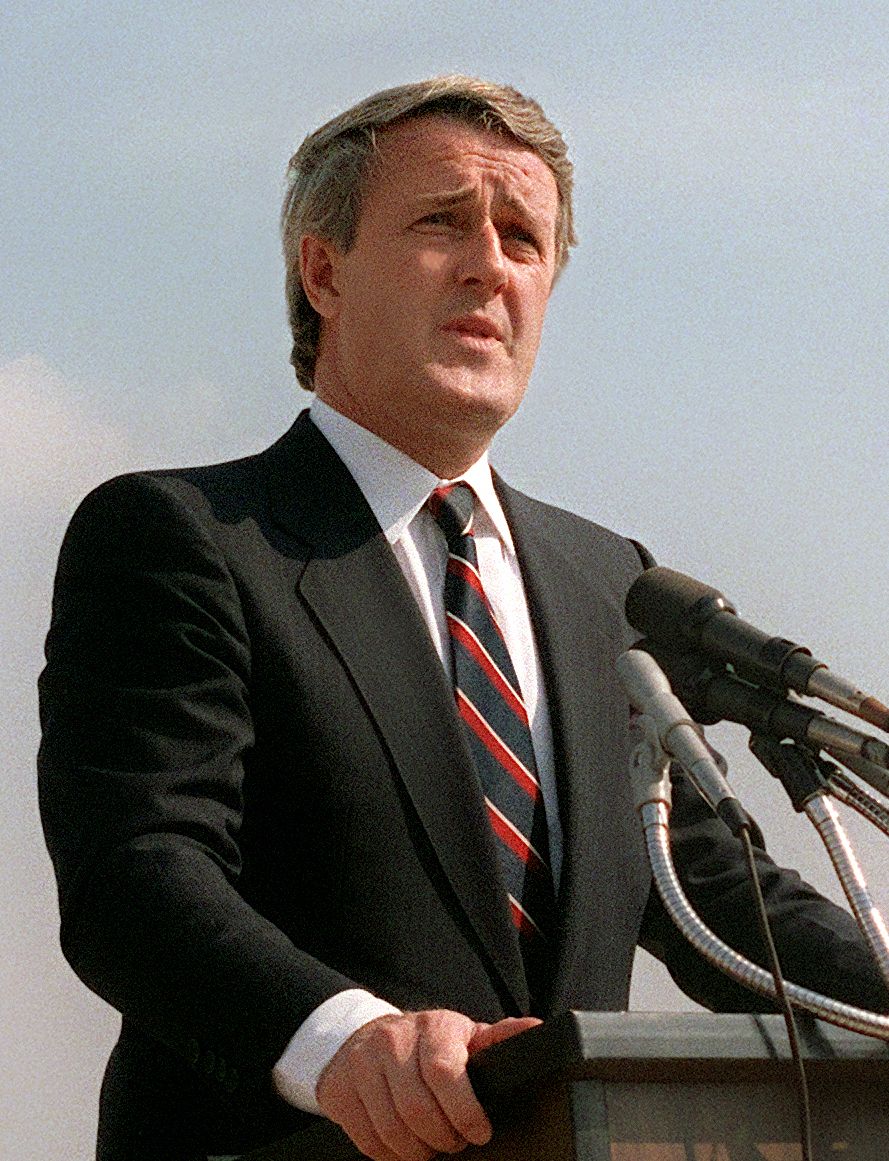
The modern prohibition against child sexual abuse material dates to August 1, 1993, when Bill C-128 came into force. Introduced by Justice Minister Pierre Blais under Prime Minister Brian Mulroney and passed with the assistance of Kim Campbell's ministry, this law created Section 163.1 of the Criminal Code. Prior to 1993, prosecutors could only rely on general obscenity laws to address such material. The law has been amended several times to address technological changes and sentencing policy. Major amendments occurred in 2002 to specifically address internet-related conduct, including grooming and online possession. Further amendments followed in 2005, 2012, and 2015. A significant change in terminology took effect in October 2025, when a private member's bill replaced all references to "child pornography" in the Criminal Code with "child sexual abuse material" (CSAM). This change was intended to more accurately reflect that the material documents real harm to children, though it did not alter the scope of prohibited conduct. The most recent legislative change was the Protecting Victims Act (Bill C-16), which received Royal Assent on June 18, 2026, and restored mandatory minimum sentences for possession and accessing offences.
Constitutional Challenges and Supreme Court Rulings
The constitutionality of Canada's CSAM laws has been tested repeatedly before the Supreme Court of Canada, shaping their current application. In the landmark 2001 case R v Sharpe, the Court upheld the law against a Charter challenge, confirming that the prohibition on simple possession was a justifiable limit on freedom of expression. The Court, in a decision written by Chief Justice Beverley McLachlin, interpreted "person" in the definition to include both actual and imaginary human beings, thus affirming that purely fictional material is included. The ruling also carved out two narrow exemptions for lawful purposes: private, written material or visual recordings created by the accused alone and held exclusively for personal use, and visual recordings of lawful sexual activity created by or with the consent of the participants, where they are the only holders. A major sentencing challenge culminated in the 2025 case Attorney General of Quebec v. Senneville. In a 5-4 decision, the Supreme Court struck down the one-year mandatory minimum sentences for possession and accessing as unconstitutional, finding they could lead to grossly disproportionate punishment in reasonably foreseeable scenarios, such as a young adult briefly possessing a consensual "sext" from a minor partner. This ruling left judges with full sentencing discretion for those offences from October 2025 until Parliament restored the minimums with Bill C-16 in 2026.
Notable Prosecutions and Case Law
Several notable cases have tested the boundaries and application of Canada's CSAM laws. One of the first major tests was the 1993 prosecution of Toronto artist Eli Langer. Police raided his exhibition at the Mercer Gallery and seized drawings depicting children in sexual positions. Langer was eventually acquitted after a trial where the court accepted that his work had artistic merit and was therefore protected expression under the exemptions contemplated in the law. In 2005, Gordon Chin of Edmonton was arrested for importing Japanese manga depicting explicit hentai involving children. Chin pleaded guilty and received an 18-month conditional sentence, which included a ban on internet use. This case is recognized as the first in Canada to prosecute a manga-related CSAM offence exclusively, without additional charges. In 2018, the case R v Zhang struck down the mandatory minimum penalty for possession as unenforceable. These cases illustrate how courts grapple with the intersection of the law with artistic expression, private creation, and fictional material. They also demonstrate that while the law's scope is broad, defences based on artistic, educational, scientific, or medical purpose remain available, though their success depends on the specific facts and judicial acceptance.
Enforcement Trends and Statistics
Enforcement of CSAM laws is a national priority, with dedicated police units focusing on online child sexual exploitation. According to Statistics Canada, police services reported 12,978 incidents specifically classified as child sexual abuse material offences in 2024. This figure is part of a broader total of 16,905 online child sexual exploitation incidents reported that year. The data shows that CSAM offences accounted for 77 percent of all online child exploitation incidents in 2024. The rate of reported CSAM incidents has seen a dramatic increase of 443 percent since 2014, reflecting both greater prevalence and enhanced police focus. The vast majority of these incidents, 83 percent, involved the making or distribution of material, while possession or accessing accounted for the remaining 17 percent. A critical statistic is that only a small fraction of reported incidents result in charges, with 94 percent of incidents in 2024 not being cleared by police, meaning no accused was identified or evidence was insufficient for charges. This shows that cases which do proceed to charges typically involve strong digital forensic evidence, making the handling of computers, phones, and internet records decisive in legal outcomes.
Current Sentencing Framework and Aggravating Factors
The sentencing landscape for CSAM offences has been dynamic, with the restoration of mandatory minimums in 2026 establishing a firm floor for punishments. Courts must impose at least a one-year prison term for indictable possession or accessing, and a six-month term for summary conviction versions of those offences. The one-year minimum for making and distributing offences remained in force throughout. While these are minimums, sentences in practice frequently exceed them, as courts treat crimes against children as requiring denunciatory and deterrent sentences. The Supreme Court has consistently affirmed that sexual offences against children call for severe penalties. When determining a fit sentence within the statutory range, judges must consider specific aggravating factors outlined in the Criminal Code. Committing the offence with intent to make a profit is a statutory aggravating factor. Other common aggravating factors considered by courts include the volume and severity of the material, the age of the children depicted, whether the accused was in a position of trust, and evidence of distribution or sharing. A conviction also brings severe collateral consequences, including mandatory sex offender registration, a DNA order, and potential prohibitions on working with children, using the internet, or travelling abroad.
Questions about Child pornography laws in Canada
What is the difference between 'child pornography' and 'child sexual abuse material' in Canadian law?
The terms refer to the same prohibited material, but 'child sexual abuse material' (CSAM) is the current legal term in the Criminal Code. A private member's bill changed the terminology effective October 2025, to more accurately reflect that the material is a record of actual abuse of children. The change in name did not alter what conduct is illegal or the definitions in Section 163.1. Police, courts, and legal professionals now use the term CSAM, though older case law and some public discussion may still use the former term.
Can you be charged for having cartoon drawings or fictional stories about children?
Yes, Canadian law explicitly criminalizes purely fictional material. The Supreme Court of Canada in R v Sharpe (2001) interpreted the law to include visual works of the imagination and written depictions. This means manga, anime, cartoons, computer-generated images, and written stories that depict or advocate sexual activity with persons under 18, even when no real child was involved in creation, are illegal under Section 163.1. Defences based on artistic merit are possible, as seen in the Eli Langer case, but the material must first meet a high threshold of being considered genuine art with a non-exploitative purpose.
What are the penalties for possessing child sexual abuse material in Canada?
Possession of CSAM is a hybrid offence, meaning it can be prosecuted by indictment or summarily. As of 2026, the mandatory minimum penalty for indictable possession is one year in prison, with a maximum of 10 years. For summary conviction, the mandatory minimum is six months in prison, with a maximum of two years less a day. These mandatory minimums were restored by Bill C-16. Beyond imprisonment, a conviction triggers mandatory registration as a sex offender for at least 10 years, a DNA order, and often long-term prohibitions on internet use, working with children, and international travel.
What did the Supreme Court rule about mandatory minimum sentences in 2025?
In Attorney General of Quebec v. Senneville (2025), the Supreme Court of Canada struck down the one-year mandatory minimum sentences for the indictable offences of possession and accessing CSAM. The Court, in a 5-4 decision, found these minimums could result in grossly disproportionate punishment in reasonably foreseeable scenarios, such as a young adult briefly keeping a consensual sexual image sent by a 17-year-old partner. This ruling left judges with full discretion to impose sentences below one year for those specific offences from October 2025 until Parliament passed new legislation.
What is Bill C-16 and how did it change the law?
Bill C-16, the Protecting Victims Act, is federal legislation that received Royal Assent on June 18, 2026. Its main purpose was to restore mandatory minimum prison sentences for possession and accessing child sexual abuse material, which the Supreme Court had struck down months earlier. The bill's provisions came into force in 2026, re-establishing a one-year minimum for indictable possession and accessing, and a six-month minimum for the summary conviction versions of those offences. It did not change the maximum penalties or the one-year minimums for making and distributing, which had remained in effect.
Is it illegal just to view this material online without downloading it?
Yes, knowingly accessing CSAM is a separate offence under Section 163.1(4.1) of the Criminal Code. The law defines accessing as knowingly causing material to be viewed by or transmitted to oneself. This means intentionally streaming or viewing material in a web browser, even if no file is saved to a device, can constitute the crime of accessing. The penalties for accessing are identical to those for possession, including the restored mandatory minimum sentences of one year for indictable prosecution or six months for summary conviction.
Sources and further reading
- Child pornography laws in Canada (Wikipedia)
- Criminal Code ( RSC, 1985, c. C-46) - Justice Canada (laws-lois.justice.gc.ca)
- What Are the Penalties for Child Pornography (CSAEM) in ... (vilkhovlaw.ca)
- Attorney General of Quebec v. Senneville (scc-csc.ca)
- Supreme Court of Canada decision: reinforces CSAEM ... (protectchildren.ca)
Checked by the Nosy Mag desk. Last updated 2026-10-31.