2014 Moncton shootings
The 2014 Moncton shootings were a string of targeted attacks on Royal Canadian Mounted Police officers that occurred on June 4, 2014, in the northern neighbourhoods of Moncton, New Brunswick. The perpetrator, 24-year-old Justin Bourque, shot five RCMP officers, killing three and wounding two others during a rampage. The incident triggered a 28-hour city-wide manhunt that ended with Bourque's arrest on June 6. The shootings were the deadliest attack on the RCMP since the 2005 Mayerthorpe tragedy and prompted significant reviews of police equipment and training. Bourque pleaded guilty and was sentenced to life in prison, with his parole ineligibility period ultimately set at 25 years.
The Shooting Rampage
The events began on the evening of June 4, 2014. Justin Bourque left his rented home dressed in military camouflage and armed with an M14 rifle and a 12-gauge shotgun. At approximately 7:18 p.m. ADT, the first 9-1-1 call was made by a civilian reporting an armed man walking on Pioneer Avenue. Twelve RCMP officers responded and established a perimeter. Bourque was first sighted by Constable Mathieu Daigle. Officers, including Constables Fabrice Gevaudan and Rob Nickerson, trailed Bourque as he moved toward a residential area on Bromfield Court. At 7:46 p.m., Bourque opened fire from a backyard, shooting at Constable Gevaudan, who radioed he was under fire before being fatally struck by two shots to the torso.
Two minutes later, Bourque emerged onto Mailhot Avenue where he encountered Constable David Ross in a police SUV. Ross accelerated toward Bourque, firing twice through his windshield. Bourque returned fire, striking Ross in the hand and shoulder before delivering a fatal shot to the head. Constable Erik White later discovered Ross's body. At 7:54 p.m., Constable Martine Benoît arrived at the intersection of Hildegard Drive and Mailhot Avenue. Bourque, concealed in a ditch, disabled her vehicle with gunfire. Constable Éric Dubois arrived to assist and was wounded. Bourque then crossed Hildegard Drive, allowing Dubois to flee. Seconds later, at 7:59 p.m., Constable Darlene Goguen responded to the nearby fire station and was shot twice while seated in her vehicle but survived.
The final fatal encounter occurred at 8:04 p.m. on Mailhot Avenue. Constable Douglas Larche, in plain clothes but wearing body armour, responded to the scene. Bourque, hidden behind trees, opened fire. Larche was wounded but returned seven shots with his service pistol before being fatally shot in the neck. The 70-second exchange was captured on a cellphone by a resident. Bourque fled the scene at 8:13 p.m., escaping into the woods behind Isington Street. The entire series of shootings transpired within a chaotic period.
The Manhunt and Arrest
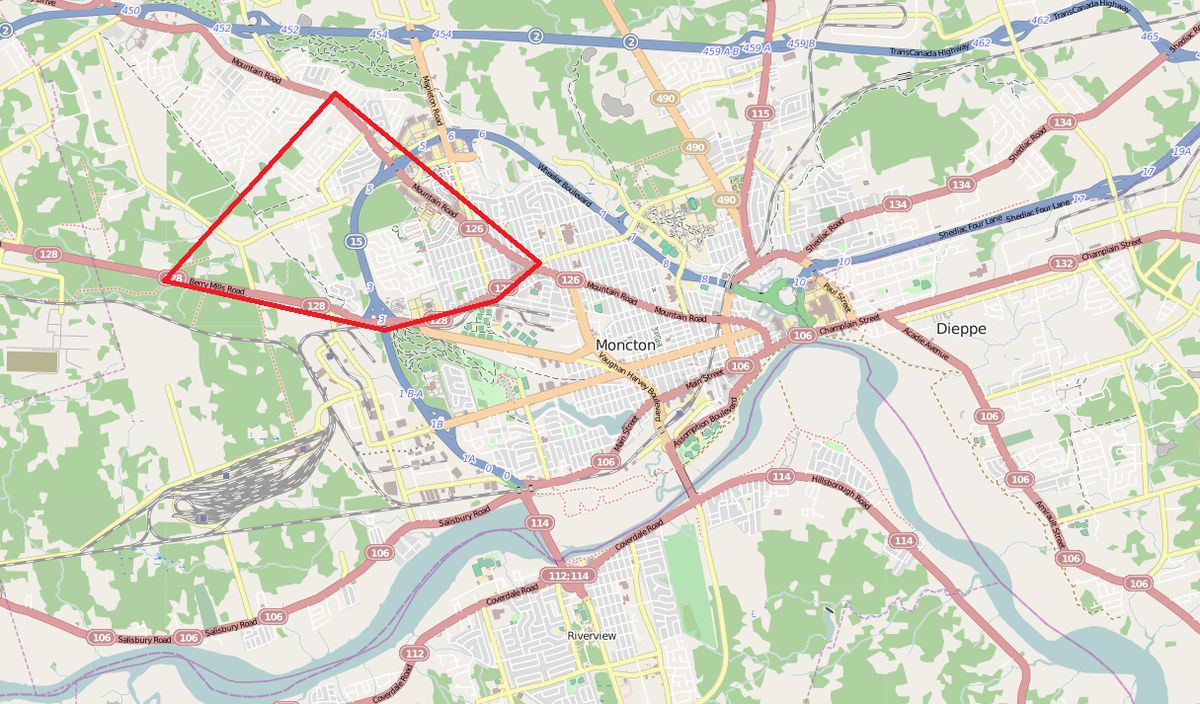
Immediately following the shootings, a massive police operation was launched to locate Justin Bourque. Authorities identified him as the suspect after his family and friends recognized him in photos circulating on news and social media. Up to 300 police personnel were involved in the search across Moncton's northwest end. The affected area was placed under lockdown, with public transit suspended, schools and businesses closed, and residents instructed to stay indoors.
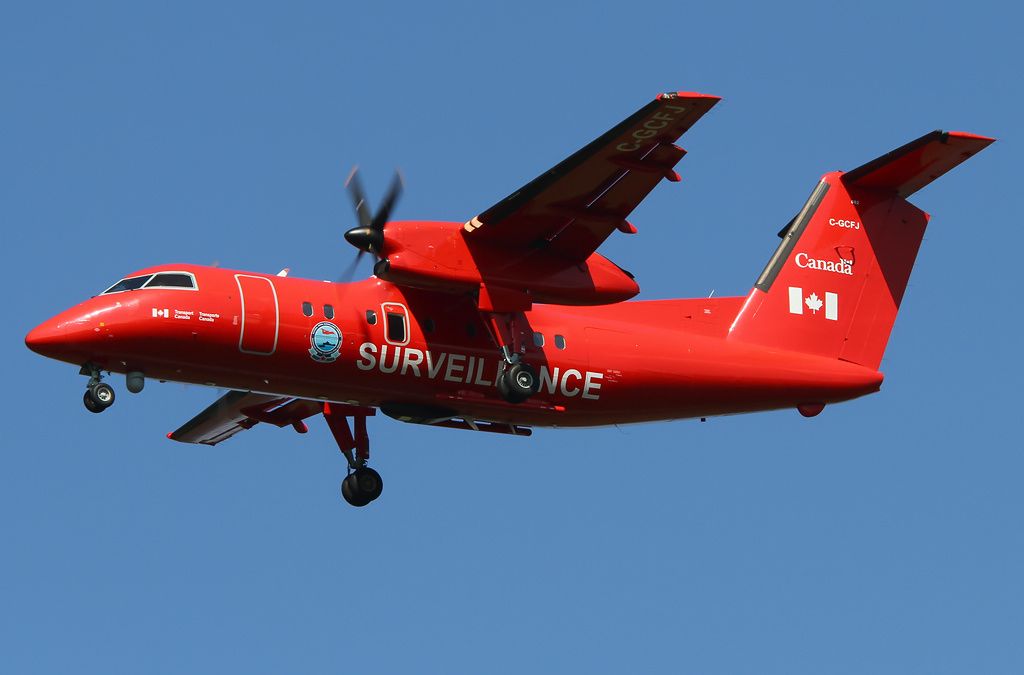
The manhunt continued through June 5, with multiple reported sightings. Police surrounded an apartment building and deployed a robot after a report, which later proved a false alarm. A police helicopter with thermal-imaging cameras and armoured vehicles were used. The breakthrough came at 12:10 a.m. on June 6, when a resident on Mecca Drive reported seeing a man. A Transport Canada Dash 8 National Aerial Surveillance Program aircraft using thermal imaging located Bourque's heat signature in the woods. The RCMP moved in and took him into custody without incident, ending the lockdown that had lasted approximately 28 hours. Bourque was unarmed at arrest but reportedly told police, "I'm done." Weapons were later recovered near the scene.
The Victims
The attack resulted in the deaths of three RCMP officers and injuries to two others. All five shooting victims were identified by police two days after the shootings. The three officers killed were Constable David Ross, 32, of Victoriaville, Quebec, Constable Fabrice Georges Gevaudan, 45, of Boulogne-Billancourt, France, and Constable Douglas James Larche, 40, of Saint John, New Brunswick. On August 11, the causes of death were released in an agreed statement of facts filed by the Moncton Queen's Bench.
- Constable Fabrice Georges Gevaudan, 45, originally from Boulogne-Billancourt, France. He died from two gunshot wounds to the chest.
- Constable David Ross, 32, from Victoriaville, Quebec, served as a police dog handler. He died from a gunshot wound to the head.
- Constable Douglas James Larche, 40, from Saint John, New Brunswick. He died from gunshot wounds to the neck and left flank.
The two officers who survived their gunshot wounds were Constable Éric Stéphane J. Dubois and Constable Marie Darlene Goguen. Another officer, Constable Martine Benoît, also survived after Bourque disabled her police vehicle with gunfire on Hildegard Drive. The Codiac Regional RCMP detachment, which serves Moncton and nearby areas like Dieppe and Riverview, had 147 officers as of 2022. All five officers shot during the incident were members of this RCMP detachment.
Justin Bourque: Background and Motive
Justin Christien Bourque was born on November 12, 1989, and was 24 years old at the time of the shootings. He was one of seven children in a religious, homeschooling family. Approximately eighteen months prior to the attack, he moved out of his parents' home into a Moncton trailer park following a dispute over his purchase of a second firearm. He had recently quit a job at a grocery store and had been newly hired by Rolly's Wholesale. Friends and former coworkers described Bourque as having longstanding problems with authority and holding anti-government, anti-police views. He was known to make paranoid rants about figures of authority.
Bourque's online activity revealed his ideological motivations. His Facebook page contained anti-police posts, images advocating for gun rights, and expressions of belief that Canada was vulnerable to invasion. Hours before the shootings, he posted lyrics from the Megadeth song "Hook in Mouth." Following his arrest, Bourque admitted his actions were a deliberate attempt to spark a rebellion against the Canadian government, which he viewed as oppressive and corrupt. He stated he originally considered setting fire to gas stations and shooting random people but changed his plan. The M14 rifle used in the shootings was purchased legally in 2009, though his firearms license had expired by June 2014.
Legal Proceedings and Sentencing
Justin Bourque made his first court appearance on June 6, 2014, under heavy guard, charged with three counts of first-degree murder and two counts of attempted murder. That same day, he confessed to the crimes in a videotaped interview. After a psychiatric assessment found him fit to stand trial, Bourque pleaded guilty to all charges on August 8, 2014. On October 27, he apologized to the families of the slain officers. On October 31, Chief Justice David Smith of the New Brunswick Court of Queen's Bench sentenced Bourque to life imprisonment. The sentencing applied provisions from the 2011 federal law allowing consecutive parole ineligibility periods for multiple murders. Justice Smith imposed three consecutive 25-year periods for the murders, plus two concurrent life sentences for the attempted murders, resulting in a total parole ineligibility period of 75 years. This was considered the harshest sentence in Canada since the abolition of capital punishment in 1967. However, following the Supreme Court of Canada's 2022 ruling that excessively long parole ineligibility periods were unconstitutional, Bourque's ineligibility period was reduced to 25 years.
Aftermath and Official Reviews
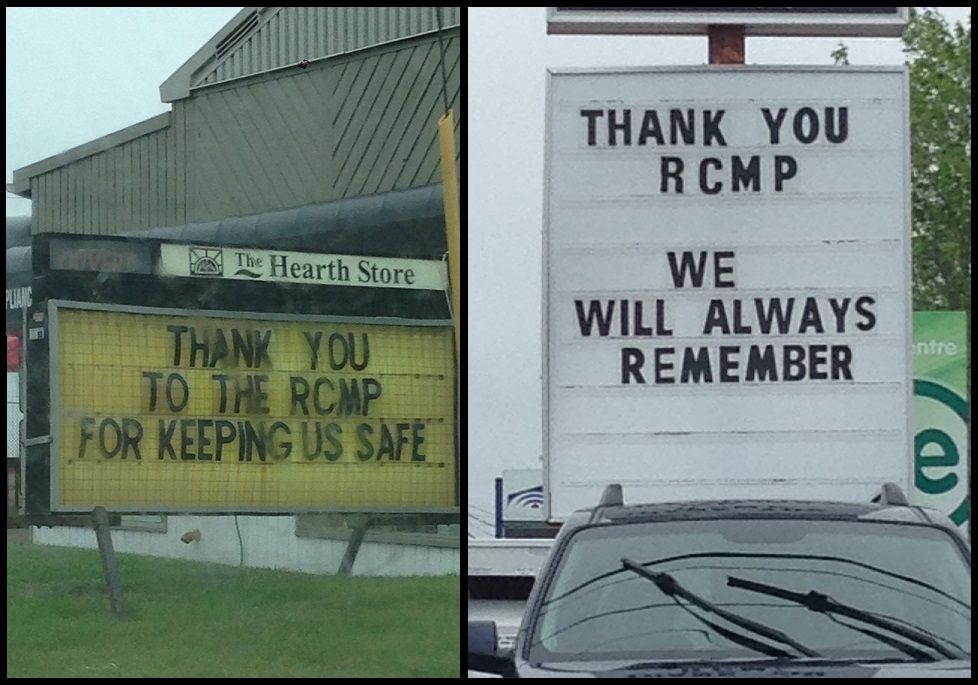
The shootings prompted immediate grief and condemnation from political and law enforcement leaders. New Brunswick Premier David Alward issued a statement expressing his incredible grief and offering condolences to the families of the slain officers. The official response included an internal RCMP review announced on June 9, 2014, which was later ordered on July 3, and an independent review called the MacNeil Review released on January 16, 2015. These investigations examined the RCMP's actions, equipment, and preparedness during the incident.
- June 9, 2014: RCMP Commissioner Bob Paulson announced an internal review of the shootings.
- June 30, 2014: Retired Assistant Commissioner Alphonse MacNeil was appointed to lead an independent review.
- July 3, 2014: The internal review was formally ordered by the RCMP.
- January 16, 2015: The MacNeil Review was released, containing 64 recommendations concerning supervision, training, technology, equipment, communications, and aftercare.
- 2017: The RCMP was found guilty of one violation of the Canada Labour Code for failing to provide appropriate use-of-force equipment and training.
- 2017: The RCMP was fined $550,000 for the Labour Code violation.
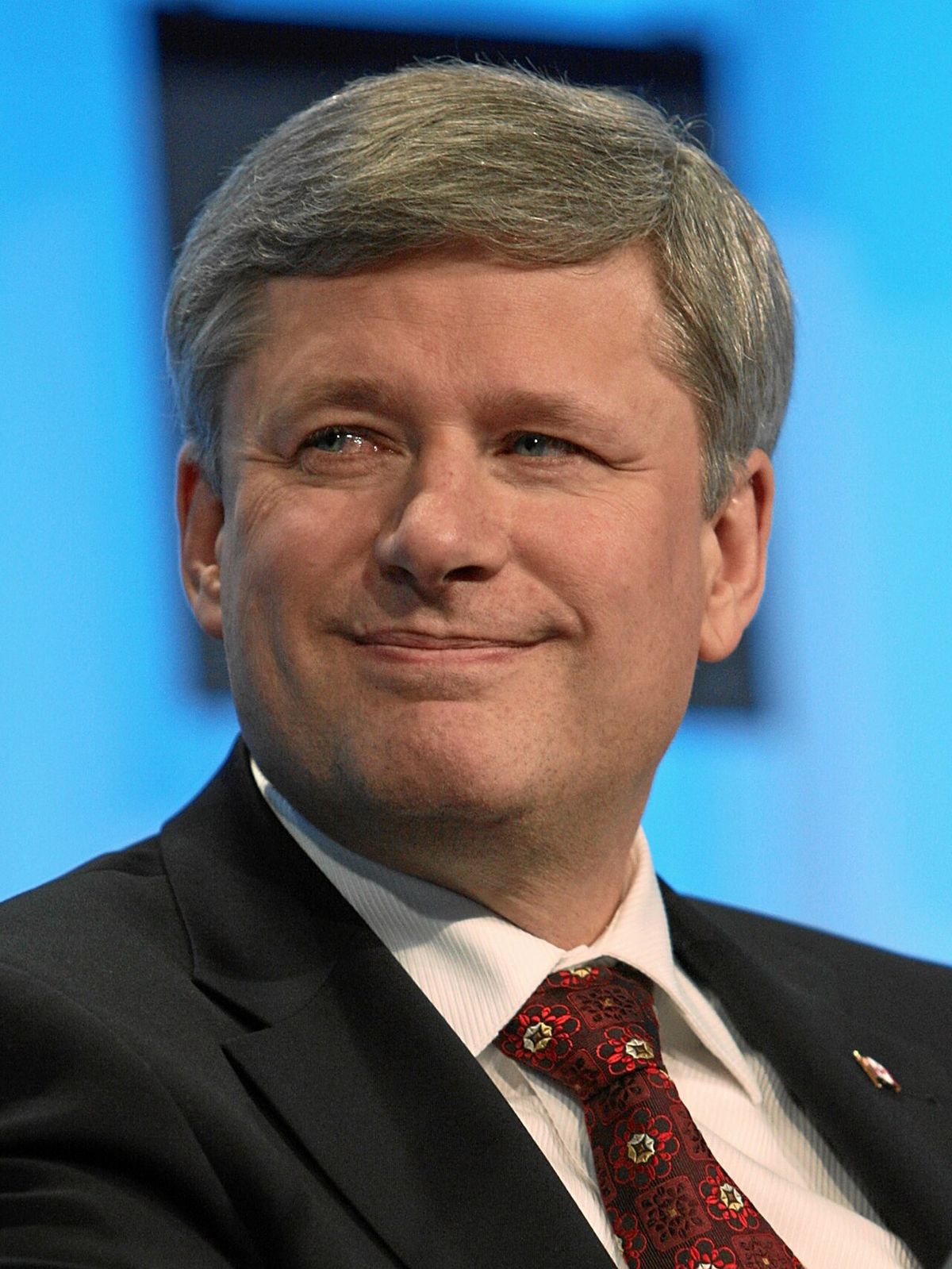
RCMP Assistant Commissioner Roger Brown, Moncton Mayor George LeBlanc, and Prime Minister Stephen Harper all issued statements of condolence. The House of Commons observed a moment of silence. The MacNeil review revealed complications in radio communication and that none of the first responding officers were wearing body armour. The Labour Code trial highlighted the lack of immediate access to carbine rifles for general duty officers.
Impact and Later Events
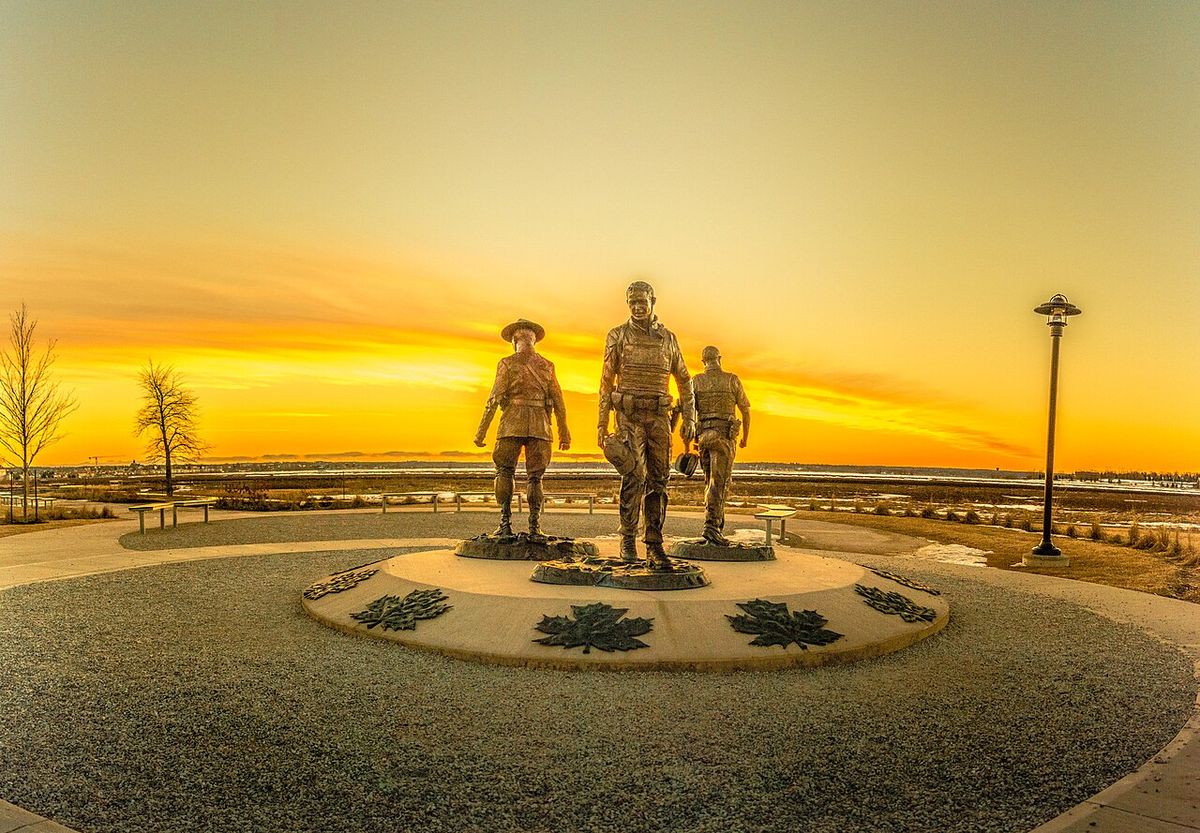
The Moncton shootings had a significant impact on the RCMP and national policing standards. The incident highlighted the risks faced by police officers and led to scrutiny of the force's preparedness for active-shooter scenarios. The independent review and subsequent Labour Code trial emphasized critical gaps, particularly the lack of immediate access to carbine rifles. The tragedy affected the families of the victims and the city of Moncton. A regimental funeral was held on June 10 at the Moncton Coliseum, with close to 3,000 police officers in attendance. In 2015, memorial statues of the three murdered officers were placed in Moncton's Riverfront Park. In the years following his imprisonment, Justin Bourque has experienced incidents requiring medical attention. In October 2026, it was reported that Bourque received medical treatment after a drug overdose in prison. Sources indicated he was moved from the Atlantic Institution to Dorchester Penitentiary due to safety concerns. An investigation was launched into how the drugs were obtained within the prison.
Questions about 2014 Moncton shootings
What happened during the 2014 Moncton shootings?
On June 4, 2014, Justin Bourque began a shooting rampage in Moncton's north end, targeting RCMP officers. Over a short period, he shot five officers, killing Constables Fabrice Gevaudan, David Ross, and Douglas Larche, and wounding Constables Éric Dubois and Darlene Goguen. Bourque was dressed in camouflage and armed with an M14 rifle and a shotgun. The attack triggered a massive 28-hour manhunt across the locked-down city, ending with his arrest on June 6 after police located him using thermal imaging from an aircraft.
What was Justin Bourque's motive?
Justin Bourque stated that his actions were a planned attempt to spark a rebellion against the Canadian government, which he believed was oppressive, corrupt, and served only the wealthy. He held strong anti-government and anti-police views. His social media posts prior to the attack reflected these anti-authority beliefs. During the shootings, witnesses reported he shouted that he was after government officials and not civilians.
What sentence did Justin Bourque receive?
Justin Bourque was sentenced to life in prison. On October 31, 2014, he received two concurrent life sentences for attempted murder and three consecutive life sentences for first-degree murder, resulting in a parole ineligibility period of 75 years. This sentence was later reduced in 2022 after the Supreme Court of Canada ruled that stacking parole ineligibility periods to create excessively long terms was unconstitutional. His parole ineligibility period was therefore reduced to 25 years.
What were the key findings of the reviews after the shootings?
The independent MacNeil Review, released in January 2015, made 64 recommendations on equipment, training, and communications. It found radio communications were chaotic and first responders lacked body armour. In 2017, a provincial court found the RCMP guilty of violating the Canada Labour Code by failing to provide officers with appropriate use-of-force equipment, specifically carbine rifles, and related training. The force was fined $550,000.
How did the Moncton community and Canada respond?
The response was one of grief and solidarity. Political leaders offered condolences, and the House of Commons observed a moment of silence. The Moncton community endured a 28-hour lockdown. The RCMP Foundation set up a fund for the families. The incident sparked a national conversation about police safety and equipment, leading to the official reviews.
Where is Justin Bourque now, and have there been recent incidents?
Justin Bourque is serving a life sentence with 25 years of parole ineligibility. As of 2026, he is incarcerated. In October 2026, it was reported that Bourque required medical treatment after a drug overdose in prison and was moved to Dorchester Penitentiary. An investigation into how the drugs were obtained was initiated.
Sources and further reading
- 2014 Moncton shootings (Wikipedia)
- Independent Review, Moncton Shooting, June 4, 2014 (rcmp.ca)
- Moncton Police Killings (thecanadianencyclopedia.ca)
- Moncton Shooter Justin Bourque 'not in good shape' after ... (globalnews.ca)
- 10 years after Moncton shootings, RCMP still struggling ... (cbc.ca)
Checked by the Nosy Mag desk. Last updated 2026-10-31.