Time in Canada
Time in Canada is a complex and evolving system that governs daily life across the nation's vast geography. The country is divided into five primary time zones, from Newfoundland in the east to the Pacific in the west, with many regions observing seasonal daylight saving time shifts. This framework is crucial for national coordination, affecting everything from transportation and broadcasting to business operations. The system's administration and potential reforms remain active topics of public and governmental discussion, reflecting Canada's close economic ties with the United States and diverse regional preferences.
Time Zones and Their Evolution
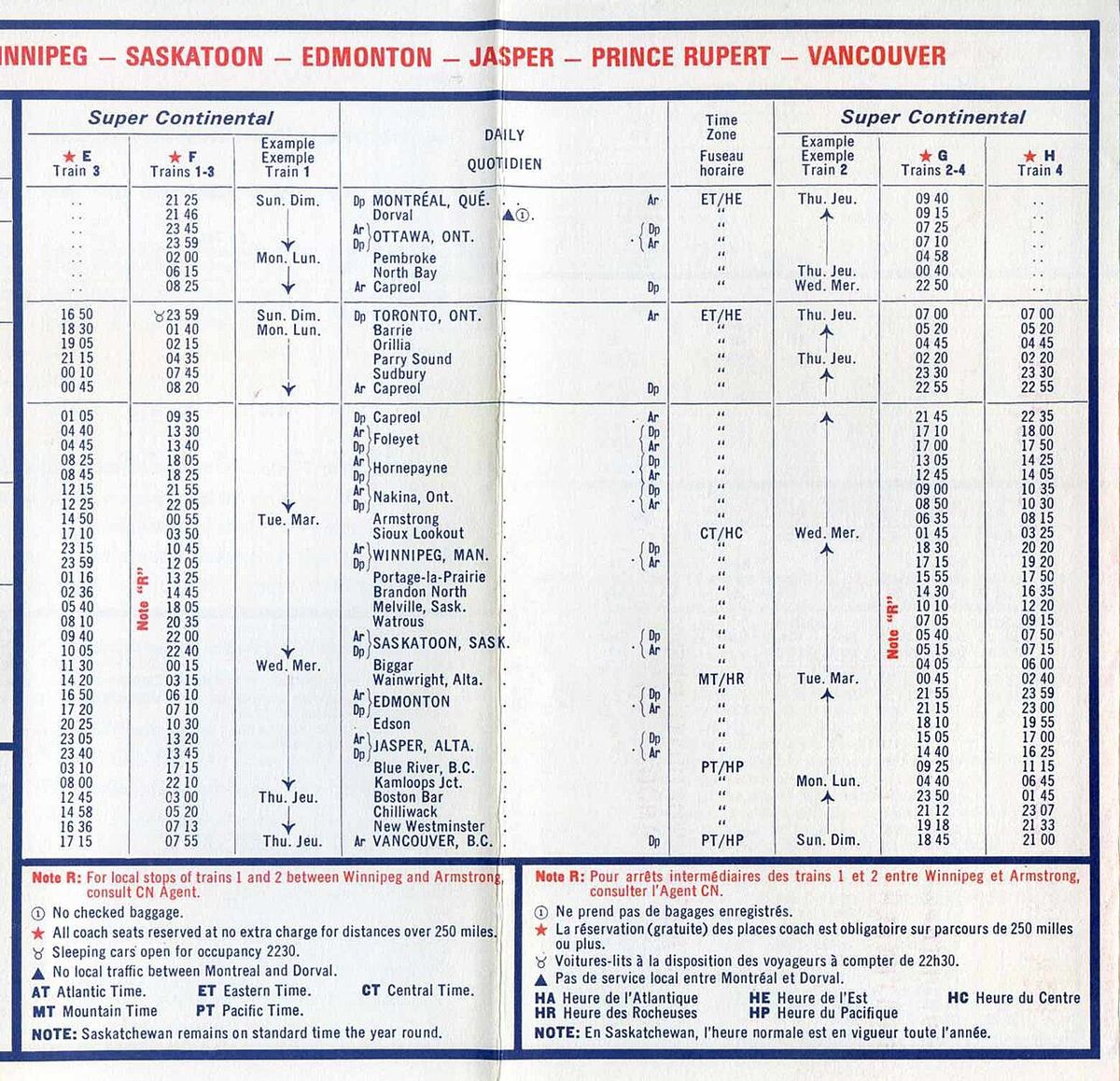
Sandford Fleming championed the global system of standard time zones, the 24-hour clock, and a standard prime meridian, concepts critical for scheduling transcontinental railways. The current zones are Newfoundland Time (UTC−03:30), Atlantic Time (UTC−04:00), Eastern Time (UTC−05:00), Central Time (UTC−06:00), and Mountain Time (UTC−07:00). Historically, other zones like Yukon Time (UTC−09:00) and Pacific Standard Time (UTC−08:00) were used but have been abandoned, leaving those offsets unused in modern Canada. The boundaries and observance rules for these zones are determined by provincial and territorial legislation, leading to a patchwork of local exceptions. For instance, parts of British Columbia and the Northwest Territories observe Central Time, while the island of Newfoundland and southeastern Labrador operate on their own unique half-hour offset.
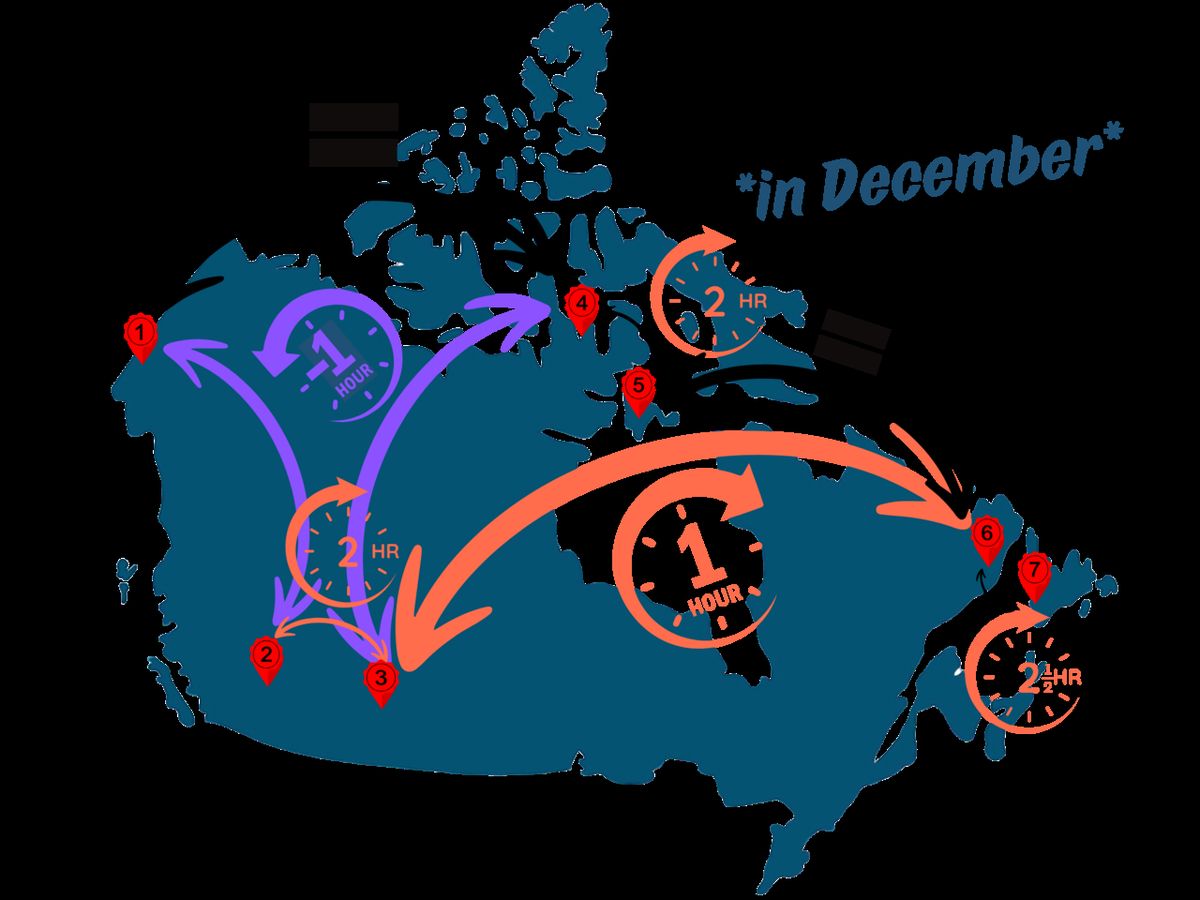
Recent years have seen significant shifts away from the traditional model of seasonal time changes. In 2020, Yukon moved to permanently observe Mountain Standard Time year-round. A major change was announced for March 8, 2026, when British Columbia permanently adopted daylight time, effectively placing the province on year-round Mountain Standard Time. This decision followed a 2019 public consultation that received over 223,000 responses. Subsequently, in April 2026, Alberta and the Northwest Territories moved to adopt permanent year-round Central Standard Time, aligning with Saskatchewan. This was despite a 2021 Alberta referendum where 50.24% of respondents voted to maintain seasonal changes. Municipalities in British Columbia like Golden and Columbia-Shuswap Regional District Area A initially followed BC's move but later reversed their decision in September 2026 to stay aligned with Alberta's new Central Time.
- Newfoundland Time Zone: UTC−03:30 standard, UTC−02:30 daylight (Island of Newfoundland, southeastern Labrador).
- Atlantic Time Zone: UTC−04:00 standard, observes DST in most areas (Nova Scotia, New Brunswick, PEI, parts of Quebec and Labrador).
- Eastern Time Zone: UTC−05:00 standard, observes DST in most areas (Ontario, Quebec, parts of Nunavut).
- Central Time Zone: UTC−06:00 standard, observes DST in some areas (Manitoba, Saskatchewan, parts of Ontario, Nunavut, and BC).
- Mountain Time Zone: UTC−07:00 standard, observes DST in some areas (Alberta, parts of BC, Nunavut, and the Northwest Territories).
Daylight Saving Time in Practice
Daylight saving time is observed in six of ten provinces and one of three territories, primarily in Eastern Canada. The jurisdictions that do not observe DST are all located geographically west of their legislated time zones by one hour or more, meaning they effectively use daylight time year-round. The practice in Canada has been closely synchronized with the United States since the late 1960s to ensure consistent economic and social interaction. When the US changed its DST period in 1987 and again in 2007, observing Canadian provinces followed suit. Port Arthur, Ontario, holds the distinction of being the first place in the world to introduce DST, on July 1, 1908. Four Canadian cities adopted it locally in 1916: Brandon on April 17, Winnipeg on April 23, Halifax on April 30, and Hamilton on June 4. The decision to observe DST rests with individual provinces and territories under the Constitution of Canada, making it a provincial matter.
British Columbia's legislative process began in 2019 with the introduction of Bill 40, aiming for permanent Pacific Time. The province stated its intent to maintain alignment with neighbouring US states and Yukon. On March 2, 2026, BC premier David Eby announced the province would permanently adopt daylight time on March 8, 2026. In September 2026, Manitoba Premier Wab Kinew announced the province would permanently adopt daylight time, moving to year-round Eastern Standard Time. Following this, Ontario MPP Greg Rickford announced in October 2026 that parts of Northwestern Ontario would make a similar change to align with Manitoba. The Makivvik government in Nunavik initially targeted 2026 to end daylight saving time but moved the target to 2027. These changes illustrate a gradual but significant shift in Canada's timekeeping practices.
Official Time and National Standards
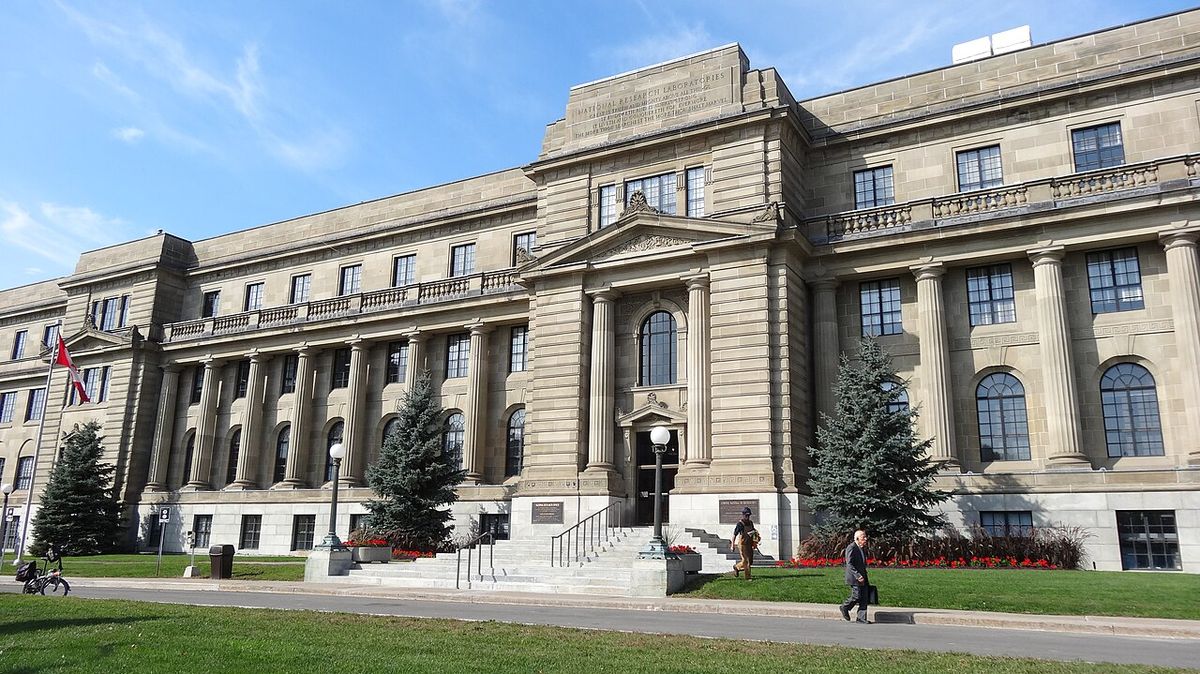
The National Research Council maintains Canada's official time through highly precise atomic clocks. The legal specification of time, however, is set by provincial legislation, with Quebec basing its official time on Coordinated Universal Time and other provinces using mean solar time. The NRC provides both time standards through its signals and makes time servers available for direct computer synchronization. For decades, the Canadian Broadcasting Corporation aired the National Research Council Time Signal, a daily broadcast that began on November 5, 1939, and served as a national timekeeping reference until its discontinuation on October 15, 2023. This official time infrastructure supports critical national and international activities in science, commerce, and communication.
The Government of Canada officially recommends the use of the 24-hour clock, especially in contexts like transportation schedules, parking meters, and data transmission where clarity is paramount. This notation is predominantly used by speakers of Canadian French. In contrast, most Canadian English speakers use the 12-hour clock in everyday speech, often converting times when reading from a 24-hour display, a practice similar to that in the United Kingdom. This dual usage reflects Canada's linguistic and cultural diversity, with the formal recommendation supporting precision in official and technical domains while informal usage follows broader North American English conventions.
Statutory Holidays and Time Off in 2026
Canada's statutory holiday system is a layered framework with dates set at both federal and provincial levels, leading to significant regional variation. Federally regulated employees across the country observe a core set of holidays, but for most workers, entitlement depends on the rules of the province or territory where they work. Key nationwide dates for 2026 include New Year's Day on Thursday, January 1, Good Friday on Friday, April 3, Canada Day on Wednesday, July 1, Labour Day on Monday, September 7, and Christmas Day on Friday, December 25. When a holiday like Boxing Day falls on a Saturday, as it does in 2026, many jurisdictions provide a substitute weekday off, such as Monday, December 28. Employers must understand these rules carefully, as assuming uniformity can lead to errors in payroll and scheduling.
Several holidays illustrate the complexity of the provincial patchwork. Family Day is observed on Monday, February 16, 2026, in provinces like British Columbia, Alberta, Ontario, Saskatchewan, and New Brunswick, but it is not a statutory holiday nationwide. In Quebec, Saint-Jean-Baptiste Day on Wednesday, June 24, 2026, is a major public holiday. The first Monday in August is known as Civic Holiday, B.C. Day, or New Brunswick Day depending on the region, but its status as a paid day off varies. Remembrance Day on Wednesday, November 11, 2026, is a statutory holiday in most provinces and territories but not in Ontario. The National Day for Truth and Reconciliation on Wednesday, September 30, 2026, is a holiday for federally regulated workers but not universally adopted by all provinces.
| Holiday | Date in 2026 | Primary Observance |
|---|---|---|
| New Year's Day | Thursday, January 1 | Nationwide |
| Family Day | Monday, February 16 | BC, AB, ON, SK, NB |
| Good Friday | Friday, April 3 | Nationwide |
| Victoria Day | Monday, May 18 | Most provinces |
| Saint-Jean-Baptiste Day | Wednesday, June 24 | Quebec |
| Canada Day | Wednesday, July 1 | Nationwide |
| Labour Day | Monday, September 7 | Nationwide |
| National Day for Truth and Reconciliation | Wednesday, September 30 | Federally regulated |
| Remembrance Day | Wednesday, November 11 | Most provinces and territories |
| Christmas Day | Friday, December 25 | Nationwide |
Regional Timekeeping Complexities
Beyond the broad time zones, numerous local exceptions create a detailed mosaic of time observance. In British Columbia, most of the province aligns with Pacific Time, but the Regional District of East Kootenay observes Central Time. The province's 2026 shift to permanent Mountain Standard Time created temporary confusion for municipalities like Golden, which initially followed the change before reverting to align with Alberta's new permanent Central Time. Saskatchewan mostly uses Central Standard Time year-round without observing daylight saving time, creating a de facto permanent daylight time alignment. In Ontario, time is split along the 90th meridian west, with areas to the east observing Eastern Time and areas to the west observing Central Time, though parts of Northwestern Ontario announced plans in 2026 to shift permanently to align with Manitoba.
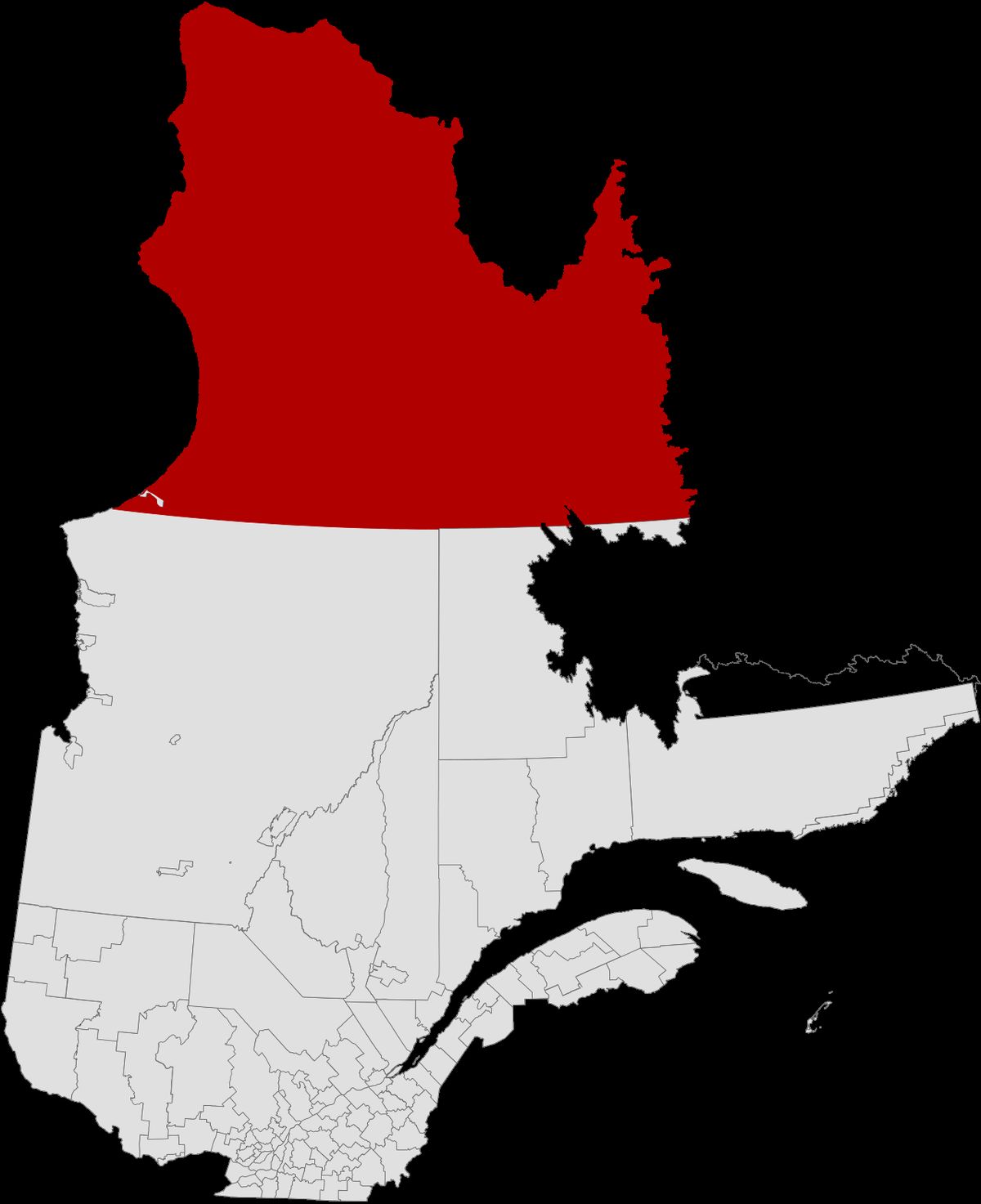
Nunavut's time zones are divided across its regions. The Kitikmeot Region observes Mountain Standard Time year-round, while the Kivalliq and Qikiqtaaluk regions have areas observing Central Time, with some on standard time and others on daylight time. Quebec primarily observes Eastern Time, but areas east of the Natashquan River use Atlantic Standard Time year-round, and the Magdalen Islands observe Atlantic Time with daylight saving. Newfoundland and Labrador is the only province with a half-hour time zone offset, observed on the island and in southeastern Labrador, while the rest of Labrador uses Atlantic Time. These intricacies show the challenge of coordinating time across Canada's diverse geography and political jurisdictions.
Future Trends and Coordination
The movement toward permanent daylight saving time represents a significant trend in Canadian timekeeping, driven by public preference and a desire to end the disruptive biannual clock changes. This shift, however, requires careful coordination, particularly with the United States, due to deeply integrated economies and social ties. British Columbia's government explicitly stated its intention to align with Washington, Oregon, California, and Yukon when considering its change. The domino effect of BC's decision influencing Alberta and the Northwest Territories demonstrates how regional synchronization pressures can override local referendum results, as seen in Alberta's 2021 vote. Future changes will likely continue to be evaluated through the lens of cross-border harmony and interprovincial alignment.
Other ongoing discussions focus on standardizing statutory holidays, such as making Remembrance Day a nationwide statutory holiday or expanding the observance of the National Day for Truth and Reconciliation. The complexity of Canada's holiday system, with its federal and provincial layers, means any harmonization would require substantial political agreement. Similarly, the potential for further provinces to adopt permanent time zones remains an active issue. As technology and global connectivity increase, the precision and uniformity of time standards, maintained by institutions like the NRC, will become even more critical for Canada's participation in international finance, research, and communication networks.
Questions about Time in Canada
When do the clocks change for daylight saving time in Canada in 2026?
In 2026, daylight saving time begins on Sunday, March 8, when clocks are set forward by one hour at 2:00 a.m. local time. The period of daylight time ends on Sunday, November 1, when clocks are set back by one hour at 2:00 a.m. local time. not all provinces and territories observe this change, as some have moved to permanent time zones. The start and end dates are synchronized with the United States to maintain consistency for trade and travel.
Which Canadian provinces do not change their clocks twice a year?
Several jurisdictions in Canada do not observe seasonal time changes. Saskatchewan uses Central Standard Time year-round. As of 2020, Yukon observes Mountain Standard Time year-round. British Columbia moved to permanent daylight time on March 8, 2026, effectively adopting year-round Mountain Standard Time. In April 2026, Alberta and the Northwest Territories adopted permanent year-round Central Standard Time. Parts of Quebec, like the Magdalen Islands, and regions in Nunavut and Ontario have their own specific rules, but the trend is toward eliminating the clock change.
What is the unique time zone for Newfoundland?
Newfoundland operates on Newfoundland Standard Time, which is UTC−03:30, a unique half-hour offset from Coordinated Universal Time. During daylight saving time, it observes Newfoundland Daylight Time at UTC−02:30. This time zone is used on the island of Newfoundland and in the southeastern tip of Labrador. The rest of Labrador observes Atlantic Time. This half-hour difference is a historical characteristic of the province, making it 30 minutes ahead of Atlantic Time and 90 minutes ahead of Eastern Time during standard time periods.
Is Remembrance Day a statutory holiday everywhere in Canada?
No, Remembrance Day on November 11 is not a statutory holiday for all workers in every province. It is a statutory holiday in most provinces and territories, including British Columbia, Alberta, and Saskatchewan. However, in Ontario, it is not a general public holiday under the province's employment standards legislation, though many employees may have it as a day off through their collective agreements or employer policies. Federally regulated employees across Canada do observe Remembrance Day as a holiday. This creates a patchwork of observance across the country.
Who maintains Canada's official time?
Canada's official time is maintained by the National Research Council through a system of atomic clocks. The NRC provides official time signals based on both Coordinated Universal Time and mean solar time. While the NRC sets the scientific standard, the legal definition of time is established by individual provincial legislation. Quebec bases its official time on UTC, while other provinces use mean solar time. The NRC historically provided a daily radio time signal via the CBC, known as the National Research Council Time Signal, which aired from November 5, 1939, until October 15, 2023.
What was the result of Alberta's referendum on permanent daylight time?
In 2021, Alberta held a referendum on adopting permanent daylight saving time. The result was very close, with 50.24% of respondents voting to continue switching between standard and daylight time twice a year. This meant a narrow majority rejected the move to permanent daylight time. Despite this result, in April 2026, the Alberta government, along with the Northwest Territories, moved to adopt permanent year-round Central Standard Time. This decision was influenced by the earlier move by British Columbia and a desire for regional synchronization, effectively overriding the 2021 referendum outcome.
Sources: Wikipedia and current public reporting, checked by the Nosy Mag desk. Last updated 2026-10-24.