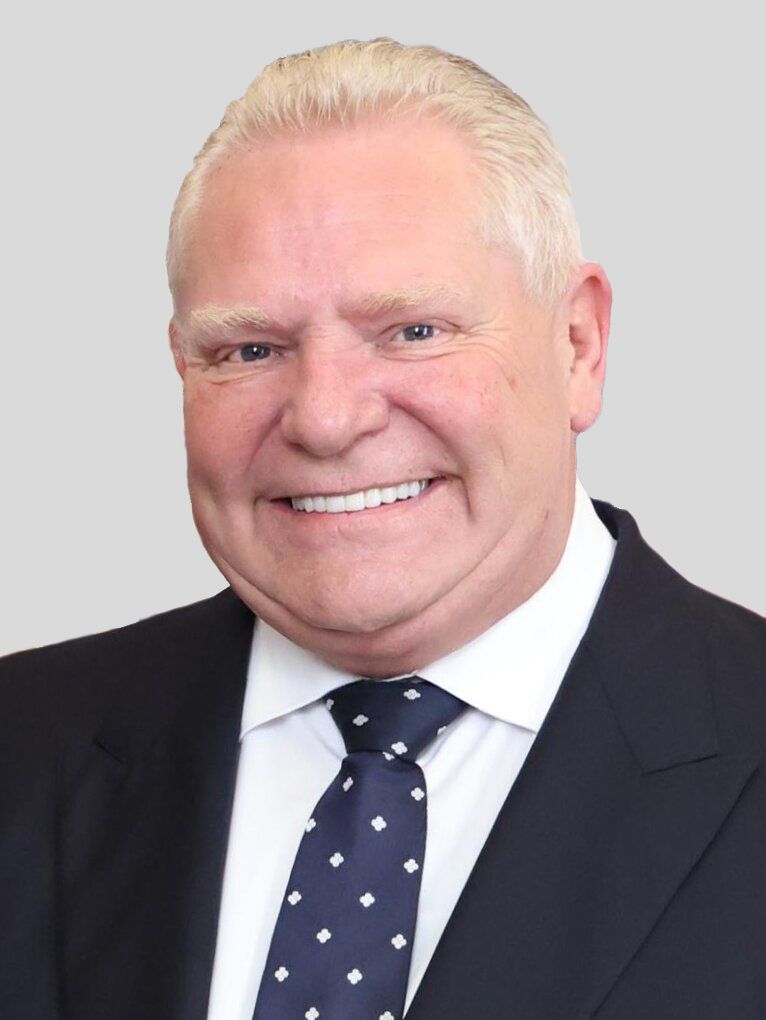
Brad Wall
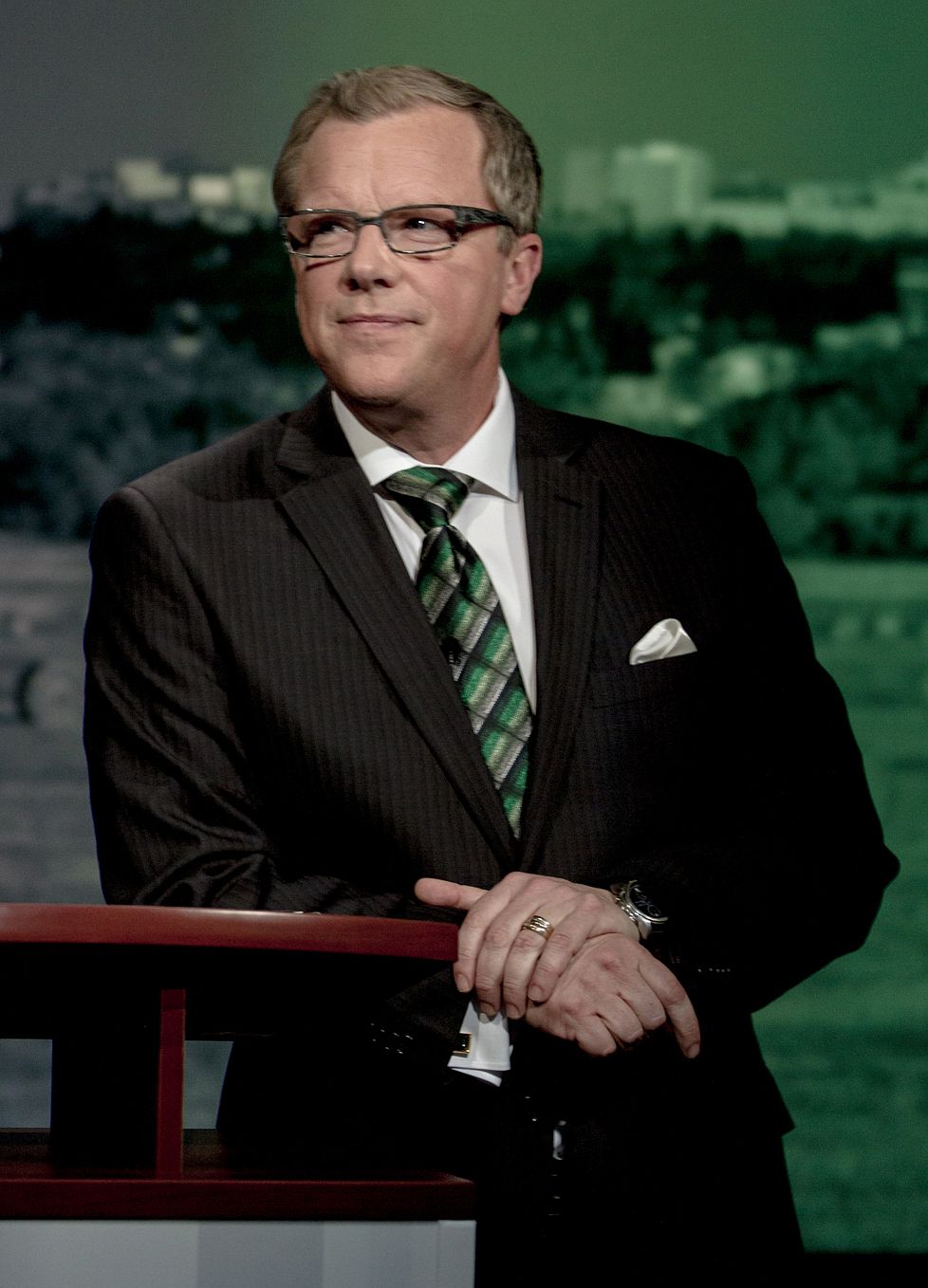
Bradley John Wall is a former Canadian politician who served as the 14th premier of Saskatchewan from November 21, 2007, to February 2, 2018. Leading the Saskatchewan Party, he ended nearly two decades of New Democratic Party governance and became the province's first conservative premier since Grant Devine in 1991. Wall's tenure, the fourth longest in Saskatchewan's history, was defined by a resource-driven economic boom, significant population growth, and his emergence as a leading national conservative voice, particularly in opposition to federal climate policies. His premiership concluded with his retirement in 2018, after which he transitioned to roles in business advisory and political commentary.
Early Life and Pre-Political Career
Brad Wall was born and raised in Swift Current, Saskatchewan, into a Mennonite family with Eastern European roots. His father, John Wall, owned a local trucking company. Wall developed an interest in politics during his youth, influenced by playing an economics board game called Poleconomy. He attended the University of Saskatchewan in Saskatoon, where he was active in student politics and graduated with an honours degree in Public Administration and an advanced certificate in Political Studies. During the 1980s, Wall began his political career as a staffer, first working in Ottawa for Swift Current Progressive Conservative Member of Parliament Geoff Wilson. In this role, he helped found the pro-free trade group Alliance for the Future of Young Canadians. He later returned to Saskatchewan to serve as a ministerial assistant in the Progressive Conservative government of Premier Grant Devine in Regina. Wall worked for ministers Graham Taylor and John Gerich, gaining experience in government operations during a period that ended with the Devine government's defeat in 1991. An RCMP investigation later led to the conviction of 14 MLAs from the Devine government for expense fraud, with six receiving jail time, including Gerich who was sentenced to two years.
Following the PC government's downfall, Wall shifted his focus to the private sector in Swift Current for most of the 1990s. In 1991, he became the director of business development for the City of Swift Current, a role for which he eventually won an Economic Developer of the Year award. Concurrently, he ran a consulting business and launched a seasonal tourism venture called the Last Stand Adventure Company, which offered a Western ranch experience. Wall also served on several community boards, including as a founding member of the Southwest Centre for Entrepreneurial Development. His attempt to relocate the Canadian Country Music Hall of Fame to Swift Current was unsuccessful, with the museum ultimately moving to Calgary instead.
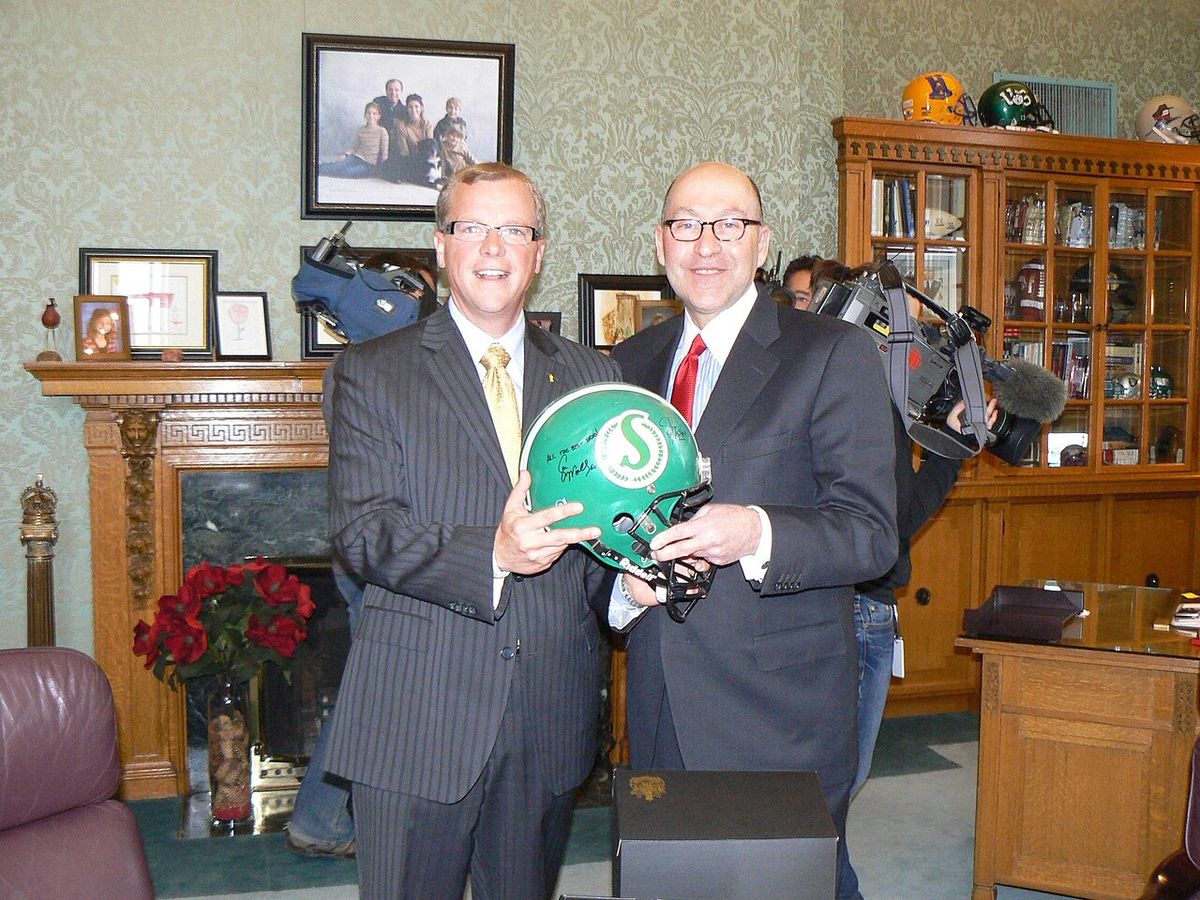
Entry into Provincial Politics and Rise to Leadership
Wall's first direct attempt at provincial office was an unsuccessful bid for the Progressive Conservative nomination in Swift Current ahead of the 1991 election. He is credited with playing a backroom role in the creation of the Saskatchewan Party in 1997, a coalition of PC and Liberal members formed to unite opposition to the governing NDP. After nearly a decade outside electoral politics, Wall won the Saskatchewan Party nomination for Swift Current and was elected as the Member of the Legislative Assembly (MLA) in the 1999 provincial election. He defeated NDP incumbent John Wall with over 50 percent of the vote as part of a rural wave that gave the Saskatchewan Party 25 seats. As an opposition MLA, Wall served as the party's critic for Justice and later for Crown Corporations. Following the NDP's narrow majority victory in the 2003 election, inaugural Saskatchewan Party leader Elwin Hermanson resigned. Wall announced his candidacy and was acclaimed as the new party leader on March 15, 2004.
Upon becoming leader, Wall initiated a comprehensive policy review to moderate the party's platform and expand its appeal beyond its rural base. This process involved jettisoning several socially conservative policies, such as work-for-welfare proposals, boot camps for young offenders, and a referendum on publicly funded abortions. The new policy direction focused on economic growth, health care reform, and justice system reviews. Wall released key policy papers including "The Promise of Saskatchewan: A New Vision for Saskatchewan's Economy" in 2004 and "Getting Saskatchewan Back on Track: Addressing Saskatchewan's Labour Shortage" in 2006. He also introduced a Code of Ethics for party members and publicly committed not to privatize the province's crown corporations.
Premiership and Electoral Dominance
Brad Wall led the Saskatchewan Party to a majority government victory in the 2007 provincial election, winning 38 seats including eight in the urban centres of Regina and Saskatoon. He was sworn in as premier on November 21, 2007, becoming Saskatchewan's 14th premier and its first conservative premier since Grant Devine. This victory began a period of prolonged electoral success. The 2011 election delivered a historic landslide, with the party capturing 64 percent of the popular vote, the highest share in provincial history, and 49 of 58 seats. The 2016 election secured a third consecutive majority with 51 seats in an expanded legislature, marking the first time since 1925 that a non-CCF/NDP government had achieved such a feat. For much of his tenure, Wall polled as the most popular premier in Canada, credited with raising Saskatchewan's national profile through his oratory skills and relatable persona.
Wall's time in office coincided with a global commodity boom that saw high prices for Saskatchewan's oil, potash, uranium, and agricultural products. This fueled significant economic and population growth, with the province adding an average of 6,500 jobs per year and welcoming over 150,000 new residents during his premiership. His government implemented widespread income and business tax cuts, made record investments in infrastructure, and paid down operating debt, earning the province its first ever AAA credit rating in 2014. Key initiatives included signing Saskatchewan onto the New West Trade Partnership Agreement with Alberta and British Columbia in 2010. However, the crash in commodity prices beginning in 2014 reversed fiscal fortunes, leading to rising debt and a credit rating downgrade to AA by 2017. His government's final budget in 2017, an austerity plan that raised the provincial sales tax and cut social services, proved deeply unpopular and contributed to a decline in his personal popularity.
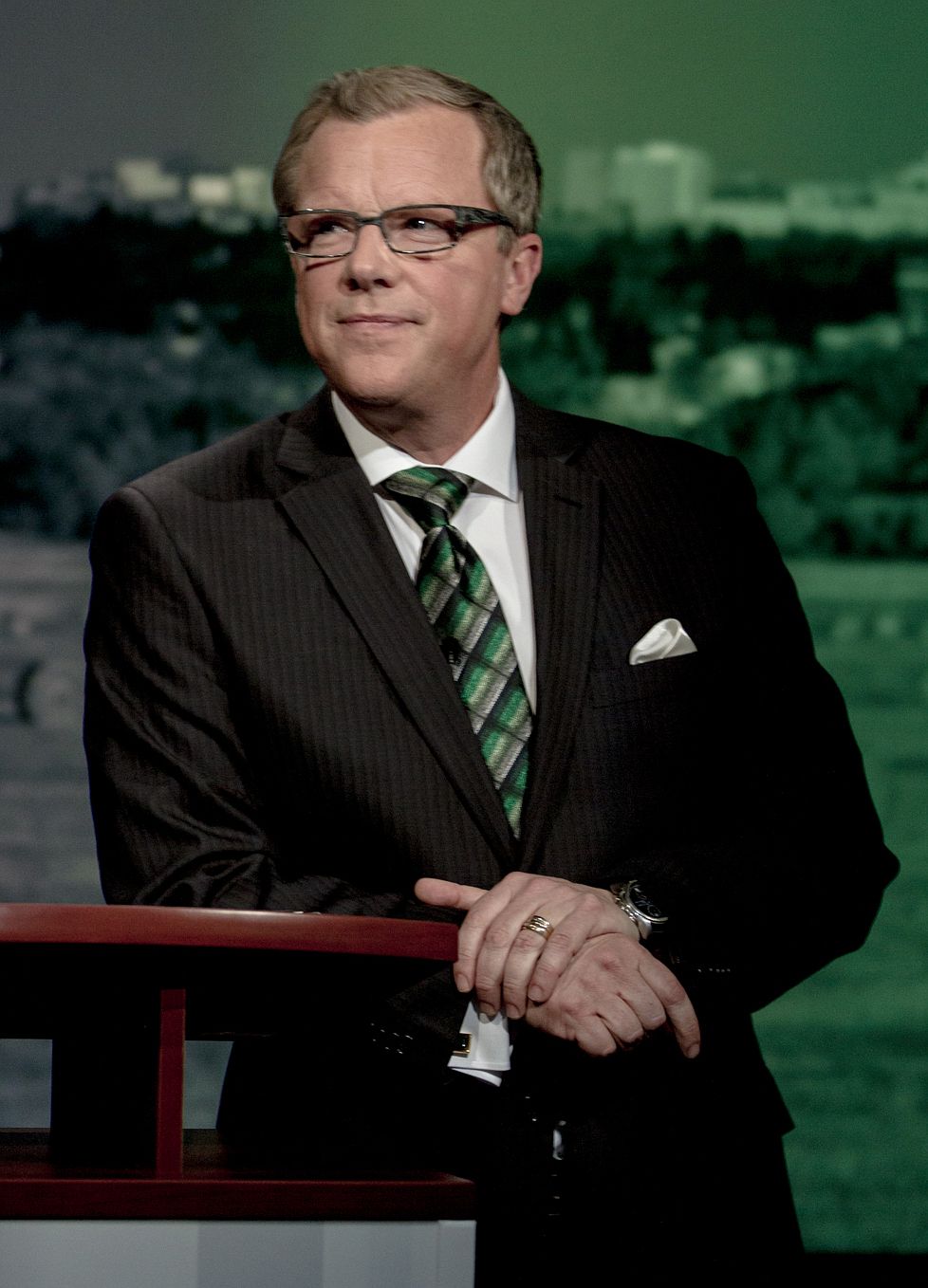
Policy Stances and Major Initiatives
As premier, Brad Wall was a staunch defender of Saskatchewan's resource-based economy. In 2010, he rose to national prominence by fiercely opposing the attempted $38.6 billion hostile takeover of PotashCorp by Australian mining giant BHP. Arguing the deal would cost Saskatchewan billions in revenue and harm national strategic interests, Wall successfully lobbied the federal government to block what would have been the largest takeover in Canadian history. His government also championed the fossil fuel industry, investing $1.2 billion in 2011 to build the world's first industrial-scale carbon capture and storage unit at the Boundary Dam power station. Wall was a vocal critic of federal climate policies, including the Pan-Canadian Framework and the carbon tax, which he framed as threats to the provincial economy. He helped make opposition to a carbon tax a central issue for conservative movements across Canada.
Wall's tenure was also marked by significant disputes with organized labour and a push for privatization. Early in his first term, the government introduced labour legislation that removed the right to strike for over 65,000 workers and made unionization more difficult. One of these bills was later struck down as unconstitutional by the Supreme Court of Canada in 2015. The government's privatization agenda included the sale of an estimated $1.1 billion in public assets, resulting in the loss of more than 1,200 public sector jobs. One of the most controversial decisions was the 2017 shutdown of the publicly owned Saskatchewan Transportation Company, which provided bus service across the province. The government also faced criticism for its application of the Lean management system to healthcare and for a costly and controversial land deal related to the Global Transportation Hub development near Regina.
- Economic and Fiscal Policy: Implemented tax cuts, oversaw population growth of over 150,000, and achieved a AAA credit rating in 2014. Provincial debt fell to $7.9 billion in 2009 but rose to $14.8 billion by 2017.
- Resource Defence: Led successful opposition to the BHP takeover of PotashCorp and was a national advocate for the oil and gas sector.
- Climate and Energy: Pioneered the Boundary Dam carbon capture project while vehemently opposing federal carbon pricing.
- Labour Relations: Introduced contentious labour law reforms that were later partially invalidated by the Supreme Court.
- Privatization: Oversaw the sale of public assets and the closure of the Saskatchewan Transportation Company.
- Trade: Signed the New West Trade Partnership Agreement and advocated for export market diversification.
National Profile and Post-Retirement Activities
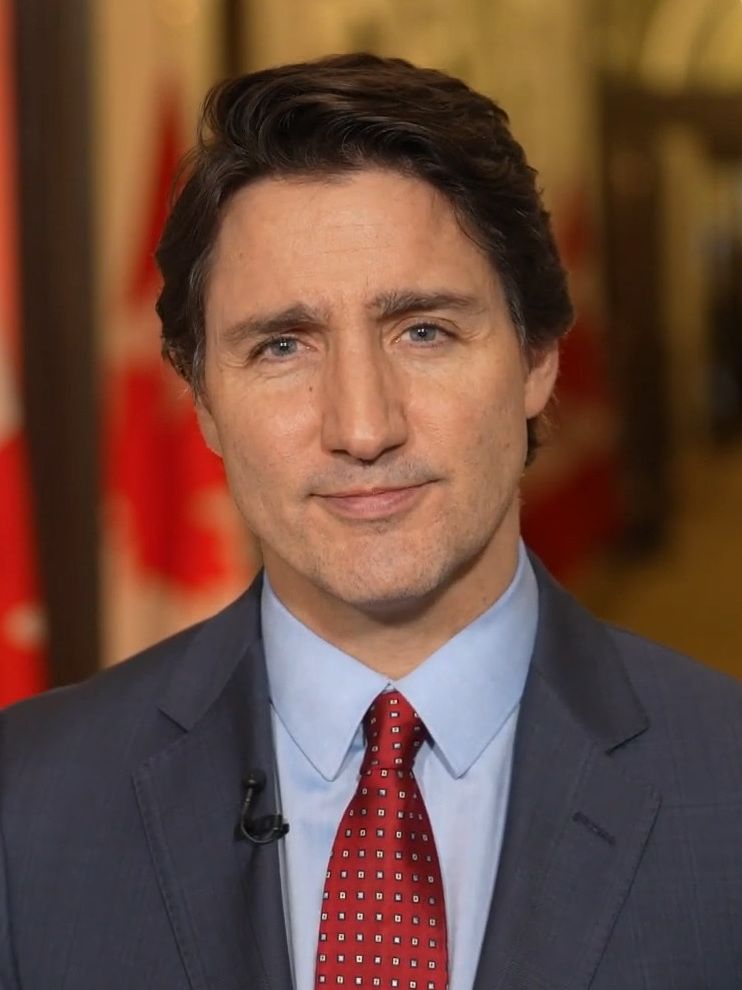
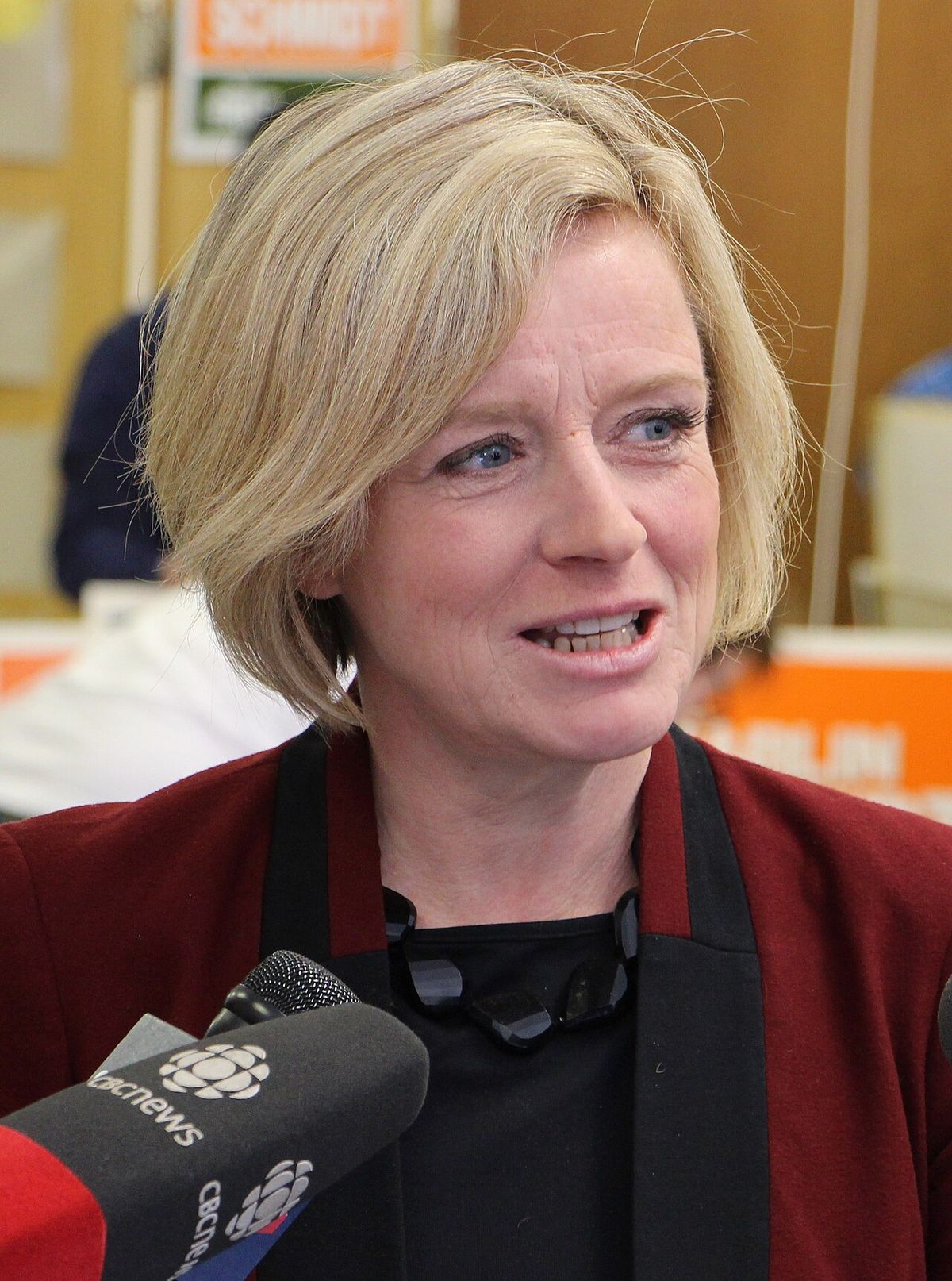
Throughout his premiership and after, Brad Wall maintained a high profile on the national stage as a leading conservative voice. He was a frequent critic of Liberal Prime Minister Justin Trudeau, particularly on the carbon tax and refugee policy, and of Alberta NDP Premier Rachel Notley. In 2015, he publicly urged Trudeau to suspend plans to resettle 25,000 Syrian refugees by year's end. Wall's advocacy laid the groundwork for Saskatchewan's constitutional challenge against the federal carbon tax, launched after he left office. Following his retirement as premier and MLA on February 2, 2018, Wall announced on May 1, 2018, that he would join the Calgary law firm Osler, Hoskin and Harcourt LLP as a special advisor, offering strategic insight on energy, agri-food, and trade.
Wall remained active in political circles after leaving office. He was considered a potential candidate for the federal Conservative Party leadership in 2020 but declined to run. He played a central role in the creation of the Buffalo Project, an American-style political action committee aimed at influencing federal politics to advocate for Western Canadian, particularly energy sector, interests. Although he did not take a formal role, Wall was a key advisor and helped raise funds for the initiative. He also serves as an itinerant columnist for the BOE Report and the National Post, was named to the advisory board of the Canadian Global Affairs Institute, and is a frequent speaker on trade and economic issues. In 2024, he was appointed co-chair of the Canada-ASEAN Business Council.
Electoral Record and Popular Support
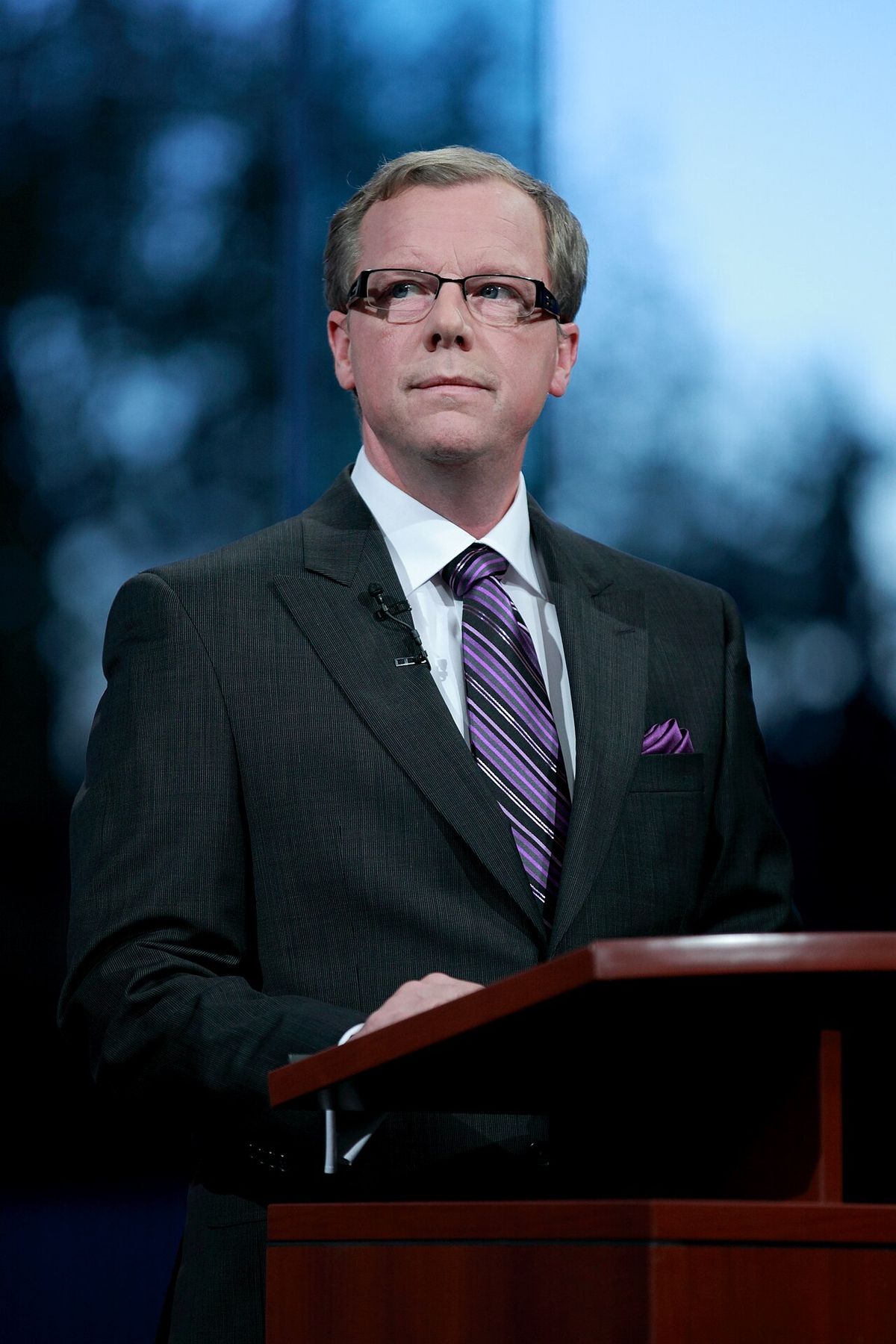
Brad Wall's electoral success fundamentally reshaped Saskatchewan's political scene, establishing the Saskatchewan Party as the dominant centre-right force. His personal popularity was a significant asset, often polling as Canada's most popular premier during his first two terms. This popularity was attributed to his communication skills, sense of humour, and perceived connection to ordinary citizens. The table below details the provincial election results during his tenure as party leader, illustrating the consistent growth and then consolidation of the Saskatchewan Party's support.
| Election | Date | Leader | Popular Vote % | Seats Won | Result |
|---|---|---|---|---|---|
| 2007 | November 7, 2007 | Brad Wall | Majority | 38 of 58 | Majority Government |
| 2011 | November 7, 2011 | Brad Wall | 64.0% | 49 of 58 | Majority Government |
| 2016 | April 4, 2016 | Brad Wall | Majority | 51 seats | Majority Government |
The 2011 result is the highest popular vote share in Saskatchewan's history. However, support waned during his third term following the 2017 austerity budget, which was met with widespread public and labour union protests. The party's performance in two 2017 by-elections showed declining support, contributing to Wall's decision to retire. His departure triggered a leadership contest, which was won by Rosthern-Shellbrook MLA Scott Moe, who succeeded Wall as premier on February 2, 2018.
Personal Life and Family
Brad Wall is married to Tami Wall, whom he met in 1984 while both were students at the University of Saskatchewan. They married in 1991 and have three grown children. They continue to reside in his hometown of Swift Current, Saskatchewan. One of their children is noted country music singer Colter Wall. Wall is an avid football fan, supporting the Saskatchewan Roughriders and the Las Vegas Raiders. He is a classic car enthusiast and owns a Cadillac once owned by country legend Waylon Jennings. As of 2021, he was a partner in his son Colter's Cattle Company, which operates a ranch in the Cypress Hills. Wall was made a member of the Saskatchewan Order of Merit in 2024 and was inducted into Saskatchewan's Oil & Gas Hall of Fame in June 2024.
Questions about Brad Wall
How long was Brad Wall premier of Saskatchewan?
Brad Wall served as premier of Saskatchewan from November 21, 2007, until February 2, 2018. This tenure of over ten years makes him the fourth longest-tenured premier in the province's history. He led his Saskatchewan Party to three consecutive majority government victories in the 2007, 2011, and 2016 provincial elections. His time in office ended when he was succeeded by Scott Moe on February 2, 2018.
What is Brad Wall doing now after politics?
After retiring from politics, Brad Wall began working as an advisor for the Calgary law firm Osler, Hoskin and Harcourt LLP on May 1, 2018. He remained active in political circles and played a central role in creating the Buffalo Project, a political action committee. Although considered a candidate, he declined to run in the federal Conservative Party's 2020 leadership contest. Wall also became a partner in his son Colter's Cattle Company, which operates a ranch in the Cypress Hills.
What was Brad Wall's role in the PotashCorp controversy?
In 2010, Brad Wall led a campaign to block the attempted $38.6 billion hostile takeover of PotashCorp by BHP. He argued the deal would cost Saskatchewan billions in future resource revenues. Wall sought advice from former premiers Roy Romanow and Peter Lougheed. The federal government ultimately blocked the takeover, marking a significant political victory for Wall.
Why did Brad Wall's popularity decline?
Brad Wall's popularity declined primarily during his third term as premier. This followed commodity price crashes beginning in 2014, which strained the province's finances and caused debt to rise. His government introduced a severe austerity budget in 2017 that increased the provincial sales tax and made deep cuts to social services and education. The budget's unpopularity, along with the closure of the Saskatchewan Transportation Company, led to widespread criticism and protests.
What were Brad Wall's major policy achievements?
Major policy achievements under Brad Wall include overseeing population growth of over 150,000 people during his premiership. He signed Saskatchewan onto the New West Trade Partnership Agreement in 2010 and the province achieved a AAA credit rating in 2014. Wall successfully lobbied the federal government to block the $38.6 billion BHP takeover of PotashCorp in 2010. His government also invested $1.2 billion to build a carbon capture unit at the Boundary Dam power station.
Did Brad Wall ever run for federal Conservative leadership?
Brad Wall did not run for the leadership of the federal Conservative Party. He was considered a strong candidate but declined to run in the party's 2020 leadership contest. Instead, Wall played a central role in the creation of the Buffalo Project, an American-style political action committee. He helped lay the groundwork for this group by raising funds and served as a key advisor, though he did not take a formal role.
Sources and further reading
- Brad Wall (Wikipedia)
- Brad Wall (osler.com)
- Brad Wall | ACG Edmonton (acg.org)
- Brad Wall (thecanadianencyclopedia.ca)
- 'Let's get a deal': Former Sask. premier Brad Wall weighs in ... (cjme.com)
Checked by the Nosy Mag desk. Last updated 2026-10-31.