Wendat Nation
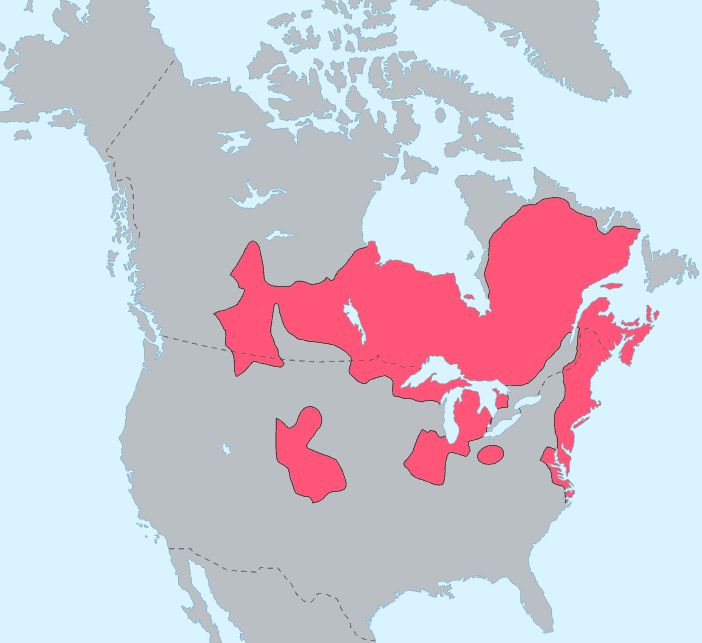
The Wendat Nation, also historically known as the Huron-Wendat First Nation, is an Indigenous First Nation whose members primarily reside in the urban reserves of Wendake 7 and Wendake 7A within Quebec City. The nation traces its origins to the Wendat Confederacy, a powerful alliance of nations in the region known as Wendake or Huronia between Lake Simcoe and Georgian Bay. Driven east by the Beaver Wars of the mid-17th century, the ancestors of the modern nation settled under French protection, establishing a community that persists as a centre of Wendat culture and governance today. With a registered population of 4,578 members as of April 2022, the Wendat Nation is a significant Indigenous community in Quebec, known for its matrilineal clan system, historical treaty claims, and cultural tourism economy. The nation's ongoing efforts to revive its language and reaffirm its historic confederacy ties demonstrate its resilience and active role in contemporary Indigenous affairs.
Historical Origins and Dispersal
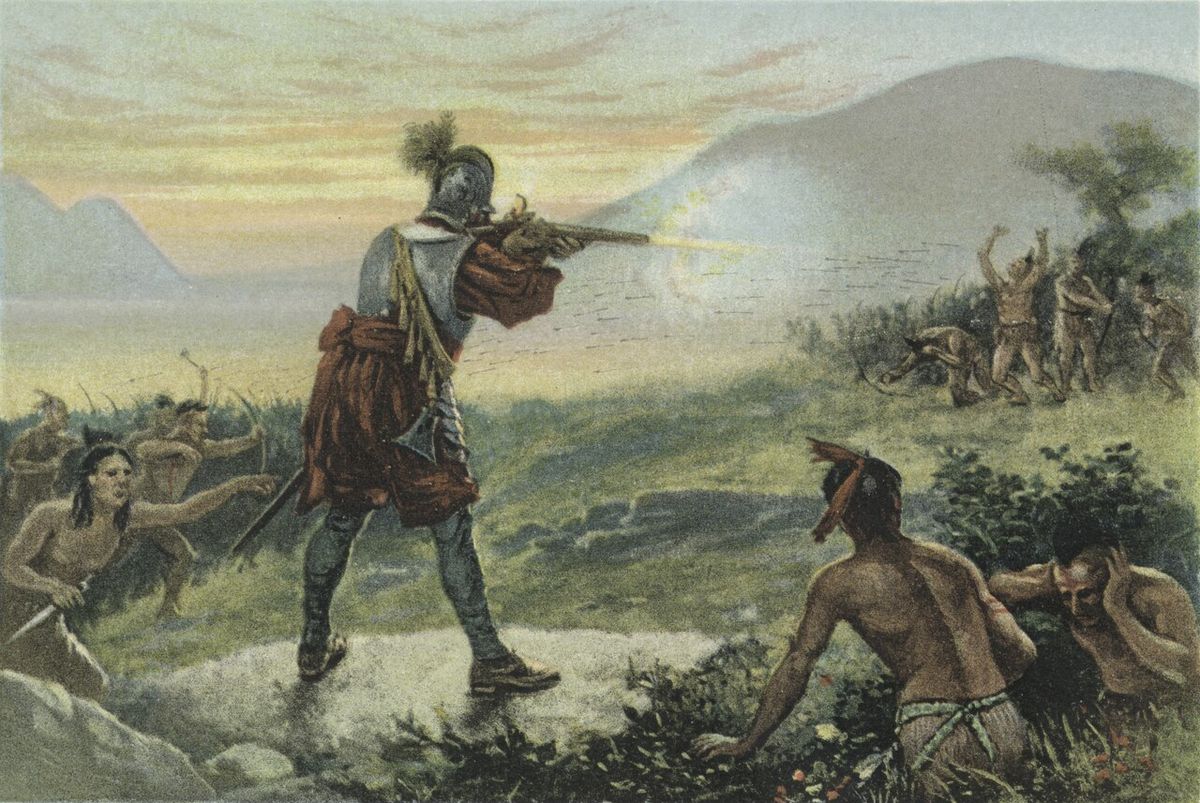
The Wendat Nation's history is rooted in the Wendat Confederacy, a powerful alliance formed in the late 16th century among four allied nations to defend against the Haudenosaunee Confederacy. These nations were the Attinniaoenten (Bear), Atingeennonniahak (Cords), Arendaenronnon (Rock), and Atahontaenrat (Deer). The Ataronchronon (Bog) may have been a division of the Bear nation and not a full member. The confederacy's territory, known as Wendake or Huronia, was located between Lake Simcoe and Georgian Bay in present-day Ontario. This period of strength was shattered between 1648 and 1650 when the Wendat Confederacy was decisively defeated by the Haudenosaunee. This defeat was exacerbated by epidemics of European-introduced diseases like smallpox, measles, and influenza, which had reduced the Wendat population from an estimated 20,000-25,000 to about 9,000 people from 1634 to 1642. In the aftermath, the Wendat people were dispersed. Many refugees were adopted by the neighbouring Tionontati people, eventually forming the Wyandot people, while others fled eastward to the Quebec region under the protection of French colonists. This eastern group became the nucleus of the modern Wendat Nation based in Wendake, Quebec.
The nation's historical journey was marked by a significant legal discovery in the 1990s. A treaty document from 1760, known as the Huron-British North American Peace Treaty, was rediscovered after being lost since 1824. This treaty indicated that a large tract of land called the Seigneurie de Sillery, now part of Quebec City, had been sold to the Wendat by Jesuit missionaries. This rediscovery forms the basis of a contemporary land claim by the Wendat Nation to this valuable urban territory. The enduring connections between the dispersed Wendat descendants were formally reaffirmed on August 27, 1999, when the Wendat Nation of Quebec signed a document alongside the Wyandotte Nation of Oklahoma, the Wyandot Nation of Kansas, and the Wyandot of Anderdon Nation to reconfirm their historic confederacy bonds.
Social and Political Organization
Traditional Wendat society was organized around a matrilineal clan system, where clan membership, social status, and property were inherited through the mother's line. This system created strong kinship networks that extended across village and national boundaries within the confederacy. The Wendat recognized eight matrilineal clans: Turtle, Wolf, Bear, Beaver, Deer, Hawk, Porcupine, and Snake. A fundamental rule of this system was exogamy, requiring individuals to marry someone from a different clan, which helped to strengthen alliances and unify the broader community. Governance operated at multiple levels, from the village to the tribal nation and finally the confederacy. Each village had several chiefs representing different clans, with distinctions between civil and war chiefs. While many leadership positions were inherited, they could also be contested or appointed by the older women of the lineage, reflecting the influential role of women in this matrilineal society.
Village councils, where both men and women were welcome to voice opinions, were convened by chiefs to discuss local issues. The broader Wendat Confederacy council met annually to address matters of common concern. This decentralized and consensual style of governance impressed early European observers. Jesuit Father Lallemant noted in 1644 the remarkable personal freedom within Wendat society, observing that neither fathers, captains, nor laws could compel obedience, and that there was no system of punishment for crimes, with individuals assured of their life and property. The Wendat Nation today continues to blend elements of this traditional governance with contemporary band council structures as a recognized First Nation under Canadian law.
Traditional Economy and Subsistence
The historical Wendat economy was primarily agricultural, a remarkable feat given their location near the northern limit of feasible farming in Ontario. An estimated 70 percent of their territory around Lake Simcoe and Georgian Bay was agricultural land. They practiced sophisticated horticulture centred on the polyculture of the Three Sisters: maize, beans, and squash grown together. This method, which did not involve plowing, allowed their soils to retain high levels of organic matter. Scholarly research has concluded that these practices resulted in maize yields that were higher than those of early Euro-American farms in North America. The agricultural surpluses they generated formed the basis of a trade network with neighbouring non-agricultural Algonquian peoples, exchanging corn, tobacco, and sunflower oil for items like furs, fish, and meat.
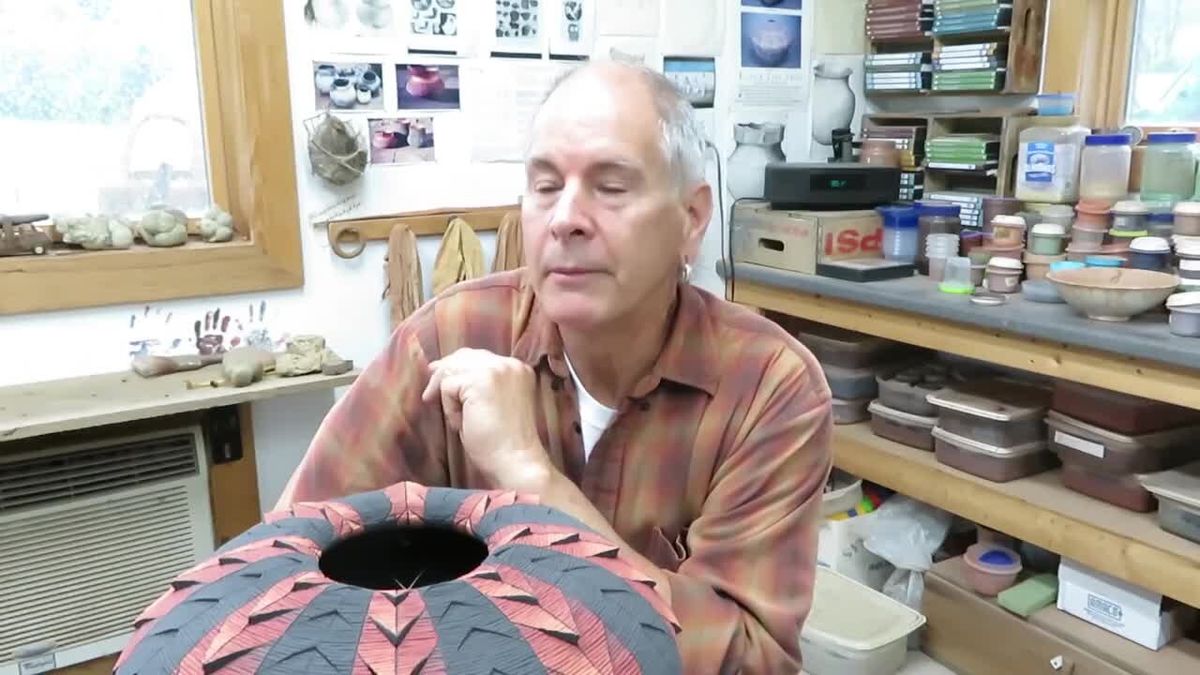
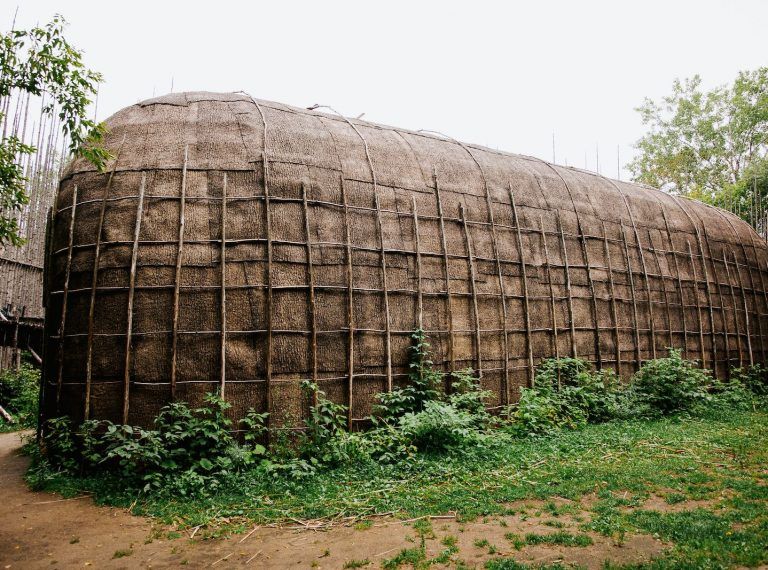
Beyond farming, the Wendat were skilled hunters, fishermen, and artisans. They lived in villages comprised of large, bark-covered longhouses that served as homes for extended matrilineal families. Their material culture included the production of utilitarian ceramics for daily use, which also featured aesthetic designs. Traditional crafts such as canoe building, embroidery with porcupine quills, basketry, and snowshoe making persisted well into the 19th century and continue as cultural practices today. In the contemporary era, the economic focus for the community in Wendake has shifted significantly toward cultural tourism, which now serves as the main economic driver. The community has developed a historic sector, a residential district, and an industrial zone to support its economy and members.
Language and Cultural Revitalization
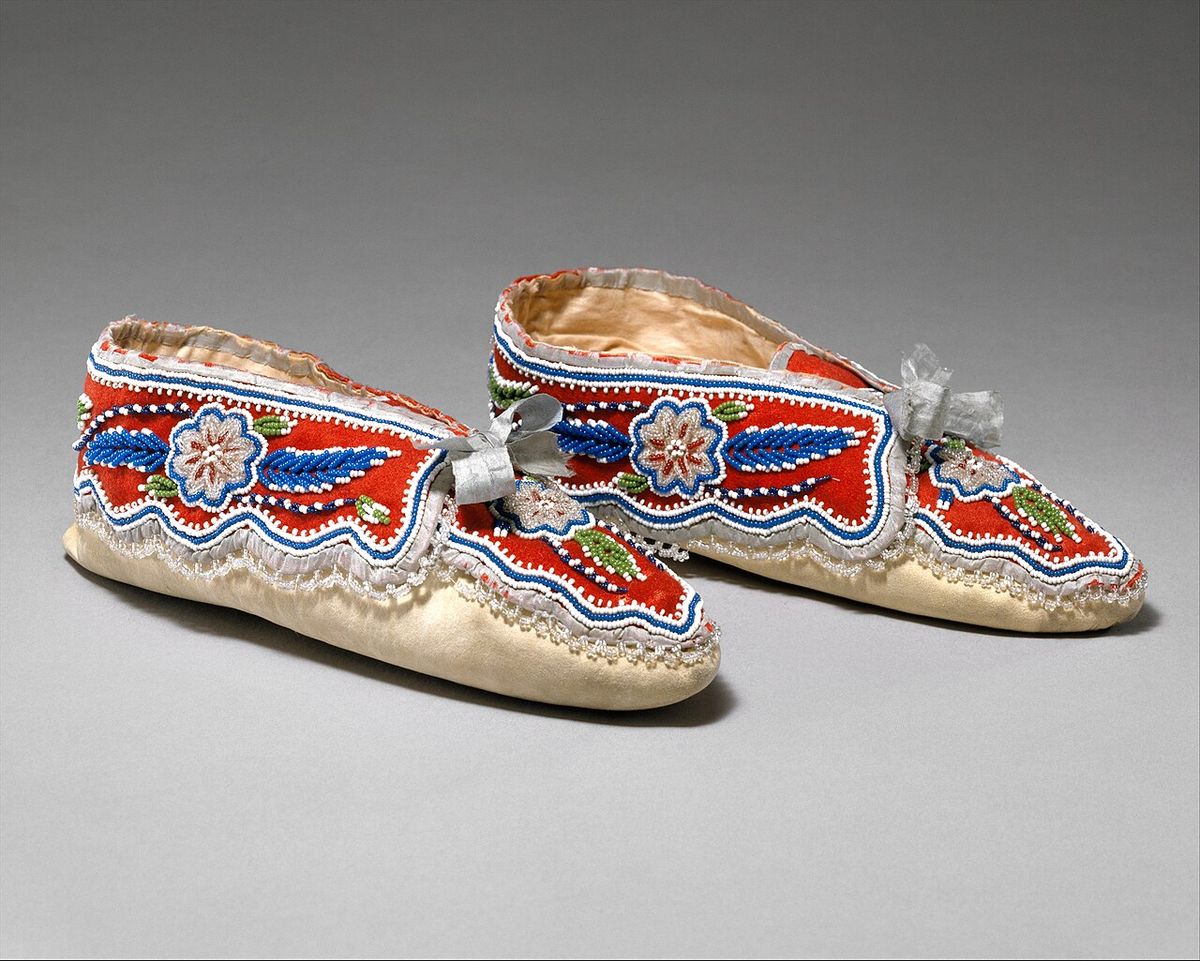
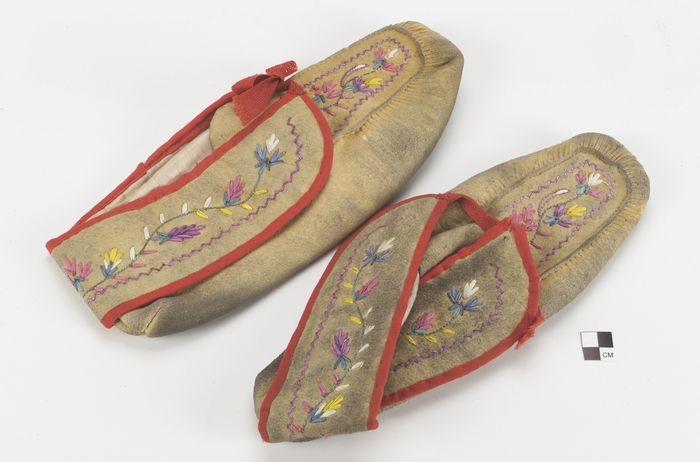
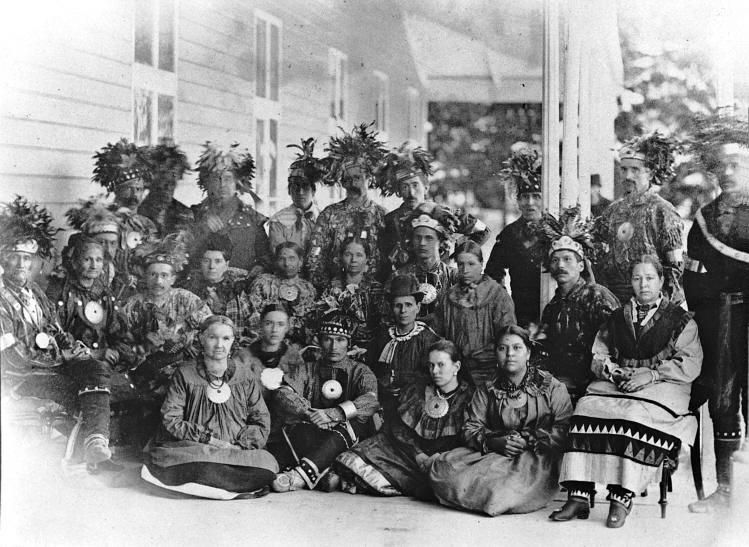
The Wendat language is a Northern Iroquoian language closely related to those spoken by the Haudenosaunee Confederacy. It is considered extinct, having lost its last living speakers around the second half of the 19th century. The language survived in extensive historical records, including dictionaries and manuscripts created by Recollet and Jesuit missionaries in the 17th and 18th centuries. Beginning in the 1970s and 1980s, community scholars and linguists initiated efforts to revive this dormant language using these archival resources. These revitalization projects gained formal momentum in 2010, when both the Wendat Community of Quebec and the Wyandot Nation of Oklahoma began separate initiatives to teach Wendat and its related Wyandot dialect to their community members. Traditional Wendat material culture was rich and functional, with clothing made from deer and beaver hides and decorated with porcupine quills, feathers, and wampum beads.
Red was a favoured colour in their traditional dress. Men typically wore loincloths and moccasins, adding fur sleeves and cloaks in winter, and carried bandolier bags for personal items like tobacco pipes. Women wore skirts and similar upper-body garments. The community's artistic heritage is maintained through ongoing craft practices, and its history is interpreted for the public at living history sites like the Huron-Wendat village in Wendake. This site educates visitors about traditional longhouse living, crafts, and ways of life, supporting the cultural tourism that is central to the modern community's economy.
Contemporary Community and Demographics
The Wendat Nation today is an urban Indigenous community located within the Quebec City metropolitan area. Its citizens reside primarily on two adjacent Indian reserves: Wendake 7 and Wendake 7A. As of April 2022, the nation has a registered membership of 4,578 people. This represents a recovery from the population collapse of the 17th century, when disease reduced their numbers from tens of thousands to a few thousand refugees. The community is officially known as the Nation Wendat in French, the primary language of its members. The historical nickname Huron, given by French explorers due to the hairstyle of Wendat men that resembled a boar's head (hure), is still used in the compound name Huron-Wendat. The nation actively participates in modern Indigenous governance and climate adaptation initiatives, such as the First Nation Adapt program for climate resilience projects.
The Wendat Nation's leadership manages the community's affairs and promotes economic development through cultural tourism. This economic driver includes a developed historic sector, a residential district, and an industrial zone. Their work also involves stewarding ongoing cultural revitalization efforts, such as language revival programs. A key part of their engagement is maintaining the historic and legal claim to the Seigneurie de Sillery lands based on the rediscovered 1760 Huron-British North American Peace Treaty.
Significant Historical Clans and Nations
The original Wendat Confederacy was a union of distinct nations, each with its own identity and role within the alliance, formed in the late 16th century to defend against the Haudenosaunee Confederacy. The confederacy consisted of four allied nations: the Attinniaoenten (Bear), Atingeennonniahak (Cords), Arendaenronnon (Rock), and Atahontaenrat (Deer). A fifth group, the Ataronchronon (Bog), may have been a division of the Bear nation and not a full member. These nations were further organized into the matrilineal clan system that governed social structure, with eight clans including Turtle, Wolf, and Bear.
- Attinniaoenten (Bear): One of the principal nations within the confederacy, known as the Bear people.
- Atingeennonniahak (Cords): A member nation of the alliance, identified as the Cords people.
- Arendaenronnon (Rock): A member nation of the alliance, known as the Rock people.
- Atahontaenrat (Deer): A member nation of the alliance, identified as the Deer people.
- Ataronchronon (Bog): Considered a distinct group, possibly a division of the Attinniaoenten (Bear) nation, and may not have attained full confederacy membership.
Alongside national divisions, the eight matrilineal clans cross-cut the national groups. These clans are Turtle, Wolf, Bear, Beaver, Deer, Hawk, Porcupine, and Snake. This clan system created a complex web of kinship that strengthened the confederacy's unity. In this matrilineal society, each person in each clan was seen as related, regardless of their nation or village. This dual structure of nations and clans was a sophisticated political and social system.
Population Changes Over Centuries
| Period | Estimated Population | Context and Notes |
|---|---|---|
| Pre-16th Century | 20,000 to 25,000 | Population in the core Huronia territory before sustained European contact. |
| 1634 to 1642 | Approximately 9,000 | Severe reduction due to epidemics of smallpox, measles, and influenza. |
| Post-1650 Dispersal | Small refugee groups | Population after defeat by Haudenosaunee and migration to Quebec. |
| April 2022 | 4,578 registered members | Contemporary citizenry of the Wendat Nation in Wendake, Quebec. |
The current population figure represents the descendants of Wendat who survived the 17th-century collapse and rebuilt their community in Quebec. This growth reflects centuries of resilience and continuity. The Wendat Nation maintains its distinct identity within the urban setting of Quebec City. They actively work to reclaim and celebrate their heritage through language programs, cultural tourism, and ongoing governance. The community is also known for its traditional crafts, which include canoe building, embroidery, basketry, and snowshoe making.
Questions about Wendat Nation
What happened to the original Wendat Confederacy?
The original Wendat Confederacy was defeated by the Haudenosaunee Confederacy from 1648 to 1650, exacerbated by European diseases. Following their defeat, many Wendat refugees were adopted by the neighbouring Tionontati, forming the Wyandot people. Other Wendat fled to Quebec under French protection, becoming the modern Wendat Nation. The confederacy ties were reaffirmed on August 27, 1999, with other Wyandot descendant communities.
What was the Wendat traditional economy based on?
Traditionally, the Wendat economy was based on sophisticated agriculture, with an estimated 70 percent of their land used for farming. They grew the Three Sisters (maize, beans, and squash) using polyculture techniques that produced significant surpluses for trade with neighbouring non-agricultural peoples. They also hunted, fished, and were skilled artisans. Today, cultural tourism is a primary economic driver for the community in Wendake.
Where is the Wendat Nation located today?
The Wendat Nation is located in Quebec, Canada, with its primary community at Wendake. Today, the nation has two urban Indian reserves within Quebec City: Wendake 7 and Wendake 7A. This contemporary location follows their displacement from their historical territory between Lake Simcoe and Georgian Bay, known as Wendake or Huronia. After their defeat in the Beaver Wars from 1648 to 1650, surviving Wendat fled east to Quebec under French protection, establishing the modern community.
Is the Wendat language still spoken?
The Wendat language is considered extinct, having lost its last living native speakers around the second half of the 19th century. It is a Northern Iroquoian language closely related to the languages of the Haudenosaunee Confederacy. However, revitalization efforts began in the 1970s and 1980s using historical dictionaries and manuscripts from Recollet and Jesuit missionaries. Since 2010, the Wendat Community of Quebec and the Wyandot Nation of Oklahoma have been teaching Wendat and the related Wyandot language to their community members.
What is the significance of the 1760 treaty rediscovery?
The rediscovery of the 1760 Huron-British North American Peace Treaty in the 1990s was highly significant for land claims. This treaty, which had been lost since 1824, documented that a large tract of land named Seigneurie de Sillery was sold to the Wendat in 1760 by the Jesuits. As this land is now a valuable part of urban Quebec City, the document provides a contemporary legal basis for the Wendat Nation's claim to this territory. Therefore, the treaty supports their claim to a significant portion of what is now Quebec City.
Sources and further reading
- Wendat Nation (Wikipedia)
- First Nation Adapt Program (rcaanc-cirnac.gc.ca)
Checked by the Nosy Mag desk. Last updated 2026-10-24.