Ring of Fire
The Ring of Fire is a crescent-shaped mineral deposit spanning approximately 5,000 square kilometres in the James Bay Lowlands of Northern Ontario. Discovered in 2007, the region contains significant reserves of chromite, nickel, copper, platinum group elements, and other critical minerals vital for modern technologies like electric vehicle batteries. Its potential development represents one of the largest proposed mining projects in Canadian history, promising major economic investment while raising environmental and Indigenous rights concerns. The area, known by local First Nations as Kawana 'bi 'kag, is situated on Treaty 9 territory and is central to ongoing debates about resource extraction, climate change, and economic reconciliation.
Geography and Ecological Significance
The Ring of Fire is located within the James Bay Lowlands, a subregion of the vast Hudson Bay Lowlands that form the world's second-largest undisturbed peatland. This wetland ecosystem is estimated to store 1.6 billion tonnes of carbon within the Ring of Fire area alone, playing a role in global carbon sequestration. The region's high saturation makes it sensitive to environmental pollutants from mining, such as toxic tailings and waste rock. The area is part of Ontario's Far North, containing the world's largest expanse of boreal forest free from large-scale human disturbance, and is crossed by the Attawapiskat River, which drains into James Bay. The peatlands provide habitat for species at risk like caribou and wolverines, as well as for countless migratory birds, underpinning the ecological and cultural foundation for local Indigenous nations.
First Nations Communities and Perspectives
The Ring of Fire is situated on the traditional territories of numerous Treaty 9 First Nations, represented politically by councils including the Matawa First Nations Management, the Mushkegowuk Council, and the Nishnawbe Aski Nation (NAN). The nine communities of the Matawa Council, with a combined population over 10,000, include Ojibwe, Cree, and Oji-Cree peoples. Several of these communities, such as Neskantaga, Marten Falls, Eabametoong, and Nibinamik First Nations, have endured long-term drinking water advisories. Neskantaga First Nation's advisory, issued in 1995, is the longest in Canadian history. Perspectives on development vary significantly among the communities. In June 2025, citizens from Neskantaga and Attawapiskat First Nations established a permanent settlement on the Attawapiskat River to assert their presence and prepare to block infrastructure if necessary. Meanwhile, other nations like Webequie and Marten Falls have signed partnership agreements with Ontario to advance road construction, viewing it as a path to economic opportunity.
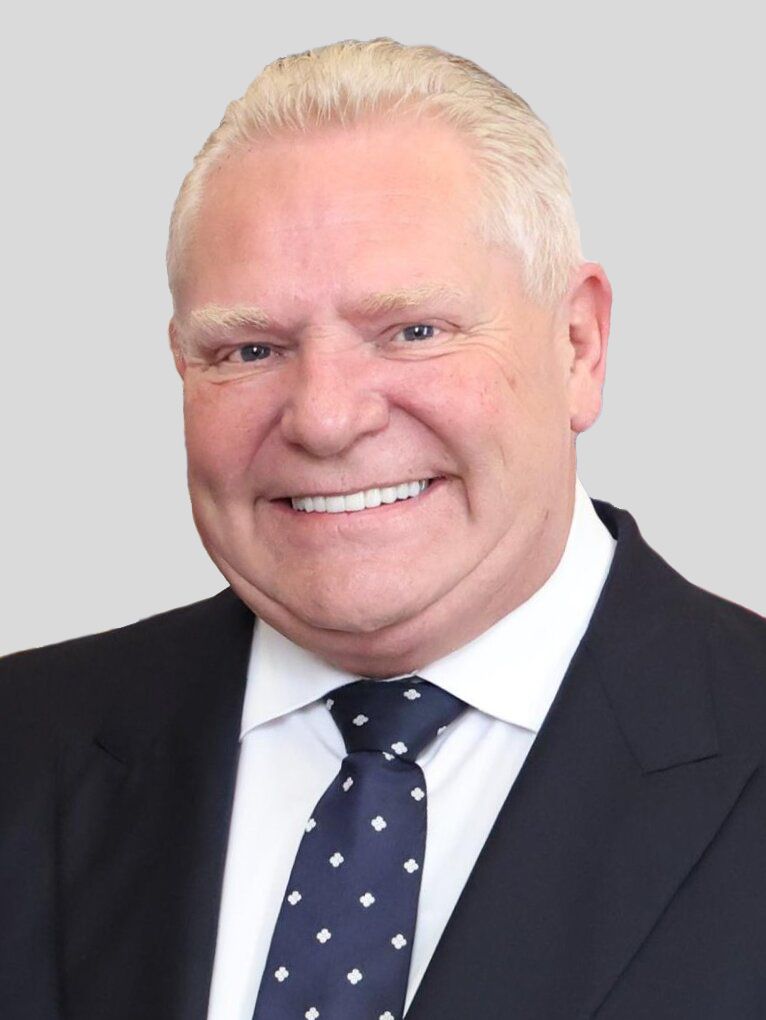
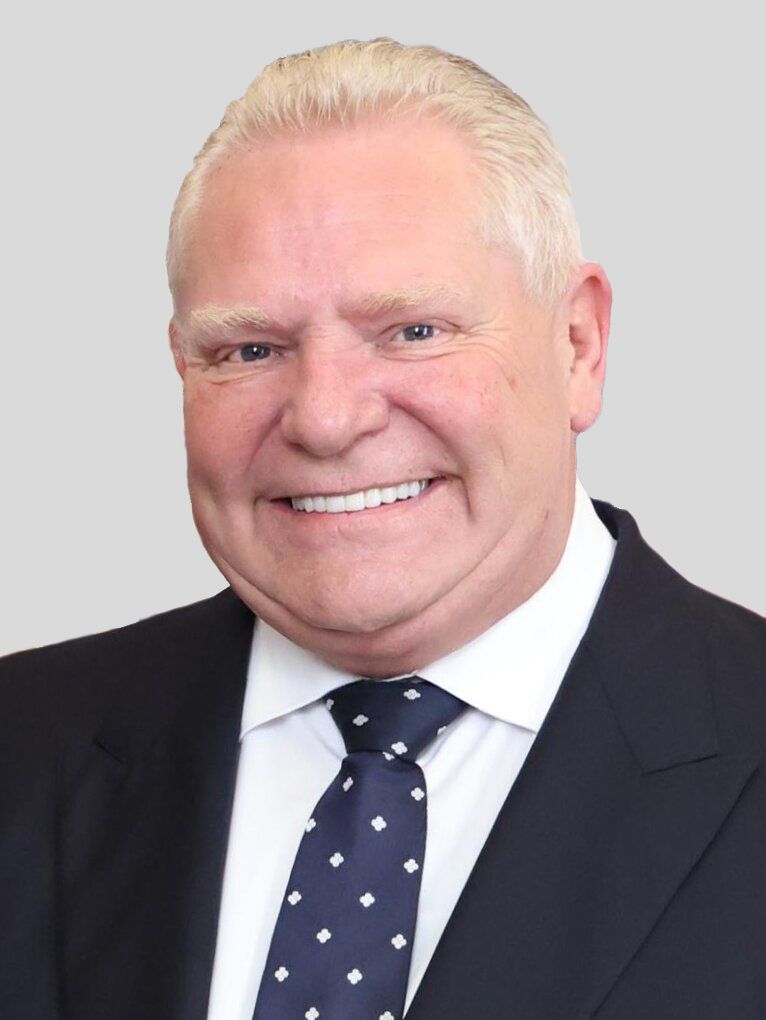
In July 2025, the Mushkegowuk Council of Chiefs passed a resolution declaring the Ring of Fire a protected homeland where development cannot proceed without free, prior, and informed consent. This stance contrasts with provincial and federal legislation passed in June 2025 that granted governments powers to override certain environmental and Indigenous rights protections to fast-track economic projects. Premier Doug Ford has stated an intent to designate the Ring of Fire as a special economic zone under Bill 5, though this had not been formally announced as of September 2025. The following First Nations have been prominently involved in agreements, moratoriums, or legal actions related to the Ring of Fire.
- Aroland First Nation: Signed a community partnership agreement with Ontario in January 2025.
- Attawapiskat First Nation: Part of a 2011 development moratorium and a plaintiff in legal actions.
- Fort Albany First Nation: Also part of the 2011 moratorium on Ring of Fire development.
- Marten Falls First Nation: Signed road agreements. Filed a statement of claim in August 2025 to block government participation in mining.
- Neskantaga First Nation: Holds the longest-running boil water advisory in Canada (since 1995). Part of the 2011 moratorium.
- Webequie First Nation: Signed a key agreement with Ontario in late 2025 for a supply road, with construction planned for June 2026.
- Constance Lake First Nation: Represented by the Nishnawbe Aski Nation and involved in regional discussions.
- Kashechewan First Nation: Located on the outer ring of the area and involved in the 2025 regional assessment.
History of Exploration and Development
The modern era of Ring of Fire exploration began in 2003 when Noront Resources started using frozen lakes Koper and McFaulds as landing strips without consulting Marten Falls and Webequie First Nations. In August 2007, Noront announced the discovery of the high-grade Eagle's Nest deposit of nickel, copper, and platinum group metals. Concurrently, exploration by Freewest Resources identified the massive Black Thor chromite deposit. In late 2009, the American steel giant Cliffs Natural Resources purchased Freewest's chromite assets for $240 million, acquiring Black Thor and Black Label and ambitiously planning a multi-billion dollar open-pit mine, smelter, and transportation corridor. By 2012, the area held over 30,000 mining claims and 35 prospecting companies, though only two major development proposals, Eagle's Nest and Black Thor, were advanced.
Early development was marked by conflict. In January 2010, Chiefs Eli Moonias of Marten Falls and Cornelius Wabasse of Webequie led a blockade on the frozen lake airstrips to protest Noront's activities and advocate for a community-controlled access road. The blockade ended in March 2010 with a warning that it would resume if concerns were unmet. In 2011, both the Cliffs and Noront projects entered environmental assessments. That same year, Ontario established the Ring of Fire Secretariat to accelerate development while addressing Indigenous and environmental concerns. However, in April 2011, Attawapiskat, Fort Albany, and Neskantaga First Nations declared a moratorium on all development, citing inadequate assessment processes. Cliffs Natural Resources suspended its $3.3 billion project in June 2013 pending negotiations, and eventually sold its Ring of Fire assets to Noront Resources in 2015 for $20 million. In 2014, a regional framework agreement was reached between the Matawa Tribal Council and the Ontario government, but it was dissolved by the province in 2019.
Current Projects and Ownership
As of 2026, the two flagship projects are the Eagle's Nest nickel-copper mine and the Black Thor chromite deposit. The Australian company Wyloo Metals is the current owner of the Eagle's Nest project and plans to begin mine construction in 2027, with production targeted for 2030. The deposit is believed to contain over 15.7 million tonnes of high-grade nickel alongside significant copper and platinum group metals. The Black Thor chromite deposit, once owned by Cliffs, is now among the assets held by various claimholders following years of corporate transactions. The largest private claimholder in the region is the Ontario-based exploration company Juno Corp., which was formed in 2019. As of January 2025, Juno Corp. holds claims to 4,600 square kilometres of land, including the Vespa Complex, and has been responsible for expanding exploration activities beyond the original mineral crescent.
The development of any mine is contingent on the construction of all-season transportation infrastructure. The provincial government, in partnership with several First Nations, is advancing plans for a network of roads. A significant agreement was signed with Webequie First Nation in late 2025, providing up to $39.5 million for community infrastructure and supporting the Webequie Supply Road. The nation planned to submit its final Environmental Assessment for the road in early January 2026, with construction potentially beginning in June 2026, pending federal approvals. Ontario also signed an agreement with Aroland First Nation in January 2025 and is negotiating with other nations along the proposed road corridors. In September 2025, Ontario announced $61.8 million to begin building the first section of the Corridor of Prosperity, connecting highways through Geraldton.
Regulatory and Assessment Processes
A major ongoing process is the federal Regional Assessment (RA) for the Ring of Fire, which officially began on January 20, 2025. This assessment is a study of the cumulative environmental, social, and economic impacts of potential development across the entire region, rather than on a single-project basis. It is co-led by the federal Impact Assessment Agency of Canada and 15 First Nation partner communities. However, the process has faced criticism for not being truly Indigenous-led, as the federal government retains ultimate decision-making power and the RA's outcomes are not binding. An interim report released in January 2026 noted that some participating First Nations had been unable to fully contribute due to inequitable resourcing and dire emergency conditions in their communities.
This federal process exists alongside provincial initiatives and legislation. In June 2025, both the Ontario and federal governments passed laws allowing them to override certain environmental protections and Indigenous rights to fast-track economic development projects. Ontario's Bill 5 grants the government sweeping powers to designate special economic zones, though the Ring of Fire had not received this designation as of September 2025. The table below outlines key agreements and milestones in the regulatory scene.
| Date | Event or Agreement | Parties Involved |
|---|---|---|
| May 2011 | Matawa Chiefs call for a Joint Environmental Assessment Review Panel | Matawa First Nations |
| June 2012 | Webequie First Nation signs agreement with Ontario for community supports | Webequie First Nation, Ontario MNDM |
| January 2025 | Milestone deal on assessment terms reached | 15 First Nations, Impact Assessment Agency of Canada |
| January 2025 | Ontario signs Community Partnership Agreement with Aroland First Nation | Aroland First Nation, Government of Ontario |
| June 2025 | Federal and provincial legislation passed to fast-track projects | Government of Canada, Government of Ontario |
| Late 2025 | Ontario signs agreement with Webequie First Nation for supply road | Webequie First Nation, Government of Ontario |
| January 2026 | Interim Report for the Regional Assessment released | Ring of Fire RA Working Group |
| August 2025 | Marten Falls First Nation files for injunctions to block government mining participation | Marten Falls First Nation |
Economic and Political Context
The Ring of Fire has been framed by successive Ontario governments as a major economic opportunity for the north and the entire province. Premier Doug Ford famously pledged in 2018 to develop the region, stating he would hop on a bulldozer himself. The project gained further political stature in 2025 as governments sought to strengthen Canada's economy against potential U.S. tariffs. The Ontario government purchased advertisements during the 2025 World Series to build public support for the mining development. Proponents argue that unlocking the Ring of Fire will create thousands of jobs, generate significant tax revenue, and establish a secure domestic supply chain for critical minerals essential for the clean energy transition and electric vehicle manufacturing.
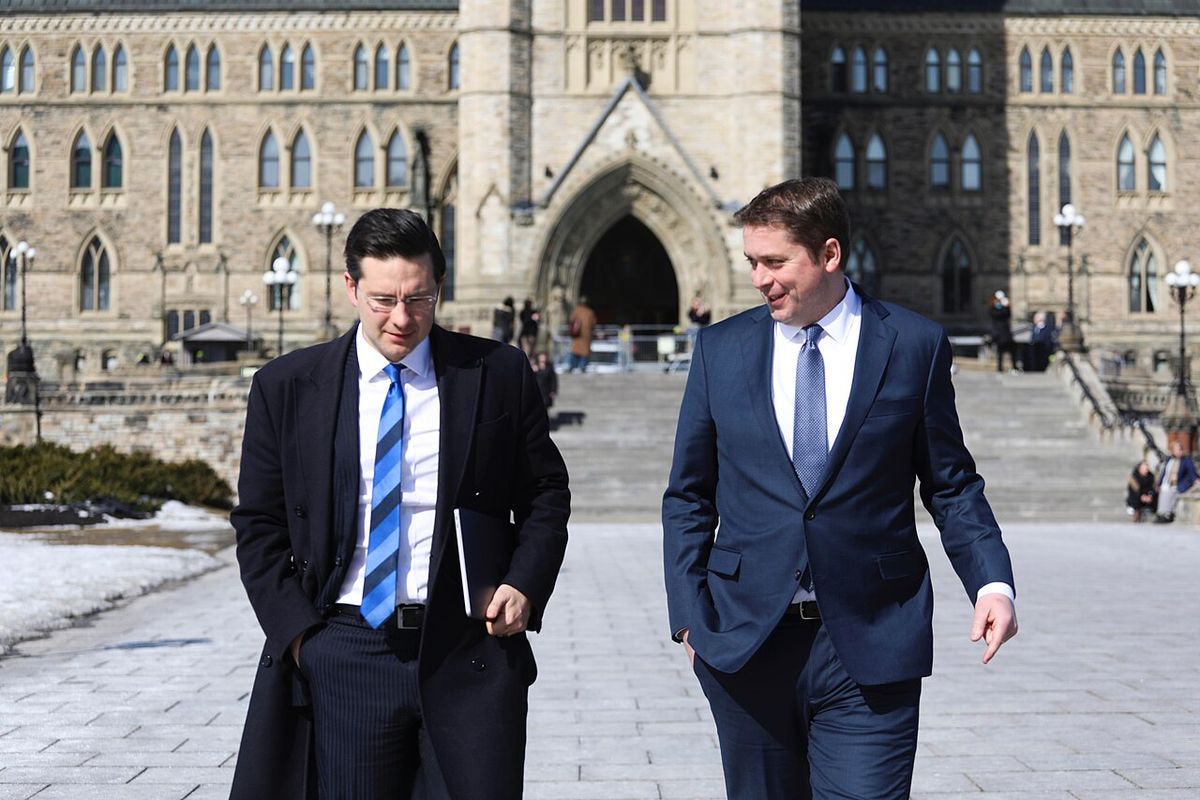
This economic push exists within a complex framework of Indigenous economic reconciliation. The partnership agreements with First Nations like Webequie and Aroland include funding for community infrastructure, such as a new indoor multipurpose facility and airport upgrades, alongside support for road construction. The province has also invested $61.8 million in the Geraldton Main Street Rehabilitation Project, positioning Greenstone as a gateway to the Ring of Fire. However, these economic promises are balanced against the potential for severe environmental degradation, the undermining of Indigenous rights and title, and the disruption of traditional ways of life, ensuring the Ring of Fire remains one of Canada's most contentious resource issues. In March 2025, federal Conservative leader Pierre Poilievre promised to spend $1 billion on a road to the Ring of Fire if elected.
Questions about Ring of Fire
What minerals are found in the Ring of Fire?
The Ring of Fire is rich in a variety of minerals, most notably chromite, which is used to make stainless steel. It also contains significant deposits of nickel, copper, and platinum group elements like platinum and palladium. Other valuable minerals present include gold, zinc, and vanadium. Recent focus has shifted towards the critical minerals essential for clean energy technologies, such as those used in electric vehicle batteries, making the region strategically important for the modern economy.
Which First Nations are most affected by the Ring of Fire?
Numerous Treaty 9 First Nations are directly affected, represented by councils like Matawa, Mushkegowuk, and the Nishnawbe Aski Nation. Communities with long-term drinking water advisories, such as Neskantaga, Marten Falls, Eabametoong, and Nibinamik, are deeply impacted. The three First Nations most directly involved in early project proposals were Marten Falls, Webequie, and Neskantaga. Other affected communities include Aroland, Attawapiskat, Fort Albany, Constance Lake, Kashechewan, Long Lake 58, Ginoogaming, Mishkeegogamang, and Weenusk First Nations, each with varying perspectives on development.
What is the current status of the Ring of Fire development?
As of early 2026, no mines are in production. The Eagle's Nest project, owned by Wyloo Metals, is planned for construction start in 2027 and production in 2030. Key development is contingent on building all-season roads. Webequie First Nation has an agreement with Ontario to advance the Webequie Supply Road, with construction potentially starting in June 2026. A federal Regional Assessment to study cumulative impacts began in January 2025 and is ongoing. Provincial and federal legislation passed in 2025 has granted governments new powers to fast-track such projects.
Why is the Ring of Fire environmentally sensitive?
The region lies within the James Bay Lowlands, part of the world's second-largest undisturbed peatland. These peatlands store an estimated 1.6 billion tonnes of carbon just within the Ring of Fire area, making them crucial for carbon sequestration and climate regulation. The wetlands are highly saturated and particularly vulnerable to pollution from mining waste. The area also contains vast stretches of intact boreal forest and provides critical habitat for species at risk like caribou and wolverines, as well as for migratory birds and other wildlife central to Indigenous subsistence and culture.
What is the Regional Assessment for the Ring of Fire?
The Regional Assessment (RA) is a federal process that began on January 20, 2025, to evaluate the cumulative environmental, social, and economic impacts of potential development across the entire Ring of Fire region. It is co-led by the Impact Assessment Agency of Canada and 15 First Nation partner communities. Unlike project-specific assessments, it aims to provide a broader understanding of how multiple developments might interact. However, the process is not binding, and mining exploration has not been paused during the assessment. An interim report in January 2026 noted challenges including inadequate resourcing for some participating First Nations.
How have First Nations responded to the development plans?
Responses vary significantly among First Nations. Some, like Webequie and Marten Falls, have signed partnership agreements with Ontario to advance road construction, seeing economic opportunity. Others, including Attawapiskat, Fort Albany, and Neskantaga, declared a moratorium on development in 2011, demanding proper environmental scrutiny and true partnership. In July 2025, the Mushkegowuk Council declared the Ring of Fire a protected homeland requiring free, prior, and informed consent for any development. Legal actions have also been taken, such as Marten Falls First Nation's statement of claim filed in August 2025 to block government participation in mining. In July 2025, nine First Nations applied for an injunction to prevent the declaration of special economic zones.
Sources and further reading
- Ring of Fire (Wikipedia)
- Ontario Ring of Fire: News and Updates (thenarwhal.ca)
- Ring of Fire (sierraclub.ca)
- Ontario and Webequie First Nation sign agreement to ... (renewcanada.net)
- The Regional Assessment for the proposed Ring of Fire ... (naturesdefence.ca)
Checked by the Nosy Mag desk. Last updated 2026-10-26.