Land acknowledgement
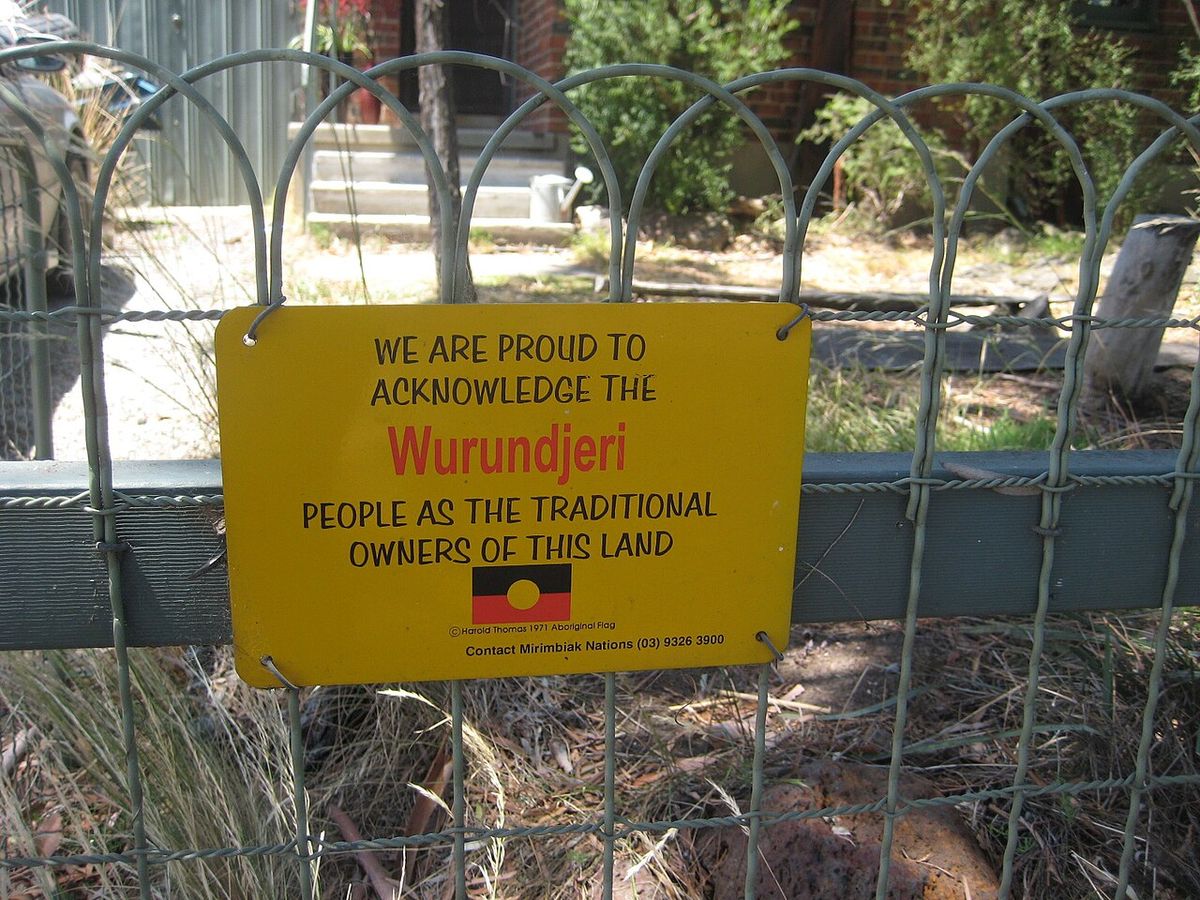
A land acknowledgement is a formal statement recognizing the Indigenous peoples as the traditional stewards of a specific territory. In Canada, the practice has become widespread in public and institutional life following the 2015 final report of the Truth and Reconciliation Commission. These acknowledgements are intended to honour enduring Indigenous connections to the land and serve as a step towards reconciliation. They are commonly delivered at the outset of events, meetings, and in written materials, naming the specific First Nations, Inuit, and Métis peoples associated with the location. While promoted as a gesture of respect, land acknowledgements have also sparked debate about their effectiveness and relationship to concrete actions supporting Indigenous rights.
Origins and global context
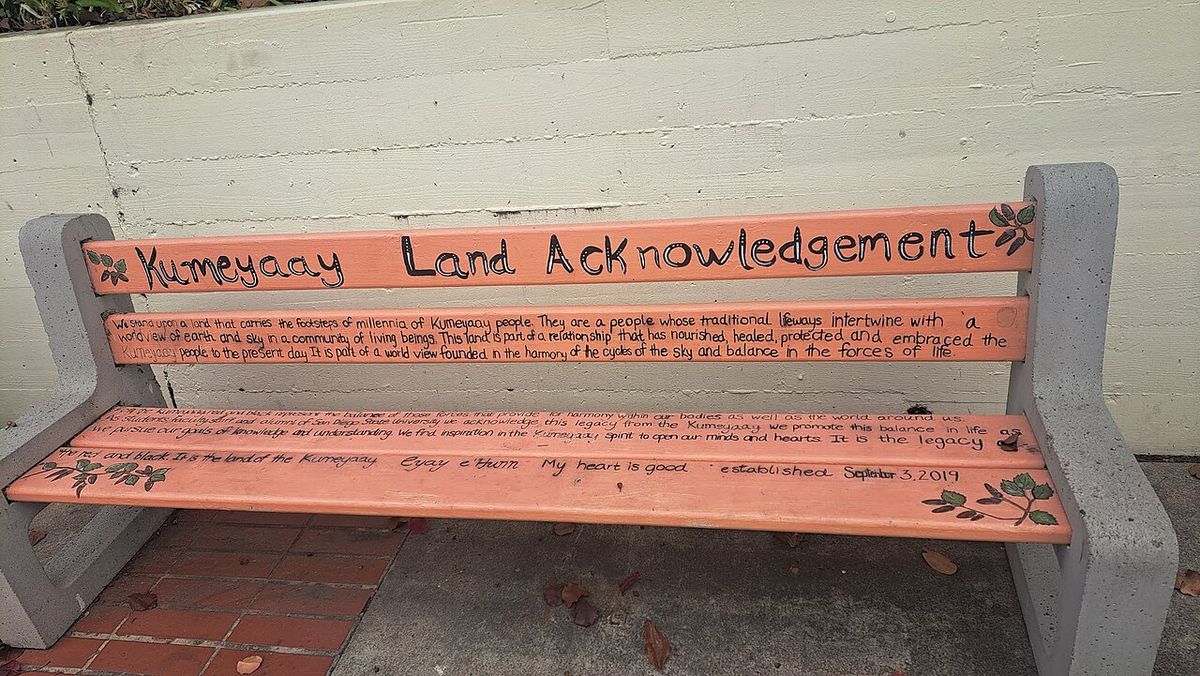
The contemporary practice of formal land acknowledgements began in Australia in the late 1970s, primarily associated with Indigenous Australian political movements and the arts. These early acknowledgements took the form of the Welcome to Country ceremony, a ritual performed by a Traditional Owner to welcome visitors to their ancestral lands. A related practice, the Acknowledgement of Country, can be delivered by anyone to recognize Traditional Owners. These customs gained broader popularity in Australia during the 1990s, promoted by bodies like the Council for Aboriginal Reconciliation and following the landmark 1992 Mabo decision which legally overturned the doctrine of terra nullius. By the early 2000s, such acknowledgements were commonplace in Australian public life. The practice spread to other settler-colonial nations including New Zealand, where acknowledgements recognize the Māori and Moriori peoples, and more recently to the United States. In the U.S., the practice gained momentum in the early 2020s, adopted by universities, museums, and local governments, sometimes expanding to 'land and labor acknowledgements' that also recognize histories of slavery.
Rise in Canadian practice
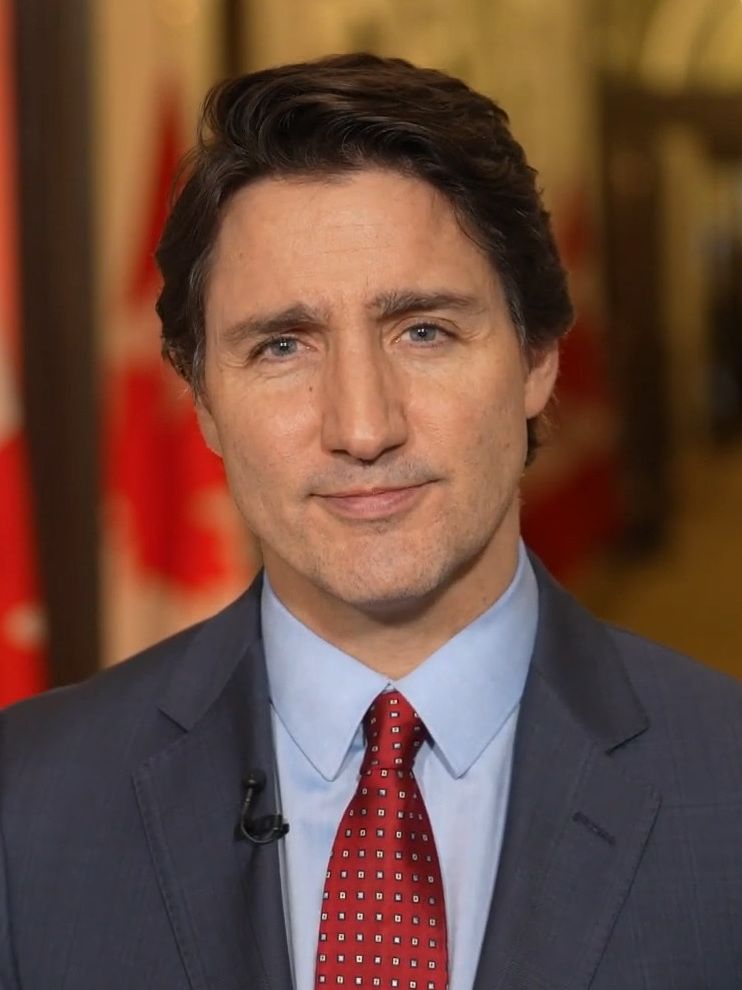
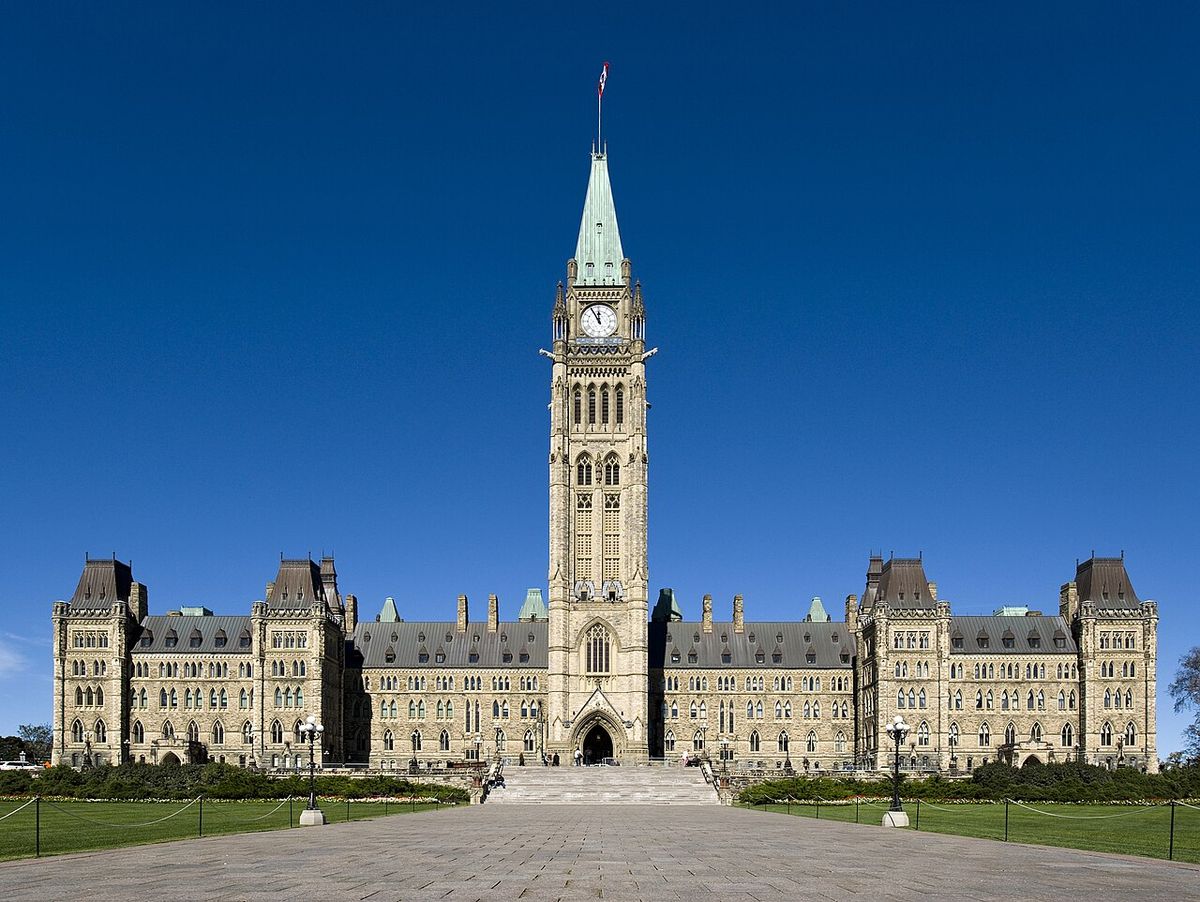
In Canada, land acknowledgments became more popular after the 2015 Truth and Reconciliation Commission report, which concluded the residential school system amounted to cultural genocide. The election of a Liberal majority government under Justin Trudeau that same year, which committed to implementing the TRC's Calls to Action, further propelled the practice into the mainstream. By 2019, land acknowledgements had become a regular feature at a diverse array of events, from National Hockey League games and ballet performances to sessions of Parliament. The practice signifies a public rejection of colonial narratives that ignored Indigenous presence and sovereignty. It is a reminder of the treaties that govern much of the country and the unceded territories where no treaty was ever signed. The custom continues to evolve, as seen at the beginning of the 2025 Speech from the Throne during the opening of the Parliament of Canada, when King Charles III acknowledged that Ottawa was unceded territory of the Algonquin and Anishinaabeg people.
Components and guidelines
A meaningful land acknowledgement is specific and informed, moving beyond a generic script. Guidelines developed by universities, municipalities, and Indigenous organizations emphasize several key components. The statement should first identify the specific Indigenous territory upon which the speaker or event is taking place. It must name the Indigenous Nations who are the traditional caretakers of that land, both historically and in the present day. For many locations in Canada, this includes reference to relevant treaties, such as Treaty 13 covering Toronto or the Williams Treaties in Ontario. Acknowledgements should also recognize that these lands are now home to many diverse First Nations, Inuit, and Métis peoples. The statement is an act of gratitude and a recognition of enduring relationships. Leading institutions encourage acknowledgements that are personally reflected upon and connected to subsequent actions, rather than recited perfunctorily. The goal is to foster mindfulness of the ongoing reality of colonialism and the listener's own place within that history. Land acknowledgements are not meant to be historical artifacts but reflections on current relationships and responsibilities.
Institutional guidelines for land acknowledgements often specify several common elements. They typically instruct the speaker to identify the specific Indigenous territory they are on. The guidelines also direct the speaker to name the Indigenous Nations who are the traditional caretakers of that land. These guidelines encourage acknowledging the enduring relationship between Indigenous Peoples and their traditional territories. They may also suggest reflecting on one's own relationship to the land and the history that brought one there. Finally, many guidelines emphasize that acknowledgements should be thoughtful and lead to concrete actions supporting reconciliation.
- Identifying the specific traditional territory (e.g., the unceded territory of the Algonquin Anishnaabeg people).
- Naming the relevant First Nations, Inuit, and Métis peoples connected to the area.
- Acknowledging historic and modern treaties applicable to the location.
- Recognizing the enduring presence and resilience of Indigenous peoples.
- Expressing gratitude for the opportunity to live, work, or gather on the land.
- Linking the acknowledgement to a commitment to reconciliation and relationship-building.
- Using the statement as a moment for personal and collective reflection on history and place.
- Ensuring the acknowledgement is accurate and informed by consultation with local Indigenous communities.
Examples from major Canadian institutions
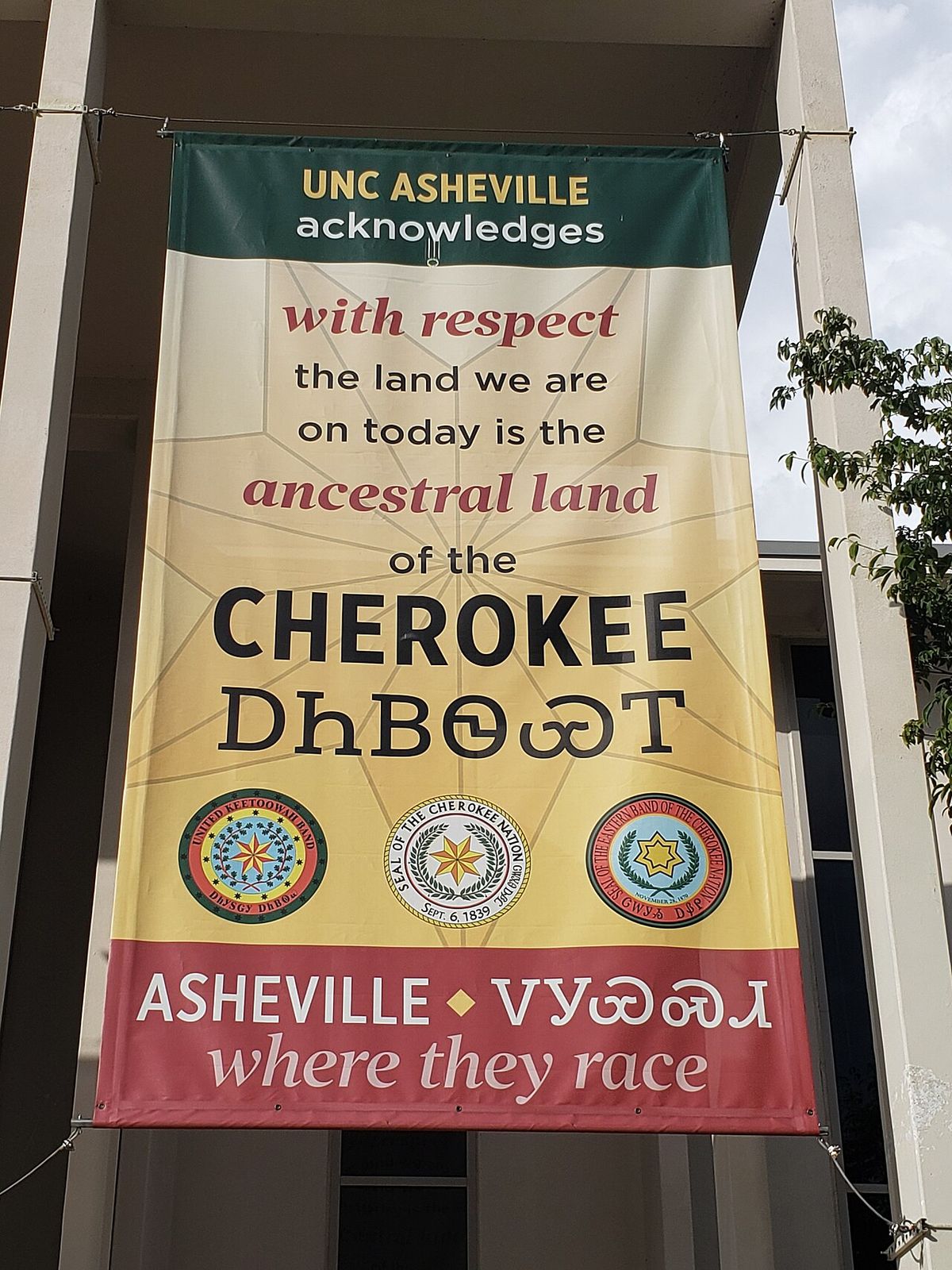
Major Canadian institutions have developed their own land acknowledgements, which often serve as models for others. The City of Toronto formally began acknowledging traditional territory in March 2014 and updated its statement in February 2019 after consultations with Indigenous leaders. Its acknowledgement names the Mississaugas of the Credit, the Anishnabeg, the Chippewa, the Haudenosaunee, and the Wendat peoples as traditional caretakers, notes that Toronto is home to many diverse Indigenous peoples, and references Treaty 13 and the Williams Treaties. The University of Toronto's common acknowledgement recognizes the land as the traditional territory of the Wendat Nation, the Seneca, and the Mississaugas of the Credit, and as a current meeting place for Indigenous people from across Turtle Island. The Federation of Law Societies of Canada, based in Ottawa, acknowledges its offices are on the historic, unceded territory of the Algonquin Anishnaabeg people. Western University's guide provides an example acknowledging the Anishinaabek, Haudenosaunee, and the Lūnaapéewak, and the Dish with One Spoon Covenant Wampum and local treaties. The London District Chiefs Council, representing eight First Nations in the region near Western University, includes Aamjiwnaang First Nation, Caldwell First Nation, Chippewas of Kettle and Stony Point, Chippewas of the Thames First Nation, Delaware Nation at Moraviantown, Munsee-Delaware Nation, Oneida Nation of the Thames, and Walpole Island First Nation.
Criticism and debate
Land acknowledgements have been criticized for being empty gestures that avoid addressing the issues of Indigenous communities in context. A common critique is that they risk becoming performative gestures that allow institutions to signal virtue without undertaking substantive action to address Indigenous rights, land restitution, or systemic inequities. Some Indigenous activists and scholars have argued that acknowledgements can inadvertently disempower by publicly highlighting the involuntary displacement of Indigenous peoples from their territories without offering redress. Academic Graeme Wood has derisively termed them a 'highwayman's receipt' and 'moral exhibitionism' when disconnected from land return. Professor Cutcha Risling Baldy has used an analogy of a thief who steals a laptop, attaches a plaque admitting the theft, but still refuses to return it, suggesting the acknowledgement offers 'cold comfort' without restitution. Ensuring the factual accuracy of acknowledgments can be difficult due to problems like conflicting land claims or unrecorded land exchanges between Indigenous nations. There is also concern that framing the relationship through concepts of 'ownership' or 'title' imposes a Western colonial framework on Indigenous understandings of stewardship and connection to land. Scholar Reid Walker notes that Indigenous relationships to land were not about possession or title, and that using colonial concepts misrepresents that fundamental stewardship relationship.
Legal and contemporary developments
The practice of land acknowledgement continues to generate legal and social discussion. In a notable 2025 case in the United States, Reges v. Cauce, the Ninth Circuit Court of Appeals ruled that the University of Washington violated a professor's First Amendment rights by investigating and reprimanding him for including a parody land acknowledgement on his course syllabus. This case highlighted tensions around compelled speech and academic freedom in the context of institutional policies on acknowledgements. Within Canada, the focus has increasingly shifted toward ensuring acknowledgements lead to tangible outcomes. Many guides now stress that acknowledgements should be a 'first step' or a 'springboard to action,' encouraging specific commitments such as supporting Indigenous-led initiatives, educating oneself on local history, and advocating for the implementation of the TRC's Calls to Action and the United Nations Declaration on the Rights of Indigenous Peoples. The evolution of statements, as seen with the City of Toronto's updates, reflects an ongoing process of learning and engagement with Indigenous communities to ensure the practice remains respectful and relevant. Resources like the Native Land Digital map and guides from the Native Governance Center and the Canadian Association of University Teachers provide tools for creating accurate and meaningful acknowledgements.
Moving beyond words toward action
In response to criticisms of performatism, a growing movement advocates for land acknowledgements that are explicitly linked to concrete actions and policy changes. Proponents argue that an acknowledgement should be a living commitment, not a static recitation. This involves institutions and individuals educating themselves on the specific history of the territory they occupy, including the treaties and the impacts of colonization. It means building genuine, accountable relationships with local Indigenous communities and supporting their sovereignty and self-determination. On a practical level, this can translate to actions like hiring Indigenous staff, procuring from Indigenous businesses, integrating Indigenous knowledge into curricula and governance, and actively supporting land back movements or treaty implementation. The Office of Indigenous Initiatives at Western University explicitly encourages acknowledgements that 'strive to rise above mere words and instead seek to inspire action and commitment towards Reconciliation.' The ultimate goal is to transform a ritual of recognition into a catalyst for material change, addressing the historical and ongoing injustices that the acknowledgements themselves name.
Comparative table of practices by country
The practice of land acknowledgement varies in form, history, and prevalence across different settler-colonial nations. While sharing a common goal of recognizing Indigenous sovereignty and presence, the specific customs and terminology differ. The following table outlines key characteristics in four countries where the practice is established. The table demonstrates how local history, legal decisions, and Indigenous political movements have shaped distinct traditions of acknowledgement in each national context.
| Country | Common Terminology | Key Historical Catalyst | Notable Features |
|---|---|---|---|
| Australia | Welcome to Country, Acknowledgement of Country | 1970s Indigenous movements. 1992 Mabo decision | Welcome to Country is a ceremony by Traditional Owners. Acknowledgement of Country can be given by anyone. |
| Canada | Land Acknowledgement, Territorial Acknowledgement | 2015 Truth and Reconciliation Commission report | Often includes specific treaty references. Common at public events and in institutional settings. |
| New Zealand | Māori greetings and place names in acknowledgements | Longstanding recognition of Te Tiriti o Waitangi / Treaty of Waitangi | Integration of Māori language (te reo) in public speech and official documents to acknowledge Māori presence. |
| United States | Land Acknowledgement, Land and Labor Acknowledgement | Gaining momentum in early 2020s. 2020 Oscars statement | Some statements include recognition of enslaved labour. Subject to legal debates on compelled speech (e.g., 2025 Reges v. Cauce). |
Questions about Land acknowledgement
What is the purpose of a land acknowledgement?
A land acknowledgement serves to formally recognize Indigenous peoples as the traditional stewards of the territory where an event is taking place or an institution is located. Its purpose is to honour the enduring relationship between Indigenous nations and their ancestral lands, express gratitude, and raise awareness about the history of colonialism. In Canada, it is widely seen as a small but important step in the process of reconciliation, following the Truth and Reconciliation Commission's calls to action. The practice is intended to foster reflection and build mindfulness of ongoing Indigenous presence and rights.
When did land acknowledgements become common in Canada?
Land acknowledgements became significantly more common in Canada after the release of the Truth and Reconciliation Commission's final report in 2015. The report's conclusion that the residential school system was a cultural genocide prompted a national conversation about reconciliation. The election of the Liberal government under Justin Trudeau that same year, which pledged to act on the TRC's recommendations, further accelerated adoption. By 2019, the practice was regular at sporting events, cultural performances, and government meetings, marking a rapid integration into Canadian public protocol over a few short years.
What should a good land acknowledgement include?
A thoughtful land acknowledgement should be specific and accurate. It must identify the traditional territory by name and list the specific First Nations, Inuit, and Métis peoples connected to that land, both historically and today. It should acknowledge relevant treaties, such as Treaty 13 in Toronto, or note if the territory is unceded. The statement should express gratitude and recognize the enduring presence and resilience of Indigenous peoples. Leading guidelines emphasize that acknowledgements should come from personal reflection and be delivered with intention, ideally serving as a starting point for concrete actions towards reconciliation rather than an empty ritual.
Why are some people critical of land acknowledgements?
Critics argue that land acknowledgements can become superficial performances that allow institutions to appear progressive without addressing substantive issues like land restitution, systemic inequities, or treaty obligations. Some Indigenous scholars and activists view them as disempowering, highlighting displacement without offering redress, or as imposing Western concepts of ownership on Indigenous relationships to land. Critics like Graeme Wood have called them 'moral exhibitionism' when disconnected from actual land return. There is also concern they can be factually inaccurate due to complex, overlapping Indigenous land claims and histories.
What is the difference between a Welcome to Country and a land acknowledgement?
A Welcome to Country is a ceremony performed by a Traditional Owner or custodian of the land to welcome visitors onto their ancestral territory, a practice originating in Australia. It is a ritual deeply rooted in the cultural protocols of the specific Indigenous group. A land acknowledgement, or Acknowledgement of Country, is a statement that can be delivered by anyone to recognize Traditional Owners and their ongoing connection to land. While a Welcome to Country is delivered by an Indigenous host, an acknowledgement is a gesture of respect offered by a guest. Both practices reject colonial doctrines like terra nullius.
Has there been any legal controversy about land acknowledgements?
Yes, legal controversies have arisen, particularly concerning freedom of speech. In a 2025 United States case, Reges v. Cauce, the Ninth Circuit Court of Appeals ruled that the University of Washington violated a professor's First Amendment rights by subjecting him to investigation and reprimand for placing a parody land acknowledgement on his course syllabus. The court found the university's actions constituted compelled speech. While this case is from the U.S., it highlights broader tensions that can exist in institutional settings between promoting inclusive practices and protecting individual rights to expression, including satire or criticism of those practices.
Sources and further reading
- Land acknowledgement (Wikipedia)
- Land Acknowledgement | Indigenous University of Toronto (indigenous.utoronto.ca)
- Land Acknowledgement, City of Toronto (toronto.ca)
- Land Acknowledgement (flsc.ca)
- Land Acknowledgement, Indigenous Initiatives (indigenous.uwo.ca)
Checked by the Nosy Mag desk. Last updated 2026-10-30.