Eagle feather law
Eagle feather law refers to the legal framework in the United States that governs the possession and use of eagle feathers and parts by Native Americans for traditional, spiritual and cultural practices. In Canada, the legal situation involves federal and provincial wildlife protection statutes, treaty rights, and specific regulatory exemptions. The issue is important to First Nations, Inuit, and Métis peoples across Canada, for whom eagle feathers are sacred objects central to ceremony, regalia, and cultural identity. Ongoing debates centre on reconciling species protection with Indigenous rights, the clarity of enforcement policies, and the inclusion of Indigenous peoples in legal and ceremonial processes.
Legal Foundations in Canada
The legal landscape for eagle feathers in Canada is defined by overlapping federal and provincial jurisdictions. Federally, the Migratory Birds Convention Act, 1994, and its associated regulations protect many bird species. The Species at Risk Act provides further protection for endangered species, with general prohibitions against possessing any part of a listed animal. Provincially, acts like British Columbia's Wildlife Act contain specific rules about possession. A critical exemption exists for treaty First Nations under regulations like British Columbia's Designation and Exemption Regulation, which provides an exemption from the general prohibition on possessing wildlife. Section 35 of the Constitution Act, 1982, recognizes and affirms existing Aboriginal and treaty rights, which courts have interpreted to include rights to use wildlife for ceremonial purposes.
For non-Indigenous individuals and for purposes outside of treaty rights, possessing most bird feathers is not an offence under provincial law unless they are from specifically protected categories. The Permit Regulation under the Wildlife Act states it is not an offence to possess bird feathers except those from migratory insectivorous birds or migratory nongame birds as defined by the Migratory Birds Convention. However, prohibitions regarding eagle parts are found specifically in Section 6 of that same regulation. General Wildlife Permits are available from provinces like British Columbia for purposes such as personal display, education, scientific research, ceremonial use, and sustenance, but these are distinct from the rights-based access afforded to Indigenous peoples. The federal government maintains a searchable list of protected birds, which includes species like woodpeckers, herons, geese, and most ducks.

The United States Regulatory Model
In the United States, the eagle feather law provides specific exceptions to federal wildlife protection statutes for enrolled members of federally recognized Native American tribes. The primary regulation is 50 CFR 22, which authorizes individuals of certifiable Native American ancestry who are enrolled in a federally recognized tribe to legally obtain eagle feathers for traditional, spiritual, and cultural practices. This system was established in response to earlier laws, such as the Bald Eagle Protection Act of 1940 and the Golden Eagle Protection Act of 1962, which prohibited the killing or taking of eagle parts. Violations of the U.S. act carry severe penalties, including a fine of up to $100,000 for individuals or $200,000 for organizations, imprisonment for up to one year, or both, for a first offence. Penalties increase substantially for additional offences, and a second violation of this Act is a felony.
The central distribution mechanism under this law is the National Eagle Repository, overseen by the United States Fish and Wildlife Service. This repository collects eagles that have died naturally or through accidental death and distributes their feathers and parts to enrolled tribal members who apply for them. The underlying policy intention is to balance the protection of eagle populations with the protection of Native American religious freedom and cultural practices. The U.S. framework differs significantly from Canada's due to Canada's constitutional recognition of Aboriginal and treaty rights and the absence of a single, nationwide permit system exclusively for First Nations people. The U.S. model is also more prescriptive in its linkage of rights to formal tribal enrollment status. The Migratory Bird Treaty Act of 1918 is another relevant U.S. federal law protecting birds.
Enforcement Policies and Protocols
Enforcement of laws related to eagle feathers has been a source of uncertainty for Indigenous communities. In the United States, a key development was the 1975 Morton policy, an enforcement directive from Department of the Interior Secretary C.B. Morton stating that laws protecting migratory birds would not be enforced against Native Americans possessing eagle parts for religious and cultural purposes. For decades, this policy was not uniformly adopted by all federal agencies. In response to ongoing confusion, the U.S. Department of Justice held nationwide listening sessions with tribal leaders in 2012. On October 12, 2012, the department formally announced a new policy reaffirming that Native Americans can obtain and possess eagle feathers for religious or cultural purposes without fear of prosecution.
This U.S. policy also clarified important practical aspects. While the sale or purchase of eagle feathers remains strictly prohibited, the policy allows craftspeople to be compensated for their labour in creating regalia or sacred objects that incorporate the feathers. The policy explicitly states an intention to prosecute anyone, Native or non-Native, for killing eagles without a permit or for commercially trading eagle parts. In Canada, enforcement issues have also been reported. A significant step toward reconciliation in Canada has been the adoption of Eagle Feather Protocols by police services.
- The RCMP first introduced the protocol in Nova Scotia, allowing victims, witnesses, suspects, and officers to swear legal oaths on an eagle feather as an alternative to a Bible or affirmation.
- By April 8, 2025, the BC RCMP adopted the protocol, joining seven other RCMP divisions across Canada.
- The protocol is used by both Indigenous and non-Indigenous individuals involved in the justice system.
- Eagle feathers used in RCMP protocols are cleansed in a smudging ceremony led by an Elder before being sent to detachments.
- This initiative is part of the RCMP's commitment to Truth and Reconciliation Commission calls to action.
- The Toronto Zoo also participates by gifting Bald Eagle feathers annually to First Nations communities and Indigenous partner organizations.
Ongoing Debates and Criticisms
The legal frameworks in both countries have given rise to sustained debates about eligibility, sovereignty, and practical access. A central controversy, particularly in the United States, revolves around the criterion of enrollment in a federally recognized tribe. Defenders of the current U.S. law argue it is a necessary legal protection of Native American spirituality and that limiting access is essential due to the limited supply of eagle feathers. Critics, including organizations like Religious Freedom with Raptors, argue that the enrollment requirement imposes a racial preference and undermines tribal sovereignty by preventing tribes from deciding who can participate in their customs. It also excludes people with Indigenous ancestry who cannot meet enrollment requirements due to historical records gaps or other barriers.
In Canada, while treaty rights provide a foundation, debates persist about the need to expand clear protections. Some advocates argue that the U.S. Congress should expand its eagle feather permit system to include state-recognized tribes. In Canada, discussions often focus on clarifying the often confusing interplay between provincial and federal regulations to prevent inadvertent violations by Indigenous people transporting or using feathers. The BC Assembly of First Nations has reported violations concerning the right to use, possess, and transport eagle feathers. Further arguments centre on the view that opening the U.S. permit system could reduce the profitability of raptor poaching and trafficking, a claim made by advocacy groups seeking broader access. The Native American Rights Fund is an organization involved in related legal advocacy.
Practical Guidance and Permits
For individuals and communities dealing with these laws, understanding the specific permits and procedures is crucial. In Canada, questions about provincial wildlife acts, such as British Columbia's Wildlife Act, can be directed to the provincial Minister of Water, Land and Resource Stewardship. Federal act inquiries should go to the federal Minister of Environment and Climate Change. If a member of the public finds feathers or deceased wildlife protected under any of these acts, they are required to turn them over to a natural resource officer to avoid potential fines or prison sentences for repeat offences. For Indigenous individuals operating under treaty rights, the Designation and Exemption Regulation provides a critical legal shelter, but awareness of its scope is necessary for proper application.
For non-Indigenous individuals or for uses not covered by treaty rights, several permit avenues exist. British Columbia's General Wildlife Permits cover a range of activities including personal display, education, and ceremonial purposes. The federal Migratory Birds Regulations outline specific permits for scientific, educational, or other purposes, with conditions for the use of feathers detailed in Section 13(3). It is important to consult the specific schedules of the Migratory Birds Convention Act and the Species at Risk Act to determine the protected status of any bird species. The following table outlines key regulatory instruments and their focus in the Canadian context.
| Regulatory Instrument | Primary Jurisdiction | Key Relevance to Eagle Feathers |
|---|---|---|
| Migratory Birds Convention Act, 1994 | Federal | Protects listed migratory birds. Permits and exemptions outlined in regulations. |
| Species at Risk Act | Federal | Prohibits possession of parts of listed endangered species, including some eagles. |
| Wildlife Act (e.g., B.C.) | Provincial | Governs general wildlife possession. Permit Regulation contains specific prohibitions. |
| Designation and Exemption Regulation (B.C.) | Provincial | Provides exemption from wildlife possession laws for treaty First Nations. |
| Constitution Act, 1982 (s.35) | Constitutional | Recognizes and affirms existing Aboriginal and treaty rights, forming the basis for exemptions. |
Cultural Significance and Reconciliation
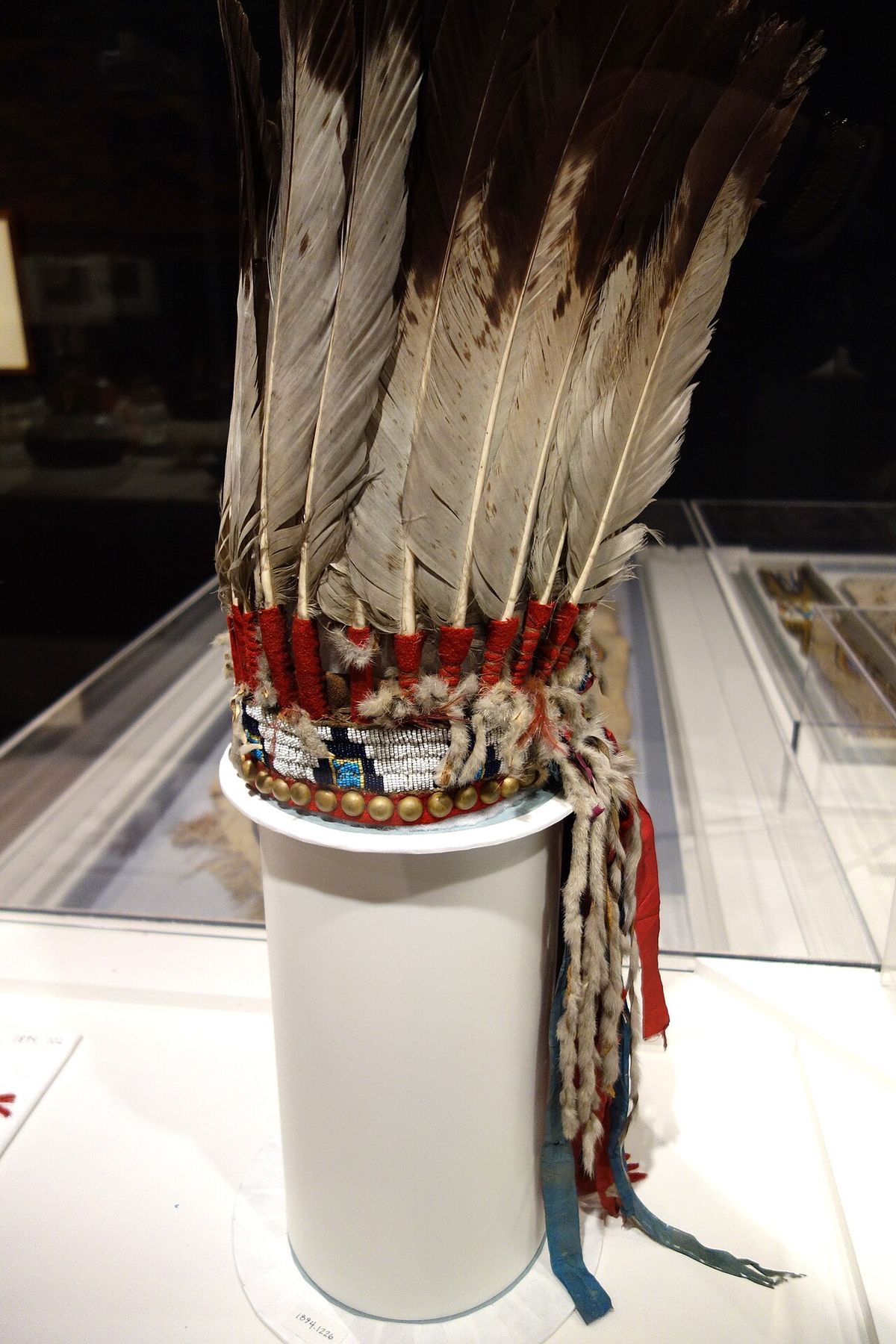
The eagle feather holds sacred meaning for many Indigenous peoples across North America. It is regarded as a symbol of strength, courage, and spiritual connection, and is integral to ceremonies, prayers, and the creation of regalia such as headdresses and fans. The spiritual importance of the feather is the foundation for the entire legal and policy discussion. The historical conflict arose when species protection laws in the mid-20th century inadvertently criminalized these core cultural practices, creating a tension between conservation and Indigenous rights.
Contemporary initiatives like the RCMP's Eagle Feather Protocol are expressions of reconciliation, directly responding to calls to action from the Truth and Reconciliation Commission. By incorporating the feather into the justice system, these protocols validate Indigenous spiritual practices within public institutions. Similarly, programs like the Toronto Zoo's annual gifting of Bald Eagle feathers to First Nations communities represent partnerships that honour cultural needs while supporting conservation. These efforts acknowledge that protecting eagle populations and honouring Indigenous cultural rights are not mutually exclusive goals. The ongoing dialogue between federal departments and tribal leaders, as seen in the U.S. Department of Justice listening sessions, continues to be essential for improving policies and ensuring that the laws intended to protect both eagles and culture are applied with clarity and respect. The eagle-bone whistle is another sacred object made from eagle parts.
Questions about Eagle feather law
Can anyone pick up an eagle feather they find in Canada?
No, it is generally illegal for a member of the public to pick up and keep an eagle feather they find. Eagle feathers are protected under a combination of federal and provincial wildlife laws. If you find feathers or deceased wildlife that is protected under the Wildlife Act, Migratory Birds Convention Act, or Species at Risk Act, you are required to turn them over to a natural resource officer. Failure to do so can result in fines or even a prison sentence for repeat offences. However, treaty First Nations members have specific exemptions under regulations like British Columbia's Designation and Exemption Regulation, which allow for possession under their treaty rights.
What is the Eagle Feather Protocol used by the RCMP?
The RCMP Eagle Feather Protocol allows individuals involved in legal proceedings to swear an oath on an eagle feather as a solemn alternative to swearing on a Bible or providing a secular affirmation. First introduced in Nova Scotia, the protocol has been adopted by multiple RCMP divisions, including British Columbia as of April 8, 2025. It is available to Indigenous and non-Indigenous victims, witnesses, suspects, and police officers. Before being sent to detachments, the eagle feathers are cleansed in a smudging ceremony led by an Elder. This initiative is part of the RCMP's commitment to reconciliation and implementing Truth and Reconciliation Commission calls to action.
How can a Native American in the U.S. legally get an eagle feather?
In the United States, an individual of certifiable Native American ancestry who is enrolled in a federally recognized tribe can apply to obtain eagle feathers legally. The primary source is the National Eagle Repository, which is overseen by the U.S. Fish and Wildlife Service. The repository collects eagles that have died naturally or accidentally and distributes their parts for religious and cultural use. This system is authorized under 50 CFR 22, known as the eagle feather law. It is illegal to buy, sell, or trade eagle feathers, but enrolled tribal members can receive them for ceremonial purposes through this regulated government channel.
What are the penalties for violating eagle feather laws in the U.S.?
Violations of the U.S. eagle feather law (50 CFR 22) carry significant penalties. For a first offence, an individual can face a fine of up to $100,000, imprisonment for up to one year, or both. For organizations, the maximum fine for a first offence is $200,000. Penalties increase substantially for additional offences, and a second violation of the Act is classified as a felony. These penalties apply to activities such as illegally killing eagles, selling eagle parts, or possessing them without being an enrolled member of a federally recognized tribe.
Do Canadian laws treat First Nations differently regarding eagle feather possession?
Yes, Canadian laws create distinct legal pathways for First Nations, Inuit, and Métis peoples regarding eagle feather possession. Section 35 of the Constitution Act, 1982, recognizes and affirms existing Aboriginal and treaty rights, which courts have interpreted to include rights to use wildlife for ceremonial purposes. Provincial regulations, such as British Columbia's Designation and Exemption Regulation, provide specific exemptions from general wildlife possession laws for treaty First Nations. This means that while a non-Indigenous person would generally commit an offence by possessing an eagle feather, an Indigenous person exercising a treaty or Aboriginal right may be legally authorized to do so for cultural or spiritual practices.
What is the main criticism of the U.S. eagle feather law?
The primary criticism of the U.S. eagle feather law (50 CFR 22) centres on its requirement that an individual be enrolled in a federally recognized tribe to legally possess feathers. Critics, such as the organization Religious Freedom with Raptors, argue this imposes a racial preference and undermines tribal sovereignty by preventing tribes from deciding who can participate in their customs. It also excludes people with Indigenous ancestry who cannot prove enrollment due to historical barriers. Defenders counter that the limit is necessary to protect both eagle populations and the cultural integrity of Native American religious practices.
Sources and further reading
- Eagle feather law (Wikipedia)
- The Law of possessing bird feathers (courthouselibrary.ca)
- British Columbia RCMP Adopts Eagle Feather Protocol (blueline.ca)
- Department of Justice Policy on Eagle Feathers (fcnl.org)
Checked by the Nosy Mag desk. Last updated 2026-10-29.