2021 Canadian church burnings
The 2021 Canadian church burnings refer to a series of arson attacks and suspicious fires that began in June 2021, damaging or destroying numerous Christian churches across Canada. The wave of destruction coincided with the initial public announcements of discoveries of potential unmarked graves at the sites of former Indian residential schools, which were largely operated by Christian denominations. As of 2024, investigations into the majority of the fires remained open, with law enforcement rarely identifying a definitive motive. The events sparked significant public and political debate about historical trauma and the protection of places of worship in Canada.
Initial Wave of Fires in June 2021
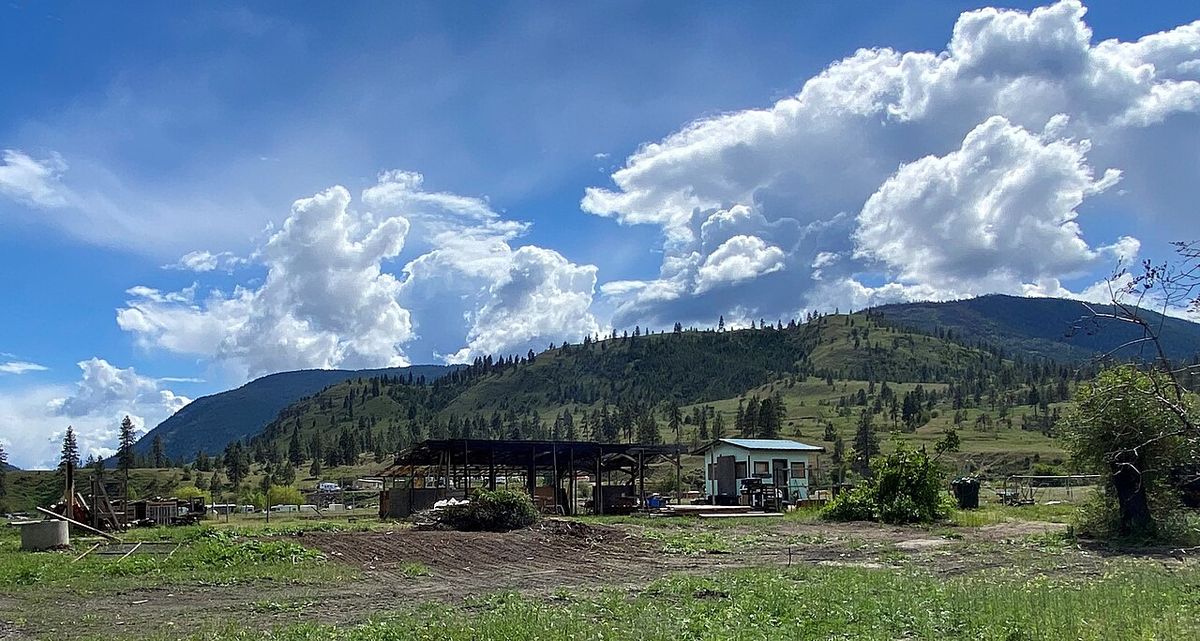
The first major cluster of fires occurred in late June 2021. On June 21, two Catholic churches on First Nations reserves in British Columbia's Okanagan region were destroyed hours apart. The Sacred Heart Mission Church on Penticton Indian Band land and the St. Gregory Mission Church, built in 1910 on Osoyoos Indian Band land, both burned to the ground. Police immediately treated the blazes as suspicious, and the Osoyoos fire was about 40 kilometres from the Penticton fire. Within days, on June 26, two more Catholic churches on Similkameen First Nations territory were destroyed by fire. St. Ann's Church and Our Lady of Lourdes Catholic Church in Chopaka burned within an hour of each other, with police again labelling the fires suspicious. These early fires established a pattern of attacks on historic, often wooden churches located on Indigenous lands. On June 26, an Anglican church also suffered a fire but it was extinguished with minimal damage. After these fires, Royal Canadian Mounted Police sergeant Jason Bayda noted that four churches, all Catholic and all on Indigenous land, had burned, which he called extremely suspicious.
Geographic Spread and Escalation
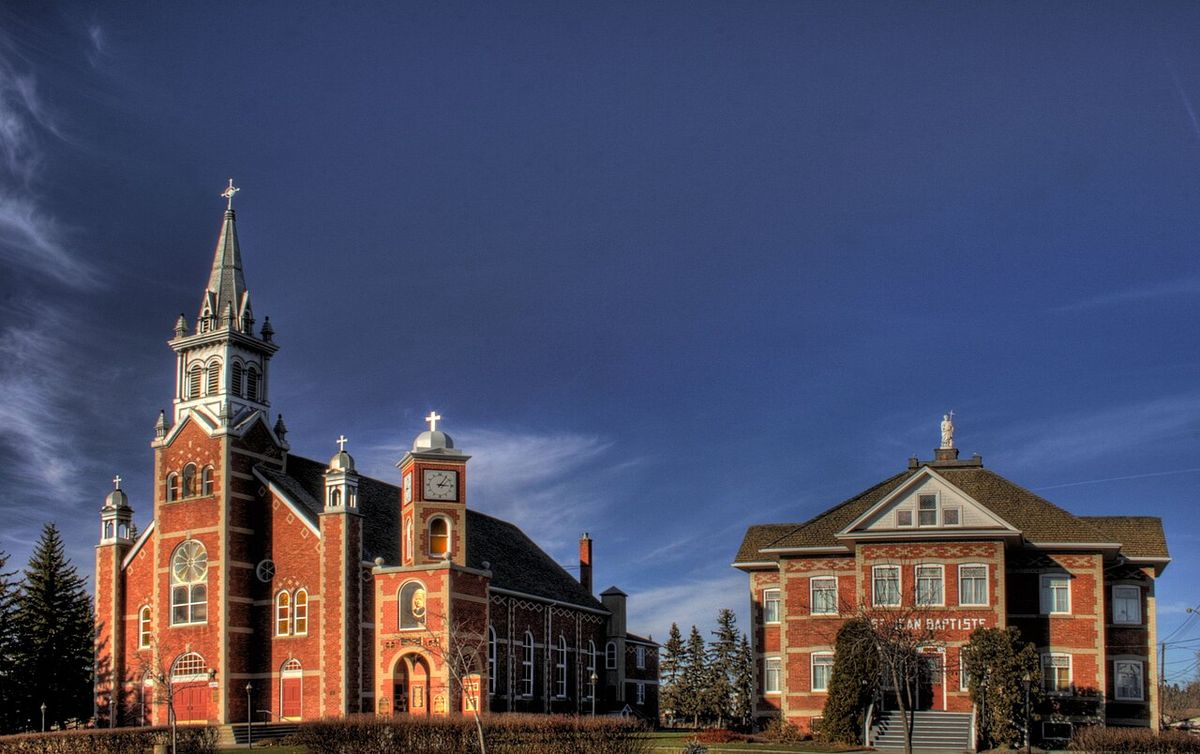
The arsons quickly spread beyond British Columbia. On June 28, a Catholic church on the Siksika Nation in Alberta was damaged in a fire police determined was deliberately set. The RCMP announced a preliminary investigation indicated the fire was deliberately set and launched a further investigation with the provincial fire inspector. That same day, the St. Jean Baptiste Church in Morinville, Alberta, which held its first service in 1908, was completely destroyed by a suspicious fire. By June 30, fires were reported on the opposite side of the country, with St. Kateri Tekakwitha Church in Indian Brook, Nova Scotia, suffering suspicious damage. Police described that fire as suspicious and said investigators would be aware of the western Canada fires. The night of July 1 to 2 saw two more Anglican churches attacked in British Columbia. The abandoned 108-year-old St. Paul's Anglican Church in New Hazelton was destroyed, while St. Columba Anglican Church in Tofino was damaged. This was the second suspicious fire at St. Paul's in a week, after a smaller fire had damaged a door. Further incidents in early July included the destruction of the Holy Trinity Roman Catholic Church at Redberry Lake on July 8 and the Our Lady of Mercy Roman Catholic Church on Kehewin Cree Nation land on July 9. The Kehewin church had been vacant for several years and was slated for demolition, and the fire resulted in a youth's arrest and subsequent conviction. A fire at St. Patrick Co-Cathedral in Yellowknife was also investigated after an incendiary device was thrown through a window, causing moderate damage.
Investigative Findings and Statistics
Multiple reports have quantified the scope of the arson wave. A January 2024 investigation by CBC News identified 24 confirmed arsons and five suspected arsons at Christian churches across Canada between May 2021 and December 2023. Of the 24 arsons, only nine resulted in arrests, with law enforcement not identifying a motive in incidents resulting in criminal charges, though police reported awareness of potential motivators. The same report noted that 14 churches were destroyed by fire in the period from January 2019 to May 2021, before the Kamloops announcement. The Catholic Civil Rights League of Canada documented at least 85 incidents of vandalism or fire damage to Catholic churches alone since May 27, 2021. The data showed that roughly half of the fires targeted Catholic churches, with the United Church of Canada, Anglican Church of Canada, and evangelical churches also affected. As of January 2024, 12 people had been charged in relation to all the arsons, with six of those charged being from the Indigenous communities where the churches burned. Two fires during the period were ruled accidental by investigators. One other incident of church fires in rural Alberta during 2023 resulted in two pairs of people receiving criminal charges.
Speculated Motivations and Context
The timing of the first fires, immediately following the Kamloops announcement, led to widespread public and official speculation that the arsons were acts of retaliation or protest related to the residential school system. Government investigators suggested possible motives included the targeting of Indigenous communities and anger towards the Catholic Church over their role in operating residential schools between 1883 and 1996. In July 2021, fire chiefs pointed to the fires beginning on National Indigenous Peoples Day when asserting that the fires were not coincidental. A July 2021 story in The Wall Street Journal noted that nobody had claimed responsibility for the fires and added that both Canadian law enforcement and politicians speculated the churches were being targeted by those angry about the recent discovery of unmarked graves. The same story reported that Canadian police did not have evidence of a connection in most cases. The CBC investigation cited community leaders and an Indigenous history research drawing a relationship between the arsons and anger over the gravesites. One law enforcement official characterized the suspected motivations as being as varied as the individuals involved, who came from all walks of life. Scholar of Indigenous Canadian history Paulina Johnson commented that the fires represented a voice for many Indigenous peoples who felt historically unacknowledged by Canada. Not all fires were linked to this context, as the destruction of the Coptic Orthodox Church of St. George in Surrey, British Columbia, on July 19, 2021, resulted in a conviction where mental illness was determined to be the motive.
Reactions from Indigenous and Political Leaders
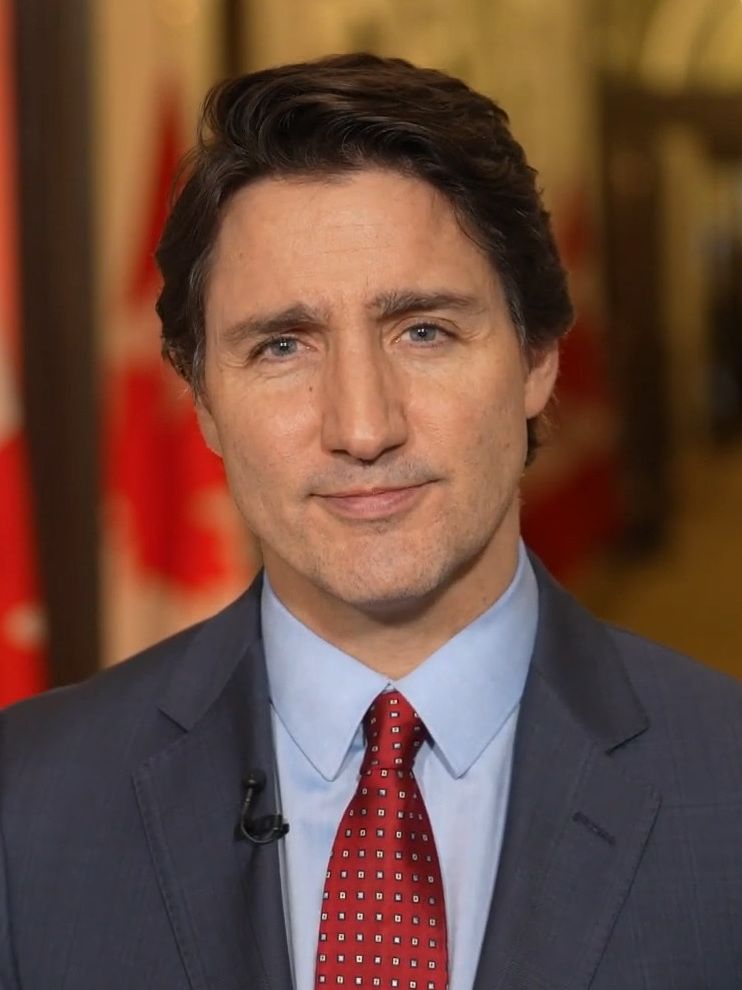
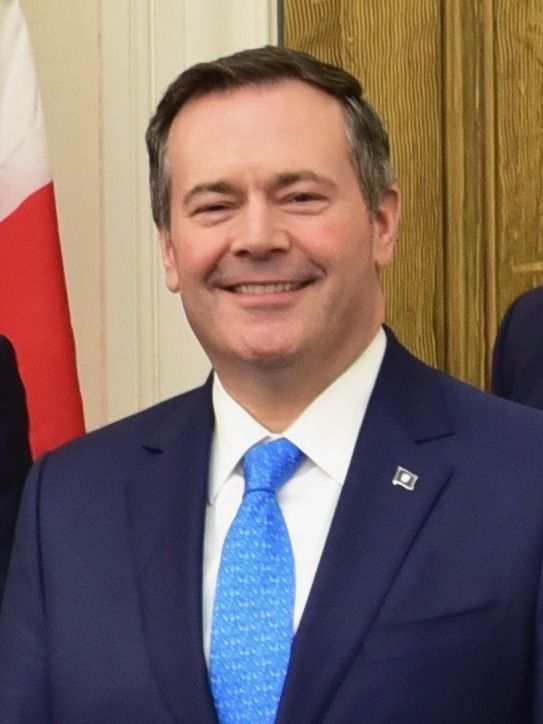
Reactions to the church fires were deeply divided. Many First Nations leaders condemned the arson as a criminal act while acknowledging the deep anger that fueled it. Chief Greg Gabriel of the Penticton Indian Band called the fires unacceptable. Grand Chief Stewart Philip of the Union of BC Indian Chiefs and Chief Clarence Louie of the Osoyoos Indian Band denounced the acts but said they were not surprising given the historical context. Louie declared the fires a criminal act and arson. Grand Chief Arthur Noskey of Treaty 8 First Nations of Alberta and Loon River First Nation argued churches needed protection as potential evidence sites. Former National Chief of the Assembly of First Nations Perry Bellegarde stated in July 2021 that burning things down was not the Indigenous way. A group of residential school survivors and Sixties Scoop survivors, including Jenn Allan-Riley, publicly called for an end to the arsons. Former chief Chastity Daniels of the Gitwangak First Nation condemned the fire at St. Paul's Anglican Church, noting it was an Anglican church with good memories for the community. In contrast, Harsha Walia, then executive director of the BC Civil Liberties Association, tweeted 'burn it all down' in response to reports of the fires, a comment that led to her resignation. The Union of British Columbia Indian Chiefs expressed support for her without mentioning the tweet. Politically, Prime Minister Justin Trudeau called the attacks unacceptable and wrong in July 2021, but also stated the anger directed at the Catholic Church was fully understandable. Alberta Premier Jason Kenney called the Morinville fire a criminal act of hate inspired violence and a violent hate crime targeting the Catholic community.
Impact on Communities and Reconciliation
The fires had immediate and lasting impacts on both religious and Indigenous communities. Congregations were displaced, with the Osoyoos community beginning to use their band council office for Sunday services and stating they did not intend to rebuild their church. In Morinville, the destroyed St. Jean Baptiste Church congregation launched fundraising to build a new church, with construction planned to start in spring 2024 and a goal to complete by Christmas in 2025. The recovered bells from the old church were slated for installation in the new building. The destruction of historic buildings, some over a century old, represented a loss of community landmarks. Chief Keith Crow of the Lower Similkameen Indian Band stated he was angry and saw no positive outcome from the destruction of the Chopaka church. The broader implication for Indigenous reconciliation efforts became a central concern. Analysts warned that law enforcement's inability to effectively investigate and prosecute the arsonists posed a significant threat to reconciliation. The acts created a tense dichotomy between the pursuit of justice for historical crimes and the condemnation of contemporary criminal violence. The Catholic Church, through entities like the Missionary Oblates of Mary Immaculate, operated a large portion of Canada's Indian residential schools from 1883 to 1996, which is central to the historical context of the anger.
Proposed Policy Responses
In response to the ongoing arson wave, policy analysts proposed coordinated measures to improve investigation and prevention. A 2024 report suggested Canada adapt elements of the successful US policy response to a series of church arsons in the 1990s. The proposed uniquely Canadian approach included several key recommendations. It called for the creation of a national or regional integrated police and fire investigations unit focused specifically on arson at religious institutions. A central component was improving Indigenous police and fire protection services to ensure full Indigenous participation in such an integrated unit. The report also emphasized the need to complete the long-running project of building and maintaining a comprehensive and timely national and on-reserve database of fire statistics to better track and analyze trends. The overarching argument was that a strong, respectful response to these crimes was necessary to protect both religious freedom and the fragile process of reconciliation. The report highlighted that signalling attacks on community institutions would be taken seriously regardless of their perceived motivation was crucial for maintaining social trust.
List of Notable Church Fires
The following table details significant individual fires, their dates, locations, and outcomes as of early 2024. This list includes many of the churches destroyed or damaged in the initial wave of attacks from June to July 2021. The table shows the geographic spread from British Columbia to Alberta, Saskatchewan, Nova Scotia, and the Northwest Territories. It also illustrates the variety of denominations targeted, though Catholic churches were the most common. The legal outcomes column demonstrates the low rate of charges and convictions associated with these incidents.
| Church Name | Location | Date | Denomination | Outcome | Charges/Convictions |
|---|---|---|---|---|---|
| Sacred Heart Mission Church | Penticton Indian Band, BC | June 21, 2021 | Catholic | Destroyed | No charges |
| St. Gregory Mission Church | Osoyoos Indian Band, BC | June 21, 2021 | Catholic | Destroyed | No charges |
| St. Ann's Church | Chopaka, BC | June 26, 2021 | Catholic | Destroyed | No charges |
| Our Lady of Lourdes | Chopaka, BC | June 26, 2021 | Catholic | Destroyed | No charges |
| Church on Siksika Nation | Alberta | June 28, 2021 | Catholic | Damaged | Investigation ongoing |
| St. Jean Baptiste Church | Morinville, AB | June 30, 2021 | Catholic | Destroyed | No charges |
| St. Kateri Tekakwitha Church | Indian Brook, NS | June 30, 2021 | Catholic | Damaged | Investigation ongoing |
| St. Paul's Anglican Church | New Hazelton, BC | July 1-2, 2021 | Anglican | Destroyed | No charges |
| St. Columba Anglican Church | Tofino, BC | July 1-2, 2021 | Anglican | Damaged | No charges |
| Holy Trinity Roman Catholic Church | Redberry Lake, SK | July 8, 2021 | Catholic | Destroyed | No charges |
| Our Lady of Mercy Roman Catholic Church | Kehewin Cree Nation, AB | July 9, 2021 | Catholic | Destroyed | Youth charged and convicted |
| St. George Coptic Orthodox Church | Surrey, BC | July 19, 2021 | Coptic Orthodox | Destroyed | Woman charged and convicted |
| St. Patrick Co-Cathedral | Yellowknife, NT | July 2021 | Catholic | Moderate damage | Investigation launched |
Legal Outcomes and Analysis
The legal outcomes from the arson investigations were limited. As of January 2024, only 12 people had been charged in relation to the 24 confirmed arsons. Of these, six were from Indigenous communities where the churches were burned. Only two convictions were publicly reported: one for the youth who set fire to Our Lady of Mercy church, and another for the woman who burned the Coptic Orthodox church in Surrey due to mental illness. Two other incidents of church fires in rural Alberta during 2023 resulted in two pairs of people receiving criminal charges, but no convictions were reported for those. The vast majority of cases, including the major fires in Penticton, Osoyoos, and Morinville, had not resulted in any charges. This low clearance rate showed the challenge law enforcement faced in solving these crimes. The CBC News investigation reported that law enforcement did not formally identify a motive in the incidents that led to criminal charges. An empirical report analyzing the spike concluded that arson at religious institutions in Canada more than doubled in 2021 compared to the baseline. That report also found the rate had not significantly declined in subsequent years.
Questions about 2021 Canadian church burnings
How many churches were burned in Canada?
A CBC News investigation in January 2024 identified 24 confirmed arsons at Christian churches in Canada between May 2021 and December 2023, with another five fires suspected to be arson. At least 33 Canadian churches burned to the ground in that period, with two of those fires ruled accidental. The Catholic Civil Rights League of Canada documented at least 85 incidents of vandalism or fire damage targeting Catholic churches alone since May 2021. This was a significant increase from the 14 churches destroyed by fire in the preceding 28-month period from January 2019 to May 2021.
Were any arrests made for the church burnings?
Of the 24 confirmed arsons, nine resulted in arrests. As of January 2024, a total of 12 people had been charged. Six of those charged were from the Indigenous communities where the churches were burned. Only two convictions were publicly reported by that date: one for a youth who set fire to the Our Lady of Mercy church on Kehewin Cree Nation, and another for a woman whose mental illness was found to be the motive for burning a Coptic Orthodox church in Surrey, British Columbia. Two pairs of people were also charged for rural Alberta fires in 2023.
Why were Catholic churches specifically targeted?
Catholic churches were disproportionately targeted, with roughly half of all fires affecting Catholic properties. This is attributed to the historical role of the Catholic Church, through entities like the Missionary Oblates of Mary Immaculate, in operating a large portion of Canada's Indian residential schools from 1883 to 1996. The school where the initial graves discovery was announced in Kamloops was run by the Catholic Church. Anglican, United Church, and evangelical churches were also attacked, reflecting broader Christian involvement in the school system.
What did Indigenous leaders say about the burnings?
Indigenous leadership responses were nuanced. Chiefs like Clarence Louie and Greg Gabriel expressed anger at the destruction. Grand Chief Stewart Philip said the fires were not surprising given the context. Grand Chief Arthur Noskey argued churches should be protected as potential evidence sites. Former National Chief Perry Bellegarde and groups of residential school survivors explicitly stated that burning churches was not the Indigenous way and called for peaceful relationship-building. Former chief Chastity Daniels condemned the burning of an Anglican church with good community memories.
What has been the government's response to the church fires?
Prime Minister Justin Trudeau stated the destruction of places of worship was unacceptable and wrong in July 2021, while also calling the anger towards the Catholic Church fully understandable. Alberta Premier Jason Kenney condemned the Morinville fire as a hate crime and violent hate crime targeting the Catholic community on June 30, 2021. Policy analysts have proposed creating integrated police and fire investigation units focused on religious institution arson. They have also suggested improving Indigenous police and fire services and building a better national fire database to track such incidents.
What started the 2021 Canadian church burnings?
The wave of church arsons began in June 2021, following the May 2021 announcement of potential unmarked gravesites at the former Kamloops Indian Residential School. The first major fires occurred on June 21, 2021, on National Indigenous Peoples Day. A CBC News investigation identified that the arsons began specifically after the Kamloops announcement. However, as of 2024, no conclusive motive for the majority of the arsons has been formally identified by government investigators, and no groups claimed responsibility.
Sources and further reading
- 2021 Canadian church burnings (Wikipedia)
- Scorched earth: A quantitative analysis of arson against ... (macdonaldlaurier.ca)
- At least 33 Canadian churches have burned to the ground ... (cbc.ca)
- More churches burn down on Canada indigenous land (bbc.com)
- Two Catholic churches destroyed by fire on First Nations ... (theguardian.com)
Checked by the Nosy Mag desk. Last updated 2026-10-26.