Women's suffrage in Canada
Women's suffrage in Canada was a protracted and uneven struggle that fundamentally reshaped the nation's democracy. The right to vote was secured in a piecemeal fashion over many decades, beginning with municipal privileges in the late 19th century and culminating in full federal enfranchisement for all women only in 1960. The movement was pioneered by activists like Dr. Emily Stowe in Toronto and found its first major provincial victories on the Prairies in 1916. This expansion of the franchise represented the single greatest enlargement of the Canadian electorate, yet its history is marked by significant exclusions based on race and Indigenous status that persisted for generations.
Early Organizing and Municipal Gains
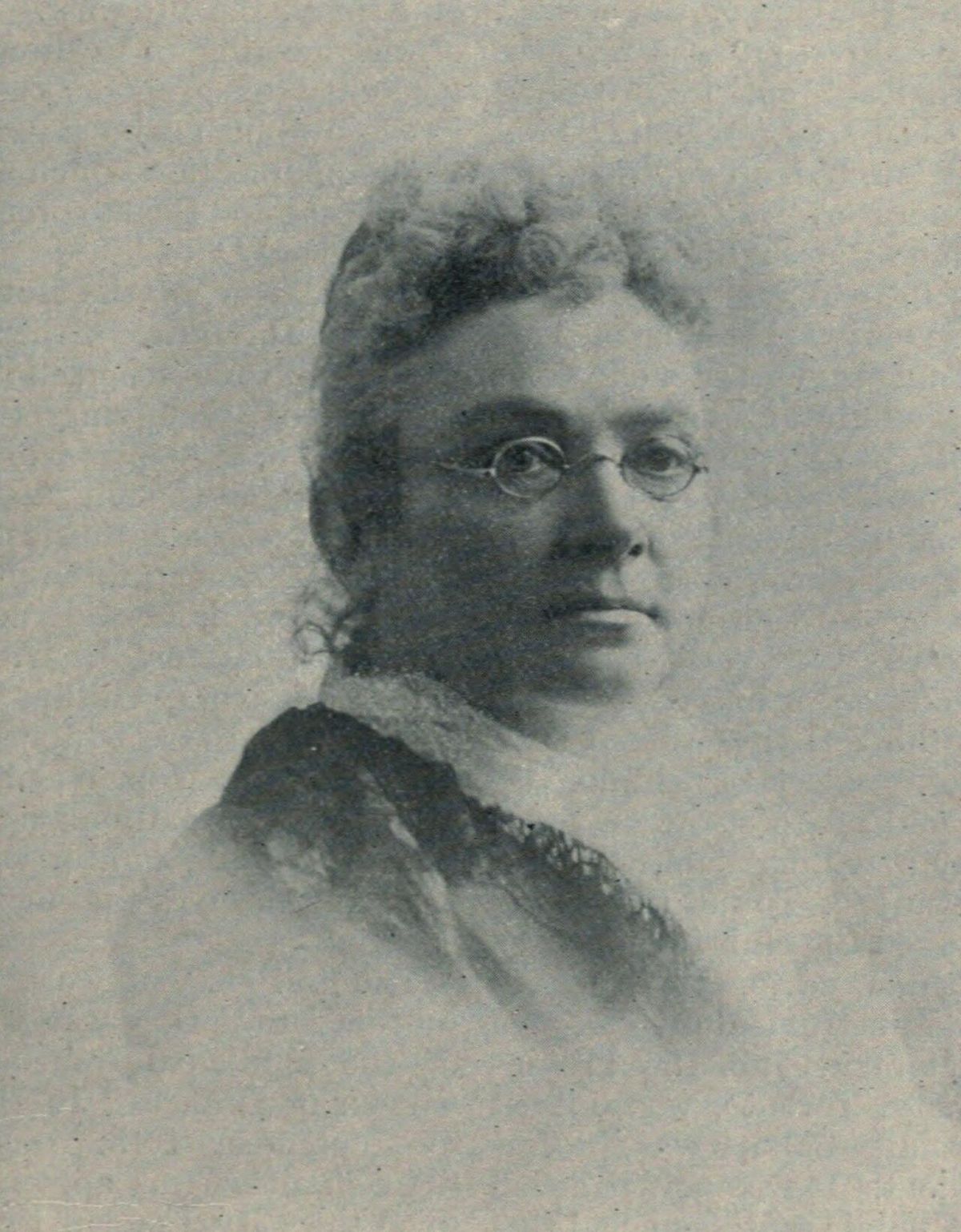
The organized movement for women's suffrage in Canada began in the 1870s, spearheaded by Dr. Emily Stowe, the country's first female physician. After attending an American women's conference in 1877, Stowe and Helen Archibald founded the Toronto Woman's Literary Club as a discreet vehicle to promote suffrage ideas. The club, which met weekly in members' homes, quickly grew and attracted influential members like Sarah Anne Curzon. Its early advocacy contributed to the University of Toronto opening its doors to women, with Eliza Balmer becoming the first female student. The club's foundational work created the public sentiment needed for more direct political action. In 1884, the Ontario Municipal Act was amended to allow widows and unmarried women who met property qualifications to vote in municipal elections. This incremental progress was celebrated as a critical first step, even though it excluded married women from the ballot. The Toronto Woman's Literary Club formally transformed into the Toronto Women's Suffrage Association in 1883, marking the establishment of Canada's first avowed suffrage society.
The new association immediately focused on consolidating and expanding municipal voting rights across Ontario. A delegation led by Emily Stowe met with Premier Oliver Mowat to advocate for these reforms. While members recognized the injustice of excluding married women, they strategically supported the partial legislation under the principle that half a loaf was better than none. The association also played an indirect role in advancing women's education, notably through the establishment of the Woman's Medical College in Toronto. This was spurred by the efforts of Stowe and her daughter, Dr. Augusta Stowe Gullen, who became the first woman to earn a medical degree from a Canadian institution in 1883. After a period of relative quiet, the movement was reinvigorated in 1889 with a lecture by American suffragist Dr. Anna Howard Shaw, followed by visits from Susan B. Anthony and Mary Seymour Howell. These events spurred the reorganization of the suffrage association and the spread of new clubs throughout Ontario, setting the stage for broader campaigns.
Provincial Breakthroughs and Timelines
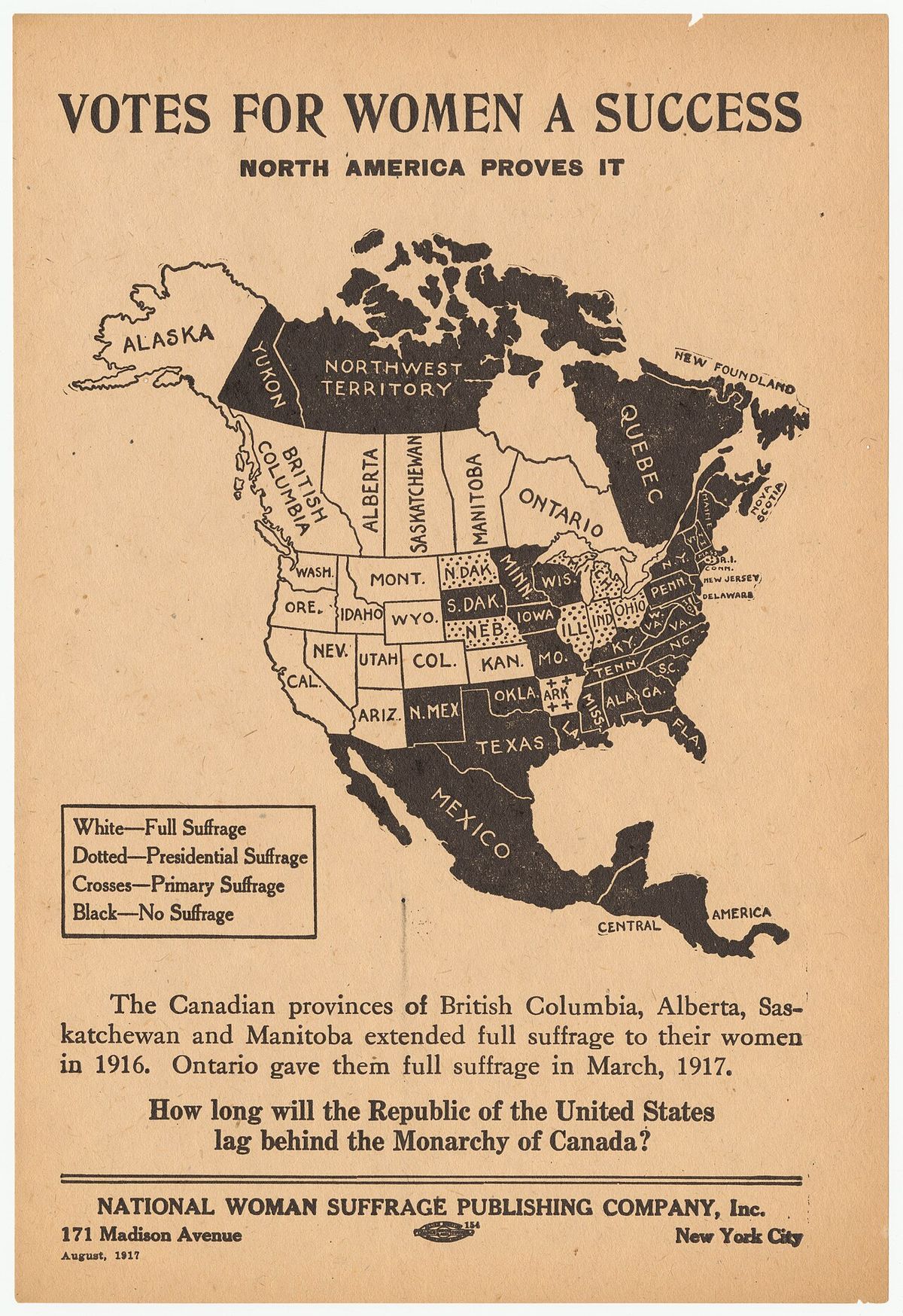
The most significant early victories for women's suffrage occurred in Western Canada, where social movements and political conditions created fertile ground for change. In Manitoba, the Women's Christian Temperance Union was among the first groups to champion the cause, presenting large petitions to the provincial legislature. Leadership from figures like Dr. Amelia Yeomans helped build momentum throughout the 1890s. The relentless campaigning by Manitoba women culminated in 1916 when the province became the first in Canada to grant women the right to vote and to hold provincial office. This landmark decision extended to both White and Black women within the province. Saskatchewan and Alberta swiftly followed Manitoba's lead, passing similar legislation later in the same year. These Prairie successes were driven by a combination of effective local organizing, alliances with farm and labour groups, and shifting perceptions about women's roles during the early 20th century. The victories demonstrated that political change was possible and placed immense pressure on other provinces and the federal government to act. The extension of provincial voting rights across Canada unfolded over more than two decades.
- Manitoba, Saskatchewan, and Alberta were the first, all granting suffrage in 1916.
- British Columbia and Ontario followed in 1917.
- Nova Scotia granted the vote in 1918.
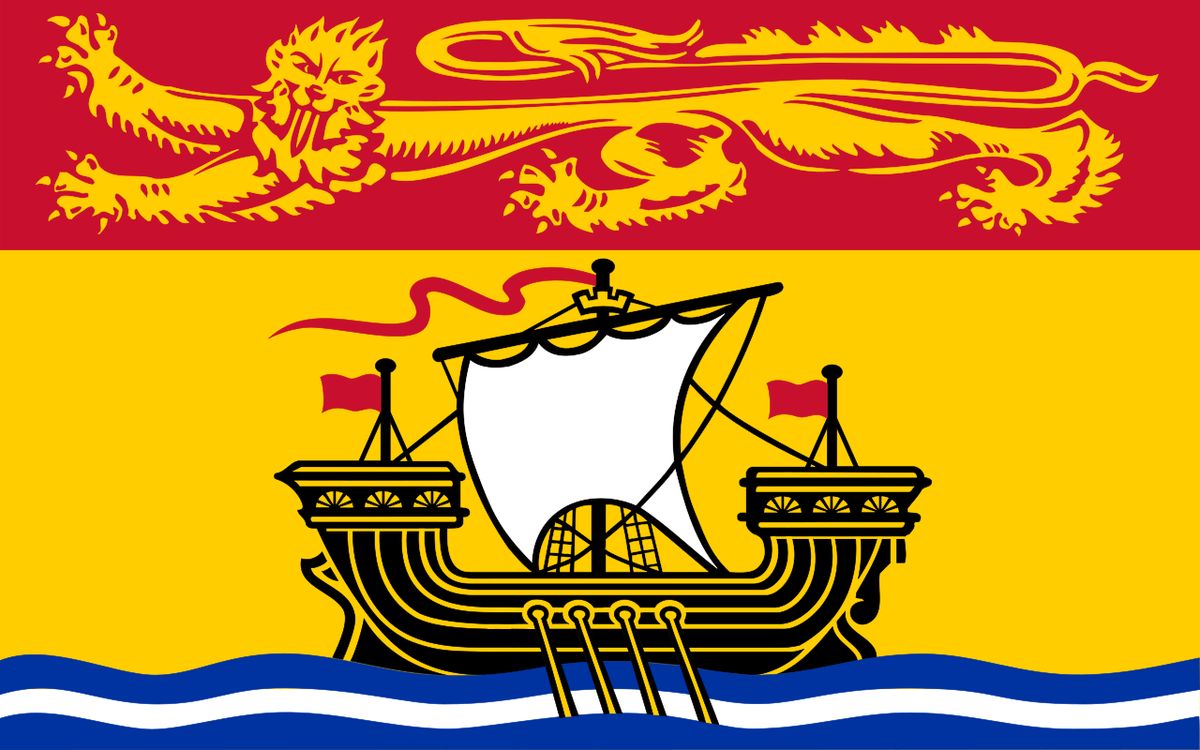
- New Brunswick extended the franchise in 1919.
- Prince Edward Island acted in 1922.
- Newfoundland, then a separate dominion, granted suffrage to non-Asian and non-Indigenous women in 1925.
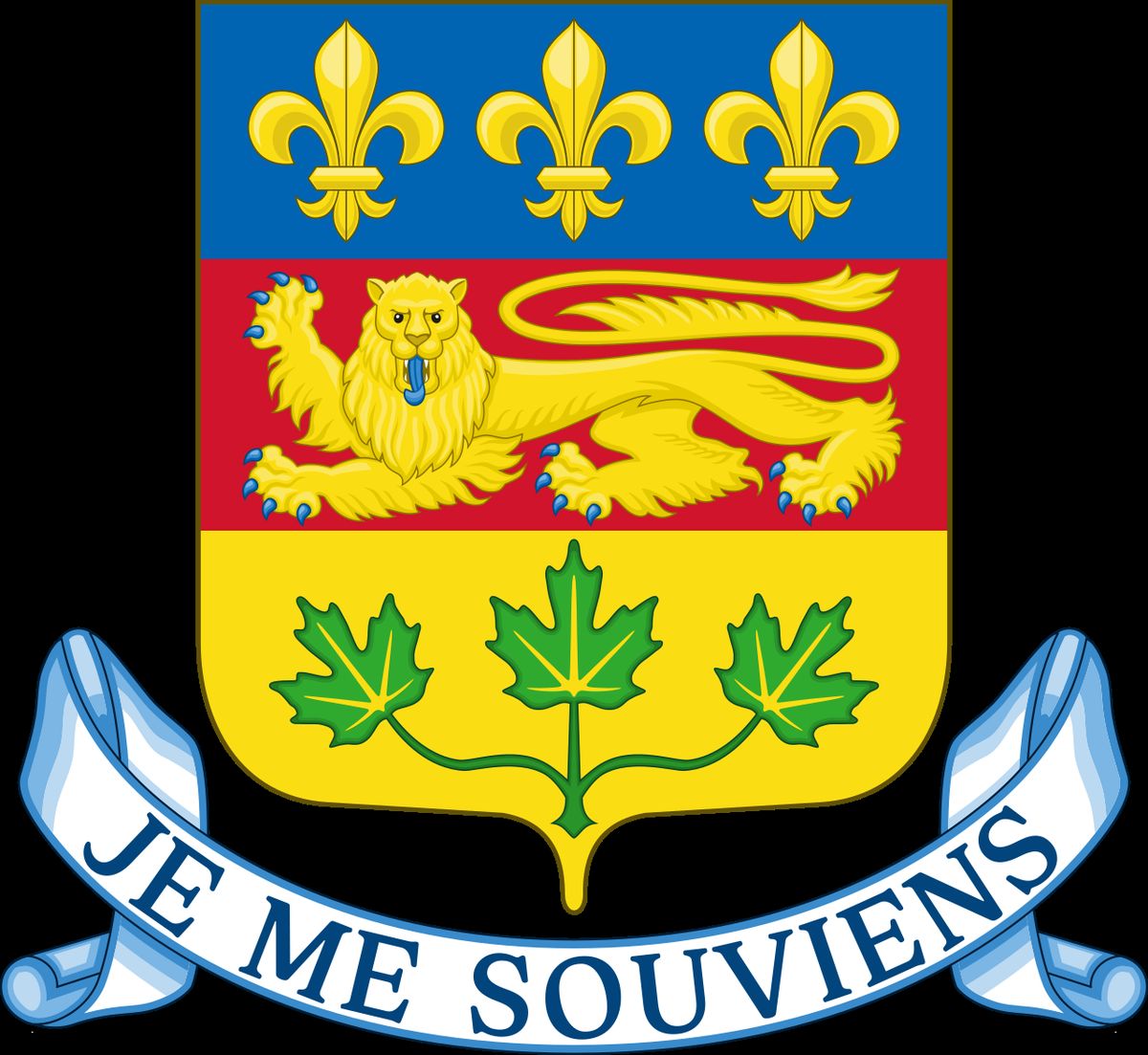
- Quebec was the final province to grant provincial voting rights to White women in 1940.
Municipal suffrage was earned earlier in various provinces. In Ontario and Quebec, property-owning widows and spinsters gained the municipal vote in 1884. In New Brunswick, all property-owning women except those whose husbands were voters gained municipal suffrage in 1886. Nova Scotia granted municipal suffrage to property-owning women in 1886, and Prince Edward Island granted it to property-owning widows and spinsters in 1888.
The Federal Franchise and Wartime Politics
The First World War proved to be a critical period for the national suffrage campaign, though the federal government's approach was initially limited and strategic. On September 20, 1917, Parliament passed the Wartime Elections Act, a controversial piece of legislation that served dual political purposes for Prime Minister Robert Borden's Unionist government. The act granted the federal vote to women who were serving in the armed forces or who were close relatives of soldiers. This selective enfranchisement was designed to bolster support for conscription and the government's war effort. It marked the first time any Canadian women could vote in a federal election. A more comprehensive measure came less than a year later. On May 24, 1918, the Women's Franchise Act received royal assent, extending the federal vote to most female citizens over the age of 21, provided they met the same province-based qualifications as men. This law removed the gender barrier but did not eliminate other discriminatory exclusions. The right for women to stand for federal office was secured in 1919. In the 1921 federal election, Agnes Macphail of the Progressive Party made history by becoming the first woman elected to the House of Commons.
Systematic Exclusions Based on Race and Status
The narrative of women winning the vote in 1918 obscures the harsh reality that many women were deliberately excluded on the basis of race and Indigenous status for decades longer. These exclusions were embedded in federal and provincial laws. Asian men and women were systematically denied the vote through legislation like British Columbia's 1872 law banning Chinese residents from voting. The federal Dominion Elections Act of 1920 continued this discrimination by excluding Canadians of Asian heritage. This legal barrier was not removed until 1948, after the Second World War. For Indigenous peoples, the path to the franchise was entangled with the coercive policies of the Indian Act. From 1920, the act allowed for 'involuntary enfranchisement,' where First Nations men (and by extension, women) could gain the vote only by surrendering their legal Indian status and treaty rights, a cost few were willing to pay. A particularly gendered injustice existed until 1985: a First Nations woman who married a non-Indigenous man automatically lost her status and rights, while a First Nations man did not. The federal vote was extended to Inuit in 1950. It was not until 1960, with the passage of the Canada Elections Act, that all First Nations people gained the right to vote in federal elections without being forced to relinquish their status. The removal of voting barriers for different groups followed a long and discriminatory chronology.
- Asian women and men were granted the federal vote in 1948.
- Inuit women and men gained the federal franchise in 1950.
- First Nations women and men obtained the federal vote without loss of status in 1960.
- Incarcerated persons serving sentences under two years received the vote in 1993.
- All incarcerated persons, including those serving longer sentences, were enfranchised in 2002.
Black women in Manitoba gained the provincial vote alongside White women in 1916. This occurred when Manitoba became the first province to grant women's suffrage that year. However, slavery in Canada had previously denied Black persons rights as citizens, legally deeming them chattel property. As slavery was gradually abolished from 1793 to 1834, Black persons became British subjects entitled to civil rights, but these were initially extended only to property-owning men, maintaining a gender barrier for all women.
Key Figures and Organizations
The suffrage movement was driven by a diverse array of activists and organizations across the country. Early leadership often came from educated, professional women who faced barriers in their own careers. Dr. Emily Stowe is the foundational figure, founding the Toronto Woman's Literary Club in 1877 and later the Toronto Women's Suffrage Association. Her daughter, Dr. Augusta Stowe Gullen, continued this work. In Western Canada, Dr. Amelia Yeomans provided crucial leadership in Manitoba. In Quebec, the movement was led by francophone pioneers like Idola Saint-Jean, the first French-speaking woman to run for federal office, and Thérèse Casgrain, who later led a provincial political party. These women built and sustained a network of organizations that applied pressure at every level of government.
- Dr. Emily Stowe, founder of the Toronto Woman's Literary Club (1877).
- Sarah Anne Curzon, associate editor of the Canada Citizen and early suffragist.
- Dr. Amelia Yeomans, leader of the Equal Suffragists in Manitoba in the 1890s.
- Agnes Macphail, first woman elected to the House of Commons (1921).
- Idola Saint-Jean, Quebec suffragist and first French-speaking female federal candidate (1930).
- Thérèse Casgrain, Quebec suffragist and first woman to lead a provincial political party (1951).
- The Women's Christian Temperance Union (WCTU), an early and powerful advocate, especially in Manitoba.
- The Montreal Suffrage Association, formed in 1912 to fight for the federal vote.
- The Dominion Women's Enfranchisement Association, incorporated in 1890.
Opposition and Arguments
The suffrage movement faced sustained and deeply entrenched opposition from many segments of society. Critics, who included politicians, clergy, journalists, and even some women, employed a range of arguments rooted in traditional gender roles and social conservatism. A predominant belief was that men and women occupied separate 'spheres,' with politics and public life being the natural domain of men, while women belonged in the domestic field as caregivers and moral guardians. Many argued that women were intellectually unsuited for political decision-making, being perceived as overly emotional, easily led, and lacking the necessary knowledge. There was also a pragmatic political fear that women would simply vote as their husbands or fathers instructed, thereby doubling the influence of male heads of household. In Quebec, opposition was especially fierce, with many viewing suffrage as a direct threat to the survival of French-Canadian culture and the Catholic family structure. Opponents argued that women's entry into politics would corrupt them and lead to the neglect of their sacred duties in the home. These societal beliefs provided the foundation for legal barriers and made the work of suffragists an uphill battle against the prevailing norms of the era.
Later Milestones and Contemporary Context
The extension of the vote did not mark the end of the struggle for full democratic participation. Further milestones were required to include all Canadian citizens. Incarcerated individuals serving sentences shorter than two years were granted the right to vote in 1993, and those serving longer sentences gained it in 2002. The legacy of the suffrage movement is central to Canada's political evolution, representing the largest single expansion of the electorate. Today, women are active and prominent in Canadian political life, yet they remain underrepresented in elected bodies like the House of Commons. The history of women's suffrage is not a simple story of linear progress but a complex narrative of incremental wins, strategic alliances, and deep exclusions. The movement's history invites reflection on how democracy expands and who it has historically served, lessons that remain relevant in contemporary discussions about political equality and participation.
Questions about Women's suffrage in Canada
When did women first get the right to vote in Canada?
The right to vote was achieved at different times depending on the level of government and the woman's background. The first major victory was at the provincial level in Manitoba in 1916, followed quickly by Saskatchewan and Alberta. Federally, limited voting rights were granted to some women connected to the military in 1917 via the Wartime Elections Act. Full federal suffrage for many (but not all) women over 21 came with the Women's Franchise Act on May 24, 1918. It is crucial to note that Indigenous and Asian women were excluded from this 1918 legislation for decades longer.
Who was the first woman elected to the Canadian House of Commons?
Agnes Macphail was the first woman elected to the House of Commons. She won her seat in the 1921 federal election as a member of the Progressive Party, representing the riding of Grey Southeast in Ontario. Her election came just two years after women gained the right to stand for federal office in 1919. Macphail served as an MP for nearly two decades and was a pioneering figure in Canadian political history.
Why was Quebec the last province to grant women the vote?
Quebec's delay until 1940 was due to a powerful combination of social, religious, and political opposition. The Catholic clergy, many political leaders, and large segments of society believed women's suffrage threatened the traditional French-Canadian family structure and the woman's role as a moral guardian in the home. This view was entrenched in the 1866 Civil Code, which affirmed the legal incapacity of married women. The suffrage movement, led by figures like Idola Saint-Jean and Thérèse Casgrain, faced an uphill battle against these deeply conservative forces for decades.
Could Indigenous women vote in 1918?
No, First Nations women were explicitly excluded from the federal vote in 1918. Their right to vote was entangled with the Indian Act, which until 1960 required Indigenous peoples to give up their legal status and treaty rights to gain the franchise, a process known as enfranchisement. Until 1985, a First Nations woman would automatically lose her status if she married a non-Indigenous man. The federal vote was extended to all First Nations people without this condition in 1960. Inuit women gained the federal vote in 1950.
What was the Wartime Elections Act of 1917?
The Wartime Elections Act was a controversial federal law passed on September 20, 1917. It granted the right to vote in federal elections to women who were serving in the armed forces or who were mothers, wives, or sisters of soldiers serving overseas. The act was politically strategic for Prime Minister Robert Borden's Unionist government, as it was designed to garner support for conscription and the war effort from a segment of the population likely to vote in its favour. It represented the first, though highly selective, extension of the federal franchise to Canadian women.
What were some early suffrage organizations in Canada?
The first major organization was the Toronto Woman's Literary Club, founded in 1877 by Dr. Emily Stowe and Helen Archibald as a discreet forum to discuss women's rights. It transformed into the Toronto Women's Suffrage Association in 1883, Canada's first avowed suffrage society. In the West, the Women's Christian Temperance Union was an early and powerful advocate for suffrage, particularly in Manitoba. In Quebec, the Montreal Suffrage Association formed in 1912. The Dominion Women's Enfranchisement Association was incorporated in 1890.
Sources and further reading
- Women's suffrage in Canada (Wikipedia)
- Women's Suffrage (thecanadianencyclopedia.ca)
- Women's Right to Vote Case Study, Elections & Democracy (electionsanddemocracy.ca)
- Right of Québec women to vote and to stand for office (electionsquebec.qc.ca)
- Women's Suffrage in Canada Education Guide (historicacanada.ca)
Checked by the Nosy Mag desk. Last updated 2026-10-25.