United Farmers of Alberta
The United Farmers of Alberta (UFA) is an association of Alberta farmers that has served different roles in its 100-year history. It was founded in 1909 as a lobby group following a merger between the Alberta Farmers' Association and Alberta branches of the Canadian Society for Equity. The UFA formed a majority government in 1921 and governed the province for 14 years until 1935. After its political defeat in 1935, the UFA transformed into a member-owned agricultural supply cooperative, which today operates a network of farm supply stores and fuel stations across Western Canada.
Founding and Early Advocacy
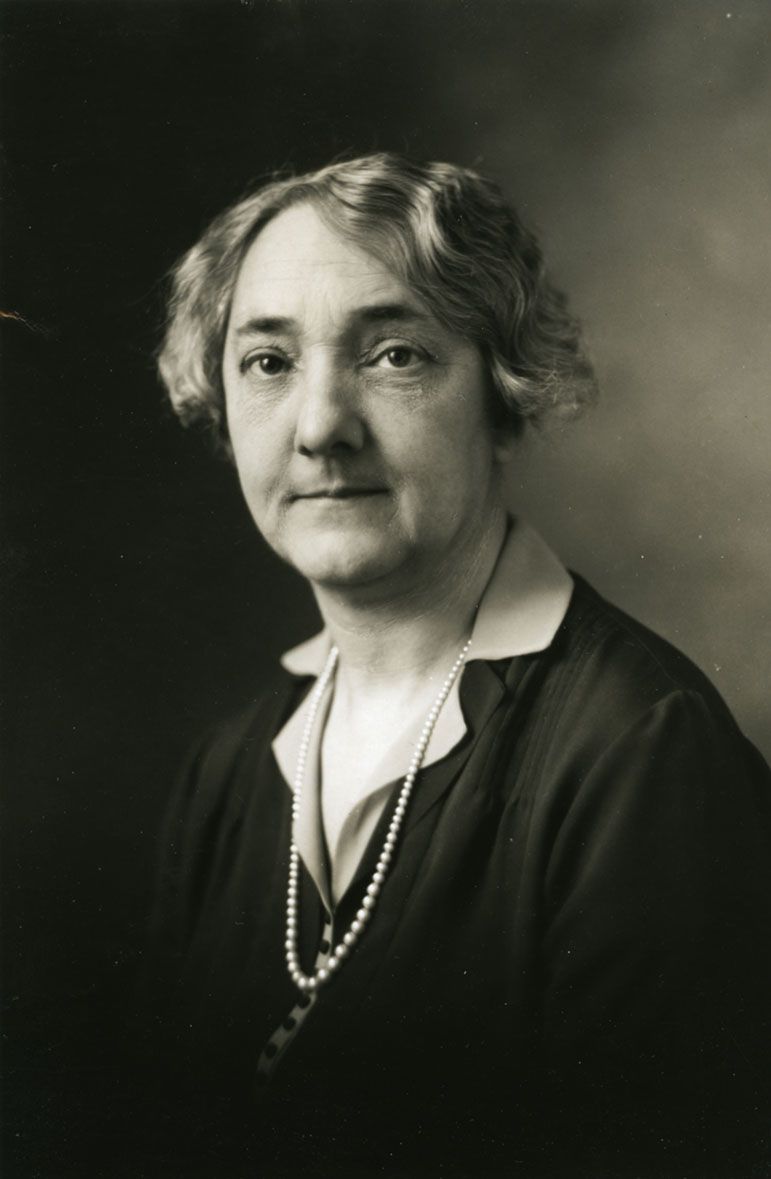
The United Farmers of Alberta was established in 1909 in Edmonton through the merger of the Alberta Farmers' Association and the Alberta branches of the Canadian Society of Equity. Its initial purpose was strictly non-partisan, acting as a lobby group to advance the interests of Alberta's farmers. Under its first president, William John Tregillus, the UFA successfully pressured the Liberal government in 1913 to help organize the Alberta Farmers' Cooperative Elevator Company. This entity later merged with the Grain Growers' Grain Company in 1917 to form the United Grain Growers. The UFA was a firm believer in the cooperative movement and supported women's suffrage. In 1912, women formed the parallel United Farm Women of Alberta (UFWA), and by 1914, women were granted full membership rights within the UFA itself. The UFWA, with Irene Parlby as president from 1916, campaigned for women's suffrage, which was achieved in Alberta in 1916. The UFWA also worked to secure better education and health services in rural areas. By 1920, the organization had over 30,000 registered members, making it the most influential agricultural lobby in the province. The UFA's early success was rooted in its ability to unite disparate farmer groups under a common economic and social agenda.
Entry into Provincial Politics
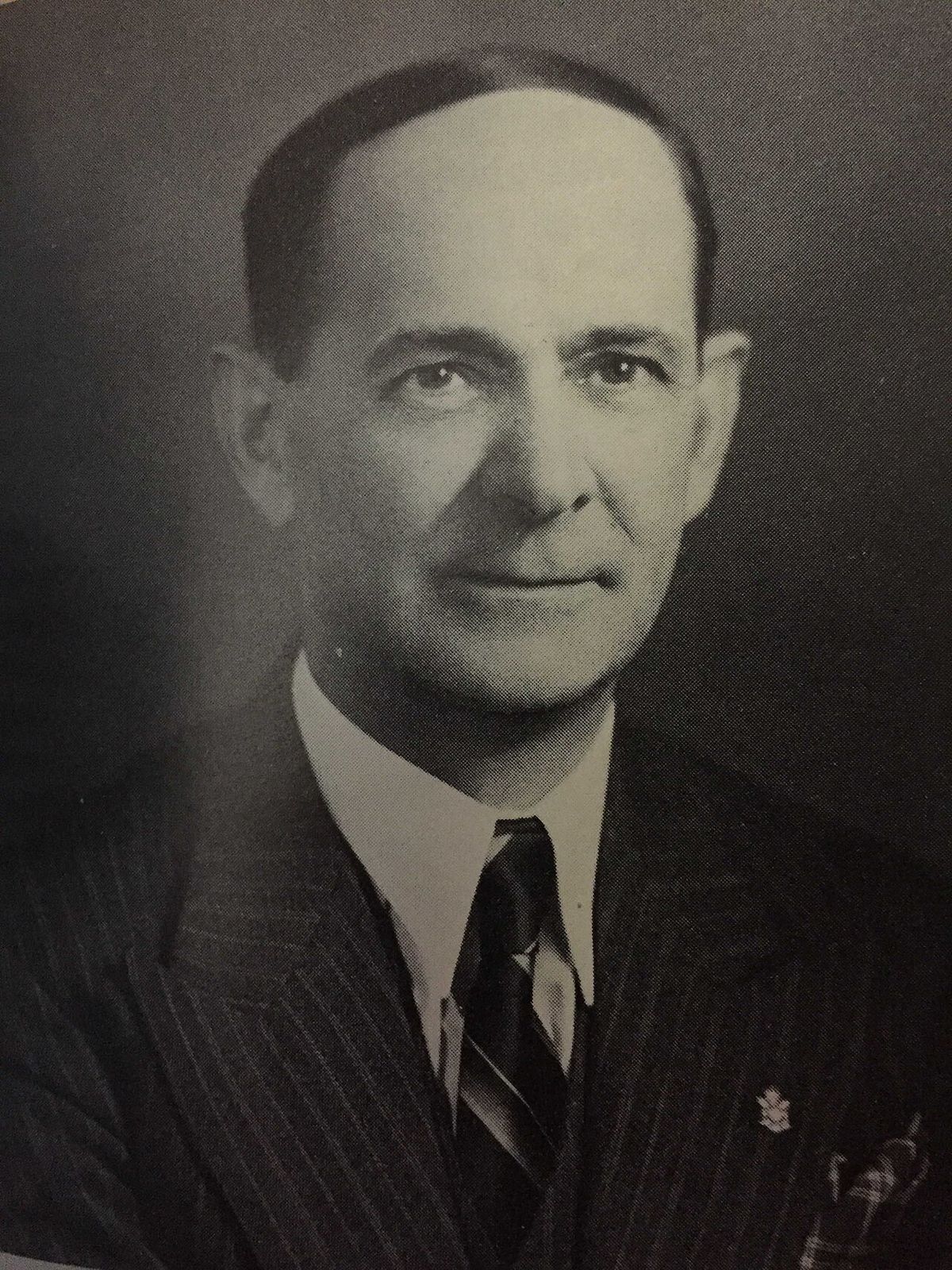
Pressure from the Alberta Non-Partisan League, which won two seats in the 1917 election, and dissatisfaction with traditional parties pushed the UFA into direct political action in 1919. Despite internal opposition from figures like President Henry Wise Wood, the UFA contested a by-election. The victory of Alexander Moore in Cochrane in 1919 and Robert Gardiner in a federal by-election in 1921 demonstrated the movement's potential. The UFA contested 45 of Alberta's 61 ridings in the 1921 provincial election. The result was a landslide, with the UFA winning 38 seats and forming a majority government. This victory was mirrored federally where UFA and Progressive candidates captured all but two of Alberta's seats in the 1921 federal election. The two remaining seats were won by Labour candidates in Calgary. The 1921 election marked a deep shift in Alberta politics, ending 16 years of Liberal rule.
The UFA in Government: Reforms and Leadership
Elected without a formal leader, the UFA legislature recruited Herbert Greenfield, a UFA executive member, to become premier. His cabinet included Irene Parlby, who as Minister without Portfolio became the second female cabinet minister in the British Empire, and Alex Ross of the Calgary Labour Party as Minister of Public Works. The government implemented reforms including advancements in medical care, expanded labour rights, and a fairer tax system. It introduced a form of proportional representation through the single transferable vote (STV) for Edmonton and Calgary. In 1923, it facilitated the creation of the Alberta Wheat Pool, a major farmer-owned cooperative. It also ended prohibition in favour of government-controlled liquor stores and regulated beer parlours. The government refused to establish a provincial bank despite UFA convention demands. In 1925, John E. Brownlee succeeded Herbert Greenfield as Premier. Brownlee led the United Farmers to a second majority government in the 1926 election. In 1929, after years of negotiation, Brownlee secured the Natural Resources Transfer Act, giving Alberta control over its public lands and natural resources. This right had been denied to Alberta and Saskatchewan when they became provinces in 1905. Riding a wave of popularity from this agreement, Brownlee led the United Farmers to a third majority government in the 1930 election. The government also bailed out the Alberta Wheat Pool in 1929 during a financial crisis.
Decline and Political Defeat
The Great Depression devastated the UFA's farmer base with crashing grain prices and severe drought in southern Alberta. The government, facing reduced tax revenue and provincial debt, implemented austerity measures by cutting services, staff, and wages. As banks repossessed farms, political opposition grew from William Aberhart's Social Credit movement, which called for radical monetary reform. Internally, the UFA conventions pushed for more radical government intervention to combat poverty. After Henry Wise Wood retired, more radical MP Robert Gardiner became president. The organization formally helped found the national Co-operative Commonwealth Federation (CCF) in 1932 in Calgary, joining with the Canadian Labour Party. Eight of its nine federal MPs joined the new party. Premier Brownlee's tenure ended in disgrace in July 1934 when he resigned following a scandal where he was accused of seducing a young government clerk. His successor, Richard G. Reid, could not stem the tide. In the 1935 provincial election, the UFA was obliterated by Social Credit, losing every seat and winning only 11 percent of the popular vote. This defeat was mirrored federally where its eight remaining MPs ran as CCF candidates in 1935 and were also defeated. Two years after its defeat, the organization withdrew from electoral politics. In 1939, the UFA officially disbanded its political arm but continued to operate as a farmers' supply cooperative. Many left-wing members joined the CCF, while many right-wing and centrist members joined the Alberta Unity Movement, an attempt to form a coalition to defeat Social Credit.
Transition to a Cooperative Enterprise
After its political defeat, the UFA focused entirely on its commercial operations as a member-owned cooperative. It entered a fuel distribution partnership with Maple Leaf Fuels, a subsidiary of Imperial Oil, in 1935 and opened retail stations under the Maple Leaf brand across the province the following year. The cooperative purchased Maple Leaf Fuels' assets in 1957, gaining full control of the fuel business. The first farm supply store opened in Calgary in 1954, followed by a second in Edmonton in 1957. The cooperative expanded its fuel network with the introduction of cardlock facilities, opening its first in Calgary in 1984. As of 2019, UFA operates 34 farm and ranch supply stores in Alberta and over 110 cardlock fuel stations across British Columbia, Alberta, and Saskatchewan, representing the largest cardlock network in Alberta. The cooperative has over 120,000 members and reported revenues exceeding $1.8 billion in 2007, ranking it as the 37th largest business in Alberta by revenue at that time. In March 2009, UFA purchased Wholesale Sports in western Canada and 15 Sportsman's Warehouse locations throughout the Northwest United States, which it then re-branded as Wholesale Sports. According to its location data, Alberta has 106 petroleum locations, 34 farm and ranch supply stores, and 5 fertilizer plants. British Columbia has 2 petroleum locations and Saskatchewan has 4 petroleum locations. The cooperative continues to support rural communities through initiatives like the UFA Agricultural Community Foundation.
Preserving the Legacy: The United Farmers Historical Society
The history of the UFA is preserved and promoted by the United Farmers Historical Society (UFHS), a registered charity. The UFHS archives, located at the UFA Calgary Support Office, hold over 35 metres of textual records, more than 7,000 photographs, and numerous audio and video recordings documenting not only the UFA but also associated organizations like the United Farm Women of Alberta, the Farmers' Union of Alberta, the United Grain Growers, and the Alberta Wheat Pool. The society maintains an online database at archives.ufa.com for public research and engages in extensive digitization projects, having supported reference requests from researchers across Canada and internationally. Its activities include hosting lectures, co-creating museum exhibits, and supporting student internships and practicums through programs like Young Canada Works. A project funded by a UFA Foundation Rural Communities Grant led to the creation of the UFA Theatre and Seminar Room at the Kneehill Museum in Three Hills, Alberta. The UFHS also collaborates with other historical organizations across Alberta to develop exhibits, such as those on Irene Parlby at the Alix Wagon Wheel Museum and on Louise McKinney and the Famous 5 at the Claresholm Museum. The society aims to develop a comprehensive virtual exhibit to highlight key stories from UFA history using digitized pamphlets, correspondence, newspaper clippings, and photographs.
Federal Political Involvement and Electoral Results
The United Farmers of Alberta ran candidates in several federal elections in alignment with, but usually to the left of, the Progressive Party of Canada. A number of UFA MPs sat in the House of Commons with the Ginger Group of left wing MPs. Following Robert Gardiner's election in a federal by-election prior to the 1921 election, Alberta farmers ran 14 candidates in the 1921 federal election. All the UFA candidates and two Calgary Labour candidates were elected, winning every Alberta seat. In 1926, the province's Progressive MPs ran for re-election as UFA candidates. The political evolution of these MPs is shown when eight of the UFA's nine remaining MPs joined the Co-operative Commonwealth Federation when it was formed in 1932.
| UFA MP | Riding | Election History & Final Campaign |
|---|---|---|
| George Gibson Coote | Macleod | Elected as Progressive 1921, 1925. As UFA 1926, 1930. Defeated as CCF candidate in 1935. |
| Robert Gardiner | Acadia | Elected as Progressive 1921, 1925. As UFA 1926, 1930. Defeated as CCF candidate in 1935. |
| Ted Garland | Bow River | Elected as Progressive 1921 to 1925. As UFA 1926 to 1930. Defeated as CCF candidate in 1935. |
| William Irvine | Wetaskiwin | Elected as Labour in East Calgary 1921. Defeated 1925. Elected as UFA in Wetaskiwin 1926, 1930. Defeated as CCF candidate in 1935. |
| Lincoln Henry Jelliff | Lethbridge | Elected as Progressive 1921, 1925. As UFA 1926. |
| Donald MacBeth Kennedy | Peace River | Elected as Progressive 1921, 1925. As UFA 1926, 1930. Defeated as CCF candidate in 1935. |
| Michael Luchkovich | Vegreville | Elected as UFA 1926, 1930. Defeated as CCF candidate in 1935. |
| Alfred Speakman | Red Deer | Elected as UFA 1921, 1925, 1926, 1930. Defeated as CCF candidate in 1935. |
| Henry Elvins Spencer | Battle River | Elected as Progressive 1921, 1925. As UFA 1926, 1930. Defeated as CCF candidate in 1935. |
| William Thomas Lucas | Camrose | Elected as UFA 1921, 1925, 1926, 1930. Defeated as Conservative candidate in 1935. |
Of the nine UFA MPs elected in the 1930 federal election, eight joined the Cooperative Commonwealth Federation after it was formed in 1932. All eight ran as CCF candidates in the 1935 federal election and were defeated by a Social Credit landslide. The ninth UFA MP, William Thomas Lucas of Camrose, ran as a Conservative in 1935 and was also defeated. Another UFA MP, Donald Ferdinand Kellner, was elected for Edmonton East as a Progressive in 1921 and as UFA in 1926, but was defeated in 1930.
Key Political Figures and Their Roles
The United Farmers of Alberta was shaped by a number of influential leaders who guided it through its political peak and its transformation. Henry Wise Wood, a charismatic farmer from Carstairs, was the most powerful early force in the UFA and its president during its entry into politics. Wood advocated for the concept of group government but consistently refused to lead the UFA politically, declining the premiership in 1921. William John Tregillus, the first president, was instrumental in the early lobbying successes that led to the creation of cooperative elevator companies. Irene Parlby, as president of the United Farm Women of Alberta and later as a cabinet minister, was a central advocate for women's suffrage and rural social reforms. John E. Brownlee, though never UFA president, was the dominant political figure as premier from 1925 to 1934, steering the party conservatively and securing the vital natural resources transfer. Robert Gardiner represented the organization's radical wing, leading the Ginger Group of MPs in Ottawa and later becoming UFA president, pushing the organization toward the left and into the CCF. Other notable figures included Percival Baker, the elected MLA and vice-president who died a day after the 1921 election, and Alex Ross, the Labour MLA who served in the UFA cabinet.
Locations and Operations
The modern United Farmers of Alberta Co-operative Ltd. operates a significant retail and fuel network across Western Canada. Its operations are divided into farm and ranch supply stores and petroleum agencies, often called cardlocks. As of 2019, UFA operates 34 farm and ranch supply stores, all located within Alberta. Its fuel network is more extensive, with over 110 cardlock fuel stations across three provinces. A detailed breakdown of its petroleum locations shows Alberta has 106 sites, British Columbia has 2 sites, and Saskatchewan has 4 sites. Alberta also hosts 5 fertilizer plants operated by UFA. The cooperative's headquarters are in Calgary, Alberta. The first farm supply store opened in Calgary in 1954, with a second following in Edmonton in 1957. The fuel business began with a partnership with Maple Leaf Fuels in 1935, and UFA gained full control by purchasing its assets in 1957. The first cardlock facility opened in Calgary in 1984. This network makes UFA the largest cardlock operator in Alberta. The cooperative also previously operated the Wholesale Sports retail chain after purchasing it in 2009.
Questions about United Farmers of Alberta
What was the United Farmers of Alberta?
The United Farmers of Alberta is an association of Alberta farmers that has served different roles in its history. It was founded in 1909 and operated as a lobby group, a successful political party, and as a farm-supply retail chain. As a political party, the UFA formed the government of Alberta from 1921 to 1935. Since 1935, it has primarily been an agricultural supply cooperative headquartered in Calgary, operating 34 supply stores and over 110 fuel stations.
When and why did the UFA enter politics?
The UFA entered the political arena in 1919. This move was driven by pressure from the upstart Alberta Non-Partisan League, which had won two seats in the 1917 provincial election, and by growing dissatisfaction with the existing Liberal and Conservative parties. The successful by-election campaigns of Alexander Moore in the Cochrane constituency in 1919 and Robert Gardiner in a federal by-election in 1921 provided crucial momentum. Encouraged by these wins, the UFA ran candidates in the 1921 provincial election, where it won a majority government.
Who were the premiers of Alberta under the UFA government?
The UFA produced three premiers during its time in office. Herbert Greenfield served as premier from 1921 to 1925 after being recruited from outside the legislature. He was succeeded by John E. Brownlee, who served from 1925 until his resignation in July 1934 following a personal scandal. Brownlee was followed by Richard G. Reid, who was premier until the UFA's defeat in the 1935 provincial election.
What happened to the UFA after it lost the 1935 election?
After losing all its seats in the 1935 election, the UFA withdrew from electoral politics. In 1939, it officially disbanded its political arm but continued as a farmers' supply cooperative. The organization then focused entirely on its commercial operations, expanding its fuel distribution partnership and retail farm supply stores. Its political energy was largely absorbed by the new Co-operative Commonwealth Federation on the left and the Alberta Unity Movement on the right.
How is the history of the UFA being preserved today?
The history of the United Farmers of Alberta is preserved and promoted by the United Farmers Historical Society, which is a registered charity founded in 2026. This society maintains an extensive archive that includes over 35 metres of textual records and a collection of 7,000 photographs related to the UFA and groups like the United Farm Women of Alberta. Their work involves digitizing these historical records and maintaining an online database for public access. The society also co-creates museum exhibits and engages in public outreach and educational projects to share this important part of Alberta's heritage.
What is the UFA's connection to the Co-operative Commonwealth Federation (CCF)?
The UFA played a direct role in the formation of the Co-operative Commonwealth Federation, Canada's first national farmer-labour party. As the Depression worsened, the UFA conventions pushed for more radical policies. The organization joined with labour groups to help found the CCF in 1932 in Calgary. Eight of the nine UFA Members of Parliament elected in 1930 joined the CCF and ran as its candidates in the 1935 federal election. The Alberta CCF, which later became part of the New Democratic Party, is considered a linear descendant of the UFA's political tradition.
Sources and further reading
- United Farmers of Alberta (Wikipedia)
- United Farmers Historical Society (unitedfarmershistoricalsociety.wordpress.com)
- United Farmers of Alberta (thecanadianencyclopedia.ca)
- United Farmers Historical Society (ckc.calgaryfoundation.org)
Checked by the Nosy Mag desk. Last updated 2026-10-25.