Place Royale, Quebec City
Place Royale is a historic square in the centre of Quebec City's Lower Town. It is often referred to as the cradle of French civilization in North America, as Samuel de Champlain established the Habitation de Québec on the site in 1608. The square hosted the city's first market by the 1620s, leading to its original name of Place du Marché. It was renamed Place Royale in 1686 after a bust of King Louis XIV was erected there. The square was heavily damaged during the British bombardment in the 1759 Battle of the Plains of Abraham. A major restoration project began in 1970 to return it to its French colonial character. Today, Place Royale is a core component of Old Quebec, a UNESCO World Heritage Site.
Founding and Early Development
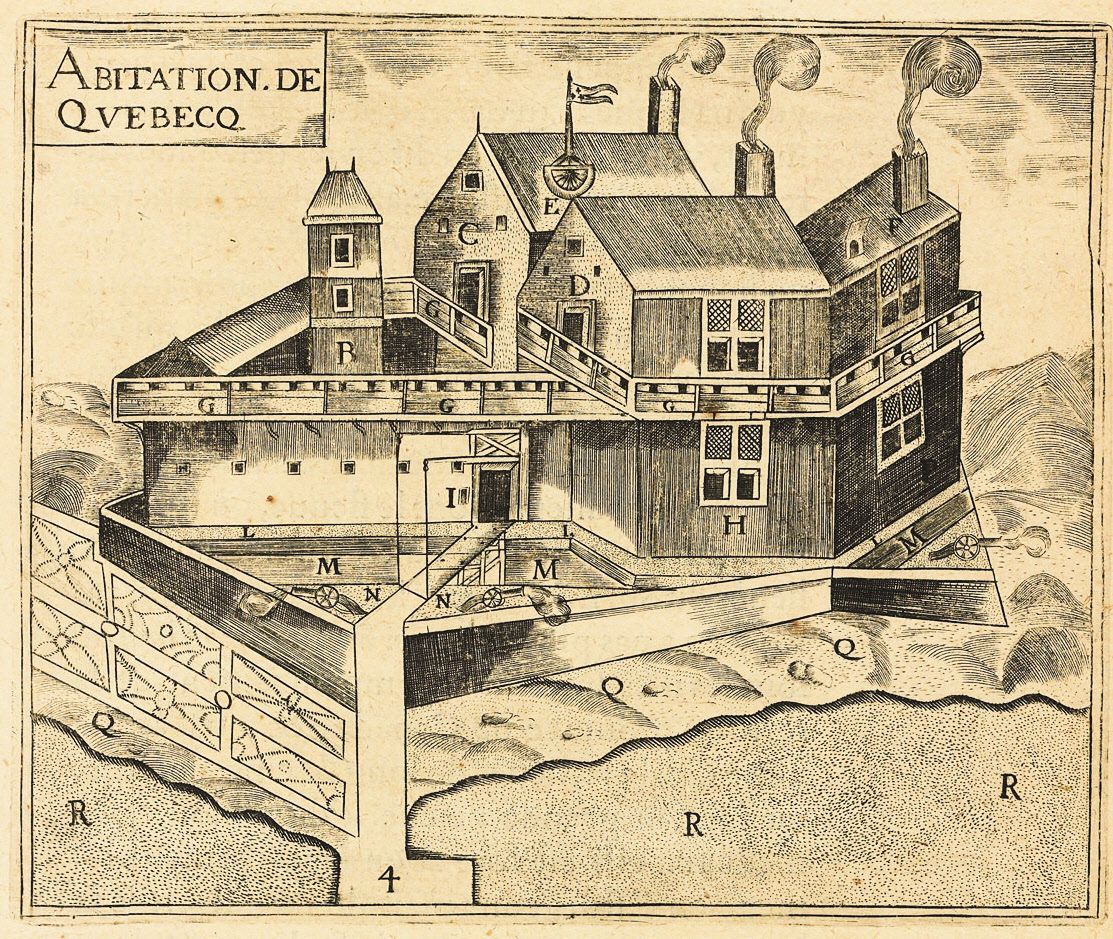
The history of Place Royale is linked to the founding of Quebec City. In 1608, French explorer Samuel de Champlain established his settlement, the Habitation de Québec, on this site at the foot of Cape Diamond. Champlain chose the location for its strategic position overlooking the narrowing of the St. Lawrence River. By the 1620s, the settlement's first market was established here, leading the square to be known originally as Place du Marché. This commercial activity spurred the development of the surrounding Lower Town throughout the 17th century. The early structures were primarily built of wood. A devastating fire swept through in 1682, destroying the wooden buildings. This fire prompted a shift to rebuilding the square with more durable stone. In 1686, Intendant Jean Bochart de Champigny erected a bust of King Louis XIV in the square, renaming the space Place Royale. The bust was later destroyed during the British conquest.
Architectural Evolution and Character
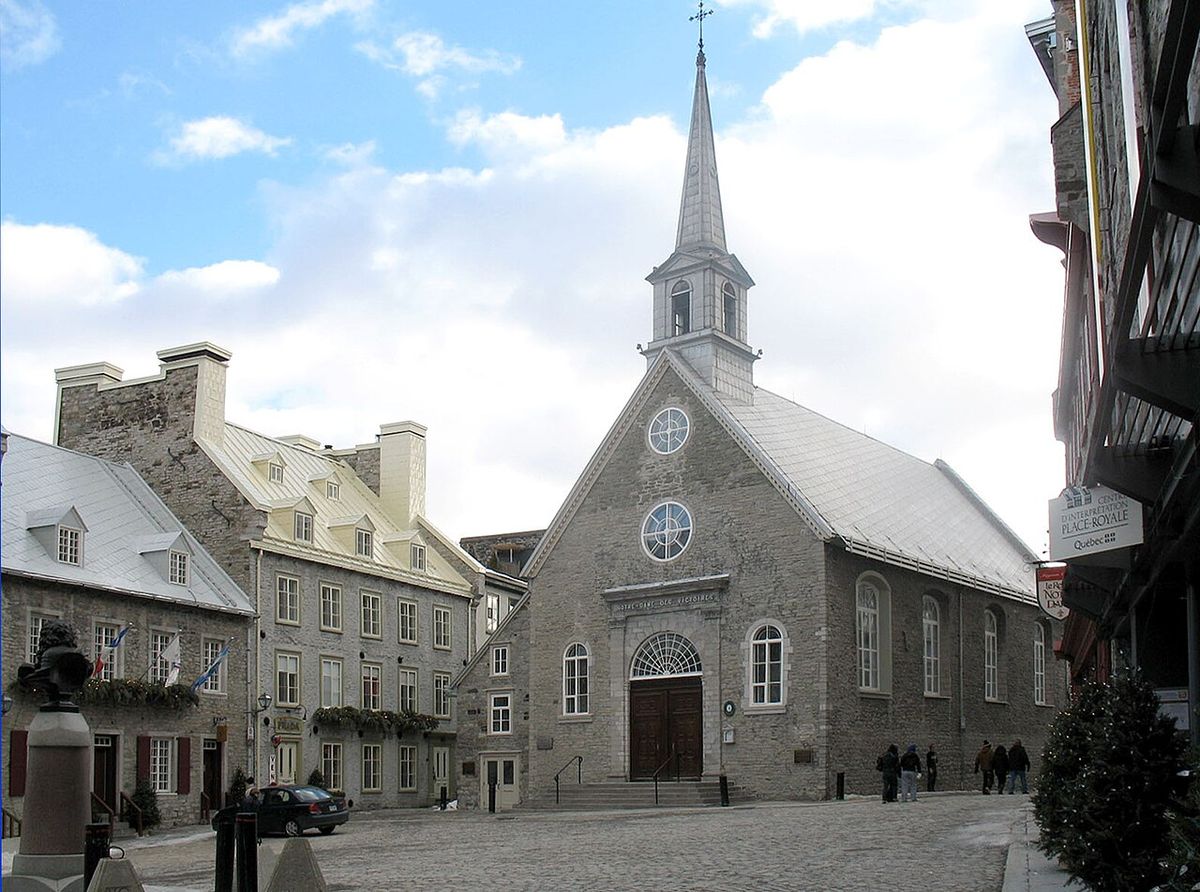
The architectural ensemble of Place Royale results from its history of destruction and renewal. The stone buildings reconstructed after the 1682 fire define the square's aesthetic. They feature steeply pitched roofs, thick masonry walls, and small-paned windows characteristic of 17th- and 18th-century French colonial design. This compact plaza with cobblestone streets creates an intimate atmosphere. The harmonious appearance seen today is the result of a deliberate restoration project begun in 1970. This initiative removed architectural additions made during the British control and industrial eras. The project cost $20 million and involved archaeological research to guide reconstruction. Excavations uncovered foundations of Champlain's original 1608 Habitation. The square's enclosed nature and uniform rooflines make it a favourite subject for photographers and a prime example of urban heritage conservation.
Important Historical Events
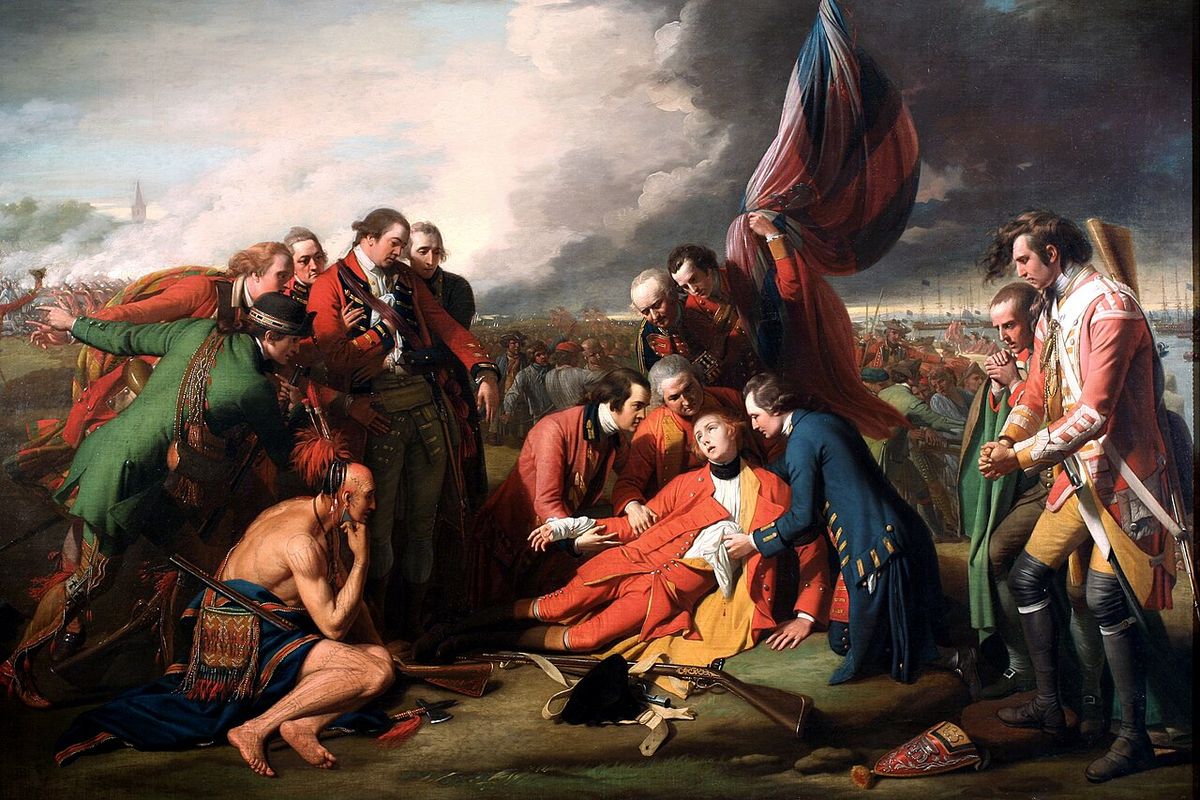
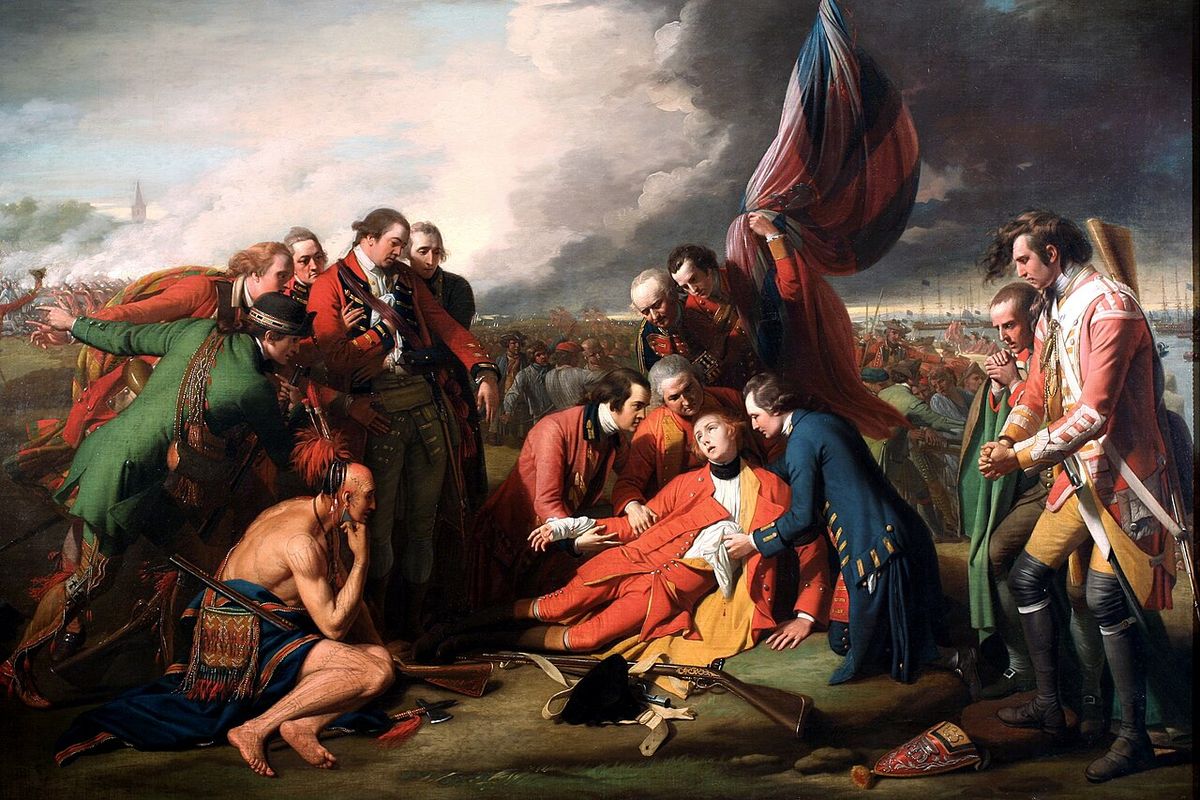
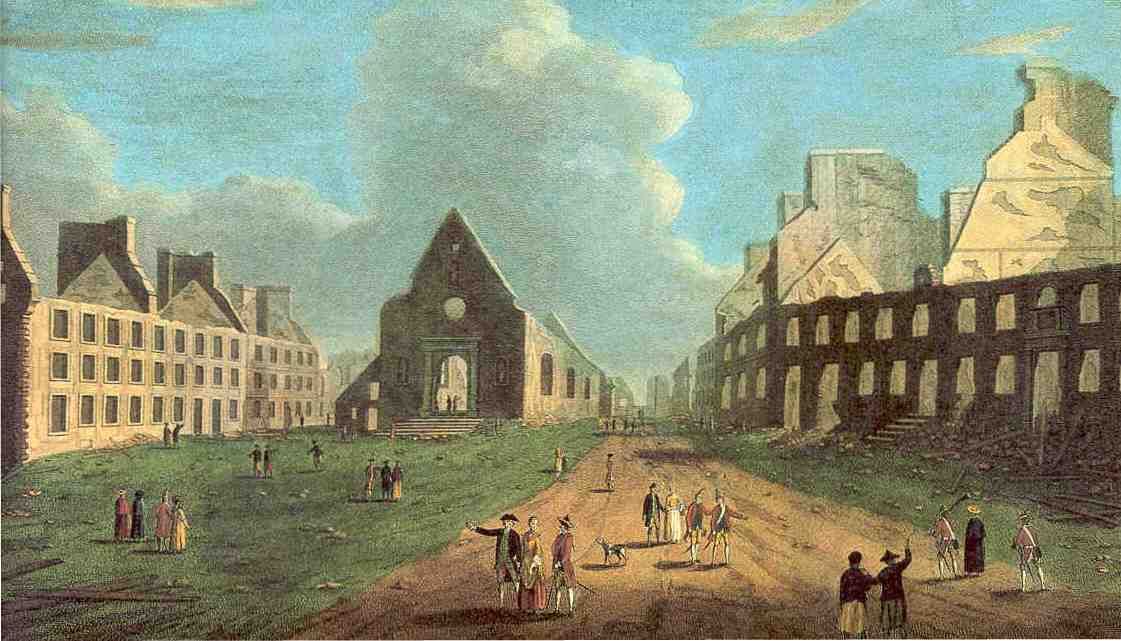
Place Royale's status as the heart of New France made it a target during conflict. The square suffered significant destruction during the Seven Years' War. The British Army under General James Wolfe bombarded Quebec City in 1759 during the Battle of the Plains of Abraham. The Lower Town, including Place Royale, was heavily damaged by naval guns. This event marked a transition from French colonial power to British rule. Following the conquest, British merchants occupied many of the stone buildings. In the 19th century, economic shifts diminished the square's commercial prominence. The industrial revolution favoured metal construction and larger port facilities downstream. The growth of Montreal as a trade hub led Place Royale to lose its role as a primary commercial centre. By the early 20th century, the area had become dilapidated. These events layered the square's history with prosperity, conflict, and decline, setting the stage for its modern preservation.
The 20th Century Restoration and Modern Significance
The second half of the 20th century saw a major project that rescued Place Royale from decline. Initiated in 1970, the restoration was led by the Quebec government and cost $20 million. The work focused on peeling back centuries of alteration to buildings that had survived since the French regime. The goal was to remove architectural elements added after the British conquest. This work restored the square's original French colonial character to its appearance prior to 1759. This solidified Place Royale's role as an open-air museum and a symbol of Quebec's French origins. Today, the square is a fundamental part of Old Quebec, which was designated a UNESCO World Heritage Site. It functions as an active part of the city's cultural life, with restored buildings housing boutiques, galleries, and cafes. The square's ambiance shifts with the seasons, ensuring it remains a dynamic part of Quebec City's identity and a major tourist attraction.
Cultural Presence and Events
Place Royale's evocative setting has made it a location for cultural production. It served as a filming location for the 2002 Steven Spielberg film Catch Me If You Can, where it stood in for the French town of Montrichard. The square and its surrounding quartier are focal points for heritage programming and seasonal festivities. The area frequently hosts events that highlight Quebec's history and traditions, such as historical reenactments. For instance, an 18th Century Public Market event is scheduled to take place in Old Montreal on August 29 and 30, 2026. Within Quebec City's summer festival lineup, Place Royale often serves as a picturesque venue for concerts and theatrical performances. The New France Festival, held annually, frequently uses the square as a key stage. The square's ability to host both daily visits and special events shows its role as a living centre of Quebecois culture. Its image is also widely used in tourism promotion for the province.
Visiting Place Royale and Surrounding Attractions
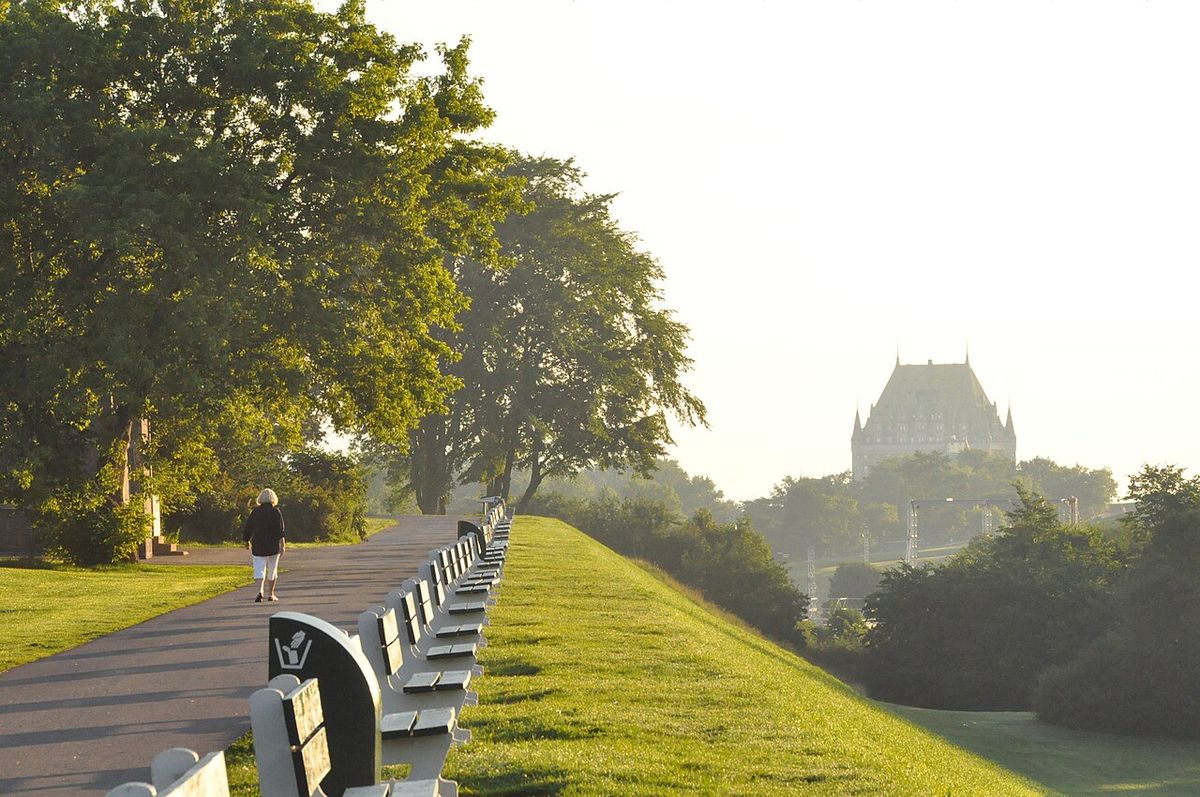
Place Royale is a central highlight for any visit to Quebec City, easily accessible within the walkable Lower Town. Visitors can explore the square's architecture and visit the Notre-Dame-des-Victoires Church. The church is dedicated to the Virgin Mary and commemorates French naval victories. The surrounding streets of the Quartier Place Royale are lined with shops selling local crafts, cafes, and art galleries. The square's proximity to other major landmarks, such as the funicular leading to Upper Town and the Dufferin Terrace, allows it to be integrated into a broader tour. To fully appreciate the context, visitors often explore the broader Old Quebec district, the only remaining fortified city north of Mexico. Key nearby attractions include the Château Frontenac hotel, the historic ramparts, and the Plains of Abraham battlefield park, which is now a national historic park.
Beyond the historic core, Quebec City offers complementary experiences. Nature enthusiasts can visit Montmorency Falls. They can explore Jacques-Cartier National Park, or stroll the Samuel de Champlain Promenade along the river. The nearby Île d'Orléans provides a pastoral contrast with its farms and orchards, accessible via a short bridge. The city's neighbourhoods, like Saint-Roch and Saint-Jean-Baptiste, offer distinct culinary and artistic scenes. This combination of history, urban culture, and natural beauty makes a visit to Place Royale the starting point for a richer exploration of the Quebec region.
Key Historical Dates and Milestones
The history of Place Royale began in 1608 when Samuel de Champlain established the Habitation de Québec on this site. By the 1620s, the square hosted the city's first market, inspiring its original name of Market Square. A fire in 1682 ravaged the wood structures, prompting the construction of new stone buildings. In 1686, a bust of King Louis XIV was erected, renaming the square Place Royale. The square suffered significant destruction during the British bombardment in the 1759 Battle of the Plains of Abraham. Economic shifts in the 19th century caused the square to lose its commercial primacy to Montreal. A major restoration project began in 1970 to return the square to its French colonial appearance. The restoration was largely complete by the late 20th century, coinciding with the UNESCO designation of Old Quebec.
- 1608: Samuel de Champlain founds the Habitation de Québec on the site.
- 1620s: The city's first market is established, giving the square its original name, Place du Marché.
- 1682: A major fire destroys the wooden structures, leading to reconstruction in stone.
- 1686: A bust of King Louis XIV is erected by Intendant Jean Bochart de Champigny, renaming the square Place Royale.
- 1759: The square is heavily damaged by British bombardment during the Battle of the Plains of Abraham.
- 19th Century: Period of British rule. The square's commercial role declines.
- 1970: A major restoration project begins, led by the Quebec government.
- 2002: Serves as a filming location for Catch Me If You Can.
Questions about Place Royale, Quebec City
Why is Place Royale so important to Canadian history?
Place Royale is considered the cradle of French civilization in North America. It was the site where Samuel de Champlain established the first permanent French settlement in 1608, which grew into Quebec City. It served as the commercial heart of New France for over a century. The square is a direct link to the origins of French Canada and its preservation makes it a unique historic site.
What can I see and do at Place Royale today?
Visitors can walk the cobblestone square surrounded by restored 17th- and 18th-century stone buildings. You can explore boutique shops and cafes housed in these historic structures. The area is a hub for cultural events and serves as a starting point for exploring Old Quebec. Visitors can also attend events like the 18th Century Public Market on August 29 and 30, 2026.
How did Place Royale get its name?
The square was originally named Place du Marché, or Market Square, in the 1620s. Its current name, Place Royale, was adopted in 1686. In that year, the Intendant of New France, Jean Bochart de Champigny, erected a bust of King Louis XIV in the square, which inspired the renaming. The original bust was destroyed but a replica now stands in the square.
What was the cost of restoring Place Royale?
The major restoration project began in 1970. The project had a total cost of $20 million. When adjusted for inflation to 2025 dollars, this amount is equivalent to approximately $166 million. The funding came from the Quebec government as part of a larger heritage conservation effort.
Was Place Royale damaged in a war?
Yes, Place Royale was significantly damaged during the Seven Years' War. It was heavily damaged by the British Army of General James Wolfe in the 1759 Battle of the Plains of Abraham. This bombardment contributed to the French surrender. Many stone buildings were struck by cannonballs, and the original bust of Louis XIV was destroyed. The restoration project later worked to repair this damage.
Has Place Royale been used in any movies?
Yes, Place Royale was used as a stand-in for Montrichard, France in the 2002 Steven Spielberg film Catch Me If You Can. The square's historic stone buildings and cobblestones made it a convincing location to represent a European town. This filming occurred because the restoration project had returned the square to its original French colonial appearance. The use of Place Royale in this major film demonstrates its value as an authentic historic setting.
Sources and further reading
- Place Royale, Quebec City (Wikipedia)
- Place Royale in Old Québec: A Timeless Journey Through ... (quebecregion.com)
Checked by the Nosy Mag desk. Last updated 2026-10-26.