Invasion of Quebec (1775)
The Invasion of Quebec from June 1775 to October 1776 was the first major military initiative by the newly formed Continental Army during the American Revolutionary War. Its objective was to seize the British Province of Quebec and persuade its French-speaking Canadiens to join the rebellion of the Thirteen Colonies. The campaign involved two expeditions led by Generals Richard Montgomery and Benedict Arnold, which converged at Quebec City only to be decisively defeated in an assault during a blizzard on December 31, 1775. This failed invasion was a significant early setback for the American cause and solidified British control over Quebec, shaping the future political development of North America.
Background and Congressional Authorization
The American Revolutionary War began in April 1775 with the Battles of Lexington and Concord, leading to a stalemate at the Siege of Boston. In May, colonial forces led by Benedict Arnold and Ethan Allen captured the lightly defended British forts at Ticonderoga and Crown Point on Lake Champlain. This action highlighted the weak British military presence in the north and prompted early proposals for an invasion of Quebec. Both Arnold and Allen separately suggested that a force of 1,200 to 1,500 men could drive the British from the province. The Continental Congress had previously attempted to gain French-Canadian support, sending letters of invitation in October 1774 and May 1775, but received no substantive response. Initially ordering the abandonment of the captured forts, Congress reversed its position as public opinion in New England and New York demanded action and as British Governor Guy Carleton began fortifying Fort Saint-Jean. On June 27, 1775, Congress authorized General Philip Schuyler to investigate and, if appropriate, begin an invasion of Quebec.
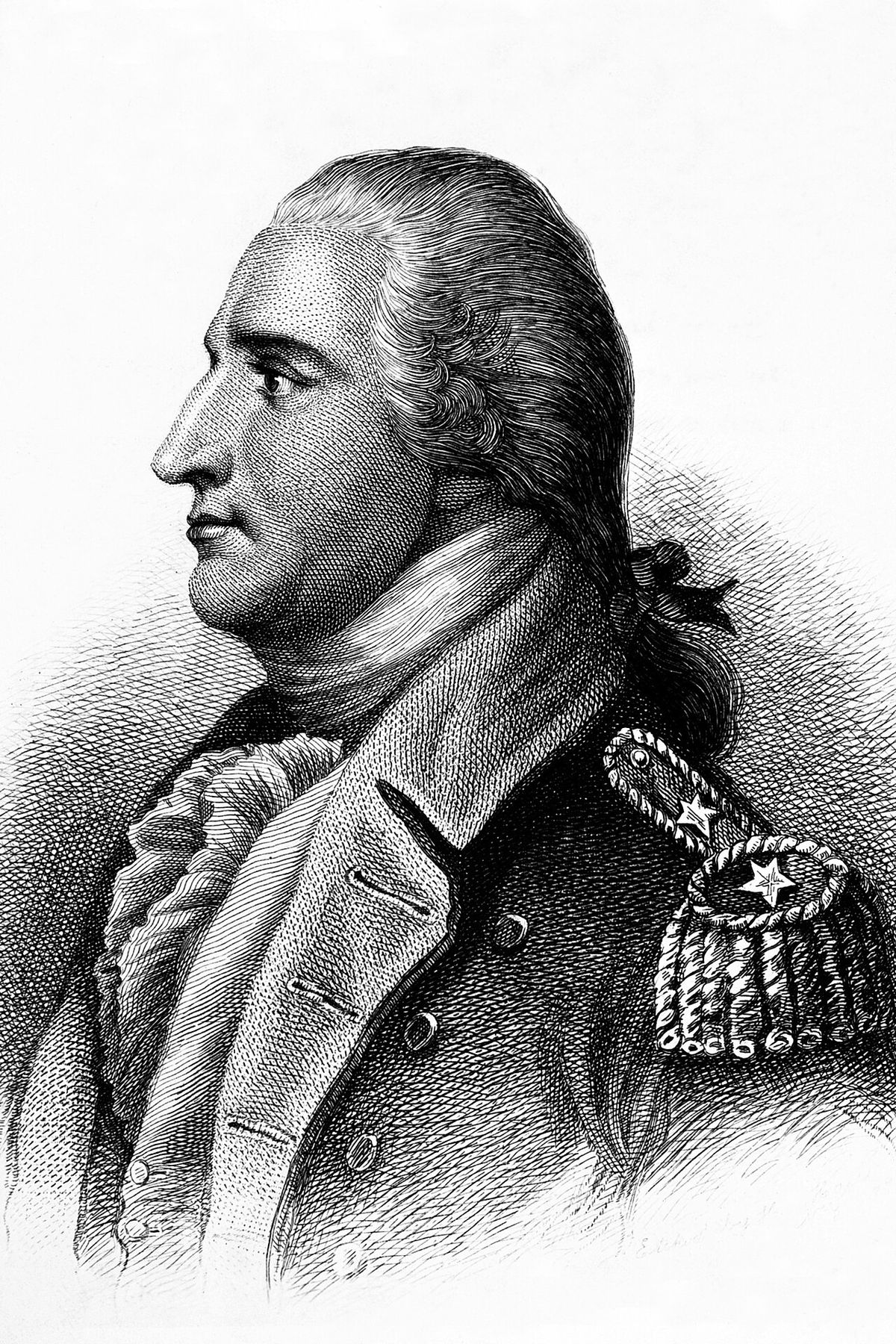
Benedict Arnold, passed over for command of the primary expedition, travelled to the American headquarters in Cambridge, Massachusetts. There he convinced General George Washington to approve a second, supporting expedition aimed directly at Quebec City. Washington provided Arnold with 1,100 men for this arduous trek through the wilderness of present-day Maine. Meanwhile, General Carleton, aware of the threat from the south after a colonial raid on Fort Saint-Jean in May, urgently requested reinforcements from General Thomas Gage in Boston. He worked to raise local militias in Montreal and Quebec City with limited success, sent 700 troops to garrison Fort Saint-Jean, and ordered the construction of vessels for Lake Champlain. He also recruited about one hundred Mohawk warriors to assist in the region's defense, relying on the fort as the main southern bulwark while he oversaw Montreal's defense with only 150 regulars.
Diplomacy and Indigenous Neutrality
A critical dimension of the campaign involved efforts by both sides to secure the support or neutrality of the Indigenous nations, particularly the Iroquois Confederacy. The British Indian agent, Guy Johnson, a Loyalist, fled his New York estate with about 200 supporters in June 1775. He convened meetings with Indigenous leaders, primarily Mohawk and Huron, at Fort Ontario and later in Montreal with General Carleton. At these gatherings, he secured promises to assist the British and distributed war belts, though most other Iroquois nations sought to avoid involvement. The Continental Congress actively sought to keep the Six Nations neutral. In July 1775, missionary Samuel Kirkland delivered a Congressional message to the Oneidas, asking them to 'remain at home, and not join either side.' In response to Johnson's activities, General Schuyler called a conference in Albany in mid-August 1775.
Attended by about 400 Indigenous people, mostly Oneida and Tuscarora with few Mohawk, the Albany conference was a major diplomatic event. Schuyler and other commissioners explained the colonists' grievances against Britain, framing the conflict as a defensive fight for rights, not one of conquest. The assembled chiefs agreed to remain neutral, with one Mohawk leader characterizing it as 'a family affair.' In a significant diplomatic setback for the British, the war belt Johnson had given to the Iroquois in July was formally turned over to American commissioners in December 1775. This neutrality, particularly of the Oneida, later proved crucial when they intercepted a Mohawk war party heading to support the British at Fort Saint-Jean in September, convincing them to return home.
Montgomery's Campaign North from Lake Champlain
The primary invasion force, initially under General Philip Schuyler, was to advance up Lake Champlain, capture Montreal, and then move on Quebec City. Mustering at Fort Ticonderoga, the force comprised troops from New York, Connecticut, and New Hampshire, including the Green Mountain Boys under Seth Warner. In late August, with Schuyler attending the Albany conference, Colonel Richard Montgomery acted on reports that British ships were nearing completion at Fort Saint-Jean. He moved 1,200 troops to a forward base at Île aux Noix in the Richelieu River. Schuyler, who was falling ill, caught up but soon turned command over to Montgomery before returning to Ticonderoga. After a preliminary skirmish near Fort Saint-Jean on September 6, Montgomery, reinforced by another 800-1,000 men, began a formal siege of the fort on September 17, cutting its communications with Montreal.
The siege was a protracted affair. During it, Ethan Allen was captured on September 25 after his unauthorized and foolhardy attempt to take Montreal with a small force. A failed relief attempt by General Carleton on October 30 sealed the fort's fate, and its garrison surrendered on November 3, 1775. With the southern gateway open, Montgomery led his troops north. He occupied Saint Paul's Island in the Saint Lawrence on November 8 and entered the Montreal suburb of Pointe-Saint-Charles the next day. Recognizing the city was indefensible and facing militia desertions, Carleton abandoned Montreal on November 13. He narrowly escaped capture, disguising himself as a commoner to slip past American batteries at Sorel and reach Quebec City by boat. Montgomery's army took control of Montreal without significant fighting on November 13.
- August 25, 1775: Montgomery moves troops from Ticonderoga toward Fort Saint-Jean.
- September 6, 1775: First skirmish near Fort Saint-Jean.
- September 17, 1775: Siege of Fort Saint-Jean begins.
- September 25, 1775: Ethan Allen captured at the Battle of Longue-Pointe.
- November 3, 1775: Fort Saint-Jean surrenders to Montgomery.
- November 13, 1775: Montreal falls to American forces as Carleton flees.
Before departing for Quebec City, Montgomery worked to secure the province's political allegiance, publishing messages from Congress and discussing the election of delegates to that body. However, his effective force was drastically reduced as enlistments expired after Montreal's capture. He set out for Quebec on November 28 with only about 300 of his original men, leaving General David Wooster with 200 troops to garrison Montreal. Along the route, he was joined by James Livingston's newly raised 1st Canadian Regiment, adding about 200 men to his column. The 1st Canadian Regiment was one of the few French-Canadian units to serve with the Continental Army.
Arnold's Arduous Trek Through the Wilderness
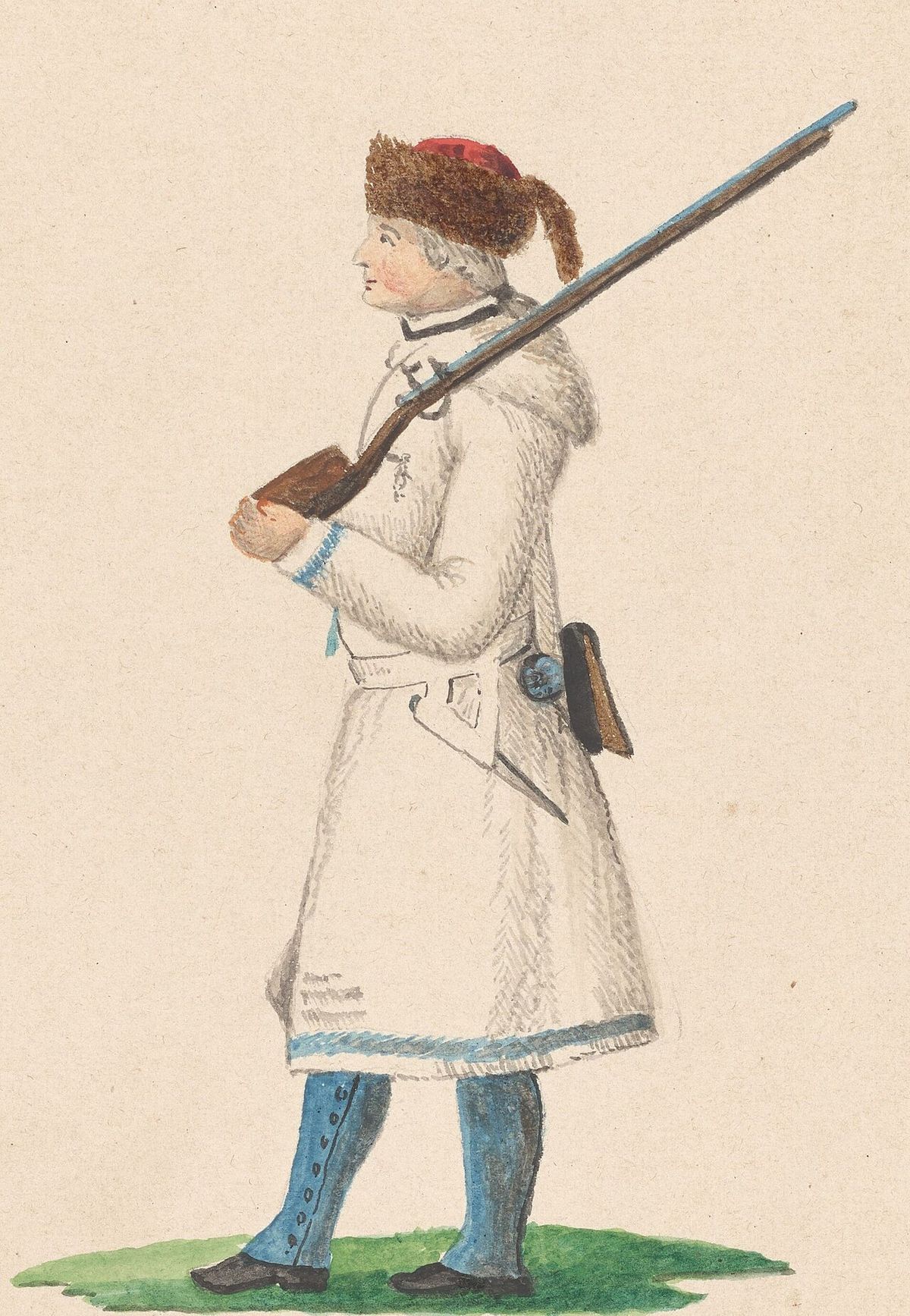
While Montgomery advanced via the traditional Lake Champlain route, Benedict Arnold began one of the most grueling marches of the Revolutionary War. His expedition of 1,100 men, including Daniel Morgan's riflemen, sailed from Newburyport, Massachusetts, to the mouth of the Kennebec River in present-day Maine in September 1775. Their plan was to ascend the Kennebec, cross the height of land, and descend the Chaudière River to reach the Saint Lawrence opposite Quebec City. The journey quickly became a nightmare of logistical failure and extreme hardship. The bateaux used were poorly constructed and leaked, ruining food and gunpowder supplies. The portages were numerous and difficult, and the swampy terrain of the Maine wilderness was complicated by bad weather.
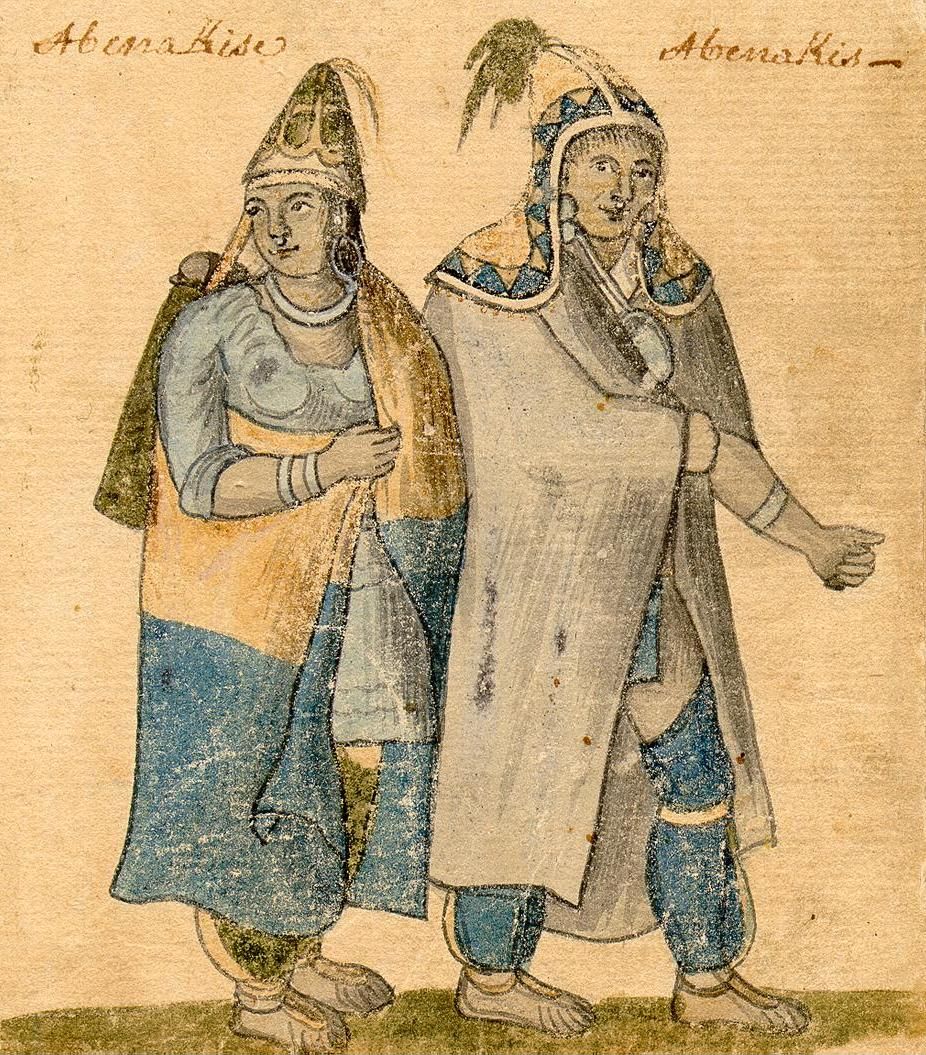
The expedition's troubles mounted during the descent of the fast-moving Chaudière River, where more boats and supplies were lost. By the time Arnold's emaciated column reached the settled French-Canadian parishes near the Saint Lawrence in early November, his force was reduced to about 600 starving and ill-equipped survivors. They had travelled nearly 400 miles through untracked wilderness in about two months, far longer than the estimated twenty days. With the assistance of Abenaki guides and finding provisions in villages like Sartigan (Saint-Georges-de-Beauce), they pressed on.
Arnold immediately demanded the surrender of Quebec City, but Lieutenant-Governor Hector Theophilus de Cramahé, in Carleton's absence, refused. Recognizing his men were in no condition to attack a fortified city, and after hearing of a planned British sortie, Arnold withdrew westward to Pointe-aux-Trembles on November 19 to await Montgomery's arrival. Montgomery, having secured Montreal, finally sailed downriver with 500 troops, bringing captured British supplies and winter clothing, uniting with Arnold on December 2. Their combined force, now camped outside Quebec City, numbered only about 1,000 men, further weakened by an outbreak of smallpox. The Americans again stood on the Plains of Abraham and began a siege on December 5.
The Battle of Quebec and the Siege
The united American force, under the overall command of Richard Montgomery, laid an ineffectual siege to Quebec City throughout December 1775. The frozen ground prevented the digging of proper siegeworks, and the troops suffered terribly from the cold, disease, and shortages. With prospects dimming and many enlistments due to expire at year's end, the American commanders decided on a desperate assault. They planned a two-pronged attack during a snowstorm on the night of December 30-31, hoping the weather would provide cover. Montgomery would attack from the west, along the river at Près-de-Ville, while Arnold would assault from the north, through the Lower Town.
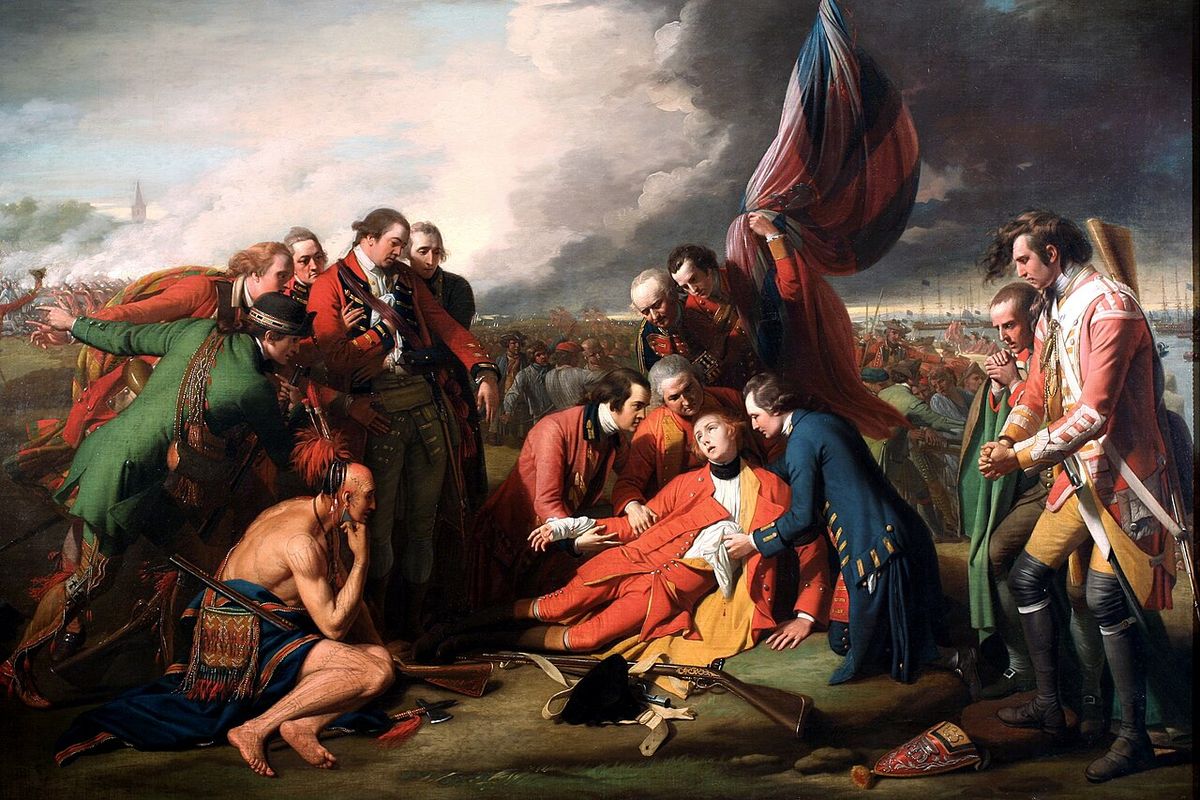
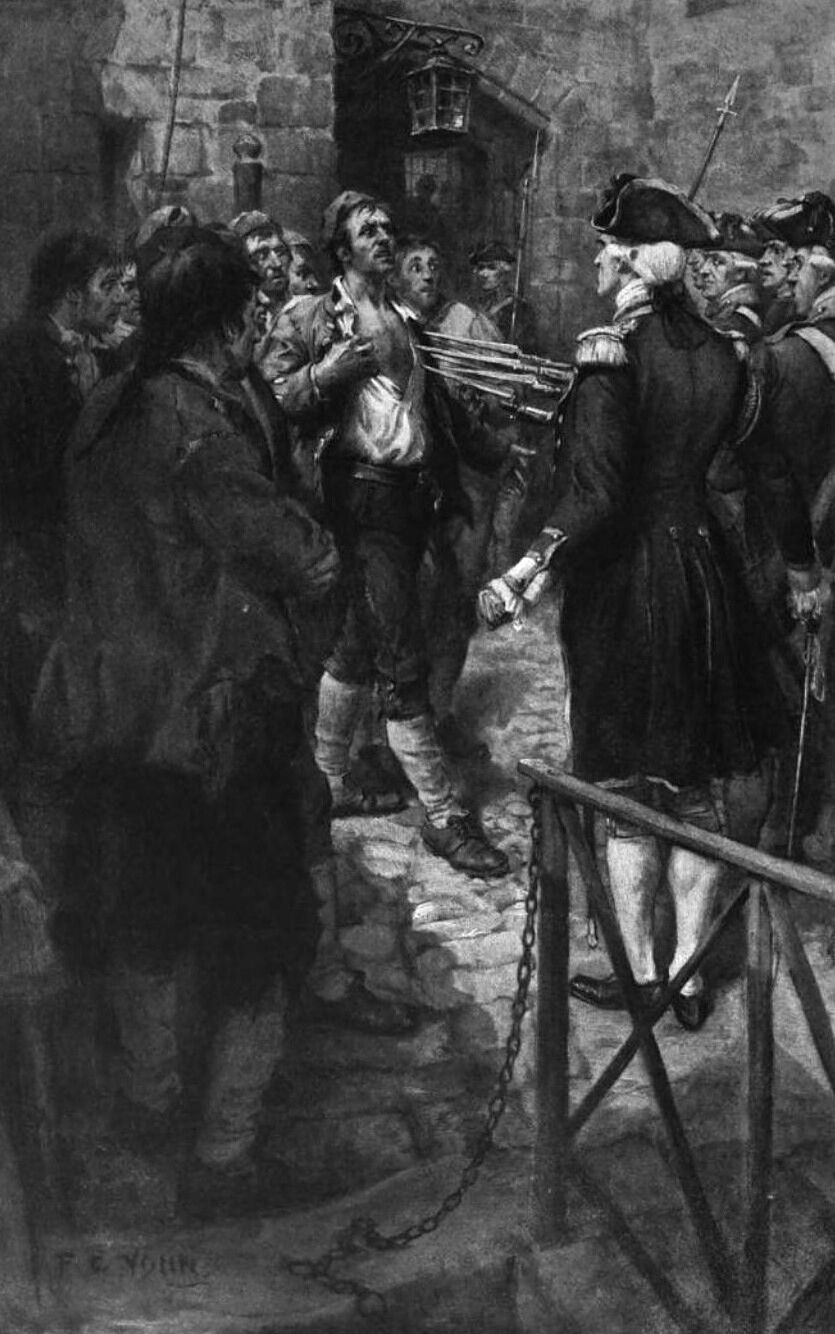
The attack, launched in a fierce blizzard in the early hours of December 31, was a catastrophic failure. Montgomery's column advanced along the narrow path by the river but was met with a devastating volley of cannon and musket fire from a defended blockhouse. Montgomery was killed instantly, and his attack collapsed. Arnold's column, attacking through the winding streets of the Lower Town, initially made some progress but became disorganized in the storm. Arnold was wounded in the leg and carried from the field. Daniel Morgan and others pushed forward but were eventually surrounded and forced to surrender. The battle was a decisive British victory with minimal casualties for the defenders. American losses were severe, with hundreds killed, wounded, or captured.
Following the battle, the wounded Benedict Arnold assumed command of the shattered remnants of the Continental Army and maintained a loose and largely ineffective siege of Quebec City through the winter and spring of 1776. The political situation also deteriorated for the Americans. General David Wooster's heavy-handed administration of Montreal alienated the local populace, and successful British propaganda bolstered Loyalist sentiments. Although American sympathizer Christophe Pélissier supplied munitions from his Saint-Maurice ironworks until the retreat, the hoped-for popular uprising of French Canadians never materialized. The arrival of British reinforcements in May 1776 under General John Burgoyne, including Hessian troops, spelled the end of the campaign. In March 1776, Arnold was ordered to Montreal and replaced by General Wooster at Quebec.
British Counter-Offensive and Campaign's End
With the arrival of thousands of fresh British and German troops in May 1776, General Carleton launched a powerful counter-offensive to clear the province of American forces. The smallpox-ravaged and demoralized Continental troops, now under Arnold's command, began a disorganized retreat up the Saint Lawrence toward Montreal. They abandoned their sick at places like the Hôpital-Général de Québec as they fled. Carleton's forces recaptured Trois-Rivières on June 8, 1776, in a sharp engagement that further crippled the American army. The retreat became a rout, with the Americans abandoning Montreal on June 15 and fleeing south toward Lake Champlain.
Benedict Arnold, displaying tenacity, played a major role in preventing a complete disaster. He organized a desperate naval defense on Lake Champlain, constructing a small fleet from scratch at Skenesborough. Although his flotilla was ultimately destroyed in the Battle of Valcour Island in October 1776, it delayed Carleton's southward advance significantly. This delay forced the British to postpone any attack on the critical American fortress at Fort Ticonderoga until the following year. By the time Carleton withdrew his forces to winter quarters in Quebec in late October 1776, the American invasion had been entirely repulsed. The campaign's end directly set the stage for the next major British offensive: General John Burgoyne's 1777 campaign down the Hudson River valley, which would culminate in the major American victory at Saratoga.
Historical Significance and Commemoration
The failed Invasion of Quebec was an important event in the early years of the American Revolution and in Canadian history. Its outcome ensured that the British Province of Quebec would not become a 'fourteenth colony' in rebellion. The campaign demonstrated the limitations of the nascent Continental Army and the difficulties of projecting power into Canada. Crucially, it revealed that the French-Canadian population, despite the recent British conquest and the 1774 Quebec Act, would not rise en masse to support the American cause. This failure helped ensure the future development of a separate British North America distinct from the United States. The campaign also featured prominently in the careers of several notable figures, most tragically Richard Montgomery, who became an early American martyr, and Benedict Arnold, whose bravery here preceded his later infamous treason.
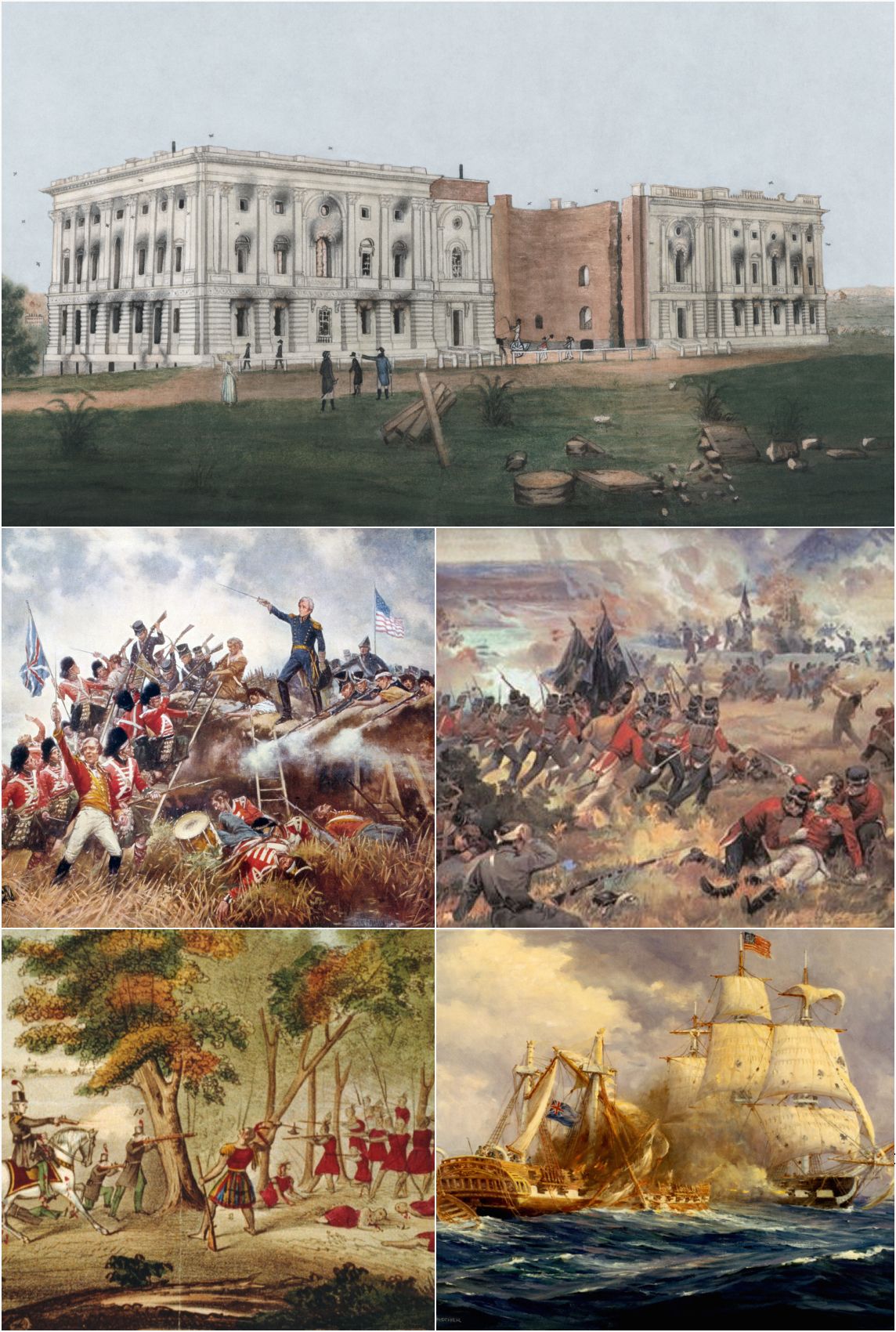
The events of 1775 to 1776 are commemorated at several historic sites across Quebec. The fortifications of Old Quebec, reinforced in part due to this invasion, are a UNESCO World Heritage Site. Local historical societies and tour companies in Quebec City offer guided walks focusing on the American invasion, especially around its 250th anniversary period in 2025 to 2026. These tours highlight the attack points, such as Près-de-Ville where Montgomery fell, and the Hôpital-Général which sheltered American wounded. In the War of 1812 the Americans launched another invasion of British North America, again expecting local support, and that failed invasion is also regarded as significant in Canadian history.
Questions about Invasion of Quebec (1775)
Who were the main commanders on each side during the invasion?
The American invasion was led by two primary commanders: General Richard Montgomery, who commanded the force that advanced from Lake Champlain and captured Montreal, and Colonel Benedict Arnold, who led the grueling wilderness expedition through Maine to Quebec City. They were initially authorized by General Philip Schuyler. The British defense was commanded by General Guy Carleton, who served as both the provincial governor and military commander. He oversaw the defense from Montreal and later directed the successful stand at Quebec City, with Lieutenant-Governor Hector Theophilus de Cramahé in command there during his absence.
What happened at the Battle of Quebec on December 31, 1775?
The Battle of Quebec was a disastrous defeat for the Continental Army. In a desperate gamble, Generals Montgomery and Arnold launched a two-pronged assault on the fortified city during a fierce blizzard in the early morning hours. Montgomery's column was cut down by concentrated fire at a riverfront blockhouse, and Montgomery was killed. Arnold's column became disorganized in the storm, and he was wounded. The attack collapsed completely, resulting in hundreds of American casualties and prisoners, including Daniel Morgan. The British defenders suffered very few losses, securing a decisive victory.
Did any French Canadians or Indigenous peoples support the American invasion?
Support was limited and ultimately insufficient. Some French Canadians, like James Livingston who raised the 1st Canadian Regiment and Christophe Pélissier who supplied munitions from his ironworks, actively aided the Americans. However, the majority of the population remained neutral or loyal to Britain, influenced by the guarantees of the 1774 Quebec Act and British propaganda. Among Indigenous nations, the Americans successfully secured the neutrality of the Oneida and Tuscarora at the Albany conference. Most Mohawk initially leaned toward the British, but their active military support was curtailed, and a key war party was intercepted and turned back by Oneida diplomacy in September 1775.
How did the invasion finally end?
Following their defeat at Quebec, the Americans maintained a weak siege through the winter of 1776. The campaign ended decisively in the spring and summer of that year. The arrival of a large British reinforcement fleet carrying about 11,000 troops under General John Burgoyne in May 1776 forced the smallpox-weakened American army to retreat. British forces recaptured Trois-Rivières in June, and the Americans abandoned Montreal on June 15. A fighting retreat led by Benedict Arnold, including the naval Battle of Valcour Island on Lake Champlain in October, delayed the British but could not reverse the outcome. All American forces had been driven from the province by late October 1776.
What is the historical significance of the failed invasion for Canada?
The failed invasion is significant for Canadian history. It ensured that Quebec remained under British control, preventing its absorption into the United States. The outcome helped solidify a distinct political path for British North America, which would later evolve into Canada. The event also demonstrated the complexities of loyalty in the newly conquered province. The invasion's failure is a key reason why the American Revolution did not spread north, contributing to the creation of two separate nations on the continent. During the War of 1812, Americans launched another failed invasion of British North America, an event also regarded as significant in the formation of Canadian identity.
Why did the Americans invade Quebec in 1775?
The Americans invaded Quebec to seize the British province and persuade French-speaking Canadiens to join the revolution on the side of the Thirteen Colonies. This first major military initiative by the Continental Army aimed to remove Quebec as a potential British base and prevent a military division of the colonies. Following the capture of Fort Ticonderoga, leaders like Benedict Arnold and Ethan Allen noted Quebec was poorly defended and proposed expeditions. The Second Continental Congress authorized an invasion after learning British Governor Guy Carleton was fortifying positions and seeking Iroquois support. Control of Quebec, frequently referred to as 'Canada' at the time, was seen as vital for colonial security.
Sources and further reading
- Invasion of Quebec (1775) (Wikipedia)
- Quebec Battle Facts and Summary (battlefields.org)
- The invasion of 1775: the Plains of Abraham and ... (plainsofabraham.ca)
- This tour is offered on a gratuity basis! (quebec1608.com)
- When the American Revolutionary War Struck Québec (thewalrus.ca)
Checked by the Nosy Mag desk. Last updated 2026-10-23.