History of Newfoundland and Labrador
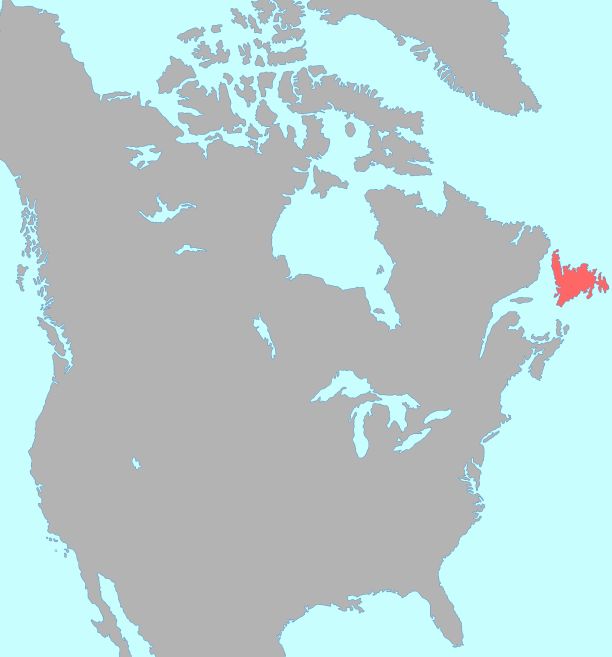
The history of Newfoundland and Labrador is a story of ancient Indigenous cultures, early European exploration, colonial rivalries, and a distinct path to Confederation with Canada. For millennia, the region was home to peoples such as the Maritime Archaic, Dorset, and Beothuk, with the first brief European contact occurring around 1000 AD with Norse settlers at L'Anse aux Meadows. Its modern history was shaped by the cod fishery, which drew seasonal European fleets, leading to permanent settlement and a unique colonial development that saw it become a self-governing dominion before economic collapse in the 1930s led to a suspension of responsible government. After a close referendum in 1948, Newfoundland joined Canada as its tenth province in 1949.
Indigenous Peoples and Early European Contact
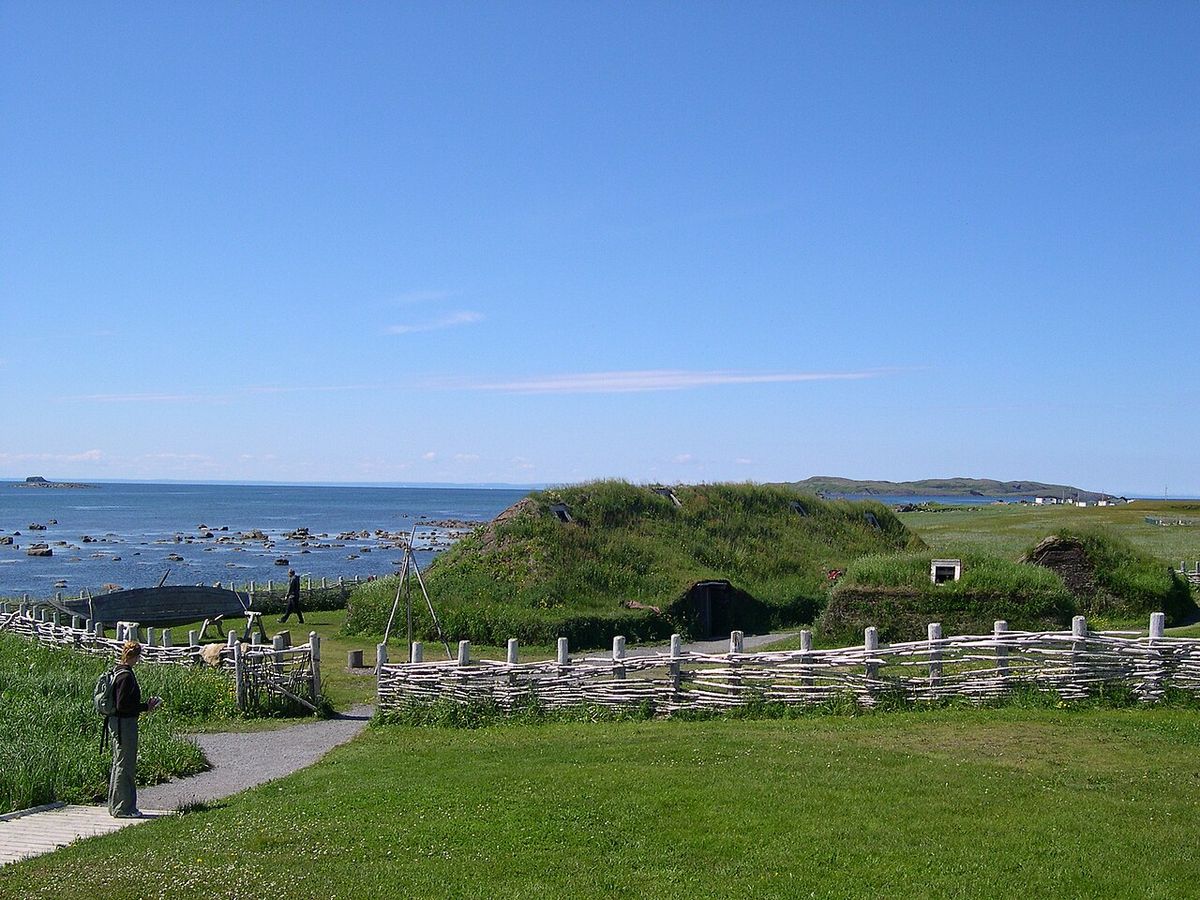
Human habitation in what is now Newfoundland and Labrador extends back about 9,000 years. The first known inhabitants were the Maritime Archaic people, who were gradually displaced by the Dorset Culture. By the time of sustained European contact, the island of Newfoundland was primarily inhabited by the Beothuk people, while Labrador was home to the Innu and Inuit. The Mi'kmaq also had a presence on the island in later centuries. The first Europeans to reach the region were Norse explorers and settlers from Greenland around 1000 AD, who established a small, short-lived settlement at L'Anse aux Meadows on the northern tip of Newfoundland, a site now recognized as a UNESCO World Heritage Site. This initial contact was fleeting, and the Norse soon abandoned their North American ventures. For nearly five centuries afterward, the region remained outside of European awareness until the Age of Exploration reignited interest in the North Atlantic.
The Fishing Colony and European Rivalries
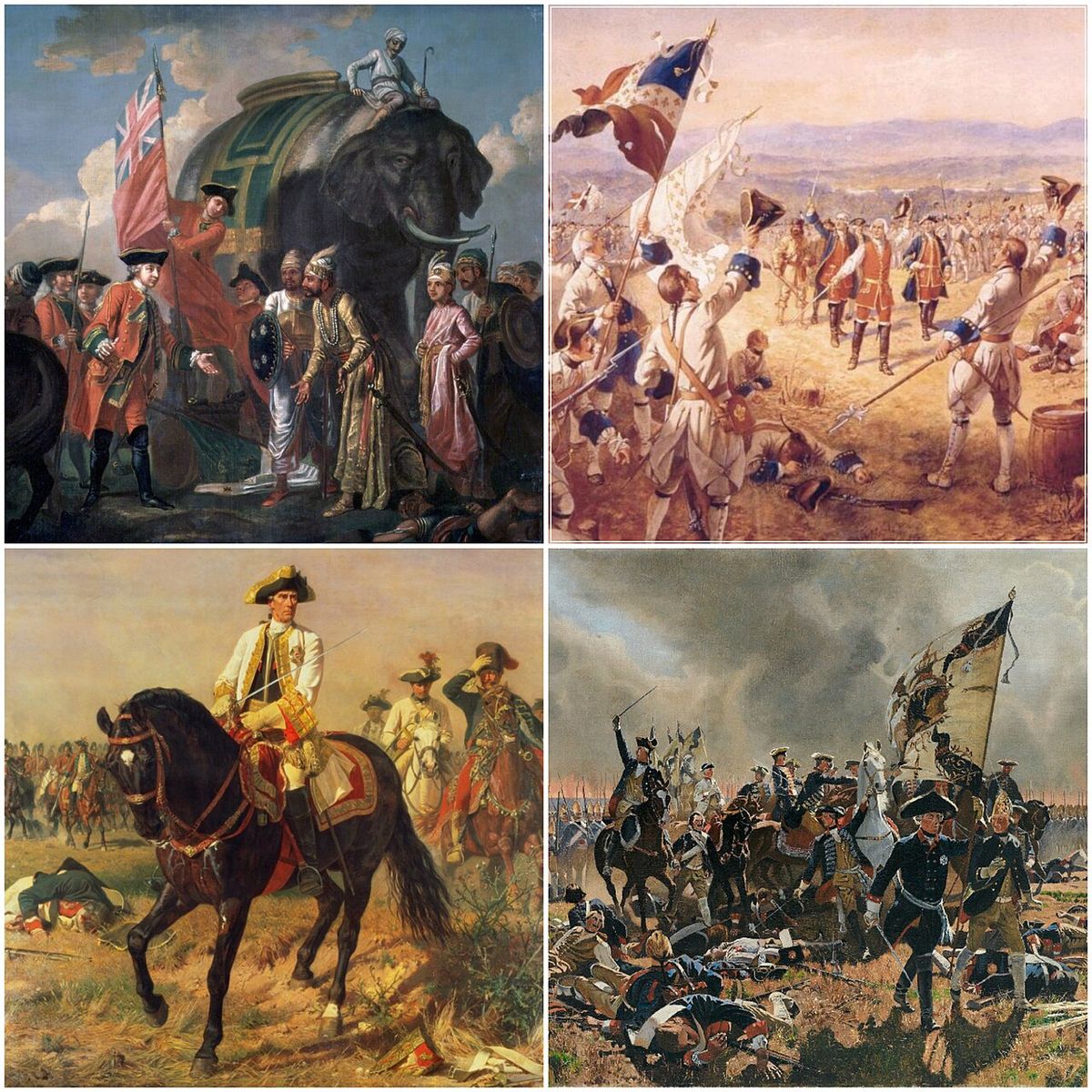
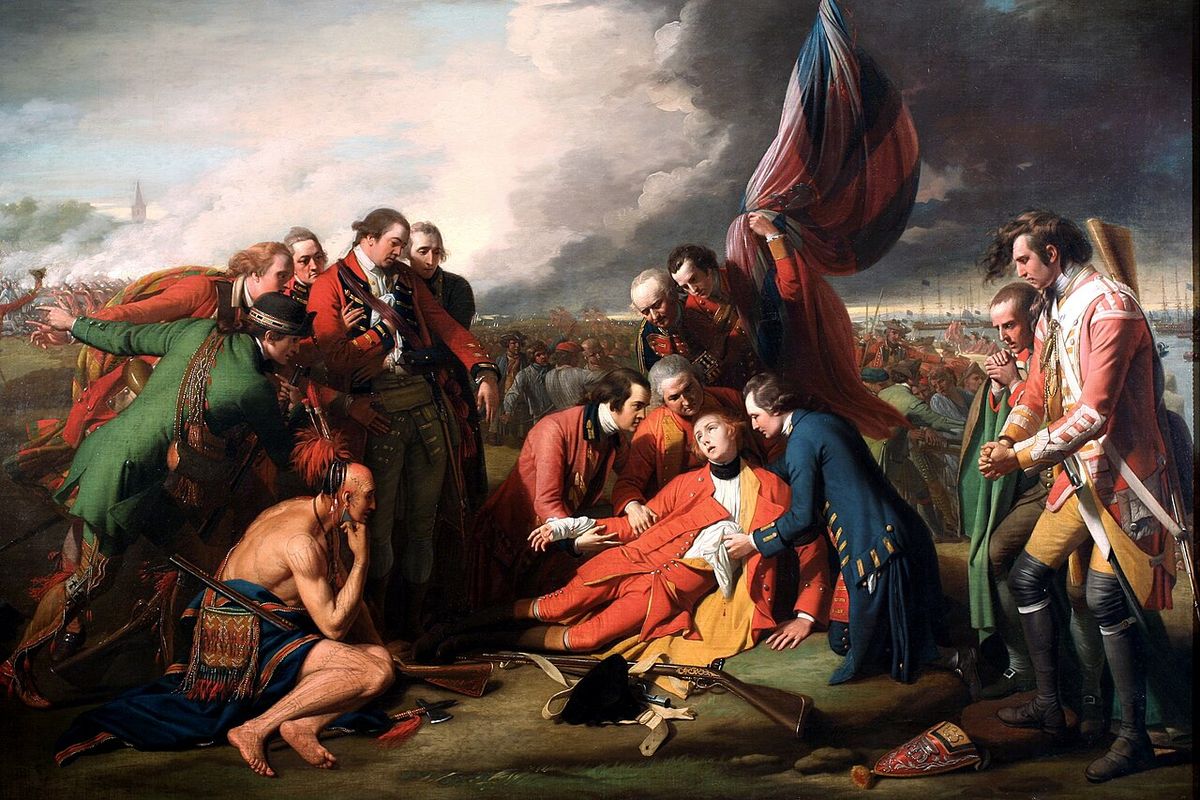
Following John Cabot's 1497 voyage, which he claimed for England, European fishermen quickly recognized the immense cod stocks on the Grand Banks. By the early 16th century, seasonal fishing expeditions from Portugal, Spain, France, and England became common. Basque whalers and fishermen were particularly active, using harbours like Placentia. These seasonal visits gradually led to semi-permanent settlement, with the first small year-round communities appearing around 1630. The English formally claimed the island in 1583 when Sir Humphrey Gilbert landed at St. John's. Governance was initially informal, based on the 'fishing admirals' system where the first ship's captain to arrive in a harbour each season held authority. This was replaced in 1729 by the appointment of naval governors. International disputes were a constant feature. The Treaty of Utrecht in 1713 ceded Newfoundland to Britain, though France retained seasonal fishing rights on the designated 'French Shore' until 1904. Further conflicts occurred during the Seven Years' War, including a brief French occupation of St. John's in 1762, which ended with their defeat at the Battle of Signal Hill.
Path to Responsible Government and Rejection of Canada
The 19th century was a period of political maturation for Newfoundland. Agitation led by reformers like Scottish physician William Carson resulted in the grant of a colonial assembly, the House of Assembly, in 1832. After further debate, responsible government, where the executive is accountable to the elected legislature, was achieved in 1855, placing Newfoundland on equal political footing with colonies like Nova Scotia. This self-rule fostered a strong sense of distinct identity. The colony's economy, while diversifying with mining and railways, remained heavily dependent on the cod fishery and seal hunt, with trade links directed more toward Europe and the United States than toward the Province of Canada. When the question of joining Canadian Confederation arose, it was decisively rejected in the 1869 general election. The anti-Confederation campaign, led by Charles Fox Bennett, successfully argued that union would bring higher taxes, harm the fishery, and undermine Newfoundland's hard-won autonomy and direct ties to Britain. This rejection solidified Newfoundland's separate path for the next eight decades. The late 19th century also saw the development of a 'denominational compromise' to ease tensions between the Protestant majority and large Irish Catholic minority, which allocated government patronage and established a state-funded system of separate religious schools that lasted until the 1990s.
Dominion, Collapse, and Commission of Government
Newfoundland's status within the British Empire changed to that of a Dominion on 26 September 1907, alongside New Zealand. The early 20th century under Prime Minister Sir Robert Bond was considered a golden age, marked by the resolution of the French Shore question in 1904 and the confirmation of Newfoundland's ownership of Labrador after a boundary dispute with Quebec was settled by the Judicial Committee of the Privy Council in 1927. However, the Dominion faced severe economic challenges. Its economy was narrowly based and heavily in debt, particularly from railway construction and the costs of raising the Royal Newfoundland Regiment for the First World War. The Great Depression of the 1930s caused a catastrophic collapse in fish prices and government revenues, leading to a debt crisis. In 1934, with the agreement of the Newfoundland legislature, responsible government was suspended. The Dominion was placed under a British-appointed Commission of Government, which ruled the island for the next 15 years. This period, while ensuring solvency, was seen by many as a loss of democratic self-determination. The commission focused on modernizing infrastructure and social services but did not restore political autonomy.
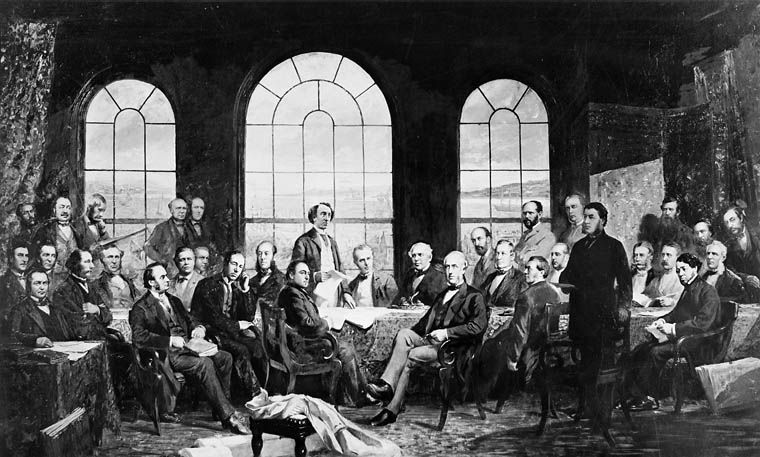
The Confederation Debates and Joining Canada
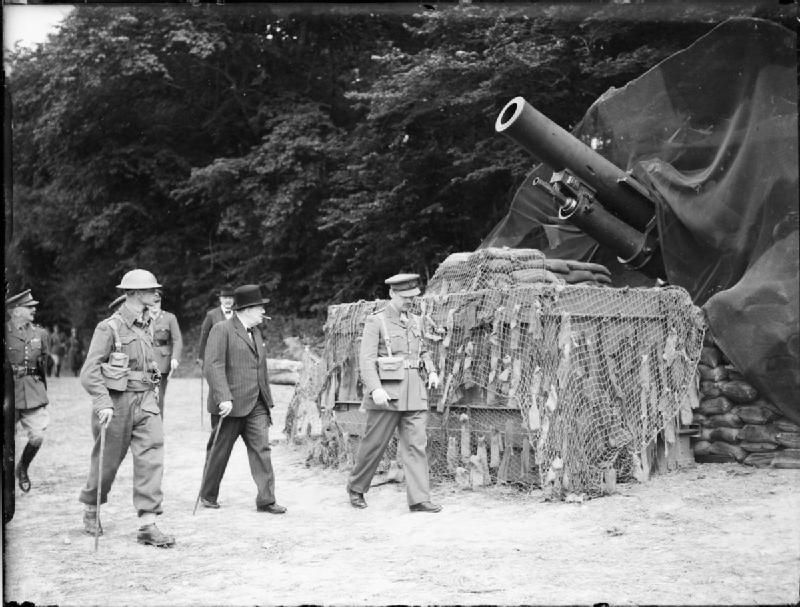
The Second World War brought deep change, as Newfoundland became a crucial Allied base, leading to economic revival and a renewed sense of confidence. After the war, the future political status of Newfoundland became the paramount question. The British government called for a National Convention to discuss options, which ultimately led to a referendum in 1948. The ballot presented three choices: a return to responsible government as an independent dominion, continuation of the Commission of Government, or Confederation with Canada. The results were extremely close. The first referendum gave a plurality for responsible government, but not a majority. A second runoff referendum between the top two choices resulted in a narrow victory for Confederation. The vote reflected deep divisions, often along religious and geographic lines, with urban areas and Protestants tending to favour Confederation and rural, Catholic areas supporting a return to independence. After the referendum, a delegation negotiated the Terms of Union with Canada. Newfoundland officially joined Canada on 31 March 1949.
Post-Confederation Developments and Modern Identity
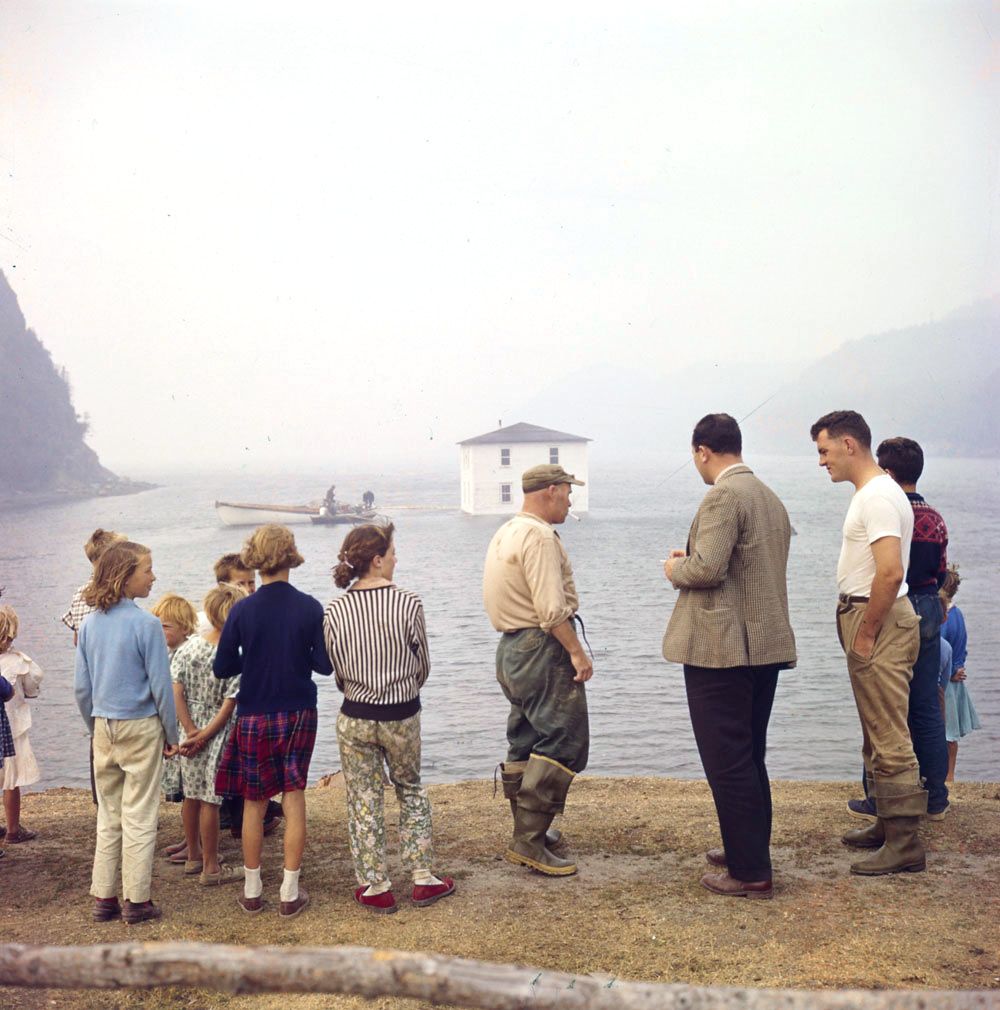
As a Canadian province, Newfoundland and Labrador underwent significant social and economic transformation. Premier Joey Smallwood's government aggressively pursued industrialization and resettlement programs, moving residents from remote outports to larger 'growth centres'. While these policies modernized infrastructure, they also disrupted traditional ways of life. The historic religious tensions that once defined politics largely faded, replaced by a growing sense of a unified provincial identity, often expressed through music and cultural revival. The economy remained vulnerable, however. The collapse of the Atlantic cod fishery in 1992 was a devastating crisis, resulting in a federal moratorium and the loss of tens of thousands of jobs. This forced a major economic restructuring toward offshore oil, mining, and aquaculture. Contemporary discussions continue to engage with history, including public debates around commemorations like Discovery Day and efforts to preserve and interpret the full breadth of the province's Indigenous and settler heritage.
- Discovery Day, a statutory holiday on the Monday nearest June 24, originally marking John Cabot's 1497 landing.
- L'Anse aux Meadows National Historic Site, a UNESCO World Heritage site preserving the Norse settlement.
- Signal Hill National Historic Site in St. John's, commemorating the 1762 battle and later communications history.
- The Newfoundland and Labrador Historical Society, which promotes public discussion of provincial history.
- Heritage NL (the Heritage Foundation of Newfoundland and Labrador), a Crown agency established in 1984 to preserve provincial heritage.
Demographic and Economic Landmarks
The demographic and economic history of Newfoundland and Labrador reveals patterns of growth, crisis, and adaptation. From a small, seasonal population in the 17th century, the colony grew steadily, with St. John's reaching a population of 29,594 by 1901. The denominational composition from the 1901 census showed a mix of Roman Catholics, Anglicans, and Methodists. The economy, historically centred on the export of salted cod, saw periods of boom and bust tied to international markets. The 20th century introduced new industries and challenges, from the rise and fall of the fishery to the emergence of offshore oil. For centuries, the cod fishery was the central economic activity, supporting the population and defining its culture. The collapse of this industry in the 1990s forced a major economic restructuring toward offshore oil, mining, and aquaculture.
| Period | Key Economic Activity | Major Political/Administrative Status |
|---|---|---|
| Pre-1497 | Indigenous hunting, fishing | Autonomous Indigenous nations |
| 1497-c.1630 | Seasonal European cod fishery | Claimed by European powers, informal governance |
| 1630 to 1855 | Permanent settlement, fishery, early mining | British colony |
| 1855 to 1907 | Responsible government, fishery, seal hunt, railways | Self-governing colony |
| 1907 to 1934 | Dominion status, resource export | Dominion of Newfoundland |
| 1934 to 1949 | Commission rule, economic management | Commission of Government |
| 1949 to present | Post-Confederation industrialization, fishery collapse, offshore oil | Province of Canada |
Questions about History of Newfoundland and Labrador
Why did Newfoundland not join Canada in 1867?
Newfoundland chose not to join Canadian Confederation in the 19th century due to a strong sense of independent identity and economic concerns. Having achieved responsible government in 1855, many Newfoundlanders valued their direct ties to Britain and control over their own affairs. The economy was based on the cod fishery, with trade links to Europe and the United States, and merchants feared Canadian tariffs would harm this trade. There was also no perceived threat from the United States to motivate union. The anti-Confederation side, led by Charles Fox Bennett, won a landslide victory in the 1869 general election.
What was the Commission of Government?
The Commission of Government was a non-elected, British-appointed body that ruled Newfoundland from 1934 to 1949. It was established after the collapse of the Newfoundland economy during the Great Depression led to a debt crisis and the suspension of responsible government. The Commission consisted of three British and three Newfoundland commissioners, plus a British governor, and its mandate was to restore financial stability and modernize administration. While it made progress in areas like public health and education, it governed without democratic representation. Its rule ended when Newfoundland voted to join Canada in 1948.
What happened to the Beothuk people?
The Beothuk were the Indigenous people of the island of Newfoundland at the time of European contact. As European settlement expanded, the Beothuk were displaced from their coastal fishing and hunting grounds, leading to conflict and starvation. Diseases introduced by Europeans also took a heavy toll. The Beothuk population declined rapidly, and the last known surviving member, a woman named Shawnadithit, died of tuberculosis in St. John's in 1829. Her drawings and descriptions, made while in captivity, remain vital records of Beothuk culture.
What is Discovery Day in Newfoundland and Labrador?
Discovery Day is a provincial statutory holiday observed on the Monday nearest June 24. It originally commemorated the landing of explorer John Cabot in Newfoundland in 1497, which was long considered the 'discovery' of the island by Europeans. Over time, its meaning has broadened to celebrate the province's broader heritage. In recent years, there has been public discussion about the holiday's name and focus, reflecting a growing emphasis on including Indigenous perspectives.
How did the cod fishery collapse affect Newfoundland?
The collapse of the Atlantic cod stocks in the early 1990s was a devastating economic and social crisis for Newfoundland and Labrador. After centuries as the central economic activity, overfishing and environmental changes led to a catastrophic decline in cod populations. The federal moratorium in 1992 resulted in the loss of tens of thousands of jobs, the depopulation of many rural communities, and significant outmigration. It forced a major economic restructuring, with increased emphasis on offshore oil, mining, and aquaculture.
What was the result of the 1948 Newfoundland referendum?
The 1948 referendum had two rounds. The first vote gave a plurality for a return to responsible government, but not a majority. A second runoff between the top two choices resulted in a narrow victory for Confederation with Canada. This led to negotiations with Canada, and Newfoundland joined Confederation on 31 March 1949.
Sources and further reading
- History of Newfoundland and Labrador (Wikipedia)
- 2026 › Newfoundland and Labrador Historical Society (nlhistory.ca)
- Discovery Day 2026: What Newfoundland and Labrador's ... (remitly.com)
- Newfoundland and Labrador (thecanadianencyclopedia.ca)
Checked by the Nosy Mag desk. Last updated 2026-10-23.